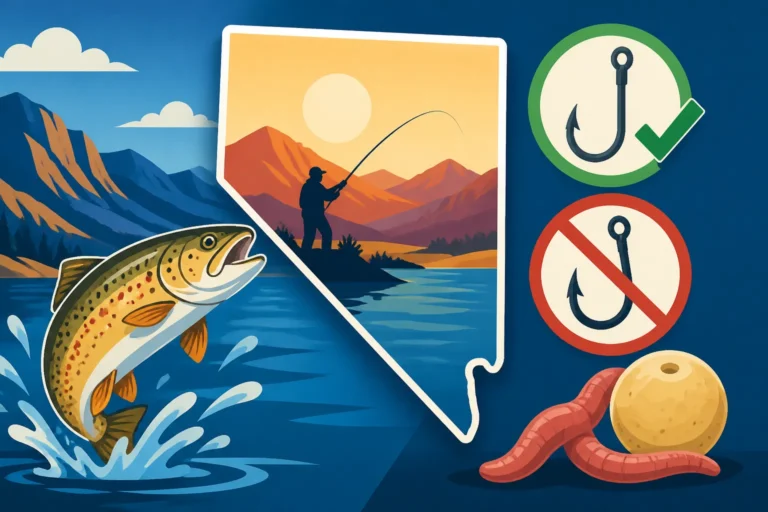
Is bait allowed at Pyramid Lake?
It's a common question that pops up for so many anglers looking to fish Pyramid Lake: "Can I use bait?" You're probably used to tossing out a worm, a piece of PowerBait, or even a live minnow at your local spot, and it feels natural. But when you plan a trip to a truly unique fishery like Pyramid Lake in Nevada, those typical assumptions can lead to a lot of confusion, and frankly, some costly mistakes. This guide is here to clear up all that uncertainty, giving you a definitive answer on bait use at Pyramid Lake and helping you understand the specific regulations designed to protect its legendary Lahontan Cutthroat Trout.
The Straight Answer: No Live or Scented Bait is Allowed
Let's get right to it, because this is often the biggest surprise for folks planning their first trip to Pyramid Lake: no live bait, dead bait, or any form of scented bait is permitted. This isn't just a suggestion; it's a strict regulation enforced by the Pyramid Lake Paiute Tribe, who manage this incredible fishery. For many seasoned anglers, this rule can feel restrictive, even a bit baffling, especially if your go-to method involves a simple worm and bobber. It definitely throws a wrench into the plans of anyone who relies on those classic bait setups.
This regulation exists for incredibly important reasons, primarily to protect the health and genetic integrity of the Lahontan Cutthroat Trout, especially the native strain that calls Pyramid Lake home. Introducing non-native baitfish can spread diseases, introduce invasive species, and even alter the natural food chain, all of which could be devastating to this delicate ecosystem. Imagine accidentally introducing a pathogen or a competing species that could wipe out the very fish you're trying to catch. It's a risk the Paiute Tribe simply cannot afford to take, given the cultural and ecological significance of these trout. So, while it might feel like a hassle, it truly is about conservation for the long haul.
What exactly falls under the "prohibited bait" umbrella? It's pretty comprehensive. This includes, but is not limited to, live worms, any type of minnow (live or dead), PowerBait, salmon eggs, corn, cheese, or any artificial lure that has been treated with scent, whether it's factory-impregnated or applied by hand. Even those soft plastic lures that come pre-scented are a no-go. If it smells like food to a fish, or if it's a real organism, chances are it's not allowed. This rule is designed to be unambiguous to prevent any accidental introductions or misunderstandings.
Many anglers express frustration, feeling like these rules overly complicate fishing. "Why can't I just use a simple worm?" they might ask. The answer lies in the unique vulnerability of the Lahontan Cutthroat. This species, particularly the Pilot Peak strain, was once thought to be extinct and has been painstakingly brought back from the brink. Every regulation at Pyramid Lake, from the permit requirements to the catch limits, is a direct result of this dedicated conservation effort. Understanding this deep commitment to the fishery helps put the "no bait" rule into perspective, even if it means changing up your usual fishing style.
Understanding What Is Permitted at Pyramid Lake
Okay, so bait is out. Now what? Don't worry, Pyramid Lake still offers incredible fishing opportunities, but they require a shift towards artificial presentations. The key is "artificial lures" and "flies." This means anything that doesn't offer natural scent or resemble actual food, but rather mimics the movement or appearance of a prey item. This is where your tackle box gets a whole new look for a Pyramid Lake adventure.
Artificial Lures: Casting and Trolling for Success
When it comes to artificial lures, you've got a fantastic array of options that are incredibly effective for targeting Lahontan Cutthroat Trout. Spoons, often large and brightly colored to imitate the native cui-ui fish, are a perennial favorite. Brands like Luhr-Jensen, Kastmaster, and Little Cleo are popular choices. You'll want to experiment with different sizes and colors, especially chrome, blue/silver, and chartreuse, to see what the trout are keying in on that day. These can be cast from shore, retrieved with varying speeds, or trolled from a boat.
Jigs and swimbaits are also incredibly productive. Large marabou jigs, white or chartreuse bucktail jigs, or even plastic paddle-tail swimbaits on a jig head can be deadly. The trick with these is to work them slowly, often bouncing them off the bottom or retrieving them with an erratic stop-and-go motion to mimic an injured baitfish. Many anglers find success with lures in the 3-6 inch range, especially those with some flash. When you're looking for new spoons or jigs to add to your collection, sites like Amazon often have a wide selection, making it easy to stock up on different options before your trip. Remember, no scent allowed, so steer clear of any "power" or "scented" versions of soft plastics.
Another crucial aspect of lure fishing at Pyramid Lake is the barbless hook requirement. Every single hook on your lure, whether it's a treble hook or a single hook, must be barbless. This isn't just about reducing injury to the fish; it's a critical part of the catch-and-release ethic that helps preserve the fishery's future. You can buy lures that come with barbless hooks, or you can easily crimp down the barbs on your existing hooks with a pair of pliers. It's a simple step that makes a huge difference in fish survival and is a non-negotiable part of the rules here. If you're unsure about this rule, a quick check of the latest Nevada Barbless Hook and Bait Rules will confirm its importance.
Fly Fishing: A Time-Honored Tradition
Pyramid Lake is also renowned as a world-class fly-fishing destination. Many purists argue it's the only way to truly experience the lake. Fly fishing here involves using artificial flies tied to mimic aquatic insects, baitfish, or even other trout. Popular patterns include various types of streamers like Woolly Buggers (black, olive, white), Pyramid Lake beetles, popcorn beetles, and a variety of nymph patterns fished under an indicator. The massive Lahontan Cutthroat are often found cruising shallow shelves or drop-offs, making them excellent targets for skilled fly anglers.
You'll need specific gear for fly fishing Pyramid Lake, typically a heavier rod, like a 7-weight to 9-weight, to handle larger flies and potentially large, strong fish, especially when battling the lake's often windy conditions. Integrated shooting lines are popular for achieving longer casts from the shore or ladder. A specialized fly line, like a sinking line, is often preferred to get your flies down to the fish quickly. If you're new to fly fishing or need to upgrade your gear, places like Amazon offer a wide range of fly rods, reels, lines, and fly patterns suitable for this unique fishery. Make sure to consult a local fly shop in Reno or Sparks for the most current hot patterns, as they can change with the seasons and water conditions.
When fly fishing, just like with lures, the barbless hook rule applies. All your flies must be tied on barbless hooks. This practice minimizes stress and injury to the trout, especially if you're practicing catch and release, which is often encouraged, particularly for the larger trophy-sized fish. Learning the proper techniques for Handling and Releasing Lahontan Cutthroat Trout is vital for any angler, regardless of their preferred method.
Navigating Pyramid Lake Regulations Beyond Just Bait
Understanding the bait rules is a huge first step, but Pyramid Lake has a few other unique regulations you need to be aware of before you even cast a line. These aren't arbitrary; they're all part of the comprehensive management plan to protect this truly special place and its inhabitants. Ignoring them can lead to significant fines and a ruined trip.
Permit Requirements are Non-Negotiable
First and foremost, you absolutely need a specific fishing permit from the Pyramid Lake Paiute Tribe. A standard Nevada fishing license will not work here. This is tribal land, and the tribe manages its own resources. These permits contribute directly to the management and conservation efforts that keep the fishery thriving, including fish stocking, habitat improvement, and enforcement. You can often purchase these permits online or at various locations around the lake and in nearby towns like Nixon and Sutcliffe. For a detailed rundown, check out our guide on the Pyramid Lake Fishing Permit Guide. Make sure you have your permit in hand and readily accessible, as wardens do check regularly.
Seasons and Hours: Know Before You Go
Unlike many lakes with year-round fishing, Pyramid Lake has specific fishing seasons. While fishing is generally open for much of the year, there are closures, particularly in the fall for the spawning season. This is crucial for the Lahontan Cutthroat's reproductive success. Additionally, there are specific legal fishing hours, typically from one hour before sunrise to one hour after sunset. Night fishing is generally prohibited. Always consult the most current regulations to confirm the Pyramid Lake Season and Bag Limit Rules and Pyramid Lake legal fishing hours before you plan your trip, as these can be subject to change.
Bag Limits and Slot Limits: Protecting the Big Ones
Pyramid Lake has strict bag and possession limits, and often a "slot limit" for Lahontan Cutthroat Trout. A slot limit means you can only keep fish within a certain size range, while smaller and larger fish must be released. This is a common conservation tool designed to protect the most genetically valuable fish (the largest spawners) and allow younger fish to grow. For example, you might be allowed to keep two fish between 17 and 20 inches, but anything larger or smaller must go back. Always verify the current Daily limit for Lahontan cutthroat trout at Pyramid Lake and the specific slot limits, as these are critical for responsible angling.
Practical Tips for Fishing Pyramid Lake Without Bait
Switching from bait to artificial lures or flies might seem daunting, but with the right approach, you can have an incredibly rewarding experience at Pyramid Lake. It’s all about preparation, understanding the fish, and adapting your techniques.
Gear Selection: Optimize for Performance
Since you'll be casting and retrieving artificials, your gear choice becomes paramount. For shore fishing with lures, a medium-heavy spinning rod, 8-10 feet long, paired with a reliable spinning reel spooled with 15-20 lb braided line and a fluorocarbon leader (10-15 lb test), is a popular setup. This allows for long casts, good sensitivity, and the backbone to fight large trout. For fly fishing, as mentioned, a 7-9 weight rod is ideal. You want gear that can stand up to the elements and the powerful fish.
Consider investing in good polarized sunglasses; the clear waters of Pyramid Lake often allow you to spot cruising fish, especially in shallow areas. Also, don't forget a sturdy landing net with rubberized mesh to protect the fish's slime coat, especially when practicing catch and release.
Technique Focus: Mimic Natural Prey
The Lahontan Cutthroat Trout are apex predators in Pyramid Lake, primarily feeding on the Tui Chub and the endemic Cui-ui. Your artificial lures should mimic these prey items.
- Spoons: Work spoons with a moderate, steady retrieve, occasionally adding a twitch or pause to entice strikes. Pay attention to how the spoon flutters on the fall.
- Jigs/Swimbaits: These are often best fished near the bottom, jigging them up and down, or slowly swimming them with intermittent stops. Think about mimicking a wounded baitfish struggling near the lake bed.
- Flies: For fly anglers, stripping streamers (like those Woolly Buggers) can imitate baitfish, while fishing nymphs under an indicator can mimic emerging insects. The key is to vary your retrieve until you find what the fish are reacting to.
Many successful anglers use fishing ladders at Pyramid Lake to gain elevation and cast farther out, especially from the beaches. This allows them to reach deeper water where the larger fish often lurk. These ladders can also help you navigate the often-rocky or soft shorelines more comfortably.
Understanding the Lake's Nuances
Pyramid Lake is massive and can be intimidating. Pay attention to structure, like points, drop-offs, and changes in bottom composition. The fish often congregate where these features provide cover or ambush points. Wind can be a major factor here, often dictating where you can fish and how effectively. Anglers often look for "cuts" or "shelves" in the lake's bottom where the trout will cruise. Observing other anglers and talking to locals at tackle shops can provide invaluable real-time information about current hotspots and effective techniques. Remember, the lake's conditions and fish behavior can change rapidly, so flexibility and observation are key to success.
Summary of Pyramid Lake Fishing Regulations for Bait and Tackle
To help clarify everything, here’s a quick summary of what’s allowed and what’s not when fishing Pyramid Lake:
| Category | Allowed | Prohibited |
|---|---|---|
| Bait | N/A (No bait is allowed) | Live bait (worms, minnows), dead bait, PowerBait, salmon eggs, corn, cheese, scented lures/plastics |
| Artificial Lures | Spoons, spinners, jigs, swimbaits, crankbaits (all must be barbless and unscented) | Any artificial lure treated with scent or designed to be eaten (e.g., heavily flavored soft plastics) |
| Flies | Streamers, nymphs, dry flies (all must be tied on barbless hooks) | Scented flies or flies that incorporate natural bait |
| Hooks | All hooks (on lures or flies) must be barbless. Single hooks are often preferred for fish safety. | Barbed hooks of any kind |
| Licenses/Permits | Pyramid Lake Paiute Tribe Fishing Permit | Nevada State Fishing License (not valid at Pyramid Lake) |
| Other Gear | Fishing ladders, polarized sunglasses, appropriate rods/reels for artificial lures/flies, rubberized net | Anything that could harm the ecosystem or violate specific tribal regulations (e.g., unauthorized night fishing gear) |
Disclaimer
The information provided in this guide is for general informational purposes only and is based on current available regulations. Fishing regulations, including those at Pyramid Lake, can change. It is always the angler's responsibility to check the most up-to-date rules and regulations published by the Pyramid Lake Paiute Tribe and the Nevada Department of Wildlife (NDOW) before heading out on the water. Violations can result in significant fines and penalties.