Nevada catch and release license requirement
There’s a common misconception among anglers, especially those new to Nevada’s beautiful waters or just visiting, that you might need a special permit if you only plan to catch and release fish. It’s a completely understandable thought; after all, if you’re not keeping anything, why would you need a full-blown fishing license? But here’s the thing: in Nevada, the act of fishing itself, regardless of whether you keep your catch or not, requires a valid state fishing license. This guide will clear up that confusion and walk you through everything you need to know about licensing for catch and release fishing in the Silver State.
Understanding Nevada's General Fishing License Requirements
Let's cut right to the chase: Nevada doesn't have a separate "catch and release only" license. If you're going to put a line in the water, you need a standard fishing license. This rule is in place to support the Nevada Department of Wildlife (NDOW) in managing and conserving fish populations and their habitats across the state. Your license fees contribute directly to these vital efforts, ensuring that Nevada's fisheries remain healthy and productive for generations to come, whether you're targeting trophy Lahontan cutthroat trout at Pyramid Lake or largemouth bass in Lake Mead.
Who Needs a License to Fish in Nevada?
The general rule is pretty straightforward: if you are 12 years old or older and you plan to fish in Nevada's public waters, you need a fishing license. This applies whether you're a resident or a nonresident, and whether you intend to keep your fish, practice your casting, or simply enjoy the thrill of the fight before releasing your catch. There are very few exceptions to this, and they’re usually quite specific, such as fishing on designated Nevada Free Fishing Day, which happens once a year, or on private ponds that meet very specific criteria.
Even if you’re just teaching a child how to cast, if you’re holding the rod and actively engaged in fishing, you typically need a license. It’s all about participation in the act of fishing, not the outcome. The state views any active engagement with fishing gear in public waters as requiring proper authorization. This ensures that every angler contributes to the management and protection of these precious resources.
The Myth of a "Catch and Release Only" License
It’s easy to see why someone might assume there’s a distinct catch and release license. In some places, specific permits might exist for different fishing activities or conservation efforts. However, in Nevada, your standard annual, short-term, or combination fishing license covers all legal fishing activities, including catch and release. The license is a permit to engage in the sport of angling, full stop. The decision to keep or release your fish is a separate matter, governed by daily limits, size restrictions, and individual preference, but it doesn't change the initial requirement for the license itself.
Think of it this way: your driver's license allows you to operate a vehicle. It doesn't matter if you're driving to the grocery store or just taking a scenic cruise; the license is for the act of driving. Similarly, your Nevada fishing license is for the act of fishing. It empowers you to enjoy the state's diverse aquatic environments responsibly.
Specific Waters and Special Permits
While a statewide Nevada fishing license is your golden ticket for most public waters, there are a few notable exceptions where additional permits might be necessary. The most prominent example is Pyramid Lake, home to the world-famous Lahontan cutthroat trout. This incredible lake is on tribal land, and while a state license is good for most places, you'll absolutely need a separate Pyramid Lake Fishing Permit Guide to fish here. These permits are crucial for supporting the Paiute Tribe's conservation efforts for the unique ecosystem of Pyramid Lake.
Additionally, certain private ponds or waters might operate under different rules. If you're fishing on private land, always confirm with the landowner if a state license is required. Most of the time, however, if you're stepping into any lake, river, or stream managed by the state or federal government, your Nevada state fishing license is a must. Knowing the local rules for each body of water you visit is always a good practice, as regulations can vary significantly from one lake to another, even within the same state.
Navigating Different License Types and Costs
Understanding that you need a license is the first step; the next is figuring out which type is right for you. Nevada offers a variety of options designed to fit different needs, whether you're a lifelong resident or just passing through for a quick fishing getaway.
Resident vs. Nonresident Options
The primary distinction in Nevada fishing licenses is between residents and nonresidents. As you might expect, Nevada resident fishing license cost is significantly lower than for out-of-state anglers, reflecting the ongoing contribution of residents to the state's economy and tax base. Residents typically have access to annual licenses and combination hunting and fishing licenses at a more affordable rate.
For nonresidents, options range from short-term permits, like the Nevada 1-Day Fishing Permit Details, to full annual licenses. If you're planning a vacation and aren't sure how much you'll fish, a shorter-term permit can be a cost-effective choice. However, if you anticipate multiple trips throughout the year or longer stays, an annual Nevada annual fishing license cost for out-of-state visitors might prove to be more economical in the long run. It's always a good idea to crunch the numbers based on your travel plans.
Age-Based Exemptions and Discounts
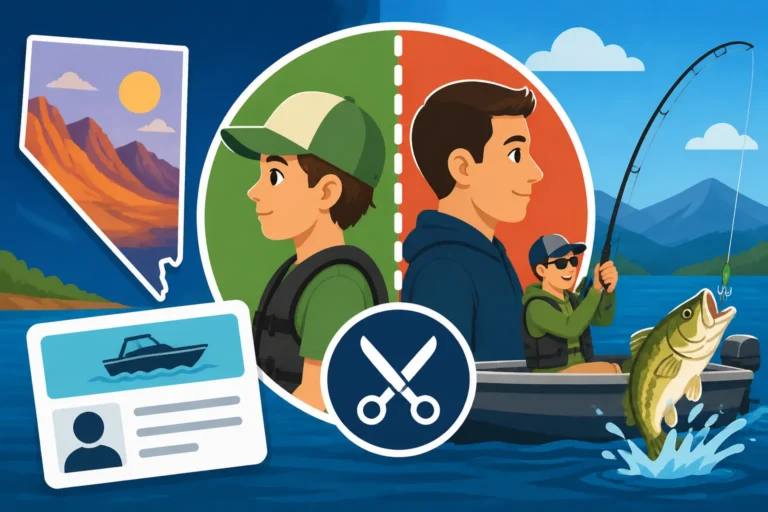
Nevada recognizes that fishing is a fantastic activity for all ages, and they’ve structured their licensing to encourage participation while still ensuring conservation efforts are funded. Children under the age of 12 do not need a fishing license to fish in Nevada's public waters. This is a fantastic opportunity to introduce the younger generation to the joys of angling without an extra hurdle, so remember that Do kids need a fishing license in Nevada?. However, once a child turns 12, they will need to acquire a Nevada Youth Fishing License Rules, which is offered at a reduced rate.
Seniors also receive consideration, with special discounts available for qualifying residents. If you're a Nevada resident aged 65 or older, you can take advantage of the Nevada Senior Fishing License Discount. Additionally, the state provides discounts and exemptions for eligible disabled veterans, acknowledging their service and sacrifice. Always check the latest NDOW regulations for specific requirements and documentation needed to qualify for these special licenses.
Where to Purchase Your Nevada Fishing License
Getting your fishing license in Nevada is easier than ever, with several convenient options available. The most popular method for many is to purchase it online directly through the Nevada Department of Wildlife (NDOW) website. This allows you to print your license at home instantly or save a digital copy on your phone, making it incredibly convenient, especially if you decide on a last-minute fishing trip. You can learn more about this process in our guide on How to buy a Nevada fishing license online.
Beyond online purchases, licenses are readily available at numerous authorized vendors across the state. These typically include sporting goods stores like Cabela's or Bass Pro Shops, many local bait and tackle shops, and even some convenience stores. These locations can be a great resource for not only getting your license but also picking up any last-minute gear or getting local fishing tips. For a comprehensive list of places, check out our guide on Where to Buy a Nevada Fishing License. Remember, whether you buy online or in person, make sure your license is valid for the dates you plan to fish.
Catch and Release Best Practices
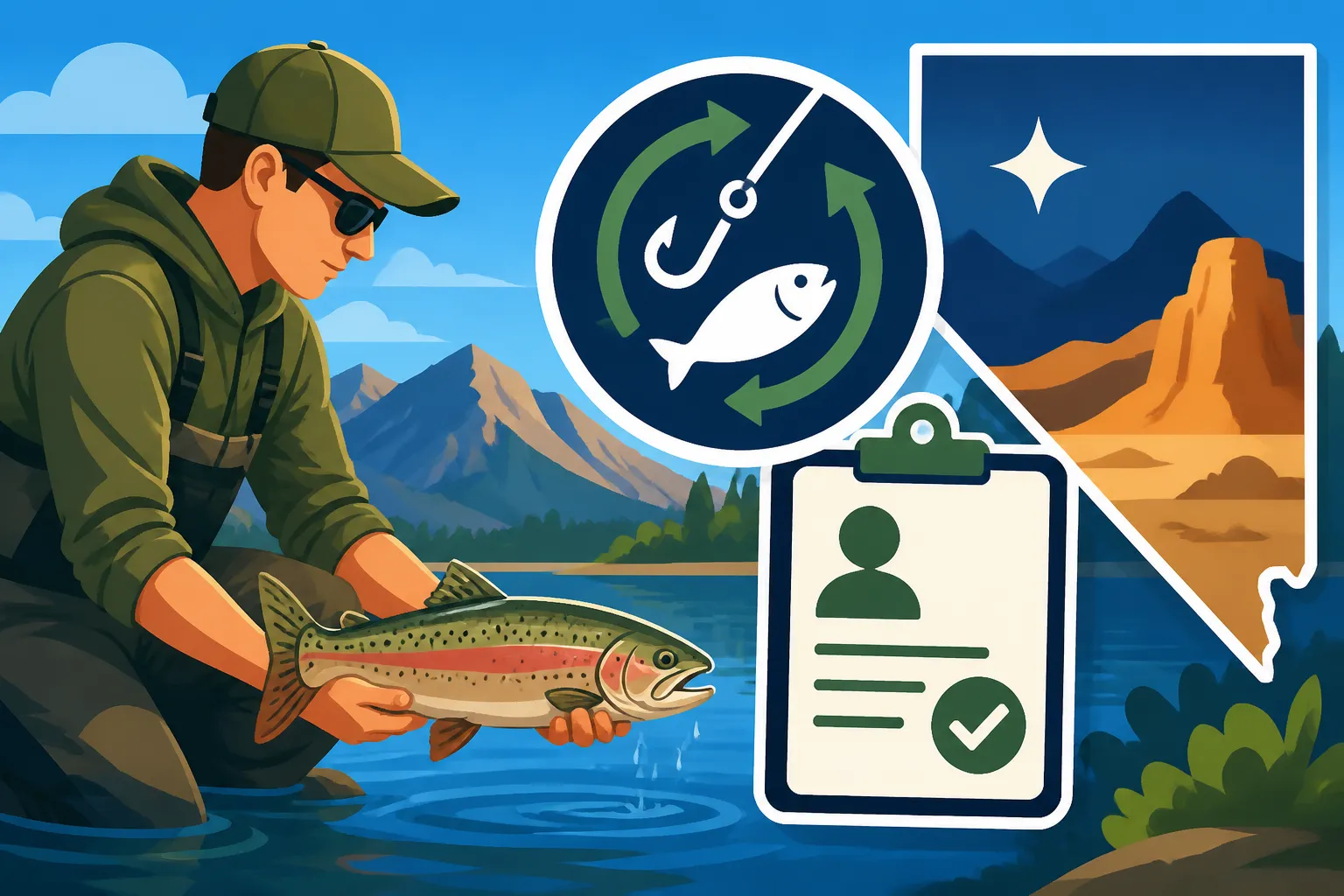
Since the standard Nevada fishing license covers catch and release, it's crucial for every angler to understand and practice responsible techniques to ensure the fish you release have the best chance of survival. After all, the spirit of catch and release is not just about letting a fish go; it's about letting it go healthy and strong.
Essential Gear for Responsible Catch and Release
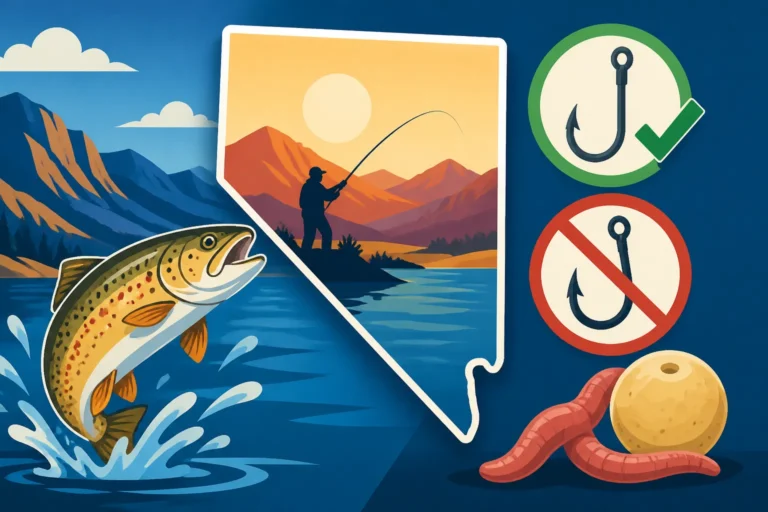
Having the right tools can make a significant difference in the survival rate of released fish. One of the most critical pieces of gear is a pair of long-nosed pliers or a de-hooking tool. These allow you to quickly remove hooks without having to put your hands directly on the fish, minimizing stress and damage. Circle hooks are also highly recommended, especially when bait fishing, as they tend to hook fish in the corner of the mouth, reducing the chance of deep gut hooks. For more on this, you might explore Nevada Barbless Hook and Bait Rules.
Another essential item is a knotless rubber landing net. Unlike traditional nylon nets, rubber nets are much gentler on a fish's delicate slime coat, fins, and scales. This protective slime layer is vital for warding off diseases, and a damaged one can lead to infection and mortality. When shopping for these items, many anglers find a good selection of quality tools on platforms like Amazon, making it easy to prepare for a responsible outing.
Minimizing Stress and Maximizing Survival
The moment you hook a fish, a countdown begins to its safe release. The key is to minimize the time the fish is out of water and handle it as little as possible. When bringing a fish in, try to land it quickly without overly tiring it out, especially in warm water conditions. Once landed, avoid dragging it on abrasive surfaces like rocks or sand. Use your rubber net to keep it submerged or gently cradle it with wet hands.
If you must take a photo, do so quickly and keep the fish as close to the water as possible, supporting its body horizontally. Never hold a fish vertically by its jaw alone, as this can severely damage its internal organs and spine. Remove the hook gently and swiftly. If a fish is deeply hooked, it’s often best to cut the line as close to the hook as possible rather than trying to rip it out, which can cause more harm. For more detailed techniques, especially for trout, refer to our guide on Catch and Release Techniques for Trout.
Species-Specific Considerations and Regulations
Different fish species react differently to being caught and released, and regulations sometimes reflect this. For instance, the Lahontan cutthroat trout at Pyramid Lake often have specific slot limits and regulations that mandate catch and release for certain sizes, or even for all fish caught in particular seasons. Understanding these rules, such as those detailed in Pyramid Lake Season and Bag Limit Rules, is paramount. Some species, like larger trout or bass, are more susceptible to stress in warmer water, so adjust your handling practices accordingly.
Additionally, certain sensitive species may have specific handling instructions or even be protected entirely, requiring immediate release without removal from the water. Always consult the current Nevada Fishing Regulations Explained booklet provided by NDOW before you head out, or check their website for the most up-to-date information. Your actions as an angler have a direct impact on the health and future of these fish populations.
Common Misconceptions and Legal Realities
Despite the clarity of Nevada's fishing regulations, some misunderstandings persist, especially around casual fishing activities or situations where one might assume a license isn't necessary.
"I'm Just Practicing/Teaching"
This is a common scenario: you’re at a local park pond, maybe with a child or just honing your casting skills, and you don’t intend to actually catch anything, or if you do, you’ll immediately release it. The thinking often goes, "I'm not really fishing in the traditional sense, so I don't need a license." This is a misconception that can lead to an unwelcome surprise from a game warden. In Nevada, the act of attempting to catch fish, or even having bait or a lure in the water, is considered fishing.
Therefore, even if your sole intention is to practice your technique, introduce a youngster to the basics of casting (and especially if they are 12 or older), or simply enjoy the tranquility of having a line in the water, a valid fishing license is required. The spirit of the law is to ensure that anyone interacting with the state's fishery resources contributes to their maintenance, regardless of their ultimate goal for the catch.
Penalties for Fishing Without a License
It might seem like a minor oversight, but fishing without a valid license in Nevada is a violation of state law. The penalties can range from a significant fine to confiscation of your fishing gear. This isn't just about revenue; it's about enforcing the regulations that protect fish populations and ensure fair play for all licensed anglers. Game wardens regularly patrol popular fishing spots, from the bustling shores of Lake Mead to the quiet stretches of the Truckee River, and they are authorized to check for licenses.
The exact Penalty for fishing without a license in Nevada can vary depending on the specific circumstances and whether it's a repeat offense, but it's always more expensive and troublesome than simply buying the appropriate license in the first place. Beyond the financial cost, there's the inconvenience and potential for a mark on your record. It's simply not worth the risk. Make it a habit to double-check that your license is current and on your person (or easily accessible on your phone) every single time you head out to fish.
Nevada Fishing License Overview
Here's a quick reference table summarizing the general requirements for fishing licenses in Nevada, including for catch and release activities.
| License Type | Who Needs It? | Cost (Approximate, varies by year) | Valid For Catch & Release? | Key Notes |
|---|---|---|---|---|
| Resident Annual Fishing | Nevada residents 12-64 years old | ~$40-$50 | Yes | Covers all legal species, statewide. |
| Nonresident Annual Fishing | Nonresidents 12+ years old | ~$80-$90 | Yes | Best value for extended stays or multiple visits. |
| Resident Youth Fishing | Nevada residents 12-17 years old | ~$10-$15 | Yes | Required for young anglers after age 11. |
| Nonresident Youth Fishing | Nonresidents 12-17 years old | ~$15-$20 | Yes | Affordable option for visiting youth. |
| 1-Day Fishing Permit | Any angler 12+ years old | ~$10-$15 | Yes | Great for short trips or trying out fishing. |
| 5-Day Fishing Permit | Any angler 12+ years old | ~$30-$40 | Yes | Ideal for weekend getaways or short vacations. |
| Senior Resident Fishing | Nevada residents 65+ years old | ~$10-$15 | Yes | Discounted for qualifying seniors. |
| Disabled Veteran Fishing | Qualifying disabled Nevada veterans | Reduced/Exempt | Yes | Specific eligibility requirements apply. |
| General Rule | Anyone 12+ actively fishing | Varies | YES | All licenses permit catch and release fishing. |
Note: Costs are approximate and subject to change. Always check the official NDOW website for the most current pricing and regulations.
Remember, a valid fishing license is your entry ticket to enjoy Nevada’s diverse fishing opportunities, and it plays a vital role in preserving these resources for everyone. Whether you're a dedicated catch and release angler or you enjoy bringing home a meal, understanding and adhering to these requirements ensures a sustainable and enjoyable future for Nevada fishing.
Disclaimer
The information provided in this guide is for general informational purposes only and does not constitute legal advice. Fishing regulations and license requirements in Nevada are subject to change. Always consult the official Nevada Department of Wildlife (NDOW) website or their current fishing regulation booklet for the most accurate and up-to-date information before engaging in any fishing activities. Compliance with all state and local laws is the responsibility of the individual angler.