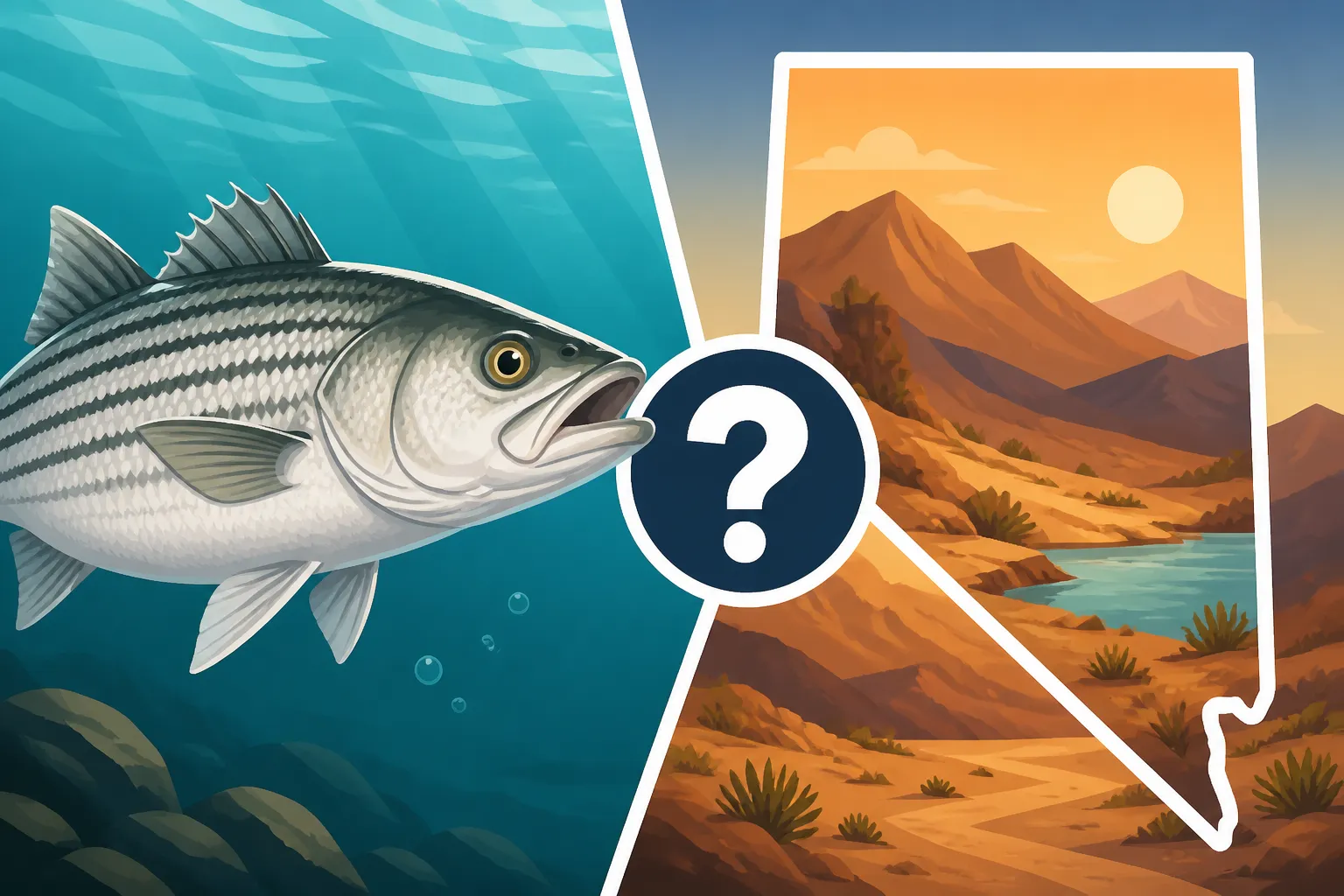
Are striped bass native to Nevada?
Many folks casting a line in Nevada's vast reservoirs, especially new anglers or those visiting from out of state, might look at the impressive striped bass population in places like Lake Mead and Lake Mohave and wonder: have these powerful fish always been a part of the Silver State's aquatic landscape? It’s a common question, and one that gets right to the heart of understanding Nevada’s unique fisheries. This guide will dive deep into the fascinating story of the striped bass in Nevada, revealing their origins, why they were brought here, and what their presence means for anglers today.
The Straight Scoop: Are Striped Bass Native to Nevada?
Let's get right to it: no, striped bass are not native to Nevada. It’s a definite "no." While they are incredibly abundant in some of our larger water bodies, especially in the southern part of the state, their presence here is entirely the result of human introduction. Many people assume that if a fish species thrives in a certain environment, it must have always been there. However, Nevada's aquatic ecosystems are a fantastic example of how strategic stocking efforts can dramatically reshape the angling experience.
When you're reeling in a hard-fighting striper at Lake Mead, it's easy to imagine they've been swimming these waters for centuries. But the truth is, their natural home is far from the arid landscapes of Nevada. Striped bass are historically an anadromous species, meaning they are born in freshwater rivers, migrate to saltwater oceans to mature, and then return to freshwater to spawn. Their native range stretches along the Atlantic coast of North America, from the St. Lawrence River down to the St. Johns River in Florida, and also includes the Gulf of Mexico. Nevada, being landlocked and thousands of miles from either coast, is certainly not within that natural habitat.
Understanding Native vs. Introduced Species
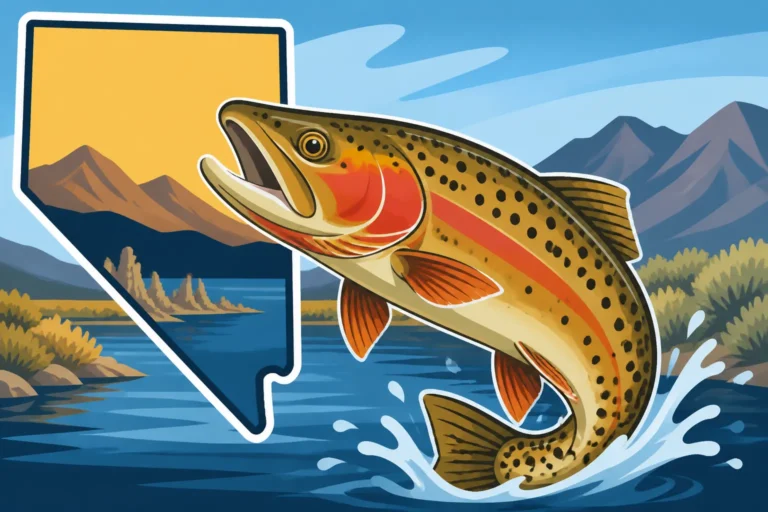
The distinction between native and introduced species is really important in fisheries management. A native species, sometimes called an indigenous species, is one that has naturally evolved and occurred in a particular ecosystem without human intervention. Think of our incredible Lahontan Cutthroat Trout in Nevada, which have adapted over millennia to the unique conditions of Pyramid Lake and its tributaries. These species are fundamental to the natural balance of an ecosystem.
Introduced species, on the other time, are brought into an area by human activity, whether intentionally or accidentally. In the case of striped bass in Nevada, their introduction was very much intentional, a calculated decision to create new recreational fishing opportunities. These introductions can sometimes have unforeseen ecological consequences, but in other cases, like with the striped bass, they can lead to thriving, self-sustaining populations that become major draws for anglers. It's a complex balance, and understanding this history helps us appreciate the diverse fishing opportunities we have today.
Why Striped Bass Found a New Home in Nevada
So, if striped bass aren't native, why are they here? The story of their introduction to Nevada's waters is a prime example of fisheries management agencies looking to enhance angling opportunities and, in some cases, address specific ecological challenges. The primary driver behind introducing striped bass was to create a new, exciting sport fishery for anglers in our large reservoirs, particularly Lake Mead.
In the mid-20th century, Lake Mead, formed by the Hoover Dam on the Colorado River, was a massive body of water with a substantial forage base—primarily gizzard shad and threadfin shad. These baitfish were incredibly abundant, but there weren't enough large, predatory game fish to keep their populations in check. Fisheries biologists saw an opportunity to introduce a powerful, fast-growing predator that could utilize this abundant food source and provide thrilling fishing experiences.
The Grand Introduction to Lake Mead
The initial stockings of striped bass into Lake Mead began in the 1950s. Fish were transported from their native East Coast waters and carefully introduced. The idea was to see if these saltwater-adapted fish could not only survive but also thrive and reproduce in a massive freshwater impoundment. And thrive they did! Lake Mead provided an ideal environment: vast open water, warm temperatures for much of the year, and an endless buffet of shad.
It wasn't long before the striped bass established a self-sustaining population. They adapted remarkably well to their new freshwater home, abandoning their anadromous migratory patterns and completing their entire life cycle within the lake. This success led to subsequent introductions into other large Nevada waters, most notably Lake Mohave, also part of the Colorado River system. The results were spectacular, transforming these reservoirs into some of the premier striped bass fisheries in the entire Western United States. This introduction completely changed the game for anglers seeking a powerful, hard-fighting sport fish in Nevada.
Balancing the Ecosystem: Benefits and Challenges
The introduction of striped bass wasn't just about creating a new fishery; it was also a form of biological control. By introducing a top-tier predator, managers hoped to control the exploding populations of forage fish like shad. This can prevent overpopulation of baitfish, which might otherwise compete with other game fish for resources or impact water quality. The striped bass proved highly effective in this role, becoming a key component of the food web in these large reservoirs.
However, like any introduction, it's not without its complexities. A non-native predator can sometimes impact native species, even if unintentionally. While Lake Mead's original fish community was largely adapted to riverine environments rather than large, deep lakes, and many native fish had already been impacted by the damming of the Colorado River, the long-term ecological balance is always a consideration. Fisheries managers continuously monitor populations of all species to ensure the health of the ecosystem. For the angler, the benefit is undeniable: a world-class Striped Bass Fishing in Nevada experience right in our backyard.
Striped Bass Today: A Cornerstone of Nevada Fishing
Today, striped bass are not just present in Nevada's larger reservoirs; they are a dominant and celebrated species. They have become a cornerstone of the fishing scene at places like Lake Mead and Lake Mohave, drawing anglers from all over the country looking for a fight. These fish are known for their incredible strength and aggressive takes, making them a favorite target for many.
The populations in these lakes are generally robust and self-sustaining, meaning they reproduce naturally without the need for continuous stocking. This is a testament to how well they adapted to the unique conditions of the lower Colorado River system. Anglers can often find them schooling in open water, chasing baitfish, or congregating around structure. Understanding their behavior is key to success, whether you're trolling, jigging, or casting from shore. You'll find many resources dedicated to uncovering Striped Bass Feeding Patterns to help you plan your next trip.
Where to Find and How to Catch Them
If you're looking to target striped bass in Nevada, your primary destinations will be Lake Mead and Lake Mohave. These vast reservoirs offer diverse environments for stripers, from deep channels to shallow coves. Early mornings and evenings are often the best times to fish, especially during warmer months, as the stripers become more active chasing bait.
Many anglers employ various techniques:
- Trolling: This is a popular method, especially from a boat, using deep-diving crankbaits or spoons to cover large areas of water.
- Jigging: Vertical jigging with heavy spoons or swimbaits is effective when stripers are suspended in deeper water or marked on a fish finder. Check out Jigging Techniques for Lake Mead Stripers for more specific advice.
- Casting: From shore or boat, casting lipless crankbaits, swimbaits, or topwater lures can be exciting when stripers are actively busting on the surface.
- Bait Fishing: Live or cut bait, particularly shad or anchovies, can be highly effective when fished on the bottom or under a bobber, especially in known hotspots like Lake Mead Striped Bass Hotspots.
For gear, a medium-heavy to heavy action rod with a strong reel spooled with sturdy line is essential. Given their fighting power, you'll appreciate a robust setup. Many anglers opt for braided line for its strength and sensitivity. You can find a wide variety of striped bass lures, from swimbaits to crankbaits, readily available on platforms like Amazon, making it easy to gear up for your next adventure. Don't forget a good net; landing a big striper requires some serious handling, and a net like those found on Amazon can make the job a lot smoother and safer for both you and the fish.
Understanding Regulations and Consumption
While striped bass are not native, they are a highly regulated and managed game fish in Nevada. Always check the current Nevada fishing regulations booklet for specific bag limits, size restrictions, and any seasonal rules that might apply to the waters you're fishing. The Nevada Department of Wildlife (NDOW) works hard to maintain healthy fish populations and ensure sustainable fishing opportunities for everyone.
Regarding consumption, many anglers enjoy eating striped bass. They offer firm, white flesh that can be prepared in various ways. However, it’s always wise to be aware of any local fish consumption advisories, particularly in large impoundments. These advisories, if present, are typically related to naturally occurring elements that can accumulate in fish over their lifespan. Rest assured, you can find information on topics like Can you eat the fish you catch at Lake Mead? to help you make informed decisions about your catch.
| Feature | Striped Bass (in Nevada) | Lahontan Cutthroat Trout (Native to Nevada) |
|---|---|---|
| Native Status | Introduced / Non-Native | Native / Indigenous |
| Original Habitat | Atlantic & Gulf Coasts | Great Basin (Pyramid Lake, Truckee River) |
| Current Primary Habitat | Lake Mead, Lake Mohave | Pyramid Lake, high mountain lakes, streams |
| Diet | Primarily shad | Smaller fish, insects, crustaceans |
| Spawning Preference | Free-flowing rivers | Cold, clean, rocky riverbeds |
| Max Size Potential | Very large (40+ lbs) | Large (20+ lbs at Pyramid Lake) |
| Ecological Role | Top freshwater predator | Apex predator in native range |
In conclusion, while the question "Are striped bass native to Nevada?" is easily answered with a clear "no," their journey to becoming one of the state's most popular sport fish is a fascinating testament to modern fisheries management. They may not have originated in our desert waters, but they've certainly made themselves at home, offering incredible angling excitement and contributing significantly to the outdoor recreation economy of the Silver State.
Disclaimer
This article is for general informational purposes only and does not constitute professional advice. Laws, prices and regulations vary by location and change over time. Consult a qualified professional for guidance on your specific situation.