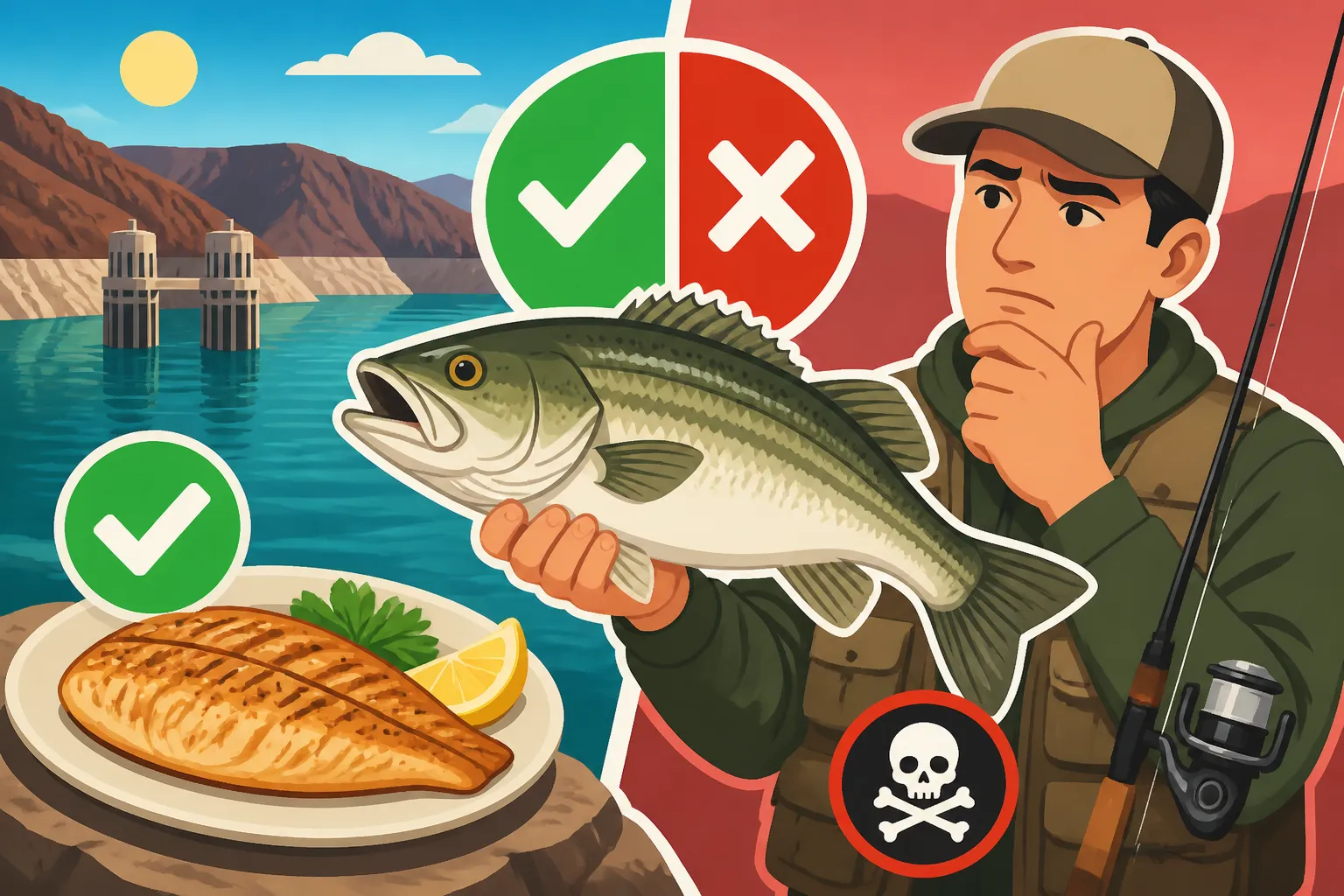
Can you eat the fish you catch at Lake Mead?
One of the most common questions I hear from fellow anglers, especially those new to the area or just visiting our beautiful state, is whether the fish they catch from Lake Mead are actually safe to eat. It's a completely valid concern, really. With all the news about environmental factors, water levels, and just general awareness about what we put into our bodies, it makes perfect sense to pause and think before you bring that fresh catch to the dinner table. This guide aims to clear up some of that confusion, offering a realistic look at fish consumption from Lake Mead and what you, as an angler, need to know to make informed decisions.
Understanding Fish Consumption Advisories for Lake Mead
First things first, let's talk about those official warnings you might hear about. These aren't just arbitrary rules; they come from health and wildlife agencies, primarily the Nevada Division of Wildlife (NDOW) and state health departments, based on scientific studies and monitoring of local fish populations. Their goal is to protect public health, especially for vulnerable groups. It's not usually a blanket "don't eat any fish," but rather specific guidelines that take into account things like the species of fish, its size, and how often you're eating it.
These advisories are a critical resource for us anglers. They're designed to help you weigh the benefits of enjoying your fresh catch against potential risks. For Lake Mead, the main concerns typically revolve around contaminants that accumulate in fish tissues over time, like mercury and polychlorinated biphenyls (PCBs). These substances can enter the environment from various sources and then make their way up the food chain, concentrating in larger, older predatory fish. Nevada Fishing Regulations Explained often includes details on these advisories, so it’s always wise to check the latest guidance before heading out.
When an advisory is issued, it's usually very specific. For instance, it might suggest limiting consumption of certain species to a certain number of meals per month, or it might advise pregnant women, nursing mothers, and young children to avoid specific fish altogether. The key is to remember that these are advisories, not outright bans, and they're meant to empower you to make healthy choices. It’s not about fear-mongering; it's about being informed.
Factors Influencing Fish Safety at Lake Mead
When we talk about what makes a fish from Lake Mead safe or less safe to eat, several environmental and biological factors come into play. It’s a complex ecosystem, and everything from water quality to the fish’s diet can have an impact.
Water Quality and Contaminant Accumulation
Lake Mead is a massive reservoir, part of the Colorado River system, and like any large body of water that has been influenced by human activity for decades, it has its challenges. While the water is treated for drinking, the ecosystem itself can accumulate certain substances. Heavy metals like mercury, for example, can be present naturally or from historical industrial activities, agricultural runoff, or even atmospheric deposition. These compounds can then be converted into methylmercury by bacteria in the water and sediment, which is the form that readily accumulates in fish.
PCBs are another type of industrial chemical that can persist in the environment for a very long time. Once in the lake, they can settle into sediments and then be ingested by bottom-feeding organisms, which are then eaten by smaller fish, and so on up to the larger predatory species. This process, known as bioaccumulation and biomagnification, means that the bigger and older the fish, especially those at the top of the food chain, the more contaminants they are likely to have accumulated in their tissues. This is why advisories often target larger fish of certain species.
Role of Fish Species and Diet
Not all fish are created equal when it comes to contaminant levels. Their position in the food web makes a huge difference. Herbivorous fish that eat plants or detritus (decaying organic matter) tend to have lower levels of contaminants than carnivorous fish that eat other fish. Similarly, fish that live longer tend to accumulate more over their lifetime.
For example, a species like the striped bass, which is a major predatory fish in Lake Mead, often feeds on smaller fish throughout its life. As these stripers grow larger and older, they naturally accumulate more contaminants like mercury. On the other hand, a species that might primarily feed on insects or plant matter, or has a shorter lifespan, could have much lower levels. Understanding the diet and lifespan of the fish you're targeting can give you a better idea of its potential contaminant load. This knowledge is really helpful when you're planning your fishing trip and deciding which species to pursue. If you're really interested in the Nevada Fish Species Guide, you can learn a lot more about what each type of fish eats and where they fit into the ecosystem.
Specific Species and Their Consumption Recommendations
Let's dive into some of the most popular game fish in Lake Mead and what the general consensus is regarding their edibility and any associated advisories. This isn't just about what tastes good, but what's generally considered safe.
Striped Bass
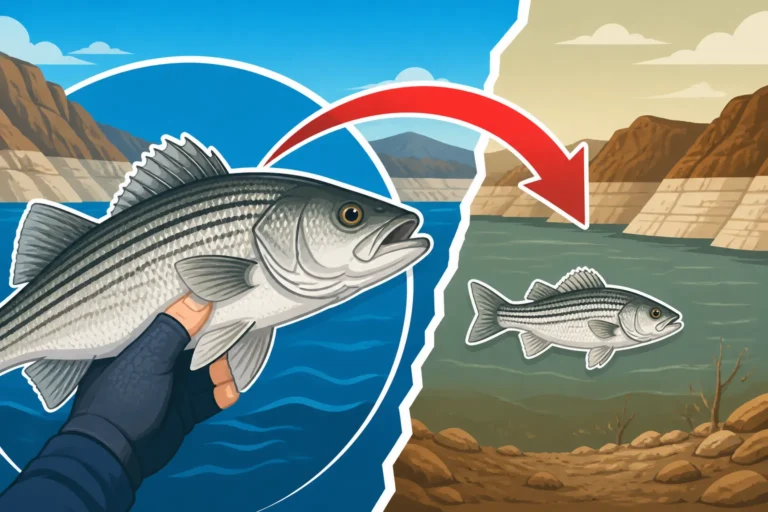
Striped bass are, without a doubt, one of the most exciting fish to catch in Lake Mead. They grow large, fight hard, and are plentiful. However, they are also frequently the focus of consumption advisories due to their predatory nature and potential for mercury accumulation. Larger, older striped bass, especially those over a certain length, tend to have higher levels.
Generally, advisories suggest limiting consumption of larger striped bass, especially for sensitive populations like pregnant women, nursing mothers, and young children. For the general adult population, moderate consumption is usually deemed acceptable, but it's always smart to check the latest NDOW guidelines for specific size recommendations and meal limits. Smaller stripers, often called "schoolies," are typically considered safer to eat more frequently than the trophy-sized lunkers. It's a common practice for anglers to focus on smaller stripers for the dinner table. If you're looking to target these popular fish, our Striped Bass Fishing in Nevada guide has some great tips.
Largemouth and Smallmouth Bass
Both largemouth and smallmouth bass are abundant in Lake Mead and are fantastic sport fish. Similar to striped bass, these are predatory fish, meaning they too can accumulate contaminants. However, they generally don't grow to the massive sizes of some of the larger stripers, and their diet can vary.
Advisories for largemouth and smallmouth bass tend to be a bit less stringent than for the largest stripers, but they still exist, especially for bigger individuals. Again, the general advice is to consume in moderation, and for vulnerable groups, to limit intake or choose smaller fish. Knowing the specific conditions of a particular year can be crucial here; sometimes, advisories are updated based on new findings.
Channel Catfish
Channel catfish are often found in the deeper, muddier areas of Lake Mead. They are bottom feeders and can also accumulate contaminants. However, their diet, while varied, might include more detritus and invertebrates compared to a purely piscivorous (fish-eating) diet.
Consumption advisories for channel catfish may exist, particularly for very large or older specimens. Smaller catfish are often considered a good option for consumption, and many anglers enjoy them for their mild, flaky white meat. Just like with bass, checking the current guidelines will provide the most accurate, up-to-date information for your specific fishing plans.
Other Species: Crappie, Bluegill, Carp, and More
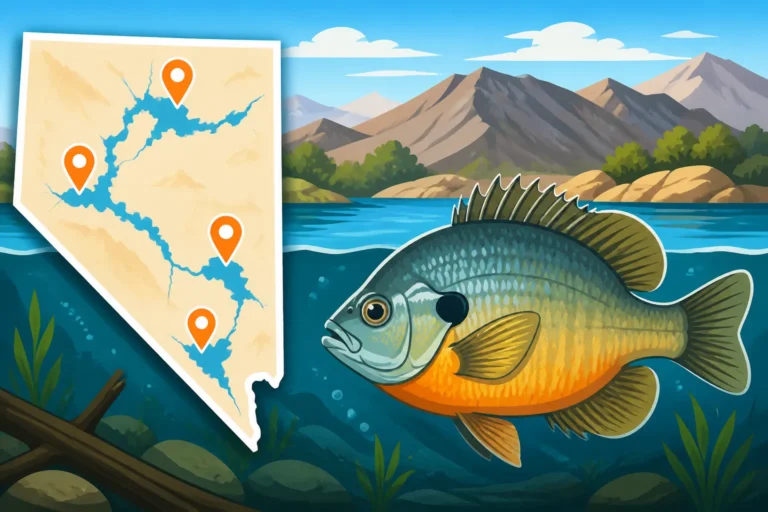
Lake Mead is home to a variety of other fish like crappie, bluegill, common carp, and sometimes even carp. Smaller panfish like crappie and bluegill typically have very low levels of contaminants due to their shorter lifespans and diet. They are generally considered safe for more frequent consumption.
Common carp, while often overlooked by sport anglers, are quite common. They are bottom feeders, which means they can potentially ingest contaminants from the sediment. However, they are not typically high-level predators, so their contaminant profiles might differ. Some people enjoy eating carp, but proper cleaning is essential. For any species, remember to consult the latest local advisories to be fully informed.
Here’s a quick overview of general consumption considerations for popular Lake Mead species:
| Fish Species | Primary Diet | Typical Contaminant Risk (Larger Fish) | General Consumption Advice (Always check current advisories) |
|---|---|---|---|
| Striped Bass | Other fish (piscivore) | Moderate to High | Limit larger fish, particularly for sensitive groups. Smaller fish generally safer. |
| Largemouth Bass | Other fish, insects, crustaceans | Moderate | Consume in moderation. Limit larger fish for sensitive groups. |
| Smallmouth Bass | Insects, crustaceans, small fish | Moderate | Consume in moderation. Limit larger fish for sensitive groups. |
| Channel Catfish | Detritus, insects, small fish | Low to Moderate | Generally safe for moderate consumption. Remove fatty areas. |
| Black Crappie | Insects, small fish | Low | Generally safe for regular consumption. |
| Bluegill / Sunfish | Insects, aquatic plants | Very Low | Generally safe for regular consumption. |
Best Practices for Anglers Concerned About Fish Consumption
Okay, so you’ve caught some fish, and you want to enjoy them for dinner, but you also want to be as safe as possible. What can you do? There are several practical steps you can take to minimize your exposure to potential contaminants and ensure your catch is as wholesome as possible.
Checking Current Advisories
This is perhaps the single most important step. Before you even head out, take a few minutes to check the latest fish consumption advisories issued by the Nevada Division of Wildlife (NDOW) or local health authorities. These advisories are regularly updated and provide the most accurate, up-to-the-minute information specific to Lake Mead. A quick search online for "Nevada fish consumption advisories" will usually lead you right to the relevant government pages. This proactive approach ensures you’re making decisions based on the most current scientific data.
Proper Fish Cleaning and Preparation
How you clean and prepare your fish can significantly impact the amount of contaminants you consume. Many contaminants, like PCBs and some pesticides, tend to accumulate in the fatty tissues, skin, and internal organs of the fish. Mercury, on the other hand, is more uniformly distributed throughout the muscle tissue.
- Filleting and Skinning: When preparing fish from Lake Mead, it's highly recommended to thoroughly fillet your catch, removing all skin, fat, and belly meat. These are the areas where many chemical contaminants are most concentrated. Discard the head, guts, and any visible fatty tissue along the lateral line. You want to focus on the lean muscle meat. A good, sharp fillet knife, easily found at sporting goods stores or online retailers like Amazon, makes this process much easier and more efficient.
- Cooking Methods: Grilling, baking, or broiling your fish on a rack that allows fat to drain away can further reduce your exposure to contaminants that reside in fat. Deep-frying, while delicious, can seal in fats and any contaminants they contain, so it might be a method to use less frequently with fish from waters with advisories.
Limiting Consumption and Choosing Smaller Fish
Even with advisories in place, moderate consumption of fish can still be part of a healthy diet. The key is moderation and smart choices.
- Size Matters: When an advisory mentions limits, it's almost always related to the size of the fish. Smaller, younger fish of the same species typically have had less time to accumulate contaminants than larger, older ones. So, if you're planning a fish fry, consider keeping the smaller, legal-sized bass or stripers rather than the giant trophy you'd usually release. The Nevada Statewide Bag Limits Explained will give you the legal parameters for size and quantity.
- Frequency: Think about how often you're eating fish from Lake Mead. If you're an avid angler who brings home a catch every week, you might want to vary your diet with other protein sources or focus on species with lower contaminant risks. For occasional consumption, the risks are generally lower.
Safe Handling and Storage
Beyond just preparation, how you handle and store your fish from the moment it's caught also plays a role in its safety and quality.
- Keep it Cold: In the hot Nevada climate, keeping your catch on ice immediately after catching is crucial. This slows down bacterial growth and maintains the quality of the meat. Many anglers invest in quality coolers, often found on sites like Amazon, to ensure their catch stays on ice, especially during those long, hot Nevada days. An insulated fish bag is another excellent option for keeping fish cool and clean on the boat.
- Cleanliness: Always clean your fish promptly and thoroughly. Use clean water and separate cutting boards and utensils for fish preparation to avoid cross-contamination with other foods. Once filleted, store the meat in airtight bags or containers in the refrigerator or freezer. Our guide on Best Cooler for Keeping Fish on Hot Days can offer more practical advice on this.
By combining these practices with staying informed about the latest advisories, you can confidently enjoy the delicious bounty that Lake Mead fishing has to offer, all while prioritizing your health and well-being.
Disclaimer
This article is for general informational purposes only and does not constitute professional advice. Laws, prices and regulations vary by location and change over time. Consult a qualified professional for guidance on your specific situation.