Best Cooler for Keeping Fish on Hot Days
Fishing in Nevada means contending with some seriously intense heat, especially during those long summer days on Lake Mead or the scorching shores of Pyramid Lake. There's nothing worse than reeling in a beautiful catch, only to worry if it's going to stay fresh until you get home, potentially spoiling your dinner plans and wasting your hard work. This guide is all about helping you understand the crucial role a quality cooler plays in preserving your hard-earned fish, breaking down what to look for, the different types available, and the best practices to ensure your catch remains table-ready, even when the desert sun is beating down on you and your boat or shoreline spot.
Why a Good Cooler Matters in Nevada's Heat
Let's be honest, Nevada's heat is no joke. When the thermometer climbs into the triple digits, as it often does in places like Las Vegas or Laughlin, the internal temperature of a poorly insulated cooler can rise astonishingly fast. This isn't just about keeping your drinks cold; it's about food safety and the quality of your fish. A truly great fishing day can be ruined if your catch goes bad before you even get it to the fillet table.
The Battle Against Rapid Spoilage
Fish, by nature, are delicate creatures once removed from the water. The enzymatic processes that lead to spoilage accelerate dramatically with heat. Bacteria, which are naturally present on fish, multiply quickly in warm conditions, leading to off-flavors, mushy texture, and eventually, an inedible product. Think about those beautiful rainbow trout from a high-mountain lake or the impressive striped bass from Lake Mead – you put in the effort to catch them, so why wouldn't you put in the effort to preserve them?
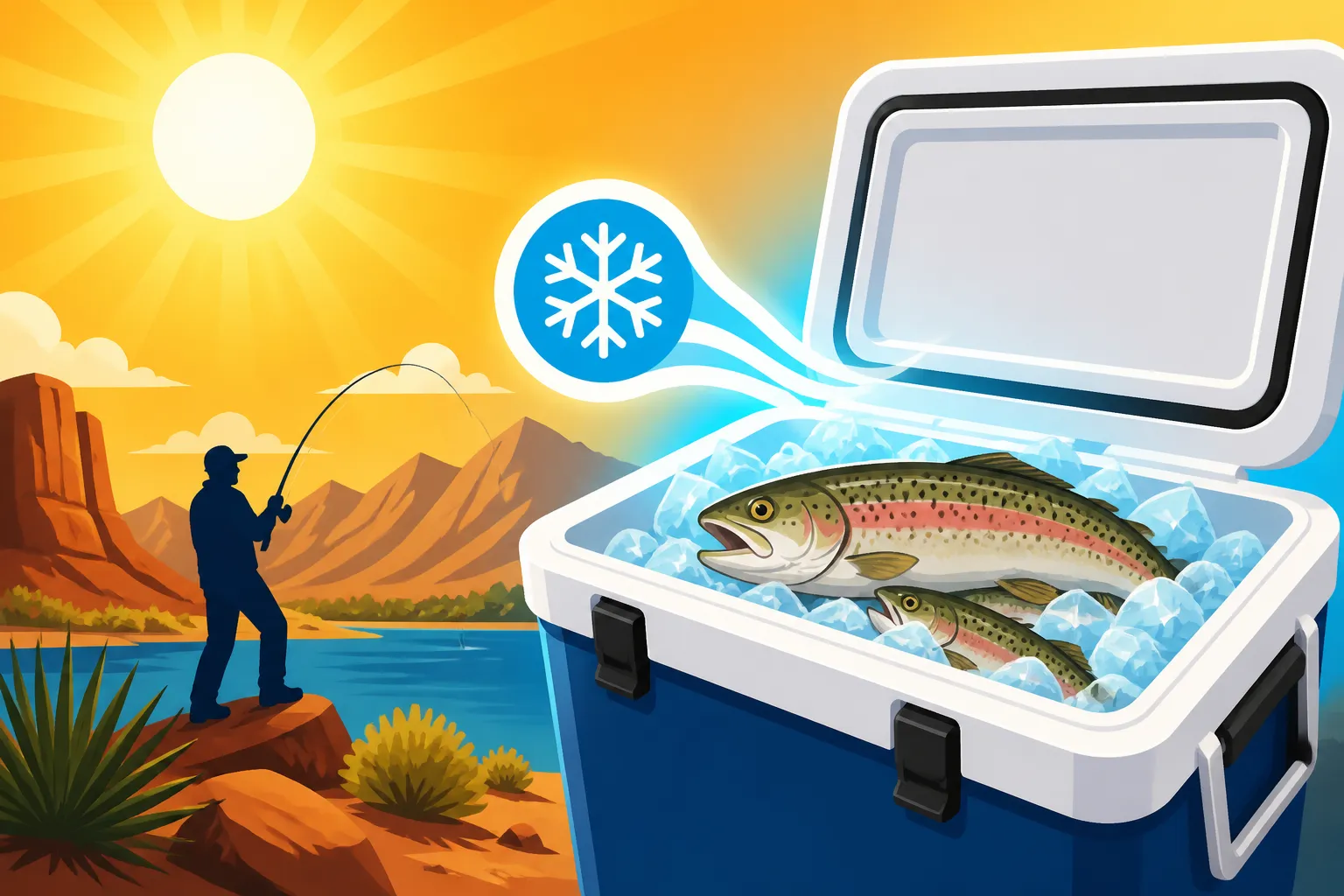
In Nevada, with air temperatures that can often exceed 100 degrees Fahrenheit, and direct sunlight beaming down, a standard picnic cooler simply won't cut it for extended periods. The insulation is typically minimal, the seals are often leaky, and the ice melts at an alarming rate. You need a cooler designed to actively resist this external heat transfer, effectively creating a portable refrigerator or freezer for your catch. Without adequate cooling, your prize fish can begin to degrade within just a few hours, especially if they're left sitting in lukewarm water. This is where investing in a high-quality fishing cooler truly pays off, ensuring that your catch stays in pristine condition throughout your fishing adventure, whether you're out for a few hours or an entire day.
Protecting Your Investment of Time and Effort
Every fishing trip is an investment – of time, gas, bait, tackle, and of course, your patience and skill. Imagine spending hours mastering Desert Lake Fishing Techniques at a remote reservoir, finally landing a couple of nice largemouth bass, only to discover later that they're no longer fit to eat. It's a gut punch, right? A good cooler protects that entire investment. It ensures that the fresh Lahontan cutthroat trout you painstakingly caught at Pyramid Lake, or the crappie from a local urban pond, makes it home ready for the pan or the grill.
Beyond just the fish itself, a reliable cooler contributes to the overall enjoyment and success of your trip. You can focus on fishing, knowing your catch is safe. It allows for longer trips, enabling you to explore more distant fishing spots or stay out later when the bite is hot, without worrying about preservation. For many of us, fishing isn't just a hobby; it's a way to put fresh, healthy food on the table. A top-tier cooler is an essential piece of Nevada Fishing Gear Essentials that bridges the gap between the catch and the kitchen, turning a successful day of fishing into a delicious meal.
Key Features to Look for in a Fishing Cooler
When you're out there, battling the elements and chasing fish across Nevada's diverse waters, your cooler isn't just a box; it's a crucial piece of equipment. Knowing what to look for can make all the difference between perfectly fresh fish and a disappointing outcome.
Superior Insulation and Seal
This is, without a doubt, the most critical feature. The ability of a cooler to maintain a consistently cold internal temperature, despite scorching external conditions, comes down to its insulation and seal. Look for coolers with thick, pressure-injected foam insulation in the walls and lid. The thicker the insulation, generally, the longer the ice will last. Cheaper coolers often use thinner foam or even just air gaps, which provide very little thermal resistance.
Equally important is the seal around the lid. A freezer-grade gasket, often made of durable rubber, creates an airtight and watertight barrier when the lid is closed. This prevents warm air from seeping in and cold air from escaping, which is vital in Nevada's dry heat. Without a good seal, even the best insulation is compromised, allowing your ice to melt much faster. Some premium coolers feature a robust latching system that compresses the lid tightly against the gasket, ensuring that seal holds firm, even over bumpy roads or in choppy water. When you’re battling the desert sun, this airtight seal is your first line of defense against spoilage.
Durability and Construction for Rugged Use
Nevada fishing can be tough on gear. From rocky shorelines at Lake Tahoe to the jostling of a boat ride across Lake Mead, your cooler needs to be built to withstand abuse. The construction material is key here. Rotomolded coolers, for example, are made from a single, seamless piece of plastic, making them incredibly strong and resistant to cracks, dents, and punctures. They can take a beating and keep on performing, often coming with impressive warranties.
Consider the hardware as well. Sturdy hinges, often made of stainless steel, and robust rubber latches are essential. Handles should be strong and comfortable to grip, especially when the cooler is fully loaded with ice and fish. Some high-end coolers even feature non-slip feet to keep them stable on slippery decks or uneven ground. Remember, this isn't just about the cooler lasting a long time; it's about it performing reliably under demanding conditions, protecting your catch every single time you head out. Whether you’re loading it into the back of a truck for a trip to Wildhorse Reservoir Nevada Fishing Guide or sliding it into a kayak, a durable cooler is an investment that pays off.
Practical Features for Anglers
Beyond insulation and durability, specific features can make a cooler much more angler-friendly. A good drainage system is crucial – a large drain plug allows for easy cleaning and quick water removal without having to tip over a heavy cooler. Some plugs are even designed to be leak-proof and attached to the cooler so they don't get lost.
Integrated rulers on the lid are incredibly convenient for quickly measuring your catch against Nevada Statewide Bag Limits Explained. Non-slip tops can double as a casting platform or extra seating, which is a bonus on a crowded boat or for shore fishing. Bottle openers, tie-down slots, and basket inserts for keeping bait or lunch separate from your fish are also thoughtful additions. Even something as simple as a molded-in handle versus a rope handle can impact convenience when you're moving a heavy cooler from the truck to the shore. Think about your typical fishing trip and what features would genuinely make your life easier out on the water.
Types of Fishing Coolers: Finding Your Match
Just like there are different types of fishing, there are different types of coolers to match. Understanding the pros and cons of each can help you choose the best one for your Nevada fishing adventures.
Rotomolded Coolers: The Gold Standard
Rotomolded coolers are often considered the top-tier choice for serious anglers, and for good reason. The "rotomolding" process involves heating and rotating a single piece of plastic, creating a uniformly thick, hollow container. This seamless construction eliminates weak points, making these coolers incredibly robust and virtually indestructible. Brands like YETI, RTIC, and Orca are well-known names in this category.
Their thick, pressure-injected insulation (often several inches thick) and freezer-grade gaskets provide unparalleled ice retention, often keeping ice solid for several days, even in extreme heat. This is a game-changer when you're on a multi-day camping and fishing trip or just need peace of mind during a long, hot drive home from a remote lake. However, this superior performance comes at a cost – they are generally heavier and more expensive than other types. But for those who demand the absolute best in ice retention and durability for their Lake Mead Nevada Fishing Guide expeditions or a full day targeting trophy fish, a rotomolded cooler is an investment that truly delivers. You'll find a wide selection of these robust coolers at specialty outdoor retailers and larger sporting goods stores like Bass Pro Shops.
Soft-Sided Coolers: Lightweight and Convenient
For shorter trips, quick excursions, or when portability is paramount, soft-sided coolers are an excellent choice. They are significantly lighter and often more compact than their hard-sided counterparts, making them easy to carry to remote spots or fit into tight spaces on a kayak or smaller boat. Many feature waterproof liners and decent insulation, enough to keep drinks and a few fish cold for several hours.
While they won't match the multi-day ice retention of a rotomolded cooler, they are perfect for a half-day outing to one of the Las Vegas Nevada Urban Pond Fishing Guide spots or a quick morning session on the Truckee River. They typically come with comfortable shoulder straps or handles, and some even have backpack styles for hands-free transport. They are also usually more affordable. Just be mindful that their soft exteriors, while flexible, are generally less resistant to punctures or sharp objects than hard coolers. They excel in situations where you prioritize ease of transport and shorter-term cooling needs. Many popular brands offer excellent soft-sided options that you can easily find online through retailers like Amazon.
Traditional Hard-Sided Coolers: The Reliable Workhorse
These are the coolers most people grew up with – the classic, injection-molded plastic coolers that are widely available and come in a vast range of sizes and price points. While they may not boast the extreme ice retention of rotomolded models, modern traditional hard-sided coolers have significantly improved their insulation and sealing capabilities over the years. They offer a good balance of performance, durability, and affordability for many anglers.
For a day trip, say to a spot where you're targeting Nevada Trout Daily Limit Rules, a good quality traditional hard-sided cooler can easily keep your catch fresh. They are lighter than rotomolded coolers and usually more durable than soft-sided ones. Look for models with decent latches, robust hinges, and a good seal to maximize their ice-keeping ability. They are a versatile choice for anglers who need reliable performance without the premium price tag or the heavier weight of rotomolded coolers. These are great all-around options for general use, from family camping trips that include fishing to single-day outings.
Here’s a quick comparison of the main types of fishing coolers:
| Feature | Rotomolded Coolers | Soft-Sided Coolers | Traditional Hard-Sided Coolers |
|---|---|---|---|
| Ice Retention | Excellent (multiple days) | Fair to Good (hours to 1 day) | Good (1-2 days) |
| Durability | Extremely High | Moderate | High |
| Portability | Low (heavy, bulky) | Very High (light, flexible) | Moderate |
| Cost | High | Low to Moderate | Low to Moderate |
| Best Use Case | Extended trips, extreme heat, heavy abuse | Short trips, easy transport, light use | Day trips, general use, good value |
Beyond the Cooler: Best Practices for Keeping Fish Fresh
A great cooler is only part of the equation. How you use it and how you handle your fish before they even hit the ice can dramatically impact how long they stay fresh, especially when facing those scorching Summer Fishing Techniques for Hot Desert Lakes.
Pre-Chilling and Ice Management
This is a game-changer for ice retention. Before you even think about putting fish in your cooler, pre-chill it! Fill your cooler with sacrificial ice or frozen water bottles the night before your trip. This brings the internal temperature of the cooler down, so your fresh ice isn't wasted cooling down the cooler walls. Dump out the sacrificial ice just before you load your main ice supply.
When it comes to ice, more is usually better. Aim for a 2:1 ratio of ice to fish by volume if possible. Block ice melts slower than cubed ice, so a mix of both can be effective: blocks for longevity and cubes for filling voids around the fish. Consider using frozen gel packs or frozen water bottles in conjunction with regular ice, especially if you want to avoid soggy fish (though water is actually very efficient at cooling). And crucially, try to keep the cooler closed as much as possible. Every time you open it, warm air rushes in, and cold air escapes, accelerating ice melt. If you're using it for drinks too, consider a separate, smaller cooler for beverages to minimize opening the main fish cooler.
Proper Fish Handling and Preparation
The moment a fish is caught, its quality begins to degrade. The quicker you can get it on ice, the better. Bleeding your fish immediately after catching it (by cutting the gills or severing the caudal artery) removes blood that can taint the flesh and cause a stronger, "fishier" taste. This also helps cool the fish down faster. Make sure to understand species-specific handling, such as Handling and Releasing Lahontan Cutthroat Trout if you're targeting those at Pyramid Lake, to ensure you're compliant with regulations and preserving the fish properly if you plan to keep it.
Once bled, get the fish straight into your pre-chilled cooler, ideally submerged in an ice slurry (a mix of ice and a small amount of cold water). The ice water slurry provides maximum contact with the cold medium, chilling the fish quickly and uniformly. Lay your fish flat if possible to prevent bruising or bending, which can damage the meat. Some anglers even gut their fish on the boat or shore before placing them on ice, which can further prolong freshness by removing internal organs where bacteria often start to multiply. Just be sure to check local regulations on gutting fish before returning to the dock, as some areas require fish to be brought in whole for identification and measurement purposes.
Strategic Placement and Usage On The Water
Where you place your cooler on your boat or along the shoreline can significantly impact its performance. Direct sunlight is the enemy of ice. Always try to position your cooler in the shade if possible. If shade isn't available, consider covering it with a wet towel or tarp, which can help reflect some of the sun's heat and provide evaporative cooling. This is especially important during Nevada's peak fishing season when the sun can be relentless.
On a boat, keeping your cooler off the hot deck can also help. Even a small elevation, like placing it on rubber mats or a raised platform, can prevent heat transfer from the deck to the bottom of the cooler. Resist the urge to sit on your cooler constantly, as your body heat can also contribute to warming it up. By thinking strategically about how and where you use your cooler, you extend its effective life and keep your catch colder for longer.
Choosing the Right Cooler Size and Material for Your Trip
Selecting the perfect cooler isn't a one-size-fits-all decision. It truly depends on the kind of fishing you're doing, where you're going, and what you hope to bring home.
Matching Capacity to Your Catch and Trip Length
Consider the type of fish you’re targeting and how many you realistically expect to keep. If you’re heading to a lake known for large species, like striped bass at Lake Mead, you'll need a larger cooler than if you're catching panfish at an urban pond. Also, think about the Nevada Fishing Season Dates and Limits – knowing the daily limits for specific species will give you a good idea of how much capacity you'll need. Always err on the side of slightly larger rather than too small, because once you factor in all that crucial ice, the usable space shrinks considerably.
Trip length is another major factor. For a short, two-hour trip to the local pond, a smaller, perhaps even soft-sided, cooler might be perfectly adequate. But for an all-day expedition, or a multi-day camping and fishing adventure exploring Best Places to Fish in Nevada, a larger, high-performance rotomolded cooler becomes indispensable. You’ll need room not just for fish, but for enough ice to last the duration, and possibly even some provisions for yourself. A good rule of thumb is to calculate the total volume of your expected catch, then double it to account for ice, and that will give you a starting point for cooler capacity.
Material Considerations for Different Fishing Styles
The cooler's material should align with your fishing style and the environment you’ll be in. If you're a bank angler, trekking miles along the shore of a reservoir with your Best Tackle for Nevada Trout Fishing, a lightweight soft-sided cooler or a smaller traditional hard-sided model with a comfortable strap is often preferred for portability. You don't want to be lugging a behemoth heavy cooler over rough terrain.
For boaters, especially those with larger vessels, the weight of a rotomolded cooler is less of an issue, and its superior ice retention and durability are huge advantages. It can withstand the bumps and splashes of open water and protect your catch for long hours. Kayak anglers, on the other hand, need something compact, often soft-sided or a specific kayak-designed hard cooler, that fits securely in their limited space and can be tied down. The material choice isn't just about performance; it's about practical logistics. Think about how you’ll transport it, where it will sit, and how much abuse it will take during your typical day out on the water.
Maintenance and Longevity of Your Fishing Cooler
You've invested in a great cooler to keep your Nevada Fish Species Guide fresh, so it only makes sense to take care of it. Proper maintenance isn't just about keeping it looking nice; it's about ensuring it performs at its best for years to come.
Cleaning and Odor Control
This is probably the most overlooked aspect of cooler ownership. After every single fishing trip, especially if you've had fish in it, your cooler needs a thorough cleaning. Fish slime, scales, blood, and decaying ice water can quickly lead to unpleasant odors and bacterial buildup. Start by rinsing the cooler with fresh water, then use a mild soap or a specialized cooler cleaning solution and a stiff brush to scrub all surfaces, paying extra attention to corners and around the drain plug.
For persistent odors, a solution of baking soda and water, or a diluted bleach solution (1 part bleach to 10 parts water), can be effective. Let it sit for a bit, then rinse thoroughly. Make sure to clean the gasket as well, as debris can get trapped there and compromise the seal. After cleaning, always leave the lid ajar to allow the cooler to air dry completely. Storing it with the lid closed while damp is an invitation for mold, mildew, and stale smells. A clean cooler is a happy cooler, and a happy cooler means fresh fish every time.
Storage and Longevity Tips
How you store your cooler when it's not in use can significantly impact its lifespan and performance. As mentioned, ensure it's completely dry before storing it, and always leave the lid slightly open to prevent mildew and musty odors from developing. Many high-quality coolers come with tie-down slots or can be propped open easily.
Store your cooler in a cool, dry place away from direct sunlight. Extreme heat, even when the cooler is empty, can degrade the plastic over time and weaken its structural integrity. If storing outdoors, cover it to protect it from UV rays and environmental grime. Regularly inspect hinges, latches, and the gasket for any signs of wear and tear. Replacements for these parts are often available for premium coolers, which can extend the life of your investment considerably. By treating your cooler with care, you ensure it's always ready for your next adventure, whether it's a calm day at the Floyd Lamb Park Fishing Ponds or a full-throttle pursuit of stripers on Lake Mohave. Taking these simple steps will ensure your cooler remains a dependable tool for years, preserving countless future catches and memories.
Disclaimer
This article is for general informational purposes only and does not constitute professional advice. Laws, prices and regulations vary by location and change over time. Consult a qualified professional for guidance on your specific situation.