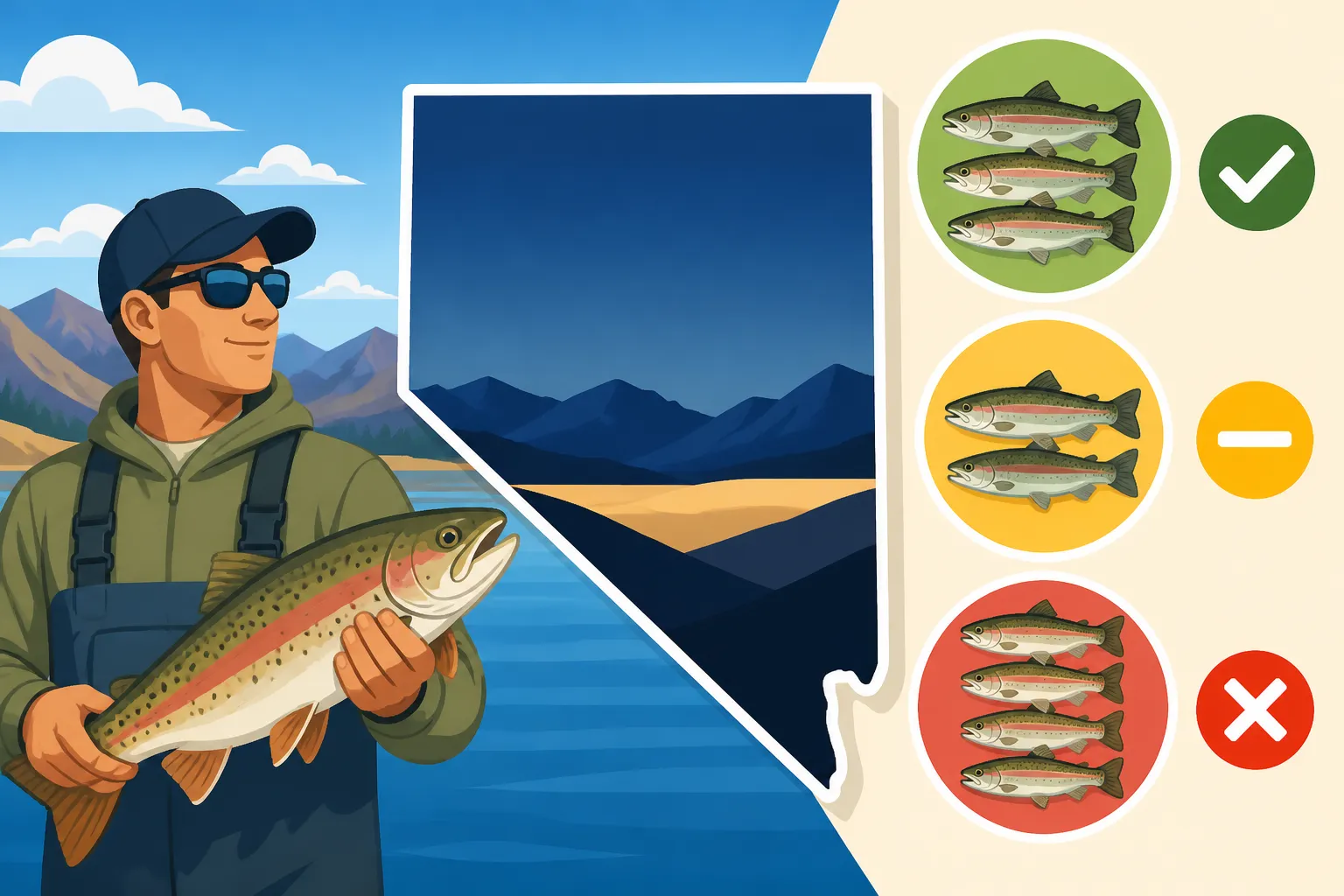
Nevada Statewide Bag Limits Explained
Ever felt like deciphering Nevada's fishing regulations is harder than actually catching a fish? You're not alone. The rules around how many fish you can keep, and of what size, can feel like a tangled mess of lines and knots. This guide is here to untangle those complexities, specifically focusing on Nevada's statewide bag limits, so you can enjoy your time on the water with confidence, knowing you're always fishing within the law.
Understanding Nevada's Statewide Daily and Possession Limits
Before we dive into the nitty-gritty of specific species, it’s crucial to grasp two fundamental concepts: daily limits and possession limits. These terms are often used interchangeably by accident, but they have distinct meanings that are absolutely critical for every angler to understand. Missing this distinction can lead to accidental violations, which is the last thing any of us want.
What's the Difference Between Daily and Possession Limits?
Let's break down the core difference. The daily limit refers to the maximum number of a specific species or group of species that you are allowed to catch and keep within a single calendar day (or a 24-hour period, depending on specific regulation wording, but generally thought of as a calendar day from midnight to midnight). Once you hit that number, you're expected to stop retaining that species for the rest of that day. You can continue fishing, but any additional fish of that species must be immediately released unharmed. This is about managing the immediate harvest impact on a fishery.
On the other hand, the possession limit refers to the total number of a specific species or group of species that you are allowed to have in your possession at any given time, regardless of when or where they were caught. This includes fish in your livewell, cooler, freezer at home, or even processed fish fillets in your car on the way back from a multi-day trip. Imagine you spent a fantastic weekend fishing Lake Mead. You caught your daily limit of striped bass on Saturday, and again on Sunday. If the possession limit is twice the daily limit, you'd be fine. But if the possession limit is the same as the daily limit, then keeping a full daily limit two days in a row would put you over the possession limit on Sunday. This rule is designed to prevent excessive accumulation of fish over several days or multiple trips, ensuring that individuals don't deplete local stocks beyond sustainable levels.
Why Do These Limits Exist?
These limits aren't just arbitrary numbers dreamed up by bureaucrats to make our lives harder. Far from it! They are a cornerstone of responsible fisheries management, put in place by agencies like the Nevada Department of Wildlife (NDOW) to ensure the long-term health and sustainability of Nevada's diverse aquatic ecosystems. Think about it: without limits, some popular fishing spots could be stripped bare in no time, leading to collapsing fish populations and ruining the fishing experience for everyone.
The primary reason for bag limits is conservation. They help prevent overfishing by regulating the harvest of different species, allowing fish populations to reproduce and grow. This is especially vital for species that are slower-growing or have specific reproductive cycles. Limits also promote sustainable fisheries, ensuring that there will be fish for future generations of anglers to enjoy. It's about finding that delicate balance between recreational opportunity and ecological responsibility. Moreover, limits contribute to a sense of fair chase among anglers, ensuring that the resource is shared equitably and that no single individual or group can monopolize the catch. It’s a collective effort to keep Nevada’s waters vibrant and productive for years to come.
General Statewide Bag Limits for Common Species
Navigating the specifics of statewide bag limits can feel a bit like reading a legal document, but once you get the hang of it, it becomes second nature. Most of Nevada’s general regulations apply across the board, but remember that specific waters often have their own unique rules that supersede these general guidelines. Always double-check the most current NDOW regulations booklet before heading out!
Trout Species Limits
For most of Nevada's general waters, the statewide daily bag limit for all species of trout combined – that includes rainbow trout, brown trout, brook trout, and cutthroat trout (outside of special regulation areas like Pyramid Lake) – is typically five (5) fish. The possession limit is usually ten (10) fish, or twice the daily limit. This combined limit means you can't, for example, catch five rainbow trout and then five brown trout; your total kept trout for the day cannot exceed five.
It's a straightforward rule designed to protect the overall trout population. However, it's really important to keep in mind that some high-elevation lakes or small streams might have even more restrictive limits, or even be catch-and-release only. For instance, while the general rule is 5 fish, NDOW often stocks urban ponds with rainbow trout to provide accessible fishing opportunities, and these might fall under the general statewide regulations. Always confirm the specific regulations for the water you plan to fish to avoid any unpleasant surprises. You can find more specific details on the various species by checking out our comprehensive Nevada Fish Species Guide.
Bass Species Limits
When it comes to bass, particularly largemouth bass, smallmouth bass, and spotted bass, Nevada often employs both daily bag limits and minimum size restrictions to help manage these popular sportfish. Generally, the statewide daily bag limit for black bass (which includes largemouth, smallmouth, and spotted bass) is usually ten (10) fish. The possession limit is typically twenty (20) fish. However, a crucial caveat often applies: a minimum size limit of 13 inches for largemouth and smallmouth bass. This means any bass you catch shorter than 13 inches must be immediately released, regardless of how many fish you've already kept.
This size restriction is incredibly important for maintaining healthy populations. By protecting the smaller, younger fish, NDOW helps ensure they have a chance to grow, mature, and spawn, contributing to future generations of bass. You'll find that many of Nevada's premier bass fisheries, such as Lake Mead and Lake Mohave, adhere to these general limits, though specific areas within these lakes might have their own nuances. Understanding the Nevada largemouth bass minimum size limit is key to a legal and ethical bass fishing trip. It’s a good idea to keep a measuring tape handy, perhaps one that you can easily attach to your tackle box or boat, available on platforms like Amazon, to ensure you're always compliant with these length requirements.
Catfish and Other Warm Water Species
Nevada's waters are also home to a fantastic array of warm-water species, many of which provide excellent angling opportunities, especially in the southern parts of the state. For channel catfish, which are abundant in many of Nevada's reservoirs and urban ponds, the statewide daily bag limit is generally ten (10) fish, with a possession limit of twenty (20) fish. These regulations are designed to sustain the popularity of catfish angling without depleting local stocks.
Other common warm-water species like crappie (black and white), bluegill, and sunfish often have more generous limits, or sometimes even no limits at all, especially for panfish. However, specific waters might have reduced limits if NDOW is working to establish or protect a population. For instance, yellow perch might have specific rules in certain northern reservoirs where they are prevalent. On the other hand, certain species considered invasive or detrimental to native fish populations, such as common carp or black bullhead catfish, often have no bag or possession limit, and in some cases, you are even encouraged not to release them back into the water once caught. This helps manage their numbers and protect the more desirable sportfish. Always consult the official regulations for any species you intend to keep, as the nuances can vary widely by location and species.
Special Regulations and Regional Exceptions
While statewide limits provide a good baseline, Nevada is a state of incredible diversity, and its fisheries reflect that. Many of its most iconic and popular fishing destinations, often due to unique ecosystems or highly managed species, come with their own set of specific regulations that supersede the general statewide rules. Ignoring these can land you in serious trouble, even if you thought you were following the "general" rules.
Understanding Water-Specific Regulations
This is perhaps the most crucial point for any angler in Nevada: always, always, always check the regulations for the specific body of water you intend to fish. The statewide limits are a starting point, but many prominent lakes and rivers have specific rules tailored to their unique fish populations and management goals. For example, Pyramid Lake Season and Bag Limit Rules are famously distinct. This ancient lake, home to the world-famous Lahontan cutthroat trout and the endangered cui-ui, has its own permits, daily limits, and slot limits that are entirely different from statewide trout regulations. You cannot fish Pyramid Lake with just a regular Nevada fishing license; you need a tribal permit.
Similarly, Lake Tahoe, a magnificent interstate fishery, has very specific rules for species like the massive Mackinaw trout (lake trout). These rules often involve unique daily limits, size restrictions, and even gear restrictions that differ from other Nevada waters. Even some smaller, lesser-known reservoirs or streams might have specific catch-and-release policies or reduced limits to protect fragile populations. It's never safe to assume that the general rule applies everywhere in Nevada. Always make a quick check; a few minutes of research can save you a lot of headache on the water.
Size Slot Limits and Protected Species
Slot limits are a sophisticated management tool used by fisheries biologists to protect certain segments of a fish population. Unlike a simple minimum size limit, a slot limit specifies a range of sizes within which fish must be released. For example, a "17 to 20-inch slot limit" means you cannot keep any fish between 17 and 20 inches. You can keep fish under 17 inches and fish over 20 inches, but nothing in that middle range. The primary goal of a slot limit is often to protect spawning-sized fish, allowing them to reproduce and grow, thereby ensuring the health and stability of the population.
The most famous example in Nevada is the Lahontan cutthroat trout slot limit explained at Pyramid Lake, which is designed to protect the trophy-sized native LCT that are so critical for the species' future and the lake's unique fishery. These fish often have a special protected slot, meaning anything within that size range must be immediately released. Beyond slot limits, some species are entirely protected or listed as endangered and are strictly catch-and-release only, with no retention allowed. It's also important to be aware of regional variations, as the Nevada Western Region Fishing Regulations might highlight specific waters with unique slot limits or protected species not found elsewhere. Understanding these nuances is a mark of a truly responsible angler.
Regional Differences in Nevada
Nevada is a vast state, geographically and ecologically diverse, and its fishing regulations sometimes reflect these regional variations. While the NDOW strives for consistency, local conditions, species populations, and conservation needs can necessitate unique rules for different areas. NDOW divides the state into several administrative regions – Western, Southern, and Eastern – and while the overarching state rules apply, specific waters within these regions might have tailored regulations.
For instance, high desert reservoirs in Eastern Nevada might have slightly different trout or warm-water species limits compared to the massive Colorado River impoundments in Southern Nevada, like Lake Mead or Lake Mohave. The specific regulations booklet published annually by NDOW is meticulously organized by region and then by specific water body, making it easier to find the exact rules for your chosen fishing spot. This regional approach allows for more targeted management, addressing the unique challenges and opportunities each part of the state presents. Anglers should always consult the section of the regulation booklet pertaining to the specific region they are fishing to ensure full compliance. Even seemingly small details, like bait restrictions or special closures for spawning, can vary regionally.
Practical Tips for Staying Compliant
Understanding the rules is one thing, but practically applying them on the water is another. No one wants to accidentally break a regulation, especially when it comes to bag limits. A little preparation and some good habits can make all the difference, ensuring your fishing trip remains enjoyable and penalty-free.
Always Check the Latest Regulations
This cannot be stressed enough: always consult the most current Nevada Fishing Regulations booklet. Fisheries management is a dynamic field, and regulations can change from year to year, or even mid-season if emergency closures or changes are deemed necessary. Relying on outdated information, or what "someone told you last year," is a recipe for disaster. NDOW publishes a comprehensive booklet annually, usually available in digital format on their website and in physical copies at most sporting goods stores and NDOW offices.
Before every trip, especially if you're venturing to a new body of water or it's a new fishing season, take a few minutes to review the specific regulations for your target species and location. This is where you'll find the most up-to-date information on daily and possession limits, size restrictions, seasonal closures, and any unique rules for specific waters. You can even download the PDF to your phone so you have it readily accessible even without cell service. It's your ultimate guide to staying compliant and avoiding penalties like those detailed in Nevada fishing violation penalties. A quick search on Amazon for "Nevada fishing regulations booklet" might even point you to printed copies or laminated summary cards for ease of use in the field.
Best Practices for Measuring and Counting Fish
Once you're out on the water, accurate measurement and diligent counting are key to staying within the law. For length limits, always measure your fish from the tip of the nose to the tip of the tail, with the fish lying flat. Don't "pinch" the tail to gain an extra fraction of an inch; it must be natural. Many boats have rulers marked on their decks, or you can buy a dedicated fish measuring board. Having one readily accessible will help you quickly determine if a fish is legal to keep or if it needs to be released.
When it comes to counting your catch, especially if you're fishing with a group or targeting multiple species, it's easy to lose track. A simple tip is to have a designated stringer, cooler, or livewell, and a clear understanding among your group about who is keeping what. If you're near your limit, consider releasing fish even if they're legal, or switch to catch-and-release only. For fish with different limits (e.g., 5 trout and 10 bass), keep them separate if possible, or have a clear mental tally. Remember, the game warden will count the fish in your possession, and ignorance is rarely an acceptable excuse if you're over the limit. Be proactive and meticulous to enjoy a stress-free day.
Consequences of Violating Bag Limits
Ignoring or unknowingly violating bag limits in Nevada can lead to significant consequences that can quickly turn a fun day of fishing into a costly nightmare. NDOW game wardens are dedicated to protecting Nevada's natural resources, and they take these regulations seriously. The most common penalty for exceeding bag limits is a fine, which can range from a few hundred dollars to much more, depending on the severity of the violation and the species involved. These fines are often accompanied by additional court costs and administrative fees.
Beyond monetary penalties, you could also face forfeiture of your catch, meaning the game warden will confiscate any illegally possessed fish. In more severe cases, especially for repeat offenders or egregious violations, you might even face the suspension or revocation of your fishing license for a period of time, or even permanently. Your fishing gear, including rods, reels, and sometimes even boats, could also be subject to confiscation. These consequences are designed to be deterrents, ensuring that anglers respect the resource. While fines for basic infractions like Nevada fishing without a license fine amount are clear, bag limit violations can be more complex, often carrying higher penalties. It's a reminder that responsible angling isn't just about fun; it's about stewardship and adherence to the law.
Summary of General Statewide Bag Limits (Nevada)
Please note that these are general statewide guidelines. Always check the current NDOW Fishing Regulations booklet for water-specific rules and any updates.
| Fish Species Group | Daily Limit | Possession Limit | Minimum Size (if applicable) |
|---|---|---|---|
| Trout (Combined) | 5 fish | 10 fish | Varies by water/species |
| Black Bass (Combined) | 10 fish | 20 fish | 13 inches (for Largemouth & Smallmouth) |
| Channel Catfish | 10 fish | 20 fish | None |
| Crappie | 25 fish | 25 fish | None |
| Bluegill / Sunfish | None | None | None |
| Yellow Perch | None | None | None |
| Common Carp | None | None | None (recommended not to release) |
| Bullhead Catfish | None | None | None (recommended not to release) |
Final Cast on Bag Limits
Understanding Nevada's statewide bag limits is more than just knowing a few numbers; it's about being a responsible steward of our incredible natural resources. From differentiating between daily and possession limits to recognizing when special water-specific regulations take precedence, every bit of knowledge helps us preserve the fantastic fishing opportunities Nevada offers. Always keep the latest NDOW regulations handy, whether in print or on your phone, and practice diligent counting and measuring. By doing so, you're not just avoiding fines; you're actively contributing to the health of our fisheries for generations to come. So, get out there, enjoy the Silver State's beautiful waters, and fish smart!
Disclaimer
The information provided in this guide is for general informational purposes only and is not intended as legal advice. Fishing regulations in Nevada are subject to change, and specific rules can vary significantly by location and time of year. Always consult the official Nevada Department of Wildlife (NDOW) Fishing Regulations booklet or their official website for the most current and accurate information before engaging in any fishing activities. Compliance with all applicable laws and regulations is the sole responsibility of the individual angler.