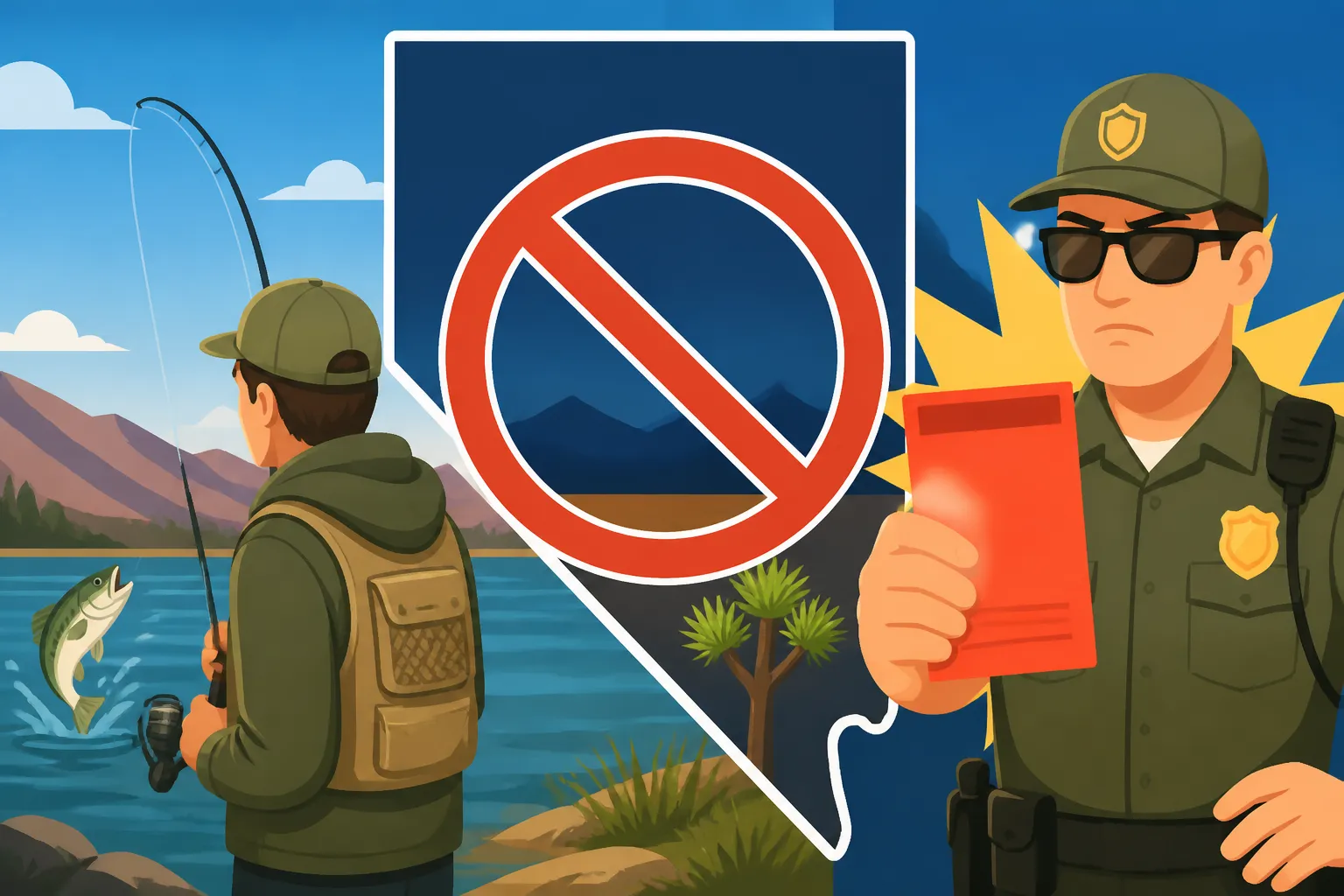
Nevada fishing without a license fine amount
Picture this: You’re out on the water, maybe enjoying a quiet morning casting for trout in a serene high mountain lake, or perhaps battling a hefty striper on Lake Mead. The sun is shining, the fish are biting, and life is good. Then, a game warden approaches, asks for your license, and suddenly that peaceful moment turns into a pit-in-your-stomach dread because you realize… you left it at home, or worse, you never even got one. It's a scenario that can easily happen, especially if you're new to the area or just having an off day. The question that immediately pops into your head, beyond the embarrassment, is "How much is this going to cost me?" This guide is here to break down the Nevada fishing without a license fine amount, what that really means, and how to avoid the whole mess in the first place.
What Happens When You're Caught Fishing Without a License in Nevada?
Getting caught without a valid fishing license in Nevada isn't just a slap on the wrist; it's a serious matter with legal and financial repercussions. It's easy to think it's a minor oversight, but the Nevada Department of Wildlife (NDOW) takes its regulations seriously, and for good reason—these fees fund crucial conservation efforts.
The Initial Encounter with a Game Warden
Most of the time, the first indication that something's amiss is a friendly (or sometimes not-so-friendly, depending on the circumstances) approach from an NDOW game warden. These officers are out there protecting our natural resources and ensuring everyone plays by the rules. Their primary job is to ensure compliance, and that includes checking for valid fishing licenses.
When a warden asks for your license, they're not just being nosy; it's part of their duty. If you can't produce one, or if the one you have isn't valid for the waters you're fishing (e.g., fishing Pyramid Lake with only a state license), the conversation will shift. They'll typically ask for identification, explain the violation, and then issue you a citation. This isn't usually an arrest, but rather a legal notice to appear in court or pay a predetermined fine. It's crucial to be cooperative and respectful during this interaction. Arguing or being difficult will only complicate matters and could potentially lead to additional charges, like obstructing an officer. Remember, they're just doing their job, and your best bet is to gather the information calmly.
Understanding the Legal Classification
Fishing without a license in Nevada is generally classified as a misdemeanor. Now, when you hear "misdemeanor," you might think of something minor, but in Nevada, it carries a significant weight. This isn't like a parking ticket that you can just forget about. A misdemeanor can stay on your record, and it means you're dealing with the legal system, not just an administrative fee.
The specific statute you'd likely be cited under is NRS 502.010, which states that it is unlawful to hunt, trap, or fish without a license. This broad statute covers various related offenses, but the core issue is the absence of that crucial piece of paper (or digital proof) that grants you permission to fish. This legal classification means that the issue could potentially go beyond just a financial penalty, though that's usually the most immediate concern for most anglers.
Understanding the Financial Penalties for Fishing Without a License
The moment you get that citation, your mind probably jumps straight to the cost. And let me tell you, it's often more than people expect. It’s not just the base fine; there are always court fees, administrative costs, and sometimes even restitution that can really add up.
The Base Fine Amount
While there isn't one universal, fixed fine for fishing without a license across all of Nevada, typical base fines can range significantly. Based on common practices in Nevada's courts, you could be looking at a base fine in the range of $250 to $500 for a first offense. This amount can vary depending on the specific county or municipal court handling the citation, as well as the discretion of the judge.
For example, a judge in a smaller, rural county might issue a slightly different base fine than one in a larger city like Las Vegas or Reno. It’s not uncommon for these fines to be on the higher end, especially if there were other aggravating circumstances, such as fishing in a restricted area or possessing illegally caught fish. Don't expect a $50 ticket; those days are long gone. The intent behind these fines is not just punishment, but also deterrence and funding for the very resources we all want to enjoy.
Hidden Costs: Court Fees and Administrative Charges
Here’s where it often catches people off guard: the base fine is rarely the total cost. Nevada courts, like most legal systems, impose additional fees to cover administrative costs, victim compensation funds, and various other programs. These surcharges can easily add another $100 to $300 (or more) to your total bill.
So, while your citation might show a base fine of, say, $300, by the time you're done, you could be paying upwards of $500 to $800. It's a frustrating reality for many, as these "hidden" fees often aren't clearly laid out until you go to pay the fine or appear in court. Always ask for a complete breakdown of all costs when dealing with the court or looking to pay your citation. It's a stark reminder that neglecting a license can have a much larger financial impact than the cost of the actual license itself, which you can easily purchase online or at many sporting goods stores. Speaking of which, for those looking to avoid this headache, knowing the details about a Nevada annual fishing license cost for out-of-state visitors or Nevada resident fishing license cost can prevent a lot of grief.
Here’s a simplified breakdown of what you might expect for a first-time offense:
| Cost Category | Estimated Range (First Offense) | Notes |
|---|---|---|
| Base Fine | $250 – $500 | Varies by jurisdiction and specific circumstances. |
| Court Fees | $50 – $150 | Covers administrative costs of the court system. |
| Surcharges/Assessments | $50 – $150 | Funds for various state programs (e.g., victim compensation, criminal justice support). |
| Total Estimated Cost | $350 – $800+ | Can increase with additional violations, repeat offenses, or restitution. |
This table really highlights how quickly those numbers can climb from a seemingly manageable base fine.
Beyond the Fine: Additional Consequences and What to Expect
While the immediate financial hit is often the biggest concern, the consequences of fishing without a license can extend far beyond just paying a few hundred dollars. There are administrative penalties, potential gear confiscation, and even more severe outcomes for repeat offenders.
License Suspension or Revocation
One of the most significant administrative penalties NDOW can impose is the suspension or outright revocation of your fishing privileges. This isn't just about the current situation; it can affect your ability to get a fishing license for a period ranging from months to several years. Imagine not being able to legally wet a line in Nevada for a year or two because of one oversight. That's a real possibility.
NDOW maintains records of all violations, and a conviction for fishing without a license will go on your record. This can make future license applications more difficult or subject you to higher scrutiny. For avid anglers, losing the privilege to fish is often a far more painful consequence than the fine itself. It's a reminder that NDOW has broad authority to protect our waterways and ensure responsible angling. If you're curious about other regulations that NDOW enforces, you might want to read up on the general Nevada Fishing Regulations Explained.
Potential Confiscation of Gear
In certain situations, particularly with repeat offenses or more egregious violations (like poaching, exceeding bag limits significantly, or using illegal methods), a game warden may have the authority to confiscate your fishing gear. This could include your rod, reel, and even your boat if it was used in the commission of a serious offense.
While less common for a simple first-time "no license" offense, it's a possibility you should be aware of. The thought of losing hundreds or even thousands of dollars worth of fishing equipment is enough to make anyone double-check their wallet for that license card. This consequence serves as a serious deterrent, underscoring the importance of adhering to all regulations. If you're wondering about specific items, check out our guide on Nevada Fishing Gear Essentials.
Dealing with Repeat Offenses
The penalties for fishing without a license escalate sharply for repeat offenders. If you've been cited for this before, the courts and NDOW will view it much more severely. Instead of a standard fine, you could face:
- Significantly higher fines: Fines could easily double or triple the initial amount, potentially reaching into the thousands of dollars.
- Longer license suspensions: Your fishing privileges could be revoked for much longer periods, even permanently in extreme cases.
- Jail time: While rare for a first offense of simply not having a license, repeat misdemeanor offenses can, in theory, lead to jail time. Judges are less lenient with those who repeatedly disregard the law.
- More severe asset forfeiture: The chances of having your boat, vehicle, or other equipment confiscated increase significantly.
The legal system aims to deter recurrent illegal activity, and repeat offenses demonstrate a disregard for the law and the conservation efforts it supports. This is why understanding the rules, like Nevada Fishing License Age Requirements or Do kids need a fishing license in Nevada?, is so critical for everyone.
Avoiding the Hassle: How to Ensure You're Always Legal
The best way to deal with the fine for fishing without a license is to never get one in the first place! Prevention is always better than cure, and thankfully, getting and maintaining your Nevada fishing license is straightforward.
Getting Your Fishing License Legally
Obtaining a Nevada fishing license is easier than ever. You have a few convenient options:
- Online: The NDOW website is your best friend. You can purchase your license from the comfort of your home, print it out immediately, or keep a digital copy on your phone. This is by far the most convenient method for many. Check out our guide on How to buy a Nevada fishing license online.
- Sporting Goods Stores: Major retailers like Bass Pro Shops or smaller local tackle shops, such as Cabela's locations in Verdi or Las Vegas, are authorized license vendors. This is a great option if you prefer an in-person transaction and often get to pick up some last-minute bait or tackle while you're there. Many people wonder, Can you buy a Nevada fishing license at a sporting goods store? – and the answer is a resounding yes!
- NDOW Offices: You can also visit a local NDOW office during business hours. While perhaps less convenient than online or a retail store, it's a direct way to get assistance and ensure everything is correct.
Remember, you'll need to provide proof of residency (if applicable) and some personal information. Be sure to purchase the correct type of license for your needs, whether it's an annual resident, non-resident, or a short-term permit like a Nevada 1-Day Fishing Permit Details. Don't forget that many waters, like Pyramid Lake, require a separate tribal permit in addition to your state license, so always do your homework! Our Pyramid Lake Fishing Permit Guide has all the information you need there.
Keeping Proof of License on Hand
Once you have your license, the next crucial step is ensuring you can prove it when asked. Losing or forgetting your license is a common reason for citations.
- Physical Copy: If you prefer a physical license, carry it with you in a waterproof wallet or lanyard. Many anglers keep it clipped to their vest or hat.
- Digital Copy: The NDOW system allows you to keep a digital copy on your smartphone. This is incredibly convenient, but always ensure your phone is charged and protected from the elements. A quick screenshot of your license can be a good backup if cell service is spotty.
- Combination Hunting and Fishing License: If you're an avid outdoors enthusiast, considering a Nevada combination hunting and fishing license might be a streamlined option to keep all your legal documents in one place.
Regardless of your preference, having verifiable proof is paramount. A game warden can't just take your word for it, even if you insist you "definitely bought one last week." Without proof, you're effectively fishing without a license.
Understanding Specific Regulations for Your Fishing Spot
Nevada's fishing regulations aren't one-size-fits-all. Different bodies of water can have unique rules regarding bag limits, size restrictions, legal baits, and even special stamps required (like a Nevada Trout Stamp Requirements if you're targeting trout and don't have certain exemptions).
For example, fishing on Lake Tahoe has specific rules that might differ from fishing on Lake Mead or a small urban pond in Las Vegas. Even within a single lake, certain areas might be restricted. Always consult the current Nevada Fishing Guide, available online through NDOW, or pick up a physical copy wherever licenses are sold. Taking a few minutes to read up on the rules for your chosen fishing spot can save you a lot of grief and ensure a more enjoyable, stress-free day on the water. Ignorance of the law is never a valid defense, and wardens are highly knowledgeable about the specific rules of the areas they patrol.
By being diligent and informed, you can avoid the costly and frustrating experience of getting a citation for fishing without a license. It’s a small effort that pays off big time in peace of mind and the continued enjoyment of Nevada’s incredible fisheries.
Disclaimer
The information provided in this guide is for general informational purposes only and does not constitute legal advice. While we strive to provide accurate and up-to-date information, specific laws and regulations can change. Always consult the most current Nevada Department of Wildlife (NDOW) regulations and, if facing a legal issue, seek advice from a qualified legal professional.