Nevada Fishing Gear Essentials
Stepping into the vast and varied landscapes of Nevada with a fishing rod in hand is an incredible experience, but it can also be a bit daunting when you're trying to figure out what gear you actually need. From the scorching desert sun reflecting off Lake Mead to the brisk, clear waters of Lake Tahoe, and even the icy chill of a high mountain reservoir in winter, Nevada throws a lot of different conditions at anglers. You don't want to show up unprepared, only to realize your tackle box is missing that one crucial item or your reel can't handle the unexpected fight of a trophy striper. This guide is all about equipping you with the essential fishing gear to confidently tackle Nevada's diverse fishing environments, ensuring you're ready for whatever the Silver State's waters decide to throw your way.
The Foundation: Rods, Reels, and Line for Nevada Waters
When you're thinking about fishing, the rod, reel, and line are truly the triumvirate that forms the core of your setup. Getting these right for the type of fishing you plan to do in Nevada can make all the difference between a frustrating day of tangles and missed bites, and a successful outing filled with memories. Nevada's waters host everything from feisty panfish in urban ponds to massive Lahontan cutthroat trout in Pyramid Lake, so having the right gear is paramount.
All-Purpose Spinning Combos: The Versatile Workhorse
For many anglers, especially those just starting out or looking for a single setup that can handle a variety of situations, an all-purpose spinning combo is an absolute lifesaver. These combos typically feature a medium-action spinning rod, usually around 6 to 7 feet long, paired with a matching spinning reel in the 2500-4000 series size. This kind of setup offers a fantastic balance of sensitivity for detecting subtle bites and backbone for fighting larger fish.
Imagine you're at one of the Las Vegas Nevada Urban Pond Fishing Guide locations like Sunset Park, casting for stocked trout or sunfish with the kids. This combo is light enough for them to handle, yet robust enough if an unexpected channel catfish decides to bite. Later, if you decide to head up to a smaller reservoir for some bass, that same setup can easily cast a variety of lures, from small jigs to spinnerbaits, with good accuracy. It’s the kind of versatile rig that earns its keep in any angler’s arsenal, proving that you don't always need highly specialized equipment to have a great time on the water.
Specialized Setups: When to Upgrade Your Arsenal
While an all-purpose combo is great, as you delve deeper into specific types of Nevada fishing, you'll quickly realize the benefits of specialized setups. For instance, if you're serious about chasing trophy largemouth or smallmouth bass in Lake Mead, you might want a baitcasting combo. Baitcasters offer more power, precision casting for heavier lures, and better control when pulling big bass out of heavy cover. The feel and control are just different, allowing you to really "work" a lure with finesse that a spinning reel might struggle with.
Then there's the unique challenge of Lahontan Cutthroat Trout in Nevada at Pyramid Lake. These fish can be enormous, requiring heavy-duty gear capable of casting large lures or flies long distances from shore. A heavier, longer surf-style spinning rod paired with a larger 5000-6000 series reel and strong line is often preferred to handle the wind, the waves, and the sheer power of these magnificent trout. Or, if you're trolling for deep-dwelling Mackinaw trout in Lake Tahoe, a stout trolling rod with a conventional reel spooled with lead core or braid is essential to get your lures down to the incredible depths where these fish lurk. Each specialized setup is designed to give you an edge in a particular fishing scenario, optimizing for factors like casting distance, lure presentation, fighting power, or depth control.
Understanding Line Types for Desert Fishing
The type of fishing line you choose is far more critical than many beginners realize, especially in Nevada's diverse and often challenging environments. Each type of line has its own strengths and weaknesses, and the right choice can significantly impact your success. Monofilament, or "mono," is a classic for a reason. It's inexpensive, offers good knot strength, and has a decent amount of stretch, which can be forgiving when a fish makes a hard run or you set the hook too aggressively. It's often a great choice for general-purpose fishing in urban ponds or smaller lakes.
Fluorocarbon line, on the other hand, is known for being nearly invisible underwater and having less stretch than mono, which translates to increased sensitivity and better hook sets. This makes it an excellent leader material, especially in the clear waters found in many of Nevada's reservoirs where fish can be line-shy. Many anglers will spool their reels with braided line and then add a fluorocarbon leader for that combination of strength and stealth. Braided line, with its incredible strength-to-diameter ratio and zero stretch, is perfect for feeling every subtle bite and for powerful hook sets, making it ideal for bass fishing or targeting larger species like stripers. However, its visibility can be an issue in clear water, necessitating that fluorocarbon leader. When shopping for line, you'll find a huge selection at places like Bass Pro Shops or online at Amazon, so it's worth understanding the pros and cons of each before you spool up.
Essential Terminal Tackle for Nevada Anglers
Beyond your rod and reel, the "terminal tackle" — those small, crucial bits at the end of your line — are what actually interact with the fish. Skimping on these can lead to lost fish, frustrating tangles, and overall disappointment. Nevada's fish species vary widely in size and feeding habits, so having a well-stocked tackle box that covers your bases is a game-changer.
Hooks, Sinkers, and Swivels: The Small but Mighty Details
It's easy to overlook the importance of hooks, sinkers, and swivels, but these components are truly the unsung heroes of your fishing setup. Hooks come in countless shapes and sizes, each designed for a specific purpose. For bait fishing in Nevada's urban ponds or smaller lakes, a simple J-hook or circle hook in sizes ranging from #8 for small trout or panfish up to 2/0 for catfish will serve you well. When targeting bass with soft plastics, you'll need worm hooks (like an EWG or straight shank) that allow for weedless rigging. Matching the hook size to your bait and target species is paramount for proper presentation and solid hook sets.
Sinkers are necessary to get your bait or lure down to the desired depth, especially in deeper Nevada waters like Lake Mead or Lake Mohave. Split shots work for light presentations, while bullet weights are perfect for Texas-rigging soft plastics for bass, sliding easily through cover. Carolina rigs, another excellent bass-fishing technique, often employ heavier egg sinkers. Swivels, particularly barrel or ball-bearing swivels, are crucial for preventing line twist, especially when trolling or using lures that spin. Adding a snap swivel can also make changing lures much quicker and easier, saving you valuable fishing time. Don't underestimate these small pieces; they are integral to a successful fishing trip.
Lures and Baits for Targeted Species
The world of lures and baits is vast and exciting, and Nevada's diverse fisheries demand a thoughtful approach to what you tie on your line. If you're going after trout in a stocked pond or a mountain stream, classic baits like PowerBait, salmon eggs, or even worms are often incredibly effective. For those who prefer Best Bait for Nevada Trout lures, small spinners and spoons in silver, gold, or brass finishes can be deadly. These mimic the small baitfish or insects that trout feed on and create irresistible flash and vibration in the water.
For bass, whether it's largemouth in Lake Mead's coves or smallmouth around rocky points, your options explode. Soft plastics like worms, creature baits, and senkos rigged Texas or Carolina style are incredibly versatile. Crankbaits, spinnerbaits, and jerkbaits are excellent for covering water and eliciting aggressive strikes. If you're chasing the powerful Striped Bass Fishing in Nevada in Lake Mead, you'll want heavier spoons, jigs, and swimbaits, as well as live or cut bait like anchovies or shad. Researching what fish eat in specific Nevada waters will guide your choices. Remember, the goal is to "match the hatch" or imitate what the fish are naturally feeding on, and a good variety of lures and baits in your tackle box, readily available from retailers like Bass Pro Shops, will ensure you're prepared for any scenario.
Tackle Boxes and Storage: Keeping it Organized
Having the right terminal tackle is one thing; keeping it organized and easily accessible is another. A messy tackle box means wasted time fumbling for hooks, rusty lures, and tangled lines. Your tackle box is essentially your mobile command center, and its organization can significantly impact your efficiency on the water. For most anglers, a classic multi-tray tackle box or a series of clear plastic utility boxes are excellent starting points. These allow you to categorize your gear by type, size, or even by target species.
Imagine you're targeting bass and need to quickly switch from a crankbait to a soft plastic worm. If your worms are in one dedicated box, hooks in another, and weights in a third, the transition is seamless. You're not digging through a chaotic jumble. Many modern tackle systems, often found at Nevada Fishing License at Sporting Goods Stores like local shops or larger retailers, feature modular designs, allowing you to swap out utility boxes depending on the type of fishing you're doing that day. Waterproof boxes are also a smart investment, especially when fishing from a boat or near the water, protecting your valuable hooks and lures from rust and corrosion. Keeping your gear neat not only saves time but also prolongs the life of your equipment.
Boats and Watercraft: Navigating Nevada's Lakes
Nevada is home to some truly expansive and stunning bodies of water, from the vastness of Lake Mead and Lake Tahoe to the more intimate settings of Wildhorse Reservoir or the smaller state park lakes. While shore fishing offers its own unique charm, getting out on the water in a boat or personal watercraft opens up a whole new world of angling possibilities, allowing you to reach prime spots and cover more ground.
Choosing the Right Boat for Your Fishing Style
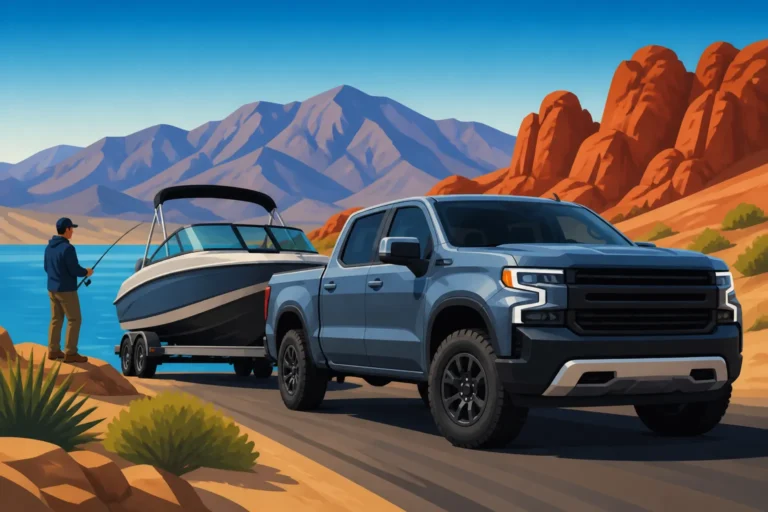
The "best" fishing boat for Nevada really depends on your specific needs, the waters you plan to fish, and your budget. For serious bass anglers targeting big fish in lakes like Mead, Mohave, or Tahoe, a bass boat is often the vessel of choice. These boats are designed for speed, stability, and feature amenities like livewells, powerful trolling motors, and advanced electronics to locate fish. They allow for rapid movement between spots and comfortable casting.
If you're more interested in a multi-purpose family boat that can still handle some serious fishing, a sturdy deep-V hull fishing boat or a pontoon boat might be a better fit. Pontoon boats, while not built for speed, offer tremendous stability, deck space for multiple anglers, and are ideal for a relaxed day of fishing with friends or family, especially on less choppy waters. For those exploring smaller reservoirs or quieter coves, a jon boat or an aluminum utility boat offers a rugged and more affordable option that can be easily launched and retrieved. Consider factors like passenger capacity, storage, motor size, and the types of water you'll be navigating when making this significant investment.
Kayaks and Float Tubes: Stealth and Access
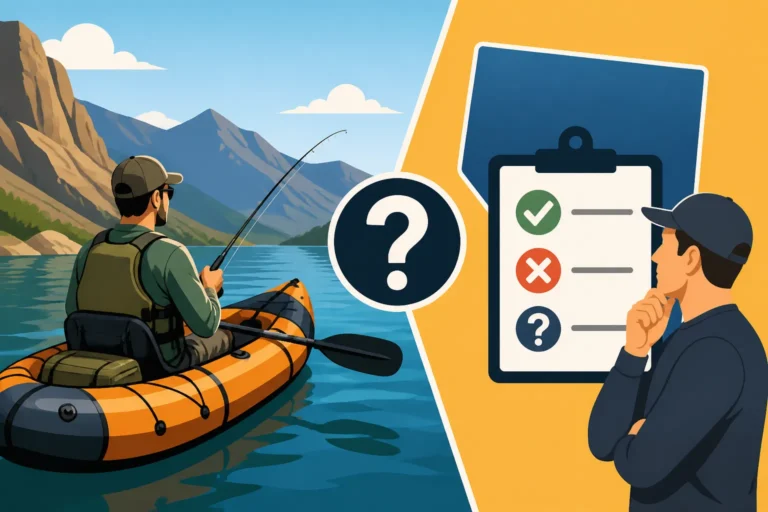
Not everyone needs or wants a large motorboat, and for many Nevada anglers, kayaks and float tubes offer an incredible way to access prime fishing spots that bigger boats simply can't reach. Kayak fishing has exploded in popularity, and for good reason. A dedicated fishing kayak provides a stable platform, often with ample storage for gear, built-in rod holders, and even options for pedal drives or small electric motors. They are incredibly stealthy, allowing you to approach wary fish in shallow coves or quiet inlets without spooking them. Lakes like Lake Mohave, Lake Mead, and even parts of Lake Tahoe offer fantastic opportunities for kayak anglers to explore. If you're considering a kayak, check out our Kayak Fishing Gear for Nevada guide for detailed recommendations.
Float tubes, on the other hand, offer an even more minimalist and often budget-friendly approach. These personal pontoons allow you to sit comfortably in the water, propelled by fins on your feet, giving you unparalleled maneuverability and a low profile. They're perfect for smaller lakes, urban ponds, or high-elevation mountain lakes where launching a boat isn't feasible. The feeling of being "in" the water, surrounded by nature, while slowly drifting over prime fishing grounds is an experience unlike any other. Whether you choose a kayak or a float tube, these personal watercraft enhance your ability to connect with nature and your target species on a more intimate level.
Nevada Boat Registration and Safety Essentials
Owning a boat in Nevada comes with responsibilities, primarily centered around registration and safety. If your boat has a motor, regardless of its size (even an electric trolling motor!), it needs to be registered with the Nevada Department of Wildlife (NDOW). This process involves paperwork, fees, and displaying your registration numbers and decal prominently on your hull. You can find detailed information in our Nevada Boat Registration for Anglers guide, which outlines the steps and requirements.
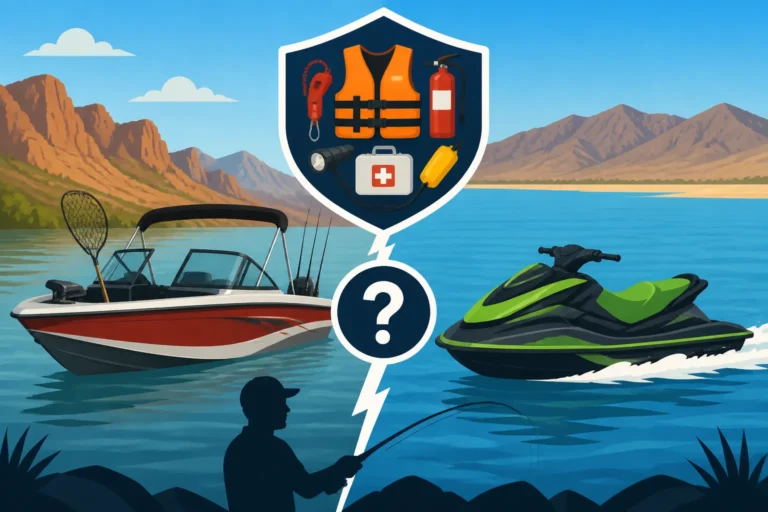
Beyond registration, safety is paramount. Nevada law requires certain safety equipment on board all vessels. This typically includes a U.S. Coast Guard-approved life jacket for every person on board, including children. Kids often have specific age requirements for wearing life jackets, so always check current regulations. Other essentials include a throwable flotation device (like a cushion or ring buoy), a sound-producing device (whistle or horn), navigation lights if operating after sunset, and a fire extinguisher if your boat has an enclosed fuel compartment or permanently installed fuel tank. Having a first-aid kit, anchor, spare paddle, and a way to communicate in an emergency (like a fully charged cell phone or marine radio) are also highly recommended. Remember, responsible boating ensures a safe and enjoyable experience for everyone on the water. For more information on navigating these waters, consider looking into Nevada Boater Education Card Requirement details, which cover the mandatory education for certain age groups.
Personal Comfort and Safety: Adapting to the Nevada Environment
Nevada's desert environment is undeniably beautiful, but it can also be harsh and unforgiving. The intense sun, dry air, and fluctuating temperatures demand that anglers prioritize their personal comfort and safety. Being prepared for the elements isn't just about enjoying your day more; it's about staying safe and healthy on the water.
Sun Protection: Battling the Desert Sun
The Nevada sun, especially during the long summer months, is no joke. Extended exposure can lead to severe sunburn, heatstroke, and long-term skin damage. Proper sun protection is an absolute non-negotiable for any angler heading out into the desert. Start with a wide-brimmed hat or a fishing cap with a neck flap to shield your face, ears, and neck. Performance fishing shirts made from lightweight, breathable, UPF-rated fabric are excellent at blocking harmful UV rays while keeping you cool. Don't forget long pants, even in summer, to protect your legs.
High-quality polarized sunglasses are also essential. They not only protect your eyes from UV radiation but also cut glare off the water, allowing you to see deeper and spot fish or underwater structure, which can be a huge advantage. Finally, a broad-spectrum sunscreen with a high SPF (30+) applied liberally and reapplied throughout the day is critical, especially on any exposed skin. Think about investing in a sun gaiter or buff to protect your face and neck, too. Taking these simple precautions will allow you to enjoy your time on the water without paying for it with a painful sunburn later. You can find all these protective gear options easily on Amazon or at your local Bass Pro Shops.
Hydration and Sustenance: Staying Fueled
The dry desert air can dehydrate you quickly, even on cooler days. It's shockingly easy to underestimate how much water you're losing through sweat, even if you don't feel like you're sweating. Bringing plenty of water is not just a suggestion; it's a critical safety measure. Always pack more water than you think you'll need, especially for longer trips or during warmer months. Insulated water bottles or coolers filled with ice and water are your best friends here.
Beyond hydration, having snacks or a packed lunch is vital to maintain your energy levels. Fishing, even when relaxing, is an activity that consumes energy, and a sudden drop in blood sugar can lead to fatigue, irritability, and even impaired judgment. Energy bars, sandwiches, fruit, and electrolyte drinks are all good options. If you're out on a boat, a well-stocked cooler can keep your drinks and food fresh all day. Staying hydrated and well-fed will keep your focus sharp, your mood positive, and your body performing optimally, allowing you to fully enjoy your Nevada Fishing Seasons by Month experience.
Emergency Preparedness: Better Safe Than Sorry
Even the most meticulous planning can't account for every unforeseen event. Being prepared for emergencies, no matter how unlikely, is a sign of a responsible angler. A well-stocked first-aid kit is essential for treating minor cuts, scrapes, hook punctures, and other common fishing-related injuries. Include bandages, antiseptic wipes, pain relievers, and any personal medications you might need.
Beyond medical supplies, think about basic survival and communication. A fully charged cell phone (stored in a waterproof bag), a power bank to recharge it, and perhaps a backup communication device like a satellite messenger or marine radio (if on larger waters) can be life-savers. Carry a multi-tool or a good pair of pliers for various tasks, including safely removing hooks. A flashlight or headlamp, even for daytime trips, can be invaluable if you're delayed and find yourself out after dark. Always let someone know your float plan – where you're going, when you expect to return, and who is with you. These simple steps ensure that if something unexpected does happen, you have the resources to handle it.
Specialized Gear for Unique Nevada Fishing Experiences
Nevada offers more than just standard lake fishing. The state's diverse geography and climate open up opportunities for unique angling adventures, each requiring its own specific gear considerations. From drilling through ice to casting delicate flies, specialized equipment can significantly enhance your success and enjoyment.
Ice Fishing: Gear for Winter Adventures
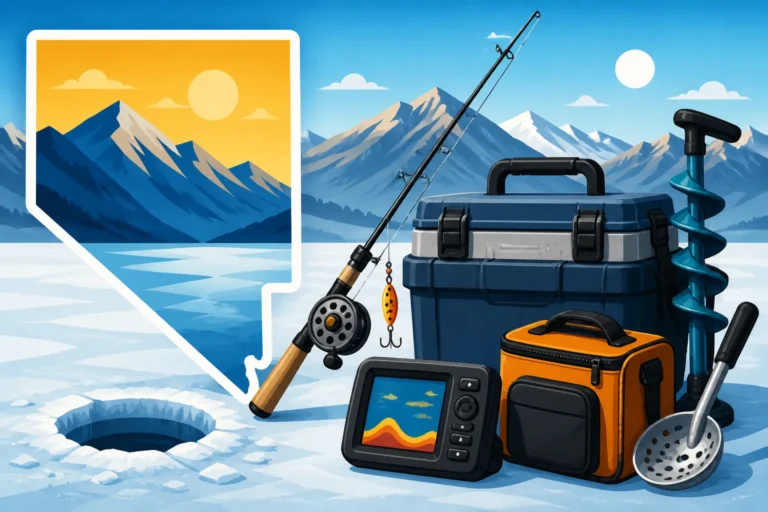
While Nevada might be known for its deserts, the higher elevations and some northern reservoirs offer fantastic ice fishing opportunities when winter truly sets in. This requires a completely different set of gear to stay safe and comfortable, and to actually catch fish through a hole in the ice. First and foremost, safety gear is non-negotiable: ice cleats for traction, ice picks worn around your neck in case of a fall through the ice, and a spud bar or ice chisel to test ice thickness as you go. Never venture onto ice without knowing it's safe.
For actual fishing, you'll need an ice auger, either a manual hand auger or a powered (gas or electric) one, to drill holes. A small, portable ice fishing shelter can provide welcome warmth and protection from the wind. Inside, short, sensitive ice fishing rods (often called "jigging rods") paired with small spinning reels are used to present tiny jigs and baits. Portable fish finders (often called "flashers") are incredibly useful for locating fish and determining depth under the ice. Warm, waterproof clothing, insulated boots, and gloves are absolute must-haves to stay comfortable in the cold. If you're planning to try this chilly but rewarding pursuit, our Nevada Ice Fishing Gear Checklist provides a comprehensive list of what you'll need.
Fly Fishing: Delicate Presentations for Wary Fish
Fly fishing is an art form, and Nevada's pristine rivers and high mountain lakes offer some truly exceptional opportunities for those who embrace its unique challenges. From the Truckee River's trout to the wild cutthroat in remote alpine tarns, fly fishing requires specialized gear for delicate presentations. A fly rod, typically a 4-weight to 6-weight for most Nevada trout applications, is matched with a corresponding fly reel and fly line (floating, sinking, or sink-tip depending on conditions). Unlike conventional fishing, the weight of the line, not the lure, is what carries your cast.
Beyond the core setup, a good selection of flies is crucial. These artificial insects, baitfish, or crustaceans are tied to mimic natural food sources. You'll need dry flies, nymphs, and streamers in various sizes and patterns to "match the hatch" of whatever insects are prevalent. Waders and wading boots are often essential for safely navigating rivers and shallow lake shores, allowing you to get into the best casting positions. A vest or chest pack with tippet, leaders, floatant, and various tools keeps everything organized and accessible. Fly fishing demands patience and skill, but the reward of fooling a wary trout with a perfectly presented fly is unparalleled. For deeper dives into what you'll need, refer to our Fly Fishing Gear for Nevada Waters guide.
Night Fishing: Extending Your Angling Hours
As the scorching Nevada sun sets, a whole new world of fishing opportunities emerges. Many fish species, particularly catfish and striped bass, become more active in the cooler night temperatures. Night fishing requires a few specific additions to your gear to ensure safety and success. The most important item is reliable illumination. A good headlamp with adjustable brightness and a red-light option (which is less disruptive to your night vision) is essential for tying knots, rigging baits, and navigating. You might also want a lantern for broader area lighting at your fishing spot.
Glow-in-the-dark lures, luminous beads, or chemical light sticks attached to your line or bobber can make bite detection much easier. If you're fishing with bait on the bottom, bells attached to your rod tip can audibly signal a bite. Remember that visibility is severely limited at night, so exercising extreme caution, especially around water, is critical. Always tell someone where you're going and when you expect to return. Night fishing can be incredibly peaceful and productive, but being prepared with the right lighting and safety measures is key to a successful outing.
| Gear Category | Essential Items for Day Fishing (General) | Specialized Items for Ice Fishing | Specialized Items for Fly Fishing | Specialized Items for Night Fishing |
|---|---|---|---|---|
| Rods & Reels | Medium Spinning Combo, Extra Spool of Line | Short Ice Rods, Small Spinning Reels | Fly Rod, Fly Reel, Fly Line | General Rod/Reel, Bite Alarms/Bells |
| Terminal Tackle | Assorted Hooks, Sinkers, Swivels, Lures/Bait | Tiny Jigs, Live Bait (Worms/Maggots), Flashers | Assorted Flies (Dry, Nymph, Streamer), Leaders | Luminous Baits/Lures, Light Sticks, Heavy Sinkers |
| Personal Safety | Sunscreen, Hat, Sunglasses, Water, First-Aid Kit | Ice Cleats, Ice Picks, Spud Bar, Insulated Boots | Waders, Wading Boots, Net | Headlamp (Red Light Option), Lantern, Bug Spray |
| Comfort/Utility | Cooler, Snacks, Pliers, Knife, Net | Portable Shelter, Heater (optional), Scoop | Vest/Chest Pack, Tippet, Floatant, Nippers | Extra Batteries, Waterproof Bag, Camping Chair |
| Navigation/Boat | Boat Registration, Life Jackets, Anchor (if boat) | Ice Auger, Depth Finder | — | Navigation Lights (if boating), Communication Device |
Maintenance and Care: Protecting Your Investment
Fishing gear, especially quality equipment, can be a significant investment. Neglecting proper maintenance and storage can drastically shorten the lifespan of your rods, reels, boats, and other essentials, leading to costly repairs or premature replacements. Taking a little time after each trip to clean and care for your gear will ensure it performs flawlessly for years to come.
Rod and Reel Maintenance: Keeping Gear Smooth
Your rod and reel are the heart of your fishing setup, and they endure a lot of abuse – sun, dirt, water, and the stress of fighting fish. After every trip, especially if you've been fishing in saltwater (though most Nevada fishing is freshwater, it's still good practice), take a few moments to wipe down your rod and reel with a damp cloth. Pay special attention to removing any dirt, sand, or grime from the reel's exterior.
For reels, a light spray of freshwater, followed by drying and a tiny drop of reel oil on moving parts, can prevent corrosion and keep the gears spinning smoothly. Avoid harsh chemicals. Periodically, you might want to delve deeper, removing the spool and cleaning under it, but this isn't necessary after every outing. For rods, check guides for cracks or damage that could fray your line. Store rods in cases or sleeves to protect them from dings, and always loosen your reel's drag when storing it to prevent unnecessary spring compression. Proper maintenance ensures that when you hook into that trophy fish, your equipment won't let you down. Learning Best Fishing Rods for Nevada Lakes and understanding their materials will also inform your care routine.
Boat and Trailer Care: Longevity on Land and Water
If you're fortunate enough to own a boat, the maintenance responsibilities extend beyond just your fishing tackle. Boats, especially those used in large reservoirs like Lake Mead, are exposed to intense sun, fluctuating water levels, and various elements. After each use, it's a good idea to rinse your boat thoroughly, both the hull and interior, to remove dirt, algae, and any potential invasive species. A thorough cleaning helps preserve the finish and prevents the spread of things like quagga mussels between bodies of water.
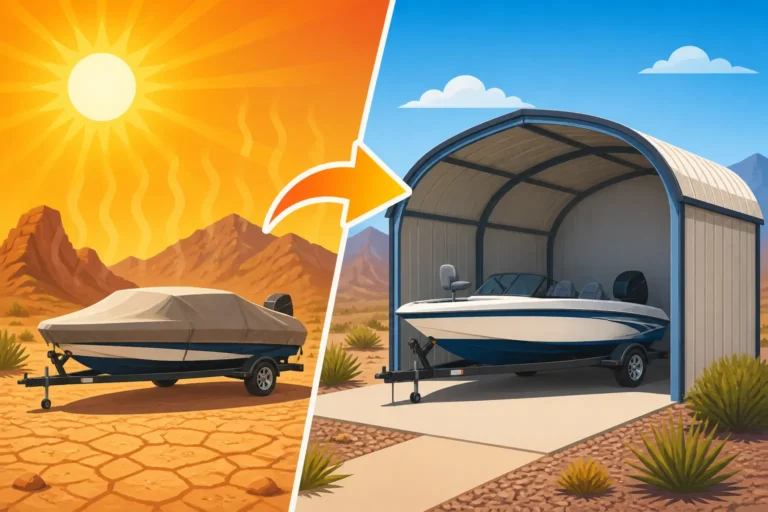
The trailer your boat sits on also needs attention. Wheel bearings need regular greasing, tires should be checked for proper inflation and wear, and lights must be in working order. Saltwater areas are particularly hard on trailers, but even freshwater use can lead to rust and corrosion if neglected. Store your boat with a good quality cover to protect it from UV rays, dust, and debris. Regular engine maintenance, checking fluid levels, and winterizing (if applicable) are also crucial for longevity and reliable performance. Investing a bit of time in boat and trailer care will save you significant headaches and expenses down the road.
Proper Storage: Battling Dust and Heat
Nevada's climate, with its intense heat and pervasive dust, can be particularly harsh on fishing gear if not stored correctly. Simply tossing your rods and reels in a corner of the garage is a recipe for disaster. Rods can get snapped, reels can accumulate dust that grinds into their mechanisms, and lures can rust. Investing in rod racks that keep your rods upright and separated is a smart move. Hard cases for your reels provide excellent protection from impacts and dust.
Lures, hooks, and other terminal tackle should always be stored in closed tackle boxes or utility trays, preferably waterproof ones, to keep them free from dust and moisture. Consider adding desiccant packets to your tackle boxes to absorb any lingering humidity. When storing soft plastics, keep them in their original packaging or in dedicated plastic containers that won't react with the plastic, preventing them from melting or fusing together. Store all your gear in a cool, dry place away from direct sunlight. This might mean a dedicated storage cabinet in your garage or even a closet inside your home. Taking these simple steps ensures that your gear remains in top condition, ready for your next Best Places to Fish in Nevada adventure.
Disclaimer
This article is for general informational purposes only and does not constitute professional advice. Laws, prices and regulations vary by location and change over time. Consult a qualified professional for guidance on your specific situation.