Fly Fishing Gear for Nevada Waters
Ah, the serene yet challenging world of fly fishing in Nevada! It's an incredible experience, but I know firsthand how overwhelming it can be to figure out exactly what gear you need. From the vast, windy expanses of our desert lakes to the delicate flows of high mountain streams, Nevada throws a lot of different conditions at an angler. This comprehensive guide is here to simplify that selection process, helping you assemble the perfect fly fishing kit so you can spend less time guessing and more time casting.
The Foundation: Rods, Reels, and Line for Nevada Fly Fishing
Let's face it, your rod, reel, and line are the trifecta that makes or breaks your fly fishing experience. They need to work together seamlessly to handle the diverse conditions you’ll encounter across the Silver State. Skimping here isn't just a missed opportunity; it can lead to frustration and lost fish, which nobody wants after trekking out to a remote stream or battling desert winds.
Choosing Your Fly Rod: Power and Length for Nevada's Diverse Waters
Picking the right fly rod isn't just about grabbing the prettiest one on the rack. It's about matching the tool to the task. Nevada's waters demand versatility.
First, let's talk rod weight. This number (like 5-weight or 8-weight) tells you a lot about the rod's power and what kind of line and flies it's designed to cast. For those delicate mountain streams, chasing smaller trout, a 3-weight or 4-weight rod is often ideal. It allows for gentle presentations and protects light tippets. Imagine trying to drop a tiny dry fly onto a pool in a brushy creek like Thomas Creek near Reno with a heavy 8-weight – it’s just not going to happen gracefully! For general trout fishing on larger rivers or smaller lakes, a 5-weight or 6-weight is often considered the most versatile "all-around" choice. It has enough backbone to handle a decent-sized fish but is still sensitive enough for smaller offerings. However, if you're venturing out to the big water, like Pyramid Lake, where you're targeting those massive Lahontan cutthroat trout, or if you plan to throw big streamers on a windy day at Lake Mead for stripers, you'll definitely want to step up to a 7-weight or even an 8-weight rod. These heavier rods have the power to cast larger, wind-resistant flies and, more importantly, the muscle to fight big fish effectively. Many anglers fishing Pyramid Lake swear by their 8-weight rods because those cutthroat can really pull!
Next, consider rod action. This refers to how much of the rod bends during the cast. A "fast action" rod bends mainly at the tip, offering power and accuracy, especially in windy conditions or when casting heavy flies. This is a favorite among experienced anglers and can be a godsend on the blustery shores of Lake Lahontan or when you need to punch a fly through a strong headwind. A "medium action" rod bends more through the middle section, providing a good balance of power and feel, making it a great choice for all-around fishing and for those still developing their casting stroke. A "slow action" rod, bending all the way down into the butt section, offers a more delicate presentation and is excellent for close-quarters fishing on small streams with light flies. It provides a lot of "feel" but can be harder to cast accurately in strong winds or with heavy flies. For a typical Nevada angler, a fast to medium-fast action rod will serve you well across most scenarios, giving you that versatility to adapt to different conditions.
Finally, think about rod length. Most fly rods are between 8 and 9.5 feet long. For tight, brushy mountain streams where you’re constantly dodging trees, a shorter rod (say, 8 to 8.5 feet) can be a real asset, allowing you to cast without snagging every branch in sight. For open water on lakes or larger rivers where casting distance is key, a longer rod (9 to 9.5 feet) provides better line control, longer casts, and can help mend your line over tricky currents. If you're planning on doing a lot of nymphing, a longer rod, sometimes even 10 feet, can help with line control and keeping your indicator drifting naturally. For general all-around use in Nevada, a 9-foot rod is a popular and very effective choice, offering a good compromise between casting distance and maneuverability. You might find a good selection of these versatile rods at your local Bass Pro Shops or online at Amazon.
Matching Your Fly Reel: Drag, Arbor, and Balance
Your fly reel isn't just a place to store your line; it's a critical component, especially when you hook into a powerful fish. In Nevada, where you might be battling anything from a feisty rainbow to a large Lahontan cutthroat or even a big striper, your reel needs to be up to the task.
The most important feature on any fly reel, especially for larger fish, is its drag system. The drag applies resistance to the line as a fish pulls it out, helping to tire the fish and prevent your tippet from breaking. A smooth, consistent drag is absolutely crucial. You don’t want a drag that sticks, jerks, or has an inconsistent pull, as this can easily lead to a snapped line or a lost fish. Imagine you’ve hooked into a 15-pound Lahontan cutthroat at Pyramid Lake, and it makes a blistering run across the shallow shelf. If your drag isn’t butter-smooth and doesn’t apply consistent pressure, that fish is either going to break you off instantly or create enough shock to pull the hook. High-quality reels often feature sealed drag systems, which are fantastic for keeping out sand, grit, and water – a real benefit in Nevada’s sometimes dusty and often windy environment.
Arbor size refers to the diameter of the spool around which the line is wound. "Large arbor" reels have a larger diameter spool, which means they retrieve line faster per crank and help reduce line memory (the coils that form in your line). Faster line retrieve can be a huge advantage when a fish makes a sudden run towards you, allowing you to quickly reel in the slack. The reduced line memory also means smoother casts and fewer tangles. While a standard arbor reel might be perfectly adequate for smaller fish on a high mountain stream, if you're targeting bigger fish on bigger water, a large arbor reel is definitely the way to go.
Lastly, and perhaps surprisingly important, is balance. Your reel needs to balance properly with your rod. When you hold your rod with the reel attached, it should feel comfortable and balanced in your hand, typically with the balance point just above or at the grip. A reel that is too heavy or too light for the rod can make casting feel awkward, tiring, and less efficient. This might not seem like a big deal for a few casts, but after a full day of casting into the wind at Lake Tahoe, an unbalanced setup can lead to wrist fatigue and sloppy presentations. So, when choosing a reel, don't just consider its features; physically attach it to your rod and see how it feels. A well-balanced setup is a joy to cast and will make your entire fishing experience much more enjoyable.
Understanding Fly Lines: Weight Forward, Level, and Sinking
The fly line is the engine of your cast, transferring energy from your rod to the fly. It's not just a string; it's a precisely weighted and tapered tool designed for specific casting and fishing situations. Getting the right line for your Nevada adventures is paramount.
The most common type of fly line you'll encounter is weight-forward (WF) line. This line has a heavier, concentrated weight toward the front of the line, tapering down to a thinner running line. This design helps to load the rod quickly and efficiently, making it easier to cast longer distances and handle larger, heavier flies. WF lines are incredibly versatile and are an excellent choice for general-purpose fly fishing across Nevada's diverse waters, from the Truckee River to the numerous reservoirs. If you're a beginner or looking for a single do-it-all line, a WF floating line is usually the best starting point.
Another type, less common for modern all-around use but still valuable in specific situations, is double taper (DT) line. A DT line is uniform in weight and thickness for most of its length, with a taper at both ends. This design allows for incredibly delicate presentations, which can be crucial when fishing for spooky trout in crystal-clear, calm waters like those found in some high mountain lakes. They also allow you to reverse the line on your reel once one end is worn, extending its lifespan. However, they typically don't cast heavy flies or punch through wind as effectively as WF lines.
For fishing subsurface, especially in deeper lakes or faster currents, sinking lines are indispensable. These lines come in various sink rates, from "intermediate" lines that sink slowly just below the surface, perfect for suspending nymphs or streamers in shallow water, to "full sink" lines that plummet quickly to the depths. Imagine you're trying to fish for Mackinaw trout at Lake Tahoe, which often hold in very deep water. A floating line won't get your fly down to them. That's where a full-sink line, sometimes referred to as a "lead core" or "shooting head" line, becomes essential. These lines are designed to get your fly down quickly and stay there, allowing you to present flies effectively to fish holding deep. Many anglers also use a "sink-tip" line, which has a short, heavy sinking section at the front spliced to a floating running line. This offers a good compromise for fishing moderately deep, allowing you to mend your floating line while still getting your fly down.
Don't forget backing line! This is the thin, usually braided, line that fills the bottom of your reel spool before your fly line is attached. It serves two crucial purposes: first, it helps fill the spool to prevent your fly line from having too much memory, and second, and most importantly, it provides extra line when a large fish makes a long, powerful run. Believe me, when a big Pyramid Lake cutthroat decides to take off for the horizon, you'll be glad for every foot of backing you have! Choosing the right fly line for a specific Nevada water, like Pyramid Lake, can make all the difference, and there are dedicated lines designed to help you punch out heavy flies in windy conditions there. For general advice on lines, you can check out more in-depth information in guides like Fly Fishing in Nevada or Fly Fishing Gear for Pyramid Lake.
| Rod Weight | Typical Fly Size Range | Best Use Case in Nevada | Notes for Nevada Angler |
|---|---|---|---|
| 3-4 Weight | #16-#24 | Small mountain streams, delicate dry fly presentations for small trout, panfish | Excellent for Lamoille Canyon streams, small creeks in Humboldt-Toiyabe National Forest. |
| 5-6 Weight | #10-#18 | Versatile all-around trout fishing, larger streams (Truckee River), smaller lakes (Wildhorse Reservoir) | Most common "one-rod" choice, handles general trout flies well. Good for light wind. |
| 7-8 Weight | #2-#10 | Pyramid Lake Lahontan cutthroat, Lake Mead striped bass, large streamers, windy conditions | Essential for trophy fish waters. Handles heavy flies and strong winds effectively. |
| 9-10 Weight | 2/0-#4 | Heavy saltwater species (not in NV), largest freshwater predators (muskie, pike – not native to NV), or extremely windy conditions with massive flies | Overkill for most Nevada freshwater, unless targeting truly massive stripers with very large flies. |
Essential Terminal Tackle: Leaders, Tippet, and Indicators
So, you've got your rod, reel, and line sorted – that's the big stuff. But now we need to talk about the often-overlooked, yet absolutely critical, components that connect your fly line to your fly: leaders, tippet, and those little things that tell you when a fish bites, like strike indicators. These small details can make or break your day on the water, especially in Nevada's often clear and challenging environments.
Leaders: Tapered for Presentation and Strength
A leader is the clear monofilament or fluorocarbon line that connects the end of your fly line to your tippet. It’s not just a piece of clear line; it’s usually tapered, meaning it's thick at the butt end (where it attaches to your fly line) and gradually gets thinner down to the tip. This taper is incredibly important because it helps transfer the energy from your cast smoothly down to your fly, allowing it to turn over properly and present naturally. Without a good taper, your fly might just plop down in a tangled mess, spooking any fish in the vicinity.
Leaders come in various lengths and breaking strengths, often indicated by an "X" rating (e.g., 5X, 3X). A lower X number means a thicker, stronger leader, while a higher X number means a finer, lighter leader. For general trout fishing in Nevada, you might start with a 9-foot leader in 4X or 5X. For very spooky fish in clear, calm water, you might go even lighter, like a 6X or 7X. For throwing larger, heavier flies, or targeting aggressive fish like Pyramid Lake cutthroat, a stronger 0X, 1X, or 2X leader might be more appropriate. You need to choose a leader that matches the weight of your fly line and the size of your flies, as well as the conditions you're fishing.
When it comes to material, you'll primarily choose between monofilament and fluorocarbon. Monofilament leaders are typically more affordable, have some stretch, and float better, which can be an advantage for dry fly fishing. Fluorocarbon, on the other hand, is virtually invisible underwater due to its refractive index, is much more abrasion-resistant, and sinks faster. For nymphing or streamer fishing, especially in clear Nevada waters where fish can be line-shy, fluorocarbon leaders (or at least fluorocarbon tippet) are often preferred. The added strength and invisibility can make a real difference. Imagine trying to fool a wary trout in the Truckee River's clear flows with a shiny, visible leader – it's a tough sell!
Tippet: The Final Connection
If the leader is the arm, the tippet is the hand that presents the fly. Tippet is a separate, finer piece of line that you tie onto the end of your tapered leader. It's essentially the last, thinnest, and most invisible connection between your fly and your main line. The main reason we use tippet is to protect the more expensive tapered leader; instead of tying new flies directly to your leader and constantly shortening it, you just replace sections of tippet.
Like leaders, tippet also comes in various strengths, denoted by the X rating. You generally want to match your tippet size to the size of your fly. A good rule of thumb is to take the size of your fly hook and divide it by three, then use the X-rating closest to that number (e.g., a size 18 fly might use 6X tippet). For those tiny midges and small nymphs often used in urban ponds or for selective trout, you might go down to 7X or even 8X. But for larger streamers or battling those big cutthroat at Pyramid, you'll want stronger stuff, perhaps 0X or 1X. This is where Nevada Trout Stamp vs Regular License discussions might come up, as specific species might require different gear.
Using fresh tippet and tying proper knots are absolutely non-negotiable. A faulty knot is often the weak link in your setup and can lead to heartbreaking break-offs. Carry a spool of fresh tippet in several common sizes (like 4X, 5X, and 6X for general trout fishing) in your vest or pack. Remember, in bright sun and clear water, fish are often spooked by heavier, more visible lines. Being able to go down to a finer tippet can be the difference between a frustrating day and a successful one. If you're struggling to find the right combination, don't be afraid to ask for advice at a local fly shop; they're usually happy to share their knowledge on what works best for specific Nevada waters.
Strike Indicators and Split Shot: Reading the Subsurface
When you're nymphing or fishing subsurface, you don't have the visual cue of a fish rising to your fly. That's where strike indicators come into play. These are essentially small, buoyant bobbers that float on the surface, allowing you to detect subtle takes from fish that might otherwise go unnoticed. A fish taking a nymph underwater often won't feel like a hard strike; it might just be a slight twitch, a hesitation, or a subtle drag of your indicator.
There's a huge variety of strike indicators available, each with its pros and cons. You have traditional yarn indicators, which are very sensitive and easy to adjust. Then there are various types of foam indicators, which are typically more buoyant and durable, coming in adhesive-backed styles, pinch-on styles, or those that attach with a small o-ring. Some even look like small balloons. For windy conditions, a highly visible, stable indicator is key. For a place like Pyramid Lake, where you might be casting long distances from shore into a chop, a highly visible and relatively wind-resistant indicator is crucial for spotting those subtle "pauses" or "dips" that signal a fish. For more technical nymphing in slower water, a very sensitive yarn indicator might be preferred.
To get your flies down to the fish's feeding zone, especially when nymphing, you'll often need to add split shot. These are small, removable lead or non-toxic weights that you pinch onto your leader or tippet above your flies. The amount and placement of split shot depend entirely on the depth and speed of the water, as well as the weight of your flies. The goal is to get your fly to drift naturally at the same speed as the current at the fish's level. Too much weight, and your fly drags unnaturally; too little, and it doesn't get deep enough. It’s a constant adjustment, especially in rivers with varying depths and currents. Carrying a small dispenser of assorted split shot sizes is a must for any fly angler fishing subsurface in Nevada. Just remember to check local regulations, as some waters might have specific rules about using lead weights. For more on getting your nymphing game right, look into guides like How to Fish for Trout in Nevada.
Fly Selection for Nevada's Unique Fisheries
Choosing the right fly can feel like trying to crack a secret code, but once you understand what fish eat in specific environments, it becomes a lot less daunting. Nevada’s waters are incredibly diverse, and what works at Pyramid Lake won't necessarily be effective in a tiny high mountain stream.
Pyramid Lake Flies: Woolly Buggers, Beetles, and Popcorn Beetles
Ah, Pyramid Lake! It's a truly special place, home to the world-famous Lahontan cutthroat trout. These fish are big, aggressive, and often very selective. When fly fishing at Pyramid Lake, you're primarily targeting cruising fish from the shore, often in windy conditions. The flies here are usually larger and designed to be cast long distances and stripped back.
Woolly Buggers are an absolute staple. These versatile flies imitate everything from baitfish to leeches and aquatic insects. In Pyramid Lake, common colors include black, olive, brown, and white, often with some flash. Sizes can range from #4 up to #2. You'll typically cast these out, let them sink to the desired depth, and then strip them back with varying speeds and pauses. A common retrieve is a series of short, quick strips followed by a pause, mimicking an injured baitfish.
Then there are the unique Pyramid Lake specialties: Beetles and Popcorn Beetles. These flies are designed to imitate the Tui Chub, a primary food source for the Lahontan cutthroat. The "Pyramid Lake Beetle" is a specific pattern, often tied with a black or dark body, sometimes with an orange or red "hot spot." The "Popcorn Beetle" is typically lighter in color, often pearl or chartreuse, and tied to resemble a chub that has been injured or stunned, making it an easy target. These flies are often fished under an indicator, suspended at depths where the cutthroat are cruising, or stripped slowly. Imagine the thrill of seeing your indicator suddenly dive as a monster cutthroat inhales your popcorn beetle! It's a unique experience that makes the long drive to Pyramid Lake well worth it. For more specialized tips on these patterns, check out Fly Fishing Gear for Pyramid Lake.
High Mountain Stream Flies: Dries, Nymphs, and Streamers
Nevada's high mountain streams, often tucked away in places like the Ruby Mountains or the Jarbidge Wilderness, are a completely different ballgame. Here, you're typically targeting smaller, wilder trout – rainbows, browns, and smaller cutthroat – that are often more opportunistic feeders. The challenge here is presentation and matching the abundant insect life.
Dry flies are king on these freestone streams, especially during hatches. You'll want a selection of basic attractor patterns like the Elk Hair Caddis, Adams, Parachute Adams, and various stimulators in sizes ranging from #12 to #20. Having some smaller BWO (Blue-Winged Olive) and Trico patterns is also smart for those delicate morning hatches. The joy of watching a trout sip your perfectly presented dry fly is unmatched. During late summer, when aquatic insect hatches might be less frequent, terrestrial patterns like grasshoppers, ants, and beetles (in sizes #10 to #16) can be incredibly effective, mimicking insects that have fallen into the water.
Nymphs are crucial for when fish aren't rising. These flies imitate the larval and pupal stages of aquatic insects. Must-have patterns include Pheasant Tail Nymphs, Hare's Ear Nymphs, Prince Nymphs, and Copper Johns, in sizes #12 to #20. Often, you'll fish two nymphs under a strike indicator, with a heavier one as an anchor and a lighter one trailing. This allows you to cover different depths and present two different insect profiles. Knowing how to adjust your weight and indicator depth is key to success.
Finally, don't forget a few streamers. While not as commonly used as dries or nymphs on smaller streams, a small Woolly Bugger (black, olive, or white in sizes #8-#12) or a sculpin pattern can entice aggressive trout, especially larger browns, when stripped through deeper pools or undercut banks. These are great for when the bite is slow or you're looking for that one big fish hiding out. For a deeper dive, check out Best Fly Rod for High Mountain Streams and How to Fish for Trout in Nevada.
Lake and Reservoir Flies: Stillwater Nymphs, Midges, and Leeches
Beyond Pyramid Lake, Nevada has numerous other lakes and reservoirs, from Wildhorse Reservoir in the north to the urban ponds of Las Vegas, and of course, the vastness of Lake Tahoe. Stillwater fly fishing demands a different approach and a different set of flies compared to moving water.
Stillwater nymphs and midges are absolutely essential. Trout and other species in lakes often feed heavily on chronomids (midges), which are present year-round. You'll want a variety of chironomid patterns in different sizes and colors (black, olive, red, chrome), often fished under an indicator or slowly retrieved. Balanced leeches, often tied with a bead or weight at the head to keep them horizontal in the water, are also deadly effective. These are typically fished under an indicator with a very slow retrieve or just allowed to hang suspended. Popular colors include black, olive, and brown.
Other patterns to consider include damsel and dragonfly nymphs, especially in areas with weed beds where these insects thrive. Streamers like Woolly Buggers remain effective in stillwater, mimicking baitfish or leeches. When fishing stillwaters, presentation is often about controlling depth and retrieve speed. A very slow, almost imperceptible retrieve can be the most effective, making your fly appear like a naturally moving insect or baitfish. Understanding how fish move and feed in these larger bodies of water, often in specific temperature bands or around structure, is key. Fly selection for these waters often focuses on imitating the primary food sources. You can find more specific fishing guidance in articles like Wildhorse Reservoir Nevada Fishing Guide or Lake Tahoe Nevada Fishing Guide.
Essential Apparel and Personal Gear for Nevada's Climate
Nevada's climate is a study in extremes – scorching summer days, bone-chilling winter mornings, and often persistent winds that can sneak up on you. Being comfortable and protected is paramount to enjoying your time on the water, whether you're battling the elements on a high mountain lake or braving the desert sun on Lake Mead.
Waders and Boots: Staying Dry and Safe
If you plan on getting into the water, even just a little, waders are a non-negotiable piece of gear. They keep you dry and comfortable, extending your fishing season into colder months and allowing you to access prime casting positions that would be unreachable from shore. For most of Nevada's fishing, especially during the warmer months, breathable waders are the way to go. Made from materials like Gore-Tex or similar synthetics, they allow perspiration to escape, preventing you from getting clammy and uncomfortable, which is crucial in a hot, dry climate like Nevada's. However, for genuinely cold winter fishing or ice fishing (where permitted), neoprene waders offer superior insulation and warmth.
Your wading boots are just as important as your waders. They provide traction and support, which are vital when navigating slippery, rocky riverbeds or uneven lake shores. You'll typically choose between felt soles and rubber soles. Felt soles offer incredible grip on slick, algae-covered rocks, making them a favorite for river anglers, but they can be problematic for walking on trails and can potentially transfer invasive species between water bodies if not properly cleaned. Rubber soles are more versatile for walking on various terrains and are often preferred for their ease of cleaning and reduced risk of spreading invasives. Many rubber-soled boots also allow for the addition of studs or cleats, which can significantly enhance traction on slippery surfaces. Whichever you choose, ensure they fit comfortably over your wader booties and provide good ankle support. And never, ever forget your wading belt! Not only does it help keep water out if you take a spill, but it’s a crucial safety device, preventing your waders from filling with water and dragging you down in a current. Imagine losing your footing in the swift currents of the Truckee River without a wading belt; it's a dangerous situation nobody wants to be in.
Layering for Desert Extremes: Sun, Wind, and Cold
Nevada weather can change on a dime, especially in the mountains. A glorious, sunny morning can quickly turn into a windy, chilly afternoon, or vice versa. The key to staying comfortable is layering.
Start with a good base layer that wicks moisture away from your skin. Synthetic fabrics or merino wool are excellent choices. Avoid cotton, which absorbs moisture and stays wet, making you cold when temperatures drop. Next, add an insulating mid-layer, such as a fleece jacket or a puffy vest. This layer traps warm air and provides insulation. Finally, your outer layer should be a waterproof and windproof shell. This is your first line of defense against unexpected rain or the relentless winds that can whip across Nevada's larger lakes. You'll be surprised how often you start the day bundled up and end up shedding layers as the sun climbs high, only to put them back on as evening approaches.
And speaking of the sun, sun protection in Nevada is not just a recommendation; it's a necessity. The desert sun is intense, even on cooler days. Look for UPF-rated clothing (shirts, pants, neck gaiters) that blocks harmful UV rays. A wide-brimmed hat is essential for protecting your face, ears, and neck, and high-quality polarized sunglasses are not only vital for eye protection but also for reducing glare on the water, allowing you to spot fish or submerged structure. Don't forget sunscreen, lip balm with SPF, and plenty of water. Neglecting sun protection can quickly lead to sunburn, dehydration, and a miserable end to your fishing trip.
Vests, Packs, and Accessories: Keeping Organized on the Water
Efficiently organizing your gear means less fumbling and more fishing. There are several popular options for carrying your flies, tools, and essentials.
Fly vests are the classic choice, offering numerous pockets to keep everything neatly organized and easily accessible on your chest. They distribute weight evenly and are great for bank fishing or wading. Chest packs are smaller and more compact, worn in front, offering quick access to your most-used items without adding bulk to your back. They're often favored by minimalist anglers or those who also carry a backpack. Sling packs, worn over one shoulder and resting on your back, can be swung around to your front for access. They offer more storage than a chest pack but keep your front clear for casting. The best option depends on your personal preference, how much gear you carry, and your fishing style.
Regardless of your carrying system, there are some essential tools and accessories no fly angler should be without. Nippers (small scissors or clippers) are crucial for cleanly cutting tippet and leader. Forceps or hemostats are indispensable for safely removing hooks from fish, especially when practicing catch and release. Fly floatant keeps your dry flies riding high on the water, while a desiccant (like a shake-and-dry powder) can revive waterlogged dry flies. Spools of tippet in various sizes, a small fly patch to hold drying or spent flies, and a small first aid kit are also must-haves. Always bring plenty of water and some snacks – a hungry, thirsty angler is a distracted and less effective one. The frustration of being on the water and needing a tool that's buried deep in a backpack or worse, left in the car, is a feeling we all know! Having a dedicated spot for everything makes all the difference.
Boating and Transportation for Fly Anglers
While many Nevada waters offer excellent bank fishing, having some form of personal watercraft can unlock incredible opportunities, allowing you to reach prime fishing spots, cover more water, and escape crowded shorelines. But getting that craft to the water and onto it takes some planning.
Kayaks, Float Tubes, and Pontoon Boats for Stillwater Access
For the fly angler looking to explore beyond the bank, there's a fantastic range of personal watercraft that are well-suited to Nevada's lakes and reservoirs. These vessels offer stealth, access, and often a more intimate fishing experience.
Kayaks have become incredibly popular, especially purpose-built "fishing kayaks" that offer enhanced stability, gear storage, and sometimes even pedal drives for hands-free propulsion. They allow you to cover significant distances on larger lakes like Lake Mead or Wildhorse Reservoir, silently approaching coves, points, and submerged structure. They're excellent for stripping streamers or indicator fishing for suspended fish. Their low profile makes them less susceptible to wind than larger boats, though strong Nevada winds can still pose a challenge. You can find a wide variety of fishing kayaks to suit different budgets and needs, whether you're browsing online at Amazon or visiting a dedicated outdoor retailer like Bass Pro Shops.
Float tubes are like personal, wearable mini-boats. You sit in them with your legs in the water (wearing waders and fins), propelling yourself with your fins. They are incredibly portable, relatively inexpensive, and offer a very low-profile, stealthy approach, perfect for stalking cruising cutthroat in the shallows of a smaller lake or urban pond. They excel in calmer conditions but can be challenging in strong winds. They're a fantastic way to access those hard-to-reach pockets and work shoreline structure methodically.
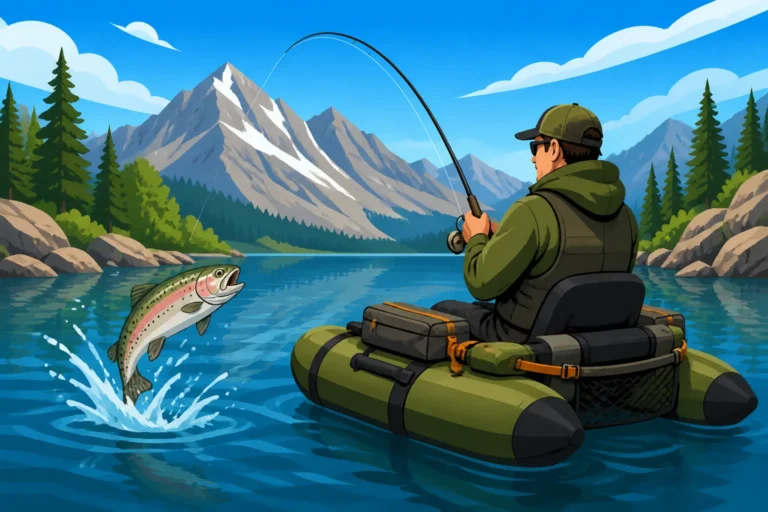
Pontoon boats, typically single-person or small two-person versions, are essentially a comfortable seat mounted between two inflatable pontoons. They offer more stability and a higher seating position than a float tube, making casting and maneuvering easier. Many come with oars, allowing for quicker travel and better control in wind. They are also usually equipped with more storage space. Pontoon boats are a great choice for medium to large reservoirs, allowing you to cover more water than a float tube while still maintaining a sense of quiet stealth. Imagine using a float tube or a kayak to quietly navigate the weed beds at South Fork State Recreation Area, targeting bass and trout with precision casts. Each of these craft opens up new possibilities for your Nevada fly fishing adventures, allowing you to explore Best Places to Fish in Nevada from a whole new perspective.
Trailering and Launching Considerations
Once you have your personal watercraft, you need to get it to the water! While kayaks and float tubes can often be car-topped or carried, larger pontoon boats or small motorboats might require a trailer.
Nevada's boat ramps can vary widely in condition, especially with the fluctuating water levels common in our reservoirs. It’s not uncommon to find ramps that extend to very shallow water during drought conditions, requiring a longer launch or even hand-carrying smaller craft. Always check the current water levels and ramp conditions for your chosen lake before you head out. Getting stuck in soft sand at a low-water ramp is a definite trip killer!
Basic boat maintenance is also important, especially in the harsh desert environment. Sun, heat, and dust can take a toll on boat hulls, trailers, and engines. Regularly inspect your trailer tires, bearings, and lights. Keep your boat clean and protected from the elements when not in use.
Finally, be aware of Nevada boat registration nuances. While small, non-motorized vessels like float tubes, canoes, and kayaks often don't require registration, any boat with a motor (even a small electric trolling motor) will need to be registered with the state. This also includes powered pontoon boats. There are also specific requirements for titling your boat. Skipping this step can lead to fines and headaches. For full details, be sure to consult Nevada Boat Registration and Titling Guide. Taking care of these logistical details beforehand ensures your time on the water is smooth and hassle-free.
Specialized Gear and Safety for Nevada Fly Fishing
Fly fishing in Nevada, with its vast landscapes and often remote waters, requires more than just fishing tackle. Proper safety gear, responsible angling practices, and a mindful approach to the environment are all crucial for a successful and enjoyable experience.
Nets, Landing Tools, and Release Techniques
Once you've hooked a fish, the next crucial step is landing it safely and, if you're practicing catch and release, ensuring its healthy return to the water. A good landing net is an essential tool. Look for nets with a rubberized or knotless mesh basket, as these materials are much gentler on fish scales and slime coats, reducing injury. They also prevent hooks from getting tangled as easily. For trout, a net with a reasonably long handle can be helpful, especially if you’re wading in current. For larger fish like Pyramid Lake cutthroat, a bigger hoop and deeper basket are certainly beneficial.
Forceps or hemostats are indispensable for quickly and safely removing hooks. They allow you to grasp the hook securely, even if it's deeply set, and extract it with minimal stress to the fish. Trying to remove a hook with your fingers can cause more damage to the fish and can easily lead to a jab in your own hand – a painful lesson many anglers learn the hard way!
When it comes to release techniques, remember that the goal is to minimize stress and physical harm to the fish. Always handle fish with wet hands to protect their protective slime coat. Try to keep the fish in the water as much as possible; if you must remove it for a quick photo, do so quickly and gently, supporting its body. Avoid squeezing or touching its gills. When releasing, hold the fish gently in the water, facing upstream into the current, until it regains its strength and can swim away on its own. This ethical approach ensures that Nevada’s incredible fisheries remain vibrant for years to come. This is especially important for sensitive species like the Lahontan cutthroat trout at Pyramid Lake. Learning to handle and release these fish properly is part of the tradition, and you can find more specific guidelines in articles like Handling and Releasing Lahontan Cutthroat Trout.
First Aid and Emergency Preparedness
Nevada’s beauty often comes with remoteness. Cell service can be spotty to non-existent in many prime fishing locations, meaning you need to be prepared for self-reliance.
A basic first aid kit is not optional; it’s a necessity. Stock it with essentials like bandages, antiseptic wipes, pain relievers, blister treatment, and any personal medications you might need. A minor cut from a hook or a scrape on a rock can become a bigger problem if not addressed promptly.
Beyond first aid, think about communication and navigation. Even if you rely on your phone for GPS, always carry a physical map and compass, and know how to use them. A fully charged power bank for your phone is also a smart idea. Consider carrying a satellite messenger or personal locator beacon if you're venturing into truly remote wilderness areas, as these can be lifesavers when cell service is unavailable.
And I can't stress this enough: hydration and sun protection are paramount. Carry more water than you think you’ll need, especially during the warmer months. Dehydration can creep up on you quickly in the dry Nevada air. Sunscreen, a wide-brimmed hat, and polarized sunglasses are not just about comfort; they're about preventing heat stroke, severe sunburn, and eye damage. A scenario I've seen too often is someone getting a minor hook injury, and because they're already dehydrated and disoriented from the sun, the situation escalates quickly. Being prepared means you can handle minor issues and enjoy your trip safely.
Dealing with Wind and Weather in Nevada
If there's one constant challenge in Nevada fly fishing, it's the wind. It can be your best friend or your worst enemy. A gentle breeze can stir up insect activity, but the strong, sustained winds that often sweep across our large lakes and reservoirs can make casting a nightmare and even create dangerous boating conditions. Learning to cast in wind is a skill in itself – often requiring a more aggressive, lower-trajectory cast to punch through it. For boaters, a good anchor system is critical to hold your position, and knowing when to simply call it a day due to dangerously high winds is a sign of good judgment.
Nevada weather can also be incredibly unpredictable and sudden. Blue skies can turn to thunderstorms with lightning and heavy rain in the mountains in a matter of minutes, especially during summer monsoon season. In the winter, sunny days can quickly become bitter cold with snow squalls. Always check the forecast before you go, but be prepared for anything. This means having those layers we discussed, a waterproof outer shell, and knowing where you can find shelter. Knowing when to stay home, or at least when to get off the water, is a crucial safety decision. Don't be afraid to postpone a trip if the weather forecast looks truly nasty; the fish will still be there another day.
Remember, the goal is to have an enjoyable and safe time pursuing your passion for fly fishing. Being well-equipped, prepared, and respectful of Nevada's diverse and often challenging environment is the best way to ensure that happens.
Disclaimer
This article is for general informational purposes only and does not constitute professional advice. Laws, prices and regulations vary by location and change over time. Consult a qualified professional for guidance on your specific situation.