Fly Fishing Gear for Pyramid Lake
If you're dreaming of tangling with those legendary Lahontan cutthroat trout at Pyramid Lake, but feel utterly overwhelmed by the sheer volume of fly fishing gear out there, you're not alone. It’s a completely different ballgame than your average trout stream, and showing up with the wrong setup can quickly turn a dream trip into a frustrating ordeal. This guide is here to cut through the noise, helping you understand precisely what fly fishing gear you'll need to confidently tackle the unique challenges and incredible rewards of Pyramid Lake.
Understanding the Unique Challenges of Pyramid Lake Fly Fishing
Pyramid Lake isn't your average pristine mountain stream or gentle river; it's a vast, ancient desert lake in Nevada, home to a truly magnificent and powerful fish. Anglers often underestimate the unique demands this environment places on their gear, leading to heartbreak and lost opportunities. Before we dive into the specifics of rods and reels, it's crucial to grasp why certain gear choices are paramount here.
The Lahontan Cutthroat Trout Factor
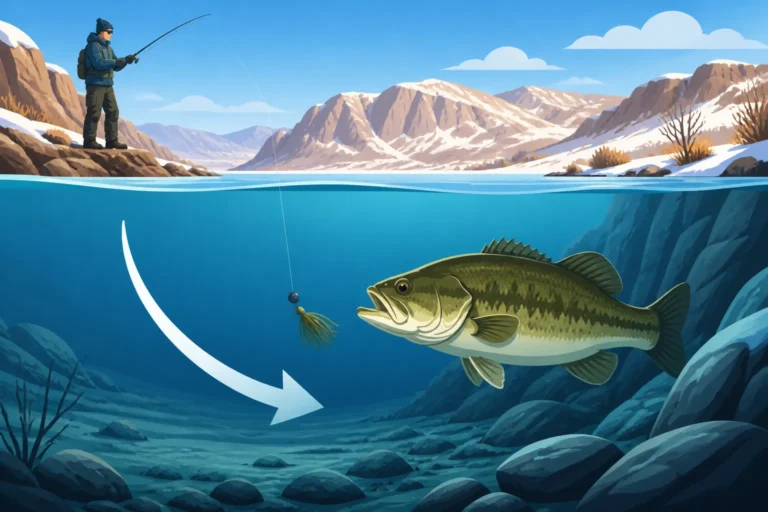
The Lahontan cutthroat trout (LCT) of Pyramid Lake are legendary for a reason. These aren't your typical 10-inch stockers; they are powerful, often massive fish that can grow well over 20 pounds, with some reaching truly monstrous sizes. When you hook into one of these giants, you'll instantly understand why a delicate stream setup just won't cut it. Their size and strength demand robust tackle that can not only cast large flies long distances but also withstand the brutal runs and deep dives these fish are famous for.
Consider a scenario where you've finally connected with a 15-pound LCT. If your rod is too light, it'll feel like you're fighting a freight train with a toothpick. You won't have the backbone to turn its head, pull it away from structure, or even bring it to hand efficiently, increasing the stress on the fish and potentially leading to a broken line or a thrown hook. Furthermore, these fish often feed in deeper water, sometimes far from shore, requiring precise casting and the ability to punch through the inevitable wind. The sheer thrill of battling a fish this powerful is an experience you won't forget, but it requires a setup that's up to the task. For more insights into these incredible fish, check out our guide on Lahontan Cutthroat Trout in Nevada.
Weather and Water Conditions
Pyramid Lake's high desert environment is beautiful but unforgiving. The weather can change in a heartbeat, and the conditions on the lake itself present distinct challenges. One moment it can be dead calm and sunny, the next you're battling fierce winds that create whitecaps and make casting feel like an Olympic sport. These extreme conditions directly influence your gear choices, from the action of your rod to the type of line you're stripping.
Imagine a typical day on the lake: you start early, just as the sun begins to peek over the mountains. The air is cool, but within a few hours, the desert sun is beating down, and temperatures can soar. The water is incredibly clear, often allowing you to see deep into its depths, which means presentation matters. But then, a stiff breeze picks up, turning that clear, calm surface into a choppy, wind-swept expanse. This wind doesn't just make casting difficult; it can also affect line control and your ability to detect subtle takes. You need gear that can handle the constant battle against the elements, allowing you to focus on the fishing rather than struggling with inadequate equipment. Understanding Pyramid Lake Season and Bag Limit Rules can also help you prepare for seasonal weather variations.
Essential Fly Rods for Pyramid Lake
Choosing the right fly rod for Pyramid Lake is arguably the most critical decision you'll make. This isn't the place for your delicate small stream outfit. You need a workhorse, a rod that can deliver large, weighted flies a considerable distance and then stand up to the powerful fight of a trophy Lahontan cutthroat trout.
Rod Weight and Action
For the unique demands of Pyramid Lake, fly anglers almost universally agree that you need a heavier rod than you might typically use for trout. We're talking about a 7-weight, 8-weight, or even a 9-weight rod. There are several compelling reasons for this heavier classification. First, it provides the backbone necessary to effectively cast large, often heavily weighted flies, such as Pyramid Lake's famous Balanced Leeches and Woolly Buggers, which can have significant wind resistance. Second, when the wind inevitably kicks up, a heavier rod allows you to punch through it with greater authority, maintaining casting distance and accuracy.
More importantly, these rod weights offer the power needed to subdue the massive Lahontan cutthroat trout that call Pyramid Lake home. A smaller, lighter rod might feel like it's bending to the cork, but it simply won't have the leverage to turn a 15-pound fish away from a rocky bottom or control its powerful runs. Most anglers opt for a fast-action rod. Fast-action rods provide the stiffness in the blank that translates to more power for longer casts and quicker hook sets. They recover quickly, minimizing wobble and allowing for more precise presentations in windy conditions. While a moderate-fast action can be enjoyable for those who prefer a bit more feel, the prevailing wisdom for Pyramid Lake is "go fast or go home." To dive deeper into optimal rod choices, read our article on the Best fly rod weight for Pyramid Lake cutthroat.
Rod Length Considerations
Along with the weight, the length of your fly rod plays a significant role in your Pyramid Lake success. Most anglers choose rods that are 9 to 10 feet in length, with 9.5-foot and 10-foot rods being particularly popular. The primary advantage of a longer rod is increased casting distance. A longer lever arm allows you to generate more line speed with less effort, propelling your flies further out into the lake where the big cutthroat often cruise.
Furthermore, a longer rod offers superior line control, especially when fishing from shore or a ladder. It helps you keep more line off the water, reducing drag and allowing for better fly presentation and more direct contact with your fly. When you're fishing indicators or nymphing rigs, a longer rod makes it easier to mend your line and manage drift. For those fishing from a ladder—a common and effective technique at Pyramid Lake, as it gets you above the immediate shoreline structure and gives you a better vantage point—a 10-foot rod truly shines. It provides the extra reach to guide your line and fight fish effectively from an elevated position. This extra length can feel a little different at first, but once you get accustomed to it, you'll appreciate the advantages it provides in this unique fishing environment.
The Right Fly Reels and Fly Lines
A powerful rod is only half the equation; a well-matched reel and the correct line are equally vital for success at Pyramid Lake. These components work in tandem to help you present your flies effectively, fight big fish with confidence, and ultimately, land them safely.
Durable Fly Reels for Big Fish
When a massive Lahontan cutthroat decides to take your fly, it's not going to politely swim to your feet. These fish are known for blistering runs that can strip line off your reel at an alarming rate. Therefore, your fly reel needs to be robust, reliable, and capable of handling significant strain. A large arbor reel is highly recommended. The larger diameter of the spool allows for quicker line retrieval, which is crucial when a powerful fish suddenly changes direction and charges towards you. It also helps reduce line memory, which can lead to tangles and knots.
Beyond arbor size, a smooth, powerful, and consistent drag system is non-negotiable. You need a drag that engages instantly and delivers consistent pressure without sticking or seizing, even when a fish is making its most powerful run. Many modern reels feature fully sealed drag systems, which are excellent for protecting against the fine dust and grit that is ever-present at Pyramid Lake, as well as the occasional spray from choppy water. Lastly, ensure your reel has ample backing capacity. With LCTs known to peel off 100 yards or more of line in a single run, having 200-300 yards of strong Dacron or gel-spun backing behind your fly line is a smart move. A quality reel, though an investment, will pay dividends in the long run by preventing lost fish and extending the life of your equipment. Many reliable options can be found on Amazon, offering a good balance of performance and value.
Fly Line Choices for Depth and Distance
The type of fly line you choose will dictate how effectively you can present your flies at the desired depth and distance, which is critical at Pyramid Lake where fish often hold in deeper water. Sinking lines are the undisputed champions here. Intermediate sinking lines, which sink slowly (around 1-2 inches per second), are great for fishing shallower shelves or when fish are cruising closer to the surface.
However, for targeting the larger cutthroat that often hold in 10-20 feet of water or more, faster sinking lines are essential. You'll want to have lines with various sink rates, often referred to as Type III, V, or even VII, indicating how many inches per second they sink. A Type V line, for instance, sinks at about 5 inches per second, allowing your flies to get down quickly to where the fish are. Many anglers carry multiple spools or dedicated sinking tip lines to switch between different depths as conditions and fish behavior change. Weight-forward lines are almost universally preferred because their concentrated weight at the front of the line helps punch through wind and turn over heavier flies more efficiently, aiding in casting distance. While floating lines are rarely used at Pyramid Lake, they might have a niche application for specific dry fly patterns or indicator fishing in very shallow, calm conditions, but these are exceptions. For dedicated information on this, explore our guide on Best fly line for stripping streamers at Pyramid Lake.
Leaders, Tippet, and Terminal Tackle
After investing in quality rods, reels, and lines, it's easy to overlook the finer details of leaders, tippet, and the flies themselves. However, at Pyramid Lake, these elements are often the weakest link in your setup and can mean the difference between landing a trophy and a heartbreaking break-off.
Strong Leaders and Tippet
Given the size and power of Pyramid Lake's Lahontan cutthroat trout, using stout leaders and tippet is non-negotiable. Forget about your delicate 5X or 6X tippet; you'll typically be starting with 1X to 3X tippet, and sometimes even stronger, depending on the fly size and the conditions. The strength of these fish, coupled with the potential for abrasive rocky structure, demands lines that can take a beating.
Fluorocarbon is often preferred over monofilament for tippet material at Pyramid Lake for a few key reasons. First, fluorocarbon is nearly invisible underwater, which can be a significant advantage in the lake's often gin-clear waters, especially when targeting wary fish. Second, it has greater abrasion resistance, offering better protection against rocks and the sharp teeth of a large cutthroat. Third, fluorocarbon sinks faster than monofilament, helping your flies get down to the desired depth more quickly. Leader length can vary, but a 7.5 to 9-foot tapered leader is a good starting point, which you'll then customize with additional tippet to achieve the right length and strength for your chosen fly and fishing depth. Often, anglers will construct their own leaders specifically for sinking lines, using a shorter, stiffer butt section followed by longer sections of fluorocarbon tippet.
Essential Flies for Pyramid Lake
Pyramid Lake is unique in its entomology and baitfish populations, which means having the right flies is crucial. The primary forage for Lahontan cutthroat trout here consists of various aquatic insects and baitfish, most notably tui chub. Your fly box should reflect this.
The "go-to" patterns are typically variations of Woolly Buggers and Leeches. These patterns, especially in black, olive, or brown, mimic the tui chub and other prey. Many anglers swear by "Balanced Leeches," which are tied with a bead or weight at the head to hang horizontally in the water, perfectly imitating a swimming baitfish when suspended under an indicator or stripped slowly. Chironomids (midges) are another incredibly important food source, especially during certain times of the year. Having a selection of chironomid patterns in various sizes (from tiny #18 to large #8) and colors (black, red, green) is essential. These are often fished suspended under an indicator or slowly retrieved on a sinking line. Lastly, don't overlook Streamer patterns that specifically imitate tui chub, such as white or silver patterns. Sizes typically range from #2 to #10, with larger flies often enticing the biggest fish. Having a variety of weighted and unweighted flies allows you to adjust to different depths and retrieve speeds. A quick search on Amazon for "Pyramid Lake flies" can give you a good idea of popular patterns. To gain a deeper understanding of what flies work best, be sure to read our detailed guide on Best fly patterns for Pyramid Lake cutthroat.
Wading, Apparel, and Safety Gear
Fishing Pyramid Lake is an immersive experience, and being prepared for the environment is just as important as having the right fishing gear. The high desert can be deceptively harsh, and the water is notoriously cold. Thoughtful choices in your wading gear, apparel, and safety items will make your trip far more comfortable and considerably safer.
Waders and Wading Boots
Given the cold water temperatures that often persist well into spring and even during warmer months in the deeper sections, chest waders are an absolute necessity for Pyramid Lake. You'll be spending extended periods standing in the water, sometimes up to your chest, especially if you're fishing from a ladder or wading out onto the extensive shelving bottoms. Breathable waders are a wise investment, as they help manage perspiration during warmer spells while still providing insulation. Layering underneath your waders with fleece pants or thermal leggings is critical for staying warm.
Pair your waders with durable wading boots. The shoreline of Pyramid Lake is often rocky, uneven, and can be slippery with algae. You need boots that provide excellent ankle support and reliable traction. Many anglers opt for studded soles or add screw-in studs to their boots for extra grip on the slick terrain. Avoid felt soles if you plan to walk much on the shore, as they can wear out quickly and don't offer the same level of grip on dry rocks. A good pair of wading boots will prevent slips and falls, making your trek to your favorite fishing spot much safer and more comfortable. Remember, a Pyramid Lake Tribal Fishing Permit is required to fish here, so make sure you have it before you even get to the water's edge.
Layering and Sun Protection
The weather at Pyramid Lake is famously unpredictable, often swinging wildly from chilly mornings to scorching afternoons, sometimes with strong winds throughout the day. The key to comfort is layering. Start with a moisture-wicking base layer to draw sweat away from your body. Add a mid-layer, such as fleece or a synthetic puffy jacket, for insulation. Your outer layer should be windproof and water-resistant to protect against gusts and unexpected splashes or light rain. Having multiple layers means you can easily adjust to changing temperatures, shedding clothing as it warms up and adding it back on as it cools down.
Sun protection is equally vital. The Nevada sun at altitude is intense, and the reflection off the water amplifies its effects. High-UPF (Ultraviolet Protection Factor) clothing, including long-sleeved shirts and pants, will shield your skin. A wide-brimmed hat is a must for protecting your face and neck, and a good pair of polarized sunglasses will not only reduce glare and eye strain but also help you spot fish or structure beneath the surface. For excellent options, see our guide on Best polarized sunglasses for spotting fish in clear water. Don't forget high-SPF sunscreen for any exposed skin and a good lip balm with SPF. Dehydration is a real risk in the desert, so carry plenty of water.
Safety Essentials
Safety should always be your top priority, especially in a remote and wild environment like Pyramid Lake. Always let someone know where you're going and when you expect to return. A well-stocked first-aid kit is essential for minor cuts, scrapes, or other emergencies. Given the vastness of the lake and the varying depths, a wading staff can be an invaluable tool for maintaining balance and gauging water depth, especially when moving over uneven bottom terrain.
If you plan on using a float tube or boat, a U.S. Coast Guard-approved life jacket is mandatory and could save your life in choppy conditions. Carry ample water and snacks to stay hydrated and energized throughout the day. A headlamp or flashlight is also critical, especially if you plan on fishing early in the morning before sunrise or staying late into the evening. Cell service can be spotty in some areas, so consider carrying a satellite communication device if you're venturing far off the beaten path. Always check the weather forecast before heading out, and be prepared to cut your trip short if conditions become unsafe. Additionally, understanding general Nevada Fishing Regulations Explained will keep you safe from legal issues.
Accessories to Enhance Your Pyramid Lake Experience
While the core gear is paramount, a selection of well-chosen accessories can significantly improve your comfort, efficiency, and overall enjoyment of fly fishing at Pyramid Lake. These smaller items often make a big difference in your day-to-day experience on the water.
Fly Boxes and Storage
With the variety of patterns, sizes, and weights required for Pyramid Lake, a robust fly box system is essential. You'll want sturdy, waterproof fly boxes that can withstand the elements and protect your precious flies from crushing or getting lost. Clear lids are a bonus, allowing you to quickly identify the patterns you need without opening every box. Consider different boxes for different types of flies—one for chironomids, one for leeches and buggers, and perhaps another for streamers.
Beyond fly boxes, how you carry your gear on the water matters. A comfortable and functional fly fishing vest or chest pack is invaluable for keeping essential tools, extra leaders, tippet spools, and a few key fly boxes easily accessible. Many anglers prefer a sling pack or backpack for Pyramid Lake, as it can accommodate more gear, water bottles, and extra layers, especially if you're doing a fair bit of walking along the shore. Look for packs with multiple compartments and attachment points for accessories like zingers or magnetic tool holders. For optimal organization, refer to our guide on Best fly box setup for Pyramid Lake.
Landing Nets and Fish Handling
When you hook into a truly large Lahontan cutthroat, you'll be incredibly grateful for a proper landing net. These fish are big, powerful, and often have sharp teeth, making them challenging to handle by hand, especially if you intend to practice catch and release. A large, deep, rubberized net is highly recommended. The rubberized mesh is much gentler on the fish's delicate slime coat, helping to minimize stress and injury, which is critical for the survival of released fish. It also prevents flies from tangling in the mesh, saving you frustration.
Choose a net with a long handle, allowing you to reach out and safely scoop the fish without undue strain or risk of dropping it. Once the fish is in the net, keep it in the water as much as possible, especially during photos. Minimize its time out of the water, and handle it gently with wet hands. Strong forceps or pliers are also indispensable for quickly and safely removing hooks, especially if they're deeply set. Remembering why catch and release is so important here can be further understood by reading Why catch and release is required at Pyramid Lake and learning How to handle and release a Lahontan cutthroat trout.
Other Useful Tools
A few other tools can round out your Pyramid Lake gear kit. Line clippers, often attached to a zinger for easy access, are essential for trimming tag ends and changing flies. A spool of various tippet sizes (1X to 3X fluorocarbon) should always be within reach. An indicator, especially a strong, buoyant one, is vital if you plan to nymph fish suspended flies. Some anglers also carry a small thermometer to check water temperature, as this can often give clues about where the fish might be holding.
Perhaps one of the most common "accessories" at Pyramid Lake isn't fishing gear at all: a sturdy, comfortable chair or a lightweight ladder. Fishing from a ladder is a classic Pyramid Lake technique, offering an elevated casting platform, better visibility, and allowing you to get your line out further and above immediate wave action. A comfortable chair is perfect for those long waits between bites, or simply to relax and take in the stunning scenery. You can find many of these essential accessories at your local tackle shop, or conveniently browse options on Amazon for great deals. If you're near the Reno area, stopping by Best local tackle shop near Reno can provide expert advice and localized gear.
Pyramid Lake Fly Fishing Gear Checklist
To make sure you're fully prepared for your next Pyramid Lake adventure, here’s a handy checklist of essential fly fishing gear:
| Category | Item | Key Considerations |
|---|---|---|
| Rods | Fly Rod (7-9 weight) | 9-10 feet length, fast action for power and casting distance. |
| Reels | Large Arbor Fly Reel | Strong, smooth drag, high line capacity (200-300 yds backing), corrosion-resistant. |
| Lines | Sinking Fly Lines | Intermediate, Type III, V, VII sink rates. Weight-forward taper. |
| Backing | 20-30 lb Dacron or gel-spun; 200-300 yards. | |
| Terminal Tackle | Fluorocarbon Tippet | 1X, 2X, 3X sizes for strength and abrasion resistance. |
| Tapered Leaders | 7.5 – 9 ft, 0X – 2X strength. | |
| Essential Flies | Woolly Buggers, Balanced Leeches, Chironomids, Tui Chub streamers (various sizes/colors). | |
| Wading & Apparel | Chest Waders (breathable) | Durable, insulated for cold water. |
| Wading Boots | Excellent ankle support, strong traction (studded soles recommended). | |
| Layered Clothing | Moisture-wicking base, insulating mid-layers, wind/waterproof outer shell. | |
| Wide-Brimmed Hat | Sun protection for face and neck. | |
| Polarized Sunglasses | UV protection, glare reduction for seeing into water. | |
| Sunscreen & Lip Balm | High SPF for desert sun. | |
| Safety & Comfort | Wading Staff | Stability and depth gauging on uneven terrain. |
| Personal Flotation Device (PFD) | Mandatory for float tubing/boating. | |
| First-Aid Kit | Basic supplies for minor injuries. | |
| Water & Snacks | Crucial for hydration and energy in the desert. | |
| Headlamp/Flashlight | For pre-dawn starts or post-dusk fishing. | |
| Ladder or Folding Chair | For elevated casting (ladder) or comfort. | |
| Accessories | Waterproof Fly Boxes | Various sizes for different fly types. |
| Pliers/Forceps | For hook removal and de-barbing (if necessary). | |
| Line Clippers | For quick line trimming. | |
| Large Rubberized Landing Net | Gentle on fish, large enough for trophy LCT. | |
| Fly Vest, Chest Pack, or Sling Pack | For organized gear storage and easy access. | |
| Camera (optional) | To capture memories, with waterproof protection. |
Armed with this comprehensive gear list and an understanding of why each item is important, you're well on your way to a successful and enjoyable fly fishing experience at Pyramid Lake.
Disclaimer
Please note that fishing regulations and conditions can change. Always check the latest Nevada Department of Wildlife (NDOW) regulations and the Pyramid Lake Paiute Tribe's specific rules and permit requirements before heading out. Safety should always be your top priority on the water.