How to handle and release a Lahontan cutthroat trout
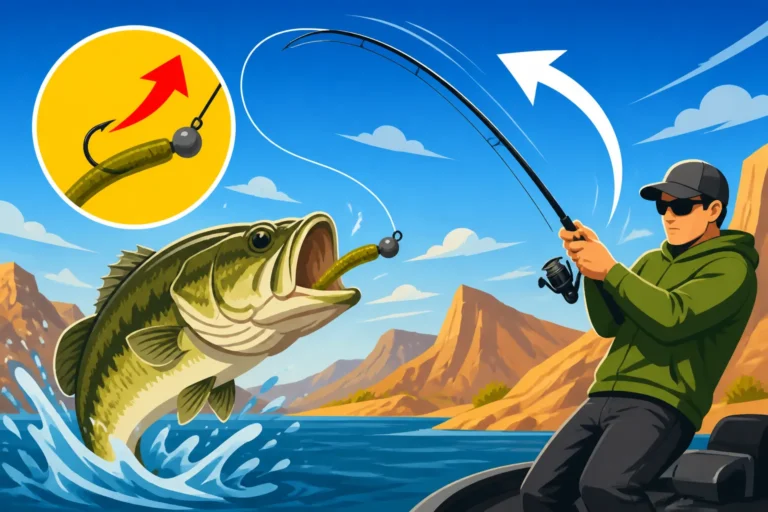
There's nothing quite like the thrill of feeling a powerful Lahontan Cutthroat Trout smash your lure or fly, especially in the iconic waters of Pyramid Lake. These magnificent fish, often growing to impressive sizes, offer an unforgettable fight. But once you've landed one, the real test of a responsible angler begins: how do you ensure this incredible fish swims away strong and healthy? Many of us have felt that pang of worry, seeing a fish look a little sluggish after the fight, wondering if we did everything right. This guide is all about giving that Lahontan Cutthroat the best possible chance at survival after you've enjoyed the catch.
Understanding the Lahontan Cutthroat Trout's Fragility and Importance
Catching a Lahontan Cutthroat Trout is a privilege, and with that privilege comes a significant responsibility. These fish are not just another catch; they are a symbol of Nevada's unique aquatic heritage, and their populations, particularly the giant Pilot Peak strain found in Pyramid Lake, have made incredible comebacks thanks to dedicated conservation efforts. Our actions as anglers play a direct role in maintaining their health and ensuring future generations can experience the same thrill.
Why Proper Handling is Critical for Lahontan Cutthroat Survival
Lahontan Cutthroat Trout, especially the larger specimens, can be surprisingly delicate despite their fighting prowess. When hooked, they expend a tremendous amount of energy, leading to lactic acid buildup in their muscles. This physiological stress, combined with environmental factors like water temperature and air exposure, can be lethal if not managed carefully. Think of it like a marathon runner who suddenly has to hold their breath at the finish line – it's a huge shock to their system.
At Pyramid Lake, specifically, the unique characteristics of the Lahontan Cutthroat Trout make proper handling even more paramount. These fish can grow incredibly large, often pushing 10, 15, or even over 20 pounds. Larger fish simply have more mass and require more oxygen, making them more susceptible to stress. Plus, the slot limits and catch-and-release regulations at Pyramid Lake underscore the importance of every released fish thriving. You can learn more about the specific rules in our guide on the "Pyramid Lake Season and Bag Limit Rules". Anglers are the first line of defense in ensuring these fish survive to spawn and grow even bigger, contributing to a vibrant fishery.
Recognizing Stress Signals in a Caught Trout
Before you even release the fish, it's crucial to be able to "read" its condition. A stressed fish will exhibit several tell-tale signs. Look for overly rapid or labored gill movements; the fish might be gulping air if it's been out of water too long, or its gills might be flared wide open. Its coloration might appear dull or faded compared to when it was first pulled from the water. If it’s struggling to maintain an upright position in the water or showing no attempt to swim away, those are clear indicators of significant stress.
Understanding these signals allows you to adjust your revival strategy. A fish that's barely moving its gills needs immediate and sustained attention, while one that's just a little sluggish might only need a moment or two. The goal is to send every fish back with strong, steady gill movements and the ability to confidently swim away on its own power. Ignoring these signs can lead to the fish swimming off only to perish a short time later, which defeats the entire purpose of catch and release.
Step-by-Step Guide to a Successful Catch and Release
Releasing a Lahontan Cutthroat Trout successfully isn't just about unhooking it; it's a whole process that starts from the moment you feel the strike. Each step plays a crucial role in minimizing stress and ensuring the fish's well-being.
The Fight: Minimizing Stress Before the Net
The fight itself is a major stressor for any fish. While it's exhilarating, a prolonged battle can exhaust a Lahontan Cutthroat Trout to the point of no return. This is why using appropriate tackle is so important. You don't want to "horse" the fish in, but you also don't want to use gear so light that the fight stretches out for an unreasonable amount of time. Matching your tackle to the potential size of the fish and the conditions of the water – for instance, stronger line for the larger fish at Pyramid Lake – allows you to bring the fish to hand or net efficiently.
Many experienced anglers recommend a medium-heavy rod with a good backbone and a reel spooled with at least 15-20 lb test line, especially if you're targeting the bigger cutthroat. This allows you to apply enough pressure to guide the fish in without overworking it. Try to keep the fish's head up as much as possible once it's near you to prevent it from diving deep and prolonging the struggle. Remember, the quicker you can land it, the less exhausted it will be, and the better its chances of recovery.
Landing the Fish: Best Practices for Netting and Handling
Once the fish is subdued, the landing process is critical. The absolute best tool for landing a Lahontan Cutthroat is a large, knotless rubberized landing net. Why rubber? Traditional nylon nets can strip off the fish's protective slime coat, leading to infections, and their knots can damage fins and scales. A rubber net, which you can easily find on Amazon, cradles the fish gently and minimizes harm.
When netting, try to scoop the fish headfirst, keeping it submerged in the water as much as possible. Avoid dragging it onto rocks or dry land. Once in the net, keep the net in the water. This is a common mistake I see new anglers make – they yank the net out immediately. Leaving the fish in the water dramatically reduces its stress and exposure to air.
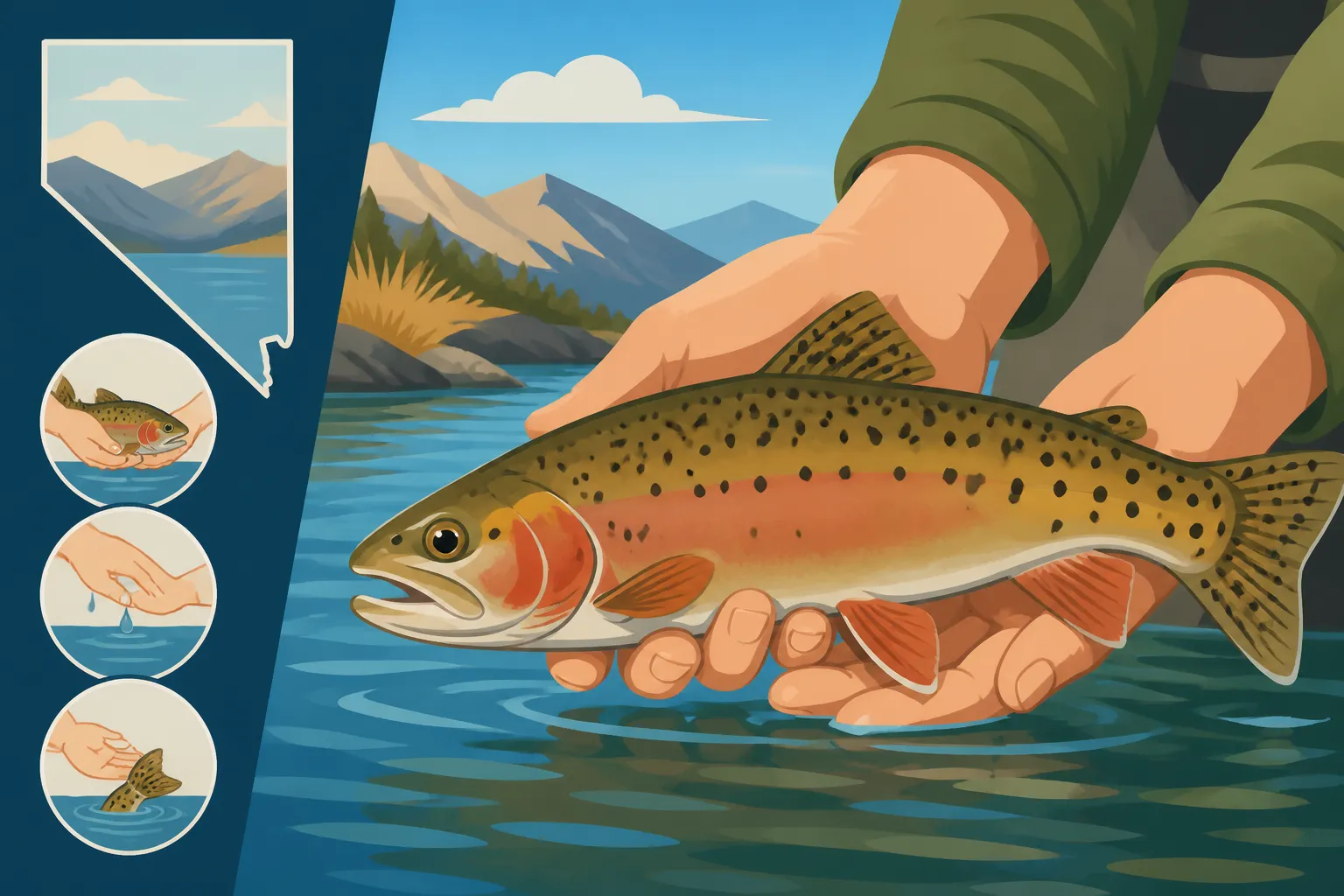
When you do need to lift the fish for a quick photo (and please, keep it quick!), always support its body horizontally with two wet hands. One hand should be near the tail, and the other gently under the belly, supporting its weight. Never hold a large trout vertically by the jaw or gills, as this can dislocate its spine or internal organs, especially for those longer, heavier cutthroat. Wet your hands thoroughly before touching the fish; dry hands can remove that vital protective slime coat.
Hook Removal: Quick and Gentle Techniques
Getting the hook out quickly and cleanly is paramount. This is where specialized tools truly shine. A good pair of long-nosed pliers or, even better, forceps are indispensable. Barbless hooks are highly recommended, and in some waters like Pyramid Lake, they are mandatory. Check out our detailed guide on "Are barbless hooks required at Pyramid Lake?" for more information. Barbless hooks slide out much more easily, reducing damage and stress.
If the hook is shallow, simply grasp the bend of the hook with your pliers or forceps, twist gently, and remove it. Keep the fish submerged in the net or in very shallow water during this process. For a deeper hook, especially if it's in the gills or throat, the best practice is often to simply cut the line as close to the hook as possible and leave the hook in. Fish can often dissolve or expel hooks over time, and attempting to forcibly remove a deeply embedded hook will almost certainly cause more harm than good. A small pair of hook cutters, often available in fishing tackle sections or on Amazon, is a crucial piece of gear for this very reason.
Post-Release Care and Revival
The moment of release isn't the end of your responsibility. Proper post-release care can make all the difference in a Lahontan Cutthroat's survival.
The Revival Process: Helping the Trout Recover
After unhooking, gently hold the fish upright in the water. If you're in a river, point its head upstream into a gentle current. If you're in a lake, move it slowly back and forth to force water over its gills. This is like giving it CPR, helping oxygen-rich water flow through its respiratory system. Support its belly and tail, making sure it stays upright.
You'll know the fish is recovering when its gills start moving rhythmically and strongly on their own, and it begins to show signs of trying to swim out of your grasp. Don't rush this process. It might take a few seconds, or several minutes, especially for a larger fish that fought hard. Let the fish tell you when it's ready. When it gives a strong kick and tries to pull away, that's your cue to let it go. Watch it swim away confidently; if it struggles or rolls over, gently recapture it and continue the revival process.
Avoiding Common Release Mistakes
Many common mistakes can inadvertently harm a released fish. The biggest one is excessive air exposure. Every second a fish is out of water is a second it's not breathing. Minimize this time to the absolute bare minimum – think seconds, not minutes, for photos. Another common error is squeezing the fish too hard during handling, especially around its midsection. This can damage internal organs.
Never drop a fish onto rocks or dry ground. Even a short fall can cause internal injuries or dislodge its protective slime. Avoid dragging fish by the line or tail. And finally, don't just toss a lethargic fish back into the water and hope for the best. Take the time for a proper revival. Remember that catch and release means doing everything you can to ensure the fish lives to be caught another day, or to reproduce. The specific handling techniques for these unique fish are often part of the conversation when discussing "Handling and Releasing Lahontan Cutthroat Trout" guidelines.
Essential Gear for Responsible Release
Being prepared with the right tools makes the entire catch-and-release process smoother, faster, and much safer for the fish. Don't skimp on these essentials.
Must-Have Tools for the Angler
For targeting Lahontan Cutthroat, you'll want to have these items readily accessible:
- Knotless Rubberized Net: As mentioned, this is probably the single most important piece of release gear. Its soft, rubber mesh protects the fish's slime coat and fins. Brands like Frabill and Ego S2 make excellent versions suitable for large trout. You can find a wide selection of these nets and other essential tools on Amazon.
- Long-Nosed Pliers or Forceps: These are essential for quickly and efficiently removing hooks, especially if they're a bit deep or if the fish is feisty. Hemostats (forceps) are often preferred for smaller hooks and delicate work.
- Line/Hook Cutters: A small, sharp pair of cutters is vital for those times when a hook is deeply embedded and removal would cause more damage than simply cutting the line and leaving the hook to rust out. Keep them easily accessible.
- De-hooking Tool: While pliers and forceps work, specialized de-hooking tools can sometimes offer a better angle for reaching deeply set hooks in larger fish, reducing handling time.
Choosing the Right Tackle for Lahontan Cutthroat
While the focus here is on handling and release, your tackle choice directly impacts the fish's condition when it comes to the net. For Lahontan Cutthroat Trout, especially the larger ones in waters like Pyramid Lake, you need a setup that allows you to fight the fish efficiently without exhausting it to death.
- Rod and Reel: A medium to medium-heavy action spinning or baitcasting rod, typically 7 to 9 feet long, paired with a reliable reel (size 3000-4000 spinning, or a comparable baitcaster) is often ideal. This provides enough leverage and backbone to turn a strong fish.
- Line: Use strong line, at least 15-20 lb monofilament or fluorocarbon, or braided line with a fluorocarbon leader of similar strength. Heavier line reduces the chance of break-offs (leaving a fish with a line trailing it) and allows for a quicker fight.
- Hooks: Always opt for barbless hooks. If your lures come with barbed hooks, crimp them down with your pliers. This is not just good practice, it's often a legal requirement. Read our article "Nevada Fishing Regulations Explained" to ensure you're always compliant with local rules. Using appropriate lures and baits is also important; you might find our guide on the "Best Bait for Pyramid Lake Cutthroat" helpful.
Being prepared with the right gear means you're ready for the moment the fish bites, and you can execute a clean, safe catch and release, ensuring the majestic Lahontan Cutthroat Trout continues to thrive in Nevada's waters.
Catch and Release: Do's and Don'ts for Lahontan Cutthroat Trout
: People often grapple with the overwhelming process of figuring out if their boat or personal watercraft (PWC) needs to be registered in Nevada, what the specific requirements are, and how much it’s all going to cost. It can feel like navigating a maze of paperwork and rules, leaving you unsure if you've covered all your bases before hitting the beautiful waters of Lake Mead or Lake Tahoe. This comprehensive guide is designed to cut through that confusion, giving you clear, actionable information on everything you need to know about Nevada boat and PWC registration, fees, and titling.
Why Boat Registration in Nevada is Essential
Hitting the water in Nevada is an absolute dream, whether you're cruising Lake Mohave, fishing the expansive Lake Mead, or enjoying the alpine beauty of Lake Tahoe. But before you even think about launching, you need to understand that most boats and personal watercraft (PWCs) in the Silver State are required to be registered. This isn't just bureaucratic red tape; it's a fundamental part of responsible boating that ensures safety, helps fund conservation efforts, and keeps our waterways orderly.
Legal Requirements for Operating a Vessel
The Nevada Department of Wildlife (NDOW) is the governing body for boat and PWC registration in the state. Their regulations are clear: any vessel principally operated on the waters of Nevada, with a motor – regardless of horsepower – must be registered. This includes everything from your roaring bass boat to a small fishing dinghy with an electric trolling motor, and of course, all personal watercraft like jet skis.
What about vessels without a motor? If your kayak, canoe, stand-up paddleboard, or rowboat doesn't have a motor of any kind, you generally do not need to register it with NDOW. This is a common point of confusion, and it’s a relief for many paddlers who just want to enjoy a quiet day on the water without the hassle of extra paperwork. However, if you decide to attach an electric motor to that kayak or canoe, even temporarily, then suddenly, it falls under the registration requirement. The key takeaway here is: if it has an engine, it needs to be registered.
Operating an unregistered motorized vessel on Nevada waters can lead to fines and penalties. Game wardens and law enforcement patrol agencies, such as the National Park Service at Lake Mead, regularly check for valid registration. It's simply not worth the risk. Ensuring your vessel is properly registered is the first step toward a worry-free day on the water.
How Registration Fees Support Nevada's Waterways
The fees you pay to register your boat or PWC aren't just disappearing into a black hole. A significant portion of these funds goes directly back into maintaining and improving Nevada's waterways and boating infrastructure. Think about it: the boat ramps you use, the navigational aids that keep you safe, law enforcement patrols, and even some of the vital fish stocking programs are all supported, in part, by these registration dollars.
These funds also contribute to boater education and safety programs. For example, some of the revenue helps support courses like those required for younger operators to obtain their Nevada Boater Education Card Requirement. By paying your registration fees, you're not just complying with the law; you're actively contributing to the health and safety of the very places you love to boat and fish. It's a collective investment in keeping Nevada's aquatic playgrounds pristine and accessible for everyone.
Nevada Boat Registration Fees by Vessel Length and Type
Navigating the costs of boat registration can sometimes feel like a puzzle. In Nevada, the fees aren't a flat rate; they depend primarily on the length of your vessel. Understanding this breakdown will help you budget effectively and avoid surprises when it's time to register or renew.
Standard Motorized Vessel Registration Costs
The Nevada Department of Wildlife (NDOW) sets its registration fees based on length, which is a fairly common practice across many states. Generally, the longer the boat, the higher the fee. This is because larger vessels often require more infrastructure support, from larger slips at marinas to more extensive search and rescue operations if something goes wrong.
Here's a general breakdown of the registration fees you can expect for standard motorized vessels in Nevada:
| Vessel Length | Initial Registration Fee (2-Year) | Renewal Fee (2-Year) |
|---|---|---|
| Under 13 feet | $20.00 | $20.00 |
| 13 feet to less than 18 feet | $30.00 | $30.00 |
| 18 feet to less than 22 feet | $40.00 | $40.00 |
| 22 feet to less than 26 feet | $50.00 | $50.00 |
| 26 feet to less than 30 feet | $60.00 | $60.00 |
| 30 feet to less than 35 feet | $70.00 | $70.00 |
| 35 feet and over | $80.00 | $80.00 |
| Note: These fees are for a two-year registration period and do not include additional administrative or transaction fees that may apply. |
It’s important to remember that these are the base fees. You might encounter small additional processing fees if you register online or through a third-party vendor. The registration period in Nevada is two years, meaning you'll pay these fees biannually to keep your vessel legal. This two-year cycle makes it convenient, reducing the frequency of renewal paperwork, but it's crucial to mark your calendar so you don't miss the deadline. Our article on "Nevada Boat Registration Fees by Length" provides even more granular detail.
Specifics for Personal Watercraft and Other Vessels
Personal Watercraft (PWCs), such as Jet Skis, WaveRunners, and Sea-Doos, fall under the same registration fee structure as other motorized vessels based on their length. While they might feel like a distinct category of watercraft, the state treats them similarly for registration purposes. So, if your PWC is 10 feet long, it would fall into the "under 13 feet" category, incurring the corresponding fee.
What about vessels that are technically "motorized" but perhaps not what you typically think of as a "boat"? Even small inflatable dinghies or kayaks with an attached electric trolling motor must be registered. The key is the motor. If it has one, it needs to be registered according to its length. This means if you decide to attach a small electric motor to your fishing kayak to cover more water at Lake Mohave, you'll need to go through the registration process.
There are no separate, significantly different fee schedules for these types of vessels; they simply slot into the existing length-based categories. This simplifies the process, as you don't need to worry about different forms or rules for different motorized vessel types beyond their physical dimensions. For those interested in the finer points, exploring "Nevada Nonmotorized Boat Rules" might be beneficial to understand the exemptions.
Additional Fees and Taxes to Consider
Beyond the base registration fee, there are a few other costs you should be aware of when acquiring or registering a boat in Nevada.
First, if you're purchasing a new or used vessel, Nevada sales tax will apply. This is a crucial, often overlooked, cost. The sales tax rate will depend on the county where the transaction takes place, but it's generally around 4.6% to 8.375% of the purchase price. So, if you're buying a $20,000 fishing boat, you could be looking at an additional $920 to $1,675 in sales tax alone. This is handled at the time of titling. Our guide on "Nevada boat sales tax rate" delves into this in more detail.
Second, there's a boat title fee. When you purchase a boat, you'll need to get it titled in your name, similar to a car. This one-time fee is separate from the registration and covers the cost of processing the title document. This ensures clear ownership and is a fundamental step in making your vessel legal.
Third, if you have a boat trailer, you'll need to register that separately with the Nevada Department of Motor Vehicles (DMV). Boat trailers are treated like any other vehicle trailer. They require their own license plate, registration, and often come with a small annual fee. Don't forget this! It's an easy oversight, but critical for legal towing.
Finally, some registration processes might incur small administrative or convenience fees, especially if you register online or through a local vendor. These are usually just a few dollars but can add up. Always factor these potential extra costs into your budget when planning to acquire or register a boat or PWC in Nevada.
The Nevada Boat Registration and Titling Process
The process of registering and titling your boat or PWC in Nevada doesn't have to be daunting. By understanding the steps and having your documents in order, you can make the experience smooth and efficient, getting you on the water faster.
Required Documents for New Registration
When you're ready to register your vessel for the first time, whether it's brand new or new to you, you'll need to gather a few important documents. The Nevada Department of Wildlife (NDOW) requires these to ensure proper ownership and compliance.
Here's a checklist of the most common documents you'll need:
- Application for Boat Registration: This is the primary form you'll fill out, available on the NDOW website or at their offices.
- Proof of Ownership:
- New Vessels: A Manufacturer's Statement of Origin (MSO) or Manufacturer's Certificate of Origin (MCO) is required. This document proves the boat's initial ownership from the manufacturer.
- Used Vessels: The properly endorsed (signed over to you) title from the previous owner is essential. If the state the boat came from did not issue titles for vessels of its age/type, you may need a notarized bill of sale and the previous registration.
- Proof of Identity: A valid driver's license or state-issued ID.
- Proof of Nevada Residency (if applicable): If you're applying for a resident registration, you'll need documents like a Nevada driver's license, utility bill, or voter registration.
- Payment for Fees: Be prepared to pay the registration fee, title fee, and any applicable sales tax.
- Hull Identification Number (HIN): This unique 12-digit number is permanently affixed to your vessel, usually on the transom. It's like the VIN for a car.
It’s always a good idea to double-check the latest requirements on the official NDOW website or by calling their boat registration office, as regulations can sometimes be updated. Having all these documents organized beforehand will prevent unnecessary delays. For a more exhaustive list, consult our guide on "Nevada Boat Registration Paperwork Checklist".
Where and How to Register Your Vessel
Nevada offers several convenient options for registering your boat or PWC, catering to different preferences.
- Online Registration: This is often the quickest and easiest method, especially for renewals. The NDOW website provides an online portal where you can submit your application and pay fees electronically. It's a great option if you're comfortable with online transactions and have digital copies of your documents. However, initial registrations or transfers of ownership might sometimes require an in-person visit due to the need to verify original documents.
- In-Person at NDOW Offices: You can visit any NDOW office that handles boat registration. This allows you to speak with a representative, get immediate answers to questions, and often receive your decals on the spot. This is particularly recommended for complex situations or if you prefer a face-to-face interaction.
- Authorized Dealers or Agents: Many boat dealers and some sporting goods stores are authorized to process boat registrations. This can be a convenient option, especially if you're purchasing a new boat from one of these dealers, as they can often handle the registration paperwork as part of the sale. Some "Nevada Fishing License at Sporting Goods Stores" also offer boat registration services.
After you submit your application and payment, NDOW will issue you a Certificate of Number (your registration card) and a set of validation decals. You must carry the Certificate of Number on board your vessel whenever it is in operation. The decals must be affixed to each side of the bow of your vessel, typically within six inches of the number. The "Nevada boat registration numbers placement rules" outline the specifics to ensure you're compliant.
Understanding Boat Titling vs. Registration
Many people confuse titling with registration, but they are distinct processes, each serving a different purpose, much like with an automobile.
- Boat Titling: The title is the legal document that proves ownership of the vessel. It's a one-time process when you acquire the boat and records who the rightful owner is. If you sell the boat, you'll sign the title over to the new owner. The title typically includes details like the Hull Identification Number (HIN), make, model, and year of manufacture. Nevada requires titles for most motorized vessels. Our "Nevada Boat Titling Process" guide offers more specific details.
- Boat Registration: Registration, on the other hand, is about obtaining a unique identification number and decals from the state, allowing you to legally operate the vessel on public waters. It’s essentially a permit to use the boat. Registration needs to be renewed regularly (every two years in Nevada). This process ensures your vessel is accounted for and helps fund waterway management and safety.
So, you title a boat once (unless it's transferred to a new owner), but you register it repeatedly for as long as you own and operate it. Both are crucial for legal and responsible boating in Nevada.
Renewal and Transfer of Nevada Boat Registration
Once you've gone through the initial registration and titling, maintaining your vessel's legal status is a matter of understanding renewals and transfers. These processes are generally straightforward, provided you stay on top of the deadlines and required paperwork.
Annual Registration Renewal Process
In Nevada, boat and PWC registrations are valid for a two-year period, not annually. This means you'll need to renew your registration every other year. NDOW typically sends out renewal notices to the address on file before your registration expires. However, it's ultimately your responsibility to renew, so don't solely rely on receiving a notice – mark your calendar! Our "Nevada annual fishing license expiration date" article also covers similar considerations for other recreational permits.
The renewal process is generally simpler than the initial registration. You can usually renew online through the NDOW portal, by mail, or in person at an NDOW office or authorized vendor. You'll need your current registration number and possibly some identifying information. Be prepared to pay the applicable two-year renewal fee based on your vessel's length.
Renewing on time is crucial. Operating with an expired registration is illegal and can result in fines. It's best to process your renewal a few weeks before the expiration date to avoid any last-minute stress or potential lapses in coverage.
Transferring Ownership of a Registered Boat
When you sell your boat or PWC to another individual, or if you purchase a used vessel, you'll need to formally transfer the ownership and registration. This ensures that the new owner is legally recognized and that the vessel remains properly registered.
If you are the seller:
- Sign the Title: The most important step is to properly sign over the existing boat title to the buyer. Ensure all required fields are filled out accurately, including the sale price and date.
- Provide a Bill of Sale: Even if not strictly required in all cases, a written bill of sale is highly recommended. It details the transaction, including buyer and seller information, vessel description, sale price, and date. This protects both parties.
- Remove Registration Decals: You typically remove your old registration decals from the boat. The new owner will receive new decals upon their successful registration.
If you are the buyer:
- Obtain the Signed Title: Ensure you receive the original title, properly signed over to you by the seller.
- Get a Bill of Sale: Request a bill of sale to document the purchase.
- Apply for New Title and Registration: You'll need to submit an application for a new title and registration in your name with NDOW. This will require the signed-over title, bill of sale, and proof of identity. You'll pay the new title fee, registration fee, and any applicable sales tax. This process is very similar to the initial registration for a new vessel, just with a transferred title as proof of ownership.
Failing to properly transfer ownership can lead to legal headaches for both the buyer and seller. For instance, if the boat is involved in an incident after a sale but before transfer, the registered owner could be held liable. Always complete these steps promptly and accurately. Our guide on "How to transfer a boat title in Nevada" provides a step-by-step walkthrough.
Rules for Out-of-State Boats
What if you're visiting Nevada with your boat from another state? Or what if you're a new resident moving to Nevada with your existing vessel?
- Visiting Boaters: If your boat or PWC is currently registered in another state and you're visiting Nevada waters for a temporary period (generally up to 90 consecutive days), your out-of-state registration is typically recognized. You do not need to register your vessel in Nevada, but you must ensure your home state's registration is current and visible. Always carry your home state's registration card.
- New Nevada Residents: If you're moving to Nevada and your boat is principally operated on Nevada waters (meaning it's primarily used here), you will need to register it in Nevada within a certain timeframe, typically 45 days after establishing residency. You'll follow the new registration process, providing proof of your new Nevada residency and your out-of-state title or proof of ownership. NDOW will then issue you Nevada registration numbers and decals.
These rules help ensure that all vessels using Nevada's precious waterways are properly accounted for, either by their home state or by Nevada itself, contributing to safety and conservation efforts.
Disclaimer
Please note that the information provided in this article is intended for general guidance only and is subject to change. While we strive to offer accurate and up-to-date content, it's essential to consult the official Nevada Department of Wildlife (NDOW) website or contact their offices directly for the most current regulations, fees, and specific requirements regarding boat and personal watercraft registration and titling. Fishing regulations, licensing, and boating laws can be complex, and individual circumstances may vary. Always verify information with official sources before making any decisions related to your vessel.