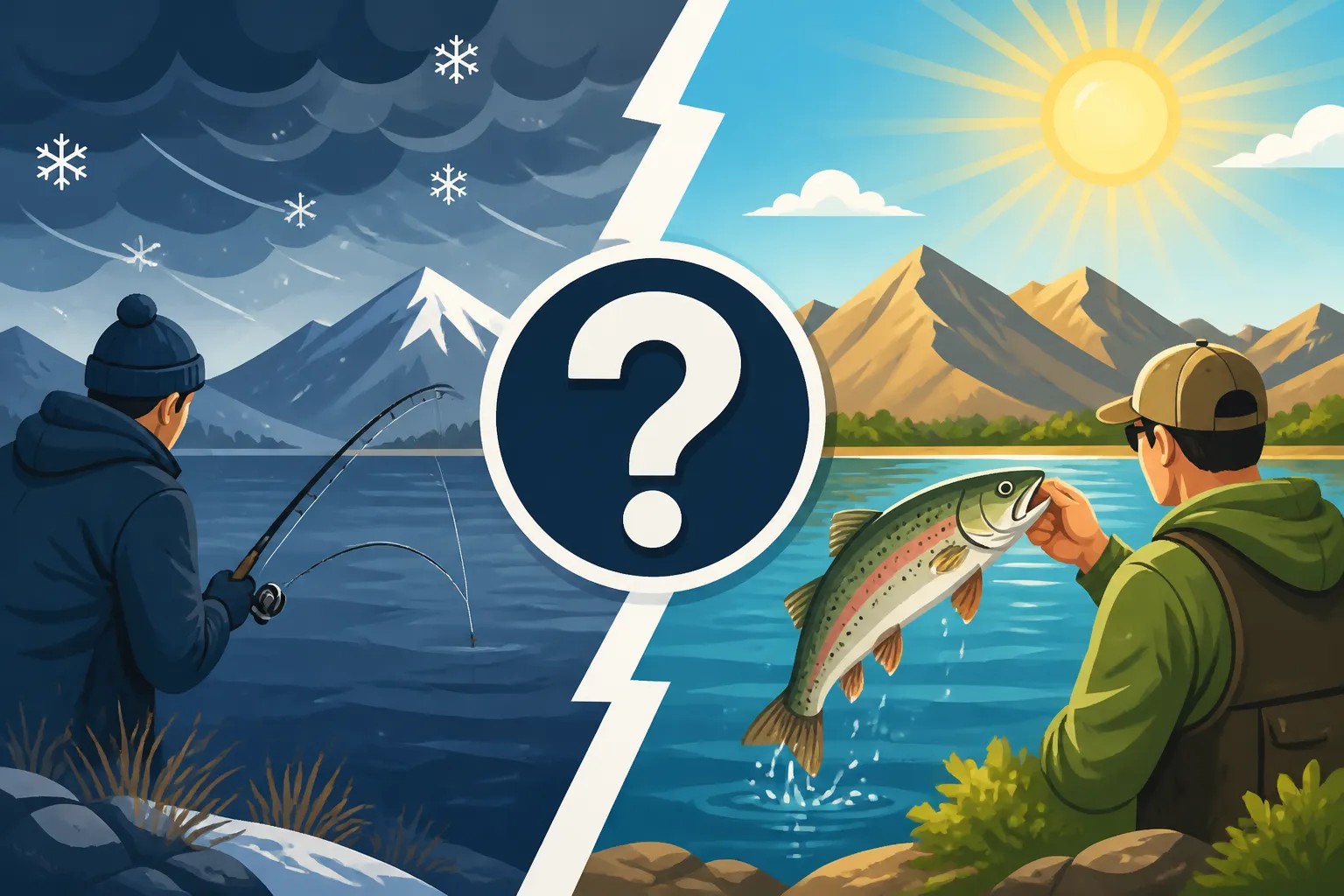
Does fishing get better after a cold front in Nevada?
You've been planning that Nevada fishing trip for weeks, meticulously checking forecasts and conditions, only for a sudden cold front to swoop in, dropping temperatures and raising all sorts of doubts. It's a common dilemma, leaving many anglers wondering if their chances of a successful day on the water have vanished. While a cold front certainly shifts the dynamics, it doesn't always spell disaster. This guide will help you understand precisely how cold fronts impact Nevada's diverse fisheries and, more importantly, equip you with the strategies to adapt and still find those elusive bites.
Understanding How Cold Fronts Impact Nevada Fisheries
A cold front isn't just a drop in air temperature; it's a complete atmospheric shift that significantly influences fish behavior. In Nevada, with our often clear skies and sometimes dramatic temperature swings, these changes can be particularly pronounced. Understanding the underlying science is your first step to cracking the code.
Atmospheric Pressure Changes and Fish Behavior
The most immediate and profound impact of a cold front comes from changes in atmospheric pressure. Before a cold front arrives, the barometric pressure usually drops. Fish, with their sensitive swim bladders, can detect this change. Much like how a weather change might give you a headache, fish feel it and often react by feeding aggressively. They know a period of instability is coming, so they gorge themselves. This is your "pre-front feeding frenzy" window.
However, once the cold front passes, high pressure moves in, creating those clear, crisp, sometimes windy days. This sudden increase in pressure can make fish feel uncomfortable and lethargic. Imagine being squeezed – that's a bit how they might feel. This pressure change often pushes them deeper, where the water pressure is more consistent and stable, and they become less active and harder to coax into biting. This is a common phenomenon in our larger reservoirs like Lake Mead or Lake Mohave, where fish have plenty of deep water to retreat to.
Water Temperature Fluctuations and Fish Comfort
While atmospheric pressure is fast-acting, water temperature changes also play a crucial role, albeit a slightly slower one. When cold air sits over a body of water, especially shallower areas, the surface water temperature can drop quickly. This sudden chill can shock fish, disrupting their metabolism and making them seek more stable thermal environments.
In Nevada's desert lakes, which can heat up considerably in summer, a sharp cold front can cause a rapid surface cool-down, pushing warm-water species like bass into deeper, warmer pockets. For cold-water species like trout, the initial shock might still make them less active, but they are generally more tolerant of colder temperatures. In a place like Lake Tahoe, which is consistently cold, a cold front might have less of a dramatic thermal impact on the deep-dwelling Mackinaw, but it could still affect shallower rainbows. Understanding the Reading Water Temperature for Trout Fishing principles becomes even more critical during these times.
Reduced Light Penetration and Fish Wariness
Often, cold fronts bring with them clear, bluebird skies. While beautiful for us, this increased light penetration, especially in Nevada's typically clear waters, can make fish more wary and less likely to venture into open areas. They feel exposed and vulnerable, often retreating to the cover of deeper water, shadows, or submerged structures. This means they're less likely to chase a fast-moving lure and more inclined to stick tight to cover, waiting for an easy meal to come to them.
Immediate Versus Post-Front Impact: The Nuance for Nevada Anglers
Not all fishing after a cold front is created equal. There's a distinct difference between the fishing during the cold front's passage, the immediate aftermath, and the subsequent recovery period. Recognizing these phases is crucial for successful angling in Nevada.
The Pre-Front Feeding Frenzy
This is often the best window of opportunity. As mentioned, when barometric pressure begins to drop just before a cold front hits, fish sense the change and often go on an aggressive feeding spree. If you're paying attention to the weather forecast and can get on the water during this window, you might experience some of the most intense action. Fish are actively looking for food, making them much more willing to strike a wider variety of baits and lures. This is when you can often get away with faster retrieves and more aggressive presentations. Many anglers who swear fishing gets "better" after a cold front are often unknowingly capitalizing on this pre-front window.
The Day-After Lull and Lockjaw
Once the cold front has fully passed, and the high-pressure system has settled in, fishing can get tough – really tough. This is the infamous "day-after lull." The combination of stable high pressure, often clear skies, and cooler water temperatures can cause fish to become lethargic, inactive, and seemingly get "lockjaw." It's easy to get discouraged when you're casting into seemingly dead water, trying everything in your tackle box with no results.
During this phase, fish are often hunkered down in deeper water, tight to cover, or suspended, conserving energy. They're not actively patrolling for food, and anything that looks too aggressive or unnatural will likely be ignored. This is the period that gives cold fronts their bad reputation among anglers. You might find yourself re-evaluating your entire Nevada Fishing Gear Essentials if you don't understand that the fish's mood is the primary factor, not necessarily your gear.
The Gradual Recovery Period
The good news is that the "lockjaw" doesn't last forever. Typically, within 24 to 48 hours after the cold front has fully passed and the weather stabilizes, fish will start to resume more normal feeding patterns. This is the recovery period. They might still be a bit sluggish compared to pre-front conditions, and their preferred locations might have shifted, but they will become catchable again.
During this phase, the fish are beginning to adjust to the new conditions. Water temperatures might have stabilized, and their discomfort from the pressure change subsides. They still need to eat, but they'll likely be more selective. This is when your refined techniques and understanding of their post-front behavior will really pay off. Many anglers notice that fishing slowly and focusing on prime ambush points starts to yield results again.
Here's a quick comparison of the phases:
| Factor | Pre-Front (Falling Pressure) | Post-Front (Rising/Stable High Pressure, Clear Skies) | Recovery (Stable High Pressure, Adjusting Temps) |
|---|---|---|---|
| Fish Activity | High, Aggressive Feeding | Low, Lethargic, Lockjaw | Moderate, Selective Feeding |
| Location | Anywhere, often shallower | Deeper water, tight to cover, suspended | Deeper water, structure, ambush points |
| Strike Likelihood | High | Very Low | Moderate, if presenting correctly |
| Best Lure Speed | Fast to Moderate | Very Slow, Finesse | Slow, Finesse |
| Typical Duration | Hours before front arrival | 12-36 hours after front passage | 24-72 hours after front passage (improving over time) |
Adjusting Your Strategy: Tactics for Fishing After a Cold Front
Since fishing after a cold front presents unique challenges, it requires a conscious shift in your approach. Forget your usual fast-paced retrieves and aggressive presentations; finesse and patience are the names of the game.
Slow Down and Go Deeper
When fish are lethargic and hunkered down, they're not going to expend a lot of energy chasing a meal. Your primary goal is to present your bait or lure right in front of their face, making it an irresistible, easy target. This almost always means slowing down your retrieve to a crawl. If you think you're going slow enough, go even slower.
Fish will also often retreat to deeper water where temperatures are more stable and the light is dimmer. This means you'll need to use baits that can get down to them. Think about jigging spoons, drop shot rigs, or heavy Texas-rigged worms. For species like trout in a lake, a slowly retrieved spoon or even a still-fished PowerBait setup on the bottom can be effective. This is where understanding Deep Water Techniques for Lake Mead Bass or how trout respond to depth changes comes into play.
Downsize Your Baits and Presentations
Lethargic fish are often finicky. A large, aggressive lure might spook them, whereas a smaller, more subtle offering could tempt them. Downsizing your baits is a common cold front strategy. This means using smaller jigs, micro soft plastics, or even smaller crankbaits. For instance, instead of a 1/2 oz spinnerbait for bass, try a 1/8 oz jig with a small grub.
Finesse techniques, which involve lighter lines and subtle movements, become invaluable. A Ned Rig, a weightless worm, or a small tube bait worked meticulously around cover can often trigger bites when nothing else will. You might find yourself needing to restock on some specific finesse lures, and online retailers like Amazon are excellent for that. For those deep-diving crankbaits or even finesse worms, a quick search on Amazon can get you stocked up on exactly what you need.
Focus on Structure and Cover
When fish are feeling vulnerable or inactive, they seek comfort and protection. This usually means they'll be tight to structure or cover. These areas provide ambush points, hiding spots, and sometimes even warmer or more stable water.
Look for submerged rock piles, ledges, brush piles, standing timber, docks, or even subtle changes in bottom contour. These are prime areas to target. Don't just cast blindly into open water; focus your casts precisely on or around these features. A good portable fish finder, easily found on Amazon, can be a game-changer for locating these hidden havens. When fishing the Best Places to Fish in Nevada, like Lake Mead, knowing where these deep structures are can make all the difference.
Timing Your Attack Wisely
After a cold front, the fish aren't usually active all day long. Their feeding windows tend to shrink and shift. Often, the warmest part of the day, typically mid-morning to late afternoon, will be your best bet. The sun has had a chance to warm the shallower waters a bit, and fish might become slightly more active. This doesn't mean ignoring low-light conditions entirely, especially if the clear skies make fish more wary of direct sunlight. However, the initial shock period might require waiting for that midday warmth.
Consider the Best Time of Year to Fish in Nevada for your target species and then adjust daily timing based on post-front conditions. For example, in winter, a cold front might push trout deeper, but they might still bite if you target the warmest part of the day with slow-moving baits.
Species-Specific Responses to Cold Fronts in Nevada Waters
Different fish species react to cold fronts in varied ways, largely dependent on their biological makeup and preferred habitats. What works for bass might not work for trout, and vice-versa.
Bass Behavior After a Cold Front
Bass, particularly largemouth, are notorious for getting "lockjaw" after a cold front. They are warm-water fish, and a sudden temperature drop or increased pressure can send them into a sluggish state.
- Largemouth Bass: These fish will often bury themselves deep into the thickest cover they can find – dense hydrilla, submerged brush, timber, or heavy rock piles. They'll be reluctant to move far, so you need to put your bait right on their nose. Think Texas-rigged worms, jigs, or creature baits pitched precisely into cover and left to sit for a while before a very subtle retrieve. Understanding the How to Fish for Bass in Nevada guide will give you a solid foundation before adapting to these post-front challenges.
- Smallmouth Bass: Smallmouth, often found in clearer, rockier waters like Lake Mead's more open sections or Lake Mohave, tend to relate to deeper rock piles, ledges, and steep breaks. They might not bury as much as largemouth but will go deeper and be less active. Drop shots, small tubes, or football jigs worked slowly along rocky contours are often the key. Using the Best Lures for Nevada Bass in smaller sizes and slower presentations is critical.
Trout Behavior After a Cold Front
Trout, being cold-water species, are generally more resilient to cold fronts than bass, but they still feel the impact. They might not shut down as completely, but their activity levels will certainly decrease.
- Location: Trout will often go deeper, seeking stable temperatures, but can still be found suspended or near the bottom in shallower areas if food is available. They might move closer to structures like submerged points or drop-offs.
- Techniques: For stocked rainbow trout in urban ponds or smaller lakes, a simple PowerBait or salmon egg rig fished on the bottom with a very long leader can be effective. For wild trout or larger lake trout (like Mackinaw in Lake Tahoe), trolling very slowly with spoons or stickbaits at deeper depths, or jigging with vertical spoons, can work. Check the Nevada Trout Stocking Schedule for recently stocked waters, as freshly stocked fish might be less affected initially due to recent release. Always remember to check regulations, especially for specific lakes and species, as outlined in the How to Fish for Trout in Nevada guide. The Best Bait for Nevada Trout will often be those that mimic their natural food sources, presented slowly.
Striped Bass Behavior After a Cold Front
Striped bass, found in large reservoirs like Lake Mead and Lake Mohave, are schooling fish that can be highly nomadic. A cold front can make them tougher to locate as they might suspend in open water or move offshore to deeper channels.
- Locating Them: Their schooling behavior might make them easier to find with a good fish finder, but they'll be less inclined to chase. Look for bait balls.
- Techniques: If you find them, vertical jigging with heavy spoons or large soft plastics (like a swimbait) can entice a strike. Chumming with anchovies or shad can still work, but you'll want to slow down your chumming rate and present your hooked bait with minimal motion. The Jigging Techniques for Lake Mead Stripers article provides excellent details on how to get these powerful fish to bite, even when they're sluggish. Don't be afraid to let your bait soak for longer.
Remember, fishing after a cold front isn't about giving up; it's about changing your mindset and tactics. Be patient, be persistent, and embrace the challenge.
Disclaimer
The information provided in this guide is for general informational purposes only and does not constitute legal advice. Fishing regulations, license requirements, and other related laws in Nevada are subject to change. Always consult the official Nevada Department of Wildlife (NDOW) regulations and local ordinances before engaging in any fishing activities. Ensure you have all necessary licenses and permits. Stay safe and be aware of weather conditions.