Best Lures for Nevada Bass
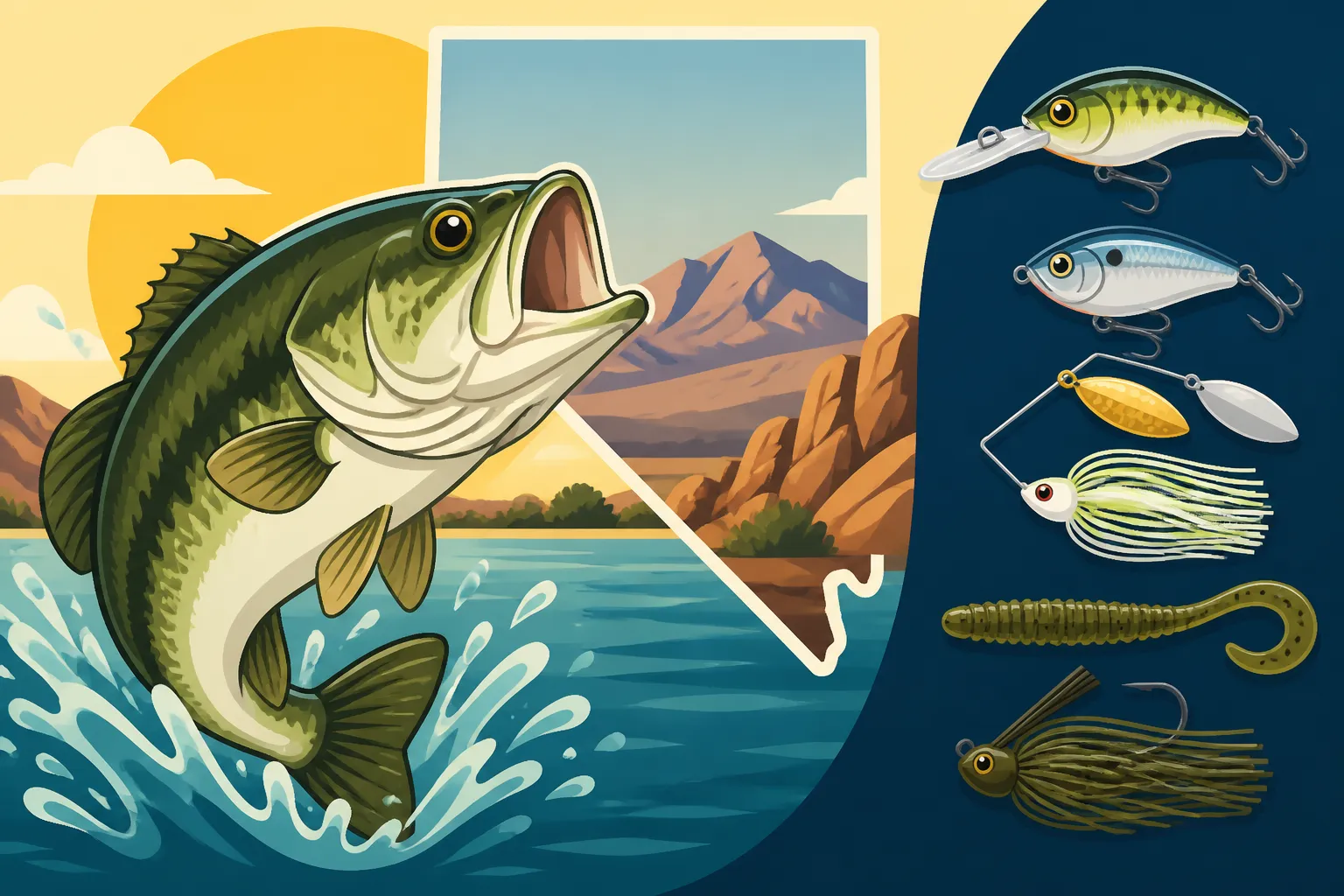
One of the biggest head-scratchers for any angler hitting Nevada's diverse waters is figuring out which lures will actually tempt those wily bass. It’s not just about throwing anything shiny; our desert lakes and reservoirs present unique challenges, from crystal-clear depths to vast, open stretches. If you've ever stood at the tackle shop, overwhelmed by the sheer number of options, or spent hours on the water without a bite, this guide is for you. We're diving deep into the best lures for Nevada bass, breaking down what works, when it works, and why, so you can spend less time guessing and more time reeling in those fighters.
Understanding Nevada Bass and Their Habitats
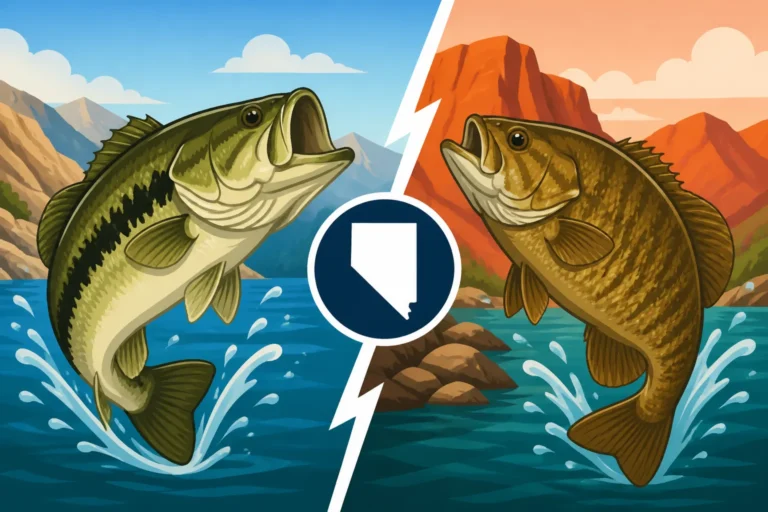
Before we even talk about specific lures, it’s crucial to understand the fish we’re after and where they like to hang out. Nevada is home to both largemouth and smallmouth bass, and their preferences, especially when it comes to habitat, can vary quite a bit. Knowing these differences will give you a significant advantage in choosing the right presentation.
Largemouth Bass Preferences and Locations
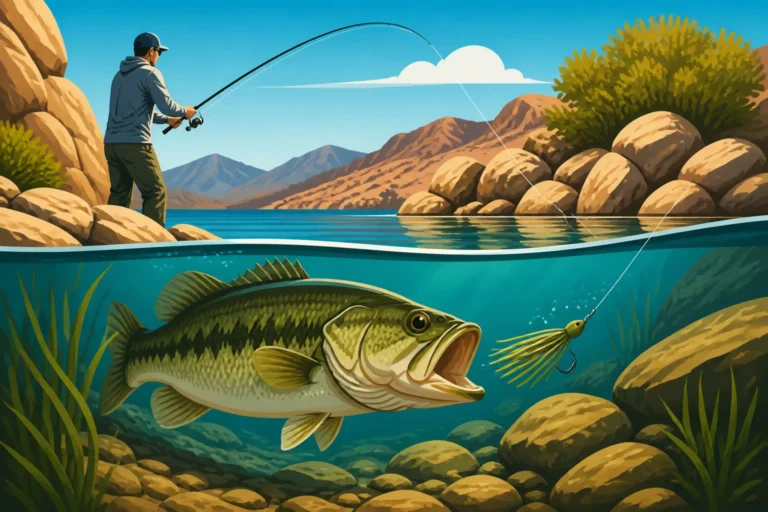
Largemouth bass are the classic ambush predators, and they absolutely love cover. Think about the places where they can hide, wait for an unsuspecting meal to swim by, and then explode out to snatch it. In Nevada's waters, this means they're often found around submerged brush, rock piles, weed beds (where they exist, like in some of the urban ponds or calmer coves), docks, fallen trees, and even shaded cliffs.
Major largemouth hotspots in Nevada include the shallower coves and feeder creeks of Lake Mead Largemouth Bass Coves, the relatively calmer areas of Lake Mohave, and, surprisingly, many of our urban ponds like those in Las Vegas. These ponds are often stocked and provide excellent cover in the form of aquatic vegetation and submerged structures. They're looking for shade, shelter, and places to corner baitfish or crawfish. Therefore, when you're targeting largemouth, your lure choice should often focus on mimicking these prey items and getting right into their hiding spots without getting hopelessly snagged.
Smallmouth Bass Habits and Rocky Haunts
Smallmouth bass, often called "bronzebacks" for their distinctive color, are a different breed entirely. While largemouth prefer cover, smallmouth thrive in cleaner, rockier environments with deeper access. They're more nomadic than their largemouth cousins, often roaming rocky points, humps, ledges, and steep drop-offs. They use these underwater structures to corral baitfish and are generally more comfortable in open, clear water.
You'll find fantastic smallmouth fishing in the main lake body of Lake Mead, especially around the major rock formations and submerged islands, and throughout Lake Mohave. The colder, clearer waters of these big reservoirs are ideal for smallmouth, which often feed on crayfish and smaller baitfish like shad. Their feeding behavior is less about ambush and more about chasing down prey in open water or picking it off rocky bottoms. This means lures that imitate baitfish or crawfish with a more open-water presentation are often key. If you’re heading out to specifically target smallmouth, a quick read on Smallmouth Bass Fishing in Nevada can offer some valuable insights.
Seasonal Behavior and Its Impact on Lure Choice
Bass behavior changes dramatically throughout the year, driven primarily by water temperature and their reproductive cycle. Understanding these seasonal shifts is absolutely critical for lure selection and presentation. What works in the chilly pre-spawn might be completely ignored in the scorching summer, and vice-versa.
In spring, as water temperatures rise, bass move shallower for the pre-spawn and spawning phases. They become more aggressive, protective, and focused on feeding up. Summer heat often drives them deeper, seeking cooler, oxygen-rich water, making them more lethargic during the day but active during low-light hours. Fall sees a resurgence in activity as bass feed heavily in preparation for winter, often chasing baitfish in schools. Winter finds them largely concentrated in deep, stable areas, feeding less frequently and requiring much slower presentations. This dynamic seasonal change directly dictates the size, action, and even color of the lures you should present, transforming fishing from a simple cast-and-retrieve to a strategic game of adaptation.
Top Lure Categories for Nevada Largemouth Bass
When it comes to largemouth bass in Nevada, the name of the game is often getting into their living room. These fish are all about cover, and the lures that shine are those that can navigate brush, weeds, and docks, or draw an explosive strike from an unseen lair.
Soft Plastics for Finesse and Cover
Soft plastics are, without a doubt, one of the most versatile and effective categories for largemouth bass, especially in Nevada's often clear and pressured waters. Their natural look and feel can fool even the most finicky bass.
- Worms and Senkos: The classic plastic worm, rigged Texas-style, is a weedless wonder, allowing you to punch through vegetation and retrieve from snaggy brush piles where largemouth love to hide. Colors like watermelon, green pumpkin, and black/blue are staples. The wacky rig, where the worm is hooked through the middle, provides an enticing shimmy on the fall, irresistible to bass cruising around docks or shallow cover. Brands like Gary Yamamoto's Senko are legendary for this rig due to their unique fall rate. For deeper presentations, a Carolina rig with a longer leader and a heavier weight can drag a worm across structure effectively.
- Creature Baits: These oddly shaped plastics, mimicking crawfish, salamanders, or other aquatic critters, are fantastic for flipping and pitching into dense cover. Their appendages create a lot of subtle action. Rigged on a Texas rig with a tungsten weight, they can penetrate thick mats of vegetation or drop precisely into small pockets. The key here is presenting them as a quick, easy meal right in the bass's face.
- Swimbaits: Soft plastic swimbaits, with their realistic profile and swimming action, are excellent for imitating baitfish. They can be rigged weedless with a screw-lock hook or on an exposed jig head. Slow rolling them near drop-offs, through sparse grass, or along the edges of submerged timber can draw powerful strikes. They’re particularly effective when bass are actively chasing shad or other baitfish in more open areas of cover, providing a lifelike presentation that often works wonders in clear water. If you’re looking to stock up, Amazon has a fantastic selection of all these soft plastics in various sizes and colors.
Crankbaits and Jerkbaits for Reaction Strikes
When bass are active and willing to chase, or when you need to cover a lot of water quickly, crankbaits and jerkbaits are your go-to options. These lures are designed to create commotion and trigger aggressive reaction strikes.
- Crankbaits: These lipped lures dive to different depths depending on their bill size and retrieve. Shallow divers are great for fishing flats, submerged grass, or around docks. Medium divers can explore the 5-10 foot range, perfect for creek channels and points. Deep diving crankbaits can reach impressive depths, hitting structure in 15-20+ feet of water, making them indispensable for summer bass that have retreated to cooler zones. The erratic wobble and deflections off underwater objects often trigger strikes. Colors vary from natural shad and crawfish patterns to more vibrant chartreuse or fire tiger, especially in stained water.
- Lipless Crankbaits: These lures sink quickly and are incredibly versatile. They can be ripped through grass, yo-yoed off the bottom, or burned just under the surface. Their loud rattles and tight wobble create a lot of vibration, making them effective in stained water or when bass are feeding aggressively. Chrome with a blue back or red crawfish patterns are perennial favorites in Nevada.
- Jerkbaits: Suspended jerkbaits are fantastic for cold water or when bass are lethargic. Their long, slender profile mimics a dying baitfish. The technique involves a series of jerks and pauses, allowing the lure to suspend motionless in the water, often for several seconds. It's during these pauses that bass, unable to resist, will often engulf the lure. Brands like Rapala and Lucky Craft make excellent jerkbaits that are deadly in the clear waters of our larger reservoirs.
Spinnerbaits and Chatterbaits for Versatility
For pure fish-attracting power, especially when fishing through cover or in stained water, spinnerbaits and chatterbaits are hard to beat. They create vibration and flash that bass can't ignore.
- Spinnerbaits: With their flashy blades (Colorado for vibration, Willowleaf for flash and speed, or a combination) and pulsing silicone skirts, spinnerbaits are incredibly weedless and excel at fishing around brush, stumps, and submerged timber. They're excellent search baits, allowing you to cover vast areas and quickly locate active bass. You can slow roll them deep, burn them just under the surface, or "chunk and wind" them through cover. White and chartreuse skirts are often preferred for baitfish imitation, while darker colors can mimic crawfish.
- Chatterbaits (Bladed Jigs): These lures combine the vibration of a bladed jig with the bulk and action of a jig and trailer. The unique hexagonal blade causes the lure to aggressively "chatter" and wobble, creating an irresistible vibration that bass can detect from a distance. They are fantastic for fishing around grass lines, skipping under docks, or reeling over submerged rock piles. Pairing them with a soft plastic swimbait or craw trailer enhances their action and profile. Z-Man's Chatterbait is a prime example of this highly effective lure. Both spinnerbaits and chatterbaits offer a great way to elicit reaction strikes, particularly useful when bass are aggressive or when you need to fish through tricky cover without constant snagging.
Essential Lures for Nevada Smallmouth Bass
Smallmouth bass are often found in different environments than largemouth, favoring rocky, clearer waters. This means your lure choices and presentations will shift to match their preferences for chasing bait and inspecting subtle movements along the bottom.
Jigs and Tubes for Rocky Structure
When smallmouth bass are hugging rocky structure, jigs and tube baits are often the most effective tools for getting a bite. Their natural descent and profile make them irresistible.
- Football Jigs and Finesse Jigs: Football jigs, named for their football-shaped heads, are designed to crawl and bounce over rocky bottoms without getting snagged. They're perfect for fishing deeper humps, points, and ledges where smallmouth often congregate. Pair them with a crawfish-imitating trailer in colors like brown, green pumpkin, or black and blue. Finesse jigs, smaller and more subtle, are excellent for highly pressured smallmouth or when fishing in very clear water. They offer a more delicate presentation that often triggers bites from wary fish. Both types of jigs can be hopped, dragged, or slowly reeled along the bottom, mimicking a crawfish or injured baitfish.
- Tube Baits: The tube bait is a smallmouth staple for a reason. Its hollow body allows for a jig head to be inserted, and its tentacles flare and pulsate enticingly as it falls and is retrieved. Tubes are incredibly effective when fished on a light jig head, either cast out and dragged along the bottom or pitched to specific rock piles and dropped vertically. Colors like green pumpkin, smoke, or watermelon with flake are always good choices, mimicking both crawfish and baitfish. The natural spiral fall of a tube bait is often what seals the deal for a curious smallmouth. These are a must-have if you're serious about Smallmouth Bass Fishing in Nevada.
Drop Shots and Ned Rigs for Finesse Presentations
In clear water conditions, or when bass are finicky, finesse techniques like the drop shot and Ned rig can be absolute game-changers for smallmouth. These methods offer incredibly subtle and natural presentations.
- Drop Shots: The drop shot rig involves tying a hook directly to your main line (often using a Palomar knot) with a tag end left long, to which you tie a specific drop shot weight. This allows your soft plastic bait (often a small worm, minnow imitation, or creature bait) to suspend above the bottom, vibrating enticingly with the slightest rod tip movement. It’s ideal for targeting suspended fish, precise depth presentations, or when fish are hugging specific vertical structure. The beauty of the drop shot is that you can impart action without moving your bait horizontally, keeping it in the strike zone longer. Light line, typically fluorocarbon, is essential for its sensitivity and invisibility in clear water.
- Ned Rigs: The Ned rig, a creation that originated in the Midwest, has taken the bass fishing world by storm, especially for smallmouth and pressured fish. It consists of a small, mushroom-shaped jig head paired with a short, buoyant soft plastic worm (often called a "TRD" or "finesse worm"). The buoyancy of the plastic, combined with the jig head's design, makes the lure stand straight up off the bottom, creating a subtle, irresistible presentation. It's incredibly effective when dragged or hopped along the bottom, mimicking a small, injured baitfish or foraging critter. The Ned rig excels in clear water and on rocky bottoms, where its subtle action can draw strikes from fish that ignore everything else. For a wide array of finesse plastics and jig heads, checking out online retailers like Amazon can provide a great selection.
Topwater Lures for Exciting Blow-Ups
There’s nothing quite like the explosive strike of a smallmouth bass on a topwater lure. While often associated with largemouth, smallmouth are equally eager to smash a bait on the surface, especially during low-light conditions or when temperatures are just right.
- Poppers: These lures have a concave face that "cups" water, creating a distinct "pop" and splash when twitched. They excel in calm conditions, especially during dawn, dusk, or on overcast days. The key is to vary your retrieve, sometimes a single pop followed by a long pause, other times a series of rapid pops to create a "walking" action. Smallmouth often can't resist the injured baitfish imitation.
- Walking Baits (Walk-the-Dog Lures): Lures like Heddon's Zara Spook have a slender, cigar-shaped body and are designed to be retrieved with a specific rod tip action that makes them "walk" side-to-side across the surface. This erratic, darting action is incredibly lifelike and often triggers vicious strikes. They're excellent for covering water and calling up active smallmouth from deeper areas.
- Prop Baits: Featuring one or two propellers, these lures create a significant commotion and splash on the surface. They can be retrieved steadily or twitched to churn water, drawing attention from a distance. Prop baits are particularly effective when smallmouth are keyed in on struggling baitfish on the surface. While surface fishing can be a bit more situational, the sheer excitement of a topwater blow-up makes it a technique every smallmouth angler should have in their arsenal.
Seasonal Strategies and Lure Color Selection
Understanding the bass’s seasonal movements and feeding patterns is paramount. The right lure is only half the battle; knowing the right color and how to present it based on the time of year can make all the difference.
Spring Bass Fishing Pre-spawn & Spawn
Spring is arguably the most anticipated time for bass anglers, as fish move from their deep winter haunts to shallower areas for spawning. This period offers some of the most consistent and exciting fishing.
As water temperatures climb into the 50s and 60s, bass enter their pre-spawn phase, actively feeding to build energy for spawning. They can be found on points, flats, and the edges of spawning coves. This is a great time for moving baits like spinnerbaits and lipless crankbaits, which allow you to cover water quickly and locate aggressive fish. Football jigs and creature baits are also excellent when pitched or dragged around rocky transitions or staging areas. Once the water hits the mid-60s, bass begin to spawn. During this time, they become very protective of their beds. Soft plastics, such as Texas-rigged worms, Senkos, or creature baits, pitched accurately onto beds, can provoke a strike from a bedding bass. Color choices in spring often lean towards natural tones like green pumpkin, watermelon, and crawfish patterns, mirroring the prey they’re actively seeking. Understanding Nevada Bass Season and Spawn Timing will give you a detailed calendar of when to hit the water.
Summer Bass Fishing Heat & Depth
Nevada summers mean scorching heat, and this significantly impacts bass behavior. As water temperatures soar, bass seek refuge in deeper, cooler, and more oxygenated water. This doesn't mean fishing shuts down, but it requires a change in strategy.
During the daytime, bass will often suspend over deep structure like submerged humps, ledges, or congregate around offshore brush piles in 20-40 feet of water. Deep diving crankbaits that can reach these depths are effective for covering expansive deep zones. Carolina rigs, with their ability to present a soft plastic worm or lizard slowly along the bottom, are deadly on these deep-water fish. Heavy jigs with craw trailers are also excellent for pitching to deep brush or rock piles. However, early mornings, late evenings, and night fishing offer a brief reprieve from the heat, and bass will move shallower to feed. This is when topwater lures can produce explosive strikes. For colors, natural baitfish patterns like chrome, shad, or blueback are strong performers for deep-water presentations, while darker colors can work well for night fishing. Remember that during intense heat, fish slower and target deeper water, and don't forget to review Best Time of Day to Fish in Summer Heat for more specific tips.
Fall Bass Fishing Feeding Frenzy
As summer transitions to fall and water temperatures begin to cool, bass enter a "feeding frenzy." They know winter is coming and are eager to pack on weight, often chasing large schools of baitfish.
This is a highly active period, and reaction baits are incredibly effective. Spinnerbaits, especially those with willow leaf blades for speed and flash, can be burned through schooling baitfish or retrieved along points and flats. Crankbaits, both lipped and lipless, are fantastic for covering large areas and mimicking shad. Jerkbaits are also lethal, as bass will aggressively chase and strike these erratic lures. Swimbait fishing comes into its own as bass key in on larger baitfish. Look for bass to congregate around creek channel bends, main lake points, and secondary points where baitfish gather. Colors like shad patterns (chrome, white, silver) are king during the fall, but crawfish colors can also be effective if bass are still rooting around cover. This is a time for aggressive presentations and covering a lot of water to find those active schools.
Winter Bass Fishing Slow & Deep
Winter bass fishing in Nevada means cold water and often lethargic fish that conserve energy. They typically move to the deepest, most stable water they can find, often congregating in large schools. Understanding Where fish go in a reservoir during winter is crucial for success.
During winter, bass are not actively chasing and require much slower, more subtle presentations. Finesse techniques dominate. Jigs, especially small football jigs or spider jigs, fished slowly along deep creek channels, bluff walls, and submerged timber are highly effective. A slow drag or hop is usually all it takes. The Ned rig and drop shot are also winter staples, allowing you to present a small, soft plastic bait precisely and keep it in the strike zone for extended periods. Blade baits, like silver buddies or small jigging spoons, can be deadly when vertically jigged directly over deep-schooled bass. Color choices become more subdued, focusing on natural greens, browns, and dark blues. The key to winter success is patience, using your electronics to locate deep schools of fish, and presenting your lure with minimal, slow action.
Essential Gear and Tackle Box Considerations
Having the right lures is vital, but so is having the correct gear to effectively present them. Your rod, reel, line, and terminal tackle should complement your chosen lure and technique.
Rods, Reels, and Line for Different Techniques
Just like choosing the right wrench for a bolt, selecting the appropriate rod, reel, and line for a specific bass fishing technique makes all the difference. You wouldn't use a hammer to drive a screw, and you shouldn't use a heavy flipping stick for a finesse drop shot.
- Finesse Techniques (Drop Shot, Ned Rig, Light Jigs): For these delicate presentations, a medium-light to medium power spinning rod (6'6" to 7'2") with a fast action tip is ideal. Pair it with a 2000 or 2500 series spinning reel spooled with 8-10 lb braided line, topped with a 6-8 lb fluorocarbon leader. The braid provides sensitivity and casting distance, while the fluorocarbon leader offers invisibility and abrasion resistance in clear water. This setup allows for subtle lure manipulation and detects light bites. For more detailed guidance, consider checking out articles like Best Rods for Nevada Lakes.
- Moving Baits (Crankbaits, Spinnerbaits, Jerkbaits): A medium-heavy to heavy power casting rod (6'8" to 7'6") with a moderate-fast to fast action is generally preferred. The moderate action helps with casting distance and allows the fish to load up on the lure without tearing the hooks out. A baitcasting reel with a moderate gear ratio (6.1:1 to 7.1:1) is versatile for these lures. Spool up with 12-17 lb fluorocarbon or monofilament. Fluorocarbon offers sensitivity and invisibility, while monofilament has more stretch, which can be beneficial for treble hook baits.
- Heavy Cover (Flipping Jigs, Texas Rigs, Creature Baits): For punching through thick vegetation or dragging heavy jigs, a heavy to extra-heavy power casting rod (7' to 7'6") with a fast action is necessary. A baitcasting reel with a higher gear ratio (7.1:1 to 8.1:1) helps you quickly reel in slack and control powerful fish. Use 17-25 lb fluorocarbon or 30-65 lb braided line for maximum strength and abrasion resistance. Braided line is particularly good for cutting through weeds. When considering the best line for our desert waters, Best Line for Desert Reservoir Fishing is a great resource.
Hooks, Weights, and Terminal Tackle
Don't overlook the smaller components of your tackle setup; they are just as crucial as your main lures. Quality terminal tackle ensures your lures perform as intended and prevents lost fish.
- Hooks: For soft plastics, you'll need a variety. Extra Wide Gap (EWG) hooks are popular for Texas rigging plastic worms and creature baits, offering a good hook-up ratio and weedless presentation. Straight shank hooks are excellent for flipping and pitching into dense cover, providing solid penetration. For drop shots, specialized drop shot hooks are available, designed to hold small plastics horizontally. Always match your hook size to your plastic.
- Weights: Tungsten weights are highly preferred over lead due to their smaller profile (less snagging), increased sensitivity (you can feel bottom composition better), and environmental friendliness. Have a range of sizes, from 1/16 oz for Ned rigs and light drop shots, up to 1 oz or more for punching heavy cover. Bullet weights for Texas rigs, drop shot weights (cylinder or tear-drop shapes), and jig heads in various weights are essential.
- Other Terminal Tackle: Swivels (barrel or ball bearing) are useful for preventing line twist, especially when using spinnerbaits or when employing a Carolina rig. Split rings and snap swivels allow for quick lure changes, although many experienced anglers prefer to tie directly to their lure for better sensitivity and fewer potential failure points. Always carry extra hooks, weights, and line for re-tying throughout the day. This small investment can save a trip.
Organizing Your Tackle Box for Success
A well-organized tackle box saves time, reduces frustration, and ensures you can quickly find the right lure or component when the bite is on. A messy tackle box is a source of agony for many anglers.
Invest in several clear plastic utility boxes, often referred to as 3600 or 3700 series boxes. These allow you to categorize your lures. Dedicate specific boxes to different lure types: one for crankbaits, one for spinnerbaits/chatterbaits, one for soft plastics (divided by type or color), and one for terminal tackle (hooks, weights, swivels). Within the soft plastic box, keeping plastics in their original bags helps preserve their integrity and scent. For your terminal tackle, small compartment organizers are invaluable for keeping hooks, weights, and swivels separated and easily accessible. Having a main tackle bag or backpack that holds these utility boxes makes transport simple. Regularly clean out your tackle box, remove rusted hooks or broken lures, and replenish frequently used items. A structured system means less fumbling and more fishing, enhancing your overall experience on the water. For more ideas on how to set up your storage, check out Best Tackle Box Setup for a Day on the Water.
Local Knowledge and Adapting Your Approach
Even with the best lures and gear, true success in Nevada bass fishing often comes down to understanding the nuances of local conditions and being willing to adapt. Our diverse waters present unique challenges and opportunities.
Understanding Water Clarity and Forage Base
Nevada's waters vary wildly in clarity, from the gin-clear depths of Lake Tahoe to the occasionally stained waters of Lake Mead or some urban ponds. This clarity, along with the predominant forage, should heavily influence your lure choices and colors.
- Water Clarity: In clear water, bass rely heavily on sight, making natural colors (green pumpkin, watermelon, smoke, natural shad) and subtle presentations (finesse jigs, drop shots, Ned rigs, natural soft plastics) more effective. You'll often need lighter line and longer casts to avoid spooking fish. On the other hand, stained or muddy water reduces visibility, making bass rely more on vibration and scent. Here, louder lures like lipless crankbaits with rattles, spinnerbaits with Colorado blades, or chatterbaits create the necessary commotion. Brighter colors like chartreuse, fire tiger, or black/blue often stand out better in these conditions. The contrast helps the bass locate your bait.
- Forage Base: Knowing what the bass are eating is crucial. If shad are abundant, lures mimicking shad (swimbaits, crankbaits, jerkbaits in silver, white, chrome, or blueback patterns) will be highly effective. If crawfish are prevalent, jigs, creature baits, or tube baits in brown, green pumpkin, or red hues will get bites. Sometimes, bass might be targeting smaller perch or sunfish, in which case a bluegill-patterned swimbait could be the ticket. Checking the stomach contents of a caught bass (if legal to keep) or observing baitfish schools can provide valuable clues about what to tie on. This local knowledge, especially for specific lakes, can turn a slow day into a successful one.
Locating Bass in Nevada's Unique Structures
Nevada's reservoirs and ponds have unique geological and man-made features that create prime bass habitat. Learning to "read the water" and identify these structures is a skill that pays off immensely. If you're struggling, a general guide on How to find fish in a new lake can be a great starting point.
- Rocky Points and Ledges: These are smallmouth havens, but largemouth will use them too, especially in deeper water. Look for transitions where rock gives way to sand or gravel. Fish the sides, tops, and bases of these structures with jigs, tubes, and drop shots.
- Steep Bluffs and Drop-offs: Many of Nevada's reservoirs feature dramatic vertical drops. Bass will often suspend along these walls, especially during summer and winter. Vertical jigging, drop shotting, or slow rolling deep crankbaits parallel to the bluff can be very productive.
- Submerged Timber and Brush Piles: These are classic largemouth hotspots. Fallen trees, old brush, or man-made fish attractors provide ambush points and shade. Flipping and pitching Texas-rigged soft plastics, jigs, or even weedless swimbaits directly into these areas is key.
- Weed Lines and Aquatic Vegetation: While not as prevalent as in other states, some Nevada waters, particularly urban ponds and calmer coves of larger lakes, do have emergent or submerged vegetation. Bass will hide in, on, or around these weed lines. Spinnerbaits, chatterbaits, and frogs or buzzbaits over mats are effective here. Understanding nuances like Reading Water Temperature for Trout Fishing can also be adapted to bass, as temperature is a major factor in where they locate. Combining this with general guidance on Nevada Fishing Gear Essentials will prepare you for any situation.
Experimentation and Confidence in Your Lures
Ultimately, bass fishing, especially in a state as unique as Nevada, is about experimentation and developing confidence in your chosen lures. No single lure will work all the time, and conditions can change rapidly.
Don't be afraid to try different lures, colors, and presentations throughout the day. If one technique isn't working, switch it up. Change depths, retrieve speeds, or even your location. Sometimes, the fish are keyed in on a specific action or color that you haven't presented yet. Pay attention to details: how the lure falls, how it feels on retrieve, and any subtle changes in the environment. Observe other anglers (respectfully, of course) if you're on a popular body of water, but don't just copy. Use what you see as inspiration for your own adaptations. When you find a lure or technique that consistently produces, build confidence in it. Your confidence translates into better presentation, more focus, and ultimately, more fish in the boat or on the bank. The more you fish and experiment, the better you'll become at "cracking the code" for Nevada bass.
| Lure Category | Target Species | Primary Conditions | Recommended Colors |
|---|---|---|---|
| Soft Plastics | Largemouth, Smallmouth | Finesse, clear water, heavy cover (Texas rig) | Green Pumpkin, Watermelon, Smoke, Black/Blue |
| Crankbaits | Largemouth, Smallmouth | Covering water, varying depths, reaction strikes | Shad, Crawfish, Chartreuse, Chrome/Blue |
| Jerkbaits | Largemouth, Smallmouth | Clear water, cold water, lethargic fish, suspending bass | Shad, Silver, Gold, Clown |
| Spinnerbaits | Largemouth, Smallmouth | Stained water, wind, cover, active fish | White, Chartreuse, White/Chartreuse, Black/Blue |
| Chatterbaits | Largemouth, Smallmouth | Grass, docks, reaction strikes, vibration | Green Pumpkin, Black/Blue, Shad, White |
| Jigs | Largemouth, Smallmouth | Bottom fishing, cover, deep water, crawfish imitation | Brown, Green Pumpkin, Black/Blue, Watermelon Red Flake |
| Tube Baits | Smallmouth | Clear water, rocky bottom, finesse | Green Pumpkin, Smoke, Watermelon, Clear/Silver Flake |
| Drop Shots | Largemouth, Smallmouth | Finesse, clear water, suspended fish, finicky bite | Natural baitfish, Green Pumpkin, Smoke |
| Ned Rigs | Largemouth, Smallmouth | Ultra-finesse, clear water, cold water, tough bite | Green Pumpkin, Black/Blue, Chartreuse, Natural Earth Tones |
| Topwater | Largemouth, Smallmouth | Low light, calm water, active fish, reaction strikes | Frog, Shad, White, Chrome, Bone |
Disclaimer
The information provided in this guide is for general informational purposes only and is based on common fishing practices and available knowledge. Fishing conditions, regulations, and fish behavior can change rapidly. Always consult the latest Nevada Department of Wildlife (NDOW) regulations and local advisories before heading out, and prioritize safety on the water.