How to catch trout in a desert reservoir
Fishing for trout in Nevada's desert reservoirs can feel like a whole different ballgame compared to those pristine, pine-lined lakes up north. The harsh sun, often clear waters, and wide-open spaces present unique challenges, leaving many anglers scratching their heads about where the trout even are. This guide is here to demystify how to effectively find and catch those elusive trout in Nevada's arid reservoir environments, giving you the practical tips and confidence you need for a successful day on the water.
Understanding Desert Reservoirs and Trout Behavior
Nevada's desert reservoirs aren't your typical trout havens. They're often vast, man-made bodies of water in an incredibly arid landscape, which means trout behave differently here than they might in a high-mountain stream. Grasping these nuances is the first step to figuring out how to bring them to the net.
The Unique Challenges of Desert Reservoirs
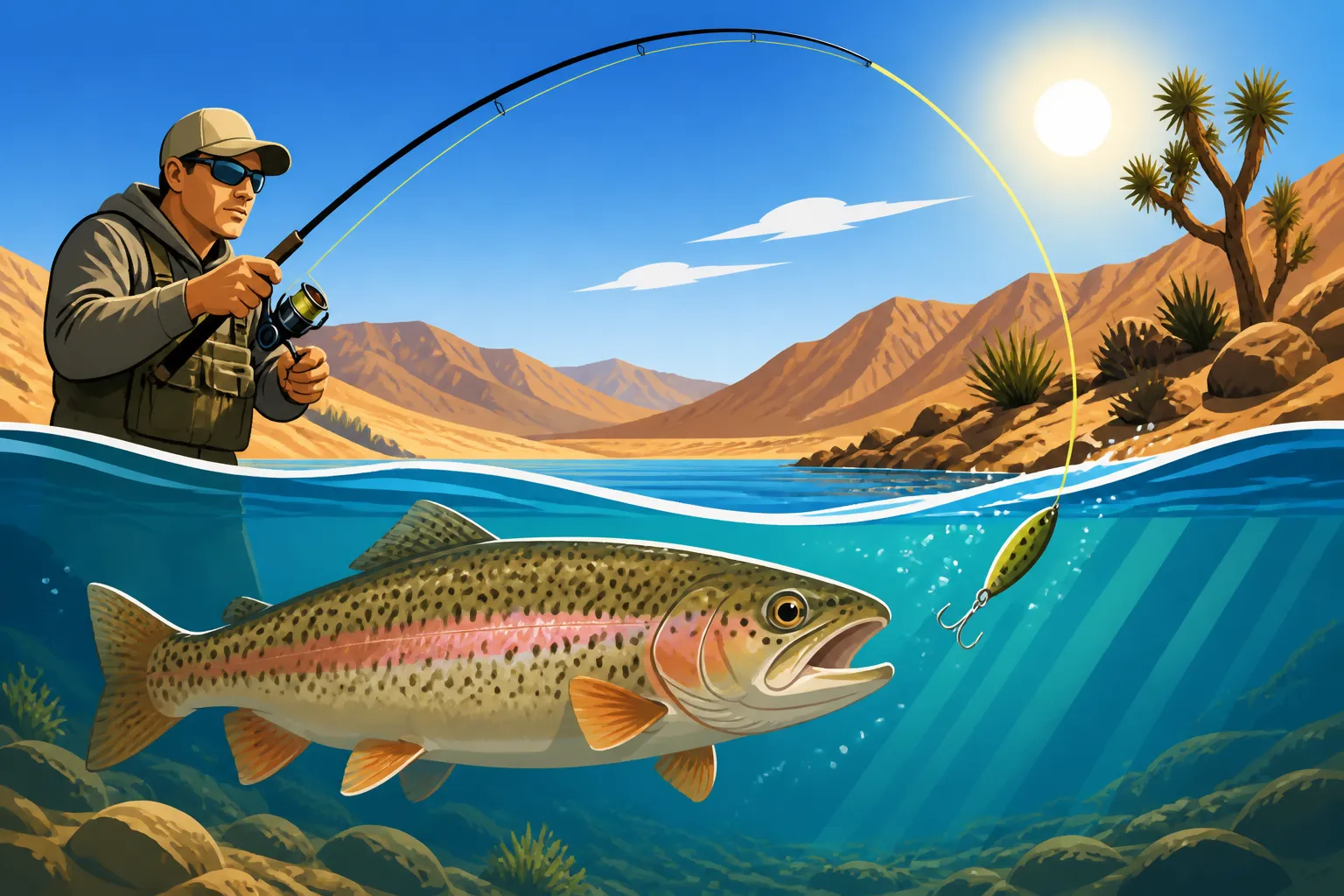
Picture this: wide-open expanses of water, often surrounded by sparse sagebrush and rocky hills. That's a desert reservoir. Unlike shaded mountain lakes, these bodies of water are exposed to intense sun, leading to significant temperature fluctuations. In summer, surface temperatures can soar, driving trout down into cooler, deeper water – sometimes hundreds of feet down. The water can also be incredibly clear, meaning fish are more wary of your presence and presentation. Fluctuating water levels, common in drought-prone regions, can dramatically change fish habitat, submerging or exposing structure and altering feeding patterns. These conditions demand a different approach than just casting a spinner from shore.
How Trout Adapt to Arid Environments
Despite the harshness, trout—primarily rainbow trout, but also brown trout and even tiger trout in some specific locations like Wildhorse Reservoir—thrive by adapting. They seek out thermal refuges, which are essentially pockets of cooler water. This could be deeper sections of the lake, areas fed by cooler springs, or even pockets of shade cast by cliffs or submerged structures. Their feeding patterns often become crepuscular, meaning they are most active during dawn and dusk when surface temperatures are cooler and light levels are lower, offering them more cover. During the day, especially in warmer months, they might suspend in the water column or hug the bottom near ledges or drop-offs, conserving energy and waiting for opportune feeding windows. Understanding these adaptations is crucial for figuring out when and where to present your bait or lure.
Essential Gear and Tackle for Desert Trout
You wouldn't bring a shovel to a gunfight, and you shouldn't bring the wrong gear to a desert trout reservoir. The unique conditions call for specific rod, reel, line, and bait choices that maximize your chances against these adapted fish. If you're looking for a general overview, our guide on Nevada Fishing Gear Essentials covers a broad range of equipment.
Rods, Reels, and Line Choices
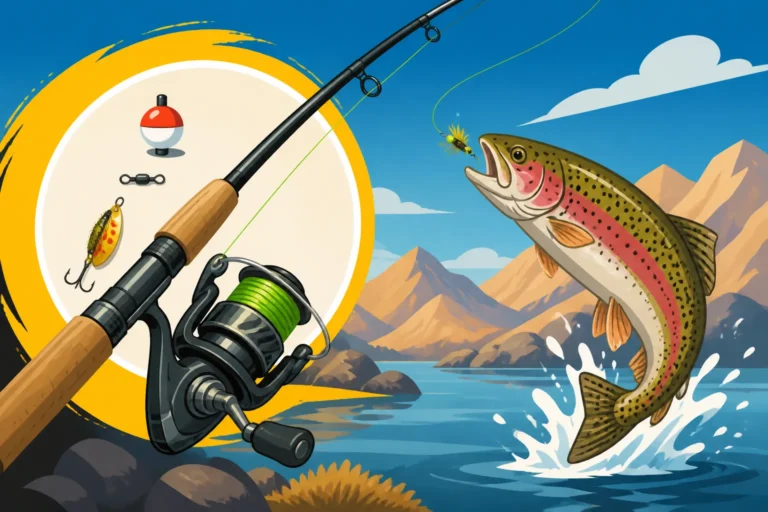
When it comes to rods, a medium-light to medium action spinning rod, typically 6 to 7.5 feet in length, is a versatile choice. This length allows for decent casting distance, which is often needed on wide-open reservoirs, while still providing enough sensitivity to feel subtle bites. For reels, a good quality spinning reel in the 2000-3000 size range, spooled with 4-8 pound test monofilament or fluorocarbon line, is ideal. Monofilament offers a bit of stretch for fighting fish and is generally more forgiving for beginners, while fluorocarbon is virtually invisible underwater and has less stretch, providing more sensitivity.
Many seasoned anglers, myself included, will often opt for a lighter fluorocarbon leader (2-4 pound test) tied to their main line, especially in clear water conditions. This significantly reduces the visibility of your line to wary trout. Remember, presentation is key when fish can see everything! You can find a vast selection of reliable rods, reels, and quality fishing lines on Amazon, ensuring you have the right setup for these challenging waters.
Baits and Lures That Work
Desert trout can be finicky, but a few go-to options consistently produce results. For bait fishing, PowerBait is king, especially for recently stocked rainbow trout. Mold it into a small ball, just large enough to cover the hook, and ensure it floats slightly off the bottom. Nightcrawlers or mealworms, either fished whole or in pieces, are also excellent choices, often enticing both stocked and wilder trout. For those looking for more specific bait advice, check out Best Bait for Nevada Trout.
When it comes to lures, spoons and spinners are highly effective. Classic silver or gold Kastmasters, Thomas Buoyants, or Dardevle spoons in 1/8 to 1/4 ounce sizes mimic baitfish and offer great casting distance. Spinners like Mepps Aglia, Rooster Tails, or Panther Martins in sizes #0 to #2, with silver, gold, or brass blades, are also deadly. Troll them behind a boat or cast and retrieve slowly from shore, varying your retrieve speed to find what the fish prefer. In deeper water, small jigs tipped with a piece of bait or a Gulp! Minnow can be incredibly effective when vertically jigged.
| Bait/Lure Type | Best Use Case | Presentation Tip | Pros | Cons |
|---|---|---|---|---|
| PowerBait | Stocked trout, still fishing | Mold around hook, float off bottom | Highly attractive, easy for beginners | Less effective for wilder trout |
| Nightcrawlers | All trout, still fishing/drifting | Whole or half on a hook | Natural, often irresistible | Can be messy, susceptible to small fish |
| Spoons | Casting, trolling | Vary retrieve/troll speed | Great casting distance, flashy | Can snag easily in rocky areas |
| Spinners | Casting, trolling | Steady, slow retrieve | Visual and vibratory appeal | Can twist line if not using swivels |
| Small Jigs | Deeper water, vertical fishing | Tip with bait, slow jigging | Targets suspended fish, subtle | Requires specific boat positioning |
Proven Techniques for Targeting Trout
Knowing what to use is only half the battle; knowing how to use it effectively is where you truly start catching fish. The clear, often deep waters of desert reservoirs demand strategic approaches, whether you're casting from the bank or cruising in a boat.
Shoreline Strategies
If you're fishing from the bank, your primary goal is to get your bait or lure out to where the fish are holding, which is often beyond the immediate shallows, especially during the day.
- Bottom Fishing with Floating Bait: This is perhaps the most popular and effective method for shore anglers. Use a sliding sinker rig: thread an egg sinker (1/4 to 1/2 ounce, depending on casting distance needed) onto your main line, then tie on a swivel. To the other end of the swivel, attach a 1-3 foot leader of lighter line (e.g., 4lb test fluorocarbon) and a #6 or #8 baitholder hook. Mold your PowerBait around the hook so it floats, keeping it suspended off the bottom where trout cruise. Cast out and let it sit. The sliding sinker allows fish to pick up the bait without feeling immediate resistance. This works particularly well at popular access points or where the Nevada Department of Wildlife (NDOW) does regular trout stocking.
- Float Fishing: For more active presentation or when trout are feeding closer to the surface (often early morning or late evening), a slip bobber rig can be incredibly effective. Set your bobber stop to suspend your bait (PowerBait, worm, or even a small jig) at varying depths until you find where the fish are. The bobber acts as a visual strike indicator and helps present your bait naturally. This is especially useful in calmer areas or coves.
- Casting Lures: If you prefer to stay active, casting spoons or spinners is a great way to cover water. Make long casts, let the lure sink for a few seconds (counting down can help you consistently target specific depths), then retrieve steadily. Experiment with retrieve speeds and occasional pauses. If you're on the shore, consider checking our guide on Nevada Western Region Fishing Regulations, as some areas may have specific rules regarding lures or bait.
Boat and Kayak Approaches
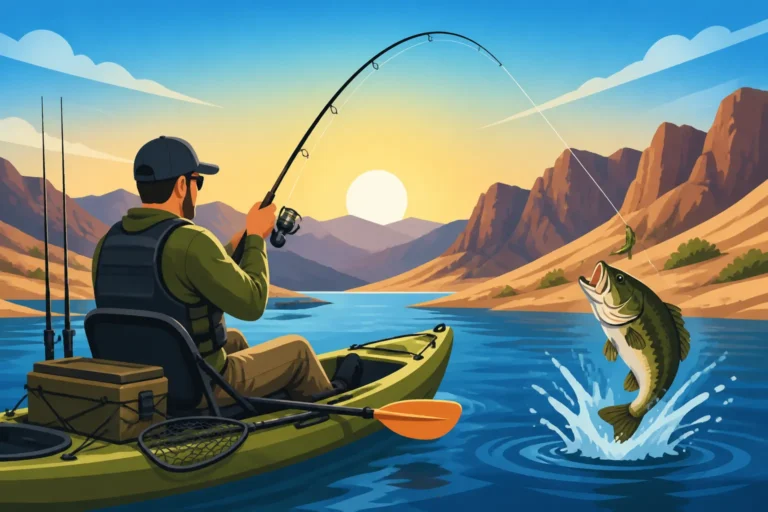
Having a boat or kayak significantly opens up your options in large desert reservoirs, allowing you to reach prime trout habitat that's inaccessible from shore.
- Trolling: Trolling is a highly effective way to cover vast amounts of water and find active fish. Use small spoons, jointed crankbaits (like Rapalas), or even wedding ring spinners tipped with a worm, trailed behind an attractor like a dodger or flasher. Experiment with trolling speeds (typically 1.5-3 mph) and depths. Downriggers are invaluable for getting lures down to precise depths, especially when trout are holding deep. Without a downrigger, you can use lead core line or snap weights. Pay attention to your fish finder if you have one – it will show you where the fish are holding in the water column and what structure is below.
- Jigging: When you mark fish holding at a specific depth, especially near submerged structure or drop-offs, vertical jigging can be deadly. Use small metal jigs, spoon jigs, or soft plastic swimbaits on a jig head. Drop your jig to the depth where you're seeing fish on your sonar, and impart a subtle lifting and dropping motion. Many strikes occur on the fall, so pay close attention to your line. This technique requires precise boat control, often using a trolling motor to hold position.
- Anchoring on Structure: Look for underwater points, humps, ledges, or deep channels where trout might congregate. Anchor upwind of the structure and cast towards it, letting your bait or lure drift naturally. This combines the "sit and wait" approach of bait fishing with the ability to precisely target specific features. This can be especially effective when you've identified a promising spot that may not be yielding results from trolling.
Reading the Water
Understanding the subtleties of a desert reservoir is like speaking the trout's language. Water temperature, clarity, and submerged structure dictate where trout will be and how they'll feed.
- Temperature and Depth: Trout are cold-water fish, and in a desert environment, this means they'll seek out cooler water. In summer, this will be in deeper zones; in winter, they might be shallower. Your fish finder's temperature gauge and depth sounder are invaluable tools. Pay attention to the thermocline – the layer where the water temperature rapidly changes – as trout often stack up just above or within this zone. This also ties into knowing the Best Time of Year to Fish in Nevada.
- Structure: While desert reservoirs might seem featureless, they almost always have hidden underwater structure. Old river channels, submerged brush, rock piles, ledges, and drop-offs all provide cover, ambush points, and thermal breaks for trout. Use your fish finder or a topographic map to identify these areas. Fish will often relate to the edges of these structures.
- Clarity: Nevada's desert reservoirs often have very clear water, making trout more wary. This usually calls for lighter lines, smaller baits/lures, and a more subtle approach. Early morning or late evening, when light levels are lower, can also mitigate the issue of clear water by making your presence less obvious.
Best Times and Conditions for Success
Timing is everything when it comes to fishing desert reservoirs. The extremes of the Nevada climate heavily influence when trout are most active and where they can be found. Knowing the Nevada Fishing Seasons by Month, for example, will give you a significant advantage.
Seasonal Considerations
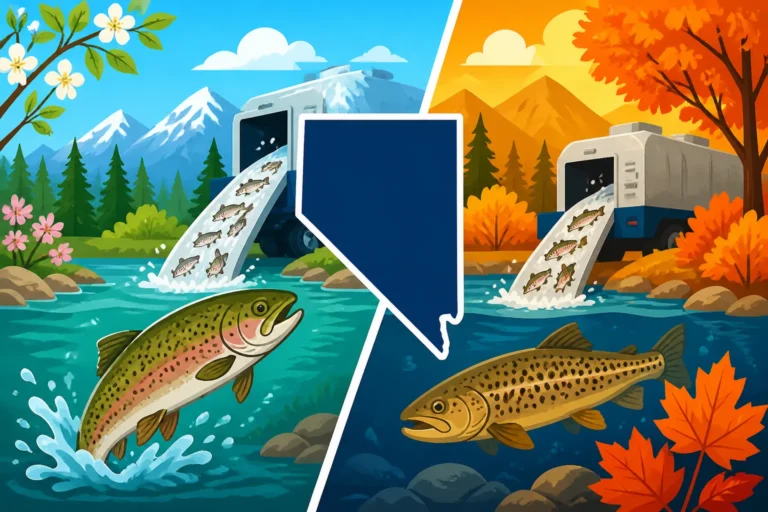
- Spring: This is arguably the prime season for desert reservoir trout. As water temperatures begin to warm from their winter lows but haven't reached scorching summer levels, trout become more active and are often found in shallower water, making them accessible to both shore and boat anglers. Spring also coincides with peak Nevada Trout Stocking Schedule periods, meaning fresh, hungry fish are regularly introduced into many waters.
- Fall: Much like spring, fall offers a fantastic window. As the intense summer heat subsides and water temperatures cool, trout again move shallower and become more aggressive. This is a great time for both bait fishing and throwing lures.
- Winter: Don't count out winter! While air temperatures can be cold, the water in deeper reservoirs remains relatively stable. Trout will often hold deeper but can be caught through various methods, including jigging or slow trolling. Ice fishing is even an option on some higher elevation or colder northern Nevada reservoirs if conditions allow and the ice is safe.
- Summer: This is the toughest time. The intense desert heat drives trout deep into thermal refuges. You'll need to focus on deep-water techniques like downrigger trolling or vertical jigging in the coolest parts of the reservoir, typically early morning or late evening. For detailed insights on how water temperature impacts fishing, refer to Reading Water Temperature for Trout Fishing.
Daily Timing
Regardless of the season, understanding the daily patterns of trout activity in a desert reservoir is crucial.
- Dawn and Dusk: These are almost always the most productive times. The cooler ambient temperatures, lower light levels, and decreased boat traffic make trout feel more secure and willing to move into shallower feeding grounds. If you're going to commit to a few hours, make them these.
- Midday (Summer): During the hot summer months, midday is generally the slowest. Trout retreat to the deepest, coolest parts of the reservoir to escape the sun and heat. If you're fishing mid-day in summer, you must target deep water.
- Midday (Winter/Spring/Fall): In cooler seasons, trout might remain active throughout the day, especially on overcast days or during periods of stable weather. It's still wise to prioritize dawn and dusk, but don't be surprised to catch fish mid-day.
Weather and Water Conditions
Desert weather is notoriously unpredictable, and it directly impacts fishing success.
- Wind: A light breeze can be your friend, creating a "chop" on the water's surface that breaks up light penetration and provides cover for trout, making them more comfortable feeding. It can also create current that concentrates baitfish. However, strong winds can make boat control difficult and casting from shore nearly impossible, so check forecasts before heading out.
- Water Clarity: As mentioned, clear water means wary fish. Consider lighter line and subtle presentations. After heavy rains, runoff can muddy parts of the reservoir. Trout often avoid extremely muddy water, but the "transition zone" where clear water meets slightly stained water can be very productive, as it offers both cover and food.
- Water Levels: Drought conditions in Nevada can lead to significant drops in reservoir water levels. While challenging, falling water can concentrate fish in remaining channels or deeper sections. Pay attention to how the shoreline has changed and look for newly exposed or submerged structure.
General Nevada Fishing Regulations and Conservation
Fishing in Nevada, especially for trout, comes with a set of rules designed to protect fish populations and ensure healthy fisheries for everyone. Before you even head out, ensure you have your Nevada Fishing License Guide, as regulations are strictly enforced.
Understanding Limits and Special Rules
The Nevada Department of Wildlife (NDOW) sets specific regulations for different species and bodies of water. For trout in desert reservoirs, this typically includes daily bag limits and possession limits. For instance, the statewide daily limit for trout might be five fish, but it's crucial to check the specific regulations for the reservoir you're visiting. Our guide on Nevada Statewide Bag Limits Explained, and more specifically, Nevada Trout Daily Limit Rules, can provide you with the most up-to-date information. Some reservoirs may also have specific gear restrictions or catch-and-release only sections. Always consult the current NDOW Fishing Guide or their website before your trip to avoid any potential Nevada Fishing Violation Penalties.
Practicing Responsible Angling
Conservation is vital for maintaining healthy fisheries, especially in a delicate desert ecosystem.
- Catch and Release: If you're not planning to eat your catch or have already filled your limit, practice responsible catch and release. Minimize the time the fish is out of the water, handle it gently with wet hands, and use a de-hooking tool or pliers to remove hooks quickly. For more details on how to safely release fish, refer to How to properly release a trout without hurting it.
- Leave No Trace: Pack out everything you pack in. This includes fishing line, bait containers, and any other trash. Keeping our reservoirs clean benefits both the environment and future generations of anglers.
- Respect Other Anglers: Desert reservoirs can sometimes be crowded, especially popular ones near urban centers. Give other anglers space and be mindful of your casting and boat operations. We're all out there to enjoy the peace and thrill of fishing.
By understanding the unique challenges of Nevada's desert reservoirs, equipping yourself with the right gear, mastering effective techniques, and respecting the environment and regulations, you'll be well on your way to consistent trout-catching success.
Disclaimer
Please note: Fishing regulations, stocking schedules, and local conditions in Nevada can change. Always consult the latest Nevada Department of Wildlife (NDOW) regulations and local advisories before heading out on your fishing trip. This guide is for informational purposes only and does not supersede official state regulations.