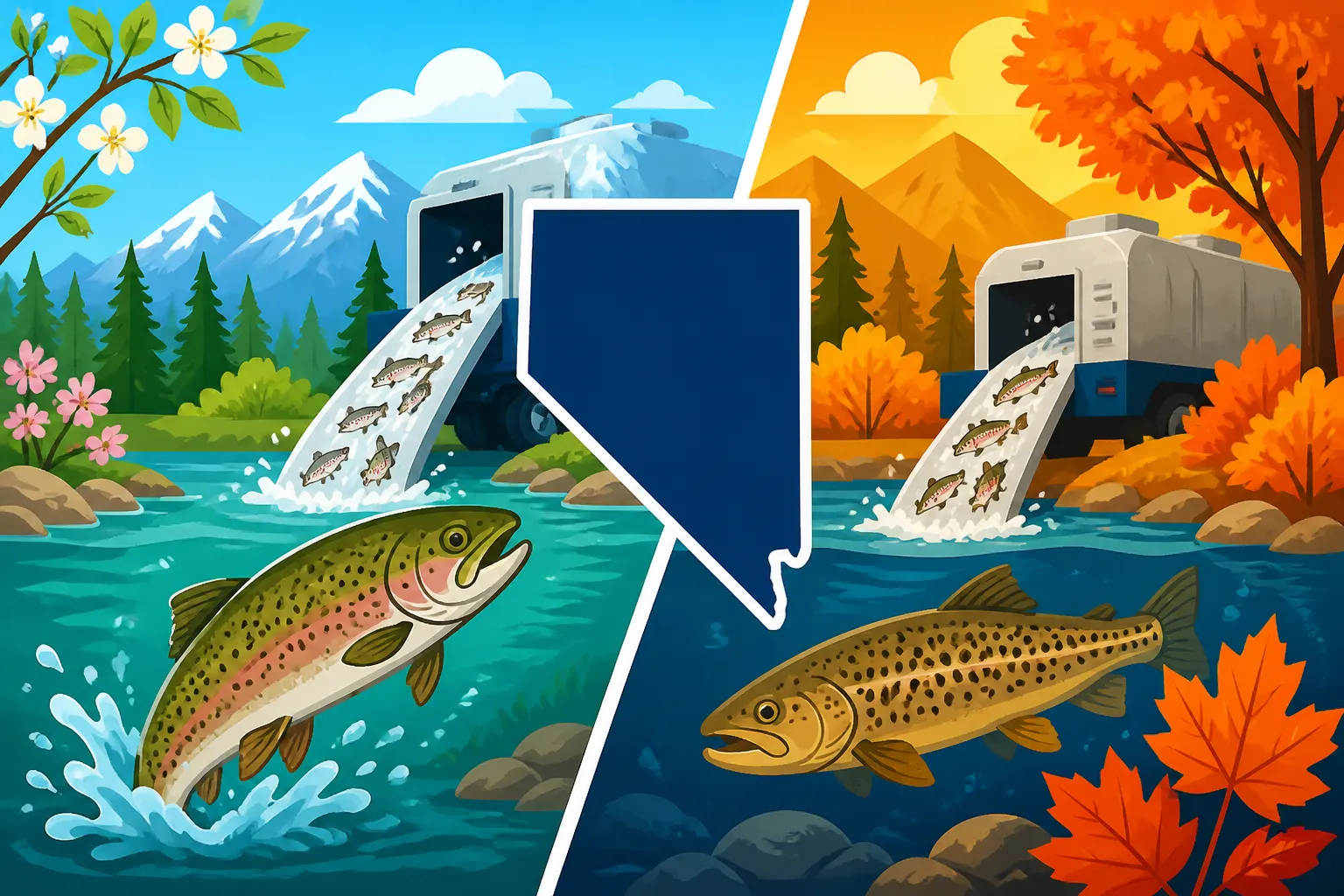
Nevada trout stocking pattern spring versus fall
It's a common question I hear from fellow anglers, especially those new to the Silver State or planning a fishing trip: "When does Nevada stock its trout, and does it really make a difference if it's spring or fall?" Understanding the Nevada trout stocking pattern in spring versus fall is absolutely crucial for planning a successful trip, and this guide will break down everything you need to know about how the Nevada Department of Wildlife (NDOW) approaches these two distinct seasons.
Understanding Nevada's Trout Stocking Program
Nevada's diverse aquatic environments, from high mountain lakes to warm desert reservoirs and urban ponds, mean that trout management is a year-round, strategic effort. The Nevada Department of Wildlife (NDOW) works tirelessly to ensure there are plenty of angling opportunities for everyone. But it's not just about throwing fish in the water; there's a science and a philosophy behind every decision, especially when it comes to the different seasons.
The "Put-and-Take" Philosophy and Why it Matters
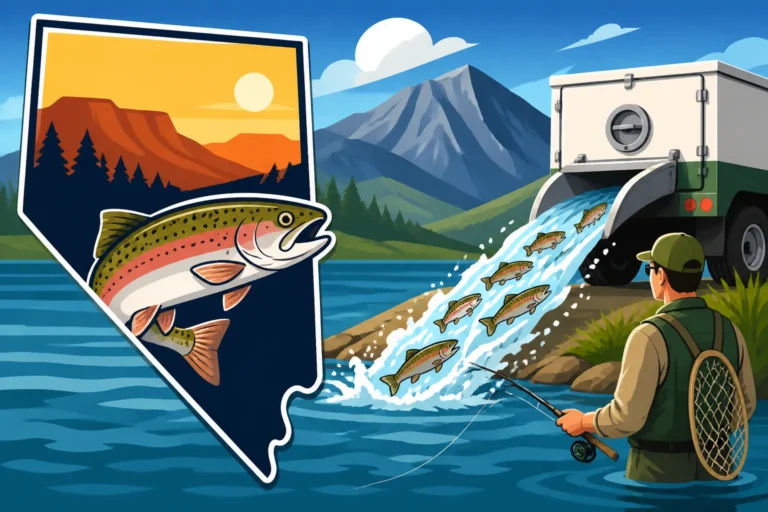
Much of Nevada's trout stocking program operates on a "put-and-take" philosophy, particularly for the more accessible urban ponds and many popular reservoirs. This means that NDOW introduces catchable-sized trout with the expectation that anglers will harvest them relatively soon after stocking. It's a pragmatic approach designed to provide immediate fishing gratification in waters that might not naturally sustain robust trout populations year-round, often due to fluctuating water temperatures or limited natural reproduction.
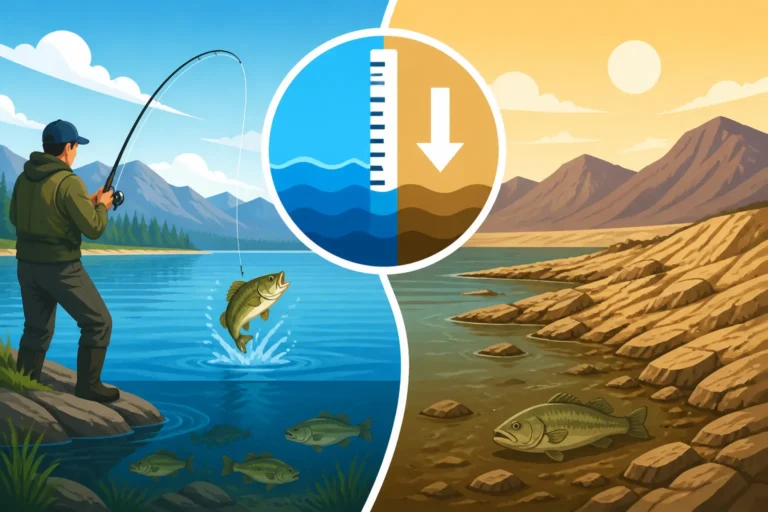
This strategy is particularly vital in a desert state like Nevada where many lowland waters experience significant temperature swings throughout the year. Trout, being cold-water species, thrive best in cooler conditions. Therefore, stocking efforts are heavily concentrated during periods when the water temperatures are most hospitable, maximizing the trout's survival until they are caught by eager anglers. Understanding this philosophy helps you realize that these aren't always meant to be long-term resident fish, which in turn influences when and where you should focus your efforts.
Knowing this "put-and-take" system also helps manage expectations. While some larger, colder bodies of water might hold trout over multiple seasons or even support wild populations, many of the commonly stocked areas are refreshed specifically for an upcoming fishing season. This regular influx of fish means that even if you miss an initial stocking, there's a good chance more fish will be coming your way in the appropriate season.
How NDOW Determines Stocking Locations
NDOW's decision-making process for where and when to stock trout is far from arbitrary; it involves a careful consideration of multiple factors. Water temperature is perhaps the most critical variable, as trout cannot survive in overly warm water. This is why you'll often see stocking efforts shift from lower elevation, warmer urban ponds in the spring and fall, to higher elevation, naturally colder mountain lakes during the heat of summer. Accessibility for anglers also plays a significant role, ensuring that stocked fish are placed in locations where people can easily reach them, whether by shore, boat, or kayak.
Furthermore, biological assessments are routinely conducted to evaluate fish health, existing populations, and habitat conditions. NDOW fisheries biologists monitor water quality, oxygen levels, and forage availability to determine the carrying capacity of various bodies of water. These scientific assessments, combined with angler feedback and historical data on fishing pressure, help create a comprehensive plan that maximizes both fish survival and recreational opportunities across the state. It's a constant balancing act to ensure healthy fisheries and happy anglers.
You might also notice that different species of trout are chosen for different waters based on their tolerance levels. For instance, rainbow trout are typically the workhorse of the stocking program due to their hardiness and popularity with anglers, but you might find specialized stockings of other species in specific waters that are better suited for them. Always check the official Nevada Fishing Regulations Explained to know what fish are present and what rules apply.
Spring Trout Stocking: Abundance and Opportunity
When the days start getting longer and the desert sun begins to warm things up, anglers across Nevada get excited for spring trout stocking. This season represents a major surge in fishing opportunities, especially in areas that might have been too cold for comfortable fishing during the deepest parts of winter, or too warm for trout in the peak of summer. It's a prime time to get out and enjoy the milder weather and abundant fish.
Timing and Species for Spring Stocking
Spring trout stocking in Nevada generally kicks off as early as February in the southern, warmer parts of the state and continues through May or even into early June in higher elevation or more northern regions. The exact timing is heavily dependent on water temperatures, as NDOW waits for conditions to be just right – cool enough for trout to thrive, but warm enough to entice anglers out. This period sees a massive influx of fish, predominantly rainbow trout, into urban ponds, smaller reservoirs, and accessible river sections. These are typically catchable-sized fish, ready to bite right after release.
This is when you'll see a lot of activity at places like the Las Vegas urban ponds, which are incredibly popular for family outings. The goal is to provide a fresh batch of fish for residents and visitors alike who are eager to shake off the winter chill. Sometimes, you might find other species like brown trout or even tiger trout mixed in, depending on the specific water body and management goals, but rainbows are definitely the stars of the spring show. The sheer volume of fish released during this time makes it a fantastic period for both seasoned anglers and beginners.
For those looking to fill a cooler, spring is an excellent time. The fish are often aggressive as they acclimate to their new environment and forage for food. This can lead to some truly fast-paced action. Keep an eye on the official NDOW Nevada Trout Stocking Schedule for the most up-to-date information on where and when these stockings are happening in your area.
Key Characteristics of Spring-Stocked Waters
Spring-stocked waters tend to be highly accessible and often have developed amenities, catering to a wide range of anglers. Think urban ponds in parks, smaller community reservoirs, and lower-elevation stretches of rivers. The water temperatures are usually in that sweet spot where trout are active, but not stressed by excessive heat. Because these waters are typically smaller and shallower than major lakes, they warm up faster in the spring, making them suitable for trout for a limited window before summer truly sets in.
These locations often experience significant fishing pressure, especially on weekends and after a reported stocking. This is where the "put-and-take" truly shines, as the fish are meant to be caught. The environment is usually quite open, with plenty of bank access, making it ideal for families, kids, or those who prefer not to use a boat. You’ll often find these waters are actively managed, sometimes with aeration systems, to maintain water quality for the stocked fish.
Another characteristic is the variety of available cover. While some urban ponds might be fairly open, others will have submerged structures, weeds, or even small islands that offer trout places to hide and forage. Understanding these features can help you target the areas where fish are likely to congregate. Remember that these stocked trout are used to hatchery conditions, so they might not be as wary as wild trout initially, offering a slightly easier fishing experience for those just getting started.
Tips for Fishing Spring-Stocked Trout
Fishing for spring-stocked trout can be incredibly rewarding, but a few strategic tips can make all the difference. Since these fish are often recently introduced, they tend to be less cautious and more susceptible to common baits and lures. PowerBait, PowerEggs, and corn are perennial favorites, often fished on a simple Carolina rig or with a small bobber. Small spoons, spinners (like Panther Martins or Mepps), and Kastmasters are also highly effective, especially when retrieved slowly or with erratic jerks to mimic injured baitfish. You can find a huge selection of these baits and lures on Amazon, making it easy to prepare for your trip.
Presentation is key, especially if the water is clear and the fish have seen a lot of pressure. Use light line (4-6 lb test fluorocarbon or monofilament) to avoid spooking them. Early mornings and late afternoons are generally the most productive times, as the sun is less intense and the fish are often more active. Look for areas with slight current, submerged structure, or shaded spots where trout might be holding. Since the fish are often recently released, they might still be schooled up, so if you catch one, there are likely more in the same vicinity.
Don't be afraid to experiment with different depths; sometimes the fish are suspended mid-water, while other times they're hugging the bottom. A good strategy is to start by casting different baits at various depths until you find what's working. Many anglers also benefit from a quiet approach, as heavy foot traffic on the bank can send fish scattering. Check out our guide on How to Fish for Trout in Nevada for more in-depth techniques that apply year-round.
Fall Trout Stocking: Refreshing Waters for Cooler Weather
Just as the scorching Nevada summer heat begins to subside and the autumn leaves start to turn, NDOW once again opens the floodgates for another round of significant trout stocking. Fall stocking provides a much-needed refresh to many of the same waters that were stocked in spring, and often brings trout back to areas that became too warm during the summer months. It's a beautiful time to fish, with cooler temperatures and often fewer crowds.
Timing and Species for Fall Stocking
Fall trout stocking in Nevada typically begins in late September or early October, continuing through November and sometimes into December, depending on the region's climate. Just like in spring, water temperature is the primary driver. NDOW waits for the water to cool down enough to be comfortable and survivable for trout after the summer heat. This round of stocking is crucial for re-energizing fishing opportunities in urban ponds and lowland reservoirs that become unsuitable for trout during the peak summer months.
Rainbow trout remain the staple of the fall stocking program, though you might also see the introduction of other species, such as brown trout, particularly in waters where they have a better chance of overwintering or in areas designated for specific species management. The fish stocked in fall are also generally catchable-sized, providing immediate action for anglers. They often arrive robust and feisty, having been raised in hatcheries before their release.
This stocking period can extend the trout fishing season well into the colder months, making it a favorite for many local anglers. As the season progresses, some of these fish might even begin to adapt more thoroughly to their new environments, becoming a bit warier and offering a more challenging, yet still very rewarding, angling experience. For detailed insights into daily limits, refer to the Nevada Trout Daily Limit Rules.
Key Characteristics of Fall-Stocked Waters
The waters targeted for fall stocking often mirror those stocked in the spring: urban ponds, community lakes, and accessible reservoir coves that experienced high fishing pressure or unsuitable temperatures over the summer. The key characteristic during the fall is the gradual cooling of these waters, which makes them once again hospitable for trout. As the ambient air temperature drops, so does the water temperature, revitalizing the aquatic environment.
Fall-stocked waters often see a decline in aquatic vegetation that might have choked out areas during the summer. This can open up new fishing spots and make it easier for anglers to present their baits and lures without getting snagged. With fewer swimmers and recreational boaters, the overall environment can feel more peaceful, making for a more serene fishing experience. However, these fish, while still hatchery-raised, might be a little more spread out as they explore their refreshed habitat.
You might also find that the clarity of the water improves in fall as algal blooms subside, which means stealth and presentation become even more important. The cooler temperatures also mean that trout are generally more active throughout the day, not just during the dawn and dusk hours. This offers more flexibility for anglers who prefer to fish during midday. Always consider checking the Nevada Fishing License Guide before heading out, as regulations remain in effect.
Tips for Fishing Fall-Stocked Trout
Fishing for fall-stocked trout benefits from many of the same techniques as spring, but with a few seasonal nuances. PowerBait, PowerEggs, and worms are still highly effective, especially when the fish are fresh from the hatchery. However, as they acclimate and water temperatures stabilize, don't shy away from trying small artificial lures like spoons, spinners, and even tiny jigs tipped with a piece of worm or Gulp! bait. Buying a variety of these baits on Amazon can ensure you have options for different conditions.
As the weather cools, trout activity can extend throughout the day, but early mornings and late afternoons still often provide the best bite. Consider targeting slightly deeper areas or spots where trout might be congregating as the water cools, such as drop-offs, points, or near inlets. Fish might be more active near the surface during overcast days or right after a temperature drop, making fly fishing with small nymphs or dries a viable option in some locations.
If the water has exceptional clarity, remember to use a longer leader of lighter fluorocarbon line to make your presentation as natural as possible. As fish become more accustomed to their new home, they might start feeding on natural insects or baitfish, so matching the hatch or using lures that imitate local forage can be highly productive. A good resource for understanding year-round fishing is our article on Nevada Fishing Seasons by Month.
Comparing Spring and Fall Stocking: What Anglers Should Expect
While both spring and fall stockings aim to enhance trout fishing opportunities, there are subtle yet significant differences that can impact fish behavior, survival rates, and ultimately, your success on the water. Understanding these distinctions helps you tailor your approach and manage your expectations for each season.
Differences in Fish Behavior and Survival
One of the primary differences between spring and fall stocking lies in the trajectory of water temperatures. In spring, waters are generally warming up. This can initially lead to very active fish as they adjust and feed vigorously in comfortable temperatures. However, as spring progresses into summer, those same waters often continue to warm, eventually becoming stressful or even lethal for trout. This means spring-stocked trout in many lowland areas have a shorter window of optimal survival and are therefore more purely "put-and-take." They need to be caught relatively quickly.
In contrast, fall stocking introduces trout into waters that are actively cooling. This period often provides a more stable or even improving environment for trout over the coming weeks and months, especially in locations where ice fishing might become an option. While still predominantly "put-and-take," some fall-stocked trout, particularly in slightly deeper or larger reservoirs, may have a better chance of overwintering and growing larger before being caught. They might also become more wary as they adapt to natural food sources and fishing pressure over a longer period.
The stress of transport and release can also impact behavior. While fresh-stocked fish in both seasons are often eager biters, those in the fall might experience less immediate thermal shock due to the more consistent cooling trend, potentially leading to slightly more sustained activity post-stocking. However, this is highly dependent on specific weather patterns and water bodies. Regardless of the season, knowing how to fish for trout right after stocking is key to immediate success.
Impact on Angler Experience and Success
The impact on the angler experience is quite tangible. Spring stocking often brings with it the excitement of warmer weather, budding landscapes, and a vibrant rush of activity at popular fishing spots. Crowds can be larger, especially at urban ponds, as families and fair-weather anglers take advantage of the milder conditions and abundant fish. This can be great for social fishing, but also means more competition for prime spots.
Fall stocking, on the other hand, frequently offers a more tranquil experience. The weather is often crisp and pleasant, the fall foliage (where it exists in Nevada) can be stunning, and generally, there are fewer crowds once the back-to-school rush has settled. This can lead to a more peaceful day on the water, even if the fish aren't biting quite as aggressively as their spring counterparts. The cooler temperatures make for more comfortable all-day fishing, and the fish, having a longer potential stay, might offer a more nuanced challenge to catch.
Ultimately, both seasons provide excellent opportunities for trout fishing in Nevada. Spring is fantastic for immediate action and family outings, while fall offers a chance for sustained fishing in more comfortable conditions with potentially fewer people. Your choice of season might depend on whether you prioritize quantity of bites, a more serene environment, or the chance to catch a trout that has had a bit more time to grow in its new home. For a wider perspective on fishing opportunities, explore our guide to Best Places to Fish in Nevada.
Here's a quick comparison of the typical characteristics of spring versus fall trout stocking in Nevada:
| Feature | Spring Trout Stocking | Fall Trout Stocking |
|---|---|---|
| Typical Timing | February/March – May/early June (region dependent) | Late September/October – November/December (region dependent) |
| Primary Fish Species | Rainbow Trout (predominantly) | Rainbow Trout (predominantly), sometimes Brown Trout |
| Water Temperature Trend | Warming up, leading to summer peak | Cooling down, leading to winter lows |
| Fish Behavior | Often highly active, "fresh from hatchery" aggression | Active, but may become warier as they acclimate |
| Survival Expectation | Shorter-term (put-and-take), due to summer heat | Potentially longer-term, better chance to overwinter |
| Crowd Levels | Higher, especially on weekends and holidays | Generally lower, more tranquil fishing |
| Ideal Angler Profile | Families, beginners, those seeking fast action | Anglers seeking cooler weather, more peaceful experience |
| Key Fishing Methods | PowerBait, worms, small spinners, spoons | PowerBait, worms, small spinners, jigs, flies |
Understanding these distinct stocking patterns in Nevada allows anglers to make informed decisions about when and where to pursue trout, maximizing their chances of a successful and enjoyable day on the water. Whether you prefer the bustling energy of spring or the serene beauty of fall, NDOW’s dedicated stocking efforts ensure there are ample opportunities for everyone to experience the thrill of catching trout in the Silver State.
Disclaimer
This article is for general informational purposes only and does not constitute professional advice. Laws, prices and regulations vary by location and change over time. Consult a qualified professional for guidance on your specific situation.