Best plastic worm color for clear desert lakes
One of the biggest head-scratchers for anglers hitting the crystal-clear waters of Nevada's desert lakes is figuring out which plastic worm color will actually get a bite. It’s frustrating to watch fish ignore your offerings, especially when the water is so clear you can practically see them turn their nose up. This guide is here to help you cut through the confusion and choose the best plastic worm colors for success in these challenging, yet incredibly rewarding, fishing environments.
Why Plastic Worm Color is a Game-ChChanger in Clear Water
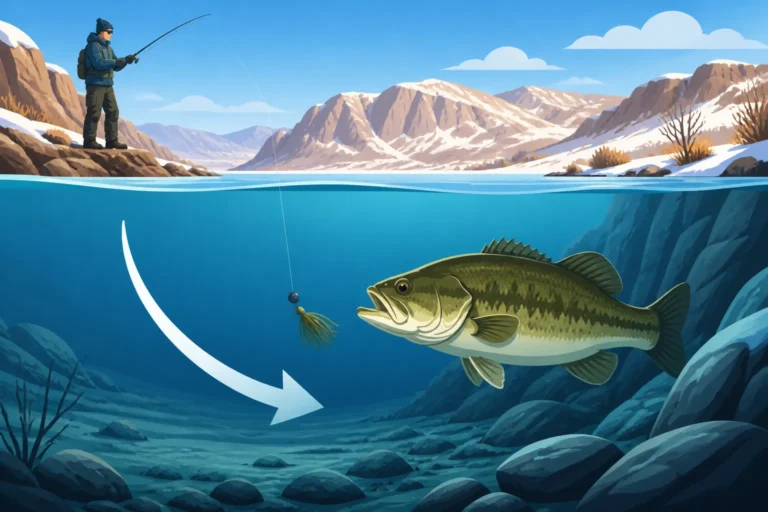
Fishing in clear desert lakes is a whole different ballgame compared to murky, stained, or heavily vegetated waters. When you can see the bottom in 20 feet of water, you bet the fish can see your lure just as well – and often, they're scrutinizing it much more closely. This heightened visibility means that your choice of plastic worm color isn't just a suggestion; it can be the make-or-break factor between a banner day and a frustrating skunk.
The Role of Light Penetration
In clear water, sunlight penetrates much deeper, allowing fish to discern colors and details with much greater accuracy. This isn't like fishing a muddy river where a dark silhouette might be enough. Here, fish are often sight-feeding, relying on their excellent vision to identify prey. The light conditions – bright sun, overcast skies, dawn, dusk, or even moonlit nights – drastically affect how a color appears underwater. A color that looks vibrant on the surface might become dull and muted just a few feet down, or it might become unnaturally bright, startling fish instead of enticing them. Understanding how light interacts with your chosen worm color at different depths and times of day is crucial for success.
Mimicking Natural Prey More Closely
Clear desert lakes often have limited forage bases, which means the fish are typically keyed into specific types of prey. Whether it's small baitfish, crayfish, or insect larvae, these creatures have distinct color patterns. When your plastic worm's color closely mimics this natural forage, you drastically increase your chances of fooling a wary bass or other game fish. An unnatural color, no matter how enticing in murkier water, can stick out like a sore thumb in clear conditions, immediately signaling to the fish that something is amiss. This is why many experienced anglers carry a wide variety of hues, ready to switch at a moment's notice to match the hatch, so to speak, of the current prevalent food source.
Top Plastic Worm Colors for Clear Desert Lakes
When you're faced with gin-clear water, the name of the game is often subtlety and realism. However, there are also times when a carefully chosen "loud" color can trigger a reaction strike. Let's dive into the most effective plastic worm colors for Nevada's clear desert lakes.
Natural and Transparent Hues
For the most part, natural and transparent colors are your bread and butter in clear water. These colors allow light to pass through them, creating a more ethereal, lifelike presentation that doesn't scream "artificial."
- Green Pumpkin: This is arguably the most versatile and consistently effective bass fishing color across the board, and it truly shines in clear desert lakes. Green pumpkin worms, often with subtle flakes of red, gold, or black, perfectly mimic crayfish, sunfish, and various aquatic insects. They blend in naturally with rocky bottoms and submerged vegetation, making them incredibly hard for discerning fish to resist. It’s a subtle presentation that bass find hard to ignore. Many anglers find their favorite brands offering a wide array of green pumpkin variations, often available through retailers like Amazon.
- Watermelon: Another staple, especially watermelon with red or black flakes. Watermelon is slightly lighter and often more translucent than green pumpkin, making it ideal for extremely clear conditions or when fish are being particularly finicky. It has a natural, almost translucent green tint that looks incredibly lifelike under bright sun. It's fantastic for drop-shot rigs or finesse presentations where a subtle appearance is key. When fishing for bass in Nevada's clear waters, you'll want to have a good supply of watermelon-colored plastics on hand.
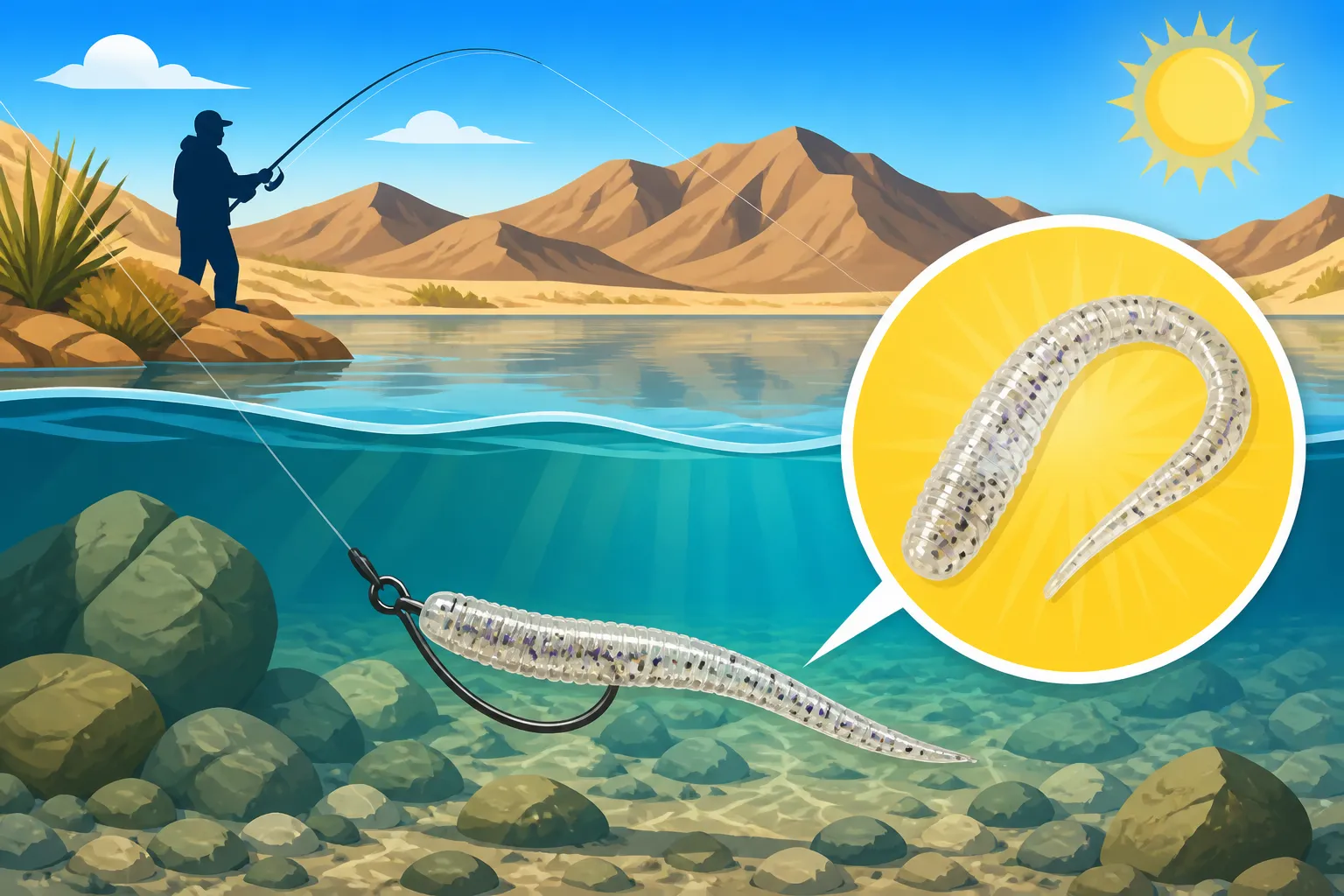
- Smoke/Ghost/Light Blue: These super-transparent or light-blue hues are excellent for mimicking small baitfish like shad or minnows. When light hits these worms, they can almost disappear, creating a ghost-like effect that suggests a darting, vulnerable baitfish. They are particularly effective when retrieved with a subtle twitching action, making them appear wounded or disoriented. These colors are often overlooked but can be absolute gold when bass are chasing schools of baitfish. Consider trying a smoke-colored worm if you're fishing areas where you've seen schools of baitfish.
- Brown/Cinnamon: These earthy tones are fantastic for mimicking crayfish, particularly in lakes with rocky bottoms. Crayfish are a primary food source for many bass, and a brown or cinnamon plastic worm, especially with some red or orange flakes, can be incredibly effective when dragged or hopped along the bottom. It's a natural, understated choice that fits right into the underwater landscape.
When to Go a Little Brighter
While natural colors dominate, there are specific situations where a brighter or more opaque plastic worm can trigger a bite, even in clear water.
- June Bug: This dark, purplish-black color, often with blue or green flakes, might seem counterintuitive for clear water, but it has its moments. June bug can be incredibly effective during low light conditions (dawn, dusk, or heavily overcast days) or in deeper water where natural light struggles to penetrate. It creates a strong silhouette that fish can detect from a distance. Some anglers also find it works well when fish are keying in on larger, darker insects or leeches.
- Black/Blue: Similar to June Bug, black and blue combinations create a very strong profile. This color combo is a classic for a reason, and it's not just for muddy water. In clear desert lakes, it excels in deeper sections, particularly around submerged brush, rocks, or ledges, where bass might be ambushing prey from darker cover. The blue flake adds just enough flash to catch a fish's eye without being overly aggressive. When fishing for Largemouth Bass Fishing in Nevada, especially in the deeper sections of a lake, don't shy away from a black and blue worm.
- Red Bug/Red Shad: These colors, typically a darker red or reddish-brown, can be fantastic for triggering reaction strikes, especially when mimicking an injured or irritated crayfish. Sometimes, bass in clear water become aggressive when they see something that stands out a little, even if it's not a perfect match for their usual prey. These colors are often best when you're looking to provoke a bite rather than perfectly imitate forage.
Here’s a quick overview of plastic worm colors for clear desert lakes and their best uses:
| Color Group | Primary Color Examples | Mimics | Best Conditions | Preferred Target |
|---|---|---|---|---|
| Natural/Subtle | Green Pumpkin | Crayfish, Sunfish | Sunny, clear, moderate depth | Bass |
| Watermelon (w/flakes) | Small Baitfish | Very clear, finesse, bright sun | Bass | |
| Smoke/Ghost/Light Blue | Shad, Minnows | Open water, baitfish schools, bright sun | Bass | |
| Brown/Cinnamon | Crayfish | Rocky bottoms, moderate depth | Bass | |
| Darker/Contrast | June Bug (w/flakes) | Leeches, Dark Insects | Low light, deep water, overcast | Bass |
| Black/Blue | Crayfish, Larger Bait | Deep structure, low light, stained edges | Bass | |
| Aggressive/Flare | Red Bug/Red Shad | Injured Crayfish | Reaction strikes, some stained clear water | Bass |
Factors Beyond Color That Influence Success
While color is a significant piece of the puzzle, it's never the only piece. In clear desert lakes, several other factors combine with your color choice to determine whether you'll have a successful outing. Ignoring these can render even the "perfect" color ineffective.
Water Depth and Light Levels
The depth at which you're fishing dramatically alters how colors appear. As light penetrates water, certain wavelengths are absorbed faster than others. Red light is absorbed first, often disappearing within the first 10-15 feet. Orange follows, then yellow, green, and finally blue. This means a vibrant red worm might look dull brown or even black at 20 feet, while a blue or green worm retains more of its true color at those depths. This phenomenon is why green pumpkin and watermelon are so consistently effective; they remain visible and natural-looking across a wide range of depths where bass typically hold. This knowledge is crucial when applying Deep Water Techniques for Lake Mead Bass or targeting fish closer to the surface with Shallow Water Techniques for Cove Bass Fishing.
Matching the Hatch: Current Forage
The best color choice is often dictated by what the fish are actively feeding on. If you're seeing schools of shad flicking on the surface, a smoke or light blue plastic worm might be irresistible. If you're fishing rocky areas known for crayfish, green pumpkin, brown, or even a subtle red bug might be the ticket. Pay attention to your surroundings:
- Baitfish: Observe if there are baitfish visibly present, and try to match their size and color with your plastic worms.
- Crayfish: If you catch a crayfish or see one scuttling, note its color. Crayfish can range from green to brown to reddish, and having a worm to match that specific hue can be golden.
- Insects: Especially in shallower areas or during certain times of year, bass might feed on larger insects that fall into the water. Darker worms can sometimes mimic these effectively. Knowing what the local forage looks like is key to effective How to Fish for Bass in Nevada.
Water Clarity and Stains
Even in "clear" desert lakes, clarity isn't always uniform. Wind can stir up sediment in certain coves, creating slightly stained areas. Recent rain might bring a bit of runoff. In these slightly less-than-perfectly-clear conditions, you might be able to get away with, or even benefit from, slightly bolder colors like June Bug or a black/blue combination. These offer a stronger silhouette and a bit more contrast, helping fish detect them when the water isn't quite as transparent. Conversely, on days of extreme clarity, when you can see your lure disappear for what feels like forever, lean heavily into the translucent smokes and subtle watermelons.
Beyond Color: Presentation and Technique
Having the right plastic worm color is fantastic, but it's only as good as the presentation you give it. In clear desert lakes, where fish have ample time to scrutinize your offering, a natural and subtle presentation is paramount.
Finesse is Your Friend
In clear water, heavy lines, bulky weights, and aggressive retrieves often spook fish. Think finesse.
- Light Line: Opt for lighter line tests, often in the 6-10 lb range for fluorocarbon, which is nearly invisible underwater. This is where mastering your Best Line for Desert Reservoir Fishing comes into play. Fluorocarbon also sinks, helping your worm get down naturally.
- Smaller Weights: Use the lightest weight possible to maintain bottom contact or achieve your desired depth. A lighter weight allows the plastic worm to fall more naturally, gliding and fluttering rather than plummeting.
- Subtle Retrieves: Avoid jerky, unnatural movements. Think slow drags, slight hops, and long pauses. Let the natural action of the worm do its work. Imagine how a real crayfish or injured baitfish would move; it's rarely a frantic dash. This subtle approach is particularly effective when targeting wary fish in places like Lake Mead Nevada Fishing Guide or Lake Mohave Nevada Fishing Guide.
Matching Worm Type to Conditions
The type of plastic worm itself also plays a role.
- Straight-Tail Worms: These are excellent for finesse techniques like drop-shotting or neko rigging. Their subtle action is perfect for clear water when fish are not highly active. The lack of a large tail means less disturbance, which can be crucial for stealth.
- Senko-Style Worms: The classic "stick worm" is a clear-water superstar due to its incredible action on the fall. When weighted minimally or fished weightless, it shimmies enticingly, mimicking a dying baitfish. Brands like Gary Yamamoto have made Senkos famous, and you can find many similar styles and colors on Amazon to suit your needs.
- RoboWorms: Specifically designed for finesse fishing, especially drop-shotting, these worms come in incredibly realistic baitfish and insect patterns. Their soft plastic and natural colors are tailor-made for fooling highly pressured fish in clear water.
The Importance of Stealth
Finally, remember that in clear water, fish aren't just looking at your lure; they're also aware of their surroundings. Boating directly over a spot, casting a long shadow, or making excessive noise can quickly shut down a bite. Approach your fishing spots quietly, make long casts to avoid spooking fish, and use natural cover to your advantage. Consider your boat position, the sun's angle, and how your presence might affect the fish below. Even the best plastic worm color won't matter if the fish know you're there and decide to move on. Mastering these stealth tactics is part of becoming a successful angler on Best Nevada Bass Lakes. When exploring Best Soft Plastics for Bass Fishing, remember to couple them with these stealth techniques for optimal results.
Final Thoughts on Plastic Worms for Nevada's Clear Waters
Choosing the best plastic worm color for clear desert lakes in Nevada isn't about finding a single "magic" color. It's about understanding the environment, observing the conditions, and being willing to experiment. Start with the natural and transparent colors like green pumpkin and watermelon. Pay close attention to light levels, water depth, and what the local fish are feeding on. Don't be afraid to try darker hues like June bug or black/blue in deeper water or low light. Always pair your color choice with a finesse presentation, using light line, minimal weight, and subtle retrieves.
By honing your understanding of how color appears underwater and refining your presentation, you'll dramatically improve your catch rate in Nevada's stunning, yet sometimes challenging, clear desert lakes. You'll find a massive selection of plastic worms in various colors and styles from manufacturers like Berkley, Zoom, and Strike King readily available online through popular retailers like Amazon, allowing you to stock your tackle box for any clear water scenario. Good luck out there, and tight lines!
Disclaimer
This article is for general informational purposes only and does not constitute professional advice. Laws, prices and regulations vary by location and change over time. Consult a qualified professional for guidance on your specific situation.