Best Soft Plastics for Bass Fishing
If you've spent any time at all chasing largemouth or smallmouth bass around Nevada's incredible fisheries, you know the struggle: sometimes they're aggressive, sometimes they're picky, and often, they're downright invisible. The sheer array of lures out there can be dizzying, leaving you wondering if you've got the right "candy" to tempt them. But for many seasoned anglers, soft plastics aren't just an option; they're the absolute backbone of a successful bass fishing arsenal. This guide will cut through the confusion and dive deep into the best soft plastics for bass fishing in Nevada, helping you understand when, where, and how to use them to put more fish in your boat or on the bank.
Why Soft Plastics are Bass Fishing Gold in Nevada
Let's be honest, Nevada's bass fishing can be challenging. We've got clear, often deep desert reservoirs, sometimes fluctuating water levels, and fish that see a lot of pressure. That's where soft plastics truly shine. They offer a combination of realism, versatility, and subtle presentation that hard baits often can't match, making them indispensable for tempting even the most finicky bass in our Nevada waters.
The Unbeatable Versatility of Soft Plastics
One of the biggest frustrations anglers face is being stuck with a lure that just isn't working. Maybe the bass are in thick cover, maybe they're suspended, or maybe they just want something that looks like an easy meal drifting by. Soft plastics handle all these scenarios and more. Think about it: a single bag of soft plastic worms can be Texas-rigged through heavy weeds, Carolina-rigged to scour deep points, or wacky-rigged for a subtle, seductive fall near a boat dock. This incredible adaptability means you can carry fewer types of baits but cover a wider range of conditions and presentations. It's about maximizing your options without overloading your tackle box, which is a huge plus when you're hiking to a remote spot or trying to keep your boat clutter-free.
No matter the mood of the fish or the structure you're targeting, there's usually a soft plastic application that fits. From twitching a fluke over submerged brush piles to crawling a creature bait along rocky ledges, the sheer number of ways you can present these baits means you're rarely out of luck. This versatility is crucial in Nevada, where conditions can change rapidly from one cove to the next, or from morning to afternoon.
Mimicking Natural Prey in Nevada Waters
Bass are opportunistic predators, but they're also incredibly visual and sensitive to vibrations. Soft plastics excel at imitating the natural forage found in Nevada's lakes and rivers. Whether it's a threadfin shad darting away, a crawfish scuttling along the bottom, or a worm wriggling through sparse vegetation, soft plastics can replicate these movements and profiles with uncanny accuracy. The soft texture also means fish tend to hold onto them longer after a strike, giving you more time to set the hook.
Consider the clear waters of Lake Mead or Lake Mohave. In these conditions, bass rely heavily on sight, and a perfectly presented soft plastic creature bait that looks like a crawfish can be irresistible. Or imagine the smallmouth bass in a rocky section of the Colorado River below Hoover Dam – a small grub or tube bait can look exactly like a juicy nymph or baitfish to them. The natural look and feel are key differentiators, especially when bass are pressured or the bite is tough. For a deeper dive into what these fish eat, check out our guide on What striped bass eat at Lake Mead or What Mackinaw trout eat at Lake Tahoe, as understanding the forage base of other species can also inform your bass fishing.
The Silent Approach: Finesse for Pressured Bass
In many popular Nevada fishing spots, bass are well-acquainted with traditional lures. They've seen countless crankbaits, spinnerbaits, and jerkbaits flash by. Sometimes, the subtle approach is the only way to get a bite, especially when targeting those bigger, smarter fish. Soft plastics, particularly finesse styles like a drop shot rig or a wacky-rigged worm, offer minimal disturbance and a lifelike, enticing action that can trigger strikes from even the most cautious bass.
This "silent approach" is all about subtlety. The soft plastic enters the water with barely a splash, sinks naturally, and moves with a fluid, lifelike motion that doesn't scream "artificial." It's less about flashy commotion and more about a delicate invitation. When you're fishing a highly public pond or a well-known bass hot spot, presenting something that doesn't immediately set off their alarm bells can make all the difference. This is particularly effective in spots like the urban ponds around Las Vegas or popular coves on Lake Mead, where bass often become "educated" to standard presentations.
Understanding the Different Types of Soft Plastics
The sheer variety of soft plastics can be overwhelming, even for experienced anglers. It feels like every time you walk into a Bass Pro Shops or browse on Amazon, there's a new shape or color claiming to be the next big thing. While endless experimentation can be fun, understanding the fundamental types and their intended uses is far more valuable. This foundation will help you make informed choices no matter what the bass are doing.
Worms: The Foundation of Bass Fishing
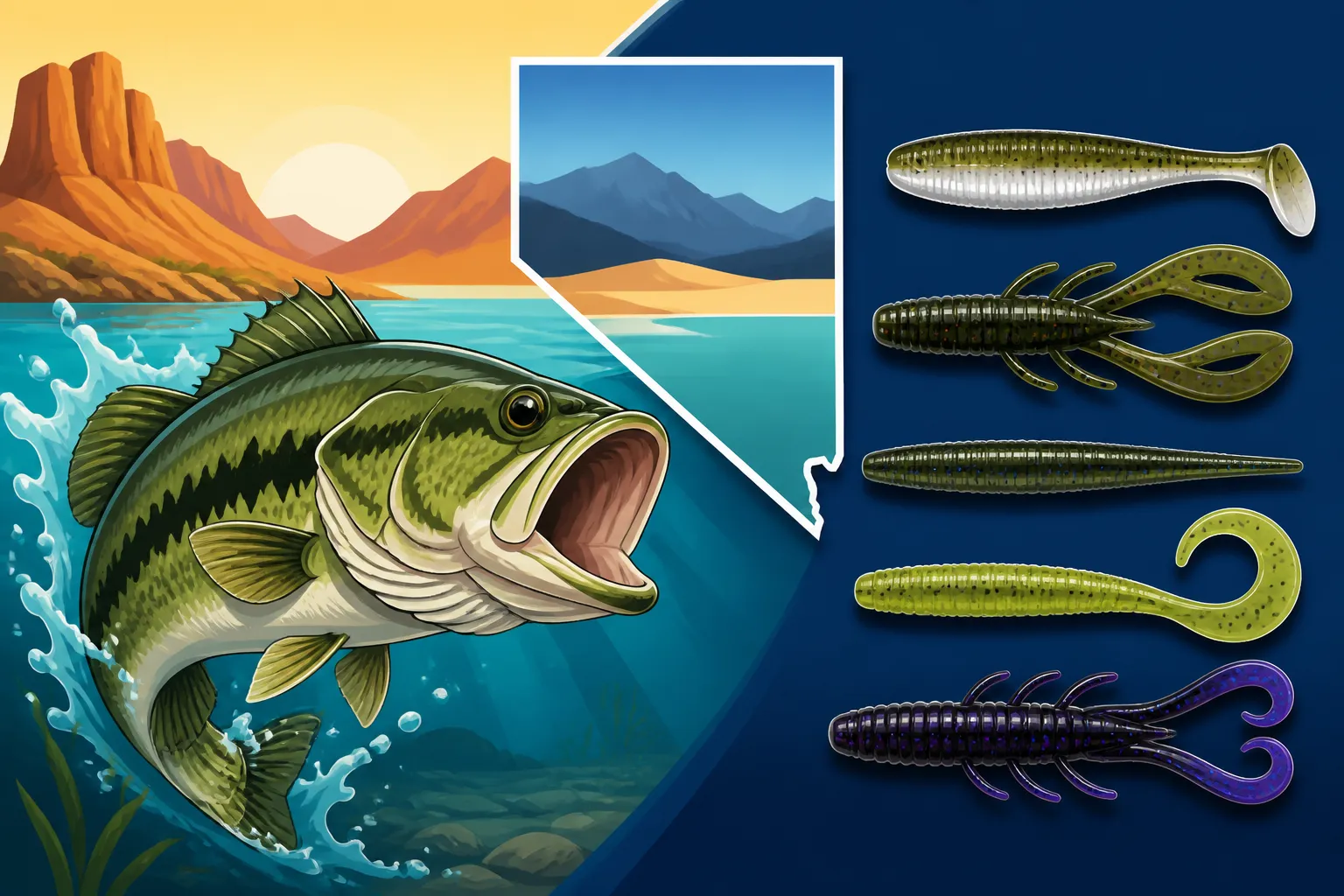
If there's one soft plastic every bass angler should have in their tackle box, it's the plastic worm. These come in an incredible array of sizes, shapes, and tail designs, each offering a slightly different action. From the classic straight tail to ribbon tails, curly tails, and tapered worms, they all share a common goal: to imitate a natural prey item, often a worm or a small snake, wriggling through the water.
- Straight-Tail Worms (Finesse Worms): These are often thinner and have a subtle, quivering action. They are absolutely lethal on a How to fish a finesse worm for pressured bass presentation, such as a drop shot, Neko rig, or wacky rig. Their understated movement is perfect for clear water, highly pressured fish, or when the bite is slow. Think about fishing a clear, still cove on Lake Mead; a six-inch green pumpkin finesse worm gently twitching near a submerged rock can be exactly what a wary bass wants.
- Ribbon-Tail Worms (Curl-Tail Worms): These worms feature a long, curling tail that provides a lot of action with minimal retrieve. They're excellent for Texas rigs, Carolina rigs, or even as a jig trailer. The tail flutters and vibrates, creating a larger profile and more disturbance than a straight-tail worm, making them great search baits or for fishing in stained water.
- Paddle-Tail Worms: These have a small, flat paddle on the tail that creates a thumping action similar to a swimbait. They can be very effective when bass are actively chasing baitfish. Rig them weightless and twitch them near the surface, or use them on a shaky head for a seductive fall.
Creature Baits and Jigs: Aggression and Action
When bass are looking for a bigger, more substantial meal, or when you want to punch through heavy cover, creature baits and jig combinations are your go-to. These baits are designed to mimic crawfish, frogs, or other larger forage, often with multiple appendages that create a lot of erratic movement and vibration.
- Creature Baits: These come in an endless variety of shapes, often featuring multiple "claws," "legs," or "flaps" that move independently, creating a chaotic, lifelike action. They're fantastic for pitching and flipping into heavy cover, like thick cattails or submerged timber, where a crawfish might hide. How to target largemouth around brush and coves is a technique where creature baits truly excel. They offer a bulky profile that can trigger an aggressive territorial strike, especially during the Nevada Bass Season and Spawn Timing.
- Tube Baits: While not strictly "creature" baits, tube baits are hollow, cylindrical soft plastics with tentacle-like tails. They mimic crawfish incredibly well when hopped along the bottom, or they can imitate baitfish when retrieved with a darting action. They're a favorite for smallmouth bass on rocky bottoms, like those found in Lake Mohave.
- Jig Trailers: A jig is a lead head with a hook, often skirted. A soft plastic trailer attached to the hook significantly enhances its appeal. Creature baits, chunks (short, bulky soft plastics), or even paddle-tail worms make excellent jig trailers. They add bulk, color contrast, and action, making the jig appear more substantial and lifelike. This combination is deadly when bass are hunkered down on structure or in deep water.
Swimbaits and Grubs: The Search Baits
When bass are actively roaming and chasing baitfish, or when you need to cover a lot of water quickly, swimbaits and grubs are the champions. These baits are designed to mimic the natural swimming motion of baitfish, sending out vibrations that attract bass from a distance.
- Paddle-Tail Swimbaits: These are arguably the most popular type of soft plastic swimbait. They feature a realistic fish profile with a paddle tail that kicks and vibrates as it's retrieved, closely imitating a swimming shad or minnow. They can be rigged on a weighted swimbait hook, a jig head, or even as a trailer for a bladed swim jig. They're excellent for covering open water, fishing around schooling baitfish, or working along weed edges. Many anglers keep a good selection of these in different sizes and colors for Best Lures for Nevada Bass.
- Grubs (Curly-Tail Grubs): Simple, yet incredibly effective, grubs have a small, compact body and a single, curling tail. They create a lot of action and vibration, making them fantastic on a light jig head for targeting all species of bass, especially smallmouth in rocky areas. They're also superb for targeting Rainbow Trout Fishing in Nevada if you happen to hook into one while bass fishing!
Flukes and Jerkbaits: Erratic Movement
For those times when bass are active but a bit spooky, or when you want to mimic a dying or injured baitfish, soft plastic flukes and jerkbaits are incredibly effective. Their erratic, darting action can trigger reaction strikes that other baits simply can't.
- Flukes (e.g., Zoom Super Fluke): These slender, fish-shaped soft plastics have a split tail that gives them an incredibly erratic, darting action when twitched on a weightless hook. They excel when fished around schooling baitfish, over submerged grass, or along the edges of drop-offs. The trick is to twitch, pause, and let it glide, mimicking a confused or injured baitfish. This can be devastating for both largemouth and smallmouth bass.
- Soft Jerkbaits: Similar in profile to flukes, soft jerkbaits are generally a bit more robust and often rigged on a weighted hook to allow for deeper subsurface dives. They are excellent for working around submerged timber or rock piles. The key to success with soft jerkbaits is the retrieve: a series of sharp jerks followed by pauses, allowing the bait to dart and suspend tantalizingly in front of a bass.
Here's a quick comparison of some popular soft plastic types:
| Soft Plastic Type | Primary Mimicry | Best Rigging Options | Ideal Conditions | Target Bass Behavior |
|---|---|---|---|---|
| Straight Worm | Earthworm, dying bait | Drop Shot, Wacky, Neko, Shaky Head | Clear water, calm, pressured fish, finesse bite | Slow, finicky, suspended, bed fishing |
| Ribbon-Tail Worm | Earthworm, small snake | Texas, Carolina, Jig Trailer | Stained to clear water, searching for active fish | Active, aggressive, around cover or structure |
| Creature Bait | Crawfish, frog, bug | Texas, Carolina, Punching/Flipping, Jig Trailer | Heavy cover (weeds, wood), rocky bottoms, aggression | Territorial, feeding on crawfish, hidden in cover |
| Tube Bait | Crawfish, baitfish, goby | Jig Head, Texas, Carolina | Rocky bottoms, clear water, smallmouth strongholds | Bottom feeding, curious, moderate aggression |
| Paddle-Tail Swimbait | Shad, minnow, baitfish | Weighted Swimbait Hook, Jig Head, Bladed Jig Trailer | Open water, schooling baitfish, covering water | Actively chasing bait, reaction strikes |
| Fluke/Jerkbait | Dying baitfish | Weightless Texas, Weighted Swimbait Hook | Open water, ambush points, erratic action desired | Reactionary, suspended, sight feeding, post-spawn |
| Grub | Minnow, insect larva | Jig Head (light), Carolina | Rocky points, drop-offs, clear water, smallmouth | Feeding on small forage, searching |
Rigging Soft Plastics for Nevada Bass
Knowing your soft plastic types is just the first step. The real magic happens when you understand how to rig them to maximize their potential. The right rigging technique can mean the difference between an empty livewell and a banner day, especially in diverse Nevada waters. Each rig is designed for specific conditions, cover types, or fish moods.
Texas Rig: The Weedless Workhorse
If you fish anywhere in Nevada with vegetation, brush, or rocks, the Texas Rig is your best friend. It's incredibly weedless and versatile, allowing you to present a soft plastic worm or creature bait directly into heavy cover where bass love to hide. This rig is fundamental for Largemouth Bass Fishing in Nevada, particularly in the brushier coves of Lake Mead or the sparse vegetation of some urban ponds.
The Texas rig involves threading the hook point into the head of the soft plastic, burying it inside, and then bringing it out, rotating the worm, and embedding the hook point back into the body so it's skin-hooked and entirely weedless. You can add a bullet weight in front of the worm for punching through cover or for a faster fall. The beauty here is that your hook point is protected, so you can bounce it off branches, drag it through grass, or pull it over rocks without constantly getting snagged. When a bass bites, the plastic compresses, exposing the hook for a solid hookset. For fishing around submerged structure or rocky shorelines, this rig is a game-changer.
Carolina Rig: Covering Water and Detecting Bites
When bass are scattered across deeper flats, points, or humps, and you need to cover a lot of water while keeping your bait near the bottom, the Carolina Rig is hard to beat. This rig features a weight (often a bullet or egg sinker), a bead, a swivel, a leader, and then your soft plastic. The weight drags along the bottom, stirring up sediment and attracting attention, while your weedless soft plastic (usually a lizard, creature bait, or straight-tail worm) floats or slowly glides behind it.
The separation between the weight and the bait allows for a very natural, unhindered movement of the soft plastic. You can feel every rock, stump, or shell bed your weight drags over, and the bass often hit the weightless bait with incredible aggression. This rig is fantastic for fishing deep water areas on Lake Mead or Lake Mohave, especially during the warmer months when bass often relate to offshore structure. It's also an excellent way to cover large areas and locate active fish, helping you discern How to find fish in a new lake.
Wacky Rig and Neko Rig: Finesse and Fall
These rigs are all about a subtle, tantalizing fall and quiver that drives bass crazy, particularly in clear water or when they're not aggressively feeding. They're perfect for finesse presentations near docks, boat lanes, or when targeting wary bass around spawning beds.
- Wacky Rig: This involves hooking a soft plastic stickbait (like a Senko-style worm) directly through its center, perpendicular to the hook shank. When cast, both ends of the worm quiver and undulate as it falls, creating an irresistible, natural action. There's no weight, so the fall is slow and seductive. It's incredible for enticing strikes from finicky bass in shallow to moderate depths. Just let it sink on a slack line, twitch it gently, and watch your line for subtle bites.
- Neko Rig: The Neko rig is a variation of the wacky rig but with a small nail weight inserted into one end of the stickbait. The hook is still typically placed in the center (often with an O-ring to prevent tearing). This weighted end causes the worm to sink faster and at an angle, creating a unique nose-down presentation. It's fantastic for fishing slightly deeper water, allowing you to maintain bottom contact, and the head-heavy fall can mimic a dying baitfish or a foraging creature. This is a great choice for How to fish a finesse worm for pressured bass in moderately deep water.
Drop Shot: Deep Water Precision
When bass are suspended, relating to vertical structure, or holding tight to the bottom in deep, clear water, the Drop Shot rig is your secret weapon. This finesse technique allows you to present a small soft plastic (often a straight-tail worm, minnow imitation, or small creature bait) at a specific depth, hovering tantalizingly above a weight.
The drop shot consists of a hook tied directly to your main line, usually with a Palomar knot, leaving a long tag end. A weight is then tied to the very end of that tag end. This allows your soft plastic to suspend horizontally at the desired depth, even when your weight is on the bottom. You can subtly shake your rod tip to impart action to the bait without moving the weight or dragging the bait away from the strike zone. This rig is invaluable for locating and catching bass in challenging deep-water scenarios, like those found in Lake Tahoe or the deeper sections of Lake Mead. Learning How to fish a drop shot rig for bass can significantly increase your success in such conditions.
Jig Trailers: Adding Bulk and Appeal
While not a rig in itself, using soft plastic trailers on jigs is such a common and effective practice that it deserves its own mention. Jigs, especially casting jigs, flipping jigs, and bladed jigs, are already potent bass lures. But adding the right soft plastic trailer can transform them. The trailer adds bulk, color contrast, additional action, and a more realistic profile.
For casting jigs or flipping jigs, a creature bait or a "chunk" style soft plastic (often resembling a crawfish tail) is a popular choice. The trailer's appendages will wave and pulsate as the jig hops or falls, making it appear more alive. For bladed jigs (like ChatterBaits), a paddle-tail swimbait or a simple grub provides a streamlined profile and enhances the bait's vibration and swimming action. The right trailer can make your jig irresistible, mimicking an escaping crawfish or a fleeing baitfish, triggering those aggressive strikes. If you're looking for Best Tackle for Nevada Bass Fishing, don't forget a variety of jig trailers.
Choosing the Right Color, Scent, and Size
Once you understand the types of soft plastics and how to rig them, the next layer of complexity (and fun!) comes in selecting the right color, scent, and size. This isn't just about personal preference; it's about matching your presentation to what the bass are seeing, smelling, and eating, which varies greatly depending on Nevada's diverse fishing environments and conditions.
Decoding Color for Nevada's Water Clarity
Color choice is paramount, especially in Nevada's generally clear desert waters. Bass are highly visual predators, and their ability to detect color changes based on light penetration and water clarity.
- Clear Water: In ultra-clear lakes like Lake Tahoe, or many parts of Lake Mead and Lake Mohave, natural and subtle colors are often best. Think green pumpkin, watermelon, ghost shad, or brown. These mimic natural forage like crawfish, small baitfish, or even worms, without looking unnatural. Sometimes, a touch of glitter or flake can add just enough flash to catch a bass's eye without being overwhelming. Best plastic worm color for clear desert lakes is often a natural hue with a subtle shimmer.
- Stained/Cloudy Water: When the water has a bit more color – maybe after a rain, in a churned-up area, or in some of the murkier urban ponds – you want colors that offer more contrast and visibility. Junebug (purple with green flake), black and blue, or even brighter greens like chartreuse can stand out better. These colors create a silhouette that bass can see more easily, and the darker hues can be particularly effective on overcast days or in low light conditions.
- Match the Hatch: Always consider what the bass are feeding on. If you see shad flickering on the surface, a pearl white or silver shad-colored swimbait is a good bet. If you know crawfish are prevalent in the area, a green pumpkin, brown, or red creature bait is often the ticket. Observing your surroundings is key.
The Role of Scent in Triggering Bites
While sight and vibration are huge, scent can be the deciding factor, especially when bass are sluggish or just "mouthing" the bait. Many soft plastics come pre-infused with scent, like garlic, salt, or specific fish attractants. You can also add external scents to any soft plastic.
- Increased Holding Time: The primary benefit of scent is that it makes the bass hold onto the bait longer. If a bass grabs a bait that feels soft and smells like food, it's less likely to spit it out immediately, giving you precious extra seconds to feel the bite and set the hook. This is crucial for those subtle "thumps" or line twitches that indicate a hesitant bite.
- Masking Unnatural Odors: Our human hands can leave unnatural smells like sunscreen, bug spray, or gasoline on our baits. Scented soft plastics, or adding external scent, can help mask these deterrents, making your presentation more appealing.
- Drawing Fish In: While bass are not primarily smell-driven like catfish, a strong scent trail can sometimes help them home in on a bait, particularly in lower visibility conditions or when they are actively foraging on the bottom. When fishing specific structure where bass are known to hold, an extra dab of attractant can make a difference.
Matching Size to Forage and Conditions
Just like color, the size of your soft plastic should be a thoughtful choice, not a random grab from the tackle box. It needs to align with the size of the natural forage in the area and the overall mood of the fish.
- Forage Size: A good rule of thumb is to match the size of your soft plastic to the dominant baitfish or crawfish in the water you're fishing. If the bass are gorging on small threadfin shad, a three to four-inch swimbait or fluke might be ideal. If they're hunting larger gizzard shad or big crawfish, a six to eight-inch creature bait or a bulky worm might be more effective.
- Fish Mood: When bass are aggressive and actively feeding, they're often willing to chase and strike larger baits. A big ribbon-tail worm or a substantial creature bait can trigger powerful strikes. However, when the bite is tough, the water is cold, or the fish are heavily pressured, downsizing to a smaller finesse worm (four to six inches) or a tiny grub can often be the key to getting a bite. This is especially true for Smallmouth Bass Fishing in Nevada, as smallmouth often prefer smaller presentations than their largemouth cousins.
- Presentation: A larger soft plastic will have a slower, more deliberate fall than a smaller one, which can be beneficial in certain situations. Conversely, a smaller bait can be worked more subtly and quickly if needed. Consider the action you want to impart and how the bait's size will affect it. For example, a larger soft plastic may require a Best rod power for largemouth bass fishing that can handle the increased weight and resistance.
Matching Soft Plastics to Nevada's Bass Habitats and Seasons
Nevada's diverse climate and varied waterways mean that bass behavior changes significantly throughout the year. What works in the cool, shallow waters of spring won't necessarily be effective in the scorching deeps of summer. Understanding these seasonal and habitat shifts is critical to choosing and presenting your soft plastics effectively.
Spring: Spawning Beds and Shallow Water
Spring is arguably the most anticipated season for bass anglers in Nevada. As water temperatures rise (usually starting in late March and extending through May, depending on the specific lake and elevation), bass move from their deeper wintering grounds into the shallows to spawn. This is a time of incredible opportunity, but also a need for careful presentation.
- Pre-Spawn: Bass are aggressive and feeding heavily to build energy for the spawn. Large creature baits, swimbaits, and ribbon-tail worms can be very effective as bass cruise flats and points, looking for easy meals. Focus on transition areas where bass move from deep to shallow.
- Spawn: Once bass are on beds, they become highly protective. Soft plastic lizards, creature baits, and even smaller finesse worms (like a Senko-style bait) are fantastic. These baits, when pitched onto a bed, are often seen as threats by the bass, triggering a defensive strike. Be respectful of spawning fish; many anglers practice catch-and-release during this sensitive time. Our guide on Is it legal to fish during the bass spawn in Nevada? provides important regulations to keep in mind.
- Post-Spawn: After the spawn, bass are often exhausted and scattered. They'll linger near spawning areas for a short period, then begin moving towards deeper, more stable summer haunts. Finesse worms on a drop shot or shaky head, or smaller paddle-tail swimbaits, can tempt these lethargic fish. Focus on the first available cover or structure outside of the spawning flats.
Summer: Deep Water and Cover
Nevada summers can be brutal, with scorching heat driving bass into deeper, cooler water and thicker cover. This isn't the time for shallow-water power fishing; precision and understanding thermoclines become key.
- Deep Structure: Look for bass relating to ledges, humps, submerged points, and brush piles in 15-40 feet of water or even deeper, depending on the lake. Carolina rigs with lizards or creature baits are excellent for covering these areas. Drop shots with small worms or minnow imitations are deadly for suspended fish or those holding tight to specific pieces of structure. Knowing Deep Water Techniques for Lake Mead Bass is essential here.
- Heavy Cover: While many bass go deep, some will seek refuge from the sun and heat in dense overhead cover like thick weed mats, cattails, or deep submerged timber. Heavy Texas-rigged creature baits or punching jigs with bulky trailers are designed to penetrate this cover and trigger reaction strikes from bass hiding within. This is often an effective strategy for Largemouth Bass Habitat at Lake Mead during the hottest months.
- Night Fishing: Don't forget about night fishing during summer! Bass, especially big largemouth and stripers, often become much more active in the cooler night hours. Dark-colored soft plastics, like black and blue worms or creature baits, fished slowly along the bottom or near docks with lights, can be incredibly effective.
Fall: Feeding Frenzies and Transition
As temperatures cool in the fall, bass sense winter approaching and embark on a massive feeding frenzy to pack on weight. This is often one of the most exciting times to fish, as bass become highly aggressive and predictable.
- Baitfish Migration: Shad and other baitfish begin to school up and move into creeks and coves. Bass follow them. Paddle-tail swimbaits and flukes that imitate shad are incredibly effective, especially when fished around schooling baitfish. Look for surface activity or birds diving.
- Covering Water: Bass are actively chasing. Use quicker presentations. Texas-rigged worms and creature baits can still be effective, but don't be afraid to experiment with faster retrieves on swimbaits or soft jerkbaits.
- Shallow and Deep: Bass will move between shallow feeding flats and deeper staging areas. Work both shallow and deep zones, paying attention to sudden drops or changes in depth. Nevada Bass Daily Limit and Size Rules still apply, so know your local regulations during this active period.
Winter: Slow Bites and Finesse
Winter bass fishing in Nevada means cold water and often slow, lethargic bass. This is the prime time for finesse techniques, patience, and precise presentations.
- Deep, Vertical Structure: Bass often huddle in deeper water, relating to vertical features like bluff walls, deep points, or standing timber. A drop shot with a small worm or minnow imitation, fished meticulously and slowly, is often the most effective method.
- Slow Presentations: Forget fast retrieves. Every movement should be subtle and deliberate. Light jigs tipped with small grubs or creature baits, crawled almost imperceptibly along the bottom, can get bites when nothing else will.
- Patience is Key: Bites in winter are often very subtle – a slight tick, a spongy feeling, or just added weight on the line. Pay close attention to your line and feel for anything out of the ordinary. Don't be afraid to leave your bait motionless for extended periods.
Specific Nevada Lake Considerations
While these seasonal patterns are general, each of Nevada's incredible bass fisheries has its own nuances.
- Lake Mead/Mohave: These massive desert reservoirs are known for their clear water and deep structures. Finesse techniques like the drop shot and Carolina rig are vital, especially for smallmouth bass. Larger Texas-rigged creature baits or football jigs are excellent for targeting largemouth in rocky coves and brush piles. Understanding Largemouth Bass Habitat at Lake Mead and Smallmouth Bass Habitat at Lake Mead is crucial.
- Urban Ponds: Smaller, often heavily pressured, and frequently stocked. These require more finesse. Wacky rigs, shaky heads, and small grubs are often the most productive. The bass here have seen it all!
- Smaller Reservoirs: Lakes like Rye Patch Reservoir or Echo Canyon Reservoir might have unique forage or cover types that dictate specific soft plastic choices. Always check local fishing reports and observe the conditions when you arrive.
Tips for Maximizing Your Soft Plastic Success
Using soft plastics effectively isn't just about choosing the right bait; it's about understanding how to make that bait come alive and present it to the fish in the most enticing way possible. A few extra tips can truly elevate your game and lead to more consistent success on Nevada's bass waters.
Understanding Action and Presentation
The best soft plastic in the world won't catch a fish if it's not presented correctly. Each type of soft plastic and rigging style has an optimal way to be worked, and mastering these presentations is crucial.
- Let the Bait Do the Work: Often, less is more. Many soft plastics, especially stickbaits on a wacky rig or finesse worms on a drop shot, have incredible natural action on the fall or with very subtle twitches. Don't overwork them. Let them slowly sink, quiver, and glide. Bass are often attracted to this natural, dying-baitfish or falling-worm action.
- Vary Your Retrieve: Don't get stuck in a rut with one retrieve speed or cadence. Experiment! Try pausing longer, twitching more aggressively, or reeling steadily. A bass might follow a bait for a long time before a sudden change in action triggers a strike. For a deeper dive into retrieve mechanics, explore guides like Best retrieve speed for a shad-colored jig.
- Read the Water: Pay attention to what the water is telling you. Are there baitfish flickering? Are there shadows indicating submerged cover? Is the wind creating a current that might position bass? Adjust your presentation to these environmental cues. If you're seeing smallmouth around rocky points, switch to a tube or grub. If you're in a brushy cove, a creature bait might be better for How to target largemouth around brush and coves. Understanding How to read a reservoir for bass structure is a vital skill.
Practice and Patience: The Angler's Edge
It sounds simple, but consistent practice and unwavering patience are perhaps the most powerful tools in any angler's tackle box, especially with soft plastics.
- Feel the Bite: Soft plastic bites can range from a violent strike to a subtle "tick" or a feeling of added weight. Practice will help you discern these nuances. Spend time on the water, even if the fish aren't biting, just casting and retrieving, feeling how your bait moves, and recognizing the difference between a snag and a bite. Pay close attention to your line; often, the line will twitch or jump before you feel anything in the rod. Learning How to set the hook when bass fishing quickly and effectively is vital once you feel that bite.
- Develop a Feel for the Bottom: With rigs like the Texas or Carolina, you're constantly dragging your weight across the bottom. Learn to distinguish between gravel, sand, mud, wood, and rock. Each bottom type can hold fish differently, and knowing what you're dragging over gives you valuable information.
- Stay Persistent: Some days, the fish just aren't active, or you're not on the right pattern. Don't give up! Keep trying different colors, sizes, and presentations. Move to different depths or structures. Sometimes, just a slight adjustment can unlock the bite. There will always be frustrating days, but the payoff of figuring out a tough bite is incredibly rewarding.
Essential Gear for Soft Plastic Fishing
While soft plastics themselves are relatively inexpensive, having the right supporting gear can make a huge difference in your success and enjoyment. Many of these items can be found at local shops or online platforms like Bass Pro Shops or Amazon.
- Rod and Reel: For most soft plastic applications, a medium to medium-heavy power rod with a fast action tip is ideal. This combination gives you the backbone to set the hook and fight fish, but also the sensitivity to feel subtle bites. A good spinning reel or baitcasting reel with a smooth drag is also important. For specific recommendations, check out Best rod power for largemouth bass fishing.
- Line: Fluorocarbon line is often preferred for soft plastic fishing due to its low stretch (increasing sensitivity) and near invisibility underwater. You can also use braided line with a fluorocarbon leader for added strength and casting distance, especially when fishing around heavy cover. The choice often comes down to personal preference and conditions, but lighter lines generally enhance sensitivity.
- Hooks: Invest in good quality hooks. Extra-wide gap (EWG) hooks are popular for Texas rigging worms and creature baits, providing excellent hooksets. Drop shot hooks are typically smaller, specialized hooks designed to keep the bait horizontal. Sharpen your hooks regularly or replace dull ones; a sharp hook is crucial for penetrating a bass's tough mouth.
- Weights: Keep a variety of bullet weights (tungsten is more sensitive but lead is more affordable) for Texas rigs, egg weights for Carolina rigs, and drop shot weights. Having various sizes allows you to adjust your fall rate and bottom contact based on depth and wind.
- Tackle Management: Soft plastics can melt or deform if stored improperly, especially in Nevada's heat. Keep them in their original bags or in specialized soft plastic binders. Organize your hooks and weights in small tackle trays so you can quickly find what you need without rummaging through a mess. A well-organized tackle box is a sign of a prepared angler!
Disclaimer
This article is for general informational purposes only and does not constitute professional advice. Laws, prices and regulations vary by location and change over time. Consult a qualified professional for guidance on your specific situation.