How to fish a drop shot rig for bass
If you've ever spent a frustrating day on a beautiful Nevada lake, watching bass ignore every traditional lure you throw, you know the feeling of desperation. Whether it's crystal clear water, heavy fishing pressure, or just finicky fish, getting a bite can feel impossible. But there’s a finesse technique that consistently puts fish in the boat when nothing else will: the drop shot rig. This guide will walk you through mastering this subtle yet incredibly effective presentation for Nevada bass, turning those tough days into triumphs.
Understanding the Drop Shot Rig: Why It's a Bass Angler's Secret Weapon
The drop shot rig might look a little unconventional at first glance, but its genius lies in its simplicity and the natural presentation it offers. It's truly a game-changer, especially when bass are reluctant to chase or the conditions demand a more delicate approach. In Nevada's often clear waters, where fish can be spooky, this rig shines.
What Exactly Is a Drop Shot Rig?
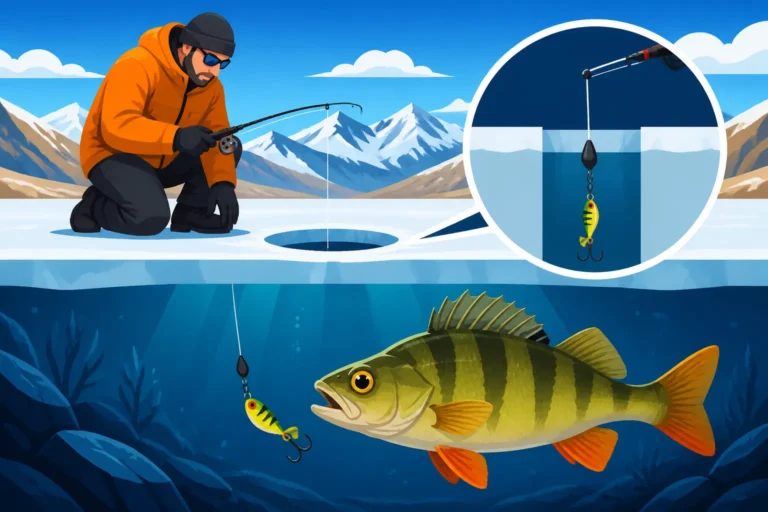
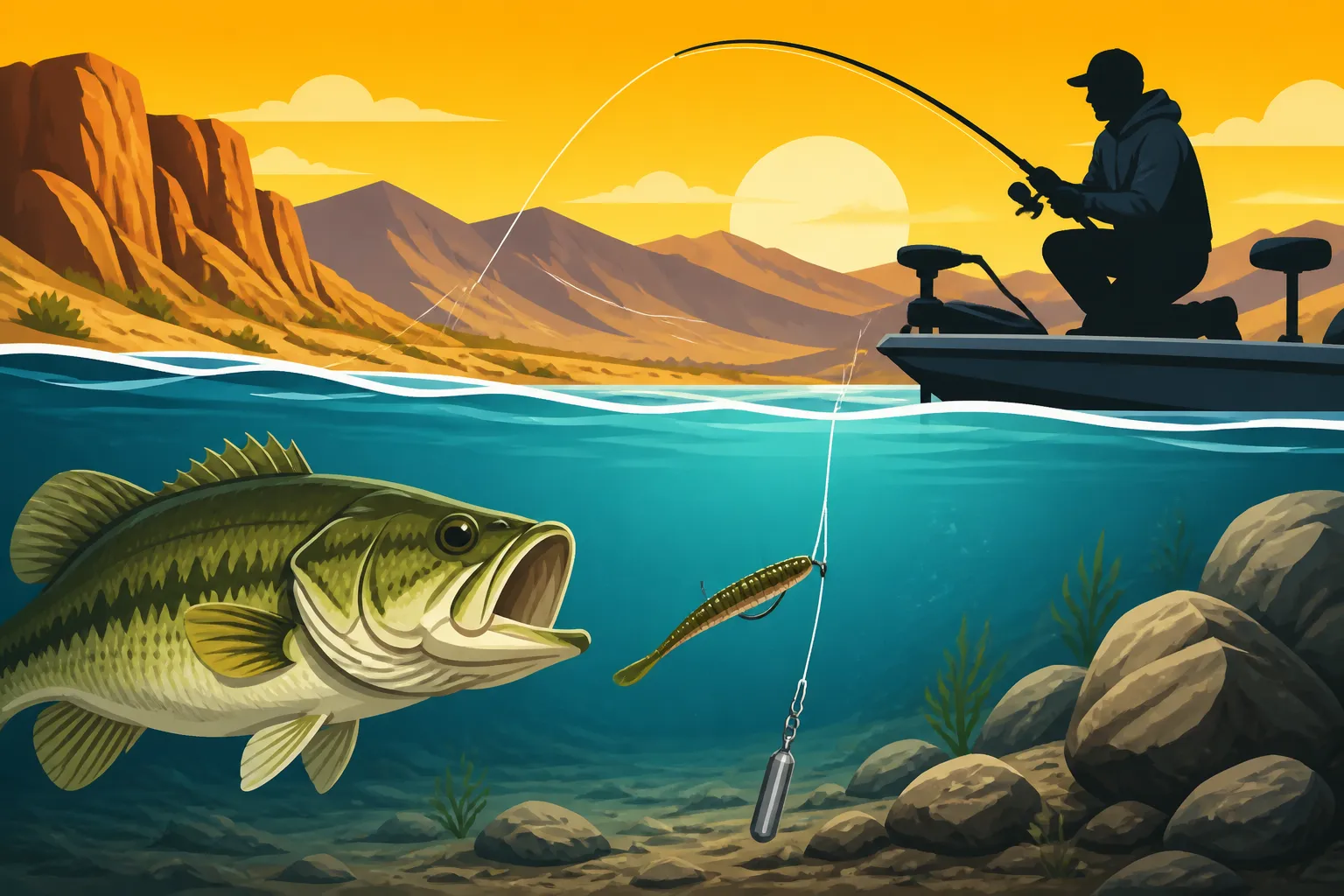
At its core, a drop shot rig is a simple setup where the hook is tied directly to your main line, and a weight is attached to the tag end of the line below the hook. This creates a vertical presentation where your bait is suspended at a specific depth above the bottom, rather than resting on it or dragging along. Think of it like a fixed bobber rig, but inverted for bottom contact.
This unique orientation means your bait hangs horizontally, mimicking a natural, free-swimming or suspended forage fish or insect. Unlike a Texas rig or a Carolina rig where your bait is tethered closely to the weight or free to roam, the drop shot allows your plastic to dance and quiver with the slightest rod movement, right in the fish's strike zone. This subtle action is incredibly appealing to cautious bass, especially when they're hunkered down on structure and not in an aggressive feeding mood. It’s a technique that prioritizes precision and natural motion over flash and commotion.
The Undeniable Advantages for Nevada Bass
Nevada's diverse fishing environments, from the vast rocky expanses of Lake Mead to the clear, deep waters of Lake Tahoe, often present challenges that the drop shot rig is perfectly suited to overcome.
One of the biggest advantages is its ability to keep your bait elevated off the bottom, regardless of the terrain. If you're fishing over rocky points, submerged brush piles, or even muddy flats, your bait isn't getting lost in the muck or snagged on every cast. This makes it ideal for targeting bass that are suspended just above structure. You can maintain constant bottom contact with your weight, feeling every nuance of the lakebed, while your bait hovers enticingly above it. This vertical control is crucial for pinpoint accuracy and longer dwell times in the strike zone. If you're looking to catch more fish, understanding How to Fish for Bass in Nevada with this kind of precision is paramount.
Moreover, the drop shot's subtle, finesse presentation is a major draw for pressured bass. In heavily fished areas, bass become wary of loud splashes, heavy lures, and unnatural movements. The drop shot allows you to present a small, lifelike bait with minimal disturbance, often coaxing bites from fish that would ignore a jig or a crankbait. This technique is equally effective for both big largemouth bass lurking in deeper coves and the hard-fighting smallmouth bass that inhabit rocky ledges. The ability to "dead stick" the bait, letting it sit and quiver in place, is often what seals the deal for these wary fish.
Setting Up Your Drop Shot Rig: Step-by-Step for Success
Getting your drop shot rig set up correctly is crucial for its effectiveness. It's not just about tying a hook; it's about matching your gear to the finesse nature of the presentation and the conditions you'll face on Nevada's waters.
Choosing the Right Gear for Nevada Waters
The right tackle makes all the difference when drop shotting. Since it's a finesse technique, lighter gear is generally preferred to maximize feel and sensitivity.
- Rod: A light to medium-light spinning rod, typically 6'6" to 7'6" in length, with a fast or extra-fast action, is your best friend. The fast action tip allows for subtle bait manipulation and detects even the lightest bites, while the backbone provides enough power to handle a good bass. You can find excellent options from brands available on Amazon, with many anglers favoring specialized drop shot rods that offer the perfect balance of sensitivity and power.
- Reel: A small, smooth spinning reel (size 1000 to 2500) that balances well with your rod is essential. Look for a reel with a good drag system, as you'll often be fighting fish on lighter line.
- Line: This is where things get a little technical. Most experienced drop shot anglers use a braided main line (6-10 lb test) for its incredible sensitivity and casting distance, tied to a fluorocarbon leader (4-8 lb test) using a small swivel or a double uni knot. The fluorocarbon leader is nearly invisible underwater, which is a huge advantage in Nevada's clear lakes, and it offers excellent abrasion resistance against rocks and structure. Having the right Best Line for Desert Reservoir Fishing can greatly improve your success.
- Hooks: Specialized drop shot hooks are available, often with a wider gap to accommodate various soft plastics. Straight shank, octopus, or wide-gap hooks in sizes #1 to #1/0 are common. Experiment with what works best for your chosen bait.
- Weights: Drop shot weights are typically cylindrical, pencil, or teardrop shaped, designed to minimize snags. They come in various sizes, from 1/8 oz for shallow water or calm conditions, up to 1/2 oz or more for deep water, strong currents, or windy days. The weight's job is to keep your bait stable and provide bottom contact, so choose one that allows you to maintain feel without being overly heavy. You can find diverse packs of these specialized weights on Amazon.
Tying the Perfect Drop Shot Knot and Rig
Tying a drop shot rig properly ensures your bait has the desired horizontal presentation and your knot holds firm against powerful bass.
- Tie the Hook: Take your fluorocarbon leader and thread it through the eye of your drop shot hook. Use a Palomar knot, which is incredibly strong and reliable. The key here is to tie the Palomar knot leaving a generous tag end – we're talking 12 to 36 inches, depending on how high you want your bait suspended off the bottom. Make sure the hook point is facing up once the knot is cinched and the line is pulled tight. This helps ensure proper bait presentation and a good hookset.
- Attach the Weight: Take that long tag end from your Palomar knot and tie your chosen drop shot weight to its end. Some specialized drop shot weights have a swivel or a line clip that makes this super easy, allowing you to quickly change weights without retying. If not, a simple overhand knot or an improved clinch knot will work just fine.
- Adjust Bait Height: The length of the tag end determines how far your bait will suspend above the weight. If you're fishing over short grass or sparse rocks, a 6-12 inch tag might be perfect. If you're working over tall weeds or deep boulders, you might want 18-24 inches to get your bait visible to the fish. You can always slide clip-on weights up or down to adjust your bait's height on the fly.
This setup ensures your bait is always visible and moving naturally, even when the weight is resting on the bottom.
Mastering Drop Shot Techniques: Where and How to Present Your Bait
Knowing where to cast and how to work your drop shot rig is just as important as having the right gear. This technique thrives on precision and a nuanced understanding of bass behavior.
Prime Locations for Drop Shotting in Nevada
The drop shot truly excels in areas where bass are congregating around vertical structure or holding slightly off the bottom. Think about the clear, rocky environments common in places like Lake Mohave Nevada Fishing Guide or the deep canyons of Lake Mead Nevada Fishing Guide.
- Rocky Points and Ledges: These are classic smallmouth bass haunts. The drop shot allows you to feel the contours of the rocks and ledges, presenting your bait right in their face without getting constantly snagged. Largemouth bass will also often use these structures for ambush points.
- Submerged Brush Piles and Timber: When bass tuck deep into brush, a traditional Texas rig might get through, but a drop shot allows your bait to hover tantalizingly above the branches, where fish can see it without you getting hopelessly hung up. You can feel the weight tapping the branches, knowing your bait is suspended just above.
- Deep Weed Lines and Grass Edges: Whether it's hydrilla in a shallow cove or coontail in deeper water, bass love to relate to the edges of vegetation. The drop shot keeps your bait clean and visible just above the tops of the weeds, making it easy for bass to spot and strike. This is where a slightly longer tag end on your weight can be beneficial.
- Docks and Pilings: Vertical structures like dock pilings or bridge abutments are magnets for bass. Pitching a drop shot alongside these structures allows your bait to slowly descend and hover at the fish's eye level, often triggering bites from fish holding tight to cover.
- Changes in Depth: Anywhere there's a significant break or transition in depth, bass will stage. Use your electronics to find these contours and present your drop shot precisely along them. How to Read a Reservoir for Bass Structure will help you identify these key areas.
The Art of Presentation and Retrieval
The beauty of the drop shot is its versatility in presentation. It's all about subtle movements and maintaining contact with your weight.
- Dead Sticking: This is often the most effective technique for finicky bass. Cast your rig out, let the weight sink to the bottom, and then simply let it sit. Keep a semi-slack line and watch for any twitch or movement in your line, which could indicate a bite. The subtle current in the water, or even the slight movement of your boat, will impart natural action to your suspended bait.
- Subtle Shaking: After dead sticking for a few seconds, gently shake your rod tip, just enough to make your bait quiver and dance. Imagine a baitfish struggling or an insect twitching. The key is to move only the bait, not the weight. Your weight should remain stationary on the bottom, acting as an anchor.
- Lift and Drop: Occasionally, after letting the bait sit or shaking it, you can slightly lift your rod tip a few inches, then let it fall back down. This mimics a baitfish trying to escape or a bug fluttering. Again, the movement should be subtle and controlled.
- Slow Drag: In some situations, especially when covering broader areas, you can slowly drag or hop your weight along the bottom. This works well on smoother bottoms or when you're searching for active fish. Always pause after a few feet to let the bait "settle" and give fish a chance to strike.
Remember, the goal is often to annoy the bass into biting, or to present a meal so easy they can't refuse. Patience is key with this technique.
Selecting the Best Baits for Nevada Bass
The drop shot rig is a finesse presentation, so your bait selection should reflect that. Smaller, more subtle soft plastics are generally the most effective.
- Small Worms: Think 3-6 inch straight-tail worms, often referred to as "finesse worms." Colors like green pumpkin, watermelon, brown, and natural shad patterns are perennial favorites for bass in clear water. Rig them nose-hooked or wacky-rigged through the middle for maximum action. If you're struggling to find the right ones locally, Amazon has a vast selection of soft plastics. For pressured fish, learning How to fish a finesse worm for pressured bass is a vital skill.
- Minnow Imitations: Small flukes, swimbaits, or soft plastic jerkbaits in natural colors (silver, white, clear with flecks) are deadly when bass are feeding on baitfish. Rig them nose-hooked to allow them to dart and glide realistically.
- Creature Baits: Tiny creature baits or crawfish imitations can also be effective, especially when bass are looking for crustaceans. Choose smaller profiles that match the finesse nature of the rig.
- Color Considerations: In Nevada's clear desert lakes, natural colors like green pumpkin, watermelon seed, and various shad patterns are almost always a safe bet. However, don't be afraid to experiment with brighter colors like chartreuse or junebug on overcast days or in slightly stained water. The Best plastic worm color for clear desert lakes will often be a subtle, natural hue.
Hooking your bait is important too. Nose-hooking a worm or minnow means simply piercing the very tip of the soft plastic with the hook point, leaving the rest of the bait free to wiggle. This offers the most natural movement and a great hook-up ratio.
Common Challenges and Troubleshooting Your Drop Shot
Even the most effective techniques come with their quirks. The drop shot is no exception, but with a little practice and understanding, you can overcome common frustrations.
Dealing with Snags and Break-Offs
One of the most common complaints about drop shotting is snagging, especially when fishing around the rough, rocky bottom structures that bass love in Nevada lakes.
- Weight Selection: The type of weight you use can significantly reduce snags. Cylindrical or "pencil" weights slide through rocks and crevices much better than traditional round or egg sinkers. Their slender profile makes them less likely to wedge. Also, consider the weight material; lead is common, but tungsten is much denser, allowing for smaller weights with the same sinking power, further reducing snags.
- Line Strength: While you want finesse, don't go too light on your fluorocarbon leader if you're fishing heavy cover. Bumping up from 4lb to 6lb or even 8lb test can make a huge difference in preventing break-offs when a big bass buries itself in brush or wraps your line around a rock. The braided main line, being more abrasion-resistant, also helps.
- Weight Retrieval: If you feel your weight snag, don't just yank hard. Give your rod tip a sharp, upward twitch. Often, this is enough to pop the slender weight free from a crevice. If that doesn't work, try letting your line go completely slack for a moment, then slowly raising your rod tip. Sometimes the weight will dislodge on its own. It's a delicate balance, but with practice, you'll learn when to pull and when to pause.
Reading the Bite and Hook Sets
Drop shot bites can be incredibly subtle, especially from finicky bass. It’s not always a violent thump like a crankbait strike.
- Line Watching is Key: Since you're often fishing with a semi-slack line, many bites will manifest as a slight twitch, jump, or simply a "tightening" of your line. If you see your line move sideways, stop moving, or suddenly go slack when it should be tight, set the hook! The high visibility of braided main line can be a real asset here.
- Feeling the "Tick": Sometimes, particularly with fluorocarbon leaders, you'll feel a faint "tick" or a spongy pressure through your rod. This is a bass mouthing or swimming off with your bait. Don't second-guess it; if it feels different, it's probably a fish.
- The Sweep Set: Unlike power fishing techniques that require a hard, overhead hookset, the drop shot often calls for a more gentle "sweep set." When you feel a bite, reel up the slack until you feel pressure, then sweep your rod sideways or upward in a smooth, controlled motion. The small, exposed hook of a drop shot rig is designed to penetrate easily with minimal force. A violent hookset can often pull the bait away from the fish or tear the hook free. Practice this gentle, yet firm, sweep to maximize your hook-up ratio.
Mastering the drop shot rig takes patience and a keen sense of feel, but the rewards are well worth it. It’s an invaluable technique for anyone serious about consistently catching bass in Nevada's beautiful but often challenging waters.
Disclaimer
This article is for general informational purposes only and does not constitute professional advice. Laws, prices and regulations vary by location and change over time. Consult a qualified professional for guidance on your specific situation.