Lake Mead Nevada Fishing Guide
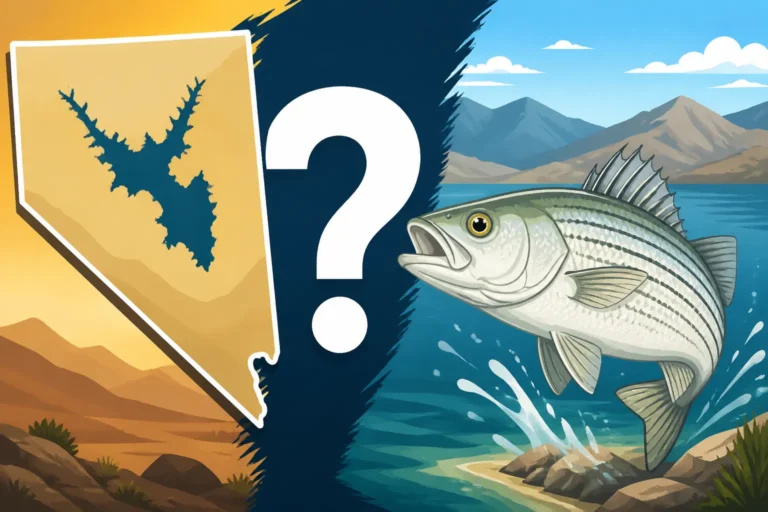
Lake Mead, a vast jewel in the Nevada desert, often leaves anglers scratching their heads. Its immense size, fluctuating water levels, and diverse fish populations can make planning a successful fishing trip feel overwhelming, especially if you're new to this iconic reservoir. But don't you worry, because this comprehensive guide is here to break down everything you need to know, from the best spots and species to the gear and techniques that will put fish in your net.
Understanding Lake Mead's Unique Fishing Environment
Lake Mead isn't just a big puddle; it's a dynamic, ever-changing ecosystem that demands respect and a bit of local knowledge to truly unlock its fishing potential. This massive reservoir, formed by the Hoover Dam on the Colorado River, stretches across both Nevada and Arizona, offering an incredible variety of aquatic habitats.
The Dynamic Nature of the Lake
Imagine fishing a lake that's constantly evolving – that's Lake Mead for you. Its sheer size means you're dealing with everything from shallow, brushy coves to deep, open-water basins that plunge hundreds of feet. The water clarity can vary wildly too; some areas are crystal clear, especially further up-lake, while others near river inflows can be more stained. This constant flux, driven by weather, water demands, and the natural cycle of the desert, is what makes Lake Mead both challenging and endlessly fascinating. You can't just expect the fish to be in the same spot doing the same thing every time you visit. It requires adaptability and a willingness to explore.
Anglers often get frustrated trying to find consistent patterns, but the trick is to understand that the "patterns" on Lake Mead are often tied to these larger environmental shifts. For example, a major shift in wind direction can completely change where baitfish gather, and where the predators follow. Understanding these subtleties is what separates a truly successful angler from one who's just casting blind. It's a game of observation as much as it is a game of skill.
Water Levels and Their Impact on Fishing
Perhaps the single biggest factor influencing fishing at Lake Mead is its fluctuating water level. Due to drought conditions and water allocations, the lake has seen significant drops over the years, which dramatically alters the available habitat and concentrates or disperses fish. When the water is low, many coves and points that once held fish become dry land, pushing fish into deeper water or new, less familiar areas. Conversely, rising water can flood new vegetation, creating fresh cover and feeding grounds that attract baitfish and their predators.
For an angler, this means you can't rely on fishing a spot simply because it was good last year, or even last month. You need to pay attention to current conditions. Satellite imagery can be a great tool to visualize how the shoreline has changed since your last visit. If a favorite brushy point is now a barren slope, the fish that lived there have certainly moved. This constant adaptation is a major part of fishing Lake Mead. It's not uncommon to see old boat ramps high and dry, or new sandy beaches emerge, completely reshaping the fishing landscape. Staying updated on the water levels is crucial for anyone planning a trip, and it directly influences where fish can hide, hunt, and spawn.
Navigating the Sheer Size and Diverse Habitats
Lake Mead is enormous, covering over 1.5 million acres when full, with a shoreline that stretches for hundreds of miles. This vastness can be daunting, especially for first-timers. You're not just fishing a single body of water; you're fishing a complex network of canyons, open basins, flooded river channels, and countless coves. The habitat types range from rocky ledges and steep drop-offs to sandy flats and areas with sparse submerged vegetation. Each type of habitat attracts different species and requires different approaches.
For example, the Boulder Basin area, closer to the Hoover Dam, is known for its deep, clear water and rocky structures, making it prime territory for striped bass and smallmouth bass. Further north, towards the Overton Arm, the lake becomes shallower, warmer, and often muddier, with more submerged brush and mud flats, which can be excellent for largemouth bass and catfish. The key is not to try and fish the entire lake at once, but to break it down into manageable sections and understand the specific characteristics of each. This is why having a good chart plotter or map is essential, helping you navigate and identify promising structures like submerged islands, creek channels, and humps that might hold fish. If you're looking for an overview of the whole region, check out our guide on the Best Places to Fish in Nevada for more context.
Key Fish Species to Target at Lake Mead
Lake Mead is a diverse fishery, but a few species really stand out as the primary targets for most anglers. Understanding their habits, preferred habitats, and feeding patterns is crucial for consistent success.
Striped Bass: The Lake's Top Predator
Ah, the striped bass – the undisputed king of Lake Mead for many anglers. These powerful, fast-growing predators roam the open waters and congregate in massive schools, often chasing shad. They're known for their aggressive strikes and hard fights, making them a thrilling catch. Stripers can be found throughout the lake, but are particularly prevalent in the main basin areas like Boulder Basin and the narrows near Black Canyon. Their diet consists primarily of threadfin shad, so understanding the shad's movements is key to locating stripers.
You'll often find stripers suspending in the water column, especially during the warmer months, or pushing baitfish against rocky points and shorelines in massive feeding frenzies. Early mornings and late evenings are prime times for topwater action, but during the day, they often retreat to deeper, cooler water. A good fish finder is your best friend when chasing stripers, as they often school up in impressive numbers. They can grow to considerable size here, with many anglers reporting catches in the 5-15 pound range, and trophy fish over 20 pounds not uncommon. If you're serious about targeting these powerhouses, you'll want to dive into our dedicated guide on How to Fish for Striped Bass in Nevada.
Largemouth and Smallmouth Bass: The Black Bass Challenge
Lake Mead offers fantastic opportunities for both largemouth and smallmouth bass, each with their own distinct preferences and fighting styles.
Largemouth Bass Habitat and Techniques
Largemouth bass in Lake Mead are often found in the shallower, more protected coves and arms, particularly where there's some form of cover. This could be submerged brush, flooded terrestrial vegetation, rocky points with deeper water access, or even man-made structures like docks and old foundations. They love to ambush prey, so pitching jigs, Texas-rigged worms, or spinnerbaits into thick cover can be incredibly effective. The Overton Arm and Callville Bay areas, with their slightly murkier water and more abundant structure, tend to be hotspots for largemouth.
During the spawn in spring, these fish move onto shallower flats and protected pockets, making them accessible to shore anglers as well. When the water levels fluctuate, their habitat can change dramatically, often concentrating them in remaining brushy areas or forcing them to adapt to new rocky structures. You might find yourself fishing a spot one month that's loaded with submerged trees, and the next month it's just a sandy bank, completely altering where the bass will be. Check out our detailed article on Where to catch largemouth bass at Lake Mead for specific location tips.
Smallmouth Bass: Rocky Dwellers
Smallmouth bass, on the other hand, are true lovers of rocky environments. You'll find them around ledges, steep drop-offs, boulder fields, and main lake points in the clearer, deeper sections of the lake. Areas like Boulder Basin, the main channel leading to the dam, and rocky islands are prime smallmouth territory. They are renowned for their acrobatic jumps and hard pulls, often fighting all the way back to the boat.
Techniques for smallmouth often involve finesse presentations, such as drop-shotting, Ned rigs, or small swimbaits fished along the bottom. Crankbaits and jerkbaits can also be very effective when retrieved over rocky structure or along bluff walls. Smallmouth bass are often more predictable in their haunts than largemouth, as their preferred rocky habitat is less affected by minor water level changes, though extreme drops can expose vast areas. Learning to identify underwater rock formations and structure with your electronics will significantly improve your smallmouth success. We cover more on these fascinating fish in our general guide to Smallmouth Bass Fishing in Nevada.
Channel Catfish and Panfish: Other Fun Catches
While stripers and bass get most of the attention, Lake Mead also offers excellent opportunities for other species, providing a fantastic change of pace or a great option for family fishing.
Pursuing Channel Catfish
Channel catfish are abundant throughout Lake Mead, especially in the shallower, warmer, and often muddier sections of the lake, like the Overton Arm and around Callville Bay. They are primarily bottom feeders and can be caught day or night using a variety of baits. Think smelly stuff: cut bait, stink baits, chicken livers, or even hot dogs. They provide a strong fight and are excellent table fare, making them a popular target.
Catfishing is often a relaxing affair, perfect for setting up camp on a shoreline and waiting for the bites. They are particularly active during the warmer months and into the night, where their keen sense of smell gives them an advantage. You can find them in deeper holes during the day, moving shallower onto flats and creek channels to feed after dark. Targeting these whiskered warriors can be a rewarding experience, especially on warm summer evenings when other species might be less active.
Panfish Opportunities
For families or those just looking for some consistent action, various panfish species like bluegill, sunfish, and crappie can be found in Lake Mead. These smaller fish tend to congregate around submerged brush, docks, and rocky shorelines, especially in protected coves. A simple bobber rig with a small hook and a piece of worm, corn, or tiny jig can yield plenty of bites.
While not as large or famous as the bass or stripers, panfish offer constant entertainment and are a great way to introduce kids to fishing. They are particularly active in spring and early summer when they move into shallower waters for spawning. Places like the Las Vegas urban ponds are regularly stocked with panfish, but out on Lake Mead, look for brushy cover in quiet coves. These fish are also excellent eating, fried up fresh after a fun day on the water.
Essential Gear and Tackle for Lake Mead Anglers
Heading out on Lake Mead unprepared is a recipe for frustration. Given the diverse species and vast environment, having the right gear is paramount to a successful and safe trip.
Rods, Reels, and Lines for Different Species
Matching your rod and reel setup to your target species is crucial for both enjoyment and effectiveness.
Striped Bass Setups
For striped bass, you'll want a medium-heavy to heavy action spinning or baitcasting rod, typically 6'6" to 7'6" in length. This gives you the power to cast heavier lures and baits, and the backbone to fight strong, fast-running fish. Pair it with a sturdy reel (spinning reel size 4000-6000 or a baitcaster with a good drag system) spooled with 15-30 pound monofilament or fluorocarbon line, or even heavier braided line (30-50 pound test) for more casting distance and sensitivity. Braided line is particularly effective when jigging deep or trolling, as it has no stretch, allowing you to feel every bump and strike. A good quality reel with a smooth, reliable drag is absolutely essential, as stripers will make powerful runs that can easily break lesser equipment.
Many anglers prefer a dedicated trolling setup if they're spending a lot of time searching for schooling stripers in open water, often using planer boards or downriggers to get lures to depth. When chasing topwater boils, a fast-action spinning rod allows for quick, accurate casts to the feeding frenzy.
Bass Fishing Rods and Reels
For largemouth and smallmouth bass, a versatile medium to medium-heavy action rod, around 6'6" to 7'3", is a good starting point. Spinning reels (size 2500-3000) are excellent for finesse techniques with lighter lines and smaller lures, while baitcasting setups are preferred for heavier cover, jigs, and larger crankbaits. Line choice will depend on the technique: 8-12 pound fluorocarbon or monofilament for sensitivity and invisibility in clearer water, or 20-30 pound braided line with a fluorocarbon leader when fishing in heavy cover or for power fishing.
Having a few different setups is ideal. For instance, a medium-heavy baitcaster with braided line for pitching jigs into brush, and a medium-light spinning rod with fluorocarbon for drop-shotting for smallmouth on rocky ledges. The specific techniques you employ for Bass Fishing in Nevada will heavily influence your rod and reel choices, so consider what you plan to target most.
Lures, Baits, and Terminal Tackle Recommendations
The sheer variety of lures and baits can be overwhelming, but a well-stocked tackle box for Lake Mead will cover all your bases.
Striped Bass Lures and Baits
For striped bass, live shad or anchovies are incredibly effective, whether fished on the bottom, under a bobber, or drifted. If live bait isn't an option, cut bait (like pieces of shad or anchovy) works well. Artificial lures include spoons (such as Kastmasters or A.C. Plugs) for jigging or casting, swimbaits (flukes, paddle tails) retrieved through schools, and topwater lures (pencil poppers, walking baits) for those exhilarating surface blow-ups. Trolling plugs like deep-diving crankbaits or bucktail jigs behind a boat are also a popular and effective method, especially for covering large areas to find fish.
A variety of hook sizes (1/0 to 4/0 circle hooks for bait, trebles for lures), swivel weights (1/2 oz to 2 oz for bottom fishing), and leaders (fluorocarbon is preferred) are essential. Remember that stripers are often found near structure or feeding on baitfish, so having lures that imitate these conditions is key.
Bass Fishing Lures and Baits
For largemouth bass, stock up on Texas-rigged plastic worms, creature baits, jigs (especially in darker colors like black and blue), spinnerbaits, and crankbaits. Topwater frogs and poppers can be thrilling in shallow, weedy areas. Smallmouth bass often prefer finesse baits like drop-shot worms, Ned rigs, small grubs, tubes, and jerkbaits, as well as smaller crankbaits that imitate crawfish or shad. Colors that mimic local forage, like shad (silver, white, chartreuse), crawfish (brown, green pumpkin), and bluegill (greens, blues, oranges), are always good choices.
Having a range of hooks (EWG hooks for Texas rigs, straight shank for jigs, finesse hooks for drop shots), weights (bullet weights for Texas rigs, tungsten drop shot weights), and swivels will ensure you can rig up for any situation. Don't forget a good pair of pliers for removing hooks and cutting line. For a general overview, our Nevada Fishing Gear Essentials guide has more great tips.
Boating and Safety Equipment Considerations
Lake Mead is a big lake, and safety should always be your top priority, whether you're in a boat or fishing from shore.
Essential Boat Safety Gear
If you're heading out on the water, you absolutely must have all required safety gear. This includes U.S. Coast Guard-approved life jackets for everyone on board, a throwable flotation device, a sound-producing device (horn or whistle), navigation lights if operating before sunrise or after sunset, a fire extinguisher, and visual distress signals (flares or a distress flag). Having a well-maintained anchor with enough rode (rope) to hold your boat in windy conditions is also critical. A good quality first-aid kit, extra water, and sun protection are non-negotiable.
Additionally, a reliable marine radio or fully charged cell phone (though service can be spotty in some areas) for emergencies is a smart choice. Check the weather forecast before you go, as conditions can change rapidly on Lake Mead, with strong winds capable of creating dangerous chop. Knowing the Nevada Boater Education Card Requirement is also key for many operators.
Shore Fishing and Personal Safety
Even if you're just fishing from shore, personal safety is important. Wear appropriate footwear with good grip, especially on rocky or uneven terrain. Carry plenty of water, as the desert heat can be extreme, and remember sun protection (hat, sunglasses, sunscreen, long sleeves). A headlamp or flashlight is crucial for early morning starts or fishing into the evening. Always tell someone where you're going and when you expect to return, especially if you're exploring less-traveled areas. The vastness and ruggedness of Lake Mead's shoreline demand respect.
Effective Fishing Techniques for Lake Mead's Waters
Success on Lake Mead often boils down to knowing the right techniques for the right species and conditions. It's a vast classroom, and every trip teaches you something new.
Targeting Striped Bass: Trolling, Baiting, and Jigging
Striped bass are aggressive feeders, and there are several highly effective ways to put them in the boat.
Trolling for Open Water Stripers
Trolling is perhaps one of the most popular and effective methods for covering large expanses of water and locating schools of striped bass, especially when they're scattered or suspending in deeper water. Using deep-diving crankbaits, spoons, or umbrella rigs behind your boat at varying depths and speeds can entice strikes. Pay close attention to your fish finder; once you mark a school, adjust your lures to run at that specific depth.
Many anglers use planer boards to spread out multiple lines, increasing their chances of hitting a feeding lane. Experiment with different colors and sizes of lures until you find what the stripers are keying in on that day. Trolling allows you to explore vast areas like the Boulder Basin or the main channel, searching for active fish. It's a particularly effective technique during warmer months when stripers are often deeper in the water column.
Bait Fishing for Stripers
Bait fishing can be incredibly productive for striped bass, especially when targeting them from shore or when they're holding in specific areas. Live anchovies or shad, if you can get them, are irresistible to stripers. You can fish them on a simple Carolina rig near the bottom or under a bobber at a suspended depth. Cut bait, like pieces of shad or mackerel, also works very well, emitting a scent trail that attracts stripers from a distance.
When shore fishing, casting out a weighted bait rig and letting it soak can be very effective, especially during low light hours or at night. Boat anglers will often anchor up on a productive hump or point and present baits to schooling fish below. Always keep an eye on your rod, as stripers often hit hard and fast! We've got more in-depth strategies in our guide on How to Catch Striped Bass in Nevada.
Jigging and Topwater Excitement
When stripers are actively chasing baitfish near the surface, often identified by birds diving or visible boils, topwater lures become incredibly exciting. Pencil poppers, walking baits, and lipless crankbaits cast into the fray can result in explosive strikes. It's a visual, adrenaline-pumping way to catch them. For a real thrill, check out Best time of day to catch striped bass at Hemenway Bay for some great topwater action tips.
When stripers are holding deeper, vertical jigging with heavy spoons (like a 1 oz to 3 oz Kastmaster) or blade baits can be deadly. Drop the jig to the desired depth, lift it sharply, and let it flutter back down on a semi-slack line. Many strikes occur on the fall. This technique is fantastic when you've located a dense school on your fish finder and want to target them precisely.
Pursuing Largemouth and Smallmouth Bass
Catching black bass on Lake Mead requires different tactics, often focused on structure and precision.
Largemouth Bass Strategies
For largemouth bass, focus on structure. This means pitching jigs and Texas-rigged soft plastics into submerged brush, around rock piles, or along ledges in coves. Flipping and pitching allow for accurate presentations in tight cover. Crankbaits are excellent for covering water along rocky banks and points, especially those with varying depths. Spinnerbaits and chatterbaits can be very effective when bass are active and feeding in murkier water or around scattered cover.
During the spawn in spring, focus on shallow, protected pockets and flats, using soft plastics or jigs that mimic crawfish. In summer, they might retreat to deeper cover or shady spots. Remember to vary your retrieve until you find what triggers a strike. A slower retrieve often works best when bass are less active, while a faster, erratic retrieve can trigger reaction bites. For the ultimate guide on these fascinating fish, refer to our comprehensive article on Largemouth Bass Fishing in Nevada.
Smallmouth Bass Tactics
Smallmouth bass are typically found in clearer, rockier areas. Drop-shotting is a go-to finesse technique, presenting a small soft plastic worm or creature bait just above the bottom. Ned rigs, small grub jigs, and tubes are also incredibly effective when fished slowly along rocky ledges and points. For more aggressive fish, jerkbaits and small crankbaits that imitate shad or crawfish can be deadly when retrieved with a stop-and-go action.
When fishing for smallmouth, it's often about finding those subtle changes in bottom contour – a transition from rock to sand, a small hump, or a submerged boulder field. Electronics are invaluable for identifying these key structures. Don't be afraid to experiment with different depths; smallmouth will often suspend just off a drop-off or relate tightly to bottom structure. We also have a guide specifically on Smallmouth Bass Fishing in Nevada for more detailed insights.
Night Fishing and Shore Fishing Strategies
Lake Mead offers unique opportunities for both night fishing and productive shore angling.
The Magic of Night Fishing
Night fishing on Lake Mead can be incredibly rewarding, especially during the hot summer months when fish move shallower to feed under the cover of darkness. Striped bass and channel catfish are prime targets at night. For stripers, focus on main lake points, coves, and areas where baitfish might congregate, using glow-in-the-dark lures, jigs, or live/cut bait. The lack of boat traffic and cooler temperatures make for a much more peaceful and often productive experience.
Catfish, as mentioned, are also highly active at night. Set up with your favorite smelly baits in shallower coves or along mud flats. Always have proper lighting (headlamps, boat lights), tell someone your plans, and be aware of your surroundings when fishing after dark. It's a completely different atmosphere out on the lake after the sun goes down, and some of your biggest catches might happen under the stars. Speaking of which, you might be wondering, Is fishing allowed at night at Lake Mead?.
Productive Shore Fishing Spots
While a boat gives you access to the entire lake, there are many productive spots for shore anglers, particularly for those targeting bass, catfish, and even some stripers. Hemenway Harbor, Government Wash, and areas around Callville Bay offer accessible shoreline with good fishing opportunities. Look for points, coves, and areas with some submerged structure that you can reach with a cast.
Shore fishing is perfect for a relaxed day with family or friends. A simple setup with a bobber and bait for panfish, or a Carolina rig with cut bait for catfish, can be very effective. For bass, try casting jigs or soft plastics along the banks. Remember to clean up after yourself, pack out all trash, and respect the natural beauty of the area. For specific shore access points, our guide on Hemenway Bay Fishing Access and Government Wash Fishing Access can provide some excellent starting points.
Top Fishing Spots and Access Points Around Lake Mead
Lake Mead's vastness means there are countless fishing spots, but a few areas consistently prove to be productive for different species and fishing styles.
Popular Coves and Bays for Bass and Stripers
Knowing where to start can be half the battle on a lake this size. Certain coves and bays are renowned for their fish populations.
Boulder Basin and Hemenway Bay
The Boulder Basin, being one of the deepest and clearest sections of the lake, is a prime location for both striped bass and smallmouth bass. Its numerous rocky points, ledges, and deep-water access make it ideal for trolling for stripers or drop-shotting for smallmouth. Hemenway Bay, a prominent arm of the Boulder Basin, offers excellent shore fishing opportunities, particularly for striped bass and sometimes largemouth bass around its scattered brush and rock piles. Early mornings and evenings often see stripers pushing shad to the surface in this area.
This part of the lake is also easily accessible from the Las Vegas area, making it a popular choice for local anglers and visitors alike. The clear waters here often demand more finesse presentations and longer leaders for wary fish, but the rewards can be significant, especially during peak seasons.
Callville Bay and Overton Arm
Moving further north, Callville Bay and the expansive Overton Arm offer a different character to Lake Mead fishing. These areas tend to be shallower, warmer, and often have more stained water, especially near the Virgin and Muddy River inflows. This environment is fantastic for largemouth bass, channel catfish, and various panfish. The Overton Arm is known for its extensive submerged brush, old river channels, and mud flats, which provide excellent cover for largemouth.
Fishing jigs, Texas-rigged plastics, and spinnerbaits into the cover in these areas can be highly productive. Catfish anglers often find great success here as well, particularly at night. The sheer size of the Overton Arm means there are endless coves and pockets to explore, each with its own unique potential. While the clarity might not be as pristine as the Boulder Basin, the abundance of cover makes it a bass angler's paradise. For specific spots within this productive area, refer to our list of Lake Mead Largemouth Bass Coves.
Shoreline Access and Urban Fishing Opportunities
Not everyone has a boat, and Lake Mead offers plenty of options for fishing from solid ground.
Accessible Shorelines for Anglers
Many areas around Lake Mead provide excellent public shoreline access. Beyond Hemenway Bay and Government Wash, places like Las Vegas Bay, Kingman Wash, and various picnic areas within the Lake Mead National Recreation Area offer spots where you can cast a line. These areas are often well-maintained and provide facilities like restrooms and parking.
Shore fishing can be incredibly relaxing, allowing you to enjoy the stunning desert scenery without the hassle of launching a boat. It's also a great way to introduce beginners and children to fishing. You might not always catch the biggest fish from shore, but the consistent action from panfish and smaller bass can make for a memorable outing. Always be mindful of local regulations and posted signage regarding fishing access.
Fishing Near Las Vegas and Boulder City
For those staying in the Las Vegas or Boulder City areas, Lake Mead is practically on your doorstep. The closest and most accessible spots are typically around Boulder City, including Hemenway Harbor and the Boulder Basin. These locations offer a quick escape to the water, whether you're bringing your own gear or even considering a guided trip.
While there aren't "urban ponds" on Lake Mead itself, the proximity of the lake to these cities makes it an incredibly convenient fishing destination. For information on local city ponds that are regularly stocked, you'd want to look into the Las Vegas Nevada Urban Pond Fishing Guide, which caters to easy-access fishing within the urban sprawl. However, for the true desert reservoir experience, Lake Mead is just a short drive away.
Navigating Marinas and Boat Ramps
For boaters, understanding the marinas and boat ramps is essential for a smooth and enjoyable trip.
Major Marinas and Services
Lake Mead boasts several full-service marinas that offer everything from boat rentals and fuel to supplies, restaurants, and lodging. These include Lake Mead Marina, Callville Bay Marina, Las Vegas Boat Harbor, and Temple Bar Marina (on the Arizona side). These marinas are crucial hubs for anglers, providing convenient access to various parts of the lake. They often have tackle shops where you can get up-to-date fishing reports, purchase local baits, and stock up on gear.
Keep in mind that due to fluctuating water levels, some marinas and their services might be impacted. Always check ahead for current conditions and availability, especially if you're planning on launching a larger vessel. They are also excellent places to gather information about recent fish activity and hotspots from other anglers or guides.
Public Boat Ramps and Launch Considerations
Beyond the marinas, numerous public boat ramps provide access to Lake Mead. However, due to the varying water levels, some ramps might be closed or have limited access at certain times of the year. Always consult the National Park Service website or call ahead to verify the status of boat ramps before heading out. Popular ramps include Hemenway, Callville Bay, Echo Bay, and Temple Bar.
When launching your boat, be prepared for potentially steep ramps and sometimes crowded conditions, especially on weekends. Ensure your boat and trailer are in good working order, and always follow safe launching and retrieval procedures. Remember, a valid Nevada boat registration for anglers is required for motorized vessels, and you might need to understand the Nevada Boat Registration Fees by Length if you're bringing a boat from out of state or purchasing a new one.
Seasonal Fishing Strategies for Success on Lake Mead
Lake Mead's fishing patterns are heavily influenced by the changing seasons, with temperature being a primary factor. What works in spring might not work in summer, so adapting your strategy is key.
Spring: Spawning Season Excitement
Spring is arguably one of the most exciting times to fish Lake Mead. As water temperatures begin to rise, fish become incredibly active, feeding aggressively after the colder winter months and preparing for their annual spawn.
Bass Spawning and Shallow Water Action
In spring, typically from March through May, largemouth and smallmouth bass move into shallower coves and protected flats for their spawning ritual. This is when sight fishing can be incredibly effective, targeting bass on their nests. Focus on areas with soft bottoms, submerged brush, or rocky points in 3-15 feet of water. Jigs, creature baits, and soft plastics are excellent for triggering strikes from protective parent fish.
Striped bass also become very active, chasing shad in the warming waters. You'll often find them cruising points and humps, and topwater action can be phenomenal in the mornings and evenings. Catfish also start to wake up and feed more consistently. This is a prime time for both quantity and quality catches, as fish are typically shallower and more concentrated. Understanding the specific Nevada Bass Season and Spawn Timing can give you a significant edge.
Trout Stocking and Feeding Frenzies
While Lake Mead is primarily known for its bass and stripers, trout are also stocked, particularly in the cooler months, providing an additional target. In spring, as water temperatures are still comfortable, recently stocked trout can provide fast action, especially in specific areas near stocking points. They'll readily hit small inline spinners, PowerBait, or worms. While not a primary trout destination like some of Nevada's other lakes, these stocked opportunities can be great for quick limits and family fun. For more on this, check out the Nevada Trout Stocking Schedule.
Summer: Battling the Heat and Targeting Deep Fish
Summer on Lake Mead means heat, and often, deeper fish. Adapting to the extreme desert temperatures is critical.
Deep Water Stripers and Bass
As surface water temperatures soar into the 80s and even 90s, most fish retreat to cooler, deeper water. Striped bass will suspend in the main lake basins, often 30-100 feet deep, chasing schools of shad. Trolling with downriggers or heavy spoons is often the most effective way to reach them. Largemouth and smallmouth bass will also seek refuge in deeper cover, relating to structure like submerged ledges, humps, and brush piles in 20-50 feet of water.
Jigging spoons, deep-diving crankbaits, and slow-rolling swimbaits along the bottom or through suspended schools are key techniques. Early morning, late evening, and night fishing become paramount for shallow water action, as fish will briefly move up to feed under lower light conditions. Our guide on Summer Fishing Techniques for Hot Desert Lakes provides in-depth strategies for these challenging conditions.
Night Fishing for Catfish and Stripers
Night fishing truly shines in the summer. The cooler night air makes for a more comfortable experience, and many species, especially channel catfish and striped bass, become very active. Catfish will move into shallower coves and flats to feed on cut bait or stink bait, while stripers can be found cruising points and shorelines, often chasing baitfish near the surface under the moon.
Using submersible lights to attract baitfish can be incredibly effective for enticing stripers to come closer to your boat or shore. Always bring plenty of water, a good headlamp, and bug spray if you're planning a summer night outing. The peace and quiet of the lake after dark, coupled with the potential for big fish, make it an unforgettable experience.
Fall and Winter: Cooler Waters, Active Fish
The cooler months offer some of the most consistent and comfortable fishing on Lake Mead, as fish become more accessible and aggressive.
Fall Feeding Frenzies
As autumn arrives and water temperatures begin to drop, fish sense the approaching winter and enter a major feeding period. Striped bass often become very active, schooling up and pushing shad in explosive surface boils that can last for hours. Trolling, casting topwater lures, spoons, and swimbaits are all highly effective. Bass also become more aggressive, feeding on crankbaits, spinnerbaits, and jigs around rocky points and channel swings.
The comfortable weather and active fish make fall a favorite season for many Lake Mead anglers. This is a fantastic time for both numbers and trophy-sized fish, as they are actively bulking up for winter. The transition zones where warm water meets cooler water can be particularly productive.
Winter: Deeper Patterns and Ice Fishing Potential
Winter on Lake Mead sees fish moving into their deeper, more predictable haunts. Striped bass will typically be found in the main channels and basins, often suspending over deep water. Trolling deep-diving lures or vertical jigging with heavy spoons are productive methods. Largemouth and smallmouth bass will relate to deep structure like humps, ledges, and channel edges, often in 30-60 feet of water. Finesse techniques like drop-shotting, Ned rigs, and slow-crawling jigs become very effective.
While Lake Mead itself generally doesn't freeze enough for ice fishing, nearby higher elevation lakes in Nevada do offer this unique experience. However, on Lake Mead, winter fishing means bundling up, but the rewards can be great, with less boat traffic and often larger, slower-moving fish. The water clarity can also be excellent, making it crucial to use lighter lines and more subtle presentations. If you're looking for information on fishing during specific months, our Nevada Fishing Seasons by Month guide can offer more specific insights.
Regulations, Licenses, and Responsible Angling
Before you even think about casting a line, understanding the rules and regulations for fishing in Nevada, especially on a unique body of water like Lake Mead, is crucial. It’s not just about avoiding fines; it’s about preserving the fishery for future generations.
Understanding Nevada's Fishing License Requirements
First things first: you need a fishing license. Almost everyone 12 years or older who wants to fish in Nevada waters needs a valid license. This applies whether you're a resident or a non-resident, and whether you're fishing from a boat or from shore.
Resident and Non-Resident License Options
Nevada offers a variety of licenses, from annual permits to short-term options like a 1-day or 5-day license, which are perfect for visitors on a short trip. Residents typically enjoy lower prices, as their taxes help fund conservation efforts. Non-residents, however, will pay a higher fee. You can purchase these licenses online through the Nevada Department of Wildlife (NDOW) website, or in person at many sporting goods stores and authorized vendors throughout the state. It’s always a good idea to buy your license before you head out, as cell service can be spotty in remote areas around the lake. For a full rundown on your options, check out our comprehensive Nevada Fishing License Guide or delve into specifics like Nevada 1-Day Fishing Permit Details.
Special Permits and Endorsements
While a general Nevada fishing license covers most species in Lake Mead, it's always wise to double-check if any special endorsements are required. For instance, if you were fishing for trout in certain other Nevada waters, you might need a separate trout stamp, though this is less common for Lake Mead's primary species. Also, keep in mind that Lake Mead spans both Nevada and Arizona. While a Nevada license is valid on the Nevada side of the lake, if you cross into Arizona waters, you would need an Arizona fishing license or a valid Arizona/Nevada reciprocal agreement license. Always be aware of your location, especially near the state line. If you fish a lot, a Nevada Combination Hunting and Fishing License might be a cost-effective option.
Lake Mead's Specific Rules and Advisories
Being part of a National Recreation Area and a shared resource, Lake Mead has specific rules beyond general state regulations.
Bag Limits and Size Restrictions
NDOW sets specific daily bag and possession limits for each species, as well as size restrictions for some. For example, striped bass often have a generous bag limit, reflecting their abundant population. Largemouth and smallmouth bass typically have stricter limits and sometimes minimum size requirements to protect younger fish and ensure sustainable populations. It's imperative to consult the current Nevada Fishing Regulations Explained booklet, available online or at license vendors, before each trip.
These regulations can change, so never rely on old information. Violating bag or size limits can result in significant fines and penalties. Always count your fish carefully and use a measuring tape if there's a size restriction. This also applies to the use of specific baits, like live bait restrictions in certain areas to prevent the spread of invasive species.
Invasive Species and Aquatic Nuisance Control
Lake Mead has unfortunately been impacted by invasive species, most notably quagga mussels. These mussels can wreak havoc on ecosystems and foul boats and equipment. As a result, strict regulations are in place to prevent their spread. Boaters are required to "Clean, Drain, and Dry" their vessels and gear after every use. This means removing all visible mud, plants, and animals, draining all water from the boat (including the bilge, livewells, and motor), and allowing the boat to completely dry before launching in another body of water.
Failure to comply with these rules can result in fines and impoundment of your vessel. It's a critical step every angler must take to protect Lake Mead and other Nevada waters from further ecological damage. Always be vigilant about inspecting your gear, waders, and anything that comes into contact with the water.
Conservation and Ethical Fishing Practices
Responsible angling is about more than just following the rules; it's about being a steward of the environment.
Catch and Release Best Practices
While many species in Lake Mead are excellent table fare, practicing catch and release for certain species, especially larger bass, can help maintain healthy populations and improve future fishing opportunities. If you plan to release fish, handle them with care. Minimize their time out of the water, use wet hands to avoid removing their protective slime coat, and revive them gently if they seem lethargic before releasing. Barbless hooks can also make for easier and less damaging releases.
Consider the water temperature; in very warm water, fish are more stressed, and their survival rate after release can be lower. In such cases, if you plan to keep fish, it's better to do so, or simply limit your catch to reduce stress on the population.
Respecting the Environment and Other Anglers
Lake Mead is a shared resource, and respecting both the environment and other users is paramount. Pack out everything you pack in – absolutely no littering. Be mindful of noise levels, especially early in the morning or late at night. Give other anglers plenty of space, whether they're in a boat or fishing from shore.
Understanding and respecting the natural beauty of the Lake Mead National Recreation Area ensures that this incredible fishing destination remains a pristine and enjoyable place for everyone, for many years to come. It’s also important to be aware of any Does Lake Mead have designated no-fishing zones? to ensure you're always fishing legally and ethically.
Planning Your Lake Mead Fishing Adventure
A little planning goes a long way when preparing for a trip to Lake Mead. It's not just about the fishing; it's about the entire experience.
Lodging, Amenities, and Local Resources
Knowing where to stay and where to find supplies can significantly enhance your trip.
Accommodations Around the Lake
Lake Mead offers a range of lodging options, from primitive camping in designated areas within the National Recreation Area to RV parks with full hookups and even hotels in nearby Boulder City or Las Vegas. The marinas often have limited lodging options or cabins available, which can be incredibly convenient for early morning starts.
If you prefer to rough it, there are numerous undeveloped campsites accessible by car or boat, offering stunning views and a true wilderness experience. For those who want more comfort, Boulder City offers a quaint, historic stay with easy access to the lake, while Las Vegas provides all the amenities and entertainment you could imagine, just a short drive away. Plan your accommodation based on your budget and desired level of comfort, and consider proximity to your preferred fishing spots.
Tackle Shops and Local Intel
Local tackle shops are invaluable resources. They not only stock the right baits and lures for current conditions but also offer up-to-the-minute fishing reports and local intel that you won't find anywhere else. Shops like Bass Pro Shops or Sportsman's Warehouse in the Las Vegas area are large retailers, but smaller local shops often have a deeper understanding of specific lake conditions and what the fish are biting on.
Don't be shy; ask the staff what's working, where people are catching fish, and if there are any particular patterns. They are often fellow anglers and are usually happy to share their knowledge. This local advice can be the difference between a frustrating day and a successful one.
Hiring a Professional Fishing Guide
For those new to Lake Mead or looking to maximize their chances, hiring a professional guide can be a game-changer.
Benefits of a Guided Trip
A professional fishing guide offers unparalleled local knowledge. They know the best spots, the current patterns, the right techniques, and what baits are working. They also provide all the necessary gear, tackle, and often, snacks and drinks, allowing you to simply step on the boat and focus on fishing. This is especially beneficial on a lake as large and complex as Lake Mead. A good guide can teach you techniques, help you understand fish behavior, and put you on fish when you might otherwise struggle.
It's an investment, but for many, it's worth every penny, especially if you're on a limited vacation or want to learn the ropes quickly. Guides are also well-versed in safety protocols and regulations, ensuring a compliant and safe trip. If you're looking for an experienced pro, consider using a service like FishingBooker to find a reputable Lake Mead fishing guide with excellent reviews and a proven track record.
What to Expect and How to Choose
When choosing a guide, look for someone with specific experience on Lake Mead, particularly with the species you want to target. Check their reviews, ask about their boat and safety equipment, and discuss what a typical day looks like. Be clear about your expectations – are you looking for a trophy fish, or just some consistent action?
Most guided trips are full-day or half-day excursions. Be prepared for early starts, especially in summer, as the best fishing often occurs during cooler parts of the day. A guided trip isn't just about catching fish; it's about learning the lake, understanding its nuances, and making lasting memories with an expert at your side.
Tips for a Safe and Enjoyable Trip
Beyond fishing, your overall experience on Lake Mead can be greatly impacted by a few simple precautions.
Weather Preparedness
The desert climate around Lake Mead can be extreme and unpredictable. Summers bring scorching temperatures, often exceeding 100°F, while winters can be surprisingly chilly, especially on the water. Wind is also a significant factor, capable of whipping up dangerous waves on this vast lake. Always check the weather forecast before you head out and be prepared for sudden changes. This means bringing layers of clothing, plenty of sun protection (hats, sunglasses, sunscreen, long-sleeved shirts), and a rain jacket, even if rain isn't initially forecast. Staying hydrated with plenty of water is absolutely crucial in the desert heat.
Emergency Planning
Always inform someone of your float plan, including where you're going, when you expect to return, and who is with you. Have a fully charged cell phone, but don't rely on it exclusively, as service can be spotty. A marine radio for boaters is a smart safety investment. Know the locations of safety equipment on your boat and how to use them. Understand basic first aid. In case of an emergency, knowing who to call (Lake Mead National Recreation Area Rangers, Coast Guard, local authorities) and being able to accurately describe your location can be life-saving. Remember, the nearest help can be a long way off on such a vast body of water. Having a clear plan can turn a potentially dangerous situation into a manageable one.
Disclaimer
Please remember that fishing regulations, water conditions, and fish populations can change. Always check the latest Nevada Department of Wildlife (NDOW) regulations before your trip. The information provided in this guide is for general informational purposes only and does not constitute professional advice. Fish consumption advisories may also be in effect for certain species or waters; check with NDOW for current guidelines. Fishing and boating involve inherent risks, so always prioritize safety and use appropriate protective gear.