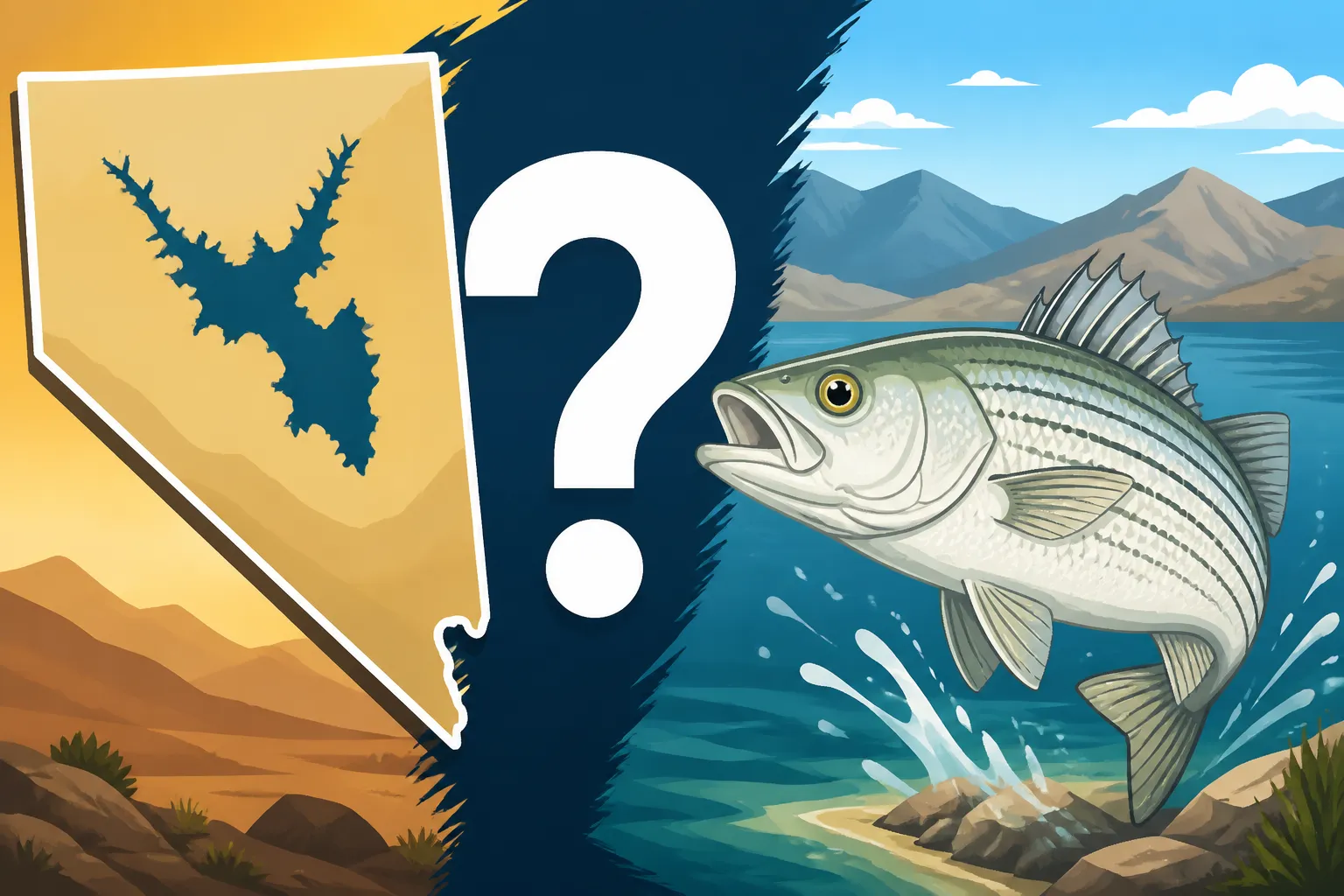
Does Rye Patch Reservoir have white bass?
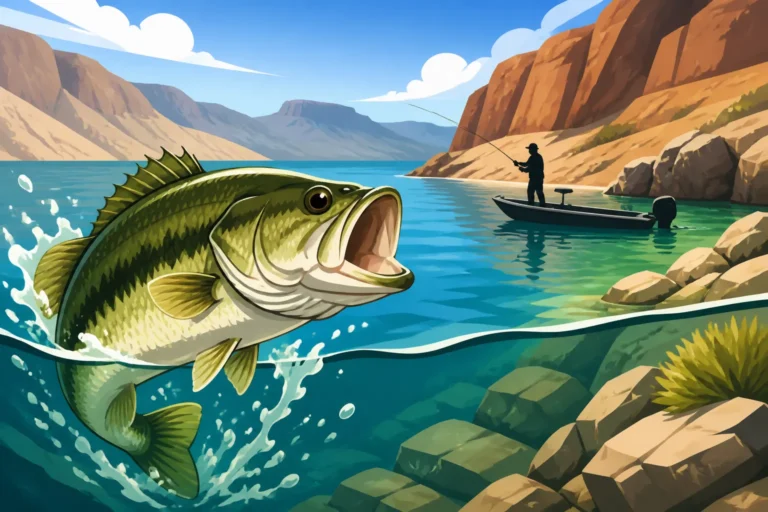
Oh, the question of white bass at Rye Patch Reservoir! It's one that pops up surprisingly often among anglers, especially those of us who've spent countless hours staring at the beautiful, often mysterious waters of Nevada's reservoirs. You're out there, casting your line, maybe pulling in some walleye or a feisty wiper, and you start to wonder if those schooling fish you're seeing could be the elusive white bass. It’s a completely fair thought, and frankly, it can be a little frustrating trying to get a clear answer. This guide is here to untangle that mystery for you, diving deep into what actually swims in Rye Patch and how to make the most of your fishing trips there.
Understanding Rye Patch Reservoir's Fish Population
Rye Patch Reservoir, nestled along the Humboldt River near Lovelock, Nevada, is a jewel in the high desert. It’s a place that holds a lot of promise for anglers, but like many desert reservoirs, its fish populations are quite specific, often a result of deliberate stocking efforts by the Nevada Department of Wildlife (NDOW) and the unique environment itself. When you’re looking for a particular species, it’s always best to understand the broader ecosystem first.
Primary Game Fish Species at Rye Patch
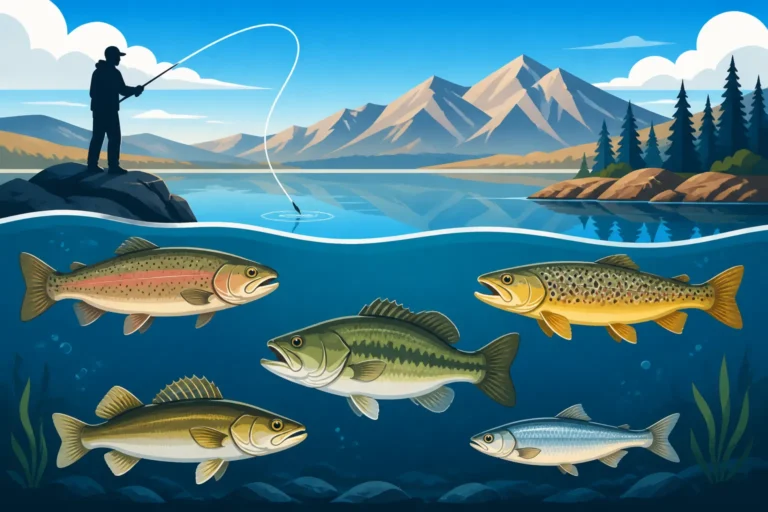
When you talk about Rye Patch Reservoir, a few key species immediately come to mind for most seasoned Nevada anglers. The absolute superstars here are undoubtedly the walleye and the hybrid striped bass, affectionately known as "wipers." Walleye, with their distinctive milky eyes and delicious fillets, draw a lot of attention, and Rye Patch has a robust population of them. Anglers often spend hours trolling or jigging for these toothy predators, especially during the cooler months. Wipers, on the other hand, offer an incredible fight. These feisty hybrids, a cross between striped bass and white bass, are known for their power and speed, making for an exhilarating catch. They often school up and chase baitfish, providing some truly memorable topwater action.
Beyond these two heavy hitters, Rye Patch also boasts a healthy population of crappie. These panfish are a favorite for many, especially families or those looking for a more relaxed day of fishing. You can find both black and white crappie, often hiding around submerged brush or structure. Channel catfish are also abundant, offering a fantastic opportunity for those who enjoy bait fishing, particularly in the warmer evenings. Then there are carp and various sunfish, which might not be the primary target for everyone but certainly add to the rich biodiversity of the reservoir. Understanding these dominant species is crucial because it helps set expectations and informs your fishing strategy. For a broader look at the state's aquatic residents, check out our comprehensive Nevada Fish Species Guide.
The Elusive White Bass Question at Rye Patch
Now, let's get right to the heart of the matter: does Rye Patch Reservoir have white bass? The straightforward answer, based on current NDOW stocking records and angler reports, is generally no, not in any significant or targeted population. While it's theoretically possible for an isolated white bass to find its way into the system, or for a past stocking effort to have been extremely minor and undocumented, they are not considered a resident game fish in Rye Patch.
The confusion often stems from two main points. First, Rye Patch is renowned for its wipers. Since wipers are a hybrid of striped bass and white bass, it’s easy for anglers to assume that the parent species (white bass) must also be present. However, the wipers are specifically stocked by NDOW as a hybrid; they don't reproduce naturally, and the white bass gene pool isn't maintained independently in the reservoir. Secondly, smaller, schooling wipers can sometimes resemble white bass to the untrained eye, especially if you're accustomed to catching white bass in other states. It's a common misidentification, and it speaks to how exciting the fishing can be when those wiper schools are running!
Other Notable Inhabitants and Their Impact
Beyond the main game fish, Rye Patch Reservoir is home to a variety of other aquatic life that plays a role in the ecosystem, even if they aren't what you're primarily targeting. Various types of sunfish, like bluegill, provide forage for larger predators and are fun for kids to catch. Carp, though often overlooked by sport fishermen, are abundant and can offer an incredible fight for those who appreciate them. These species contribute to the food chain, supporting the larger walleye, wipers, and catfish populations.
The presence of these diverse species creates a dynamic environment. For example, the abundance of smaller baitfish and panfish directly impacts the health and growth rates of the walleye and wiper populations. A healthy forage base means bigger, stronger game fish. Understanding these interconnections can sometimes give you clues about where the predators might be lurking. For instance, if you find dense schools of baitfish, chances are the wipers or walleye won't be far behind. It’s all part of the intricate dance of a desert reservoir ecosystem, where every fish has its place.
The Hunt for White Bass in Nevada and Beyond
It's natural to wonder about white bass, especially if you've enjoyed fishing for them in other regions. They're known for their aggressive strikes and schooling behavior, making them a blast to catch. Let's explore where they typically thrive and how to tell them apart from their Nevada relatives.
Where White Bass Are Typically Found
White bass (Morone chrysops) are a freshwater schooling fish native to North America, particularly prevalent in the central and eastern United States. They typically inhabit large rivers, reservoirs, and lakes, preferring clear, open water where they can chase down schools of baitfish like shad. States renowned for their white bass populations often have extensive river systems or massive impoundments, like those found in Texas, Oklahoma, Missouri, and parts of the Midwest. In these areas, white bass undertake significant spawning runs up tributary rivers in the spring, congregating in huge numbers that offer incredible fishing opportunities. They are highly prolific and, unlike the wipers at Rye Patch, they reproduce naturally and sustain their own populations without needing human intervention through stocking. Their preferred habitats generally feature ample forage, moderate water temperatures, and areas with current or strong wind action that concentrates their food source.
In Nevada, however, the conditions and historical stocking patterns have not generally favored the establishment of self-sustaining white bass populations. While NDOW has experimented with various species over the decades, white bass haven't been a focus for broad stocking across the state's major fisheries. This absence is a key reason why you won't find them listed as a primary game fish in places like Rye Patch.
Distinguishing White Bass from Similar Species
This is where the real confusion often lies for anglers at Rye Patch Reservoir. You're likely catching plenty of wipers, and visually, there are some similarities. However, knowing the key differences between a white bass, a striped bass, and a wiper (hybrid striped bass) is crucial for accurate identification.
Here's a breakdown of what to look for:
- White Bass (purebred): These fish typically have one distinct dark stripe running down their side that extends all the way to the tail. Other stripes may be faint or broken. Their body shape is generally deeper and more compressed laterally than a striped bass or wiper, making them look a bit more "panfish-like" in comparison. They tend to be smaller than their hybrid cousins, rarely exceeding 5 pounds.
- Striped Bass (purebred): Stripers have distinct, unbroken, dark horizontal stripes along their sides that extend all the way to the tail. Their body is more elongated and torpedo-shaped than a white bass. While pure striped bass are found in places like Lake Mead, they are not typically present in Rye Patch.
- Wiper (Hybrid Striped Bass): This is the fish you'll commonly catch at Rye Patch that often causes confusion. Wipers are a cross between a striped bass and a white bass. Their key identifying feature is their broken or interrupted stripes, especially on the lower half of their body. You'll notice the stripes are often fragmented or unevenly spaced, not solid like a pure striper and not singular like a pure white bass. They have a more robust, deeper body than a pure striped bass, often resembling a beefed-up white bass. Wipers also grow significantly larger than white bass, with many reaching double-digit weights at Rye Patch.
Learning these distinctions is incredibly helpful. Next time you reel in a fish at Rye Patch that makes you wonder, take a closer look at those stripes! This detailed Wiper Hybrid Bass Identification guide can provide even more visual cues.
Why White Bass Might Not Thrive at Rye Patch
Several factors contribute to why white bass haven't established themselves in Rye Patch Reservoir, or widely across Nevada for that matter. First, there's the historical stocking perspective. NDOW has strategically chosen specific species that are known to thrive in Nevada's unique desert lake environments and provide good angling opportunities. Walleye and wipers were chosen for Rye Patch because they've proven to do exceptionally well there, given the forage base and water conditions.
Secondly, environmental factors play a huge role. White bass typically prefer large, stable water bodies with extensive river systems for their spawning migrations. While Rye Patch is a sizable reservoir fed by the Humboldt River, it experiences significant water level fluctuations due to irrigation demands and drought cycles, which can be disruptive to natural spawning success for many species. These drastic changes in water levels can expose spawning beds or alter habitats, making it difficult for fish that rely on specific conditions to reproduce. Additionally, the overall ecosystem, including water temperatures, food availability, and competition from already established species, might not be ideal for a self-sustaining white bass population to take hold and flourish independently. The focus has always been on managing populations that offer the best return for anglers, which, at Rye Patch, means walleye and wipers.
Targeting the Abundant Species at Rye Patch Reservoir
Since white bass aren't the primary game in town, let's shift our focus to the incredible fishing opportunities that Rye Patch does offer. You won't be disappointed by the action from the species that call these waters home!
Walleye Wonders and Wiper Action
If you're heading to Rye Patch, your best bet for exhilarating fishing is to target the walleye and wipers. These two species provide consistent action and are truly the stars of the reservoir.
For walleye, the key is often to fish during lower light conditions – early mornings, late evenings, or even at night. They prefer to hug the bottom or structure, especially around drop-offs, submerged humps, and points where they can ambush baitfish. Trolling with crankbaits or spinner rigs tipped with nightcrawlers is a very popular and effective method. You'll want to use a fish finder to locate schools of bait and any underwater contours that might hold walleye. Jigging with blade baits or soft plastics near the bottom can also be highly productive, especially when you pinpoint a school. Focus on depths ranging from 10 to 30 feet, adjusting based on the time of year and water temperature. The best time of year to fish in Nevada for walleye at Rye Patch is typically spring and fall, when water temperatures are moderate, leading to more active feeding. You can learn more about specific techniques in our guide on Walleye Fishing in Nevada.
Wipers are a different beast entirely. These powerful fish are known for their schooling behavior and aggressive feeding frenzies. When you find a school of wipers, the action can be non-stop. Look for signs of surface activity – boiling water, birds diving – which indicate wipers are pushing baitfish to the surface. Topwater lures like poppers, walking baits, or stickbaits are incredibly exciting to use in these situations. If they're not feeding on the surface, casting swimbaits, jerkbaits, or spoons can entice them. Trolling with larger crankbaits is also effective, especially if you're covering a lot of water. Wipers are strong fighters, so be prepared with a stout rod and reel! They tend to be more active in warmer months but can be caught year-round. Many anglers consult online platforms like FishingBooker to find experienced local guides who specialize in catching these powerful fish.
Crappie and Catfish for Consistent Catches
Beyond the more aggressive walleye and wipers, Rye Patch offers fantastic opportunities for crappie and channel catfish, making it a well-rounded fishery suitable for all skill levels.
Crappie fishing at Rye Patch can be incredibly rewarding, especially during the spring and early summer when they move into shallower water for spawning. Look for them around submerged brush piles, timber, and rocky points. Small jigs, particularly those tipped with a minnow or a small crappie tube, are irresistible to them. You can fish these under a bobber or slowly retrieve them. In deeper water, try using a slip bobber rig or spider rigging multiple rods with different depths until you find the bite. Crappie are delicious table fare, and Rye Patch often produces good numbers of them. For more specific tactics, check out our guide on Crappie Fishing in Nevada.
Channel catfish are a reliable target throughout the warmer months at Rye Patch. They are scavengers and will readily hit a variety of baits fished on the bottom. Stink baits, cut bait (like pieces of shad or anchovy), nightcrawlers, and even chicken livers are all excellent choices. Focus on deeper holes, creek channels, and areas where the Humboldt River enters the reservoir. Catfish are especially active in the evenings and at night, making for a peaceful and often productive fishing experience under the stars. They put up a respectable fight and are another excellent fish for the dinner table. Our Channel Catfish Fishing in Nevada guide has more tips to land these whiskered beauties.
Essential Gear and Techniques for Rye Patch
To make the most of your trip to Rye Patch Reservoir, having the right gear is paramount. Given the diverse species and the open, often windy nature of the reservoir, versatility is key.
For general purpose fishing targeting walleye, wipers, crappie, and catfish, a medium-heavy spinning rod (6'6" to 7'6") paired with a reliable spinning reel spooled with 10-15 lb test monofilament or braided line is a great starting point. If you're specifically targeting the big wipers or want more power for trolling, a baitcasting setup might be more suitable. Make sure your tackle box is stocked with a variety of lures:
- Crankbaits: Medium to deep diving, in shad or perch patterns, for walleye and wipers.
- Jigs: Both lead head jigs with soft plastic trailers (grubs, paddle tails) and blade baits for vertical jigging.
- Spoons: Casting spoons for schooling wipers.
- Soft Plastics: Stick baits, finesse worms, and creature baits for bass (if present, though not common at Rye Patch) or finicky walleye.
- Live Bait: Nightcrawlers, minnows, and cut bait for catfish and crappie.
- Terminal Tackle: A good assortment of hooks (Kahle, circle, treble), sinkers (bullet, egg), swivels, and bobbers.
Remember, sun protection is critical in the Nevada desert. Pack a wide-brimmed hat, polarized sunglasses, and plenty of sunscreen. A good cooler to keep your catches fresh is also a must on those warm days. For those bringing a boat, ensure you're familiar with Nevada Boat Registration and Titling Guide and have all necessary safety equipment. Using a guide found through a service like FishingBooker can also provide invaluable local knowledge and ensure you have the correct setup for the day's conditions.
When it comes to techniques, flexibility is your friend. Trolling can be incredibly effective for covering large areas, especially for walleye and wipers. Keep an eye on your fish finder for schools of bait and structure. When you see activity, don't be afraid to stop and cast. For bank fishing, focus on accessible points, coves, and areas near the Humboldt River inflow. A Nevada Fishing Gear Essentials guide can help you build your ultimate tackle box. Always check the current Nevada Western Region Fishing Regulations before heading out, as rules for bag limits and seasons can change.
Here’s a quick comparison of the species you might confuse at Rye Patch:
| Feature | White Bass (Rarely at Rye Patch) | Wiper (Common at Rye Patch) | Walleye (Common at Rye Patch) |
|---|---|---|---|
| Scientific Name | Morone chrysops | Morone saxatilis x Morone chrysops | Sander vitreus |
| Stripes | Single, distinct dark stripe to tail; others faint. | Broken or interrupted stripes, especially below lateral line. | No stripes, mottled pattern. |
| Body Shape | Deeper, more compressed. | Robust, deeper than striped bass, but more streamlined than white bass. | Elongated, cylindrical. |
| Mouth | Upper and lower jaws meet evenly. | Upper and lower jaws meet evenly. | Large mouth, sharp teeth, upper jaw slightly overlaps lower. |
| Dorsal Fins | Two dorsal fins, separated. | Two dorsal fins, clearly separated. | Two dorsal fins, clearly separated. |
| Size | Typically under 5 lbs. | Can exceed 10-15 lbs. | Can exceed 10 lbs. |
| Eyes | Normal, dark. | Normal, dark. | Opaque, "milky" eyes (hence "walleye"). |
| Typical Habitat | Large rivers, reservoirs (elsewhere). | Reservoirs. | Reservoirs, lakes, rivers. |
Disclaimer
Please remember that fishing conditions, regulations, and fish populations can change. Always check the most current Nevada Department of Wildlife (NDOW) regulations before any fishing trip. This guide is for informational purposes only and does not supersede official state regulations.