Is Rye Patch Reservoir good for walleye?
Many anglers are always on the lookout for diverse fishing experiences, and it’s completely natural to wonder if a particular body of water might hold that elusive species you’ve been dreaming of catching. If you've been considering a trip to Rye Patch Reservoir near Lovelock and are specifically curious about its potential for walleye, you're tapping into a question many Nevada anglers have asked. This comprehensive guide will dive deep into the current status of walleye fishing at Rye Patch Reservoir, helping you understand what to expect and how to approach this unique high-desert fishery.
The Walleye Question at Rye Patch Reservoir
Let's be frank: the idea of catching walleye in Nevada's high desert might sound a bit exotic, and for good reason. While some states boast robust walleye populations, Nevada's situation is a bit more nuanced. Rye Patch Reservoir, in particular, has a history with this sought-after game fish, but the reality on the ground (or, rather, in the water) can be a bit different from a dedicated walleye fishery. It's important to set realistic expectations before you pack your gear.
Historical Presence and Stocking Efforts
Historically, the Nevada Department of Wildlife (NDOW) has undertaken efforts to introduce various species into suitable waters across the state, and walleye have been part of that conversation for Rye Patch. These introductions are often experimental, aiming to see if a species can establish a self-sustaining population in a new environment, especially one as dynamic and sometimes harsh as a desert reservoir. Walleye are prized for their firm, white flesh and their challenging nature, making them a desirable target for many anglers. The hope was that Rye Patch, with its fluctuating water levels and forage base, could support them.
Anglers often get excited when they hear about new stockings, imagining a future full of successful outings. However, the long-term success of these introductions can vary wildly depending on water temperature, available food, predator-prey dynamics, and even the specific strain of fish stocked. For Rye Patch, the walleye program has seen its ups and downs, leading to a rather inconsistent presence over the years. This means that while walleye have definitely called Rye Patch home at various times, it hasn't quite become the consistent walleye hotspot that anglers might find in other states.
Current Walleye Population Status
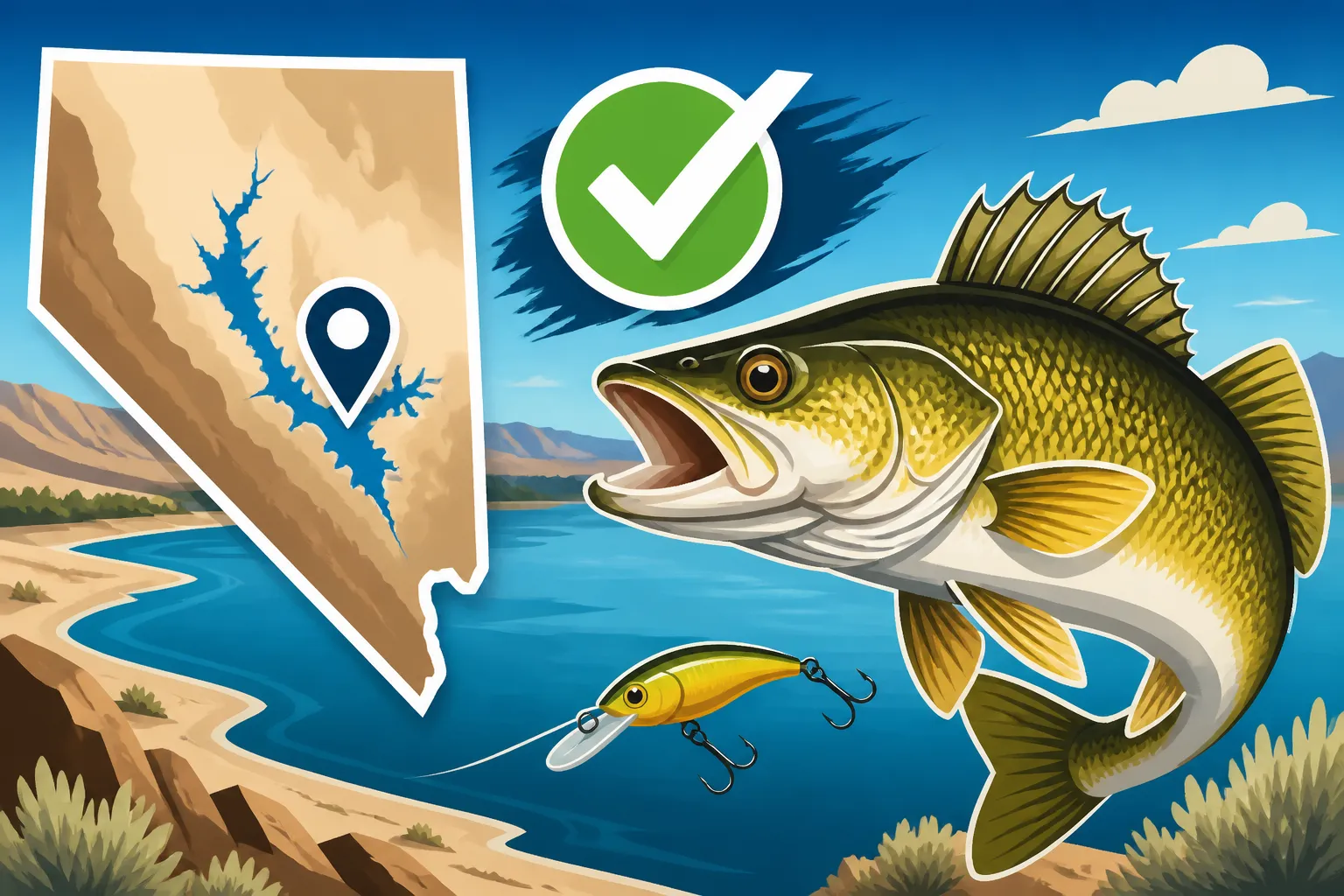
So, what’s the situation now? Based on recent fishing reports and NDOW data, walleye in Rye Patch Reservoir are generally considered to be present, but not in large numbers, and certainly not as the primary target species for most anglers. You might occasionally hear a report of someone catching a nice walleye, but it’s more often a lucky bonus catch rather than a predictable outcome. The reservoir’s ecosystem tends to favor other species more readily, which we'll discuss later.
Anglers specifically targeting walleye at Rye Patch might find it a challenging endeavor, requiring a good deal of patience and persistence. It’s not uncommon for dedicated walleye enthusiasts to spend a full day without a single bite from their preferred species, instead encountering a mixed bag of other fish. This doesn't mean it's impossible, but it does mean your chances are significantly lower than if you were, say, chasing striped bass at Lake Mead or Lahontan cutthroat trout at Pyramid Lake. If walleye is your sole objective, you might consider other destinations, but if you're up for a diverse fishing experience with a chance at a surprise walleye, Rye Patch can still be an interesting option.
Understanding Walleye Behavior and Habitat at Rye Patch
Even if walleye aren't abundant, knowing where and how they might behave can significantly increase your odds if you're determined to target them. Walleye are notoriously light-sensitive and prefer deeper, cooler water, especially during bright conditions. Rye Patch Reservoir presents a unique set of challenges and opportunities when trying to understand these elusive fish.
Key Structures and Depths for Walleye
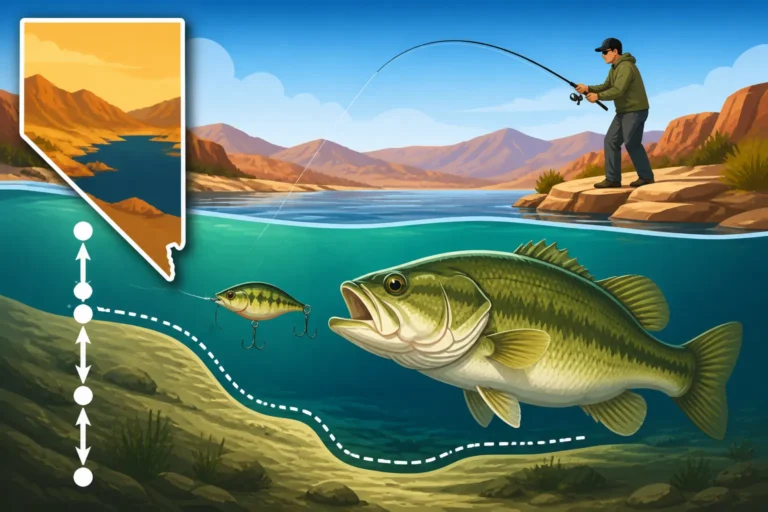
Rye Patch Reservoir is characterized by its fluctuating water levels, which can dramatically change the available habitat from year to year, or even month to month. However, some fundamental principles for walleye still apply. Look for areas with structure – submerged humps, old river channels, rock piles, and drop-offs. These features offer ambush points and shade, making them ideal hangouts for walleye. The Humboldt River channel, which winds through the reservoir, is often a prime area. Walleye will relate to the edges of this channel, especially where it drops off into deeper water.
During daylight hours, especially under sunny skies, walleye will likely retreat to deeper sections of the reservoir. Focus on depths of 15 to 30 feet, or even deeper if you can find significant structure. Early morning, late evening, and overcast days can bring them shallower as their light-sensitive eyes give them an advantage over their prey. Don't be afraid to explore points that extend into the main body of the lake, as these can create current breaks and funnel baitfish, attracting walleye. Using a good fish finder is almost essential here to locate subtle depth changes and potential fish holding in those zones.
Seasonal Movements and Feeding Patterns
Like most fish, walleye at Rye Patch Reservoir will exhibit seasonal movements tied to water temperature, spawning cycles, and baitfish availability.
- Spring (March – May): This is often considered the best time to target walleye. As water temperatures rise into the 40s and 50s (Fahrenheit), walleye become more active and begin their spawning ritual. They will move into shallower, rocky areas to spawn. After spawning, they remain active, feeding heavily to recover. Focus on rocky shorelines, riprap, and shallow flats adjacent to deeper water. The cooler water also means they might be more accessible throughout the day.
- Summer (June – August): With the scorching Nevada summer sun, walleye at Rye Patch will generally move much deeper to find cooler, more oxygenated water. They'll become nocturnal or crepuscular, meaning they're most active at dawn and dusk. Night fishing can be incredibly productive during the summer months, as they move into shallower areas to feed under the cover of darkness. Daytime fishing will require targeting deep structure with vertical presentations.
- Fall (September – November): As water temperatures begin to cool in the fall, walleye become more active again, feeding aggressively to build up fat reserves for winter. They can often be found at moderate depths, transitioning between their summer deep-water haunts and shallower feeding grounds. This can be another excellent time to fish, similar to spring, as they're actively chasing bait.
- Winter (December – February): While Rye Patch Reservoir can offer opportunities for Ice Fishing in Nevada, if conditions allow, walleye activity generally slows down significantly. They will hold in deep holes and slow-moving currents, conserving energy. If ice fishing, target the deepest parts of the reservoir where you locate schools of baitfish. However, safe ice is not always guaranteed in Nevada's milder winters.
Understanding these patterns is crucial for any angler. If you're looking for a good resource on planning your trips, a service like FishingBooker can sometimes offer insights into optimal times to target specific species, though direct walleye charters for Rye Patch might be rare due to their lower abundance.
Effective Techniques for Targeting Rye Patch Walleye
While the walleye population might not be booming, the right techniques and tackle can still lead to success. Walleye are often referred to as "low-light feeders," and their preferences for certain presentations can be quite specific. Don't go out there with a generic approach; tailor your strategy to what these elusive fish respond to.
Recommended Baits and Lures
For walleye, a combination of live bait and artificial lures tends to be most effective.
- Live Bait: Minnows are king for walleye. Rigging a lively minnow on a jig head, under a bobber, or on a slip-sinker rig can be incredibly productive. Worms, especially nightcrawlers, are also a staple. You can fish them on a crawler harness, which is a popular walleye presentation involving multiple hooks and spinner blades. Leeches are another fantastic option, particularly in spring and fall. Present live bait slowly, often just off the bottom, as walleye are typically bottom feeders.
- Jigs: Lead head jigs tipped with a soft plastic grub, a piece of live bait, or a plastic worm are a go-to. Colors like chartreuse, white, black, or natural baitfish patterns often work well. Experiment with jigging motions – short hops, long glides, or a subtle quiver – to entice a bite.
- Crankbaits: Trolling or casting crankbaits that mimic baitfish can be very effective, especially during times when walleye are actively chasing prey. Choose crankbaits that dive to the depths where you're marking fish or targeting structure. Rapala, Berkley, and Bandit are common brands that produce effective walleye crankbaits. Colors can vary, but silver, blue, perch, or firetiger patterns are generally good starting points.
- Spinner Rigs: Harnesses with spinner blades and nightcrawlers are deadly, particularly when trolled slowly. The flash and vibration of the blade, combined with the natural scent and action of the worm, are hard for a walleye to resist.
When selecting your gear, remember that walleye have a subtle bite, so a sensitive rod is key. A medium-light to medium power spinning rod with a fast action tip, paired with a reliable spinning reel, is an excellent all-around setup. You might find some excellent choices if you're looking into Best Fishing Rods for Nevada Lakes that are versatile enough for walleye and other species.
Trolling and Jigging Strategies
Trolling and jigging are two of the most effective methods for covering water and presenting baits to walleye at Rye Patch.
- Trolling: This technique allows you to cover large areas and present your lure or bait at a consistent depth. Use crankbaits or spinner rigs with bottom bouncers. Adjust your speed – often very slow (1-2 mph) – until you find what the fish prefer. Pay close attention to your electronics to identify underwater structure and fish concentrations. Trolling along the old river channel or over submerged humps can be highly effective. If you're new to the area, exploring these features on a map or with a fish finder before you start trolling is a good idea. Sometimes, a guide found through a service like FishingBooker might have the local knowledge to pinpoint ideal trolling paths.
- Jigging: This is a more active technique, ideal for vertical presentations over specific structures where you've marked fish. Drop your jig to the bottom, reel up a foot or two, and then impart a series of lifts and drops. Experiment with the cadence and height of your lifts. Jigging spoons, blade baits, or traditional jigs tipped with plastic or live bait can all work. This method is particularly useful in deeper water or when walleye are holding tight to structure and aren't willing to chase trolled baits. It requires a keen sense of touch to detect the often subtle "thump" of a walleye bite.
Remember, patience is paramount. Walleye fishing can be a grind, especially in a reservoir like Rye Patch where they aren't the dominant species. Keep experimenting with colors, depths, and retrieves until you find what triggers a bite.
Other Species and General Fishing Tips for Rye Patch
While walleye might be your specific target, it’s worth knowing that Rye Patch Reservoir is a fantastic multi-species fishery. If the walleye bite isn't on, you'll have plenty of other exciting options to keep your rods bent. Diversifying your approach can lead to a much more enjoyable and productive day on the water.
Beyond Walleye: What Else Swims Here?
Rye Patch Reservoir truly shines with its populations of:
- White Bass: These aggressive schooling fish are incredibly fun to catch and are often abundant. They readily hit small spoons, inline spinners, and jigging baits. They’re excellent fighters and make for good table fare. You’ll often find them chasing baitfish near the surface, especially in spring and fall.
- Wipers (Hybrid Striped Bass): These powerful hybrids of striped bass and white bass grow large and fight hard. They are a true trophy species at Rye Patch. Wipers are voracious predators and can be caught on large crankbaits, swimbaits, and even live bait. They’re often found in open water, chasing bait schools. If you want to learn more about the difference between a striper and a wiper, we have a helpful guide on Difference between a hybrid striped bass and a white bass.
- Channel Catfish: The reservoir boasts a healthy population of channel catfish, particularly in the warmer months. They're often found in deeper holes or along the old river channel. Cut bait, chicken livers, and stink baits are all highly effective.
- Black Crappie: Rye Patch is renowned for its crappie fishing, especially in spring when they move into shallower brush and timber to spawn. Small jigs, minnows, and soft plastics under a bobber are deadly. This is often the most consistent fishery at Rye Patch.
- Common Carp: For those who enjoy the challenge of targeting large, powerful fish, carp are abundant and can offer incredible fights. Dough balls, corn, or boilies are standard baits.
Given the variety, it's a good idea to bring tackle for multiple species. You might start your day looking for walleye, but if they're not biting, switching to crappie or white bass can save the day. For information on what else to expect, consider checking out our general guide on Rye Patch Reservoir Fishing.
Essential Gear and Best Practices
To make the most of your trip to Rye Patch Reservoir, consider these tips:
- Licensing and Regulations: Always make sure you have a valid Nevada Fishing License Guide before you cast a line. Familiarize yourself with the current Nevada Fishing Regulations Explained and Nevada Statewide Bag Limits Explained for all species you might encounter. Regulations can change, so it's best to check the latest NDOW fishing guide.
- Sun Protection: Rye Patch is in the high desert. Sun exposure can be intense, especially during the summer. Wear wide-brimmed hats, sunglasses, and UV-protective clothing. Bring plenty of water to stay hydrated.
- Boat or Shore: While you can catch fish from shore, a boat (or even a float tube or kayak) will significantly expand your access to prime fishing areas, especially for species like walleye, wipers, and white bass that often hold away from the bank. If you're considering launching a boat, be aware that fluctuating water levels can sometimes impact ramp access.
- Electronics: A good fish finder is invaluable for locating submerged structure, depth contours, and schools of baitfish and game fish. This is especially true when trying to pinpoint deeper-holding walleye.
- Patience and Adaptability: As mentioned, walleye can be tough. Be prepared to adapt your techniques, change locations, or even switch target species if one isn't working out. Enjoy the opportunity to fish a unique desert reservoir and appreciate whatever bites! If you’re looking for more general advice on fishing in this region, our guide to Desert Lake Fishing Techniques can be very helpful.
| Species | Likelihood at Rye Patch (Walleye Focus) | Optimal Season | Common Techniques |
|---|---|---|---|
| Walleye | Low to Moderate (Challenging) | Spring, Fall | Trolling crankbaits, jigging minnows/soft plastics |
| White Bass | High | Spring, Summer, Fall | Inline spinners, small spoons, jigs |
| Wipers | Moderate to High | Spring, Fall | Large crankbaits, swimbaits, trolled shad imitations |
| Channel Catfish | High | Summer, Fall | Cut bait, chicken liver, stink bait (bottom fishing) |
| Black Crappie | High | Spring | Small jigs, minnows under bobbers |
For visitors, securing your fishing license is one of the first steps. You can often find a good overview of costs in a Nevada Fishing License Cost Breakdown. Planning ahead for Nevada Fishing Seasons by Month can also optimize your chances, no matter what you're targeting.
Disclaimer
Please be aware that fishing conditions, regulations, and fish populations can change rapidly. Always consult the official Nevada Department of Wildlife (NDOW) website or their latest fishing regulations handbook for the most current and accurate information before planning your fishing trip. This guide is for informational purposes only and does not supersede official regulations.