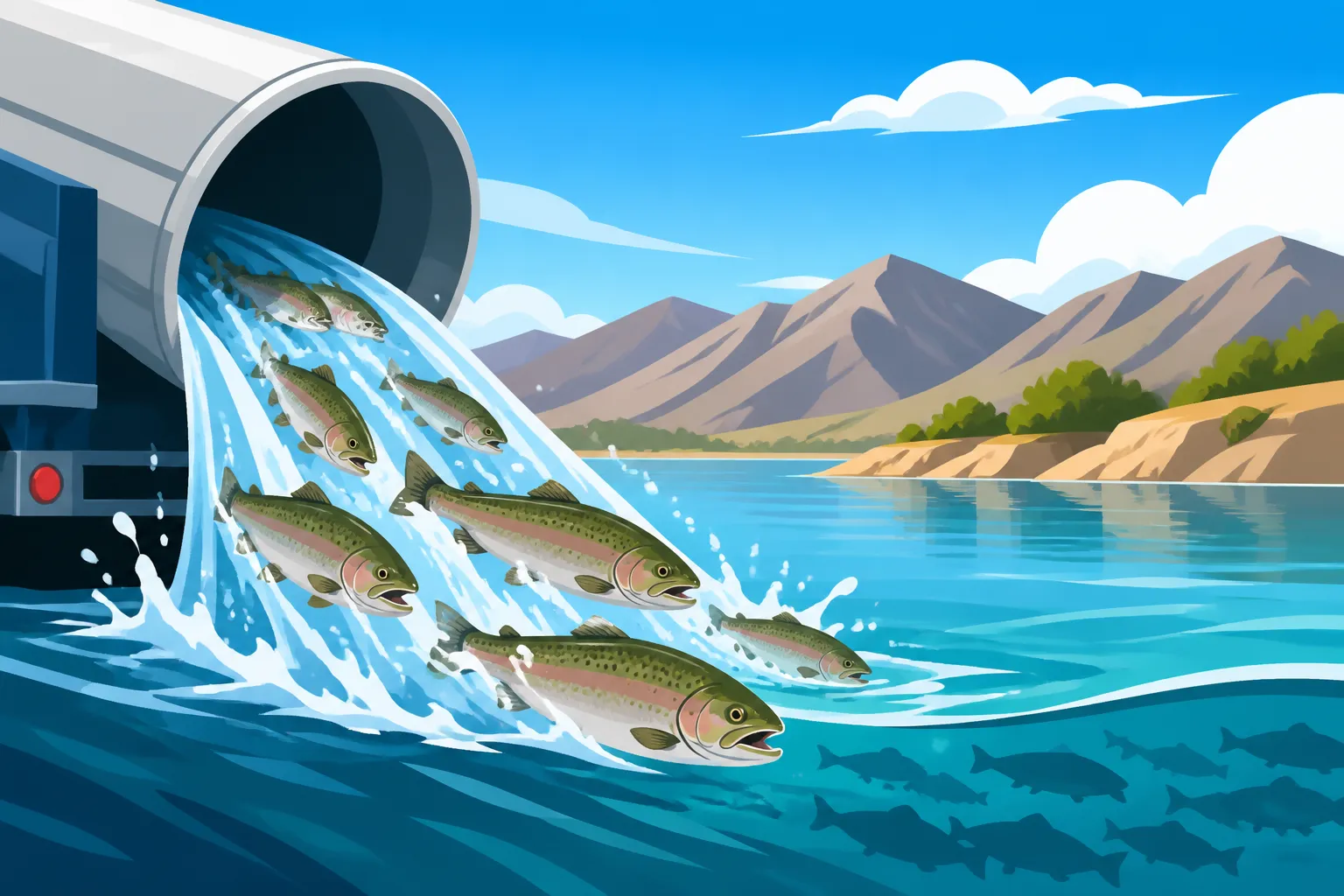
Fish stocked at Eagle Valley Reservoir
Heading out to a new fishing spot can sometimes feel like a bit of a gamble, especially when you’re not sure what exactly lives beneath the surface. Many anglers head to Eagle Valley Reservoir, eager for a good fight, but might not know which species are regularly stocked and thriving. It can be really frustrating to spend time and effort planning a trip only to realize you’re using the wrong bait or technique for what’s actually biting. This comprehensive guide is here to take the guesswork out of your next adventure, diving deep into the fish species that are consistently stocked at Eagle Valley Reservoir, offering up-to-date information on how to target them, and helping you prepare for a truly rewarding fishing experience in this beautiful eastern Nevada destination.
The Abundant Rainbow Trout: Eagle Valley's Star Attraction
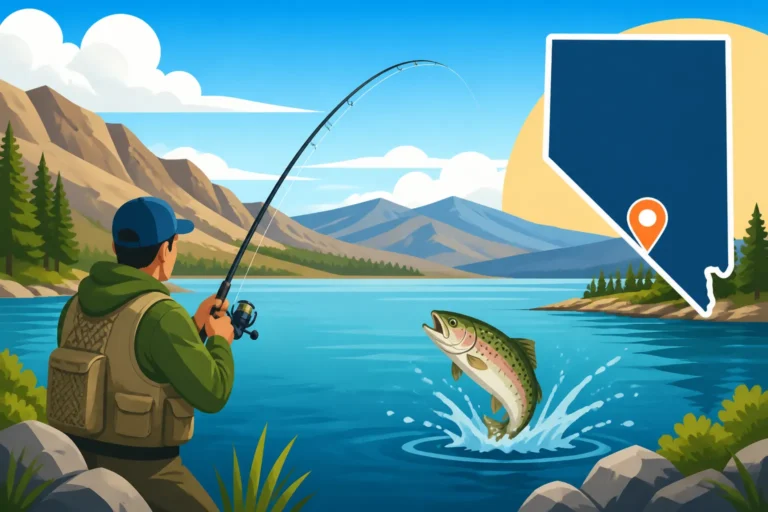
When you talk about fishing at Eagle Valley Reservoir, the conversation almost always starts and ends with rainbow trout. These vibrant, hard-fighting fish are the bread and butter of this reservoir, making it a premier destination for trout anglers, especially those seeking a family-friendly experience or consistent action. The Nevada Department of Wildlife (NDOW) does an incredible job of maintaining a robust population here, primarily through regular stocking programs that ensure a healthy number of catchable fish year-round, or at least for the open seasons.
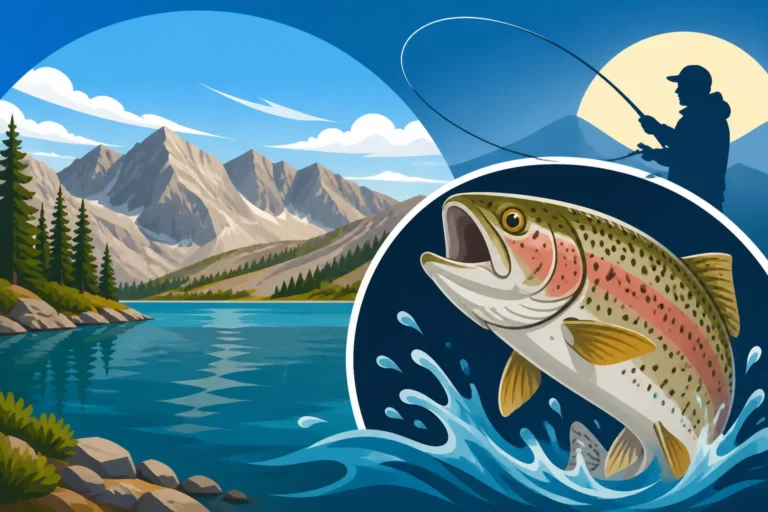
Rainbow trout are a fantastic species for recreational fishing because they're relatively easy to catch and put up a spirited fight, even on light tackle. The ones you'll typically encounter at Eagle Valley Reservoir are often "catchable size," meaning they usually range from 10 to 14 inches, though holdovers from previous stockings can grow much larger, sometimes reaching impressive sizes of 18 inches or more. These larger fish have spent more time in the reservoir, growing fat on the available food sources, and can be a real challenge to land. Many anglers cherish the chance to hook into one of these trophy-sized holdovers, making every cast exciting. Their beautiful iridescent colors, often with a distinct pink stripe along their sides, make them a joy to admire and photograph before deciding to keep or release.
The primary reason NDOW focuses so heavily on rainbow trout at Eagle Valley is their adaptability and strong recreational appeal. They thrive in the reservoir's cool, clear waters, and their willingness to bite a variety of baits and lures makes them accessible to anglers of all skill levels. For those who enjoy a fresh fish dinner, rainbows offer excellent table fare, firm and flavorful. This consistent stocking and excellent growth potential cement rainbow trout's status as the star attraction, providing reliable fishing opportunities that keep anglers coming back season after season. To get a better idea of when new batches of these feisty fish hit the water, you can always check the latest Nevada Trout Stocking Schedule.
Understanding Eagle Valley's Trout Stocking Program and Fishery Dynamics
Eagle Valley Reservoir doesn't just happen to have great fishing; it's a testament to a dedicated and strategic stocking program by the NDOW. While rainbow trout are the undisputed champions here, understanding the nuances of how and when they're stocked, and how the reservoir's environment plays a role, is key to consistent success. This isn't just a simple put-and-take scenario; it's a dynamic ecosystem influenced by many factors.
NDOW typically stocks Eagle Valley Reservoir multiple times throughout the year, especially during spring and fall when water temperatures are most favorable for the trout. Spring stockings often occur as the ice melts, reinvigorating the fishery for the warmer months, while fall stockings help replenish the population for ice fishing opportunities or the following spring. The frequency and size of these stockings depend on various factors, including fish availability from hatcheries, budget constraints, and the overall health of the reservoir's ecosystem. These regular infusions ensure that even with heavy angling pressure, there's always a new crop of fish ready to bite. You can often find detailed information about these efforts by looking up the latest NDOW fishing reports and plans for places like Eagle Valley Reservoir Fishing.
While rainbow trout dominate, it's worth noting that the success of any stocked fishery is also tied to the natural conditions of the water body. Eagle Valley Reservoir's relatively consistent water levels and good water quality contribute significantly to the survival and growth of the stocked trout. However, like any desert reservoir, it's not immune to environmental fluctuations. Water temperatures, oxygen levels, and the availability of natural forage can all impact how well the fish grow and disperse. For example, during unusually hot summers, trout may seek deeper, cooler water, making them harder to find near the shore. Conversely, during mild periods, they might be more spread out and actively feeding.
Beyond the stocked rainbows, Eagle Valley Reservoir is also home to a population of common carp. While not a primary target for most recreational anglers, carp can grow quite large and offer a unique angling challenge for those interested in different species. They are bottom feeders and can often be seen cruising the shallows. However, for most visitors, the allure remains firmly on the trout, with the consistent stocking program ensuring that Eagle Valley remains one of the best places to fish in Nevada for a reliable trout bite. Always remember to consult the Nevada Fishing Regulations Explained before you head out, as rules for various species and limits can change.
Mastering the Catch: Techniques for Eagle Valley's Trout
Fishing for trout at Eagle Valley Reservoir can be incredibly rewarding, whether you’re a seasoned angler or just starting out. The key to success often lies in understanding the behaviors of stocked trout and employing the right techniques. These fish, especially the freshly stocked ones, are often eager to bite, making it an excellent spot to hone your skills.
Choosing Your Gear and Bait:
For stocked trout, lighter tackle is usually your best bet. A light to medium-light spinning rod, around 6 to 7 feet long, paired with a small spinning reel spooled with 4 to 6-pound monofilament or fluorocarbon line, is ideal. This setup allows for sensitive feel, good casting distance, and enough backbone to handle a feisty rainbow. When it comes to bait, the options are varied and effective. PowerBait, especially in bright colors like chartreuse, rainbow, or garlic scent, is a perennial favorite for trout. Rig it on a small #10 or #12 treble hook with a 1/8 to 1/4 ounce sliding sinker a foot or two above, allowing the PowerBait to float just off the bottom. Nightcrawlers, either whole or half, fished under a bobber or on the bottom, are also incredibly effective. For those seeking a more natural presentation, kernels of corn or salmon eggs can entice bites, particularly from more cautious fish. You can find more detailed recommendations in our guide on the Best Bait for Nevada Trout.
Effective Lures and Artificials:
If you prefer to cast and retrieve, a variety of small lures work wonders. Inline spinners like Panther Martins, Mepps, or Rooster Tails in sizes #0 to #2, with silver, gold, or brass blades and bright dressings, are excellent choices. Small spoons, such as Kastmasters or Little Cleos, in silver or gold, also imitate baitfish and can provoke aggressive strikes. For a more subtle approach, tiny jig heads tipped with a small soft plastic grub (1 to 2 inches) can be very effective, especially when fished slowly along the bottom or jigged vertically from a boat. Understanding how to fish for trout in Nevada involves adapting to the conditions, but these are solid starting points for Eagle Valley.
Fishing from Shore or Boat:
Eagle Valley offers great access for both shore and boat anglers. From shore, focus on areas where there are sudden drop-offs, submerged structures, or points that extend into the water. These areas often attract trout seeking cover or ambush points. Casting parallel to the shore or fanning out your casts to cover different depths can help you locate where the fish are holding. If you have a boat or kayak, you open up even more possibilities. Trolling small spoons or spinners behind your vessel, varying your speed and depth, is a fantastic way to cover water and find active fish. Anchoring near submerged humps, weed beds, or along the old creek channel and still-fishing with PowerBait or worms can also yield excellent results. For those looking to explore other prime fishing locations around the state, it's worth checking out services like FishingBooker, which can help connect you with local guides and provide insights into various Nevada fishing hotspots, even for more specialized trips.
Planning Your Trip: Licenses, Limits, and Local Tips
A successful fishing trip to Eagle Valley Reservoir isn't just about knowing what fish are stocked and how to catch them; it's also about proper planning and understanding the local rules and regulations. Nevada has clear guidelines to ensure sustainable fishing for everyone.
Understanding License Requirements and Regulations:
First and foremost, anyone aged 12 and older needs a valid Nevada fishing license to fish at Eagle Valley Reservoir. This applies whether you're a resident or a non-resident. You can purchase your license easily online through the NDOW website, at authorized license agents like sporting goods stores, or even by phone. Make sure you understand the nuances of the Nevada Fishing License Guide, as there are different types of licenses (annual, short-term) and specific requirements for youth, seniors, and disabled veterans. You'll also want to familiarize yourself with the Nevada Trout Stamp Requirements, which may be necessary depending on your license type and target species, though often a standard license covers basic trout fishing.
The statewide daily limit for trout in Nevada generally applies to Eagle Valley, which is currently a combined total of five trout per day, with a possession limit of ten. However, regulations can sometimes change or have specific exceptions for certain water bodies, so it's always critical to consult the most current Nevada Trout Daily Limit Rules or the annual Nevada Fishing Regulations Explained booklet published by NDOW before you cast your line. These rules are in place to manage fish populations and ensure healthy fisheries for future generations.
Best Times to Visit and Local Amenities:
Eagle Valley Reservoir is a fantastic destination year-round, with each season offering unique fishing opportunities. Spring and fall are generally considered prime times for trout, as water temperatures are cooler, and fish are often more active. However, summer fishing can be excellent early in the morning or late in the evening when the heat isn't as intense, with trout often retreating to deeper, cooler waters during the day. Winter brings the exciting prospect of ice fishing, typically from December through February, when the ice is thick enough to be safe. You can gauge the general conditions and expected bites by reviewing the Nevada Fishing Seasons by Month.
The reservoir is part of Eagle Valley Resort State Park, which means you'll find a range of amenities to make your trip comfortable. There are campsites available, picnic areas, and boat ramps. The campground offers both developed sites with hookups and more primitive options, making it suitable for various camping styles. Given its somewhat remote location near Pioche, Nevada, it's always a good idea to pack all your essential Nevada Fishing Gear Essentials, including plenty of water, snacks, sunscreen, and appropriate clothing for changing weather conditions. While there aren't extensive tackle shops right at the reservoir, nearby towns may have limited supplies. Planning ahead will ensure you have everything you need for a fantastic outing. If you're looking for an even more tailored experience or need local insights, remember that platforms like FishingBooker can help you connect with guides who specialize in Nevada's unique fishing environments, ensuring you make the most of your time on the water.
Essential Nevada Fishing Data for Eagle Valley Reservoir
To help you quickly get a grasp of what to expect and how to prepare, here's a table summarizing key information for fishing at Eagle Valley Reservoir. This serves as a handy reference for planning your next trip.
| Feature | Details at Eagle Valley Reservoir (Primarily for Trout) | Important Considerations |
|---|---|---|
| Primary Stocked Fish | Rainbow Trout (dominant species) | NDOW regularly stocks catchable-sized rainbow trout; occasional holdovers can reach trophy sizes. |
| Other Fish Species | Common Carp, rarely other incidental species. | Carp can be caught but are not the primary target for most anglers. Focus on trout. |
| Stocking Schedule | Multiple times per year, heaviest in spring and fall. | Check NDOW's official Nevada Trout Stocking Schedule for the most current information to plan your visit around recent stockings. |
| Typical Size Range | 10-14 inches for newly stocked fish; 18+ inches for holdovers. | Holdover trout offer a more challenging fight and can be very rewarding to catch. |
| Best Baits | PowerBait (various colors/scents), nightcrawlers, salmon eggs, corn. | Rig PowerBait to float off the bottom; worms and corn can be fished on the bottom or under a bobber. |
| Effective Lures | Inline spinners (#0-#2), small spoons (Kastmaster, Little Cleo), small soft plastic jigs. | Vary retrieve speed and depth; bright colors often work well in clear water; experiment with different patterns. |
| Fishing Seasons | Open year-round; prime times are spring, fall, and winter for ice fishing. | Summer fishing is best during cooler morning/evening hours. Always check ice thickness for safety during winter. |
| Daily Limit | 5 trout per day (combined species), 10 in possession. | Always verify the current Nevada Trout Daily Limit Rules and statewide regulations before fishing, as rules can change. |
| License Required | Yes, for ages 12 and older. | Obtain a valid Nevada Fishing License Guide (resident or non-resident) online, at agents, or by phone. Check if a trout stamp is required for your specific license. |
| Access | Shoreline access, boat ramps available at Eagle Valley Resort State Park. | Good accessibility for both bank and boat anglers. Ample parking. Camping available at the state park. |
Disclaimer
The information provided in this guide is for general informational purposes only and is subject to change. Fishing regulations, stocking schedules, and local conditions can vary. Always consult the official Nevada Department of Wildlife (NDOW) website or their current fishing regulations booklet for the most up-to-date and accurate information before planning your fishing trip to Eagle Valley Reservoir or any other Nevada water body. Ensure you have the proper licenses and adhere to all local, state, and federal laws. Stay safe and enjoy your time on the water!