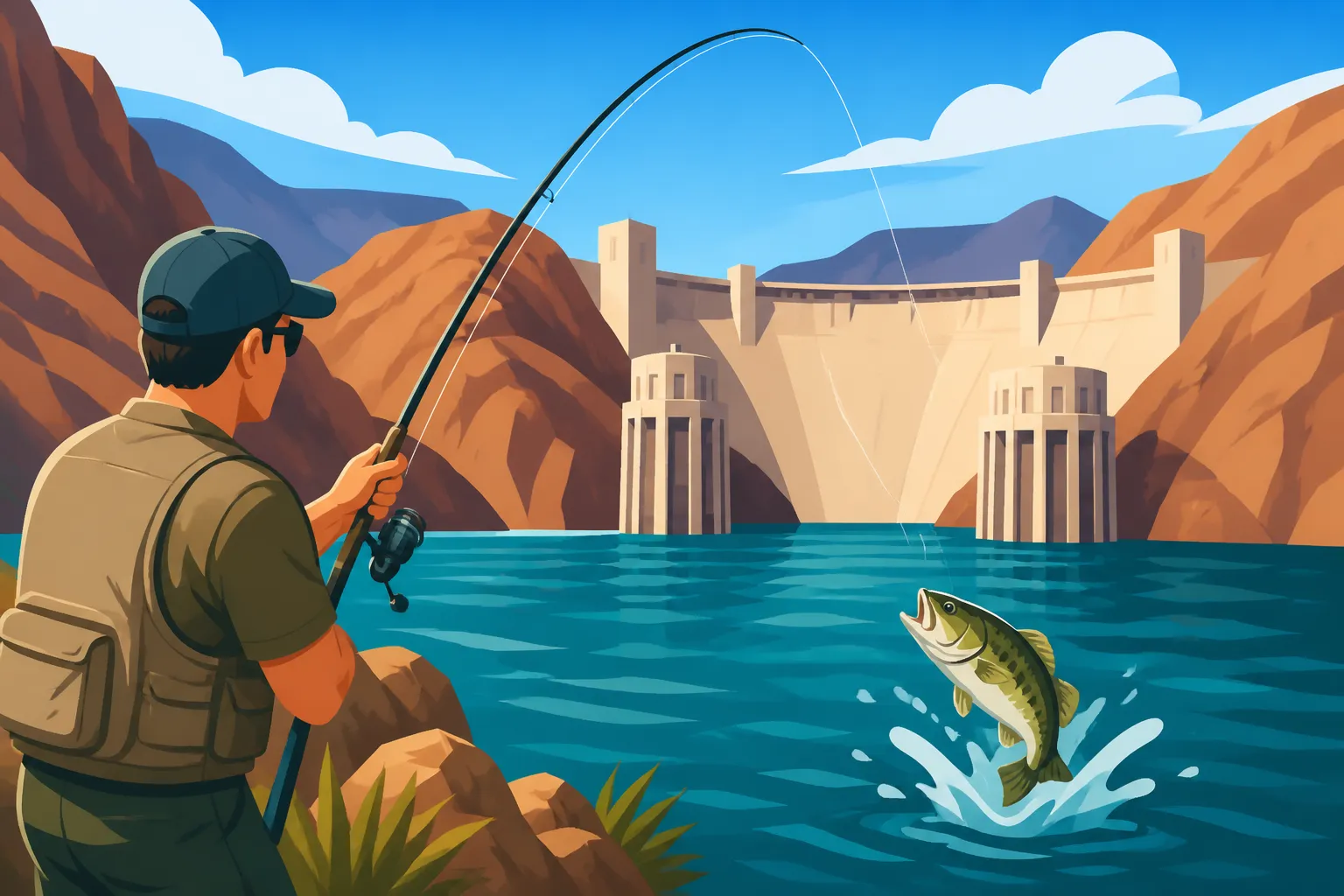
Can you fish the Colorado River below Hoover Dam?
One of the most common questions I hear from anglers passing through Southern Nevada, or even long-time residents looking for a new adventure, is whether they can actually fish the mighty Colorado River right below the iconic Hoover Dam. It’s a completely fair question, given the immense structure and the raw power of the river, which can make you wonder if it's even safe, let alone legal. Many people assume such a critical infrastructure area would be off-limits, creating a real barrier to exploring a truly unique fishery. This guide is here to clear up that confusion and dive deep into everything you need to know about fishing the Colorado River below Hoover Dam, offering you practical advice for a rewarding angling experience in this spectacular, yet often misunderstood, stretch of water.
Unveiling the Colorado River's Fishery Below Hoover Dam
Yes, you absolutely can fish the Colorado River below Hoover Dam, and it offers an incredibly unique and often challenging angling experience unlike much of the rest of Nevada. However, it's not a free-for-all, nor is it a simple urban pond. This stretch of river is characterized by some very specific conditions that dictate what fish you'll find and how you'll need to approach catching them. Many anglers are initially intimidated by the sheer scale of the environment or are unsure about access, but with the right information, it can become a bucket-list destination.
The immediate outflow from Hoover Dam is the Black Canyon, a stunning gorge carved by centuries of water flow. This section of the river, leading down to Lake Mohave, is primarily known for its remarkably cold and clear water. This isn't your typical warm desert river; the water released from the depths of Lake Mead via the dam's turbines maintains a consistently chilly temperature, often in the low to mid-50s Fahrenheit, year-round. This constant cold-water flow creates an almost spring-creek-like environment in a desert setting, which is a key factor in the types of fish that thrive here.
The Unique Environment and Its Impact on Fishing
The cold, clear, and relatively consistent water temperatures below Hoover Dam create a truly distinct ecosystem. This isn't just a scenic backdrop; these conditions directly influence fish behavior, available forage, and the best techniques to employ. Understanding this environment is the first step to successful fishing here.
Consistent Cold-Water Release
The water that flows out of Hoover Dam comes from the deep, cooler layers of Lake Mead. This means that even in the scorching Nevada summer, the river below the dam remains cold. This is fantastic news for cold-water species, particularly trout, but it can be a bit of a curveball for anglers accustomed to fishing warmer desert reservoirs. The stable temperature means that trout don't experience the same seasonal extremes they might in other Nevada waters, leading to more consistent activity throughout the year, assuming they have enough food and oxygen. However, it also means that warm-water species like largemouth bass, while present, aren't as dominant or widespread as they are further downstream in Lake Mohave or Lake Havasu.
This cold water also impacts the aquatic insect life and forage base. While trout thrive on insects, smaller baitfish, and crustaceans, the colder water can limit the diversity of some warm-water baitfish that other predatory species might typically feed on. Therefore, understanding the primary food sources for the target species in this specific environment is crucial for bait and lure selection.
Navigating the Currents and Structure
The Colorado River below Hoover Dam is not a stagnant lake. While the dam regulates the flow, there are still significant currents, especially closer to the dam and through narrower sections of the Black Canyon. These currents can be powerful, making boat control challenging and shore access difficult in many areas. The riverbed itself is varied, with rocky outcrops, ledges, and some submerged vegetation, all providing excellent cover and feeding lanes for fish.
Anglers will quickly realize that the river demands a different approach than still water. Drifting baits or lures with the current, or precisely positioning a boat to target specific eddies and current breaks, becomes paramount. Understanding how fish use these currents to ambush prey or conserve energy is key. For those considering a guided trip, especially if you're new to river fishing, an experienced guide booked through platforms like FishingBooker can provide invaluable insights into navigating these complex currents and identifying productive spots. They often have specialized boats and knowledge specific to this challenging stretch.
Key Fishing Locations and Access Points
Accessing the Colorado River below Hoover Dam isn't as simple as pulling off the highway. Much of the immediate Black Canyon area is remote, protected, and often only accessible by boat. However, there are established points where anglers can get onto the water, each offering a slightly different experience.
Willow Beach National Fish Hatchery
The most prominent and accessible fishing spot below Hoover Dam is Willow Beach, located approximately 14 miles downstream in Arizona, within the Lake Mead National Recreation Area. Despite being in Arizona, this stretch is heavily influenced by the dam's outflow and offers incredible fishing opportunities. Willow Beach boasts a marina, launch ramp, and even a campground, making it a fantastic base for extended trips. Shore fishing is available around the marina area, but the most productive fishing often requires a boat to explore the river.
From Willow Beach, anglers can head upstream towards the dam, into the stunning Black Canyon. This area is perfect for targeting the numerous rainbow trout that are regularly stocked by the Nevada Department of Wildlife (NDOW) and the Arizona Game and Fish Department (AZGFD), and also for trophy striped bass. The cold, clear water here is ideal for trout, and the abundant forage, including stocked trout, makes it a prime hunting ground for larger stripers. For those who want to explore beyond the immediate launch area, Willow Beach offers kayak and canoe rentals, allowing you to paddle into the calmer upstream sections. Remember, a valid Nevada Fishing License Guide is required if you are fishing on the Nevada side of the river, and often an Arizona license if you are fishing the Arizona side, or if you're boating between states. Always check specific regulations, as they can vary slightly by state even on the same body of water.
Black Canyon Wilderness and Remote Access
The Black Canyon, between the dam and Willow Beach, is a designated wilderness area. Much of it is rugged and only accessible by non-motorized vessels like kayaks or canoes. There are specific launch points within the Lake Mead National Recreation Area, but these often require a permit and are geared towards experienced paddlers due to strong currents and remoteness. Guided kayak tours are popular for sightseeing, but some outfitters also cater to fishing excursions in these areas.
If you're planning a trip into the Black Canyon, ensure you understand the necessary permits and safety precautions. The water is cold year-round, and getting stranded can be dangerous. Always carry plenty of water, appropriate cold-weather gear (even in summer), and a way to communicate. This remote section is less about high numbers of fish and more about the incredible solitude and the challenge of wilderness angling. Many local guides, some of whom you can find and book via FishingBooker, have the permits and expertise to safely navigate these waters and put you on fish.
Target Species and Fishing Techniques
The cold-water environment below Hoover Dam cultivates a specific mix of fish species. While many people associate Nevada fishing with the likes of Lake Mead striped bass, this stretch of the Colorado River primarily offers exceptional trout fishing, with a healthy population of stripers and catfish as well.
Rainbow Trout
Rainbow trout are undoubtedly the star of the show below Hoover Dam. Thanks to consistent stocking programs, anglers can find abundant rainbow trout, often in the 12-20 inch range, with occasional larger fish. The cold, oxygen-rich water provides ideal habitat, allowing them to thrive and grow. If you're looking for Rainbow Trout Fishing in Nevada, this is a prime destination.
- Techniques:
- Bait Fishing: PowerBait (especially in bright colors like chartreuse or rainbow), corn, or small pieces of nightcrawler rigged on a light line with a small hook and a split shot are highly effective. Drift your bait with the current or fish it on the bottom in calmer eddies.
- Spinning Lures: Small spinners (like Panther Martins or Mepps), spoons (like Kastmasters or small Acme Little Cleos), and minnow-imitating crankbaits (such as Rapala Countdown or Berkley Flicker Shad) work wonders. Cast upstream and retrieve with the current, or cast across and work them back with a jigging motion.
- Fly Fishing: For fly anglers, this stretch can be phenomenal. Nymphing with imitations of midges, caddis, or mayflies is productive, as is stripping streamers that imitate small baitfish or leeches. During hatches, dry flies can also provide exciting action.
- Best Time: Trout fishing here is good year-round due to the stable water temperatures. Mornings and evenings tend to be the most active periods. Check the Nevada Fishing Seasons by Month, but generally, trout are always on the bite here.
Striped Bass
While Lake Mead is famous for its massive striped bass, the stripers below the dam are a different breed. They tend to be strong, lean, and aggressive, drawn to the area by the constant flow of cold, oxygenated water and the presence of stocked trout. Many of the larger "trophy" stripers caught here are actually feeding on smaller stocked trout, making for powerful fights. If you’re into Striped Bass Fishing in Nevada, this river section offers a unique challenge.
- Techniques:
- Live Bait: Stocked trout are often the best live bait for trophy stripers here, though using them as bait might be restricted depending on regulations. Check current Nevada Fishing Regulations Explained carefully. Large shiners or anchovies, if legal and available, can also work.
- Swimbaits and Large Lures: Big swimbaits, especially those mimicking trout (like the Castaic Trout Series or similar), are highly effective. Large bucktail jigs, umbrella rigs, or deep-diving crankbaits can also entice a strike.
- Jigging: Vertical jigging with heavy spoons or jigs near structure or deep holes can produce strikes from suspended stripers.
- Best Time: Stripers can be caught year-round, but often the cooler months (fall, winter, spring) see higher concentrations as they follow trout. Early mornings and late evenings are typically best.
Channel Catfish
Channel catfish are also present in the Colorado River below the dam, thriving in the slightly warmer, slower sections and deeper holes. While not as abundant as in some warmer reservoirs, they offer a fun diversion and are excellent eating.
- Techniques:
- Bottom Fishing: Catfish are primarily bottom feeders. Rig a piece of cut bait (such as anchovy, sardine, or mackerel), chicken liver, or a prepared catfish bait (like stink bait) on a Carolina rig or a simple bottom rig with a heavy sinker to hold against the current.
- Best Time: Catfish are most active in warmer months and during low-light conditions (dawn, dusk, and night fishing).
Here's a quick overview of some common species and techniques for fishing the Colorado River below Hoover Dam:
| Fish Species | Preferred Habitat | Best Baits/Lures | General Techniques | Key Season |
|---|---|---|---|---|
| Rainbow Trout | Cold, clear water; current breaks, eddies, structure | PowerBait, corn, worms, small spinners, spoons, nymphs, streamers | Bottom fishing, drifting, casting & retrieving, fly fishing | Year-round |
| Striped Bass | Deeper holes, current seams, where trout congregate | Large swimbaits (trout imitation), bucktail jigs, large minnow lures, live bait (if permitted) | Casting, jigging, trolling (in wider areas) | Year-round, often better in cooler months |
| Channel Catfish | Slower currents, deeper pockets, bottom structure | Cut bait, chicken liver, prepared catfish baits | Bottom fishing, still fishing | Warmer months, low light |
Essential Gear and Safety Considerations
Fishing this unique section of the Colorado River requires not just the right techniques but also the appropriate gear and a strong understanding of safety protocols. The environment can be unforgiving, and being prepared is paramount.
Recommended Gear
Given the conditions, your gear choices can make a significant difference. You don't need highly specialized equipment, but choosing wisely will enhance your experience.
- Rods and Reels: For trout, a light to medium-light spinning rod (6-7 feet) paired with a 2000-2500 size reel spooled with 4-6 lb fluorocarbon or monofilament line is ideal. For stripers, a medium-heavy spinning or baitcasting rod (7-8 feet) with a 4000-5000 size reel or a heavy baitcaster, spooled with 15-20 lb braided line and a fluorocarbon leader, will handle their power. If you’re a beginner, a good Best Rod and Reel Combo for Beginners-style setup can get you started.
- Tackle: Beyond the baits and lures mentioned above, bring an assortment of split shots, small egg sinkers, swivels, and a variety of hooks (size 8-12 for trout, 2/0-4/0 for stripers/catfish). A landing net is essential, especially for larger stripers. For a more comprehensive look, check out Nevada Fishing Gear Essentials.
- Apparel: Layers are critical. Even in summer, the water is cold, and morning air can be chilly. Sun protection (hat, sunglasses, long-sleeved shirts, sunscreen) is non-negotiable in the desert. Waders can be useful for shore anglers to access slightly deeper water or navigate uneven terrain.
- Boating Gear: If you're on a boat, ensure all required safety equipment is onboard, including life jackets for everyone (check Nevada life jacket requirements for kids), a throwable flotation device, a whistle or horn, and a fire extinguisher. An anchor that can hold in current is also a must. For a comprehensive guide, see Essential Safety Gear for Boating on Lake Mead.
Critical Safety Tips
The Colorado River below Hoover Dam presents several safety challenges that shouldn't be overlooked.
- Cold Water Immersion: The water temperature, as mentioned, is consistently cold. Accidental immersion can quickly lead to hypothermia, even on a hot day. Always wear a life jacket, especially if you're in a kayak or canoe, and avoid swimming unless you are properly equipped and experienced.
- Strong Currents: The river has powerful currents, particularly in the narrow Black Canyon. Be aware of your surroundings, especially if you're kayaking or canoeing. Novice paddlers should consider staying closer to Willow Beach or opting for a guided trip.
- Remoteness: Many sections of the Black Canyon are remote with limited cell service. Always let someone know your float plan, estimated return time, and carry emergency supplies, including extra water, food, and a first-aid kit.
- Weather Changes: Desert weather can be unpredictable, with sudden winds or thunderstorms. Keep an eye on the forecast and be prepared to take shelter or get off the water if conditions deteriorate.
- Permits and Regulations: Remember that you are fishing on a border river. Ensure you have the correct fishing license for the state you're primarily fishing in, or both if you'll be crossing state lines frequently. A Nevada Fishing License Guide can help you determine what you need. Always consult the latest Nevada Fishing Regulations Explained or Arizona regulations for specific rules on bag limits, size restrictions, and bait use. Additionally, within the Lake Mead National Recreation Area, there may be specific boating or access fees.
Ultimately, fishing the Colorado River below Hoover Dam offers a truly remarkable experience. It's a challenging but highly rewarding fishery, boasting stunning scenery and the potential for impressive catches, particularly for those targeting rainbow trout and powerful striped bass. With the right preparation, knowledge, and respect for this unique environment, you're set for an unforgettable adventure. If you're planning a trip and want to explore options for guided excursions, many reputable guides who specialize in this unique river stretch are available to book through platforms like FishingBooker, offering local expertise that can be invaluable.
Disclaimer
Fishing conditions, regulations, and access can change. Always check the latest Nevada Department of Wildlife (NDOW) and Arizona Game and Fish Department (AZGFD) regulations, as well as Lake Mead National Recreation Area advisories, before planning your trip. Practice responsible angling, including catch-and-release practices, to help preserve this incredible fishery for future generations.