Rainbow Trout Fishing in Nevada
There's nothing quite like the thrill of a rainbow trout hitting your line, especially here in the diverse waters of Nevada. Many anglers, myself included, have spent countless hours wondering if we're using the right bait, fishing the right spot, or even if we've missed the perfect window of opportunity. It can be frustrating when you know these beautiful fish are out there, but they just aren't biting. This comprehensive guide is designed to cut through that confusion, offering you everything you need to know about rainbow trout fishing in Nevada, from their habits to the best techniques and gear, helping you turn those "almost" days into unforgettable catches.
Understanding Nevada's Rainbow Trout
Before you even think about casting a line, getting to know your quarry is half the battle. Rainbow trout are one of Nevada's most beloved game fish, not just for their stunning appearance but for their feisty fight and delicious taste. But not all rainbows are created equal, and understanding the nuances of their behavior and where they thrive is key to a successful outing.
Rainbow Trout Identification and Characteristics
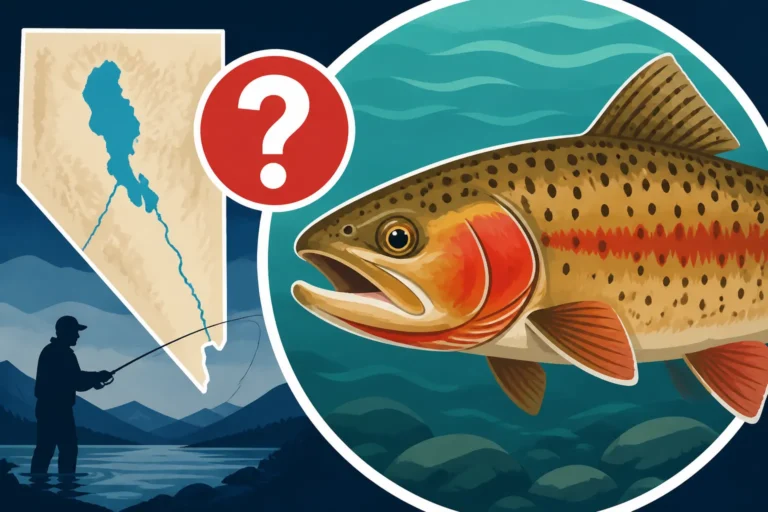
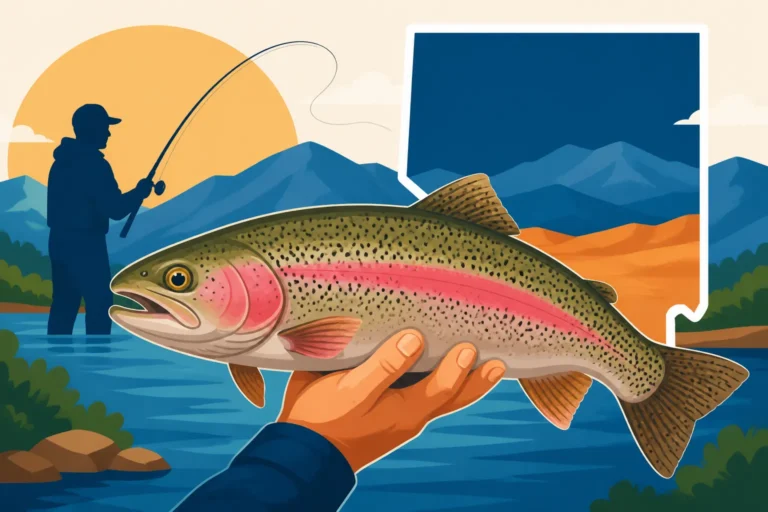
Rainbow trout (scientific name Oncorhynchus mykiss) are truly a sight to behold. They get their common name from the iridescent, colorful band that runs along their lateral line, often a vibrant red, pink, or purple, especially noticeable on larger, wilder specimens. Their bodies are typically silver with a darker back, usually an olive green or bluish hue, and they're covered in small, distinct black spots that extend into their dorsal, adipose, and caudal (tail) fins. The spotting pattern can vary, but those spots are a key differentiator from some other trout species. Their mouth is relatively small, reaching back to about the middle of the eye.
What many anglers love about rainbows, beyond their beauty, is their fight. When hooked, they're known for their acrobatic jumps and strong runs, making for an exhilarating experience. You'll often hear tales of a rainbow "going airborne" after feeling the hook, and it's these moments that make them such a prized catch. Knowing these characteristics helps you not only identify your catch but also appreciate the specific challenges and rewards they offer.
Life Cycle and Habitat Preferences
Rainbow trout are incredibly adaptable, which is why they thrive in so many different environments across Nevada. In their natural, wild state, they are cold-water fish, preferring clear, well-oxygenated streams, rivers, and lakes with temperatures typically ranging from 45 to 65 degrees Fahrenheit. They spawn in the spring, migrating upstream to lay eggs in gravel beds. These wild populations often feed on aquatic insects, small crustaceans, and even smaller fish.
However, a significant portion of rainbow trout fishing in Nevada revolves around stocked fish. The Nevada Department of Wildlife (NDOW) actively stocks rainbows into various waters throughout the state to enhance fishing opportunities, particularly in urban ponds and desert reservoirs where natural reproduction might be limited or nonexistent. These stocked trout are often raised in hatcheries and are accustomed to a diet of fish pellets, which influences their feeding behavior once released. While wild rainbows are masters of survival, stocked fish might initially be a bit disoriented and more opportunistic, making them a great target for a variety of baits and lures. Understanding the difference between a wild, stream-dwelling rainbow and a recently stocked pond fish is crucial for tailoring your approach.
Stocked vs. Wild Rainbows
The distinction between stocked and wild rainbow trout is important for any Nevada angler. Wild rainbows, often found in pristine high mountain lakes and streams, tend to be more elusive, wary, and typically smaller due to tougher natural conditions and a more demanding food chain. They are a true trophy for many fly anglers who value the challenge. Their colors are often more vibrant, and their fins might appear less worn or "rounded" than hatchery fish.
Stocked rainbows, on the other hand, are the backbone of recreational fishing in many parts of Nevada. They are routinely planted in numerous lakes and ponds, from the bustling urban waters of Las Vegas to larger, more remote reservoirs. These fish are generally easier to catch, especially soon after they've been introduced, and they provide consistent action for anglers of all skill levels. They often have clipped adipose fins, a common practice in hatcheries to denote a hatchery-raised fish. While perhaps not possessing the same mystique as a wild trout, stocked rainbows offer fantastic angling opportunities, ensuring that anyone looking for a good fight and a potential meal has a shot at success. Don't underestimate their fighting spirit just because they started life in a hatchery; they still put up a respectable battle!
Where to Find Rainbow Trout in Nevada
Nevada might be known for its desert landscapes, but it's also home to an impressive array of waters teeming with rainbow trout. From high-altitude alpine lakes to urban oases, there's a rainbow trout fishery to suit every angler's preference. Knowing where to go is your first step to a successful day on the water.
High Mountain Lakes and Streams
For those who love a bit of adventure and breathtaking scenery, Nevada's high mountain lakes and streams are a rainbow trout paradise. The Ruby Mountains, the Jarbidge Wilderness, and parts of the Eastern Sierra Nevada within Nevada's borders offer pristine, cold-water environments perfect for trout. Think about crystal-clear lakes nestled among towering peaks, fed by snowmelt and offering solitude that's hard to find elsewhere.
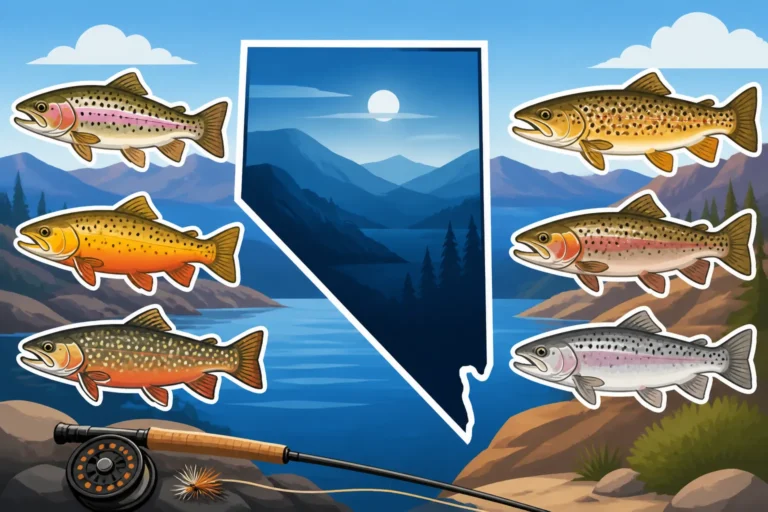
These waters often hold wild, native, or naturally reproducing populations of rainbow trout, alongside other species like brook trout and Lahontan cutthroat trout. Access can range from roadside pull-offs to strenuous hikes, sometimes requiring multi-day backpacking trips. Fishing here is often a true wilderness experience. The fish in these areas tend to be more sensitive to pressure and require a stealthier approach, often favoring fly fishing or ultra-light spinning gear with natural presentations. Places like Marlette Lake in the Lake Tahoe basin or various small lakes in the Ruby Mountains are prime examples of these stunning, high-elevation havens. If you're looking for a peaceful escape and a chance to truly connect with nature while chasing trout, these spots are unrivaled. You can explore Nevada Trout Lakes for more specific recommendations on these hidden gems.
Desert Reservoirs and Lakes
Contrasting sharply with the alpine environments, Nevada's desert reservoirs and larger lakes also host thriving rainbow trout populations. Many of these are heavily stocked, creating fantastic opportunities year-round, even through parts of the winter. Water bodies like Wildhorse Reservoir in the northeast, Cave Lake State Park, Comins Lake near Ely, and even the cooler arms of Lake Mead and Lake Mohave, can provide excellent rainbow trout fishing. These larger bodies of water mean more space to explore and often accommodate boaters, kayakers, and shore anglers alike.
The fishing experience here is quite different. The fish can be larger, benefiting from a richer food base and often a longer growing season. However, warmer summer temperatures can drive trout into deeper, cooler waters, making them harder to locate. Spring and fall are often prime times when the water temperatures are ideal, and fish are more active closer to the surface or shore. These reservoirs can be vast, so having a good understanding of the local contours, depths, and potential holding areas is beneficial. Many of these spots also offer amenities like boat launches, campgrounds, and picnic areas, making them perfect for a family fishing trip.
Urban Ponds and Community Fisheries
For ease of access and consistent action, especially for beginners or families with young children, Nevada's urban ponds and community fisheries are absolute goldmines for rainbow trout. The NDOW regularly stocks these ponds, particularly in the cooler months (fall through spring), making them fantastic spots to introduce someone to fishing or to simply enjoy a relaxing day. In the Las Vegas area, spots like Floyd Lamb Park, Lorenzi Park Pond, and Sunset Park Pond are incredibly popular. Further north, ponds in cities like Reno and Sparks also receive regular trout stockings.
These ponds are designed for high catch rates, often meaning you don't need highly specialized gear or advanced techniques to find success. PowerBait, worms, and small spinners are often all you need. The convenience of these locations, often within city limits, means less travel time and more fishing time. They often have paved paths, restrooms, and accessible fishing piers, which really takes the hassle out of a fishing trip. While you might not find trophy-sized wild trout here, you're almost guaranteed to get bites, and that's what keeps the enthusiasm high, especially for kids. For more detailed information, check out the Las Vegas Nevada Urban Pond Fishing Guide.
Best Times and Seasons for Rainbow Trout
Timing is everything in fishing, and rainbow trout are no exception. Their activity levels and locations are heavily influenced by water temperature, stocking schedules, and natural spawning cycles. Understanding the seasonal patterns will drastically improve your chances of success across Nevada's diverse fisheries. You'll find that the "best" time can vary wildly depending on whether you're chasing wild trout in the mountains or freshly stocked fish in an urban pond. To get a general idea of year-round fishing, you can consult Nevada Fishing Seasons by Month.
Spring and Fall Stocking Bonanzas
Hands down, spring and fall are prime seasons for rainbow trout fishing in many Nevada waters, largely due to the aggressive stocking programs by the NDOW. As water temperatures cool down in the fall and warm up in the spring, they become ideal for trout. This is when the fish are most active, feeding eagerly, and generally easier to catch. These periods offer fantastic opportunities, particularly in the desert reservoirs and urban ponds.
In the spring, after the long winter, trout are hungry and become more active as insect hatches begin and new forage becomes available. It's a time of renewed energy. In the fall, as summer heat subsides, trout that have been holed up in deeper, cooler waters throughout the hot months will move shallower, becoming more accessible to shore anglers. Plus, the cooler weather makes for a much more comfortable day on the water for us anglers! The NDOW's stocking schedule typically ramps up during these periods, releasing thousands of fish into various locations. Keeping an eye on the Nevada Trout Stocking Schedule is one of the best ways to plan your trips for maximum success, as fishing can be absolutely phenomenal right after a fresh plant.
Summer Strategies for Cooler Waters
When Nevada's infamous summer heat kicks in, rainbow trout fishing can become more challenging, but it's certainly not impossible. The key is to shift your strategy and target cooler waters or cooler times of day. In the high mountain lakes and streams, summer is often the best time. The snow has melted, trails are clear, and these naturally cold environments remain prime trout habitat. Fish will be actively feeding on terrestrial insects that fall into the water or aquatic hatches. Early mornings and late evenings are often the most productive times in these higher elevations.
For larger desert reservoirs, summer means trout will retreat to deeper, cooler sections of the lake where oxygen levels are still good. This often requires boat fishing, using downriggers or deep-diving lures to reach their comfort zone. Alternatively, fishing at night can be surprisingly effective for larger trout that come shallower to feed under the cover of darkness. In urban ponds, summer stocking generally ceases, and any remaining trout become very sluggish due to warm water; focus on the very earliest morning hours or consider a different species until fall. The main takeaway for summer is to think cool: target higher altitudes, deeper water, or nighttime hours.
Winter Ice Fishing Opportunities
While many anglers pack up their gear for the winter, Nevada offers fantastic ice fishing opportunities for rainbow trout, especially in its colder, northern regions. Lakes like Wildhorse Reservoir, Marlette Lake (when accessible), and some smaller high-elevation reservoirs can freeze solid enough for safe ice fishing. This is a truly unique and enjoyable way to target rainbows, offering a peaceful and often highly productive experience.
The trout tend to school up in certain areas under the ice, and once you find them, the action can be non-stop. Jigging with small spoons, soft plastics, or even traditional baits like worms or PowerBait is incredibly effective. Safety is paramount, of course, and always checking ice thickness is non-negotiable. Winter fishing demands different gear, warm clothing, and an understanding of specific ice fishing techniques. But for those willing to brave the cold, the rewards can be plentiful, with many anglers reporting some of their largest trout caught through the ice. Make sure to check out the Nevada Ice Fishing Gear Checklist if you're considering this frosty adventure.
Essential Gear for Nevada Rainbow Trout Fishing
You wouldn't head into the desert without water, and you shouldn't head out trout fishing without the right gear! Having appropriate equipment isn't just about comfort; it directly impacts your ability to present baits effectively, feel subtle bites, and successfully land fish. While you don't need to break the bank, investing in a few key items will make your Nevada rainbow trout adventures much more enjoyable and productive.
Rods, Reels, and Line for Trout
For rainbow trout, versatility and sensitivity are key.
- Rods: A light to medium-light action spinning rod, typically 6 to 7 feet in length, is a fantastic all-around choice. This length provides good casting distance while still offering the sensitivity needed to detect light bites. A fast action tip will help you feel those subtle takes and set the hook quickly. For fly fishing, a 4 to 6 weight fly rod is ideal for most Nevada trout situations, offering a good balance between delicate presentation and fighting power.
- Reels: Pair your spinning rod with a small, high-quality spinning reel (size 1000 to 2500). Look for a smooth drag system, which is crucial for fighting energetic trout without breaking your line, especially if you're using lighter tackle. A good retrieve ratio helps when reeling in slack quickly. For fly fishing, a simple click-and-pawl or disc drag fly reel that balances your rod is usually sufficient.
- Line: For spinning setups, 4-6 pound test monofilament or fluorocarbon line is typically perfect. Monofilament offers good knot strength and stretch, while fluorocarbon is nearly invisible underwater and sinks, which can be an advantage. Some anglers prefer braided line for its sensitivity and casting distance, but you'll almost always want to tie a fluorocarbon leader (2-4 lb test) to it for invisibility. The lighter the line, the more natural your presentation will appear, leading to more bites. Always double-check your knots!
You can find a great selection of reliable rods and reels for trout fishing on Amazon, often with helpful reviews from other anglers to guide your choice.
Terminal Tackle and Baits
This is where the rubber meets the road—or rather, the hook meets the fish. Rainbow trout can be finicky eaters, so having a variety of terminal tackle and baits will serve you well.
- Hooks: Size 8 to 14 hooks are standard for trout. Choose Aberdeen style or octopus hooks, which are thin-wired and less likely to deeply gut-hook a fish you intend to release. Treble hooks are often unnecessary and can cause more harm.
- Weights: Split shot weights or sliding egg sinkers are essential for getting your bait down. A small assortment from 1/32 oz to 1/4 oz will cover most situations.
- Swivels: Small barrel swivels (size 10-12) can help prevent line twist, especially when using spinning lures.
- Floats/Bobbers: A small slip bobber or fixed bobber is invaluable for suspending your bait at a specific depth, particularly in urban ponds or when targeting cruising fish.
- Baits:
- PowerBait: This is a consistent winner for stocked trout. Comes in various colors and scents. Mold it around your hook to float off the bottom.
- Worms: Live earthworms, mealworms, or waxworms are natural and almost always effective.
- Salmon Eggs: Often irresistible to trout, especially in clear, cold water.
- Marshmallows: A surprisingly effective bait, especially when floated with a piece of PowerBait.
- Corn: While effective, check local regulations as some areas prohibit corn as bait.
- Lures:
- Spinners: Roostertails, Mepps, and Panther Martin are classic choices. Silver, gold, and brass blades with colored dressings are productive.
- Spoons: Kastmasters, Daredevils, and Little Cleos are great for casting distance and flashy action.
- Small crankbaits/minnow imitations: Can be effective in larger reservoirs.
Having a tackle box stocked with a good variety means you're prepared for whatever the trout are biting on. Need to stock up? Amazon has a wide array of terminal tackle and baits that can be delivered right to your door, making preparation a breeze. For more on what to use, check out Best Bait for Nevada Trout.
Waders, Nets, and Other Necessities
Beyond the rod and reel, several other items can make your trout fishing experience more comfortable, safe, and successful.
- Waders: If you're planning to fish rivers or wade into lakes for better casting positions, chest waders are a game-changer. Neoprene waders are great for cold water, while breathable waders are comfortable in warmer weather.
- Landing Net: A small, rubberized landing net is crucial. It helps you safely land fish, especially larger ones, and minimizes harm if you plan to Catch and Release Techniques for Trout. Rubberized nets are gentler on fish scales and slime coats.
- Pliers/Forceps: Essential for removing hooks quickly and safely, both for the fish and your fingers.
- Sun Protection: Nevada sun is no joke. A wide-brimmed hat, sunglasses (polarized are a must for spotting fish), and high-SPF sunscreen are non-negotiable, even on cloudy days.
- Cooler: If you plan to keep your catch, a cooler with ice is vital for keeping your trout fresh.
- Water/Snacks: Stay hydrated and fueled, especially during long days on the water.
- Nevada Fishing License: Absolutely essential! Don't even think about fishing without one. Nevada Fishing License Guide is a great resource.
- First Aid Kit: Always a good idea to have basic supplies for minor cuts or scrapes.
Having these additional items will ensure you're well-prepared for any situation and can focus on the fishing rather than wishing you had brought something else.
Effective Techniques for Catching Rainbow Trout
Rainbow trout are versatile in their feeding habits, which means there are many ways to catch them. The most effective technique often depends on the type of water you're fishing, the time of year, and whether you're targeting wild or stocked fish. Getting comfortable with a few different approaches will make you a more adaptable and successful angler.
Bait Fishing for Consistent Catches
Bait fishing is arguably the easiest and often most consistent method for catching rainbow trout, particularly for stocked fish in urban ponds and desert reservoirs. It's a fantastic entry point for beginners, as it requires less active manipulation than lure fishing.
The key to successful bait fishing is often a simple, natural presentation. When using PowerBait or worms, a popular rig is the "Carolina rig" or a variation of it: a small sliding egg sinker above a swivel, followed by a short leader (12-24 inches) tied to a small hook. The bait should ideally float just off the bottom, presenting naturally to cruising trout. A small piece of PowerBait molded into a small ball or a few salmon eggs threaded onto the hook are classic choices. When fishing these urban ponds, keeping your bait near structure like submerged weeds or drop-offs can be productive. Don't be afraid to experiment with different PowerBait colors; sometimes, the trout have a preference that changes daily. For river fishing, a more natural drift with a worm or small cluster of salmon eggs, using just enough split shot to get it down, can be very effective.
Many anglers also use a bobber system, especially in shallower waters or when fishing from shore. A slip bobber allows you to adjust your depth easily. The bobber suspends your bait a few feet off the bottom, making it visible to fish that might be cruising at mid-depth. This is particularly useful in ponds where trout might be suspended rather than hugging the bottom. Keep an eye on your bobber – any subtle dip or sideways movement could indicate a bite.
Spin Fishing with Lures
Spin fishing with artificial lures offers a more active and dynamic approach to catching rainbow trout. It's particularly effective when fish are aggressive and actively feeding, and it allows you to cover a lot of water quickly. This method is popular in both reservoirs and larger streams.
- Spinners: Small inline spinners are a go-to for many trout anglers. Brands like Mepps, Rooster Tail, and Panther Martin are classic for a reason. Their spinning blades create flash and vibration that mimic small baitfish or aquatic insects, triggering strikes. Cast them out and retrieve them steadily, varying your retrieve speed to find what the fish prefer. Sometimes a slow, deep retrieve is best, while other times a faster retrieve to keep the lure higher in the water column is key. Colors like silver, gold, and copper are always good bets, but don't shy away from brightly colored blades or dressed trebles.
- Spoons: Spoons, such as Kastmasters or Little Cleos, are also highly effective, especially for longer casts from shore or when trolling from a boat. Their wobbling action imitates an injured baitfish. Cast them out, let them sink to a desired depth, and retrieve with a series of jerks and pauses (referred to as "jigging" or "spooning") to maximize their enticing action.
- Small Crankbaits: Tiny crankbaits or minnow-imitating lures can be excellent in larger reservoirs where trout might be feeding on small forage fish. Look for lures that dive to the depth where you suspect the trout are holding.
When spin fishing, presentation matters. Ensure your line is free of twists, and use a small snap swivel or tie directly to your lure to allow it to move freely. A consistent retrieve without snags or hitches will appear more natural to a trout. This active fishing style keeps you engaged and is incredibly rewarding when you feel that solid strike. For ideas on where to fish with lures, try How to Catch Trout in a Desert Reservoir.
Fly Fishing for the Purist
For many, fly fishing represents the pinnacle of trout angling, offering a highly engaging and often artistic challenge. It's especially rewarding when targeting wild trout in the more pristine high mountain streams and lakes of Nevada, but can also be incredibly effective on larger reservoirs.
- Dry Flies: When trout are actively feeding on the surface, snatching insects that land on the water, dry flies are your ticket. Matching the hatch – identifying the natural insects present and using a fly that imitates them – is critical. Cast your fly upstream and allow it to drift naturally downstream without drag, mimicking a helpless insect.
- Nymphs: Most of a trout's diet consists of subsurface insects. Nymphing involves drifting weighted fly patterns that imitate insect larvae or pupae along the bottom of a stream or deep in a lake. Indicators (small bobbers) are often used to detect subtle bites. This is a highly effective method when fish aren't rising to the surface.
- Streamers: These larger, baitfish-imitating flies are excellent for targeting bigger, more aggressive trout. Stripping streamers through the water with erratic movements can provoke an attack from a predatory trout. This technique is particularly popular in larger lakes and reservoirs.
- Stillwater Tactics: When fly fishing lakes, you might employ different strategies like retrieving nymphs slowly, using intermediate or sinking lines to get flies to depth, or indicator fishing with Chironomids (midge larvae) or leeches.
Fly fishing demands precision in casting, understanding insect behavior, and a delicate touch. It's a continuous learning process, but the reward of fooling a wary trout with a perfectly presented fly is unparalleled. If you're looking for a serious challenge and a deep connection to the water, fly fishing is the way to go.
Regulations and Conservation for Rainbow Trout
Being a responsible angler means understanding and adhering to the fishing regulations established by the Nevada Department of Wildlife (NDOW). These rules are in place to ensure healthy fish populations, protect delicate ecosystems, and provide equitable opportunities for all anglers. Ignoring them can lead to fines and a diminished resource for everyone.
Nevada Fishing License Requirements
Let's get this out of the way first: you absolutely need a valid Nevada fishing license to fish for rainbow trout in most public waters. This isn't just a suggestion; it's the law. The only general exceptions are for specific free fishing days or for very young children, but even those have stipulations. Whether you're a Nevada resident or visiting from out of state, an appropriate license is required.
Licenses can be purchased online through the NDOW website, at authorized license agents like sporting goods stores (many local tackle shops will have them), or at certain state parks. There are various license types available, including annual, short-term (like 1-day or 5-day permits, perfect for a short trip), and combination hunting/fishing licenses. Ensure you have the correct license for your residency status and the duration of your fishing trip. The fees from these licenses go directly back into conservation efforts, habitat restoration, and fish stocking programs, so it's a vital contribution to keeping Nevada's fisheries healthy. To understand the different types and costs, refer to Nevada Fishing License Cost Breakdown. Always carry your license with you when fishing, as game wardens frequently check.
Daily Limits and Size Restrictions
One of the most critical aspects of fishing regulations revolves around daily limits and size restrictions. These rules dictate how many fish you can keep and, for some species, what size they must be to be legal to possess. For rainbow trout, the statewide daily limit generally applies, but always check the current regulations booklet for the specific body of water you intend to fish. Different lakes, rivers, or even sections of a single river might have special regulations.
For example, a popular stocked pond might have a general statewide trout limit of five fish per day, with no size restriction. However, a wild trout stream might have a lower daily limit, a specific minimum or maximum size slot, or even require catch-and-release only. These special regulations are often put in place to protect fragile populations of wild trout or to allow certain fish to grow to a larger size. It’s your responsibility to know these nuances. Ignorance of the law is not an excuse. Familiarize yourself with the Nevada Trout Daily Limit Rules before you cast your first line to avoid any issues. Always measure fish carefully if there are size restrictions, and when in doubt, it's usually best to release the fish.
Catch and Release Practices
While it's perfectly fine to keep legal-sized rainbow trout for a meal, many anglers choose to practice catch and release, particularly for larger or wilder fish. This practice is vital for maintaining healthy fish populations, especially in waters where natural reproduction is limited or where trophy fisheries are desired. Proper catch and release techniques minimize stress and injury to the fish, significantly increasing its chances of survival after being released.
Here are some best practices:
- Minimize Fight Time: Bring the fish in as quickly as possible to reduce exhaustion.
- Handle with Care: Wet your hands before touching the fish to protect its protective slime coat. Avoid squeezing or holding it by the gills.
- Barbless Hooks: Consider using barbless hooks, or crimp down the barbs on your hooks. They make hook removal much easier and cause less damage.
- Quick Hook Removal: Use pliers or forceps to remove the hook quickly. If the fish is deeply hooked, cut the line as close to the hook as possible rather than tearing at the fish.
- Keep Fish in Water: Whenever possible, keep the fish in the water while removing the hook and for photos. This is especially true for delicate trout.
- Revive Gently: If the fish seems stressed, hold it gently in the water, facing upstream, until it swims away under its own power. Don't pump it back and forth; this can actually force water the wrong way through its gills.
By practicing responsible catch and release, you contribute directly to the sustainability of Nevada's incredible rainbow trout fisheries, ensuring that future generations can enjoy the same opportunities. Learn more about these vital practices in Catch and Release Techniques for Trout.
Troubleshooting and Advanced Tips for Rainbow Trout
Even the most experienced anglers have days where the fish just aren't biting. It's part of the challenge and allure of fishing! But those frustrating days can often be turned around with a little troubleshooting and by implementing some advanced strategies. It’s all about adapting to the conditions and learning to "read the water."
Reading the Water and Weather
Understanding the environment around you is just as important as knowing your gear. Rainbow trout are highly sensitive to changes in their surroundings, and learning to read these cues can unlock success.
- Water Temperature: This is perhaps the most critical factor. Rainbow trout are cold-water fish, with an ideal temperature range of about 45-65°F. If the water is too cold, they'll be sluggish; too warm, and they'll seek deeper, cooler refuge. Observing surface temperatures or using a thermometer can tell you where to focus your efforts. In summer, focus on deeper water, shaded areas, or areas with cool inflowing currents. In winter, look for slightly warmer deep zones.
- Water Clarity: Clear water often means fish are warier and require more subtle presentations, lighter line, and natural baits or realistic lures. Murky or stained water (from rain or snowmelt) can make fish bolder, allowing for brighter colors and more scent-driven baits.
- Structure and Cover: Trout love structure. Look for submerged logs, rock piles, weed beds, drop-offs, and current breaks in rivers. These areas provide ambush points, shelter from currents, and protection from predators. If you're fishing a lake, pay attention to points, coves, and areas where the bottom changes significantly.
- Weather Patterns: Barometric pressure changes significantly impact fish activity. Fish often feed more actively before a cold front moves in or during stable weather. A sudden drop in pressure (often with a cold front) can shut down fishing. Wind can either be your friend or foe; a light chop can break up the surface and make fish less wary, while strong winds make casting difficult and fishing uncomfortable.
- Food Sources: Are there insects hatching? Are baitfish schooling? Observing what the trout are feeding on (if anything) can help you choose the most effective bait or fly.
By becoming a keen observer of these environmental factors, you'll gain a significant advantage and often find success where others might struggle.
Adjusting Tactics for Tough Conditions
When the bite is slow, it's time to get creative and make adjustments. Stubbornly sticking to one technique won't get you far.
- Change Your Depth: If you're not getting bites, the fish might not be where you think they are. If you're fishing shallow, try going deeper, and vice-versa. Use different weight setups or adjust your bobber depth. For boat anglers, try trolling at different depths.
- Vary Your Retrieve: When using lures, experiment with speed, pauses, and jerks. Sometimes a super slow, almost imperceptible retrieve is key, other times a fast, erratic retrieve triggers a reaction strike.
- Switch Baits/Lures: If PowerBait isn't working, try a worm. If spinners are ignored, switch to a spoon or a small jig. Have a variety in your tackle box. Sometimes, a subtle change in color or size can make all the difference. Amazon is a great place to pick up a wide variety of experimental lures and baits to keep in your tackle bag.
- Go Lighter: When fish are finicky, downsizing your line (e.g., from 6lb to 4lb test), using smaller hooks, and reducing your weight can make your presentation more natural and less intimidating.
- Change Locations: Don't be afraid to move! If a spot isn't producing, try another one. Walk the shoreline, move your boat, or scout a different area of the lake or stream. Sometimes a difference of just 50 yards can be a game-changer.
- Fish During Peak Hours: During tough conditions, focus your efforts on the peak feeding times – usually early morning and late evening, or during specific insect hatches.
Successful anglers are problem-solvers. They constantly evaluate, adapt, and experiment until they crack the code.
Identifying Patterns and Hotspots
Consistent success comes from identifying patterns. Over time, you'll start to notice correlations between certain conditions and fishing success.
- Seasonal Movements: Trout move seasonally. In spring and fall, they're often shallower. In summer, they go deeper or to cooler inflowing areas. In winter, they might congregate in specific thermal pockets or just above the deepest sections of the lake.
- Feeding Patterns: Are the trout keying in on specific insect hatches? Are they chasing baitfish? Observing surface activity, bird activity (diving birds often indicate baitfish), and even analyzing the stomach contents of a kept fish can provide clues.
- Consistency in Locations: Pay attention to where you consistently catch fish under similar conditions. Was it a specific depth? Near a certain type of structure? A particular point or cove? Keep a mental or even physical fishing log to track these details.
- Community Reports: Don't be afraid to chat with other anglers at the boat ramp or tackle shop. Online fishing forums and local sporting goods stores often have the most up-to-date information on what's biting and where. Be respectful, share a little, and you might learn a lot.
By actively looking for patterns, you transform each fishing trip into a learning experience, building a wealth of knowledge that will serve you well on future outings. This deep understanding of how trout interact with their environment is what separates a good angler from a truly great one.
Planning Your Nevada Rainbow Trout Adventure
Fishing in Nevada isn't just about catching fish; it's about the entire experience. From the rugged beauty of the high desert to the serenity of a mountain lake, planning your adventure carefully can make all the difference. This includes considering where to stay, how to make it a family affair, and of course, being a respectful steward of the natural environment.
Combining Fishing with Camping
For many anglers, a fishing trip isn't complete without pitching a tent under the stars. Nevada offers numerous state parks, Bureau of Land Management (BLM) lands, and national forest campgrounds that are conveniently located near fantastic rainbow trout waters.
Imagine waking up, stepping out of your tent, and having your fishing spot just a stone's throw away. Locations like Wildhorse Reservoir, Cave Lake State Park, or even many of the high mountain lakes (requiring backpacking) offer excellent opportunities to combine trout fishing with camping. These experiences allow you to truly immerse yourself in nature, offering extended fishing hours (think early morning and late evening bites) and a chance to relax by a campfire after a successful day on the water.
When planning a combined trip, consider the amenities you'll need. Some campgrounds offer developed sites with restrooms and water, while others are more primitive. Check for fire restrictions, especially during summer months, and make sure you understand the regulations for dispersed camping on BLM or national forest lands. Packing appropriate gear for both fishing and camping, from a sturdy tent to a good cooler, will ensure your adventure is comfortable and memorable. Combining these two activities truly elevates the outdoor experience in Nevada.
Family-Friendly Fishing Destinations
Introducing children to the joy of fishing is one of the most rewarding experiences an angler can have. Nevada makes this easy with numerous family-friendly destinations specifically managed for high catch rates and easy access. These spots are perfect for creating lasting memories and fostering a love for the outdoors.
The urban ponds in cities like Las Vegas (Floyd Lamb Park, Sunset Park Pond) and Reno (Sparks Marina) are fantastic choices. They are regularly stocked with rainbow trout, often have paved pathways, restrooms, and accessible fishing piers, meaning less hiking and more fishing time. The consistent action keeps kids engaged and prevents boredom, which is key for young anglers. Many state parks, such as Cave Lake State Park or Spring Valley State Park, also offer easy access, camping, and trout fishing that's ideal for families.
When fishing with kids, simplicity is best. Focus on bait fishing with worms or PowerBait, use bobbers for easy bite detection, and keep the trips relatively short. Pack plenty of snacks, drinks, and sunscreen. A small, easy-to-handle rod and reel combo is perfect for their small hands. The goal isn't necessarily to catch a trophy, but to enjoy the process and experience the thrill of a bite, no matter the size of the fish. These are the moments that truly stick with them.
Respecting the Environment and Other Anglers
As custodians of Nevada's natural beauty and fish resources, it's crucial that we always practice responsible angling and outdoor ethics. This isn't just about following the rules; it's about respecting the environment and fellow outdoor enthusiasts.
- Leave No Trace: Pack out everything you pack in, and then some. This includes all trash, fishing line, and discarded bait containers. Leaving garbage behind spoils the experience for others and harms wildlife.
- Respect Private Property: Always be aware of property lines and access points. Don't trespass, and respect any signage indicating private land.
- Share the Space: Many fishing spots, especially popular ones, can get crowded. Be considerate of other anglers by giving them ample space, keeping noise levels down, and not casting over their lines. A friendly wave or a quick chat is always welcome, but respect others' peace.
- Protect Wildlife: Beyond the fish, Nevada is home to diverse wildlife. Don't disturb nesting birds, wild animals, or their habitats.
- Boat Etiquette: If you're on a boat, be mindful of your wake near shorelines, other boats, and especially kayaks or float tubes. Always operate your vessel safely and legally. Remember that Nevada Boat Registration for Anglers is a requirement.
By adhering to these principles, you contribute to a positive angling community and help preserve Nevada's stunning natural landscapes and vibrant rainbow trout fisheries for generations to come. Your actions speak volumes about your passion for the sport and respect for the environment.
Disclaimer
This article is for general informational purposes only and does not constitute professional advice. Laws, prices and regulations vary by location and change over time. Consult a qualified professional for guidance on your specific situation.