Common Carp in Nevada Waters
Many anglers in Nevada tend to overlook the common carp, often dismissing it as a "trash fish" or an invasive nuisance. But if you're willing to set aside preconceived notions, you'll discover that common carp are not only abundant in many Nevada waters but also offer an incredibly exciting and challenging fishing experience. This guide will take a deep dive into the world of common carp, helping you understand where to find them, how to catch them, and why they deserve a spot on your fishing radar in the Silver State.
Identifying Features of the Common Carp
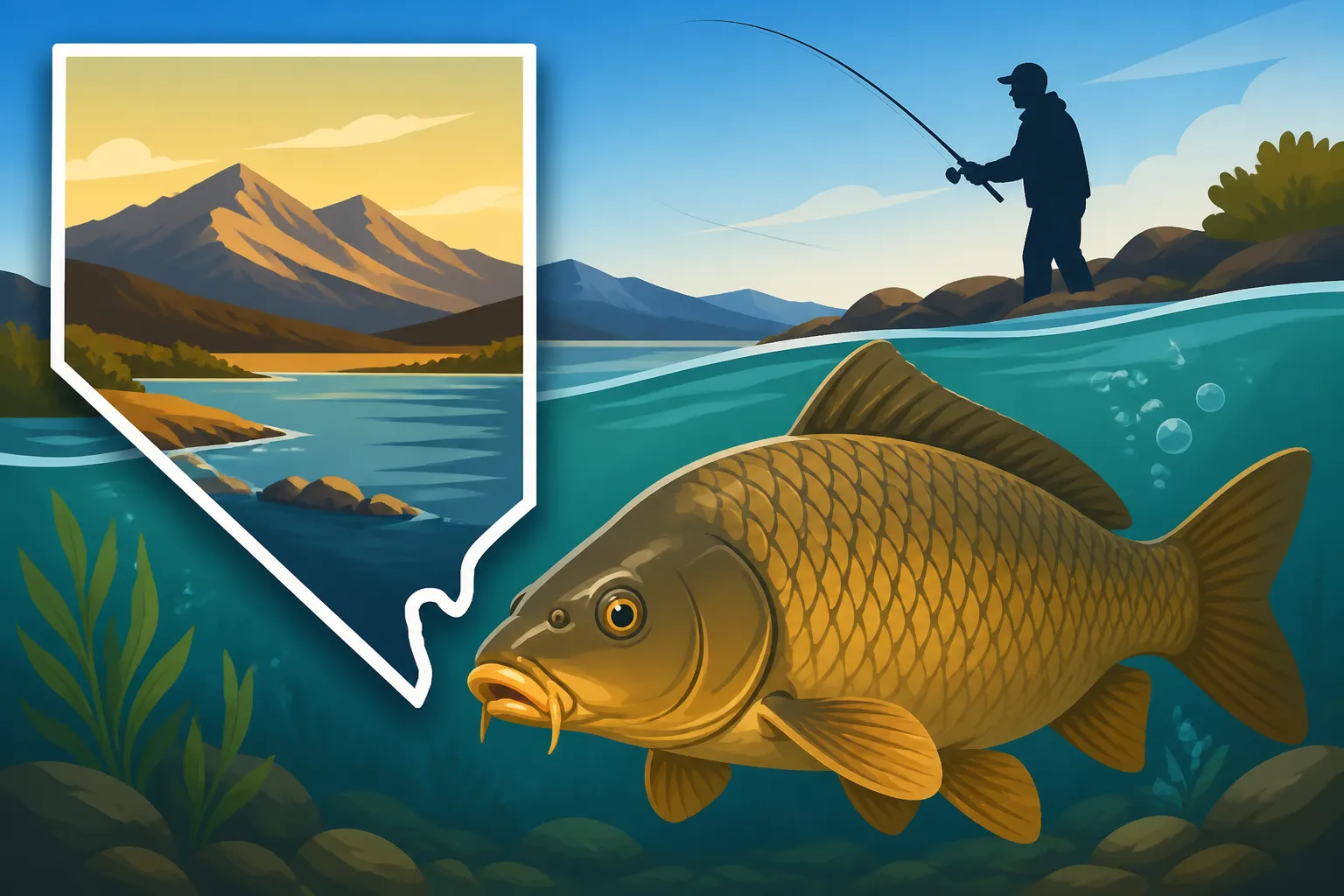
The common carp (Cyprinus carpio) is a distinctive fish, and once you know what to look for, you'll easily spot them in Nevada's lakes and rivers. They possess a robust, elongated body that can be anywhere from football-shaped to quite slender, often depending on their diet and habitat. Their coloration typically ranges from brassy gold or olive-brown on their back and sides, fading to a yellowish or white belly. However, carp can also take on darker, almost black hues in murky waters or lighter, golden tones in clearer, sun-drenched environments.
One of their most defining characteristics is the presence of four barbels – whisker-like sensory organs – around their mouth. Two short barbels are located on the upper lip, and two longer ones at the corners of their mouth. These barbels are crucial for helping carp forage for food along the bottom, sifting through mud and debris. They also have large, distinct scales, often arranged in a regular pattern across their body. Their dorsal fin is long and often serrated on its leading edge, and their caudal (tail) fin is typically broad and powerful, indicative of their fighting prowess. Don't confuse them with the native Sacramento perch, which is much smaller, lacks barbels, and has a different body shape. Knowing these details can certainly help you identify what you’ve hooked, whether it’s a species you intend to keep or release.
A Brief History in Nevada Waters
Like many non-native species, common carp weren't originally found in Nevada's aquatic ecosystems. They were introduced to North America from Europe in the mid-to-late 19th century, primarily for aquaculture and as a food source. Their reputation as a hardy fish that could thrive in a variety of conditions made them an attractive species for stocking programs. Unfortunately, their adaptability quickly led to widespread distribution across the continent, including inland states like Nevada.
In Nevada, carp were intentionally stocked in many waters during the early 20th century. The idea was to create an additional food source and sport fishery, especially in waters that might not support other game fish as readily. Their ability to tolerate warm water, low oxygen levels, and turbid conditions meant they could survive and proliferate in environments where trout or bass might struggle. While this meant a new, abundant fish for some, it also led to their reputation as an invasive species, sometimes blamed for disrupting native habitats by stirring up sediment and competing with other fish for resources. However, regardless of their origin, they are now a permanent fixture in many of our waterways, offering a unique fishing opportunity that's often overlooked.
Preferred Habitats of Common Carp
If you're looking to target common carp in Nevada, understanding their preferred habitats is key. These aren't your typical cold-water trout, nor do they always hang out in the same rocky structures as smallmouth bass. Carp are incredibly versatile and can be found in a wide range of aquatic environments, but they do have a few consistent preferences. They generally favor warmer, slower-moving waters. Think shallow, fertile areas with soft, muddy or silty bottoms where they can easily root around for food. They often congregate near areas with submerged vegetation, reeds, or fallen trees, which offer both food and protection.
You'll find them cruising along shorelines, especially in bays and coves that receive a lot of sun exposure. These areas often warm up first in the spring and retain warmth longer into the fall, making them attractive to carp. They are less common in fast-flowing rivers or deep, cold, clear mountain lakes, but can certainly inhabit the slower, deeper pools of larger river systems. Look for visual cues like muddy water patches (where they've been feeding) or even the distinctive "rolling" or "tailing" of carp on the surface, especially during warmer months. Understanding these habits is your first step to a successful carp outing.
Notable Nevada Carp Hotspots
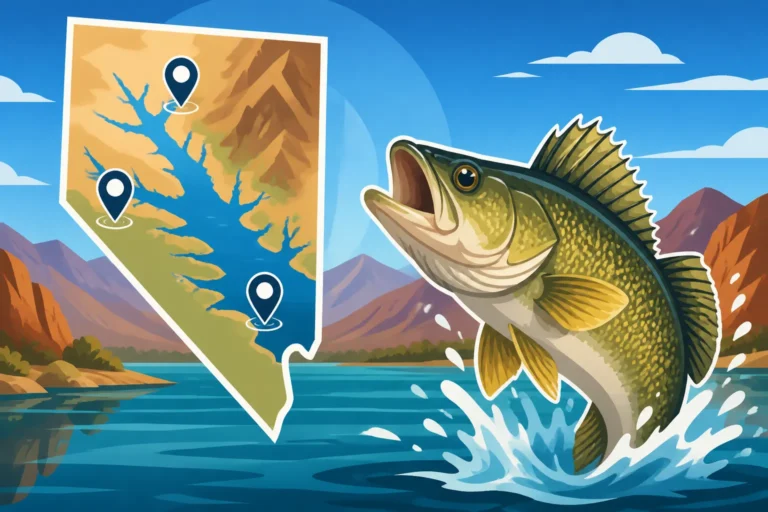
Nevada has several excellent locations where common carp thrive, offering fantastic opportunities for anglers. Many of our larger reservoirs and slower river sections are prime carp territory.
- Lake Mead: This massive reservoir, a true gem of Southern Nevada, holds a huge population of common carp. While most anglers here target striped bass or largemouth, the carp are abundant, especially in the shallower coves and bays where the water warms up. Areas like Hemenway Harbor, Boulder Basin, and Callville Bay are great places to start. Look for quiet backwaters with soft bottoms and plenty of submerged brush or reeds. Lake Mead Nevada Fishing Guide can give you more insights into the general fishing at this iconic location.
- Lahontan Reservoir: Located east of Carson City, Lahontan is another large body of water known for its diverse fishery, including a very healthy carp population. Its shallow, fertile areas, particularly in the upper reaches of the reservoir and along the Truckee River arm, provide ideal habitat for carp to forage.
- Rye Patch Reservoir: Up in Pershing County, Rye Patch Reservoir Fishing offers some excellent carp action. The reservoir's often turbid waters and extensive shallow flats create perfect conditions. Anglers frequently report catching large carp here, especially during the warmer months when they are actively feeding in the shallows.
- Urban Ponds in Las Vegas: Don't overlook the surprisingly good carp fishing right within the city limits! Ponds like those at Floyd Lamb Park or Sunset Park are regularly stocked with trout and catfish, but they also hold established populations of common carp. These ponds are easily accessible and provide a convenient way to get into carp fishing, especially for beginners or those with limited travel options. Check out our Las Vegas Nevada Urban Pond Fishing Guide for more details on these local gems.
- Walker Lake: While primarily known for its Lahontan cutthroat trout in the past, Walker Lake also contains common carp, particularly around the shallower fringes and inflow areas. Walker Lake Fishing details can help you plan a trip to this historic lake.
- Pyramid Lake: While Pyramid Lake is world-renowned for its Lahontan cutthroat trout, it also hosts populations of Sacramento perch and, yes, common carp. The carp tend to stick to the shallower, warmer bay areas, especially during the summer. While not the primary target here, they are definitely present. It's important to remember that Pyramid Lake has its own specific regulations and permits – make sure you have your Pyramid Lake Fishing Permit Guide in order!
These locations offer a variety of settings, from vast reservoirs to intimate urban ponds, ensuring that carp anglers of all skill levels can find a suitable spot.
Effective Baits and Rigs for Carp
Catching common carp effectively often comes down to presenting the right bait in the right way. Carp are primarily bottom feeders, so your presentation needs to get down to where they're rooting around. They have an excellent sense of smell and taste, which you can use to your advantage.
Common Baits that Carp Love
- Canned Corn: This is arguably the most popular and easiest bait to use for carp, especially for beginners. Carp are highly attracted to the sweet scent and bright yellow color of corn. You can use it directly on the hook, or thread several kernels onto a hair rig for better presentation. A simple bag of sweet corn from the grocery store can yield fantastic results.
- Dough Balls: These are a classic carp bait and incredibly versatile. You can make dough balls from flour, cornmeal, bread, and various flavoring agents like vanilla, anise, or even garlic powder. The consistency needs to be firm enough to stay on the hook but soft enough for the carp to easily take. Many anglers have their own secret dough ball recipes, passed down through generations.
- Boilies: Originating from European carp fishing, boilies are cooked, hardened bait balls made from a mix of fishmeals, milk proteins, bird foods, and various flavors and attractants. They are designed to be durable, resist smaller fish, and appeal specifically to larger carp. You can find a wide variety of boilies and related carp fishing tackle on Amazon, often from specialized brands like Nash, Korda, or Mainline Baits.
- Worms and Nightcrawlers: While not as selective as corn or boilies, worms are a natural food source for carp and can be very effective, especially when they are actively feeding. A large nightcrawler presented on the bottom can attract a curious carp.
- Bread: Simple, plain bread (either balled up or as a flake) can be a surprisingly effective bait, especially in heavily pressured waters where carp might be warier of other baits. A small piece of bread floated near the surface can also entice cruising carp, or fished on the bottom.
Essential Rigging for Success
When it comes to rigs, the goal is often to present the bait naturally on the bottom, allowing the carp to pick it up without feeling the resistance of the line or sinker.
- Bottom Fishing Rig (Carolina or Slip Sinker Rig): This is a staple for carp. It involves a sinker that slides freely on your main line, followed by a swivel, and then a leader with your hook. The sliding sinker allows the carp to take the bait and swim a short distance before feeling the weight, often leading to a more confident bite.
- Hair Rig: This rig is a game-changer for serious carp anglers. Instead of hooking the bait directly, the bait (like a boilie or several kernels of corn) is tied to a small "hair" extending from the hook shank. This leaves the hook exposed, increasing hook-up rates when the carp sucks in the bait. This is a very common technique in European-style carp fishing.
- Float Fishing (Bobber Rig): While less common for bottom-feeding carp, in certain situations, such as when carp are feeding in the mid-water column or just off the bottom in shallower areas, a float rig can be effective. It helps suspend your bait at a precise depth and gives a clear visual indication of a bite.
Here's a quick comparison of common carp baits:
| Bait Type | Best for | Pros | Cons |
|---|---|---|---|
| Canned Corn | Beginners, light tackle, easy to find | Cheap, highly visible, strong attractant | Can attract smaller, undesirable fish |
| Dough Balls | Larger carp, custom scents | Versatile, can be molded to hook, cheap DIY | Can be messy, may dissolve quickly in water |
| Boilies | Experienced anglers, targeted carp | Durable, highly attractive to big carp | Can be expensive, requires specialized rigs |
| Nightcrawlers | All carp sizes, natural presentation | Effective, attracts other species too | Easily stolen by smaller fish, less selective |
| Bread (balled) | Shallow waters, wary carp, float fishing | Readily available, cost-effective | Fragile, can come off hook easily |
When selecting your bait, consider the water conditions, pressure, and the size of the carp you're targeting. Experimentation is always a good idea! For example, when targeting stocked trout in urban ponds, you might use power bait, but for carp, corn or dough balls are generally more effective. Best Bait for Stocked Trout could offer a good contrast to carp bait strategies.
Techniques for Success
Beyond bait and rigs, there are a few key techniques that will greatly increase your chances of landing a Nevada carp.
Patience and Observation
Carp fishing often requires a significant amount of patience. These fish can be wary, especially in clear water or heavily fished areas. Set up your gear, cast your lines, and then relax and observe. Look for subtle signs of carp activity: slight movements of submerged vegetation, muddy plumes in the water, or carp rolling on the surface. Don't be afraid to leave your bait in one spot for a while; carp might take their time to find it.
Chumming (Pre-baiting)
Chumming, or "pre-baiting," is a widely used and highly effective tactic in carp fishing. It involves scattering a small amount of bait (like corn, oats, or small pieces of boilies) into your fishing spot before or during your session. This acts as an attractant, drawing carp into your area and getting them accustomed to feeding there. Just be mindful of local regulations regarding chumming, as some areas may have restrictions. A little bit of chum can make a big difference, creating a "dinner bell" effect for hungry carp.
Sight Fishing in Clear Waters
In Nevada's clearer lakes and reservoirs, sight fishing for carp can be an exhilarating experience. This involves actively spotting carp cruising in the shallows and then presenting your bait directly to them. This method requires stealth, good polarized sunglasses (which you can easily find on Amazon), and accurate casting. A light tackle setup and a soft bait presentation are usually best for sight fishing. It’s incredibly rewarding to watch a large carp slowly approach and engulf your bait.
Essential Gear Considerations
You don't need a fortune to get started with carp fishing, but having the right gear will definitely enhance your experience and success.
- Rods and Reels: Carp are powerful fish, so you'll want a rod with a good backbone and a reel with a smooth, reliable drag system. A medium-heavy spinning or baitcasting rod, around 7-9 feet in length, is a good starting point. Pair it with a reel capable of holding at least 150 yards of 10-20 lb monofilament or braided line. Many anglers find excellent starter rod and reel combos for various species, including carp, on Amazon. Consider our guide on Best Rod and Reel Combo for Beginners if you're just starting out.
- Line: Monofilament line in the 10-20 lb range is a popular choice for its stretch, which helps absorb the shock of a carp's powerful runs. Braided line offers increased sensitivity and strength for its diameter, but its lack of stretch means you'll need to rely more on your rod's flex and reel's drag. A fluorocarbon leader can be beneficial in clear water for its low visibility.
- Hooks: Opt for strong, sharp hooks, typically in sizes 4 to 8, depending on your bait size. Circle hooks can be effective for preventing gut-hooking, especially if you plan on catch-and-release.
- Sinkers: A variety of sinker weights (from 1/2 oz to 2 oz) will allow you to adapt to different current conditions and casting distances. Pyramid sinkers or egg sinkers are common choices for bottom rigs.
- Landing Net: A large, deep landing net is crucial for safely landing and handling carp, especially bigger ones. Their broad bodies and powerful thrashing can make them difficult to handle without one. A good quality net is an indispensable piece of Nevada Fishing Gear Essentials.
- Rod Holders: If you're bank fishing, sturdy rod holders (bank sticks or tripods) are essential. Carp bites can be sudden and aggressive, and a good rod holder will prevent your rod from being pulled into the water.
- Bait Buckets/Coolers: A small bait bucket or cooler will keep your bait fresh, especially on warm Nevada days. If you plan to keep any fish, a larger cooler, also readily available on Amazon, will be necessary to keep them properly chilled.
Remember, carp fishing is an experience, and having comfortable and reliable gear, much of which can be conveniently found on Amazon, will make it even more enjoyable.
Ecological Role and Concerns
Common carp have a complex ecological role in Nevada waters. While often labeled as an "invasive species," it's important to understand the nuances of their impact. They are indeed non-native, and their feeding habits can contribute to turbidity by stirring up bottom sediments, which can negatively affect aquatic vegetation and sight-feeding predators. In some ecosystems, their presence has been linked to declines in native fish populations, particularly in shallower, more sensitive environments.
However, carp also serve as a significant food source for larger predatory fish, birds of prey, and other wildlife. Their resilience and ability to thrive in degraded habitats mean they can sometimes be the only robust fishery available in certain challenging environments. In many waters, they coexist with other species, and their presence is simply part of the established ecosystem. The Nevada Department of Wildlife (NDOW) manages fish populations to maintain balance, and while carp are not typically stocked, their abundance is acknowledged, and they often provide a valuable, if sometimes controversial, angling opportunity.
Regulations and Ethical Considerations
Fishing for common carp in Nevada is generally straightforward when it comes to regulations, as they are not typically considered a game fish in the same way trout or bass are. This often means very liberal bag and possession limits, or sometimes no limits at all. However, it is absolutely crucial to always check the current Nevada Fishing Regulations Explained booklet or the NDOW website before you head out. Regulations can change, and specific water bodies might have unique rules. While the statewide regulations for common carp might be open, specific regional or local rules could apply, particularly in urban ponds or sensitive conservation areas.
Regardless of specific limits, ethical angling practices should always be followed. This includes:
- Respecting property: Always get permission if fishing on private land and follow all rules on public lands.
- Proper disposal: Never leave litter, fishing line, or bait containers behind.
- Responsible release: If you choose to release carp, handle them gently with wet hands and return them to the water quickly. Many carp anglers practice catch and release, especially for larger specimens that provide an excellent fight.
- Respecting other anglers: Be mindful of others enjoying the outdoors.
Even when fishing for a species with few restrictions, understanding Nevada Statewide Bag Limits Explained and general ethical practices ensures a sustainable and enjoyable experience for everyone.
Dispelling the "Trash Fish" Myth
The term "trash fish" is often thrown around when people talk about common carp, and honestly, it's a bit unfair. This label typically comes from a combination of their bottom-feeding habits, their tendency to thrive in murky waters, and historical perceptions. However, any angler who has hooked into a large carp will quickly tell you they are anything but "trash."
Carp are incredibly powerful fighters. Once hooked, they'll often make long, sustained runs, pull hard, and sometimes even jump. Landing a large carp on appropriate tackle can be a true test of an angler's skill and patience. They provide a unique challenge that rivals many revered game fish. In many parts of the world, particularly in Europe and Asia, carp are highly prized sport fish, with entire industries built around specialized carp tackle and tournaments. So, if you're looking for a strong pull and a thrilling battle, give carp a chance – you might just change your mind about their sporting value.
Preparation and Recipes
One of the biggest reasons for the "trash fish" label is often concerns about their taste or edibility. It's true that carp from certain muddy, warm waters can have a stronger, earthy flavor. However, carp caught from cleaner, cooler waters, or properly prepared, can be quite delicious! Their flesh is firm, flaky, and has a mild, sweet flavor when handled correctly.
Here are a few tips for preparing carp:
- Bleeding and Icing: Immediately after catching a carp you intend to keep, bleed it by cutting the gills and place it on ice. This significantly improves the flavor by removing blood from the flesh.
- Cleaning: Carp have many small bones, which can be a deterrent. Learning to properly fillet a carp, focusing on removing the "mud line" (a darker strip of flesh along the lateral line) and scoring the fillets to cut through the small Y-bones, can make a huge difference. Some people prefer to grind the meat for carp patties or fish cakes, which eliminates the bone issue.
- Soaking: Soaking carp fillets in milk, saltwater, or even a mild vinegar solution for a few hours or overnight can help draw out any muddy flavors.
- Cooking Methods: Carp meat is versatile. It can be baked, fried, smoked, or grilled.
- Fried Carp: A classic approach. Dip fillets in an egg wash, then dredge in seasoned cornmeal or breadcrumbs, and fry until golden brown.
- Smoked Carp: Smoking is an excellent way to impart flavor and tenderize the meat, perfect for flakes in salads or sandwiches.
- Carp Patties: Grind the deboned meat with onions, bell peppers, and seasonings, then form into patties and pan-fry or bake.
Don't let historical prejudices deter you from trying carp as table fare. With a little care in preparation, you might find a new favorite fish to bring home from your Nevada fishing adventures. After all, the joy of fishing often includes the joy of the meal that follows, and common carp can certainly deliver on that front.
Disclaimer
This article is for general informational purposes only and does not constitute professional advice. Laws, prices and regulations vary by location and change over time. Consult a qualified professional for guidance on your specific situation.