Mackinaw trout size at Lake Tahoe
One of the most exciting parts about fishing Lake Tahoe is the sheer anticipation of what you might pull up from its legendary depths. You’ve heard the whispers, seen the photos, and perhaps even felt the pull of a smaller one yourself, but what’s the real story behind the size of Mackinaw trout in this iconic Nevada fishery? It’s a question that can really get under your skin, especially when you're hoping for that once-in-a-lifetime catch. This guide will dive deep into the typical sizes, what a true trophy Mackinaw looks like, and what makes these incredible fish grow so large in Lake Tahoe.
The Average Mackinaw Trout Size in Lake Tahoe
When you're out on Lake Tahoe, especially if you're targeting Mackinaw, you're usually hoping for a respectable fish, something that gives a good fight and looks impressive in a photo. For most recreational anglers, a typical Mackinaw trout caught in Lake Tahoe will generally range from about 2 to 10 pounds. These are the fish you'll encounter most frequently, providing plenty of angling action. Their length can vary quite a bit within this weight range, but you're often looking at fish somewhere between 18 to 28 inches.
However, "average" doesn't mean small! Even a 5-pound Mackinaw in Lake Tahoe is a strong, healthy fish, accustomed to battling the cold, deep waters. Many anglers are perfectly thrilled to catch several fish in this size class during a day on the water. These are the fish that keep you coming back, offering consistent opportunity and the promise of something even bigger lurking below. They are often caught by trolling various lures and baits at depths ranging from 80 to 200 feet, depending on the season and time of day.
It's important to understand that these average sizes are a testament to the robust health of Lake Tahoe's ecosystem and the management efforts to sustain this incredible fishery. The lake provides an ideal habitat with ample food sources and the deep, cold water that Mackinaw thrive in. While you might encounter smaller fish, especially younger ones, the prevailing size for a keeper Mackinaw generally falls within this impressive range. For rules on what you can actually keep, check out Minimum size for keeping a lake trout at Lake Tahoe as the regulations can change.
What Defines a "Trophy" Mackinaw at Lake Tahoe?
Now, let's talk about the real showstoppers – the trophy Mackinaw. For many dedicated anglers, a "trophy" isn't just a big fish; it's a monumental achievement, a testament to skill, patience, and often, a little bit of luck. At Lake Tahoe, a Mackinaw truly starts entering "trophy" territory once it hits around 15 pounds. These fish are often much older, having spent many years in the lake's depths, growing steadily. A 15-pound Mackinaw could easily be pushing 30 inches or more in length.
But the real giants, the ones that make headlines and set personal bests, can push well beyond that. Mackinaw in the 20 to 30-pound range are considered absolute monsters, requiring serious dedication and often specialized gear and techniques to land. Imagine the sheer power of a fish that large, fighting against your line hundreds of feet down! Fish over 30 pounds are truly rare, often taking decades to reach such proportions, and catching one is the dream of a lifetime for many. These incredible specimens are a testament to the lake's potential, showcasing the peak of the species' growth in this unique environment.
To put it into perspective, the state record for a Mackinaw trout caught in Nevada waters of Lake Tahoe is truly colossal. While specific numbers can vary and records are always being updated, these fish can reach weights over 30 pounds. Landing a fish of that caliber often involves hours of methodical trolling, careful monitoring of your sonar, and then an epic battle that tests every fiber of your fishing gear and your own endurance. When you're dreaming of one of these leviathans, ensuring you have a strong rod and reel is paramount; many anglers often scout for quality options on Amazon.
Factors Influencing Mackinaw Trout Growth and Size
Several critical factors play into why Lake Tahoe Mackinaw trout grow to such impressive sizes. It’s a delicate balance of environment, food, and the life cycle of these magnificent fish. Understanding these elements can not only deepen your appreciation for the species but also subtly inform your fishing strategy.
Abundant Food Sources
One of the primary drivers behind the large size of Lake Tahoe's Mackinaw is the rich and varied food supply available to them. Lake Tahoe is teeming with forage fish, most notably Kokanee salmon. These smaller salmon are a high-protein, energy-rich food source that Mackinaw actively hunt and consume, providing the fuel needed for rapid growth and substantial weight gain. Without such a plentiful food base, the Mackinaw simply wouldn't have the nutritional resources to reach their potential.
Beyond Kokanee, Mackinaw also feed on smaller fish species, invertebrates like crawfish, and even their own younger kin if the opportunity arises. This diverse diet ensures they can sustain themselves through various seasons and maintain a consistent growth rate. When the Kokanee populations are thriving, you often see a corresponding boost in the overall health and size of the Mackinaw population. You can learn more about their diet in What Mackinaw trout eat at Lake Tahoe.
Deep, Cold, and Oxygen-Rich Waters
Lake Tahoe itself is an unparalleled habitat for Mackinaw trout. These fish are perfectly adapted to deep, cold, and highly oxygenated environments, and Lake Tahoe offers some of the purest, most expansive deep-water habitats anywhere. The sheer volume of cold water, particularly in the thermocline and below, provides a stable, low-stress environment where Mackinaw can thrive without expending excessive energy to regulate their body temperature.
The lake's incredible depth, reaching over 1,600 feet in some areas, gives larger Mackinaw ample space to roam, hunt, and escape pressure from both anglers and other predators. This vast, undisturbed habitat allows them to mature over many years, contributing directly to their potential for substantial size. It's truly a unique blend of conditions that fosters such impressive growth. When targeting these fish, understanding where to find the optimal cold water is key, and this often means exploring Lake Tahoe Deep Water Mackinaw Spots.
Longevity and Genetics
Mackinaw trout in Lake Tahoe are also known for their impressive longevity. These fish can live for many years, sometimes reaching ages well into their teens or even twenties. The longer a fish lives, generally, the larger it can grow, assuming favorable environmental conditions and consistent food availability. Their slow, steady growth over decades allows them to pack on pounds and length year after year. For more on how long these fish live, you might be interested in Mackinaw trout lifespan at Lake Tahoe.
Furthermore, the genetics of Lake Tahoe's Mackinaw population are robust. While not necessarily a unique strain, the combination of a healthy gene pool and ideal growing conditions contributes to individuals that have the inherent capacity for significant size. Effective fisheries management, including size and bag limits, helps ensure that enough breeding stock survives to pass on these strong genes, maintaining the potential for future generations of trophy-sized fish.
Strategies for Targeting Larger Mackinaw and Understanding Size Limits
If you're dreaming of a trophy Mackinaw, your approach needs to be strategic. It's not just about getting a line in the water; it's about understanding the fish, their habits, and the regulations designed to protect them.
Best Techniques for Landing the Big Ones
Targeting larger Mackinaw often means employing specific techniques, with trolling being the most popular and effective. This involves moving slowly through the water, presenting lures or bait at specific depths where these fish are likely to be lurking. Downriggers are almost a necessity to get your offerings deep enough, often hundreds of feet down. Lures that imitate Kokanee salmon or crawfish are generally excellent choices, as are large spoons, plugs, or even live bait where permitted.
Many anglers experiment with various speeds and depths until they find what's working on a particular day. Learning to read your fish finder for bait balls and Mackinaw arches is also crucial. The patience required to wait for a strike from a truly massive fish cannot be overstated. It’s often a waiting game, but when that rod doubles over, it’s all worth it. For a deeper dive into the methods, consider reading Trolling Techniques for Lake Tahoe Mackinaw and How to Catch Mackinaw Trout at Lake Tahoe.
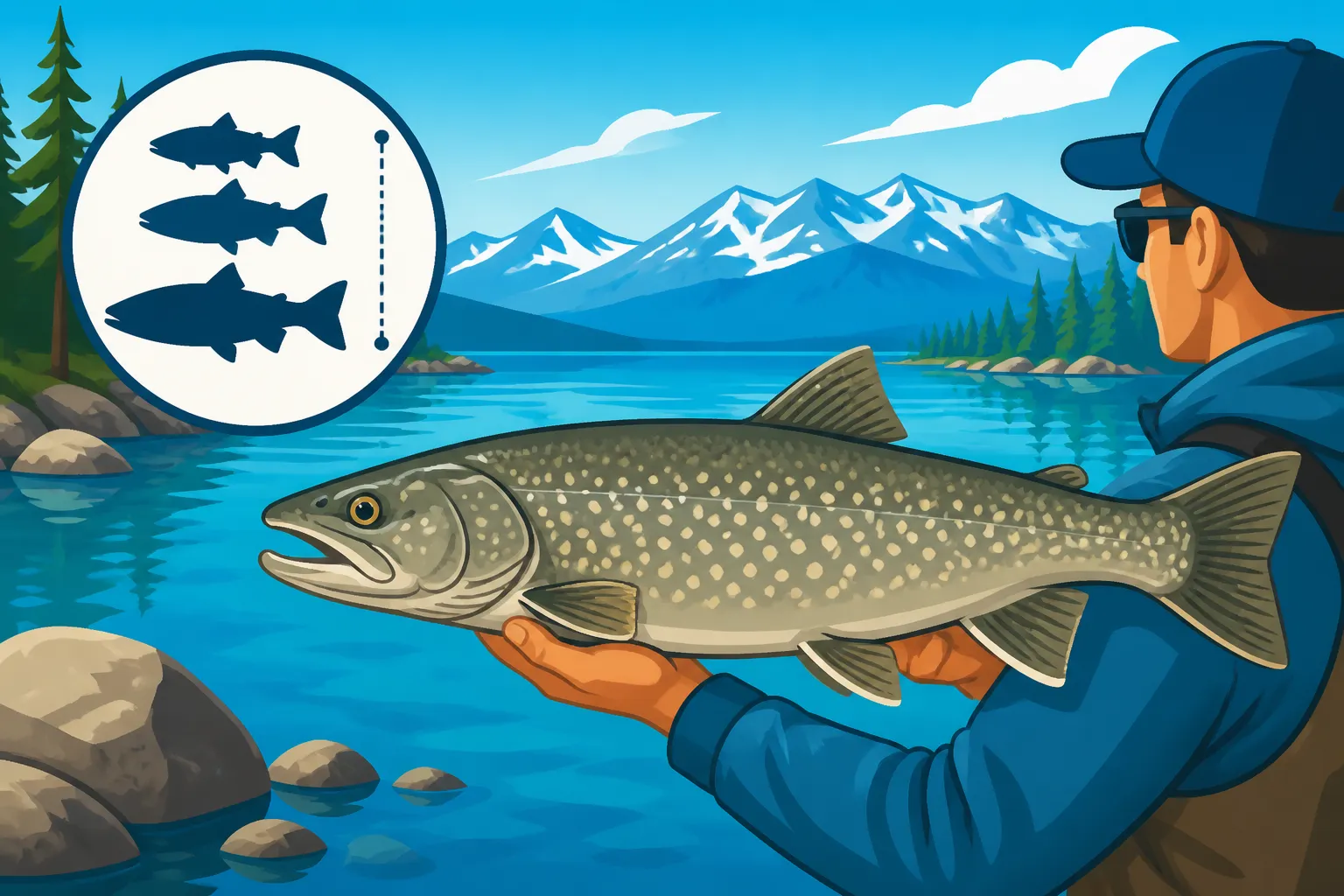
| Mackinaw Size Category | Typical Weight Range | Typical Length Range | Estimated Age Range | Strategy Notes |
|---|---|---|---|---|
| Small/Juvenile | 0.5 – 2 lbs | 12 – 17 inches | 1 – 4 years | Often caught incidentally, or in shallower areas. |
| Average Keeper | 2 – 10 lbs | 18 – 28 inches | 4 – 10 years | Most common catch, good fight. Target 80-200 ft. |
| Large/Heavy | 10 – 20 lbs | 28 – 35 inches | 10 – 18 years | Requires persistent effort, deeper water, larger baits. |
| Trophy | 20+ lbs | 35+ inches | 18+ years | Rare, specialized gear, deep structure. |
Navigating Size and Bag Limits
Understanding the local regulations is paramount for any angler, especially when chasing species like Mackinaw. Nevada has specific size limits for Mackinaw trout in Lake Tahoe, meaning you can only keep fish within a certain size range. This is a critical management tool designed to protect the breeding stock and allow younger fish to grow while also ensuring a healthy population of older, larger fish. For example, there might be a minimum size limit to protect juveniles and sometimes even a slot limit, which allows you to keep fish within a certain length range but requires releasing those that are either too small or too large.
Always check the current Nevada Fishing Regulations Explained before you head out, as these rules can change. Adhering to these regulations is not just about avoiding fines; it's about being a responsible angler and contributing to the sustainability of this incredible fishery for generations to come. Having a reliable measuring tape readily accessible, perhaps one you picked up from Amazon, is essential to ensure your catch meets the legal requirements.
Catching a truly massive Mackinaw from Lake Tahoe is a memory that lasts a lifetime. Whether you're content with an average-sized fighter or dedicated to pursuing that elusive trophy, the lake offers an incredible experience. Always remember to fish ethically, respect the regulations, and most importantly, enjoy every moment out on the water.
Disclaimer
This article is for general informational purposes only and does not constitute professional advice. Laws, prices and regulations vary by location and change over time. Consult a qualified professional for guidance on your specific situation.