Growth rate of stocked rainbow trout
It’s a common question among Nevada anglers, especially those who frequent our many stocked lakes and ponds: how fast do those rainbow trout actually grow once they're released? You see the trucks, you know the fish are going in, but will that 10-inch stocker you saw last month be a 15-inch beauty by summer? This question taps into a fundamental curiosity for many of us who love chasing these vibrant fish, and understanding their growth rate can truly change how you approach your fishing trips. This guide will dive deep into what influences the growth of stocked rainbow trout in Nevada, what you can realistically expect, and how you might even target those that have had a chance to beef up a bit.
What Happens When Rainbow Trout Are Stocked in Nevada?
When we talk about "stocked" rainbow trout in Nevada, it’s not a one-size-fits-all scenario. The Nevada Department of Wildlife (NDOW) has a robust stocking program, but the fish they release vary in size and the reasons behind their introduction differ. This initial context is crucial to understanding their potential for growth once they're swimming in your favorite fishing hole.
The Hatchery Journey: From Egg to "Catchable" Size
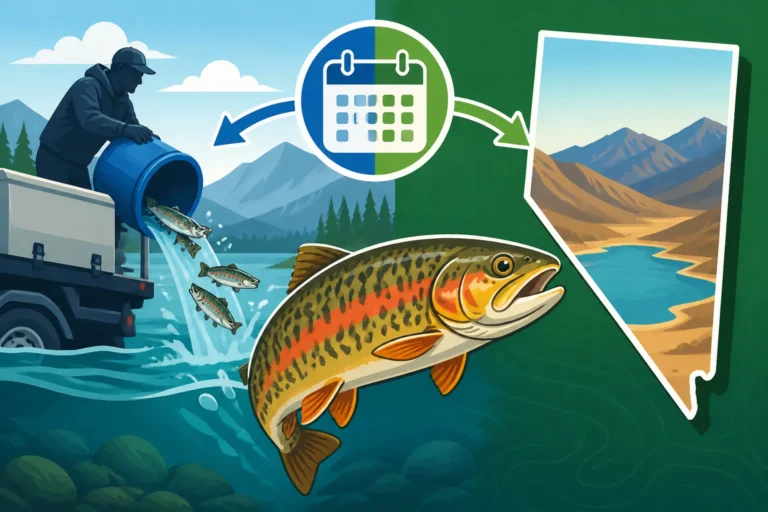
Most of the rainbow trout you'll encounter in Nevada’s stocked waters begin their lives in a hatchery. These controlled environments are designed to maximize survival and growth efficiently. Trout are raised from eggs, often called "fry" when they first hatch, then become "fingerlings" as they grow a few inches. Many of the trout released into Nevada's urban ponds and popular reservoirs are already of what we call "catchable size," often ranging from 8 to 12 inches.
The primary goal for stocking these catchable-sized fish is to provide immediate angling opportunities, especially in areas with high public access like Sunset Park Pond or Floyd Lamb Park. Think of it as instant gratification for anglers. These fish have already done most of their growing in the hatchery, where conditions are optimized for rapid development. They’re fed a consistent, high-protein diet, kept in clean water at ideal temperatures, and protected from predators. This means that when they hit your local lake, they might not grow much larger very quickly, as their initial growth spurt has already occurred. However, their survival instincts kick in, and if the environment is right, they can certainly pack on a few more ounces or even inches.
Why NDOW Stocks Fish: Beyond Immediate Catchability
While providing immediate fishing opportunities is a big part of the stocking program, it’s not the only reason. Sometimes, smaller fingerlings are stocked into larger reservoirs or lakes with more complex ecosystems, like certain areas of Lake Mead Nevada Fishing Guide or Wildhorse Reservoir Nevada Fishing Guide. The idea here is that these smaller fish will adapt to the wild environment, find natural forage, and grow into larger, more challenging sportfish over time. This approach aims to enhance natural populations or create fisheries where natural reproduction is limited or non-existent due to environmental factors.
In these situations, the growth rate can be dramatically different compared to the catchable-sized stockers. Fingerlings have a lot more growing to do, and their survival and subsequent growth depend heavily on the conditions of the specific body of water they're introduced into. They’re facing predators, competing for food, and adapting to fluctuating water temperatures – all factors that were controlled in the hatchery. The success of these smaller stockings often dictates the quality of a fishery years down the line, yielding those impressive, hard-fighting trout that many anglers dream of.
Key Factors Driving or Limiting Growth in Nevada's Waters
Once those hatchery rainbows are released, they're no longer in the perfectly controlled environment they grew up in. Their continued growth, or lack thereof, is largely dictated by the specific characteristics of the Nevada lake or pond they call home. It's a delicate balance of environmental conditions and resources.
Water Temperature and Its Impact
Rainbow trout are cold-water fish, and temperature is arguably the most critical factor influencing their metabolism and growth. In Nevada's often hot climate, this becomes particularly relevant. Ideal water temperatures for rainbow trout growth typically range from the low to mid-50s Fahrenheit (around 10-15°C). In this range, they feed efficiently, digest well, and expend energy effectively.
- Too Warm: Many of Nevada's lower-elevation lakes and urban ponds can reach much higher temperatures in the summer months. When water temperatures climb into the 70s°F (21°C) and above, trout become stressed. Their metabolism still speeds up, but they become lethargic, stop feeding, and often struggle to survive. Growth slows dramatically or stops altogether, and prolonged exposure can be fatal. This is why you often see heavy trout stockings in urban ponds in the cooler spring and fall, with fewer releases in the peak summer.
- Too Cold: While less common for limiting growth in Nevada's main fishing seasons, extremely cold water (near freezing) also slows a trout's metabolism. They become sluggish and feed less actively, meaning slower growth. However, many of Nevada's high-elevation lakes maintain cool temperatures year-round, which can be fantastic for steady, healthy growth, even if it's not as rapid as in a perfectly temperate hatchery. Understanding these thermal preferences is key to understanding Best Time of Day to Fish in Summer Heat or Nevada Fishing Seasons by Month.
Food Availability and Competition
Just like any living creature, trout need food to grow. In a natural or semi-natural environment, this means a consistent supply of insects, small crustaceans, baitfish, and other aquatic organisms.
- Abundant Forage: Waters rich in diverse insect life, midge larvae, scuds, and even smaller baitfish (like shiners or kokanee salmon in some larger systems) provide the fuel for rapid growth. Trout are opportunistic feeders, and a smorgasbord of food allows them to put on weight quickly. Reservoirs with a healthy ecosystem supporting various prey species will see better trout growth. This is where Best Bait for Nevada Trout and Best Lures for Nevada Bass advice comes into play.
- Sparse Resources & Competition: Conversely, in waters with limited food sources or high competition from other fish species (including other stocked trout), growth will be slower. Imagine a small urban pond that's heavily stocked but doesn't have a rich natural food base – those fish might grow a little from the initial stocking size, but they'll mostly just maintain. Competition isn't just from other trout; bass, catfish, and even panfish can all be vying for the same food sources. The size of the body of water also matters significantly; a larger lake can support more biomass and thus more potential for growth.
Genetics and Initial Size
While environmental factors are huge, we can't completely ignore genetics and the starting point. Different strains of rainbow trout might have slightly different growth potentials, though most hatchery-raised fish are selected for robust growth.
More importantly, the size at which a fish is initially stocked plays a role. As mentioned earlier, a 4-inch fingerling has a lot more potential for growth in the wild than a 10-inch "catchable" trout. The fingerling has more biological "room" to grow before hitting its mature size, assuming environmental conditions allow. The smaller they start, the more dramatic their post-stocking growth can be, assuming they survive. This is particularly true in waters where NDOW aims for a "put-grow-and-take" fishery rather than just "put-and-take."
Typical Growth Trajectories: From Tiny Fingerling to Trophy Potential
So, what does this all mean for the fish you’re trying to catch? How quickly can you expect a rainbow trout to pack on the pounds after it’s been released into a Nevada lake? It’s not an exact science, but we can talk about general expectations based on various scenarios.
From Fingerling to Catchable Size
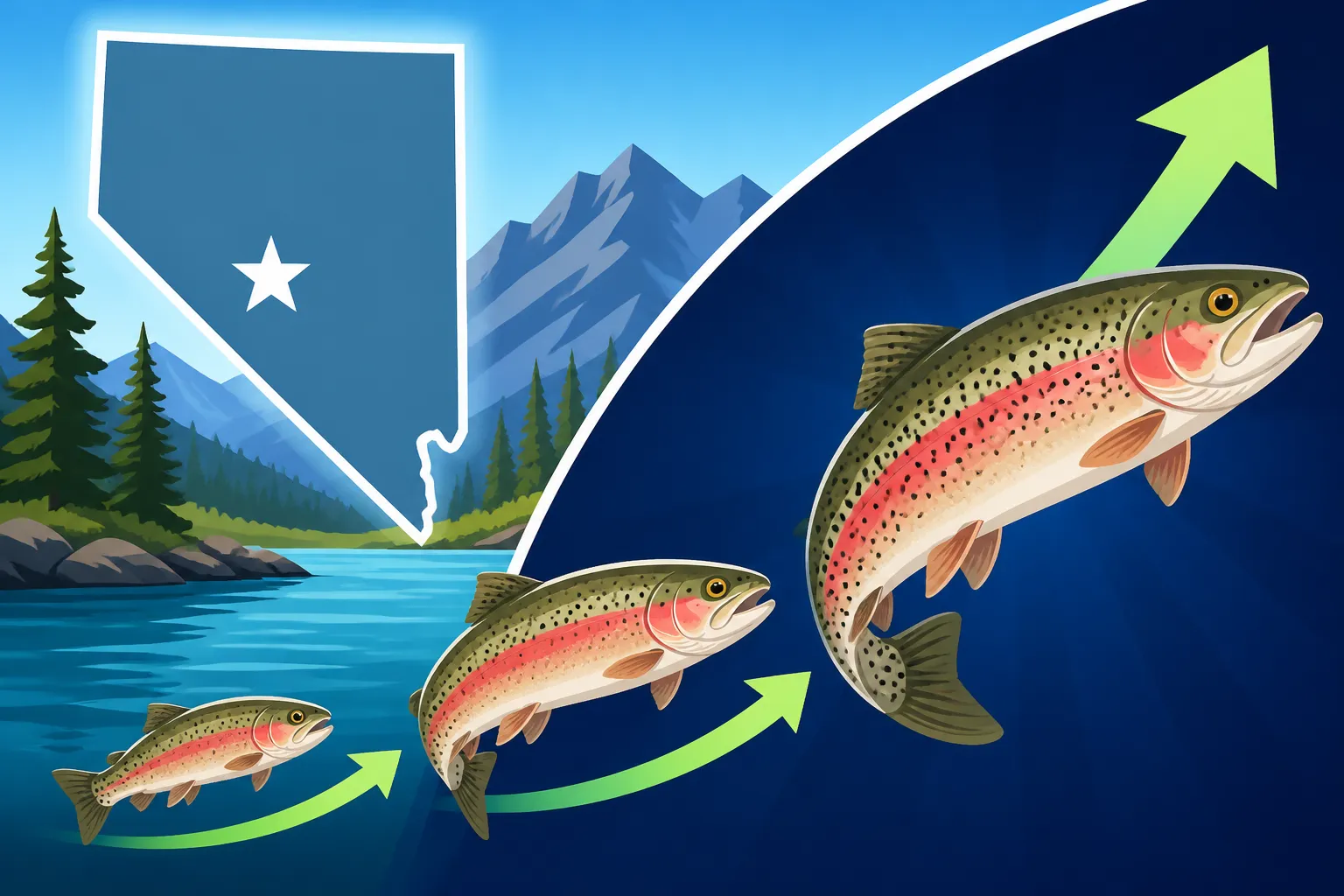
When NDOW stocks smaller fingerlings (typically 2-6 inches), their growth rate in the wild is very dependent on the specific water body. In a fertile reservoir like Wildhorse, or some of the high-elevation lakes, these small trout can grow remarkably fast if they survive the initial predation.
- Rapid Growth (Ideal Conditions): In nutrient-rich waters with abundant food and optimal temperatures, a 4-inch fingerling can reach a catchable size of 10-12 inches within 6 to 12 months. Some could even exceed that if conditions are exceptionally good. This is where you see the "sleeper" fish that grow into legitimate lunkers.
- Moderate Growth (Average Conditions): In most other suitable waters, that same fingerling might take 12 to 18 months to reach 10-12 inches. Survival rates are lower for smaller fish, so many won't make it to this size, but those that do become prized catches.
It's a testament to the adaptability of these fish that they can transition from a hatchery diet to natural forage and still thrive. Anglers targeting these "grown-up" fingerlings are often looking for the true wild fighters that have learned to survive and forage naturally.
What Happens After They're "Catchable"
For the majority of rainbow trout stocked in Nevada, especially in urban ponds and heavily fished areas, they arrive at a "catchable" size, usually 8-12 inches. Many anglers assume these fish won't grow much more, and to some extent, that's true in the short term, especially in less-than-ideal summer conditions.
- Immediate Post-Stocking: Right after being stocked, these fish are adjusting to a new environment. They might be a bit stressed, and their focus is on finding shelter and food. They might not show significant growth in the first few weeks or even months. Their weight might fluctuate as they transition from a hatchery diet to whatever natural food is available.
- Continued Growth (Good Conditions): If a catchable-sized trout survives for several months in a good environment (cooler water, ample food, less fishing pressure), it can definitely add inches and ounces. A 10-inch stocker could realistically become a 12-14 inch trout within another 6-12 months. Some can even push into the 16-18 inch range or beyond, especially in larger, colder reservoirs where they have space and more consistent food sources. These are the fish that become the local legends, often showing brighter colors and a more robust fighting spirit than their freshly stocked brethren.
- Limited Growth (Poor Conditions): In crowded, warmer, or food-limited ponds, a catchable-sized trout might grow very little, or even lose weight, particularly if caught and released multiple times. Their survival window in these environments is generally shorter.
How Long Do They Stick Around?
The lifespan of a stocked rainbow trout in Nevada waters can vary wildly. In heavily fished urban ponds, many are caught within days or weeks of stocking. Their purpose is to be caught, and they fulfill that purpose efficiently.
However, in larger reservoirs or less accessible areas, stocked trout can survive for years, especially if they adapt well to the natural environment. A rainbow trout can live 3-5 years or even longer in ideal, cold-water conditions. These older, larger fish are often the ones that achieve impressive sizes and become true trophy catches, having grown significantly beyond their initial stocking size. For instance, a rainbow stocked as a fingerling in a large, cold reservoir might eventually reach several pounds, blurring the lines between a "stocked" fish and a "wild" one in terms of its characteristics.
Finding and Catching Those Bigger Stocked Rainbows
Knowing how stocked rainbow trout grow in Nevada's diverse waters can give you a real edge. Instead of just chasing the freshest stockers, you can adapt your approach to find those fish that have had time to grow into more substantial catches.
Targeting Older, Larger Stocked Trout
If your goal is to land a bigger rainbow trout that started its life in a hatchery, you'll need to think beyond the immediate post-stocking frenzy. These "holdover" or "carryover" fish often exhibit different behaviors and are found in different locations than the freshly introduced ones.
- Seek Out Structure and Depth: Larger, more mature trout are often warier and prefer deeper, cooler water, especially during warmer months. Look for submerged structures like rock piles, ledges, drop-offs, or underwater vegetation beds. These provide both cover from predators and ambush points for foraging. In lakes like Lake Tahoe, Mackinaw trout thrive in these deep, cold environments, and larger rainbows often emulate this behavior.
- Adapt Your Baits and Lures: While freshly stocked trout will often hit almost anything, older, larger ones become more selective. They've likely transitioned to a more natural diet. Try larger, more natural-looking lures like spoons, swimbaits, or even larger PowerBait presentations. Live baits like worms or minnows (where legal) can also be highly effective. Consider using a bit heavier line for Best Line for Desert Reservoir Fishing to ensure you can handle a surprise lunker.
- Timing is Key: Early mornings and late evenings are often the best times, especially in the warmer seasons, as trout will move shallower to feed under lower light conditions. In cooler months, they might be active throughout the day. Pay attention to Nevada Fishing Seasons by Month and local stocking reports, but remember that holdovers are less predictable than new stock.
Best Locations and Times for Growth
Certain Nevada waters are simply better suited for allowing stocked trout to grow significantly. If you want to increase your odds of catching a larger, healthier stocked rainbow, consider these types of locations:
- Larger Reservoirs and Lakes: Bodies of water like Wildhorse Reservoir, Marlette Lake (for fly fishing), or even the deeper sections of Lake Mohave Nevada Fishing Guide that maintain cooler temperatures and have a good forage base offer the best potential for growth. These expansive environments provide more space, less fishing pressure per fish, and often a richer natural ecosystem.
- High-Elevation Lakes: Many of Nevada's high mountain lakes, though harder to access, are prime spots for trout to grow large. Their consistently cold water and relatively low fishing pressure allow fish to thrive for years. These often require a bit more effort to reach, but the reward of a larger, robust trout is often worth it.
- Cooler Seasons: The fall, winter, and spring in Nevada offer the best conditions for trout growth and activity across most stocked waters, even urban ponds. The cooler water means less stress for the fish, more active feeding, and thus, more growth. Winter Fishing Techniques for Nevada Trout can be very rewarding for larger, healthier fish.
Here’s a quick overview of factors impacting growth:
| Factor | Impact on Rainbow Trout Growth (Post-Stocking) | Ideal Conditions for Growth |
|---|---|---|
| Water Temperature | Speeds up or slows metabolism; extreme heat causes stress. | 50-65°F (10-18°C) range |
| Food Availability | Determines nutrient intake for growth. | Abundant natural forage (insects, crustaceans, baitfish) |
| Competition | Can limit access to food resources. | Low competition from other fish species or high food volume |
| Initial Size | Smaller fish have more "room" to grow if they survive. | Stocked as fingerlings (2-6 inches) into rich environments |
| Water Body Size | Larger bodies often mean more space and diverse food. | Large reservoirs, deep lakes, high mountain lakes |
| Fishing Pressure | High pressure can cause stress and shorten lifespan. | Low to moderate pressure, promoting survival and adaptation |
Understanding the growth rate of stocked rainbow trout in Nevada isn’t just an interesting fact; it's a tool that can make you a more successful and insightful angler. By paying attention to the specific water you’re fishing, the season, and the likely age of the trout present, you can adjust your tactics to seek out those impressive holdovers that have truly thrived in their new home. Remember that even the smallest stocked trout has the potential to become a real beauty if given the right chance.
Disclaimer
This article is for general informational purposes only and does not constitute professional advice. Laws, prices and regulations vary by location and change over time. Consult a qualified professional for guidance on your specific situation.