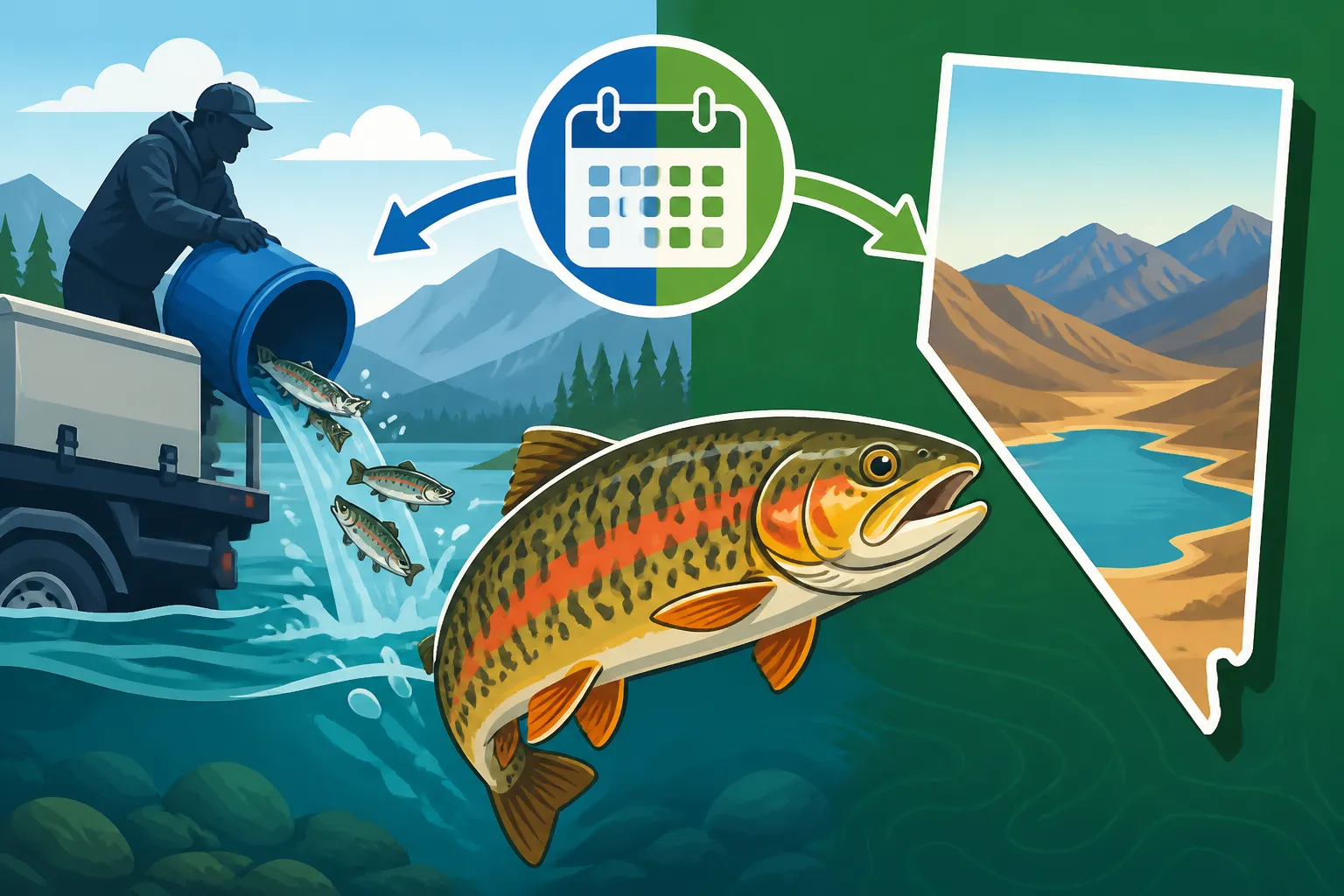
Are tiger trout stocked every year in Nevada?
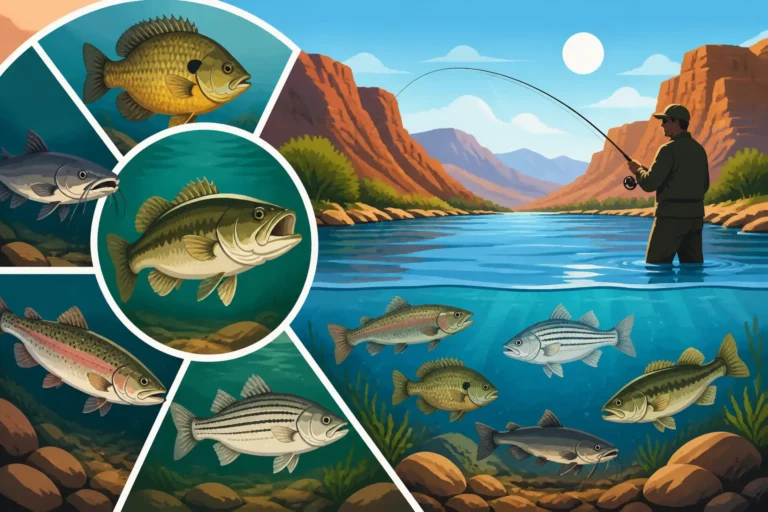
One of the most exciting things about fishing in Nevada is the incredible variety of species you can target, but sometimes, pinpointing exactly which fish will be where, and when, can feel like a bit of a mystery. Anglers often wonder about specific stocking programs, especially when it comes to unique and highly sought-after fish like the tiger trout. It’s a common question, and one that gets asked a lot, whether these elusive hybrids make an appearance in our waters every single year. This guide is here to shed some light on the Nevada Department of Wildlife's (NDOW) approach to stocking tiger trout, giving you a clearer picture of what to expect.
Understanding Tiger Trout in Nevada
There's something truly captivating about a tiger trout. Their striking, maze-like patterns are instantly recognizable, and catching one feels like a real accomplishment. But what exactly are these unique fish, and why does NDOW consider stocking them in our Nevada waters?
What Exactly is a Tiger Trout?
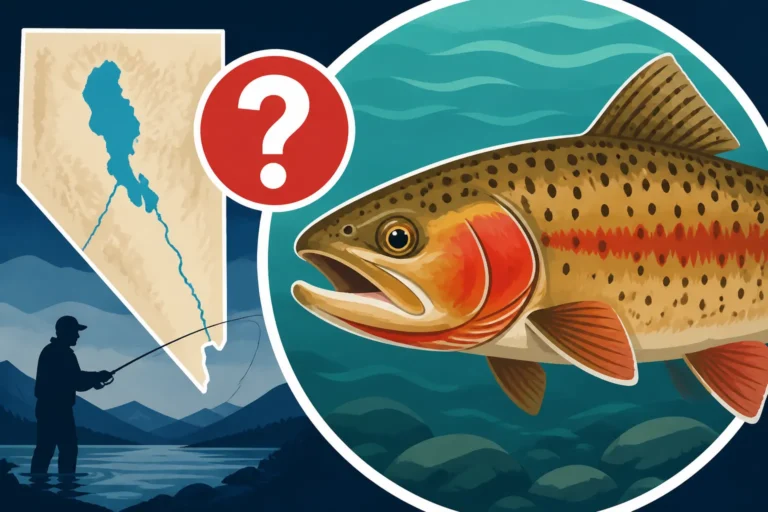
First off, let's clear up any confusion: a tiger trout isn't a naturally occurring species. It's actually a sterile hybrid, meaning it can't reproduce on its own. It's born from the cross-breeding of a male brook trout and a female brown trout. The name "tiger trout" comes from those incredible, worm-like patterns, known as vermiculations, which are usually a blend of dark and light colors, almost like camouflage. They really do look like miniature tigers of the water!
These hybrids combine some of the best characteristics of both parent species. From the brown trout, they inherit a hardy nature and a strong predatory instinct, making them quite aggressive feeders. From the brook trout, they get that beautiful coloration and a reputation for being strong fighters on the line. Anglers often rave about the powerful, acrobatic battles a tiger trout puts up, making them a prize catch. If you want to dive deeper into all the incredible fish living in our state, check out our Nevada Fish Species Guide.
Why NDOW Stocks Tiger Trout
You might wonder why NDOW goes through the effort of stocking a hybrid fish that can't reproduce. It's not just about their beauty or their fighting spirit, although those are definitely big draws for recreational anglers! There are several strategic reasons why tiger trout are a valuable addition to Nevada's fisheries management.
One primary reason is their predatory nature. Tiger trout can be quite effective at controlling populations of less desirable or overpopulated fish species, particularly those that compete with or prey on other sport fish, or species that might hinder the growth of native populations. Since they are sterile, there's no risk of them overpopulating a water body or negatively impacting the genetic integrity of native trout species. They're like natural-born clean-up crews that also happen to be incredibly fun to catch.
Another factor is adding diversity to fishing opportunities. NDOW aims to provide a wide range of experiences for anglers across the state. Introducing a unique fish like the tiger trout brings something a little different to the table, encouraging people to explore new waters and try new techniques. They're a novelty, a challenge, and a truly memorable catch, which enhances the overall recreational value of Nevada's waters. It creates excitement and keeps anglers engaged, which is always a good thing for promoting responsible fishing and conservation. For more on what exactly a tiger trout is, you might find What a tiger trout is helpful.
Nevada's Tiger Trout Stocking Practices
So, let's get to the heart of the matter: are tiger trout a fixture in Nevada's stocking schedule every single year? It's not quite that simple, but understanding the nuances will help you know what to expect.
Is it an Annual Guarantee?
The direct answer to whether tiger trout are stocked every year in Nevada is: no, it's not a strict, guaranteed annual occurrence for every water body. While NDOW does regularly stock tiger trout, their presence is often contingent on several factors, and the specific locations and quantities can vary from year to year. It's not like the routine stocking of rainbow trout in urban ponds, which happens with a fairly consistent rhythm.
Think of tiger trout as a special feature in the NDOW's management toolbox, deployed when specific conditions align and when they serve a particular purpose. This doesn't mean they're rare, but rather that their stocking is more strategic and less widespread than some of the more common trout species. Anglers who keep a close eye on NDOW announcements are often the first to know when and where these unique fish will be introduced. It’s all about staying informed!
Factors Influencing Stocking Decisions
Several critical factors play into NDOW's decisions on if, when, and where to stock tiger trout. It's a complex process that involves a lot of scientific assessment and resource management.
- Hatchery Availability and Production: Tiger trout are hybrids, and their production requires specific breeding programs at hatcheries. The availability of parent stock (brook and brown trout) and the success rate of the cross-breeding can fluctuate. Sometimes, hatchery resources might be prioritized for other species deemed more critical for statewide fisheries.
- Specific Fishery Management Goals: NDOW typically stocks tiger trout in waters where they can fulfill a specific management objective. This often includes controlling populations of nuisance fish like chubs or stunted perch, or to create a unique trophy fishery in certain lakes. If a particular lake's ecological balance doesn't require such intervention in a given year, or if other methods are proving more effective, tiger trout might not be the chosen solution.
- Water Body Suitability and Conditions: The chosen water body must be suitable for tiger trout survival and growth. Factors like water temperature, oxygen levels, available forage, and overall water quality are constantly monitored. Drought conditions, for instance, could reduce available habitat or make certain waters unsuitable, leading to a temporary halt in stocking.
- Angler Demand and Feedback: While not the sole driver, angler interest definitely plays a role. If there's a strong demand for a unique sport fish and conditions are right, it can influence stocking decisions. However, this is always balanced with the biological and ecological needs of the fishery.
- Budget and Resources: Like any public agency, NDOW operates within budgetary constraints. The cost of rearing and transporting fish, especially specialty hybrids, can be a factor in determining the extent of stocking programs.
All these elements are weighed carefully by fisheries biologists before stocking plans are finalized. This ensures that every stocking effort is purposeful and provides the best benefit to both the fish populations and the angling public.
Where to Find Stocking Information
Given that tiger trout stocking isn't strictly annual or universally applied, staying updated is key for any angler hoping to target them. The most reliable source for current stocking information is always the Nevada Department of Wildlife (NDOW) itself.
- NDOW Website: The official NDOW website is your best friend. They typically publish detailed stocking schedules and announcements for various water bodies across the state. This is usually updated regularly, so it’s worth checking often, especially during peak stocking seasons. You'll find sections dedicated to fish stocking reports, which often specify the species, number of fish, and location.
- NDOW Social Media and News Releases: Follow NDOW on their official social media channels. They often post real-time updates, photos, and news releases about recent stockings, including those for special species like tiger trout. Subscribing to their email newsletters, if available, can also keep you in the loop.
- Local NDOW Offices and Tackle Shops: Don't underestimate the power of local knowledge! A quick call to your regional NDOW office can often provide the most up-to-date and specific information. Similarly, a visit to a local tackle shop—especially one near waters known for tiger trout—can yield valuable insights. The folks behind the counter usually have their ears to the ground and know what's biting and where.
By actively seeking out this information, you can significantly increase your chances of being at the right place at the right time when NDOW decides to introduce these magnificent fish. For general stocking info, checking the Nevada Trout Stocking Schedule is always a good idea.
Where and When to Find Tiger Trout in Nevada
Knowing the general stocking patterns is one thing, but knowing where these distinctive fish are most likely to show up, and when to cast your line, is where the real angling advantage comes in.
Key Nevada Waters Known for Tiger Trout
While stocking locations can shift, some Nevada waters have historically been key spots for tiger trout. These are the places that often come to mind when anglers discuss targeting these hybrids.
- Wildhorse Reservoir: This gem in northeastern Nevada is arguably the most famous tiger trout fishery in the state. Wildhorse Reservoir Nevada Fishing Guide often highlights the presence of these fish, and it's a prime example of a water body where NDOW has successfully used tiger trout for both recreational angling and management purposes, helping to control rough fish populations. The tigers here can grow to impressive sizes, offering a true trophy experience.
- High Mountain Lakes: Certain higher-elevation lakes and reservoirs, particularly in Northern and Eastern Nevada, occasionally receive tiger trout stockings. These waters often have the cooler temperatures and ecological conditions that suit tiger trout, and their remote nature can offer a fantastic wilderness fishing experience. These stockings might be less frequent and publicized, often requiring a bit more research or local intel to discover.
- Specific Program Waters: NDOW sometimes uses tiger trout in specific "put-grow-and-take" programs or experimental stockings in various waters for limited periods. These are usually well-documented in their annual fishing regulations or special announcements. It's always worth scanning the regulations for the most current information.
Remember, even in known tiger trout waters, their numbers can fluctuate depending on stocking efforts. So, always do your homework before heading out!
Best Times to Target Tiger Trout
Once you've identified a promising water body, understanding the best times to target tiger trout can make all the difference. Their behavior is influenced by water temperature, available food, and, of course, recent stocking activity.
- Spring and Fall: Like many trout species, tiger trout are often most active when water temperatures are moderate. Spring (after ice-out) and fall are typically prime times. In the spring, they're hungry after the leaner winter months and actively feeding. In the fall, as temperatures cool, they become more aggressive as they prepare for winter. These seasons also tend to align with stocking schedules in some waters.
- Early Morning and Late Evening: During the warmer summer months, tiger trout will often retreat to deeper, cooler water during the heat of the day. Your best bet is to fish during the cooler parts of the day – dawn and dusk. This is when they're more likely to move into shallower areas to feed.
- Post-Stocking: If you're fortunate enough to be near a water body soon after a tiger trout stocking, the fishing can be exceptional. Newly stocked fish are often disoriented and very hungry, making them more susceptible to a variety of baits and lures. Keep an eye on those NDOW stocking reports!
Gear and Techniques for Tiger Trout
Tiger trout are aggressive predators, so your gear and techniques should reflect that. You don't need anything overly specialized, but being prepared will definitely boost your success.
- Rods and Reels: A medium-light to medium action spinning rod, around 6 to 7 feet long, paired with a reliable spinning reel spooled with 4-8 pound test monofilament or fluorocarbon line, is a versatile setup. For those targeting larger trophy tigers, or fishing in waters with bigger fish, you might consider stepping up your line to 8-10 pound test. You can find excellent options for rods, reels, and lines on Amazon to suit any budget or experience level.
- Lures: Since they're aggressive, tiger trout often respond well to artificial lures that mimic baitfish or insects.
- Spinners: Classic in-line spinners (like Mepps, Rooster Tail, or Panther Martin) in silver, gold, or brass finishes, often with a hint of red or orange, are highly effective.
- Spoons: Small casting spoons (e.g., Kastmaster, Little Cleo) in silver or gold can also provoke strikes, especially when retrieved with an erratic action.
- Jigs: Small marabou or grub jigs, tipped with a bit of bait, can be deadly when fished under a bobber or slowly retrieved.
- Trolling Lures: If fishing from a boat, small crankbaits or even dodgers/flashers paired with a worm or small spoon can be effective when trolled at slow speeds.
- Bait: Live bait can be incredibly effective, especially for freshly stocked or less aggressive fish.
- Worms: Nightcrawlers or mealworms, fished on the bottom with a simple sinker or suspended under a bobber, are perennial favorites.
- PowerBait/PowerEggs: These scented, colorful dough baits are fantastic for stocked trout. Rig them on a small treble hook with a sliding sinker, allowing the bait to float off the bottom.
- Marshmallows: Believe it or not, small scented marshmallows can also entice bites, particularly for recently stocked trout.
- Fly Fishing: For fly anglers, tiger trout respond well to streamers that imitate baitfish, as well as nymph patterns. During hatches, dry flies can also be effective. A 5 or 6-weight fly rod is generally sufficient.
Remember to vary your retrieve speed and depth until you find what the fish are keying in on. Sometimes a fast, erratic retrieve works best, other times a slow, steady presentation is the ticket. A good pair of polarized sunglasses, available readily on Amazon, can help you spot fish or structure beneath the surface. For specific tips on baits, you might look at Best bait for Nevada Trout.
The Broader Picture: Trout Management in Nevada
While tiger trout are certainly exciting, they are just one piece of NDOW's much larger puzzle when it comes to managing trout fisheries across the state. Understanding this broader context can deepen your appreciation for Nevada's angling opportunities.
Diversity of Trout Species Stocked
Nevada is fortunate to have a rich diversity of trout, both native and stocked. NDOW's efforts extend far beyond just tiger trout, ensuring a wide range of fishing experiences across different water bodies and regions.
- Rainbow Trout: These are by far the most commonly stocked trout in Nevada. They are hardy, grow quickly, and are relatively easy to catch, making them perfect for urban ponds, community fishing programs, and many reservoirs. You can find them almost everywhere, and they're a fantastic fish for beginners and seasoned anglers alike.
- Brown Trout: Known for their wary nature and impressive size, brown trout offer a challenge to anglers. They are stocked in some rivers and larger reservoirs, providing a different kind of trout fishing experience. They tend to be more elusive than rainbows.
- Lahontan Cutthroat Trout: This is Nevada's state fish and a true conservation success story. Native to the Lahontan Basin, particularly Pyramid Lake, these magnificent fish are protected and managed carefully. Catching a Pyramid Lake Lahontan cutthroat is a bucket-list item for many anglers, with strict regulations in place to ensure their health and survival. Learning more about Lahontan Cutthroat Trout in Nevada is a must for any Nevada angler.
- Brook Trout: Often found in smaller, colder streams and high-mountain lakes, brook trout are beautiful, smaller fish that thrive in pristine environments. They're a favorite among backpackers and those seeking solitude.
- Mackinaw (Lake Trout): Dominant in deep, cold waters like Lake Tahoe, Mackinaw are the largest of the trout species found in Nevada. They require specialized deep-water techniques to catch but can reward anglers with truly monstrous fish. Mackinaw Lake Trout at Lake Tahoe offers great insights into targeting these giants.
This varied approach ensures that whether you're looking for a quick catch at a local pond or a challenging trophy fish in a remote wilderness, Nevada has something to offer.
The Role of Anglers in Conservation
As anglers, we play an absolutely vital role in the health and sustainability of Nevada's fisheries, including those that benefit from tiger trout stocking. Our actions on and off the water directly impact these precious resources.
- Follow Regulations: This is paramount. Always know and adhere to the latest Nevada Fishing Regulations Explained, including bag limits, size restrictions, season dates, and specific rules for individual water bodies. Regulations are put in place by NDOW for a reason: to protect fish populations and habitats. Ignorance is never an excuse, and game wardens are out there to ensure compliance.
- Practice Responsible Catch and Release: For certain species or in specific areas, catch and release is either mandatory or highly encouraged. Learning proper handling techniques (e.g., wet hands, minimizing air exposure, using barbless hooks) is crucial to ensure released fish survive and thrive.
- Report Violations: If you witness illegal fishing activities, report them to NDOW. Poaching and other violations undermine conservation efforts and can severely impact fish populations.
- Support Conservation Efforts: A portion of your fishing license fees goes directly to funding NDOW's fisheries management, stocking programs, and habitat restoration projects. By purchasing your Nevada Fishing License Guide each year, you're directly contributing to the future of fishing in the state. Many organizations also offer volunteer opportunities or ways to donate to support aquatic ecosystems.
- Be Mindful of Invasive Species: Always "Clean, Drain, Dry" your boats and gear to prevent the spread of aquatic invasive species, which can devastate native fish populations and habitats. This small act can have a huge positive impact.
By being informed, responsible, and engaged, anglers ensure that the thrill of catching a tiger trout—or any other fish—remains a possibility for generations to come. After all, we're all in this together, and the future of Nevada fishing depends on every one of us.
Disclaimer
This article is for general informational purposes only and does not constitute professional advice. Laws, prices and regulations vary by location and change over time. Consult a qualified professional for guidance on your specific situation.