Biggest striped bass ever caught at Lake Mead
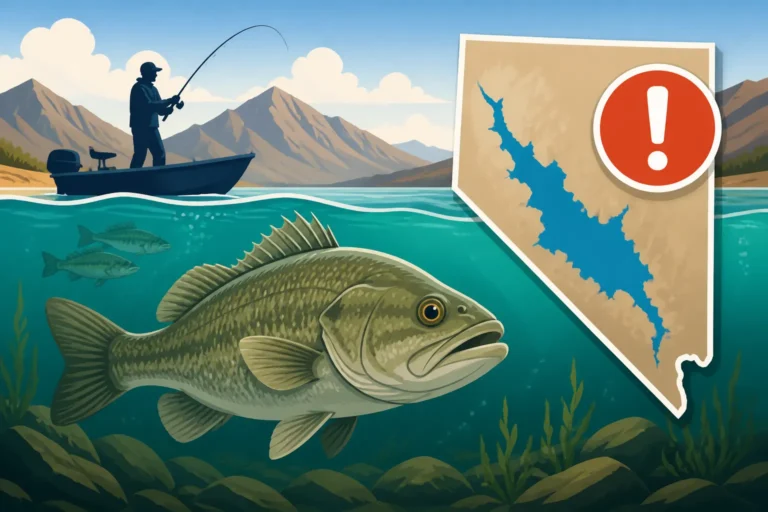
There’s something truly special about the dream of catching a trophy fish, that once-in-a-lifetime monster that tests your skill, your gear, and your patience. For many anglers in Nevada, especially those who love the thrill of a powerful fight, the striped bass of Lake Mead are the ultimate prize. This guide dives deep into the legend of the biggest striped bass ever landed from Lake Mead, exploring the history, the species, and what it takes to pursue such a formidable catch in these iconic waters.
The Lake Mead Striped Bass Record Holder
The quest for the biggest catch is a fundamental part of fishing, a tale passed down through generations of anglers. When it comes to striped bass in Nevada, specifically from the vast expanse of Lake Mead, there’s a legendary mark that stands as the official state record. This fish represents the pinnacle of what Lake Mead's abundant waters can produce.
The official Nevada state record for striped bass weighed in at a staggering 63 pounds. This monumental catch was made at Lake Mead, an impressive feat that has captivated anglers for decades. Imagine the sheer power of a fish that size on the end of your line, the drag screaming, the rod bent double, and the heart-pounding struggle to bring it to the boat or shore. This record isn't just a number; it's a testament to the incredible fishery that Lake Mead has fostered over the years. Many anglers strive to break this record, dedicating countless hours and trips to the hunt, but it remains a formidable benchmark for a reason. You can learn more about this and other impressive catches in our Nevada state record striped bass guide.
The Historic Conditions that Created Giants
Lake Mead wasn't always known for these colossal stripers. Their introduction and subsequent boom were a result of specific ecological conditions and management decisions. Striped bass were initially stocked in Lake Mead in the mid-1950s, primarily to control populations of gizzard shad and other forage fish, and to provide a new sport fishery. The conditions were perfect: an immense body of water, a seemingly endless food supply of shad, and few natural predators.
During the late 20th century, particularly from the 1970s through the 1990s, Lake Mead experienced a "golden age" of striped bass fishing. The stripers thrived in the nutrient-rich waters, growing to astonishing sizes. It wasn't uncommon to hear tales of 30- to 40-pound fish, and the 63-pound state record is a clear indicator of just how productive the lake was. This period saw stripers reach their maximum potential, with some fish having access to such abundant food sources that they simply grew and grew, becoming the true apex predators of the lake. The sheer volume of shad in the lake meant stripers could gorge themselves, rapidly gaining weight and length. These conditions allowed a small percentage of these fish to survive long enough and eat enough to achieve truly monumental sizes.
Factors Affecting Striper Size Today
While Lake Mead still holds a vibrant striped bass population, the conditions that produced those truly colossal fish have shifted over time. The primary factor has been the fluctuation in water levels and, consequently, the changes in the forage base. Lower water levels can concentrate fish, making them easier to find, but it can also reduce the overall habitat and impact the abundance of the gizzard shad that stripers rely on.
In recent years, the overall average size of stripers in Lake Mead has trended smaller than in the record-breaking decades. This isn't to say there aren't big fish, because there absolutely are! Trophy stripers in the 20- to 40-pound range are still caught, requiring skill and persistence. However, the consistent availability of massive schools of shad that once fueled the growth of 50 and 60-pound fish has seen some changes. Understanding these Striped Bass Seasonal Patterns can greatly improve your chances. Anglers now often adapt their strategies, targeting different depths and using a variety of Best Lures for Striped Bass to locate and entice these powerful game fish. While conditions change, the allure of a monster striper from Lake Mead remains, driving countless fishing adventures.
The Pursuit of a Trophy Striper at Lake Mead
Catching a truly massive striped bass from Lake Mead is more than just luck; it's a combination of understanding the fish, knowing the water, and having the right approach. These are powerful, intelligent predators, and fooling one that has grown to a record-contending size is a true angling achievement. For a comprehensive overview of the lake, check out our Lake Mead Nevada Fishing Guide.
Essential Gear for Big Stripers
When you're targeting fish that can weigh as much as a small child, your gear needs to be up to the task. Light tackle simply won't cut it, unless you're prepared for an epic, hours-long battle that might still end in a break-off.
First, consider your rod and reel. You'll want a heavy-action rod, usually around 7 to 8 feet long, capable of handling powerful runs and big lures. Pair this with a robust baitcasting or spinning reel that has a smooth, strong drag system and a high line capacity. Many anglers prefer reels capable of holding 200+ yards of line. For your line, braided line in the 30- to 60-pound test range is a popular choice for its strength and sensitivity, often with a fluorocarbon leader of a similar breaking strength. You can often find a wide selection of heavy-duty fishing lines and other tackle suitable for trophy stripers on Amazon. Terminal tackle needs to be equally strong: heavy-duty swivels, stout hooks (often 6/0 to 8/0 for live bait or large artificials), and sinkers that can get your bait down to where the fish are holding. Don't forget a large, sturdy net or a reliable set of lip grippers for landing these beasts safely. If you're going for the record, a measuring tape and a certified scale are absolutely essential – accuracy is key!
| Gear Item | Recommended Specification | Purpose |
|---|---|---|
| Rod | Heavy action, 7-8 feet | Handling powerful fish, casting heavy lures/baits |
| Reel | Robust baitcasting/spinning, strong drag, high capacity | Resisting long runs, holding plenty of line |
| Main Line | Braided, 30-60 lb test | Strength, sensitivity, abrasion resistance |
| Leader | Fluorocarbon, 30-60 lb test | Stealth in clear water, abrasion resistance |
| Hooks | Stout, 6/0 – 8/0 | Secure hooksets on large, tough-mouthed fish |
| Sinkers | Heavy, appropriate for depth/current | Getting bait to desired depth |
| Landing Net/Grippers | Large, sturdy | Safely landing and handling large fish |
| Scale | Certified, digital (for record pursuits) | Accurate weight measurement |
| Measuring Tape | Flexible, at least 40 inches | Accurate length measurement |
Effective Techniques for Trophy Stripers
Targeting trophy stripers requires a strategic approach. They're often found in deeper water during the day, especially in the warmer months, moving shallower to feed during low light conditions or when baitfish are pushed to the surface.
One of the most effective methods for big stripers is using live bait, particularly gizzard shad where permitted and obtainable. You can present these baits under a balloon or on a downrigger, targeting prominent underwater structures, deep points, or channels where stripers ambush their prey. Trolling large swimbaits or umbrella rigs can also be incredibly effective for covering a lot of water and finding actively feeding fish. For those who prefer artificials, heavy jigs, large spoons, and oversized topwater lures can trigger explosive strikes, particularly at dawn or dusk. When the stripers are actively busting shad on the surface, referred to as "boils," it's a chaotic and thrilling sight. Casting large lures into these boils can result in immediate hook-ups. Don't underestimate Night Fishing Techniques for Striped Bass either, as stripers are often highly active after dark. Techniques like How to chum for striped bass at Lake Mead can sometimes draw in larger, more aggressive fish. Always have extra line on your reel and a backup leader on hand, as these fights can be brutal on your setup.
Documenting and Verifying a Record Catch
The excitement of catching a truly massive fish is unparalleled, but if you believe you’ve landed a state record, there are crucial steps you need to take to ensure it’s officially recognized. Without proper documentation and verification, that incredible catch might remain just a personal best.
The Verification Process
For any potential state record, the Nevada Department of Wildlife (NDOW) has a specific protocol that must be followed. This isn't just a casual weigh-in at the local bait shop; it's a meticulous process designed to ensure accuracy and prevent fraud.
The first and most critical step is to weigh the fish on a certified scale. This means a scale that has been inspected and approved for commercial use, typically found at grocery stores, official marinas, or designated NDOW offices. A simple bathroom scale or handheld fishing scale won't cut it. You'll need to locate one of these certified scales quickly after your catch, as the fish needs to be weighed as fresh as possible. You also need precise measurements: total length, girth, and any other specific measurements NDOW requires for that species. Having clear, well-lit photographs of the fish, especially with a ruler or measuring tape for scale, is also highly recommended. Finally, an NDOW representative or a designated official will need to inspect the fish to confirm its species and condition. This typically involves making contact with NDOW as soon as possible after your catch. Anglers hoping for a shot at the record should familiarize themselves with these requirements before they even hit the water; a quick search for "Nevada state record fish guidelines" will provide the latest details. It's often helpful to keep a reliable measuring tape and even a smaller, personal scale (though not for official certification) on your boat, easily purchased from retailers like Amazon, to get an initial idea if your catch is truly special.
Why Every Detail Matters
In the world of record-breaking fish, every single detail counts. A difference of a few ounces, or even fractions of an inch, can separate a state record from a personal best. This is why the certified scale is non-negotiable; it removes any doubt about the exact weight. The condition of the fish also matters—a fish that has lost scales, dried out, or been damaged might not qualify or might lose crucial weight.
Beyond the official requirements, detailed notes about your catch can contribute to the angling community's knowledge base. What lure did you use? What time of day was it? What were the weather conditions? What depth were you fishing? These details, while not strictly required for certification, help paint a picture of how such a magnificent fish was caught and can inform future trophy hunters. Even if your fish isn't a state record, documenting your catch can be incredibly rewarding and teach you a lot about Striped Bass Size and Growth at Lake Mead. These careful observations and detailed records are what allow the stories of these legendary catches to live on and inspire the next generation of anglers to chase their own giants in the vast and beautiful waters of Lake Mead.
Disclaimer
This article is for general informational purposes only and does not constitute professional advice. Laws, prices and regulations vary by location and change over time. Consult a qualified professional for guidance on your specific situation.