Striped Bass Size and Growth at Lake Mead
One of the most thrilling experiences an angler can have in Nevada is hooking into a powerful striped bass on Lake Mead. But many folks, especially those new to the area or who haven't fished the lake in a while, often wonder: just how big do these stripers get, and what’s the secret behind their growth? It can be frustrating to hear tales of monster fish only to consistently reel in smaller ones. This guide will take a deep dive into the typical sizes, growth rates, and the critical environmental factors that influence the striped bass population in Lake Mead, helping you understand what to expect and how to potentially land that trophy catch.
Understanding Lake Mead's Striped Bass Population
Lake Mead, a vast desert reservoir, has a unique history with striped bass. These hard-fighting fish weren't always here, and their journey to becoming one of the lake's most popular game species is quite a tale, directly impacting their size and growth potential today.
The Journey of Striped Bass to Lake Mead
Believe it or not, striped bass are not native to Nevada's desert waters. Their natural habitat is saltwater along the Atlantic coast and Gulf of Mexico, with some landlocked populations in other freshwater systems. The Nevada Department of Wildlife (NDOW) and Arizona Game and Fish Department (AZGFD) introduced striped bass into the Colorado River system, specifically into Lake Mead, back in the 1950s and 60s. The idea was to create a new sport fishery and utilize the abundant forage fish in the lake.
And boy, did they thrive! For years, Lake Mead became a legendary striper fishery, producing incredible numbers of large fish. Anglers would flock from all over, eager to experience the excitement of catching these powerful predators. It truly was a golden age for striper fishing, with reports of immense schools and double-digit fish being common. However, the lake's ecosystem is a delicate balance, and over time, various factors began to influence this initially booming population.
Factors Influencing Striped Bass Health in the Lake
The health and vitality of the striped bass population in Lake Mead are inextricably linked to the environment they call home. It's a complex dance between several key elements that dictate everything from their numbers to their ultimate size. First and foremost are the dramatic fluctuations in water levels, which can profoundly impact spawning success, available habitat, and the overall food web. Lower water levels can concentrate fish but also reduce critical shallow-water spawning grounds for their primary food source, the threadfin shad.
Then there's the forage availability itself. Stripers are voracious predators, and their growth is directly tied to how much they can eat. When the shad populations boom, so do the stripers. When shad suffer, the stripers feel it too, often leading to slower growth and smaller average sizes. Water quality, including temperature and oxygen levels, also plays a significant role, especially in a deep, stratified reservoir like Lake Mead. Finally, fishing pressure from thousands of anglers certainly has an effect, making responsible angling practices all the more vital.
Typical Sizes and Age of Striped Bass
So, what can you realistically expect when you head out to Lake Mead for some striper action? While every cast holds the potential for a surprise, there are some general trends when it comes to the size and age of the striped bass you're likely to encounter.
Common Catch Sizes for Anglers
For the average angler hitting Lake Mead, most of the striped bass you'll reel in will fall into the "pan-sized" category. We're generally talking about fish in the 1 to 4-pound range, often measuring anywhere from 12 to 20 inches. These are excellent eating fish, perfect for a fresh meal, and they offer a respectable fight on light to medium tackle. You'll often find these smaller fish schooling up, making for exciting, fast-paced action, especially when they're chasing shad near the surface.
While these smaller fish are abundant and fun to catch, it's also common to land stripers in the 5 to 10-pound range, especially if you're targeting them with specific techniques or at certain times of the year. These are solid fish that really test your gear and skill. Anything above 10 pounds starts getting into the "trophy" category for many anglers, and while less frequent, they are definitely out there for those willing to put in the time and effort.
Age to Size Ratio: How Fast Do They Grow?
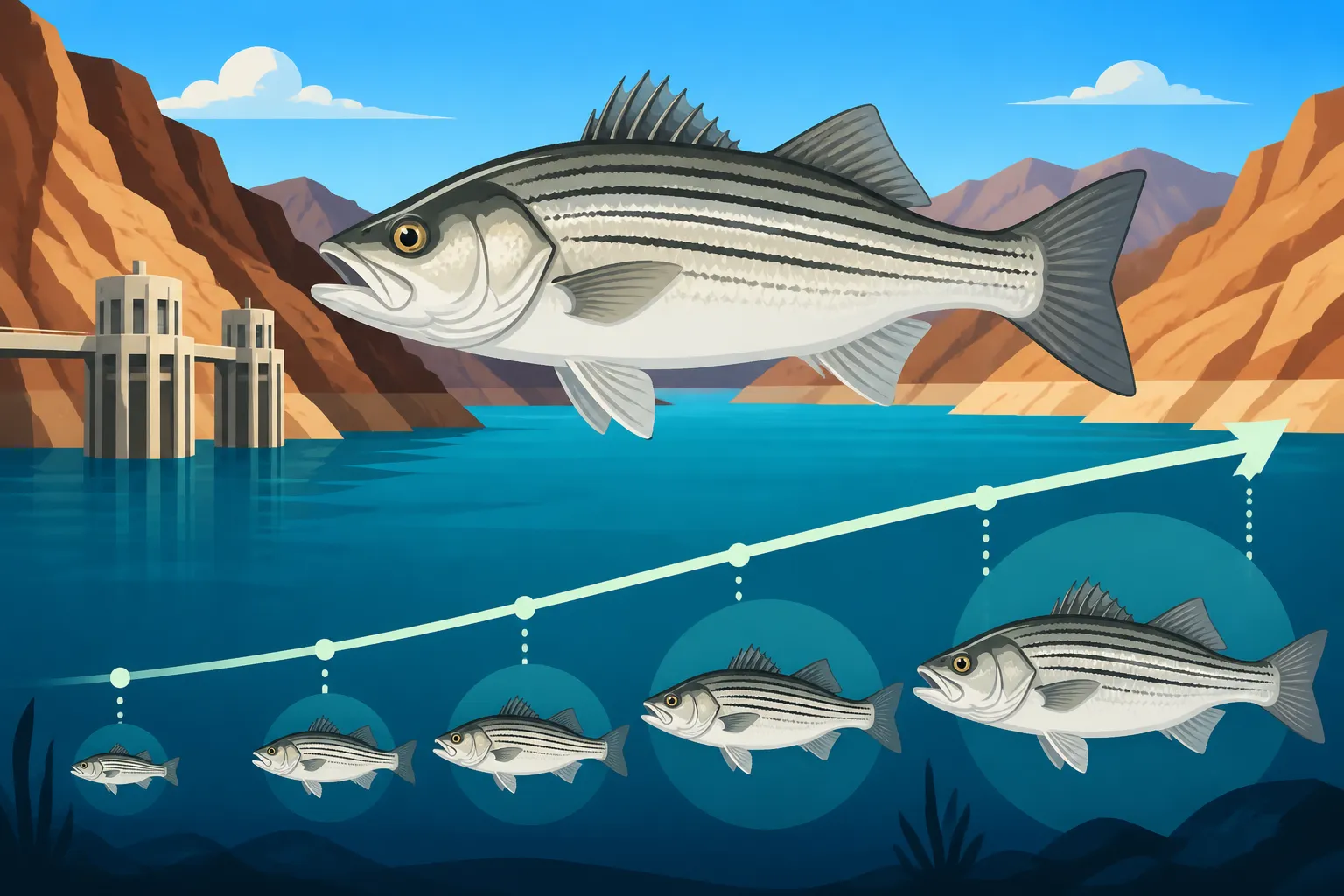
The growth rate of striped bass in Lake Mead isn't perfectly uniform; it can change based on the year's conditions, particularly the amount of available forage. However, we can look at some general guidelines for their age-to-size ratio. In their first year, a striper might grow to 6-10 inches. By age two, they could be in the 12-16 inch range, often weighing around 1-2 pounds. A 3-year-old fish might be 18-22 inches and weigh 3-5 pounds.
The growth slows down as they get older, but a healthy 5-year-old striper could be pushing 25-30 inches and weighing 7-10 pounds. Larger fish, those hitting the 15-20+ pound mark, are typically much older, often 8-10 years or more, having survived many seasons and fed exceptionally well. It's truly a testament to the lake's productivity and their resilience when you pull in one of these older, larger specimens. Understanding this growth pattern helps you appreciate the fish you catch and tailor your expectations.
Here's a simplified look at potential average sizes by age, though actual growth can vary greatly:
| Age (Years) | Average Length (Inches) | Average Weight (Pounds) | Notes |
|---|---|---|---|
| 1 | 6-10 | <1 | Fast initial growth, focus on survival. |
| 2 | 12-16 | 1-2 | Common "pan-sized" fish, starting to join schools. |
| 3 | 18-22 | 3-5 | Good fighting fish, more prevalent in angler catches. |
| 4 | 22-26 | 5-7 | Stronger fighters, becoming more elusive. |
| 5 | 26-30 | 7-10 | Approaching "trophy" size for many, consistent feeding. |
| 6+ | 30+ | 10-20+ | Larger, older fish, often requiring specialized techniques to target. |
Nevada State Record Striped Bass
While most anglers will catch fish in the smaller ranges, Lake Mead has historically produced some absolute giants, including the current Nevada state record striped bass. These record-setting fish are truly once-in-a-lifetime catches and represent the pinnacle of what the lake can produce under optimal conditions. The sheer size and power of such a fish would be an unforgettable experience.
Catching a state record is, of course, exceptionally rare, but knowing that fish of that caliber exist fuels the dreams of many anglers. It means there's always a chance, however slim, that your next cast could connect with a genuine leviathan. These monster stripers have grown over many years, consuming vast quantities of forage and avoiding countless hooks. They are truly apex predators of the lake, and pursuing them is a challenge that requires patience, skill, and often, a bit of luck.
What Influences Striped Bass Growth and Size?
The impressive growth and ultimate size of a Lake Mead striped bass aren't just about time; they're heavily influenced by the dynamic environment of the lake. Think of it like a wild west ecosystem where only the fittest, and those with the most food, truly thrive.
Forage Abundance: The Shad Connection
If there's one single factor that dictates the growth and size of Lake Mead's striped bass, it's the availability of their primary food source: threadfin shad. These small, silvery baitfish are the lifeblood of the striper population. When shad populations are booming, you’ll see faster growth rates in stripers and a higher average size. Striped bass are highly opportunistic and will gorge themselves when food is plentiful, packing on weight quickly.
However, Lake Mead's shad populations can fluctuate dramatically due to various environmental factors, including water temperature, water levels, and even disease. A "shad crash" – a significant decline in their numbers – can have an immediate and noticeable impact on the stripers. Fish will grow slower, appear leaner, and the overall average size of the catch will decrease. This is why understanding What striped bass eat at Lake Mead is crucial; it helps us comprehend the cycles of the fishery and why sizes might change from year to year. When the buffet is closed, even the hungriest diners struggle to put on weight.
Water Levels and Habitat Availability
Lake Mead is famous for its fluctuating water levels, and these changes have profound effects on the entire ecosystem, including the striped bass. Higher water levels generally mean more flooded vegetation, which creates additional habitat for juvenile shad and other small forage fish. This expanded nursery ground can lead to healthier baitfish populations, which in turn supports larger, faster-growing stripers. It also provides more structure and ambush points for the stripers themselves.
Conversely, declining water levels can concentrate fish into smaller areas, initially making them easier to find. However, prolonged low levels reduce crucial shallow-water spawning habitat for shad and other prey, potentially leading to a decrease in their numbers. It also impacts the thermal stratification of the lake, affecting where stripers can comfortably live and feed. These long-term changes in habitat availability due to water level shifts have a direct impact on the overall productivity of the lake and, consequently, the average size of the striped bass over several seasons.
Fishing Pressure and Management Efforts
As one of Nevada's most popular fisheries, Lake Mead sees significant angling pressure. Thousands of anglers target striped bass every year, and this constant pressure certainly plays a role in the population's dynamics. While stripers are incredibly prolific, consistent harvesting of the larger, older fish can skew the size distribution towards smaller, younger individuals. This isn't necessarily a bad thing, as it can keep the population in balance with the available forage.
The Nevada Department of Wildlife (NDOW) actively manages the striped bass fishery through regulations like bag limits and size restrictions, aiming to maintain a healthy and sustainable population. These efforts consider the lake's carrying capacity and the overall health of the ecosystem. Understanding and adhering to Nevada Fishing Regulations Explained is critical for all anglers, as these rules are designed to protect the fishery for future generations. Responsible catch and release practices, especially for the larger, older breeding fish, also contribute to the long-term health and trophy potential of Lake Mead's stripers.
Targeting Larger Striped Bass at Lake Mead
While catching numbers of smaller stripers is a blast, many anglers dream of landing a true Lake Mead lunker. Targeting these bigger fish often requires a shift in strategy, focusing on specific seasons, techniques, and locations where these older, wiser fish tend to hang out.
Seasonal Strategies for Trophy Stripers
Trophy-sized striped bass don't just swim around waiting to be caught; they often follow seasonal patterns tied to temperature, spawning cycles, and forage movements. One of the best times to target larger stripers at Lake Mead is often during the cooler months, from late fall through spring. During these periods, water temperatures are more comfortable for the fish, and they tend to be more active, cruising shallower coves or congregating in deeper channels in search of concentrated baitfish.
The spring spawn can also be a productive time, as large females move into shallower areas to broadcast their eggs. However, it's crucial to practice responsible angling during this sensitive period. Summer fishing for big stripers often means going deep, using downriggers or heavy jigs to get your bait down to the cooler, oxygenated water where these fish seek refuge from the scorching surface temperatures. Knowing the Best month to catch striped bass at Lake Mead can give you a significant advantage in your pursuit of a larger fish.
Techniques and Gear for Big Fish
Landing a big striper requires a bit more than your average panfish setup. When targeting trophy fish, live bait is often king. Large gizzard shad, threadfin shad (if you can catch them), or even tilapia can be incredibly effective. These baits, fished on heavy-duty circle hooks with sufficient weight, are irresistible to a hungry striper. For artificials, large swimbaits, heavy jigs, or deep-diving crankbaits that mimic the lake's natural forage can also entice a strike.
Your gear needs to be up to the challenge. A medium-heavy to heavy action rod, paired with a robust baitcasting or spinning reel spooled with strong braided or monofilament line, is essential. You don't want to lose a potential trophy due to inadequate tackle. For those heavier setups and specialized lures, you can often find a wide selection of durable gear on platforms like Amazon, ensuring you’re ready for the fight. A good fish finder is also invaluable for locating those deep schools or isolated large marks. When it comes to Best Lures for Striped Bass, consider those that offer a larger profile and realistic action.
Key Locations and Structure
The biggest stripers often relate to specific types of structure and depth. While smaller schools might chase shad erratically, larger fish often hold to key ambush points. Look for deep main lake channels, steep drop-offs, underwater humps, and points where current might concentrate baitfish. The mouths of large coves or areas with submerged brush and timber can also hold bigger fish waiting to ambush passing prey.
Familiarize yourself with Lake Mead Striped Bass Hotspots like Hemenway Harbor, Government Wash, or the narrows if you're exploring the upper reaches of the lake. These areas often provide the depth, structure, and forage concentrations that attract larger stripers. Employing techniques like jigging vertically over deep structure or slow trolling large baits can be highly effective. Remember, the biggest fish are often isolated or in smaller groups, so patience and persistence are key to finding them.
The Future of Lake Mead's Striped Bass Fishery
The future of fishing for striped bass at Lake Mead is a topic close to the hearts of many Nevada anglers. It’s an ecosystem that has seen its share of ups and downs, and continued angling success will depend on both environmental conditions and our collective approach to the resource.
Conservation and Sustainable Fishing Practices
Given the pressures on Lake Mead’s ecosystem, practicing conservation and sustainable fishing techniques is more important than ever. This means understanding and respecting bag limits and size restrictions, which are put in place by wildlife agencies to ensure a healthy breeding population and adequate forage. Consider practicing selective harvest, keeping a few fish for a meal but releasing the larger, older breeders, particularly the big females that contribute significantly to future generations. Learning proper Catch and Release Techniques for Trout can easily be adapted for stripers, minimizing stress on the fish.
Educating ourselves and fellow anglers about responsible boating and waste disposal also plays a vital role. Keeping our waters clean and free of litter helps maintain a healthy habitat for all aquatic life, from the smallest shad to the largest striper. By acting as stewards of the environment, we can help ensure that the thrill of catching a Lake Mead striped bass remains a possibility for many years to come.
Adapting to Environmental Changes
Lake Mead is a dynamic body of water, and anglers who succeed here are often those who are best at adapting. The lake's environmental conditions, particularly water levels and the health of the forage base, can change significantly from year to year. Instead of getting frustrated, seasoned anglers learn to adjust their techniques, target different depths, or even explore new areas of the lake.
For example, in years of lower water levels, fish might be concentrated in certain areas, or traditional spots might look completely different. Anglers might need to rely more on electronics to locate deep schools. If shad populations are down, stripers might be more inclined to strike artificial lures that simulate other prey. Staying informed about the latest lake conditions and fishing reports, and being willing to experiment with different strategies, will be key to continued success. The species is resilient, but our approach to fishing must be equally adaptable to these changing desert lake conditions. Whether you're buying new gear or just stocking up on tried-and-true lures, a convenient way to check availability and options is often through retailers like Amazon.
Disclaimer
This article is for general informational purposes only and does not constitute professional advice. Laws, prices and regulations vary by location and change over time. Consult a qualified professional for guidance on your specific situation.