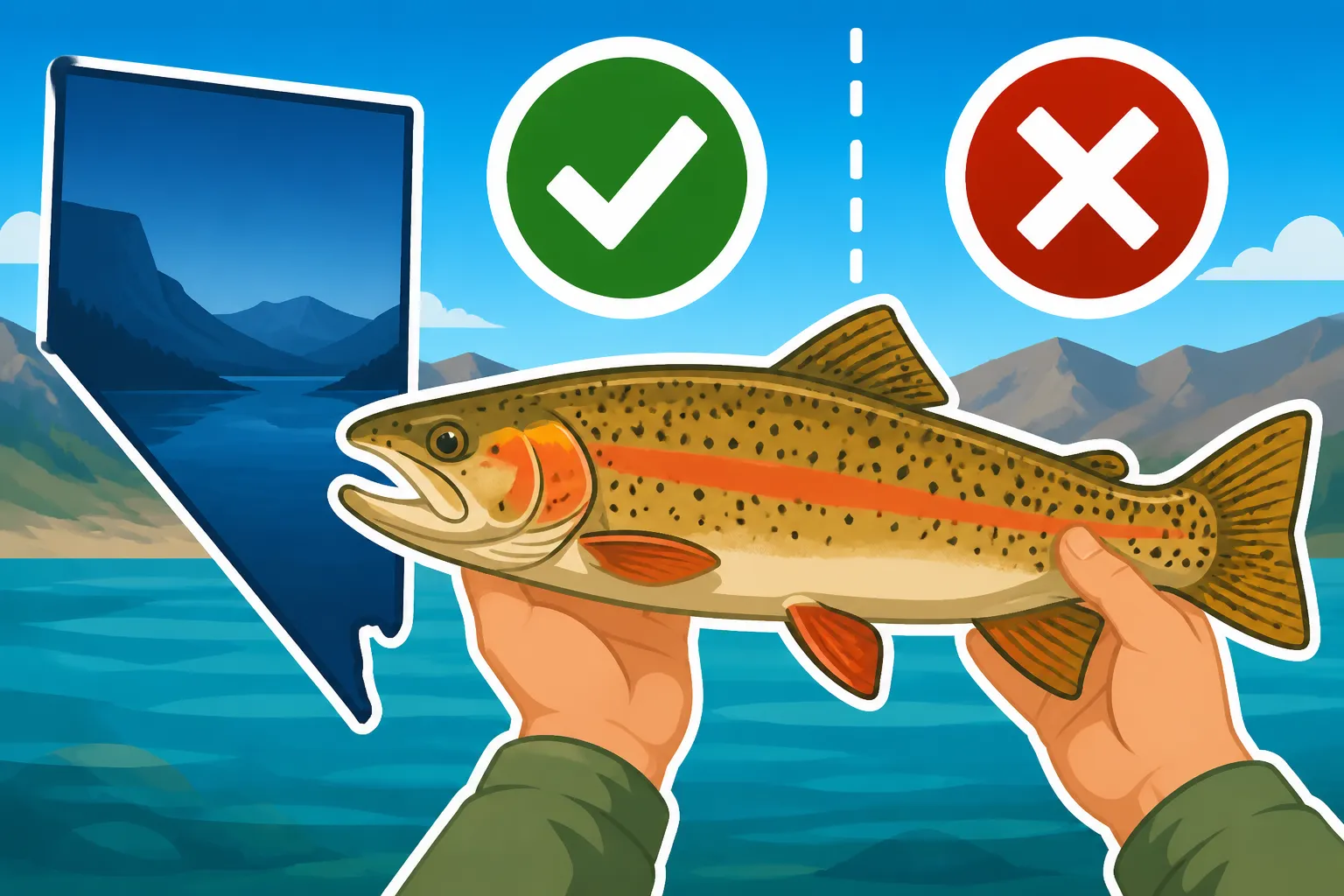
Can you keep a Lahontan cutthroat trout under 17 inches?
It can be incredibly confusing to navigate the specific rules and regulations surrounding fishing in Nevada, especially when it comes to unique and precious species like the Lahontan Cutthroat Trout. Many anglers wonder if they can keep a Lahontan Cutthroat Trout under 17 inches, and the answer isn't a simple yes or no; it depends entirely on where you're fishing. This guide will clarify the specific size limits and regulations for Lahontan Cutthroat Trout, helping you understand exactly what you can and cannot do to stay compliant and protect this incredible fish.
Understanding Lahontan Cutthroat Trout Regulations in Nevada
Nevada is home to some truly spectacular fishing opportunities, but with that beauty comes the responsibility of understanding and respecting the rules designed to protect our precious aquatic resources. The Lahontan Cutthroat Trout (LCT) is a prime example of a species that requires very specific management, especially given its historical significance and unique presence in certain Nevada waters. Unlike a generic rainbow trout you might catch in a stocked pond, LCT often have very particular regulations.
These regulations aren't put in place just to make things difficult for anglers; they're vital for conservation. The Lahontan Cutthroat Trout has a fascinating and sometimes challenging history, having faced significant declines over the past century. Efforts by the Nevada Department of Wildlife (NDOW) and tribal agencies have been instrumental in their recovery and continued management. Understanding these nuances is key to being a responsible angler and ensuring future generations can experience the thrill of catching these magnificent fish. It's about preserving a legacy, not just following a rule.
Why Lahontan Cutthroat Trout Have Special Rules
The Lahontan Cutthroat Trout is truly an icon of the Great Basin. These are not just any trout; they are a subspecies native to the Lahontan Basin, which includes places like Pyramid Lake. Their unique genetics, resilience in harsh environments, and historical importance to indigenous communities make them a special case. Over-fishing, habitat destruction, and the introduction of non-native species led to dramatic population crashes, making them a federally listed threatened species.
Because of this, strict regulations are absolutely necessary to allow their populations to recover and thrive. These rules help protect breeding populations, ensure that enough fish reach maturity to spawn, and prevent further genetic degradation. It’s a delicate balance, and every angler plays a crucial role. When you adhere to these specific guidelines, you're directly contributing to the survival and resurgence of this incredible native species. It's an honor to fish for them, and with that honor comes a responsibility. You can learn more about this unique fish in our Lahontan Cutthroat Trout in Nevada guide.
The Role of Different Jurisdictions
What many anglers don't realize is that fishing regulations can change dramatically depending on the specific body of water, even within Nevada. This is especially true for Lahontan Cutthroat Trout. While the Nevada Department of Wildlife sets statewide regulations for most waters, certain areas fall under different jurisdictions. The most prominent example, and the one most relevant to LCT, is Pyramid Lake.
Pyramid Lake is located entirely within the Pyramid Lake Paiute Reservation, meaning the Pyramid Lake Paiute Tribe Fisheries manages the fishery, and their regulations supersede state laws. This is why you need a separate permit for Pyramid Lake, and why its rules often differ from general Nevada fishing guidelines. Other waters, particularly those that are part of federal lands or conservation areas, might also have specific, localized rules. Always check the regulations for the exact body of water you plan to fish before you ever cast a line. It can save you a lot of headache, and potentially a hefty fine. You can find more comprehensive details in our Nevada Fishing Regulations Explained article.
The 17-Inch Rule: What It Really Means for Lahontan Cutthroat Trout
The question of keeping a Lahontan Cutthroat Trout under 17 inches immediately brings us to the specifics of slot limits, which are common for managing unique or recovering fish populations. A slot limit means you can keep fish within a certain size range, but not below a minimum or above a maximum size. For Lahontan Cutthroat Trout, particularly at places like Pyramid Lake, this is absolutely crucial.
In many general Nevada waters where LCT might occasionally be caught, they often fall under the statewide trout regulations or are part of special catch-and-release rules. However, when people ask about the 17-inch rule for LCT, their minds are almost always on Pyramid Lake, the ancestral home of the trophy-sized Lahontan Cutthroat Trout.
Pyramid Lake's Specific Slot Limit for LCT
At Pyramid Lake, the regulations for Lahontan Cutthroat Trout are very precise, and they directly address the 17-inch question. The Pyramid Lake Paiute Tribe Fisheries imposes a "slot limit" to manage the LCT population, especially the genetically pure, large-growing strain for which the lake is famous.
Currently, the regulation for Lahontan Cutthroat Trout at Pyramid Lake is designed to protect both the smaller, developing fish and the largest, most valuable breeding adults. This typically means:
- You cannot keep Lahontan Cutthroat Trout under a certain minimum size. This minimum size has historically been around 17 inches.
- You cannot keep Lahontan Cutthroat Trout over a certain maximum size. This maximum size is generally set much higher, often around 24 inches or more.
- You can keep fish that fall within this slot. For example, if the slot limit is 17 to 24 inches, you can keep LCT that measure between those two numbers.
This strategy ensures that the smaller fish have a chance to grow and contribute to the population, and the largest, most successful spawners continue to reproduce. Therefore, if you catch a Lahontan Cutthroat Trout under 17 inches at Pyramid Lake, the answer is a resounding no, you absolutely cannot keep it. It must be immediately and carefully released. Always double-check the current Pyramid Lake regulations before heading out, as they can be updated. Our Pyramid Lake Season and Bag Limit Rules provides further information.
Here’s a simplified look at a common LCT slot limit structure at Pyramid Lake:
| Size Range | Action | Reason |
|---|---|---|
| Under 17 inches (approx.) | MUST Release Immediately | Protection of juvenile/developing fish |
| Between 17 and 24 inches (approx.) | May Keep (up to daily limit) | Allows harvest of intermediate-sized fish |
| Over 24 inches (approx.) | MUST Release Immediately | Protection of large, mature breeding adults |
Note: These sizes are illustrative based on historical regulations. Always confirm the current exact numbers with the Pyramid Lake Paiute Tribe Fisheries before your trip.
Statewide vs. Pyramid Lake Regulations
It's crucial to differentiate between general Nevada fishing license requirements and the specific rules for Pyramid Lake. For most waters in Nevada, you'll be dealing with NDOW regulations, which typically cover various trout species, including rainbows, browns, and sometimes cutthroats in other systems. These general trout regulations often involve a simple daily bag limit and sometimes a minimum size limit, but rarely a complex slot limit like Pyramid Lake's for LCT.
Pyramid Lake, however, is a different beast entirely. It has its own unique ecosystem, tribal management, and a dedicated focus on the Lahontan Cutthroat Trout. This is why you need a Pyramid Lake Tribal Fishing Permit in addition to your regular Nevada fishing license, and why you must adhere to their specific LCT slot limits. Trying to apply statewide regulations to Pyramid Lake would quickly lead to misunderstandings and potential violations. Always treat Pyramid Lake as a special case with its own set of rules, which are specifically designed to manage its world-famous Lahontan Cutthroat Trout fishery.
Practical Tips for Measuring and Releasing Lahontan Cutthroat Trout
Successfully navigating the Lahontan Cutthroat Trout slot limit means you need to be prepared to accurately measure your catch and, more often than not, release it unharmed. This isn't just about avoiding a penalty; it's about showing respect for the fish and contributing to the health of the fishery. Catch-and-release is a fundamental principle for LCT conservation, especially for those outside the legal slot.
How to Measure Your Catch Accurately
First things first: you need a reliable measuring device. A soft, flexible tape measure that won't harm the fish is ideal. Many anglers opt for measuring boards that adhere to their boat or a dedicated fish ruler. You can find a wide array of options on platforms like Amazon, ensuring you have something accurate and convenient at hand.
When you catch an LCT, try to keep it in the water as much as possible. If you must bring it aboard, do so quickly and gently. Lay the fish flat on your measuring device, making sure its mouth is closed and at the zero mark. The total length is measured from the tip of the snout to the tip of the tail, with the tail squeezed together. Do not measure along the curve of the fish's body. Be swift and precise. The less time the fish is out of the water, the better its chances of survival. Always have your measuring tools ready and accessible so you don't waste precious moments fumbling around.
Best Practices for Catch and Release
Releasing a fish, especially a large LCT, properly is an art form. It significantly increases the fish's survival rate and ensures it can continue to grow and reproduce.
- Minimize Handling: The less you touch the fish, the better. If possible, unhook it while it's still in the water, or use a soft, rubberized landing net to bring it boat-side. Avoid using abrasive nets that can strip away the fish's protective slime layer.
- Wet Your Hands: If you must handle the fish, wet your hands thoroughly first. Dry hands can remove that crucial slime layer, making the fish vulnerable to disease.
- Support the Fish: Never hold an LCT by its jaw or gills only. Support its body horizontally with one hand under the belly and the other gently gripping the base of the tail. This prevents damage to its internal organs and spine.
- Use Barbless Hooks: Barbless hooks are highly recommended, and often required, in LCT fisheries like Pyramid Lake. They make hook removal much easier and cause less damage to the fish's mouth. If you don't have barbless hooks, you can crimp down the barb on your existing hooks with pliers.
- Tools are Your Friend: Long-nosed pliers or a de-hooking tool are invaluable for quickly and safely removing hooks, especially if they're deeply set. Again, having these easily accessible on your vest or boat is key.
- Revive the Fish: If the fish seems stressed or tired, especially after a long fight, gently hold it in the water, facing into the current. Move it back and forth slightly to push water over its gills until it regains its strength and swims away on its own. Never just toss a tired fish back into the water.
By following these practices, you're not just adhering to the rules; you're actively participating in the conservation of one of Nevada's most iconic fish. For more on proper handling, consult Handling and Releasing Lahontan Cutthroat Trout.
Why Conservation of Lahontan Cutthroat Trout is Paramount
The Lahontan Cutthroat Trout fishery, especially at Pyramid Lake, is a jewel. It attracts anglers from all over the world, drawn by the chance to catch a true trophy fish that also happens to be a significant part of Nevada's natural heritage. These fish aren't just big; they're living symbols of a successful conservation story, constantly needing our vigilance and responsible angling practices to continue.
When we talk about the 17-inch rule, or any slot limit, we're really talking about ensuring the long-term health and sustainability of this incredible resource. Every fish released, especially those outside the legal harvest slot, is an investment in the future of the fishery.
Protecting Breeding Stock for Future Generations
The large, mature Lahontan Cutthroat Trout, often those over the upper end of the slot limit, are absolutely critical for successful spawning. These fish have proven their ability to survive, grow, and reproduce, passing on strong genetics to the next generation. By releasing these larger fish, anglers ensure that the gene pool remains robust and that there are enough healthy adults to contribute to the natural reproduction cycle.
Similarly, protecting the smaller fish, those under 17 inches, allows them to reach sexual maturity and contribute to the population before they are harvested. This multi-faceted approach, balancing harvest with protection, is what makes slot limits such an effective management tool. It's a testament to sound fisheries science and the cooperation of the angling community. Without these rules and the anglers who follow them, the unique LCT fishery at Pyramid Lake simply wouldn't be what it is today. You can read more about the conservation efforts and the species itself in our Lahontan Cutthroat Trout Identification guide.
The Impact of Responsible Angling
Your actions as an individual angler have a direct and tangible impact on the health of the Lahontan Cutthroat Trout population. Every time you correctly identify a species, accurately measure your catch, and properly release a fish that falls outside the slot limit, you are contributing positively. It's not just about compliance; it's about stewardship.
Responsible angling practices, including using appropriate gear like barbless hooks and minimizing fish handling, reduce stress and mortality rates. This collective effort ensures that the incredible fishing experience at places like Pyramid Lake remains viable for years to come. It means that future generations of anglers will have the same opportunity, or even better, to hook into a giant LCT. So, next time you're out on the water, remember that every single decision you make, from the lure you choose to how you handle your catch, plays a part in this ongoing conservation success story.
Disclaimer
This article is for general informational purposes only and does not constitute professional advice. Laws, prices and regulations vary by location and change over time. Consult a qualified professional for guidance on your specific situation.