Where to catch bluegill in Nevada
It can be incredibly frustrating when you're itching to get out on the water, maybe with the kids or just for a relaxing afternoon, and you're not looking for trophy fish or complicated techniques. You just want to know where to find some reliable, fun-to-catch fish, especially something as enjoyable as bluegill. Many anglers overlook these feisty panfish in Nevada, thinking it's all about trout or bass, but I'm here to tell you that the Silver State has some fantastic spots for bluegill, and this guide will walk you through exactly where to find them and how to enjoy catching them.
The Appeal of Bluegill in Nevada
Before we dive into the specific locations, let's chat for a moment about why bluegill are such a fantastic target here in Nevada. They might not be the biggest fish in the lake, but what they lack in size, they more than make up for in sheer enthusiasm and accessibility. For many of us, bluegill fishing is where it all began, sparking a lifelong love for angling. They are abundant, relatively easy to catch, and provide endless entertainment, especially for young anglers or those looking for a stress-free day on the water.
Why Bluegill Make Great Targets
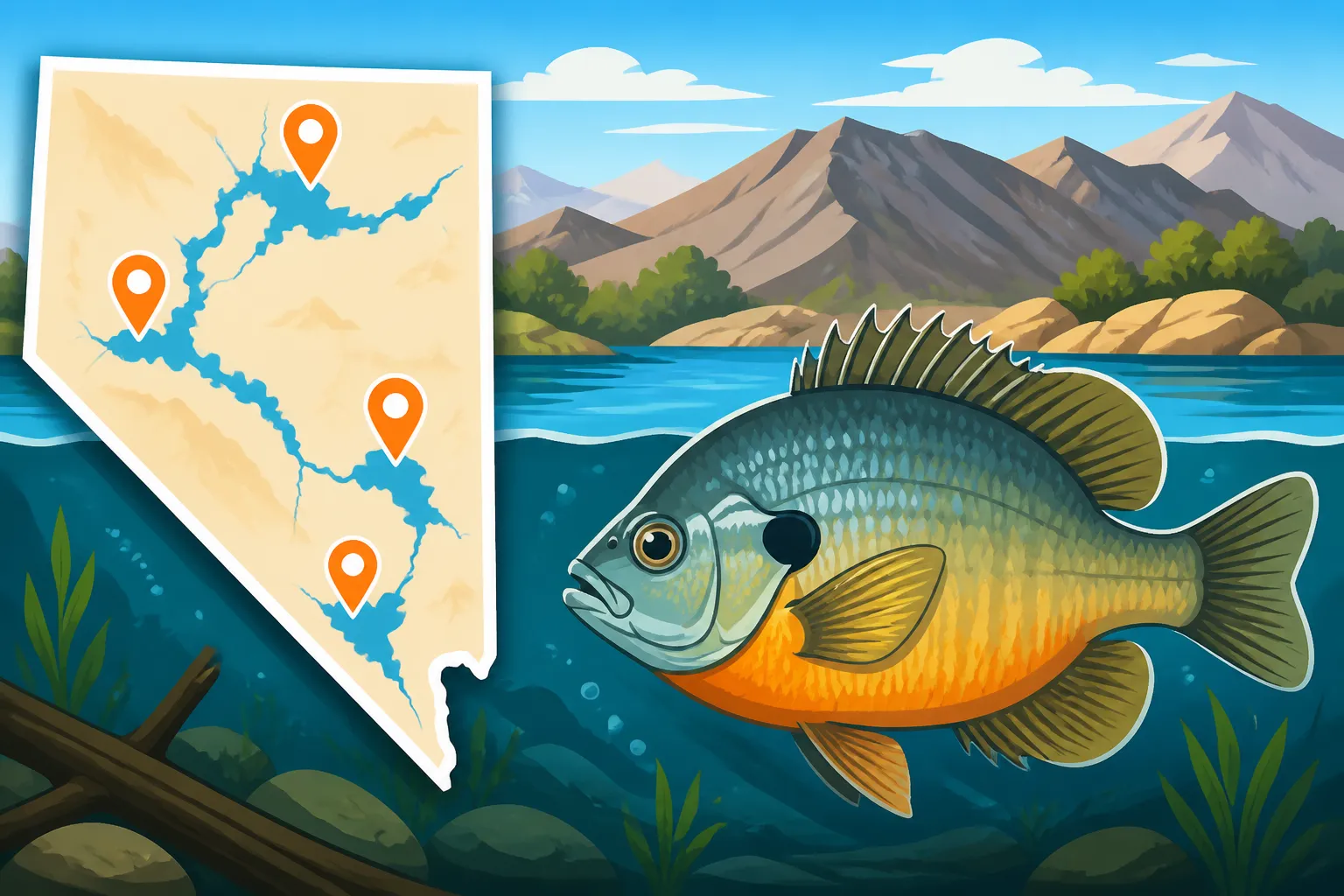
Bluegill are true fighters for their size, pulling hard on light tackle and putting a smile on anyone's face when they come to the net. They're also quite beautiful with their iridescent scales and distinctive "blue gill" flap. More importantly, they are often found in numbers, meaning you can typically expect a lot of action once you locate a school. This makes them perfect for introducing children to fishing, as success often comes quickly, keeping their attention and building confidence. Imagine the joy of seeing a kid's bobber suddenly disappear under the surface – that's the magic of bluegill! Plus, they make for some delicious table fare, lightly fried and crispy. There's nothing quite like a fresh bluegill fillet after a successful day.
Ideal Habitats for Bluegill in Nevada
Bluegill thrive in warm, calm, shallow waters with plenty of aquatic vegetation or submerged structures where they can hide from predators and ambush smaller prey. Think weed beds, lily pads, fallen trees, brush piles, and docks. They prefer areas that aren't too deep and have a good food source, often congregating in schools around these features. In Nevada, this translates to many of our smaller ponds, the calmer coves of larger reservoirs, and certain slower sections of rivers. They are less common in the very cold, deep waters of places like Lake Tahoe, which are primarily trout and Mackinaw territory, and more prevalent in warmer, nutrient-rich environments. Understanding these preferences is key to finding them, no matter which body of water you're exploring.
Top Urban Pond Bluegill Hotspots
Nevada's urban ponds are truly hidden gems, especially for bluegill. These community fisheries are often stocked, well-maintained, and incredibly accessible, making them ideal for a quick fishing trip without having to drive hours out into the wilderness. They are designed with families and casual anglers in mind, and bluegill are almost always a prominent species in their warm, shallow waters.
Las Vegas Valley Urban Ponds
The Las Vegas Valley is surprisingly well-equipped with urban fishing ponds, perfect for bluegill enthusiasts. Places like Floyd Lamb Park, Lorenzi Park, and Sunset Park are regularly managed and stocked, providing excellent opportunities. You'll find these ponds typically have plenty of submerged brush, dock structures, and weed lines that bluegill absolutely love. The best strategy here is often to fish the edges of these features with small baits. A simple bobber rig with a tiny hook and a piece of worm can be incredibly effective. Sometimes, just walking the banks and observing where other anglers are having luck can point you to a honey hole. Remember, these urban ponds are popular, so go early or late to avoid the biggest crowds, and always be mindful of other anglers. They're fantastic for a relaxing afternoon or teaching a youngster how to cast. For more detailed information, check out our Nevada Urban Pond Fishing Guide.
Reno and Northern Nevada Community Ponds
Northern Nevada also boasts several excellent urban fishing opportunities where bluegill can be found. The Sparks Marina, for instance, while a larger body of water, has warmer, shallower sections and coves where bluegill thrive alongside other species. Another great option is Idlewild Park Ponds in Reno, which are smaller, more intimate settings perfect for focusing on panfish. These ponds offer very similar conditions to their southern counterparts, with plenty of cover and accessible shorelines. You might also find them in other smaller, less-known community parks or neighborhood ponds that are managed for recreational fishing. Always check local signage or the Nevada Department of Wildlife (NDOW) website for any specific rules or stocking schedules. Light tackle is the name of the game here, something you can easily pick up from a local sporting goods store or even order a convenient beginner kit from Amazon.
Reservoir Coves and Tributary Arms
Beyond the urban setting, many of Nevada's larger reservoirs offer fantastic bluegill fishing, particularly in their shallower, warmer coves and the backwaters of tributary arms. These areas often mimic the ideal habitat bluegill seek, providing protection from the main body's deeper, colder waters and ample food sources. You just need to know where to look.
Lake Mead and Lake Mohave Shallower Bays
While Lake Mead and Lake Mohave are renowned for their striped bass and largemouth bass, their vastness includes numerous coves and shallow bays that are perfect bluegill hangouts. Think about areas with protected, stagnant water, especially where there might be a bit of submerged brush, rock piles, or old vegetation. On Lake Mead, coves like Government Wash, Hemenway Harbor (near the docks), or the shallower stretches leading into the Las Vegas Wash can hold good numbers of bluegill. The key is to get away from the main channel and into those quieter, warmer sections. Lake Mead Nevada Fishing Guide and Lake Mohave Nevada Fishing Guide can offer more insights into these sprawling fisheries. On Lake Mohave, similar sheltered coves, particularly on the northern end or where smaller creeks feed in, will be your best bet. A little exploration with a kayak or even from shore can reveal excellent panfish opportunities in these otherwise large, intimidating lakes.
Wildhorse Reservoir and Other Northeastern Lakes
Heading up north, Wildhorse Reservoir is a fantastic multi-species fishery that often gets overlooked for its bluegill potential, despite being famous for trout and yellow perch. The reservoir has many shallower, weed-lined coves and protected areas, particularly in its upper reaches or along less exposed shorelines. These warmer, slower-moving sections provide perfect habitat for bluegill, especially during the warmer months. Focus your efforts where you see submerged vegetation or fallen timber. Other smaller reservoirs and lakes in the northeastern part of the state, though perhaps less publicized, may also harbor healthy bluegill populations if they possess these warmer, shallower characteristics. It's always worth consulting the NDOW's regional fishing reports for specific updates on conditions and fish populations in these areas.
River and Stream Backwaters
While Nevada isn't primarily known for its extensive network of slow-moving rivers suitable for bluegill, there are certainly areas where these adaptable fish can thrive. Focus on sections that break away from the main current, forming calmer backwaters, eddies, or oxbow lakes.
Slower Sections of the Colorado River System
Below the Hoover Dam, the Colorado River system, including certain calmer sections of the river itself and associated canals or sloughs, can hold bluegill. While the main river current might be too strong for them in many places, look for those sheltered areas where the water slows down considerably and warms up. These might be small, isolated ponds or channels adjacent to the main river flow, or even quiet eddies behind larger obstructions. Always be mindful of access points and any specific regulations for these sections of the river. Colorado River Fishing Below Hoover Dam is primarily known for trout and striped bass, but the associated calmer waters can surprise you with panfish.
Tributaries and Backwaters of Larger Rivers
Even rivers like the Truckee, famous for its trout, might have very specific, slower-moving backwaters or small ponds connected to the main flow that could harbor bluegill. This is less common than in the urban ponds or reservoirs, but it's not impossible. The key is to identify areas where the water is truly still or very slow, often with a muddy or silty bottom and some form of aquatic vegetation. These areas provide the necessary shelter and food for bluegill to establish a population. You might not find vast numbers, but the bluegill you do find in these less-common riverine habitats can be a delightful surprise.
Essential Gear and Techniques for Bluegill Fishing
You don't need fancy equipment to catch bluegill, and that's part of their charm! Simple, light tackle is not only effective but also maximizes the fun, allowing you to feel every head shake and run of these spirited little fish.
Simple Setup for Success
For bluegill, think small and light. An ultralight or light action spinning rod, around 5 to 6 feet long, paired with a small spinning reel spooled with 2 to 4 pound test monofilament line is absolutely perfect. This setup allows you to cast light baits accurately and provides maximum sensitivity and fight. You can find excellent, affordable options for this type of gear on Amazon, making it easy to get started without breaking the bank. Best Spinning Reels for Trout Fishing offers some ideas that can be adapted for bluegill, as the gear is very similar.
Recommended Bluegill Tackle:
| Item | Specification | Why it Works |
|---|---|---|
| Rod | Ultralight/Light Action | Enhances fight, allows light bait casting |
| Reel | Small Spinning Reel (500-1000 size) | Balances with ultralight rod, holds light line |
| Line | 2-4 lb Monofilament | Nearly invisible, sensitive, perfect for panfish |
| Hooks | Size 8-12 Bait Holder | Small enough for bluegill mouths, holds bait well |
| Bobber | Small Clip-on or Slip | Indicates bites clearly, keeps bait suspended |
| Split Shot | Small (BB or 3/0 size) | Adds casting weight, gets bait down slowly |
Best Baits and Lures
Bluegill aren't picky eaters, which is another reason they're so much fun to catch!
- Live Bait: This is often the most effective. Small pieces of nightcrawlers or red worms are classic bluegill getters. Crickets, mealworms, and even small grasshoppers can also be incredibly effective, especially if you can match the local insect life. Just a tiny piece on a small hook is all you need.
- Artificial Baits: For those who prefer artificials, small soft plastics like tiny grubs, tubes, or panfish jigs (1/32 to 1/16 ounce) under a bobber can work wonders. Colors like chartreuse, white, or pumpkinseed are often very productive. Micro-spoons or tiny spinners can also draw aggressive strikes. The key is to fish them slowly and subtly.
- Bread or Corn: Believe it or not, a tiny piece of bread balled up on a hook or a few kernels of corn can sometimes entice bluegill, especially in heavily pressured urban ponds where they might be used to seeing these offerings.
When using live bait, hook it just enough so it stays on, but leaves the hook point exposed. For jigs, a slow retrieve with occasional twitches will often trigger a strike.
Reading the Water and Targeting Bluegill
Bluegill are creatures of cover. When you arrive at a pond or a cove, look for any visible structure: docks, fallen trees, brush piles, rocks, or lily pad fields. These are prime bluegill territories. Often, they'll be suspended just above the bottom or holding tight to the cover. Pay attention to shady areas, especially on bright, sunny days, as bluegill will often seek refuge from direct sunlight. Cast your bait near these structures, giving it time to sink slowly. If you're using a bobber, set your depth so the bait is suspended just above any submerged vegetation or structure you can detect. Sometimes, a gentle jigging motion or a slow retrieve will provoke a bite. Don't be afraid to move around a bit. If you're not getting bites in one spot, a short walk down the bank can put you right on a school of hungry bluegill.
Remember, a Nevada Fishing License Guide is your first stop before heading out. Even for bluegill, you'll need one unless you meet specific exemption criteria like those on Nevada Free Fishing Day Guide or Do kids need a fishing license in Nevada?. Always carry your license with you when fishing, and make sure you're familiar with the general Nevada Fishing Regulations Explained and statewide bag limits.
Table: Popular Nevada Bluegill Fishing Locations
Here's a quick rundown of some prime bluegill spots in Nevada, categorized by type, to help you plan your next outing.
| Location Type | Specific Spot Examples | Typical Bluegill Size | Best Time to Fish | Key Features for Bluegill |
|---|---|---|---|---|
| Urban Ponds | Floyd Lamb Park Ponds (LV) | Small to Medium | Spring, Summer, Fall | Docks, weed beds, accessible shore |
| Lorenzi Park Pond (LV) | Small to Medium | Spring, Summer, Fall | Aquatic plants, shallow edges | |
| Sunset Park Pond (LV) | Small to Medium | Spring, Summer, Fall | Drop-offs, submerged brush | |
| Sparks Marina (Reno) | Medium | Summer, Early Fall | Shallow coves, calmer zones | |
| Idlewild Park Ponds (Reno) | Small | Spring, Summer | Small, intimate, clear water | |
| Reservoir Coves | Government Wash (Lake Mead) | Medium | Spring, Summer | Shallow structure, protected bays |
| Hemenway Harbor Area (Lake Mead) | Medium | Spring, Summer | Docks, rock piles, calmer water | |
| Wildhorse Reservoir (NE Nevada) | Medium to Large | Summer, Early Fall | Weed lines, timber, shallow flats | |
| River Backwaters | Calmer sections of Colorado River below Hoover Dam | Medium | Spring, Summer | Side channels, eddies, slow current |
Protecting Our Fisheries: Catch and Release for Bluegill
While bluegill are excellent table fare, practicing catch and release for some of your catches, especially the larger ones, is always a good idea. This helps ensure a healthy, sustainable fishery for everyone to enjoy for years to come. If you do decide to keep some for a meal, only take what you need and adhere strictly to all bag limits.
When handling bluegill you plan to release, try to do so quickly and gently. Wet your hands before touching the fish to protect its slime coat, and use a de-hooking tool or small pliers to remove the hook with minimal damage. If the fish is deeply hooked, it's often best to cut the line as close to the hook as possible. These small actions make a big difference in ensuring the survival of released fish.
Learning about Nevada Fishing Seasons by Month can also help you understand when fish are most active and therefore most susceptible to stress, informing your handling practices. Also, familiarizing yourself with Nevada Statewide Bag Limits Explained will ensure you're fishing responsibly and legally. The joy of fishing lies not just in the catch, but in the sustainable enjoyment of our natural resources.
Disclaimer
This article is for general informational purposes only and does not constitute professional advice. Laws, prices and regulations vary by location and change over time. Consult a qualified professional for guidance on your specific situation.