Brown trout size in Nevada lakes
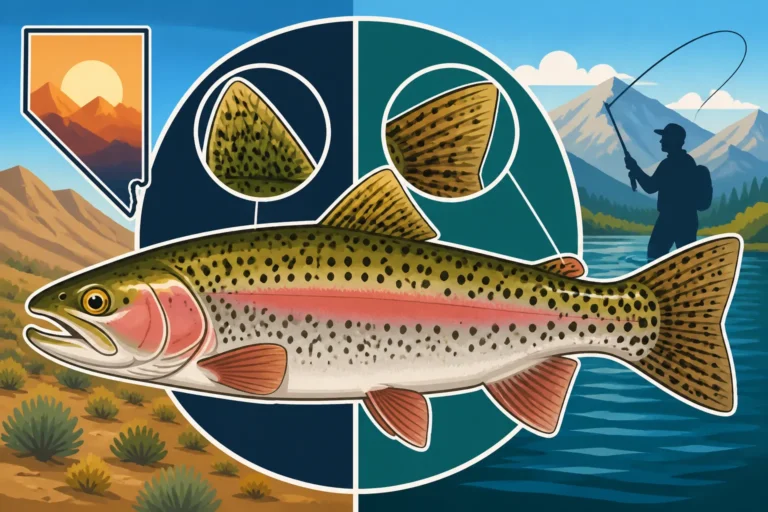
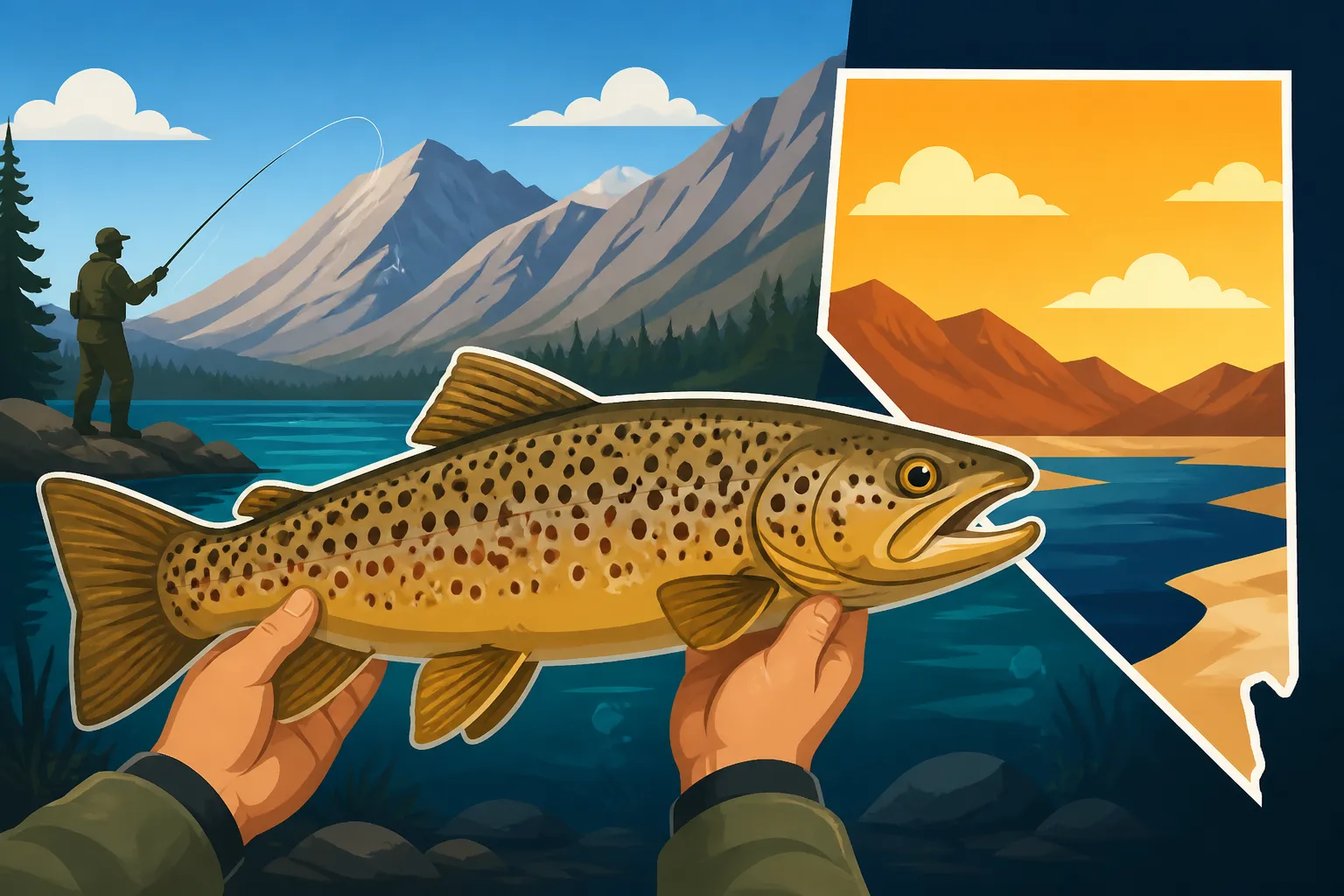
The elusive brown trout, with its speckled flanks and often aggressive nature, holds a special place in the hearts of Nevada anglers. While many fish species thrive in the Silver State's diverse waters, pinpointing the typical size of a brown trout you might encounter can be tricky, as it varies significantly based on the specific lake, its ecosystem, and whether the fish are wild, sustained, or recently stocked. This guide will walk you through what to expect when targeting brown trout in Nevada, from the average catches to those truly magnificent lunkers.
Understanding Brown Trout Growth Factors in Nevada Waters
Brown trout are renowned for their hardiness and ability to adapt, but their growth rate and ultimate size are profoundly influenced by several key environmental factors in Nevada's unique aquatic landscapes. These factors are what separate a modest 12-inch trout from a true trophy.
Firstly, food availability is paramount. In lakes teeming with abundant forage fish, like minnows, shad, or even smaller trout, brown trout have a richer diet that fuels faster growth and larger sizes. Waters that lack this robust prey base tend to produce smaller, thinner fish. It's a simple equation: more protein, more growth. For example, a lake with a healthy population of chubs or perch offers a brown trout a significant calorie boost that a lake relying solely on insect hatches might not provide. Their predatory nature means they're constantly on the hunt, and a reliable food source is critical for them to reach impressive dimensions.
Secondly, water temperature and quality play a crucial role. Brown trout generally prefer cooler, well-oxygenated water. While they are more tolerant of warmer temperatures than some other trout species, prolonged exposure to high temperatures can stress them, slow their metabolism, and inhibit growth. Nevada has a vast range of water temperatures, from icy high-mountain lakes to warmer desert reservoirs. Lakes with stable, cool temperatures throughout the year, especially those with good deep-water refuges, allow brown trout to thrive and grow consistently. Poor water quality, often linked to nutrient runoff or sedimentation, can also stress fish and reduce their overall health and growth potential.
Lastly, the specific genetics of the fish and the level of fishing pressure in a particular water body also contribute to size. Some strains of brown trout simply have the genetic potential for larger growth. Additionally, in heavily fished waters, larger, older fish are often removed, leaving smaller, younger fish. Conversely, in remote or less-pressured lakes, brown trout may live longer, allowing them more time to pack on the pounds. This is why some high-elevation backcountry lakes, despite having shorter growing seasons, can sometimes produce surprisingly large brown trout—they simply haven't been caught yet. The Nevada Department of Wildlife (NDOW) sometimes stocks brown trout, and while these fish typically start at a smaller size, a good percentage can survive and grow significantly if the habitat is suitable, adding to the angling opportunities. For more on the various species you might encounter, check out our Nevada Fish Species Guide.
Average Sizes and Trophy Potential of Nevada Brown Trout
When you cast your line into a Nevada lake hoping for a brown trout, it's helpful to have a realistic expectation of what you might reel in. The average size can vary dramatically, but knowing the typical ranges helps you appreciate both the common catches and those truly special fish.
Most commonly, anglers fishing waters with established brown trout populations, or those that receive regular stockings, can expect to encounter brown trout in the 10 to 14-inch range. These are healthy, feisty fish that provide excellent sport. They're often caught on a variety of lures, baits, and flies, and represent the bread and butter of brown trout fishing in many areas. These fish are usually a few years old, having had enough time to grow beyond their initial stocking size or to mature from natural reproduction. For insights on where these fish are often released, our Nevada Trout Stocking Schedule can be a useful resource.
However, the real allure of brown trout lies in their trophy potential. A "trophy" brown trout in Nevada is generally considered to be anything over 20 inches in length, and often weighing 3 pounds or more. These fish are truly impressive, characterized by their robust girth and often darker, more vibrant coloration. While less common, brown trout in Nevada can exceed 5 pounds, and in rare instances, even reach double-digit weights in certain productive lakes. Catching a brown trout in the 25-inch range or larger is a significant achievement and often the result of dedicated effort and a bit of luck. These are the fish that have survived multiple seasons, grown wary of anglers, and feasted on a rich diet.
Here's a general breakdown of what anglers might encounter:
| Category | Typical Length (Inches) | Typical Weight (Pounds) | Characteristics |
|---|---|---|---|
| Stocked/Juvenile | 8-12 | <1 | Recently stocked, actively growing, less wary |
| Average Catch | 10-16 | 1-2 | Common, good fighting fish, staple of many fisheries |
| Quality Fish | 16-20 | 2-4 | Strong fighters, showing good growth, harder to fool |
| Trophy Fish | 20+ | 3-8+ | Rare, very wary, often predatory, bucket-list fish |
It’s important to remember that these are general guidelines. Factors like the specific lake, the time of year, and even the strain of trout can cause variations. The challenge and reward of pursuing these larger fish are what keep many anglers coming back to Nevada's waters. If you're specifically after those bragging-rights catches, exploring Trophy Trout Waters in Nevada might be your next step.
Key Nevada Lakes Known for Larger Brown Trout
While brown trout can be found in many waters across Nevada, certain lakes and reservoirs consistently offer the best opportunities for encountering larger specimens. These locations often combine ideal habitat, a rich food source, and sometimes, a management strategy geared towards fostering robust trout populations.
One of the prime destinations for brown trout fishing in Nevada is Wildhorse Reservoir in northeastern Nevada. This expansive reservoir is known for its cold, clear waters and a diverse forage base, including yellow perch and various baitfish, which brown trout absolutely gorge on. Anglers frequently report catching brown trout in the 18 to 24-inch range here, with fish over 5 pounds not uncommon. The cold winters and long growing season provide ample opportunity for browns to reach impressive sizes. It’s a bit of a drive for many, but the fishing experience can be incredibly rewarding.
Another significant location, though with different characteristics, is Marlette Lake in the Carson Range, near Lake Tahoe. This high-elevation lake is managed as a wild fishery, with natural reproduction supporting a population of exceptionally healthy and robust brown trout. Due to its remote nature and specific regulations (often fly fishing only, catch and release), the brown trout here have the chance to grow large, often reaching 20 inches or more. Access to Marlette is typically by foot or mountain bike, adding to its mystique and ensuring less pressure than more accessible waters. For those interested in the unique challenges of fishing in such pristine environments, our guide on Fly Fishing in Nevada provides valuable insights.
Beyond these well-known spots, several other lakes and sections of rivers hold the potential for larger browns. Some of the larger, deeper high-mountain lakes scattered throughout Nevada's ranges can surprise anglers with hefty brown trout. These fish thrive on a diet of aquatic insects and smaller fish, growing slowly but steadily in their pristine environments. Places like some of the Ruby Mountains lakes, while challenging to reach, can yield memorable catches. Similarly, certain stretches of the Truckee River, particularly in the western region, are renowned for holding significant brown trout, some reaching over 20 inches. These river systems provide complex habitats and a constant flow of nutrients and prey, allowing browns to flourish. To get a better sense of where you might cast your line, consider exploring our list of the Best Nevada Trout Lakes.
Angling Strategies for Targeting Bigger Browns
Catching a truly large brown trout in Nevada often requires a shift in strategy from simply targeting stockers or smaller fish. Bigger browns are warier, more predatory, and often hold in different types of cover. Adapting your approach can significantly increase your chances of landing one of these elusive lunkers.
One of the most effective strategies is to "match the hatch" or, more accurately, "match the baitfish." Large brown trout are primarily piscivorous, meaning they feed on other fish. This makes lures that imitate baitfish incredibly effective. Think larger jerkbaits, swimbaits, and spoons in natural baitfish colors like silver, blue, or olive. Casting these lures near drop-offs, submerged structures, or rocky points where baitfish congregate can be highly productive. For a comprehensive look at what to use, check out our article on the Best Bait for Nevada Trout. When buying these specialized lures, you might find a broader selection and competitive pricing online, for instance, on Amazon, where you can browse various brands and designs from the comfort of your home.
For bait anglers, using larger offerings is key. Live bait such as larger minnows, shiners, or even nightcrawlers can entice a big brown. Presenting these baits on the bottom or suspended under a bobber near structure or deeper water can be very effective, especially during low-light conditions or cooler weather. Remember, patience is a virtue when waiting for a trophy-sized fish to commit to a larger bait.
Fly fishing for big browns also demands a different approach. While smaller dries and nymphs will catch plenty of average-sized trout, targeting trophies often means stripping large streamer patterns that imitate baitfish, leeches, or crawfish. Think about patterns like Woolly Buggers, Sculpzillas, or articulated streamers. Fishing these patterns aggressively, especially during the fall spawn or early spring, can trigger a territorial strike from a large male brown. The fall season is often heralded as the Best Time of Year to Fish in Nevada for targeting these bigger, more aggressive trout.
Regardless of your chosen method, timing and location are critical. Big browns are often most active during low-light periods – dawn, dusk, or even at night, especially in warmer months. They tend to patrol deeper water or seek refuge in heavy cover during brighter parts of the day. Using a reliable depth finder on your boat or identifying deep pockets and structure from shore can make all the difference. Moreover, ensure your gear is up to the task; a strong rod and reel combo, such as those you might find on Amazon, with a reliable drag and sturdy line, is essential for battling these powerful fish. For general gear recommendations, our Best Fishing Rods for Nevada Lakes article has some great suggestions.
Finally, remember that persistence pays off. Trophy brown trout are not caught on every outing. They are smart, elusive, and require dedication. Learning their habits, understanding their preferred habitats, and being prepared to put in the time are all part of the rewarding pursuit of Nevada's impressive brown trout.
Disclaimer
This article is for general informational purposes only and does not constitute professional advice. Laws, prices and regulations vary by location and change over time. Consult a qualified professional for guidance on your specific situation.