Nevada Trout Stocking Schedule
Figuring out exactly when and where the Nevada Department of Wildlife (NDOW) is going to stock trout can sometimes feel like trying to solve a cryptic puzzle. You want to hit the water when the fishing is hot, especially after a fresh plant, but tracking down that ever-changing schedule can be a real headache. This comprehensive guide is here to unravel the mystery of the Nevada trout stocking schedule, helping you understand how it works, where to find the most current information, and how to use that knowledge to make your next fishing trip a resounding success.
Understanding Nevada's Trout Stocking Program
Nevada, for all its stunning natural beauty, is largely a high-desert state. While we have some incredible natural fisheries, especially in our higher elevation streams and reservoirs, many of our most accessible and popular fishing spots, particularly in the lower elevations, simply can't sustain robust trout populations year-round on their own. The water might get too warm in summer, or the natural spawning habitat just isn't there. That's where NDOW's trout stocking program comes in.
Why Trout Stocking is Essential in Nevada
For many anglers, especially those just starting out or families looking for a fun, productive day on the water, trout stocking is absolutely essential. It ensures there’s a consistent supply of fish, making fishing more accessible and increasing the chances of success. Imagine taking your kids out, spending all day without a bite – that's not exactly a recipe for fostering a love of the outdoors! Stocking creates those "instant fisheries" that can provide a lot of joy. Without it, many of the urban ponds in places like Las Vegas or Reno, or even some of the more popular reservoirs, would quickly become barren or only hold warm-water species. It truly underpins a huge part of the recreational fishing economy and culture in the Silver State.
The arid environment means that only a handful of our waters have the consistent cold temperatures and ideal stream conditions that wild trout need to thrive and reproduce naturally. Even in places where wild trout do exist, stocking often supplements these populations, helping to alleviate fishing pressure and provide more opportunities for anglers. It's a balancing act to maintain healthy ecosystems while also meeting the demand for recreational fishing, and stocking is a key tool in that effort. It helps guarantee that when you head out, you've got a decent shot at reeling in some beautiful rainbow trout.
The Nevada Department of Wildlife NDOW's Role
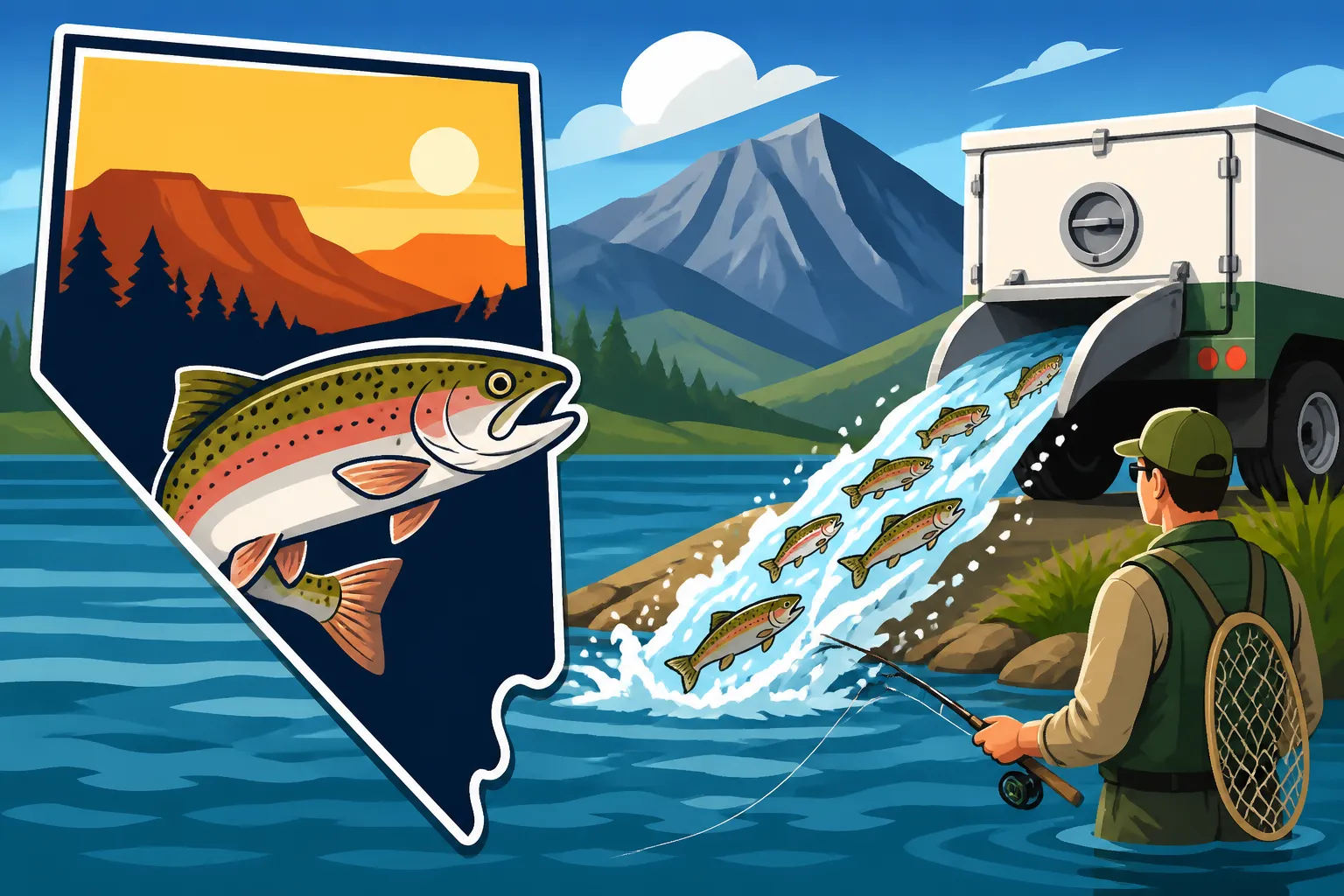
The Nevada Department of Wildlife (NDOW) is the unsung hero behind virtually all public trout stocking in the state. Their dedicated team manages several fish hatcheries across Nevada, like the Mason Valley Fish Hatchery in Yerington and the Gallagher Fish Hatchery near Ruby Valley, where millions of trout are raised each year. These fish are carefully grown to "catchable size" before being transported and released into lakes, reservoirs, and urban ponds across the state. This isn't just a haphazard effort; there's a science to it. NDOW biologists study water temperatures, fish health, angler demand, and specific regulations for each body of water before making stocking decisions.
Beyond just raising and releasing fish, NDOW is also responsible for communicating these stocking events to the public. They maintain detailed records and often share their plans, which is incredibly helpful for anglers trying to time their trips. They work tirelessly to ensure that our fishing resources are managed sustainably, balancing the needs of recreational anglers with the ecological health of Nevada's diverse aquatic environments. Their efforts ensure that anglers have opportunities, whether they're targeting trophy Lahontan Cutthroat Trout in Nevada at Pyramid Lake (which has its own unique management) or simply looking to catch a few rainbows at a local pond.
Decoding the Nevada Trout Stocking Schedule
Once you understand why NDOW stocks trout, the next step is figuring out when and where they do it. This isn't always as straightforward as you might hope, but with a little persistence and knowing where to look, you can get a pretty good handle on the schedule.
Where to Find the Official NDOW Schedule
The absolute best and most official source for Nevada trout stocking information is the Nevada Department of Wildlife (NDOW) website. They typically have a dedicated section for stocking reports and schedules. Now, a word of caution: these schedules can be dynamic. Stocking depends on hatchery conditions, water levels, truck availability, and even weather, so sometimes plans change at the last minute. It's not always a real-time, minute-by-minute update, but it's generally quite reliable for weekly or bi-weekly plans. I'd recommend bookmarking their fisheries section and checking it regularly, especially before you plan a trip.
Beyond the official website, local tackle shops and sporting goods stores are invaluable resources. Places like Sportsman's Warehouse or Scheels often receive updates directly from NDOW, and the folks working there are usually avid anglers themselves who know the local scene inside and out. Don't be shy about calling them up or stopping by for the latest intel. Many local shops also post updates on their social media pages. Sometimes, when you're looking for information on where to buy a Nevada Fishing License at Sporting Goods Stores, you'll also stumble upon their recent stocking reports, making them a one-stop shop for trip planning.
How Often and What Species Are Stocked
The frequency of stocking really varies depending on the body of water and the time of year. Urban ponds, especially in Southern Nevada, might be stocked weekly or bi-weekly during cooler months due to heavy angler pressure and limited natural survival rates. Larger reservoirs or high-elevation lakes might see less frequent, but still regular, stocking. The primary species you'll encounter is the Rainbow Trout. They're hardy, grow relatively quickly in hatchery environments, and are fantastic sport fish that readily bite.
While rainbows are the staple, NDOW sometimes stocks other trout species. You might occasionally find Brown Trout in specific waters, known for being a bit more elusive and growing to larger sizes. In certain unique fisheries, you might even find the elusive Tiger Trout, a sterile hybrid that offers a unique angling challenge. The fish stocked are almost always "catchable size," meaning they're big enough to put up a fight and are often between 8 and 12 inches, though larger "trophy" trout are sometimes included to add excitement. This consistent stocking ensures that even if you're targeting specific species, there's always a good chance of hooking into a lively rainbow.
Regional Differences in Stocking Practices
Nevada is a vast state with incredibly diverse climates and aquatic environments, so it makes sense that stocking practices vary significantly by region. In Northern Nevada, particularly around the Reno/Sparks area and eastward towards Elko, many waters maintain cold enough temperatures for trout to survive year-round, especially in larger reservoirs or high mountain lakes. NDOW focuses on sustaining these fisheries throughout the seasons, often supplementing natural populations or establishing put-and-take fisheries that provide consistent action. You'll find a strong emphasis on traditional trout fishing in these areas.
Southern Nevada, especially the Las Vegas region, presents a different challenge. The desert heat means that many urban ponds and lower elevation waters get too warm for trout to survive through the summer. Here, the stocking program operates more as a "put-and-take" fishery during the cooler months (roughly fall through spring). NDOW heavily stocks these urban ponds with catchable rainbows, knowing that anglers will quickly harvest them. This creates fantastic, accessible fishing opportunities for a high population density. Understanding these Nevada Western Region Fishing Regulations and how they differ from the Southern or Eastern regions is key to planning a successful trip, as stocking, seasons, and limits can all change depending on where you cast your line.
Navigating Seasonal Stocking Patterns
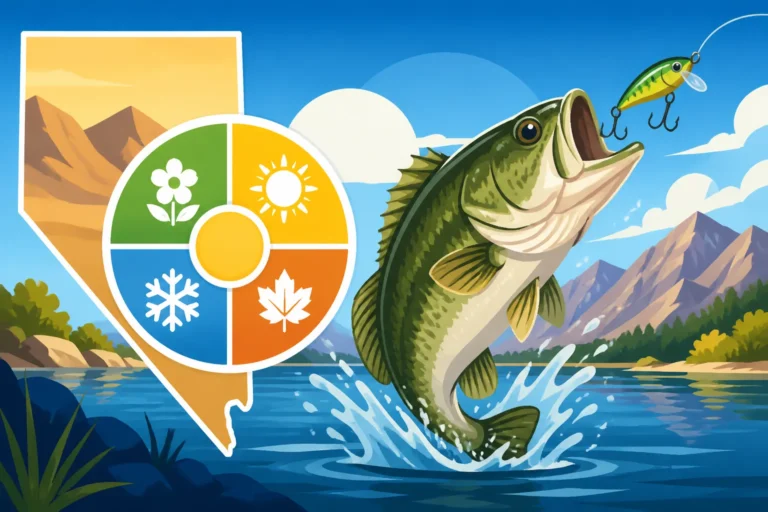
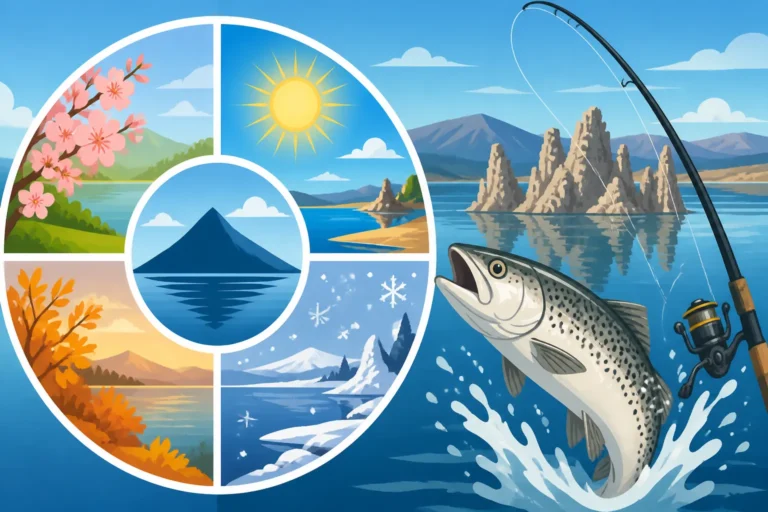
Timing is everything when it comes to trout fishing, and understanding the seasonal patterns of NDOW's stocking program can give you a significant advantage. The cooler months are generally prime time for trout in most of Nevada, while summer brings its own unique set of challenges and opportunities.
Spring Stocking Bonanza
Ah, spring! This is arguably the best time of year for trout fishing across much of Nevada, and NDOW takes full advantage of it. As the ice melts off northern lakes and reservoirs, and southern waters begin to warm but remain comfortable for trout, the stocking trucks are busy. Fish that have been growing in hatcheries all winter are released in large numbers. The warming water temperatures make the trout more active, and they're often eager to bite after their journey from the hatchery. Many urban ponds see very heavy stocking during spring to cater to families and local anglers looking to enjoy the pleasant weather.
For those targeting these newly stocked waters in the spring, it's often a fantastic time for high catch rates. The fish haven't been pressured much, and they're hungry. This is when you'll see a lot of success with simple baits like PowerBait or worms. It's a great opportunity to get out before the summer heat settles in, making it a favorite season for many. NDOW often highlights their efforts during the season as part of their Spring Trout Stocking in Nevada initiatives, so keep an eye out for those announcements.
Summer Stocking Challenges and Strategies
Summer in Nevada can be brutal, and those scorching temperatures pose a significant challenge for trout. Many of the lower elevation lakes and urban ponds become too warm for trout to survive, so stocking in these areas often ceases or slows dramatically. Trout are cold-water fish, and prolonged exposure to water above 70°F (21°C) can be fatal. However, don't despair! Summer still offers fantastic trout fishing opportunities if you know where to look.
NDOW shifts its focus during the hotter months to higher elevation lakes and reservoirs, where water temperatures remain cool even on the warmest days. Think of places in the Ruby Mountains, Schell Creek Range, or the Sierra Nevada foothills on the western side of the state. These waters are often stocked throughout the summer, providing relief from the heat for both fish and anglers. For those in lower elevations, targeting deeper water in larger reservoirs during the cooler parts of the day (early morning, late evening, or even at night for some species) can still yield results. Checking water temperature reports from NDOW or local anglers is crucial during summer to find those cooler pockets where trout can thrive.
Fall and Winter Stocking for Cooler Waters
As the temperatures begin to drop in the fall, trout fishing in Nevada experiences a resurgence. The cooling water reinvigorates trout that may have been lethargic during the summer, and NDOW ramps up stocking again in many areas. Fall is a prime time for active trout, as they feed aggressively in preparation for winter. The crisp air and beautiful fall foliage make for incredibly enjoyable days on the water. Many anglers consider autumn to be just as productive as spring, if not more so, for larger, more aggressive trout.
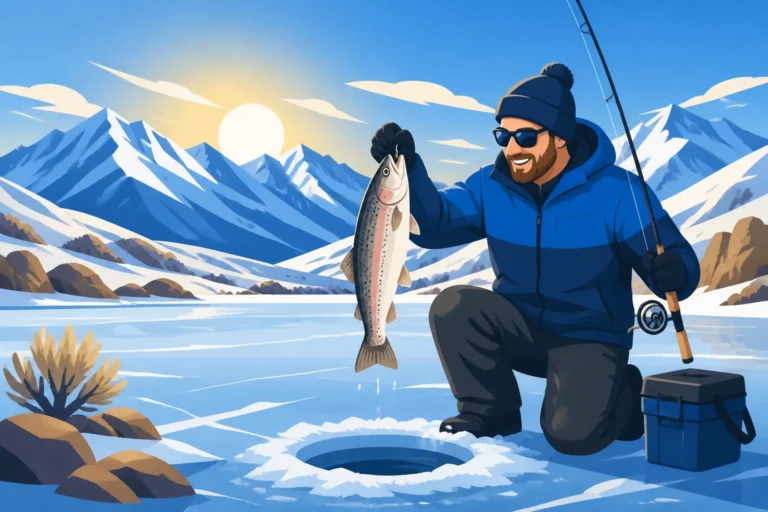
Winter brings its own unique charm and challenges. While many northern waters might freeze over, opening up opportunities for Ice Fishing in Nevada, southern urban ponds and lower elevation reservoirs continue to receive regular stockings. The trout are generally less active in very cold water, but they are still catchable, often holding in deeper areas. Ice fishing can be incredibly rewarding, and NDOW ensures many of the traditional ice fishing lakes are well-stocked before the freeze. Their Fall Trout Stocking in Nevada efforts are critical for setting up these excellent cold-weather fishing opportunities. Always remember to check ice conditions and safety guidelines if you plan to venture out onto the ice.
Mastering Techniques for Newly Stocked Trout
Catching newly stocked trout isn't always as simple as dropping a line in the water, but it's often much easier than targeting wild, seasoned fish. They're typically hungry and less wary, making them an excellent target for beginners and seasoned anglers alike.
Best Baits and Lures for Stocked Trout
When it comes to newly stocked trout, simplicity often reigns supreme. These fish are typically raised on commercial hatchery pellets, so they aren't naturally accustomed to hunting live prey. This makes dough baits incredibly effective. PowerBait, in its various forms (floating, nuggets, Gulp! dough), is a perennial favorite. Chartreuse, rainbow, and white are often top-performing colors. Just a small ball on a light hook, drifted off the bottom, can be deadly. Salmon eggs, corn, and even small pieces of hot dog can also entice a bite. You can find a huge variety of these effective baits and more complex options, like specific scents or bait holders, readily available on Amazon.
For those who prefer lures, small inline spinners like a Panther Martin, Mepps, or Rooster Tail are excellent choices. Sizes from 1/16 oz to 1/8 oz in silver, gold, or bright colors (chartreuse, orange) often get their attention. Small spoons, such as a Kastmaster or Little Cleo, also work well, especially when cast and retrieved with an erratic action. The key is to present something that either mimics their hatchery food or is brightly colored and moves enticingly. Knowing what works best for Best Bait for Nevada Trout is truly half the battle when you're targeting those fresh plants.
Effective Fishing Setups and Strategies
For stocked trout, a light spinning setup is usually all you need. A 5' to 6'6" ultralight or light-action rod paired with a small spinning reel (like a 1000-2000 series) spooled with 4-6 lb test monofilament or fluorocarbon line is ideal. This lighter tackle allows for longer casts with small baits and lures, and it makes even a modest trout feel like a trophy. Many anglers find a basic Carolina rig or a bobber rig to be the most effective setups.
Carolina Rig (for bottom fishing):
- Slide a 1/8 to 1/4 oz egg sinker onto your main line.
- Tie on a small swivel.
- Attach an 18-36 inch leader (same or slightly lighter test) to the other end of the swivel.
- Tie a small hook (size 10-14, usually an Owner Mosquito Hook or similar) to the end of the leader.
- Bait with PowerBait, ensuring it floats off the bottom.
Bobber Rig (for suspended fish):
- Attach a small bobber (slip or fixed) to your main line.
- Crimp a small split shot or two a foot or so above your hook.
- Tie on a small hook (size 10-14).
- Bait with a worm, PowerBait, or a salmon egg. Adjust bobber depth until you find the fish.
When fishing newly stocked waters, focus on areas near boat ramps, docks, or other easy access points, as this is often where the fish are released. They tend to mill around these areas for a while before dispersing.
Targeting Stocked Trout in Urban Ponds vs. Larger Reservoirs
There's a noticeable difference in how stocked trout behave and how you should approach them depending on the type of water. Urban ponds, such as those found in Las Vegas or Reno, are typically smaller, shallower, and often experience heavy angler pressure. The fish in these ponds tend to spread out quickly, but their limited space means they are usually within casting range from shore almost anywhere. Here, a simple bobber and bait setup or light casting with small spinners works wonders. Early morning or late evening often provides the best bite, as the fish are less wary and the crowds might be smaller. For specific guidance, checking out a Las Vegas Nevada Urban Pond Fishing Guide can offer tailored advice for those local spots.
Larger reservoirs, on the other hand, offer more space and complexity. While fish are often released near boat ramps or popular access points, they will disperse much further and faster than in a pond. In reservoirs, you might need to cover more water, either by walking the shoreline, using a float tube, or a boat. Trolling with small lures or even fly fishing with streamers can be highly effective once the fish have moved away from the initial drop-off points. In both scenarios, staying mobile and experimenting with different depths and presentations is key. A slightly heavier setup might be needed in a larger reservoir if you need to cast further or if there's more current.
Maximizing Your Stocking Schedule Success
Having the right gear and knowing the best baits is great, but truly maximizing your success with stocked trout involves a bit of homework and smart planning. It's about being informed and strategic.
Checking Stocking Reports and Local Conditions
This can't be stressed enough: consistently check the official NDOW stocking reports. They update these weekly, providing details on what waters were stocked, with what species, and roughly how many fish. Don't just check it once; check it frequently, especially if you're planning a trip. Sometimes, if there's a major event or an unforeseen issue, the schedule can shift. Beyond the NDOW website, pay attention to local tackle shop social media pages or even call them directly. These folks are often on the water or talking to anglers who just got off, so their intel is fresh. Understanding Nevada Fishing Regulations Explained in detail is also paramount, as reports often link to specific rule changes or temporary closures related to stocking.
It's also crucial to consider local conditions. Has there been a recent storm? Is the water murky? Are the temperatures unusually high or low? All these factors can influence how the trout behave after being stocked. A sudden cold front might make them less active, while murky water might mean bright-colored baits are more effective. Keep an eye on local weather forecasts and water reports for your target lake or pond.
Planning Your Trip Around Stocking Events
The golden rule for newly stocked trout is: the sooner, the better. These fish are often quite disoriented and hungry immediately after being released from the hatchery truck. They haven't yet learned to associate anglers with danger, making them much more willing to bite. If you can get to a newly stocked location within a day or two of the plant, your chances of a successful outing skyrocket. This often means planning your trips midweek to avoid the weekend rush that descends on freshly stocked waters.
When you arrive at a recently stocked spot, observe where the fish might have been released. Often, they're near boat ramps, docks, or easily accessible shorelines. Start your efforts there, but don't be afraid to move around if the action slows. These fish will eventually disperse throughout the water body. Try different depths and retrieve speeds if you're using lures. Remember, consistency is key; if a spot or technique isn't working, don't be afraid to change it up.
Essential Gear for Trout Anglers
Even for a relatively straightforward activity like stocked trout fishing, having the right gear makes a huge difference. You don't need to break the bank, but a few essentials will significantly improve your experience. As mentioned, a light or ultralight spinning rod and reel combo is crucial. For lines, a 4-6 pound test monofilament or fluorocarbon is perfect. Lighter line means more bites and better action for small lures.
Beyond your rod and reel, a small tackle box should include:
- Hooks: Sizes 10-14, various styles (Aberdeen, egg hooks).
- Weights: Split shot and small egg sinkers (1/8 – 1/4 oz).
- Swivels: Small barrel or snap swivels to prevent line twist.
- Bait: PowerBait (various colors), salmon eggs, worms.
- Lures: Small inline spinners and spoons.
- Optional: Small bobbers, forceps or pliers for hook removal, a stringer or cooler for keeping fish.
Don't forget personal comfort items like sunscreen, a wide-brimmed hat, polarized sunglasses, and plenty of water, especially when fishing in Nevada's strong sun. Many of these items, from basic hooks to advanced polarized sunglasses, are readily available on Amazon, allowing you to stock up before your trip. Having all these Nevada Fishing Gear Essentials prepared ensures you’re ready for whatever the fish throw at you!
| Season | Typical Stocking Frequency (Urban Ponds) | Typical Stocking Frequency (Larger Reservoirs / Mountain Lakes) | Primary Species Stocked | Fishing Strategy Notes |
|---|---|---|---|---|
| Spring | Weekly to Bi-weekly | Bi-weekly to Monthly | Rainbow Trout (primary), occasional Brown/Tiger | High activity, fresh fish, easy bites. Focus on access points. |
| Summer | Minimal to None (due to heat) | Monthly to Bi-weekly (higher elevations) | Rainbow Trout | Target deeper, cooler waters at high elevations or early/late in the day in lower lakes. |
| Fall | Weekly to Bi-weekly | Bi-weekly to Monthly | Rainbow Trout, some Brown Trout | Fish become more active, feeding aggressively. Excellent time for lures. |
| Winter | Weekly to Bi-weekly | Monthly (some freeze over for ice fishing) | Rainbow Trout | Fish are slower, often hold deeper. Ice fishing where possible; slow presentation for open water. |
Beyond the Schedule – Sustainable Practices and Regulations
While the stocking schedule is about maximizing your catch, it's equally important to remember that responsible angling ensures these opportunities continue for everyone. Knowing the rules and practicing good etiquette are part of being a great angler.
Practicing Responsible Catch and Release
Even when fishing for stocked trout, practicing responsible catch and release is a good habit to develop. While many stocked trout are intended for harvest, some anglers prefer to release fish, especially if they've caught enough for dinner or if they land a particularly nice specimen. Always handle fish gently with wet hands. Try to keep them in the water as much as possible. Using barbless hooks, which you can often find pre-made or easily create by crimping down the barb with pliers (available on Amazon), makes hook removal much easier and less damaging to the fish. Minimizing the time the fish is out of the water greatly increases its chances of survival. This practice is especially important when targeting native species, where conservation is a top priority, and it's something you'll definitely need to master if you ever fish for Catch and Release Techniques for Trout in pristine wild trout streams.
Learning to properly release a fish quickly and efficiently is a skill that benefits all fish populations, whether they are stocked or wild. It reduces stress and injury, allowing more fish to survive and potentially be caught again. Even if you plan on keeping your catch, knowing these techniques can ensure that any accidental catch-and-release fish (like an undersized one) has the best chance of survival.
Understanding Bag and Possession Limits
Nevada has specific bag and possession limits for trout, and these are absolutely crucial to follow. The statewide daily bag limit for trout is generally a combined total of seven trout, but this can vary dramatically depending on the specific water body. Some urban ponds might have different limits, and certain trophy waters might have slot limits or restrictions on specific species. For example, Nevada Trout Daily Limit Rules can differ between a high mountain lake and a community pond. It's your responsibility as an angler to check the current NDOW Fishing Regulations booklet for the specific body of water you're fishing before you cast a line.
A "daily limit" refers to the number of fish you can legally keep in a single day, while "possession limit" refers to the total number of fish you can have in your possession, including those at your campsite, vehicle, or home. Often, the possession limit is twice the daily limit, but again, always verify. These limits are in place to manage fish populations sustainably and ensure fair distribution among anglers. Ignoring these rules can lead to significant fines and penalties, so take the time to read the regulations carefully. You can usually find the most up-to-date information through NDOW's website or by picking up a physical copy of the regulations booklet at any licensed dealer.
Required Licenses and Permits
Finally, it should go without saying, but you absolutely need a valid Nevada fishing license to fish for trout (or any other fish) in Nevada's public waters. This applies whether you're a resident or a non-resident, and regardless of whether you plan to keep or release your catch. There are different license types, including annual, short-term (like a Nevada 1-Day Fishing Permit Details), and combination hunting and fishing licenses, so choose the one that best suits your needs. You can easily purchase your Nevada Fishing License Guide online through the NDOW website or from various authorized vendors like sporting goods stores and tackle shops.
In addition to a state fishing license, some specific waters might require additional permits. The most notable example is Pyramid Lake, which is on tribal land and requires a separate tribal fishing permit, not a state license. Always double-check if your chosen fishing spot has any special access requirements or permits beyond the standard state license. Fishing without the proper licenses or permits is a serious violation and can result in hefty fines. It's a small fee to pay for the incredible fishing opportunities we have in Nevada, and it directly supports NDOW's stocking and management efforts.
Disclaimer
The information provided in this guide is intended for general informational purposes only and may not always be entirely current. Fishing regulations, stocking schedules, and local conditions in Nevada can change frequently. It is the angler's responsibility to consult the most recent official Nevada Department of Wildlife (NDOW) regulations and local advisories before engaging in any fishing activities. Always prioritize safety and adherence to all applicable laws.