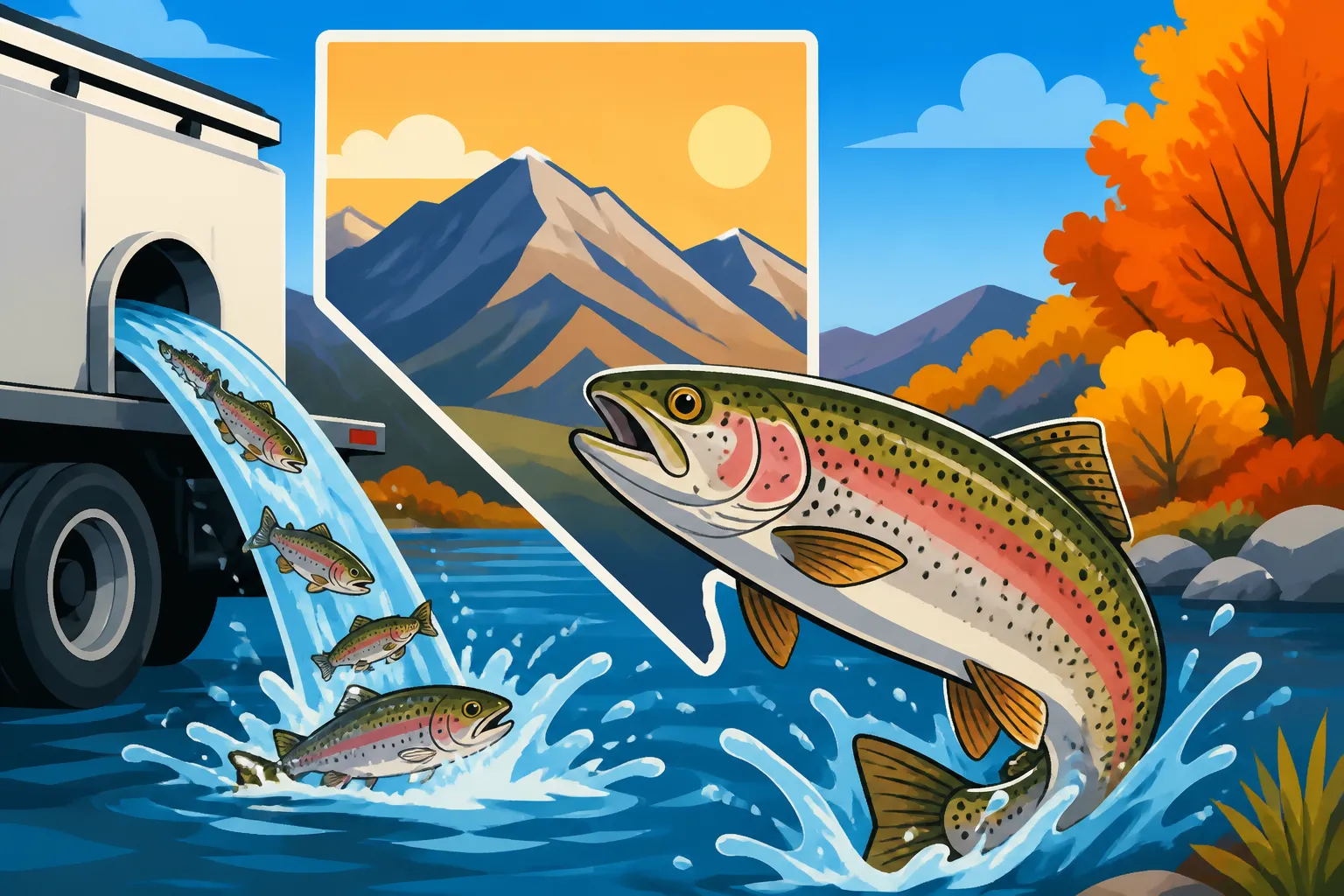
Fall Trout Stocking in Nevada
The crisp air, the changing leaves, and that undeniable scent of autumn in Nevada aren't just a signal for pumpkin spice lattes – for anglers, it heralds one of the most exciting times of the year: fall trout stocking. Many people struggle with finding consistent fishing opportunities as summer fades, or they get frustrated trying to figure out which bodies of water are actually worth their time. This comprehensive guide will peel back the layers of fall trout stocking in the Silver State, revealing where the fish are going, what they're biting on, and how you can make the most of this fantastic season.
The Magic of Fall Trout Stocking in Nevada
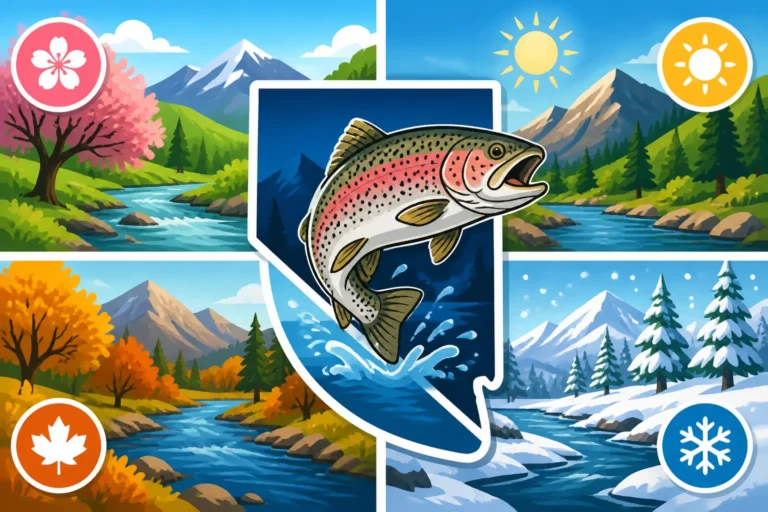
There's something truly special about autumn in Nevada, especially when it comes to trout fishing. After the scorching summer heat, many of our favorite trout waters become marginal, or even unfishable, due to high water temperatures that stress the fish. That's where the Nevada Department of Wildlife (NDOW) steps in, transforming cooler fall temperatures into a golden opportunity for anglers across the state.
Why Fall is Prime Time for Stocking
Fall ushers in a period of cooling water temperatures that are absolutely ideal for trout. Unlike the warmer months when trout are often sluggish or retreat to deeper, cooler thermal refuges, the autumn chill revitalizes these cold-water species. This means healthier, more active fish that are much more willing to chase a lure or sip a fly. The lower water temperatures also significantly reduce post-release stress for the stocked trout, leading to better survival rates and a more robust fishery for everyone. It's a win-win situation, as the fish thrive and anglers enjoy spirited fights.
Beyond the biological benefits, fall stocking also aligns perfectly with human activity. The intense summer heat often keeps many anglers off the water, especially families with young children. Fall offers more comfortable fishing conditions, with pleasant daytime temperatures and fewer crowds than the peak summer season. This makes for a much more enjoyable experience, allowing you to relax and soak in the beautiful Nevada scenery while reeling in some feisty trout. The transition from intense heat to mild days means you can stay out longer without worrying about heatstroke, providing extended windows for successful fishing.
The NDOW's Strategic Approach to Autumn Releases
The NDOW doesn't just randomly dump fish into lakes; their fall stocking program is a carefully planned operation designed to maximize angler success and distribute fishing opportunities equitably across the state. They prioritize waters that have cooled sufficiently to support trout, often targeting urban ponds, smaller community lakes, and certain reservoirs that have become too warm over the summer. This strategic focus ensures that the stocked fish have the best chance of survival and provide immediate angling gratification.
Understanding the NDOW's strategy is key to planning your fall fishing adventures. They generally begin their fall stocking efforts as soon as water temperatures consistently drop below the critical threshold for trout, typically in late September and extending through October and November, sometimes even into early December depending on the weather. These stocking efforts often replenish waters that were fished heavily in the spring or provide new opportunities in areas that were barren during the summer. Keeping an eye on the official Nevada Trout Stocking Schedule is your best bet for staying up-to-date, as these schedules are frequently updated and give you a heads-up on where and when the next big release is happening.
Identifying Key Fall Stocking Locations
Knowing when the fish are stocked is only half the battle; knowing where to find them is crucial. The NDOW spreads its fall trout stocking efforts across various types of waterways, each offering a unique fishing experience. From easily accessible urban ponds to expansive reservoirs, there's a spot for every angler.
Urban Ponds: Your Local Trout Haven
For many Nevada residents, especially those in larger metropolitan areas like Las Vegas and Reno, urban ponds are the bread and butter of fall trout fishing. These conveniently located ponds are regularly stocked and provide fantastic opportunities for families, beginners, and anglers looking for a quick outing. Places like Floyd Lamb Park, Lorenzi Park, and Sunset Park in the Las Vegas Valley, or Sparks Marina in the Reno area, are prime examples. These spots are specifically managed to provide high-frequency, accessible fishing.
The beauty of urban ponds lies in their accessibility and predictability. They are often shallow, making it easier to locate schooling trout, and their smaller size means you don't need a boat to effectively fish them. Stocked trout in these environments are often quite aggressive immediately after release, making for exciting, action-packed fishing. Plus, many urban parks offer amenities like picnic areas and playgrounds, making them perfect for a family day trip. For detailed information on these specific locations, our Las Vegas Nevada Urban Pond Fishing Guide is an excellent resource, often highlighting the nuances of fishing these urban oases.
Reservoirs and Lakes: Broader Horizons
While urban ponds are great for quick trips, larger reservoirs and lakes offer a different kind of fall trout experience. These waters typically hold a mix of stocked and sometimes wild trout, and their vastness can provide a sense of wilderness even close to populated areas. As water temperatures drop, trout that may have been deep in the summer start to move into shallower coves and points, becoming more accessible to shore anglers and boaters alike.
Iconic Nevada fishing destinations like Lake Mead, Lake Mohave, and Wildhorse Reservoir often receive significant fall trout stockings, supplementing their existing populations. These larger bodies of water can hold larger fish due to more abundant food sources and greater depths, offering the potential for trophy catches. While they require a bit more exploration and often a Nevada Fishing License Guide specific to the location, the rewards can be substantial. Keep an eye on local fishing reports for these larger bodies of water, as the exact stocking locations within these reservoirs can vary based on conditions and fish movement.
River and Stream Opportunities
Don't forget Nevada's rivers and streams! While not as heavily stocked with hatchery trout as ponds and reservoirs in the fall, some river sections still offer excellent opportunities, especially those that maintain cooler temperatures or are part of specific stocking programs. The Truckee River, for example, is renowned for its wild trout, but some sections might see supplemental stockings, particularly in areas where water conditions are favorable.
Fishing rivers and streams in the fall can be a truly tranquil experience. The cooler temperatures bring vibrant fall colors to the riparian zones, and the fish often become more active, feeding aggressively before winter sets in. This type of fishing often requires a more technical approach, focusing on reading currents, identifying holding water, and presenting your bait or lure naturally. While the focus of fall stocking is primarily on stillwaters, it's always worth checking the NDOW's reports for any river sections that might be included in their autumn releases, especially those known for supporting trout populations year-round.
What to Expect: Species, Sizes, and Numbers
When it comes to fall trout stocking in Nevada, you'll mostly encounter one particular species, but there are always delightful surprises to keep things interesting. Understanding what fish are being released can help you tailor your approach and increase your chances of success.
The Dominance of Rainbow Trout
Without a doubt, rainbow trout are the undisputed champions of Nevada's fall stocking program. These feisty, colorful fish are a favorite among anglers for their willingness to bite and their energetic fight. The NDOW primarily stocks catchable-sized rainbows, typically ranging from 8 to 12 inches, though larger "trophy" rainbows are occasionally mixed in to add extra excitement. These fish are hatchery-raised and are accustomed to being fed, which makes them readily take a variety of baits and lures shortly after being released into their new homes.
Rainbow trout are incredibly adaptable and thrive in the cooler fall water temperatures. Their aggressive feeding habits make them an ideal target for anglers of all skill levels, from beginners casting a simple PowerBait rig to experienced fly fishers presenting streamers. The high volume of rainbow trout stocked ensures that there's ample opportunity for everyone to catch fish, making fall a particularly rewarding time to introduce new anglers to the sport. The sheer numbers mean you often won't have to wait long between bites, which is fantastic for keeping kids engaged!
Occasional Surprises: Other Stocked Species
While rainbows dominate, it's not unheard of for the NDOW to occasionally stock other trout species or even hybrids in specific locations during the fall. Brown trout, known for their wary nature and larger size potential, might be introduced into certain reservoirs or rivers where conditions are suitable for them to thrive. These fish offer a different challenge, often requiring a more subtle approach, but the reward of a beautiful, hard-fighting brown is well worth the effort.
You might also hear whispers of other species, such as tiger trout (a sterile hybrid of brown and brook trout) being stocked in select waters. These unique fish are prized for their striking patterns and aggressive nature. While less common in general fall stockings, these special releases are often announced by the NDOW and can draw significant angler interest. Always consult the most recent Nevada Fishing Regulations Explained to confirm species-specific rules for any unique trout you might encounter, as limits and sizes can vary.
Here's a quick overview of what to expect during fall stocking season:
| Species | Typical Stocking Size | General Behavior After Stocking | Best Fall Techniques | Key Locations Often Stocked |
|---|---|---|---|---|
| Rainbow Trout | 8-12 inches (catchable) | Aggressive, eager to bite | Bait, Lures, Flies | Urban Ponds, Reservoirs, Some Lakes |
| Trophy Rainbow Trout | 14-20+ inches | More cautious but aggressive | Larger Lures, Specific Baits | Select Urban Ponds, Larger Reservoirs (less frequent) |
| Brown Trout | 10-16 inches (variable) | Wary, often more nocturnal | Lures, Streamer Flies, Live Bait | Specific Reservoirs, Rivers (less frequent) |
| Tiger Trout | 10-18 inches (variable) | Aggressive, hard fighters | Lures, Streamer Flies | Very select lakes/reservoirs (rare, announced by NDOW) |
Essential Techniques for Fall Stocked Trout
Fall stocked trout, especially the hatchery-raised ones, tend to be less wary than wild trout. However, knowing the right techniques can drastically improve your catch rates. They're often hungry and less pressured, but smart presentation still makes a difference.
Bait Fishing: The Tried and True Method
For many anglers, especially beginners and families, bait fishing is the go-to technique for fall stocked trout, and for good reason. It's simple, effective, and requires minimal specialized gear. The key is to present natural or processed baits in a way that appeals to the trout's strong sense of smell and instinct to feed.
- PowerBait and Dough Baits: These are perennial favorites. Brands like Berkley PowerBait come in a rainbow of colors and scents, mimicking the pelleted food trout are raised on. Mold a small ball around a treble hook or a single worm hook, making sure the hook point is fully covered. For floating baits, use a light split shot or two a foot or so above your hook to get it down to the fish zone, letting the bait float just off the bottom. This keeps it visible and prevents it from getting lost in weeds or mud.
- Worms and Live Bait: Garden worms, nightcrawlers, and even mealworms can be incredibly effective. The natural movement and scent of live bait are irresistible to trout. Hook them once or twice to allow for natural wiggling. You can fish these under a bobber in shallower areas, allowing them to drift naturally, or on the bottom with a small weight. Pairing a worm with a bit of PowerBait can create a "cocktail" rig that's often deadly. Our guide on the Best Bait for Nevada Trout delves deeper into these options.
Lure Fishing: Active Angling for Aggressive Trout
For anglers who prefer a more active approach, casting and retrieving lures can be incredibly productive for fall trout. The cooler water often makes trout more aggressive and willing to chase, especially smaller, flashy presentations. The key here is to experiment with different retrieve speeds and depths until you find what the fish are keying in on.
- Spinners: Classic inline spinners like Mepps, Rooster Tail, or Panther Martin are absolute trout magnets. The spinning blade creates flash and vibration that imitate small baitfish or insects. Experiment with different blade colors (silver, gold, brass) and body colors. Cast them out and retrieve them at a steady pace, allowing the blade to spin freely. Early in the season, after the initial stocking, these can be incredibly effective.
- Spoons: Small casting spoons, such as those from Kastmaster or Little Cleo, are also excellent choices. Their wobbling action on the retrieve mimics injured baitfish. Silver, gold, and vibrant colors like firetiger or fluorescent orange can be very successful. Vary your retrieve, adding pauses or twitches to make the lure appear more erratic and enticing. You can often find a good selection of these on
Amazonor at local tackle shops. - Small Stickbaits and Crankbaits: While often associated with bass, very small minnow-imitating crankbaits or stickbaits can tempt larger trout, especially those that have been in the water for a bit and are starting to key in on natural forage. Work them with a stop-and-go retrieve to imitate a struggling baitfish.
Fly Fishing: Finesse for Finicky Eaters
Fly fishing offers a refined and often incredibly rewarding way to target fall stocked trout, particularly as the initial post-stocking frenzy subsides. While hatchery fish might not be as selective as wild trout, presenting a fly with finesse can lead to consistent hook-ups. Fall can also bring about strong insect hatches, making fly fishing exceptionally productive.
- Streamers: For recently stocked and aggressive trout, stripping small streamer patterns like Woolly Buggers (black, olive, brown) or other baitfish imitations can be highly effective. The movement of these flies mimics small minnows or leeches, which are appealing to hungry trout. Fish them on an intermediate or sinking line, varying your retrieve speed.
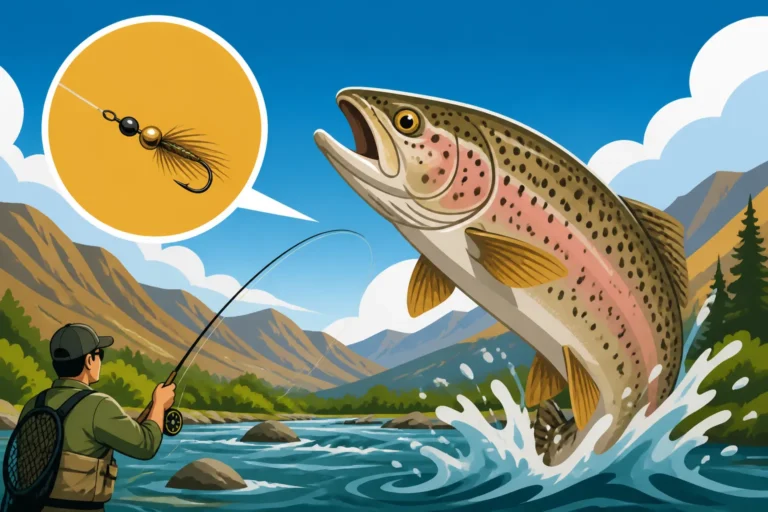
- Nymphs: As trout settle in, they often revert to feeding on subsurface insects. Drifting nymph patterns like Prince Nymphs, Hare's Ears, or Pheasant Tails under an indicator is a fantastic strategy. Focus on seams, eddies, and deeper pockets where trout might be holding. The How to Fish for Trout in Nevada guide will provide further insights into these more nuanced techniques.
- Dry Flies: While less common than nymphing or streamer fishing for stocked trout, if there's an active insect hatch (like midges, mayflies, or caddis) in the fall, presenting a well-matched dry fly can be thrilling. Look for rising fish and observe the size and color of the natural insects before selecting your pattern. This requires a keen eye and delicate presentation.
Gear Up for Fall Trout Success
Having the right gear doesn't have to break the bank, but it can certainly make your fall trout fishing experience more enjoyable and successful. For fall stockings, light tackle is generally the name of the game, offering both sensitivity and fun fights with these spirited fish.
Rods, Reels, and Line for Light Tackle
- Rods: A light to ultralight spinning rod, typically 5 to 7 feet in length, is perfect for fall stocked trout. This type of rod offers the sensitivity needed to detect subtle bites and provides an exciting fight even with smaller fish. A moderate action rod will help cast lighter baits and lures and prevent hooks from pulling out of a trout's mouth. For fly fishing, a 3 to 5-weight rod is ideal for most fall scenarios, offering enough backbone for streamers but still delicate enough for dry flies.
- Reels: Pair your spinning rod with a small spinning reel, in the 1000 to 2500 size range. Look for a reel with a smooth drag system, which is crucial for fighting energetic trout on light line. A good quality reel from brands like Shimano, Daiwa, or even affordable options found on
Amazoncan last for years. For fly fishing, a simple click-and-pawl or disc drag reel that balances your rod will suffice, as the reel primarily serves to hold line. More details can be found in our Best Spinning Reels for Trout Fishing article. - Line: For spinning setups, 4 to 6-pound monofilament or fluorocarbon line is generally recommended. Monofilament offers good knot strength and stretch, acting as a shock absorber, while fluorocarbon is virtually invisible underwater and sinks, which can be an advantage. Some anglers prefer a braided main line with a fluorocarbon leader for increased sensitivity. For fly fishing, a weight-forward floating line is standard for most dry fly and nymph rigs, while a sinking tip or full sinking line is better for streamers.
Terminal Tackle and Essential Accessories
The small details in your tackle box can make a big difference when targeting fall stocked trout. These essential items will ensure you're prepared for almost any situation.
- Hooks: Size 10 to 14 single-barb hooks are excellent for bait fishing, minimizing harm to fish if you plan on releasing them. Treble hooks in similar sizes (though often discouraged for fish health) are also common for bait. For lures, ensure they come with sharp, appropriately sized hooks.
- Weights: An assortment of small split shot weights (removable) or sliding egg sinkers (for bottom fishing with bait) will allow you to adjust your presentation to conditions.
- Bobbers/Indicators: A small, sensitive bobber is invaluable for suspending bait or nymphs at a specific depth, especially in urban ponds. For fly fishing, strike indicators help detect subtle takes.
- Swivels: Small barrel swivels can help prevent line twist, especially when using spinners.
- Net: A small, soft-mesh landing net is crucial for safely landing and handling trout, especially if you plan to release them. This minimizes stress and injury to the fish.
- Pliers/Forceps: Essential for removing hooks cleanly, especially from smaller trout.
- Tackle Box: A well-organized Best Tackle Box Setup for a Day on the Water will keep your hooks, weights, and lures easily accessible.
- Sun Protection: Even in fall, Nevada's sun can be intense. Don't forget sunscreen, a wide-brimmed hat, and polarized sunglasses to protect your eyes and help you spot fish.
Navigating Regulations and Best Practices
While fall trout stocking provides abundant opportunities, it's vital to remember that regulations are in place to ensure sustainable fishing for everyone. Respecting these rules and practicing ethical angling will help preserve Nevada's fisheries for generations to come.
Understanding Bag Limits and Seasons
Before you cast a line, always check the current Nevada Fishing Regulations Explained booklet or the NDOW website. While many stocked trout waters, particularly urban ponds, are open year-round, specific regulations might apply to certain lakes or river sections. Pay close attention to:
- Daily Bag Limits: This specifies how many fish of a certain species you can keep in a single day. For rainbow trout, the statewide limit is often five fish, but it can vary by location, so always verify.
- Possession Limits: This is the maximum number of fish you can have in your possession at any given time, including those at your campsite, vehicle, or home. This is often double the daily bag limit but can differ.
- Size Restrictions: Some waters might have minimum or maximum size limits, or even slot limits (where fish within a certain size range must be released). This is particularly important for species like Lahontan cutthroat trout or larger wild browns, but occasionally applies to stocked fish in specific waters.
- Trout Stamp Requirements: In Nevada, if you're fishing for trout, you generally need a Nevada Trout Stamp Requirements in addition to your standard fishing license. Make sure you have this endorsement before heading out.
Ignoring regulations can lead to hefty fines and loss of fishing privileges. A quick check of the regulations before each trip can save you a lot of trouble. Our Nevada Trout Daily Limit Rules article offers a great overview of common regulations you'll encounter.
Ethical Angling and Fish Handling
Good stewardship is part of being a responsible angler, especially when fishing for stocked trout which are often released in high numbers. Here are some best practices:
- Minimize Stress on Released Fish: If you're practicing catch-and-release, handle fish as little as possible and always with wet hands. Avoid squeezing them, especially around the gills. Use a soft-mesh net to land them quickly and keep them in the water while removing the hook.
- Use Barbless Hooks: Crimping down the barb on your hook (or buying barbless hooks) makes hook removal much easier and reduces damage to the fish's mouth, increasing its chances of survival. This is a simple yet incredibly effective practice.
- Clean Up Your Area: Pack out everything you pack in, including fishing line, bait containers, and any other trash. Leave the fishing spot cleaner than you found it.
- Respect Other Anglers: Fall stocking events can sometimes draw crowds. Be courteous, maintain a reasonable distance from other anglers, and share the water responsibly.
- Report Violations: If you witness illegal fishing activity, such as exceeding bag limits or fishing without a license, report it to the NDOW. This helps protect the resource for everyone.
By understanding the patterns of fall trout stocking, preparing with the right gear and techniques, and always adhering to regulations and ethical practices, you're set to enjoy some of the most productive and pleasant fishing experiences Nevada has to offer. So grab your gear, check the stocking schedule, and head out to enjoy the magic of autumn trout fishing!
Disclaimer
Please remember that fishing conditions, stocking schedules, and regulations are subject to change. Always consult the latest Nevada Department of Wildlife (NDOW) regulations and local advisories before planning your fishing trip to ensure you have the most up-to-date and accurate information. This guide is for informational purposes only.