Do you need bait or lures for Pyramid Lake?
Heading out to Pyramid Lake for the first time, many anglers find themselves staring at their tackle box, completely bewildered. "Do I need bait or lures for Pyramid Lake?" It’s a question that brings up genuine confusion, especially when you’re used to throwing a worm on a hook at your local pond. This unique desert gem, home to the legendary Lahontan Cutthroat Trout, demands a different approach, and getting it wrong can not only mean a fishless day but also a run-in with the regulations. This guide is here to unravel that mystery, explaining exactly what you need – and what you absolutely shouldn't use – to have a successful and compliant fishing trip on this incredible Nevada lake.
Understanding Pyramid Lake's Unique Fishery and Regulations
Before we even dive into specific tackle, it’s crucial to understand why Pyramid Lake operates under a different set of rules than most other fisheries. This isn't just any lake; it's a living monument to a remarkable fish and a place with a deeply rooted history.
The Lahontan Cutthroat Trout and Their Diet
The star of Pyramid Lake, and the reason for its unique regulations, is the Lahontan Cutthroat Trout (LCT). These aren't your average stocked rainbows. They are a native, sometimes gigantic, trout species that have been brought back from the brink of extinction thanks to dedicated conservation efforts. Their natural diet in Pyramid Lake primarily consists of other fish species, specifically the abundant Tui Chub and the ancient Cui-ui suckerfish, both of which are native to the lake. They also feast on various aquatic insects, especially during certain times of the year.
Think about it: a 15-pound LCT isn't rooting around for a nightcrawler. It’s actively hunting baitfish in the lake's vast, often nutrient-rich waters. This natural predatory behavior is a key factor in why certain types of tackle are far more effective and, indeed, required. The sheer size and predatory nature of these fish mean they're looking for a substantial meal, something that moves and acts like the forage they're accustomed to. The lake itself is a massive, terminal desert lake, meaning it has no outflow, leading to its distinctive alkaline composition which further shapes the ecosystem.
Strict Regulations on Bait and Barbless Hooks
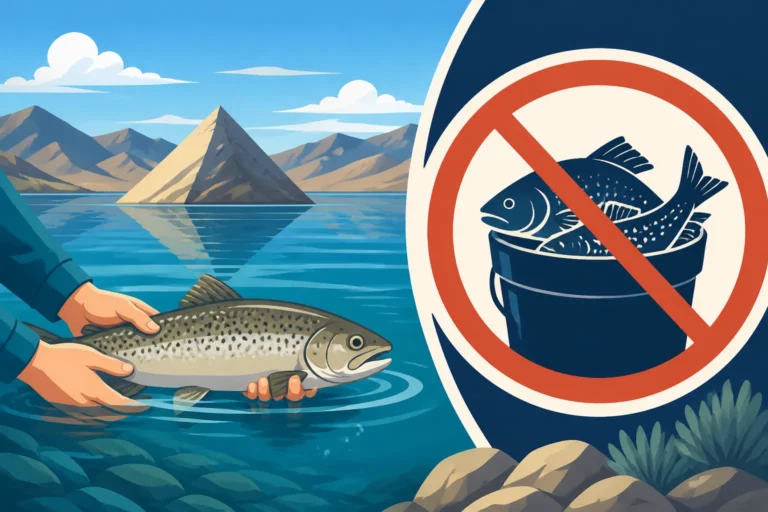
Now, here’s the absolute, non-negotiable truth when it comes to Pyramid Lake: natural bait is generally NOT allowed when fishing for Lahontan Cutthroat Trout. This is perhaps the biggest point of confusion for many first-time visitors, and it's a rule enforced to protect this fragile, recovering fishery. The Pyramid Lake Paiute Tribe, who manage the lake, have put these regulations in place to ensure the health and long-term survival of the LCT. Using live bait could introduce non-native species, spread diseases, or simply not align with the catch-and-release ethos that helps sustain the larger trophy fish population.
The regulations also stipulate that only artificial lures with barbless hooks are permitted. If your lure comes with barbed hooks, you must pinch down the barbs before you even cast. This isn't optional; it's a critical rule for the survival of released fish. Barbless hooks minimize damage to the fish's mouth, allowing for a much higher survival rate after release, which is incredibly important for the trophy-sized LCT that call Pyramid Lake home. Before heading out, it's vital to check the current Nevada Barbless Hook and Bait Rules and always consult the official Pyramid Lake Paiute Tribe fishing regulations, which you can often find details about in a comprehensive Pyramid Lake Fishing Permit Guide. These rules, alongside information on Pyramid Lake Season and Bag Limit Rules, are paramount for a responsible and enjoyable trip.
Dominating with Lures: The Heart of Pyramid Lake Fishing
Given the strict no-natural-bait rule for Lahontan Cutthroat Trout, lures become your primary, and often only, weapon of choice at Pyramid Lake. But it's not just about throwing any old lure; it's about selecting the right types and presenting them effectively to mimic the LCT's natural prey.
Top Lure Types for Lahontan Cutthroat
When you're outfitting your tackle box for Pyramid Lake, think "baitfish imitation." The Lahontan Cutthroat are apex predators in this environment, and they respond incredibly well to lures that convincingly replicate the movement and appearance of their food source.
- Spoons: These are perhaps the most iconic and consistently effective lures for Pyramid Lake. Their wobbling, flashing action perfectly imitates a wounded baitfish, making them irresistible to hungry LCT. Popular choices often include heavier spoons, typically from 1/2 ounce up to 1 ounce, in silver, gold, chartreuse, white, or combinations thereof. Brands like Luhr Jensen's Krocodile, Acme Tackle's Kastmaster, or the classic Daredevl spoons are mainstays. The key is to find colors and sizes that match the local forage, like Tui Chub, which often have silver or olive tones. You can find a vast selection of these on platforms like Amazon, ensuring you have enough variety to adapt to changing conditions.
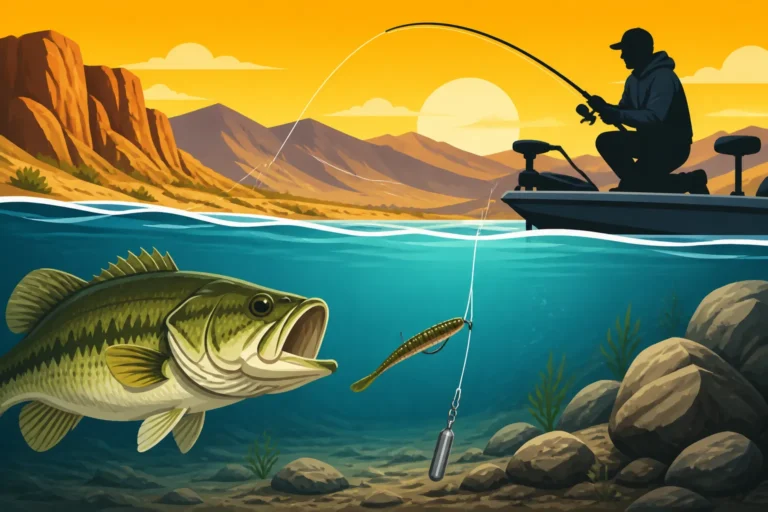
- Jerkbaits/Stickbaits: These long, slender lures are designed to mimic the profile of Tui Chub and other baitfish. When retrieved with a "twitch, twitch, pause" action, they dart and glide, driving LCT crazy. Trout patterns, silver, blue, and black-backed lures are highly effective. Look for models that suspend or slowly sink, allowing you to work different depths. Many anglers swear by brands such as Rapala, Yo-Zuri, or Lucky Craft for their realistic action and durable finishes.
- Swimbaits/Soft Plastics: For an even more realistic presentation, swimbaits and soft plastic jerkbaits can be deadly. These can be rigged weedless or on jig heads and offer a lifelike swimming motion. Natural colors like clear with silver flake, olive, or shad imitations work wonders. Pairing them with a heavy jig head allows you to cast them a country mile from the shore or get them down deep from a boat. Again, a quick search on Amazon for "Pyramid Lake swimbaits" will show you popular options and rigging techniques from other successful anglers.
- Jigs: While often associated with vertical jigging from a boat, casting jigs from shore can also be incredibly effective. Heavy bucktail jigs or rubber-skirted jigs tipped with a plastic trailer (like a grub or a minnow imitation) can be retrieved with a lift-and-drop motion, imitating bottom-feeding prey or a struggling baitfish. White, chartreuse, and black are common colors.
- Flies (for fly anglers): Although the query broadly asks about bait or lures, it's worth noting that fly fishing is incredibly popular and effective at Pyramid Lake. Flies, being artificial, fall under the "lure" category. Large streamer patterns like Woolly Buggers, Balanced Leeches, Boobies, or Popcorn Beetles are designed to imitate baitfish or nymphs and are presented with specialized fly rods. For those looking to dive into this method, understanding the Best Fly Patterns for Pyramid Lake Cutthroat is crucial.
Presentation is Key: How to Fish Lures Effectively
Having the right lures is only half the battle; knowing how to present them is what truly sets successful anglers apart. Pyramid Lake demands specific techniques, whether you’re fishing from its famous ladders or out on a boat.
From the shore, especially using the iconic ladders, long casts are often necessary to reach deeper water where the larger LCT cruise. A steady retrieve, sometimes with intermittent pauses or jerks, works well for spoons and jerkbaits. Pay attention to how the lure feels: if you’re ticking the bottom, that’s often a good thing, as LCT will ambush prey near structure. Vary your retrieve speed until you find what the fish are reacting to on a given day. The water at Pyramid Lake can be incredibly clear, so subtle movements and a natural presentation are key. Understanding the best Pyramid Lake Shoreline Access Points can also give you an edge by putting you in productive water.
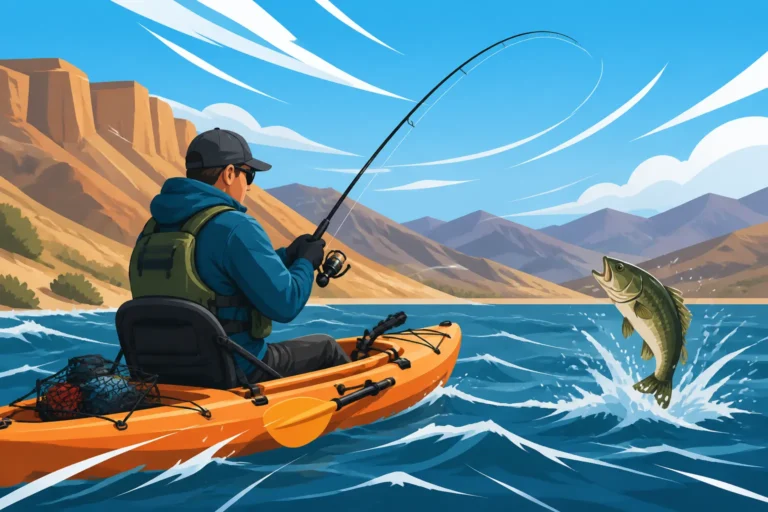
For boat fishing, you have more versatility. Trolling is a hugely popular and effective method, allowing you to cover vast expanses of water and present lures at precise depths using downriggers or lead core lines. Spoons, large stickbaits, and even large flies (trolled behind an inline planer or weight) are effective. Vertical jigging directly beneath the boat with heavy jigs can also entice deep-holding fish. Casting to visible structure or schools of baitfish marked on your fish finder is another productive strategy. Remember, boaters also need to adhere to specific regulations, including obtaining a Pyramid Lake Tribal Fishing Permit.
Regardless of your method, always aim for long casts and pay close attention to your retrieve. The large, open nature of Pyramid Lake means fish can be anywhere, but they often patrol drop-offs, points, and ledges. Reading the water, observing wind direction, and understanding the seasonal movements of fish will significantly improve your chances.
The Role (or Lack Thereof) of Natural Bait at Pyramid Lake
It's a common misconception that if a fish eats it, you can fish with it. At Pyramid Lake, that couldn't be further from the truth. The rules around natural bait are crystal clear for a reason, and understanding them prevents disappointment and potential fines.
Understanding the "No Natural Bait" Rule for LCT
Let's reiterate: for the vast majority of fishing opportunities targeting Lahontan Cutthroat Trout at Pyramid Lake, natural bait is strictly prohibited. This means you cannot use live worms, dead minnows, corn, PowerBait, salmon eggs, cheese, or any other organic material that is not an artificial lure. The reason for this firm stance is multi-faceted. Firstly, it safeguards the native fish population from the introduction of non-native species (e.g., baitfish escaping), diseases, and parasites that could be carried on live bait. Secondly, it supports catch-and-release practices, as fish that swallow bait are far more likely to be gut-hooked, leading to a higher mortality rate upon release. The goal is to protect and grow the trophy LCT population, and minimizing harm is a top priority.
It’s crucial to distinguish between "natural bait" and "scented artificial lures." Some modern artificial lures are infused with scents or come with scent attractants. These are generally permissible, as they are not organic, perishable baits. The distinction lies in the composition and the intent of the product. If it's designed to be a lure that mimics prey and happens to have a scent, it's usually fine. If it's a piece of food, an insect, or a dead fish, it's not. Always double-check the most current Pyramid Lake Paiute Tribe fishing regulations, as rules can occasionally be updated. For detailed information on what is and isn't allowed, referring to the full Nevada Fishing Regulations Explained is always your best bet.
Why Anglers Often Confuse Bait Rules
The confusion around bait rules at Pyramid Lake is completely understandable. Many anglers come from states or local areas within Nevada where using bait, like worms or PowerBait, is not only common but often highly effective for trout and other species. In most of Nevada's general fishing regulations, for instance, bait is permitted for many waters and species. This discrepancy creates a knowledge gap for those unfamiliar with Pyramid Lake's specific conservation efforts and tribal management.
For example, if you're used to fishing urban ponds in Las Vegas where bait is a go-to for stocked trout, the strict lure-only policy at Pyramid Lake can feel counter-intuitive. Even in other large bodies of water like Lake Mead or Lake Mohave, certain types of natural bait are regularly used for species like striped bass or catfish. Because of this widespread acceptance of bait in other locations, anglers might assume Pyramid Lake follows similar guidelines. The key takeaway here is that Pyramid Lake is a unique, highly protected fishery, and its rules reflect that. Always assume the most restrictive rules apply when fishing for LCT here, and err on the side of artificial lures with barbless hooks. This also contributes to the unique challenge and reward of fishing one of the Best Places to Fish in Nevada.
Here's a quick reference table to help clarify:
| Type of Tackle | Examples | Status for LCT at Pyramid Lake | Notes |
|---|---|---|---|
| Artificial Lures | Spoons, Jerkbaits, Swimbaits, Jigs, Flies | Permitted | Must have barbless hooks. Scented artificial lures are generally fine. |
| Natural Bait | Worms, Minnows, Salmon Eggs, PowerBait, Corn, Marshmallows | Prohibited | Any organic, perishable bait is typically not allowed for LCT. |
| Hooks | Treble Hooks, Single Hooks | Permitted | All hooks, regardless of type, must be barbless. Pinch down any barbs. |
| Attractants (Spray) | Scented sprays or dips applied to artificial lures | Generally Permitted | Check current regulations, but usually fine as long as applied to an artificial lure. |
In conclusion, when you're preparing for a fishing adventure at Pyramid Lake, leave the bait at home. Your tackle box should be brimming with a variety of artificial lures, all equipped with pinched-down barbless hooks. Focus on lures that mimic the Tui Chub and Cui-ui, and practice different retrieve techniques to bring those impressive Lahontan Cutthroat Trout to hand. Understanding these nuances, as highlighted in guides like How to Fish for Trout in Nevada and Best Bait for Pyramid Lake Cutthroat (which actually refers to the best lures for the lake), is what truly prepares you for a successful and respectful experience at this extraordinary fishery.
Disclaimer
The information provided in this article is for general guidance only. Fishing regulations, permit requirements, and lake conditions at Pyramid Lake can change. Always consult the latest official regulations from the Pyramid Lake Paiute Tribe and the Nevada Department of Wildlife (NDOW) before planning your trip. It is your responsibility to be aware of and comply with all current rules and laws.