Ice Fishing Safety on Nevada Reservoirs
Ice fishing in Nevada? For many, the very thought conjures images of scorching desert and bright sunshine, not frozen lakes. But when the temperatures truly plummet, particularly in the northern and higher elevation parts of our beautiful state, a unique and incredibly rewarding fishing experience awaits. However, this isn't your average fair-weather angling, and the thrill comes with real, inherent risks. This comprehensive guide aims to equip you with the crucial knowledge to ensure your ice fishing adventures on Nevada reservoirs are not only productive but, more importantly, safe.
Understanding Nevada's Unique Ice Conditions
Nevada's reputation as a desert state often overshadows the fact that we have significant elevation changes and distinct regional climates. This means that while some areas remain mild, others experience prolonged freezing temperatures, allowing ice to form on certain bodies of water. But even in these colder regions, the ice isn't always as consistent or predictable as you might find in states like Minnesota or Wisconsin.
How Nevada's Climate Affects Ice Formation
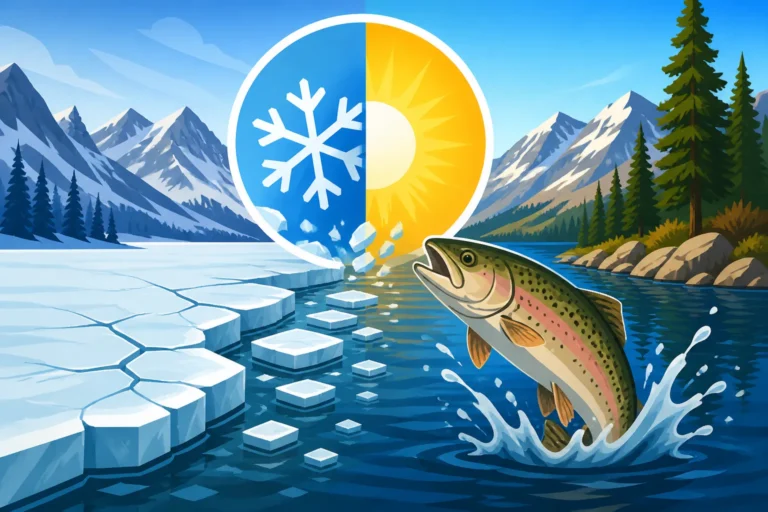
Unlike regions with consistently sub-zero temperatures for months on end, Nevada's winters can be a bit more volatile. We often experience wide temperature swings, even within a single week. A few days of bitter cold might create some decent ice, only for a sudden warm spell or strong winds to weaken it considerably. This freeze-thaw cycle is one of the biggest challenges for ice anglers here. It means the ice you confidently walked on yesterday could be significantly compromised today, making constant vigilance an absolute must. You can't just assume uniformity. Furthermore, Nevada's generally arid climate means less insulating snow cover in some areas, which paradoxically can lead to stronger initial ice formation but also makes it more susceptible to rapid thawing once warm weather arrives.
Another factor is our intense sunlight, even in winter. Clear, sunny days, which we have in abundance, can cause ice to deteriorate from the top down, even if air temperatures are still below freezing. This can create a "honeycomb" or "rotten" ice structure that looks solid but is dangerously weak. This is a crucial distinction to remember; ice thickness alone isn't the only indicator of safety here. Always be mindful of the subtle changes that our unique climate brings to the frozen landscape.
Common Ice Fishing Locations and Their Specific Challenges
While Nevada might not boast hundreds of ice fishing destinations, there are several fantastic spots that draw dedicated winter anglers. Knowing their specific quirks is key to staying safe.
- Wildhorse Reservoir: Located in northeastern Nevada, near Elko, Wildhorse is arguably one of the most popular and reliable ice fishing destinations in the state. It's at a higher elevation and generally experiences colder, more consistent winter conditions. However, even here, ice conditions can vary. The sheer size of the reservoir means that wind can be a significant factor, creating pressure ridges or areas of thinner ice, especially near currents or inlets. Always consult local reports before heading out to Wildhorse Reservoir Nevada Fishing Guide.
- Ruby Lake National Wildlife Refuge: Another gem in northeastern Nevada, Ruby Lake offers incredible fishing for Lahontan cutthroat trout and other species. Being a marshy environment, the ice here can be tricky. Shallow areas might freeze solid quickly, but spring-fed areas or deeper channels could have unpredictable ice. The vegetation under the ice can also affect its structure, so careful assessment is critical.
- Cave Lake State Park and Comins Lake: These eastern Nevada lakes near Ely also offer ice fishing opportunities. They are generally smaller than Wildhorse, which can sometimes lead to more consistent ice, but they are still subject to the same freeze-thaw cycles and strong winds that can create hazards. The convenience of these locations often leads to more anglers, so ensure you spread out and are aware of others' movements.
Regardless of where you choose to drop a line, remember that no two days are alike, and local knowledge is invaluable. Check with the Nevada Department of Wildlife (NDOW) for specific conditions and consult local tackle shops or online forums for the most up-to-date reports before you even think about stepping onto the ice.
Essential Gear for Safe Ice Fishing
You wouldn't head into the desert without water, and you certainly shouldn't venture onto the ice without the right safety gear. This isn't about being overly cautious; it's about being prepared for the worst-case scenario in an inherently risky environment. Think of it as your personal insurance policy against a very cold, very serious situation.
Personal Safety Equipment
This is the non-negotiable list. Every single time you step onto the ice, these items should be with you, accessible, and in good working order. Don't skip these, even if you're just walking out a few feet from shore.
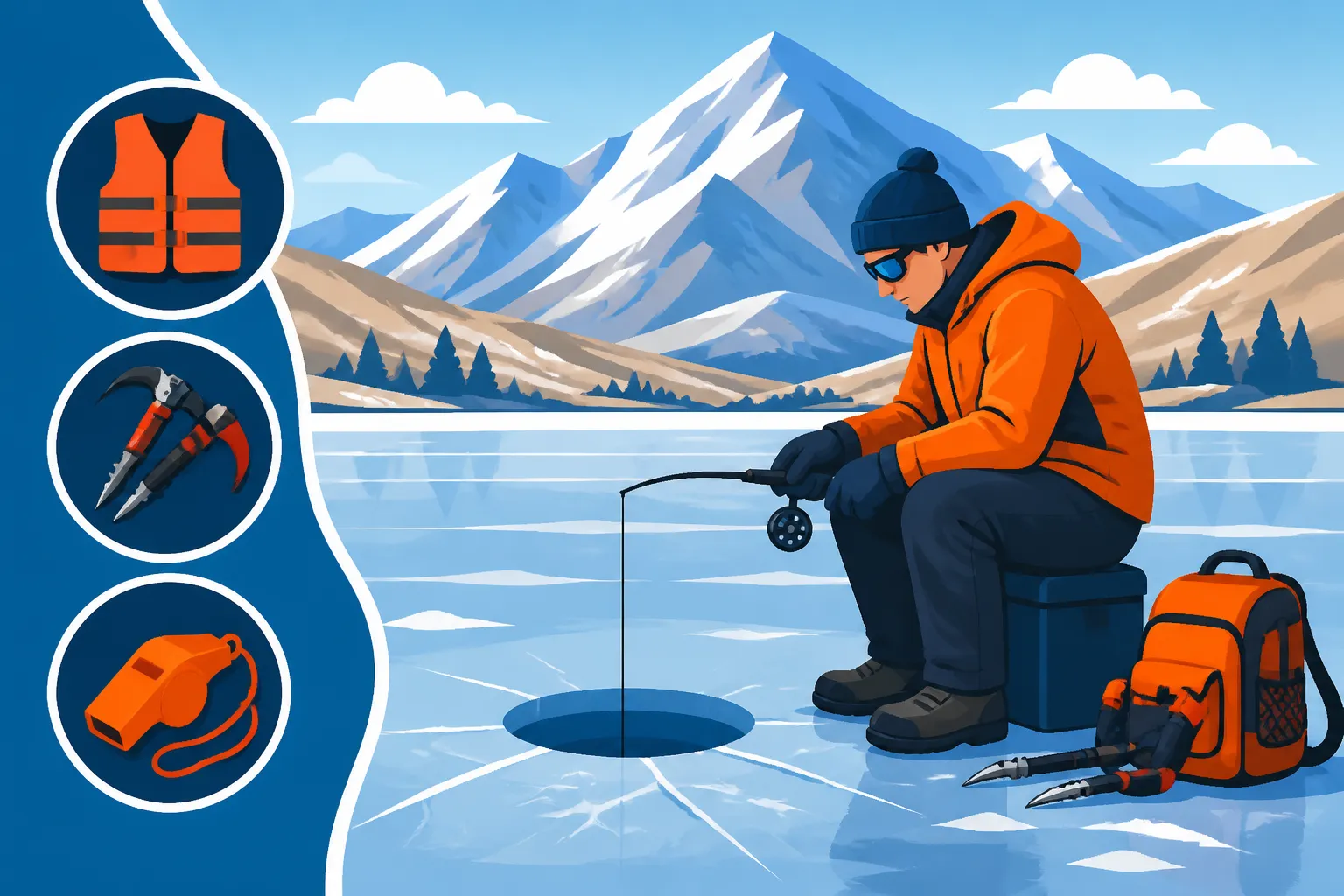
- Ice Picks: These are probably the most crucial piece of safety gear after a life jacket. Worn around your neck or easily accessible on your jacket, ice picks are two spiked handles connected by a cord. If you fall through, you can use them to get a grip on the ice edge and pull yourself out. They are surprisingly effective, and you can find many reliable options on Amazon.
- Flotation Device (PFD): A personal flotation device, or PFD, is absolutely essential. Whether it's a specialized ice fishing suit with built-in flotation or a standard life vest worn over your layers, it will keep you afloat and greatly increase your survival time if you go through the ice. Even strong swimmers can struggle in freezing water, and the shock can incapacitate you.
- Rope/Throw Bag: A coil of rope (at least 50 feet) with a buoyant throw bag is vital for rescuing others or being rescued yourself. Keep it accessible, not buried in your sled. It's much easier for a buddy to throw you a line than to try and reach for you directly.
- Spud Bar or Ice Chisel: Before you even consider setting up your gear, you need to check the ice. A heavy spud bar allows you to safely test the ice ahead of you as you walk. Strike it hard; if it goes through with one or two hits, the ice is too thin. This is your primary tool for constantly assessing the ice beneath your feet.
Remember, this gear is useless if you don't know how to use it or if it's not readily available. Practice grabbing your ice picks, and ensure your PFD fits comfortably over your winter clothing. For a more exhaustive list, check out our guide on Nevada Ice Fishing Gear Checklist.
Ice Fishing Tools and Shelter
Beyond personal safety, certain tools and shelters enhance your safety and comfort, especially during long days on the ice. These items directly contribute to your well-being and ability to react to changing conditions.
- Ice Auger: While primarily for making holes, a good auger (manual or powered) also plays a role in safety by allowing you to quickly check ice thickness in new areas. A powered auger, like those from Strikemaster or Eskimo, makes this process much faster, which can be critical if you're trying to move quickly from a questionable spot.
- Portable Shelter (Ice Shanty): An ice shanty or portable shelter offers crucial protection from the elements – wind, snow, and extreme cold. Hypothermia is a serious risk, and having a warm, dry place to retreat can be a lifesaver. Shelters like those from Clam or Eskimo are popular choices and can be easily set up. Our article on the Best Ice Fishing Auger and Shelter dives deeper into these options. They also provide a place to escape if the weather turns nasty, preventing frostbite and exposure.
- Heater: If you're using a shelter, a portable propane heater is almost a necessity for comfort and safety. However, this comes with its own set of dangers. Always ensure proper ventilation to prevent carbon monoxide poisoning, which is an invisible and odorless killer. Use heaters designed specifically for indoor use, like those from Mr. Heater, and consider carrying a portable carbon monoxide detector.
- Flashlight/Headlamp: Winter days are short, and conditions can change rapidly. A reliable headlamp or flashlight is essential for navigating in low light, packing up after dusk, or in case of an emergency. Look for models with long battery life and bright beams.
Having the right tools means you can focus on fishing while remaining vigilant about your surroundings. These items not only make the experience more enjoyable but significantly safer.
Proper Clothing for Extreme Cold
Staying warm and dry is paramount when ice fishing. Hypothermia can set in quickly if you're not dressed appropriately, making even simple tasks dangerous. Layering is the key, allowing you to adapt to changing temperatures and activity levels.
- Base Layers: Start with moisture-wicking synthetic or merino wool base layers directly against your skin. These pull sweat away from your body, which is crucial because wet clothing loses its insulating properties rapidly. Cotton is an absolute no-go for base layers as it absorbs moisture and stays wet.
- Mid-Layers: Fleece jackets, down vests, or wool sweaters provide insulation. You might wear one or more mid-layers depending on how cold it is. The goal is to trap warm air close to your body.
- Outer Layers: Your outermost layer should be waterproof and windproof, protecting you from snow, slush, and the biting wind that often whips across frozen lakes. Look for insulated ice fishing suits, like those from Striker or Clam, which are often designed with flotation assistance and reinforced knees. These specialized suits are highly recommended for their warmth, durability, and added safety features.
- Head, Hands, and Feet: A significant amount of body heat is lost through your head, so a warm hat is critical. Waterproof, insulated gloves or mittens are a must to protect your hands, especially when handling fish or wet lines. For your feet, choose insulated, waterproof boots (like Baffin or Muck Boots) with thick wool or synthetic socks. Bring extra socks in case yours get wet.
Remember, it's always better to overdress and shed layers than to be caught underdressed in freezing conditions. Being comfortable and warm allows you to stay alert and enjoy your time on the ice safely.
Assessing Ice Thickness and Quality
This is where the rubber meets the road, or rather, the boot meets the ice. The single most important factor in Ice Fishing Safety on Nevada Reservoirs is understanding the ice itself. Don't rely on assumptions; always verify. The adage "thick and blue, safe for you; thin and crispy, way too risky" is a good start, but there's more to it.
Visual Cues and Testing Methods
Before you even step out, visually scan the ice from shore. Look for obvious areas of open water, slush, or drastically different ice colors, which can indicate varying thickness. Avoid areas near inlets, outlets, bridges, or aerators, as currents can significantly thin the ice, even on very cold days.
Once you’re ready to proceed, you absolutely must test the ice constantly. This is where your spud bar comes into play. As you walk, strike the ice ahead of you vigorously. If it takes several hard strikes to penetrate, you're likely on solid ground. If it goes through with one or two easy jabs, or if you see water seep up around the cracks, turn back immediately.
Another method is to drill a series of test holes with your auger as you walk out. Start close to shore and measure the ice thickness at each hole. This gives you a reliable, measurable indication of what's beneath you. Remember to always bring a tape measure or a marked stick specifically for this purpose. Never assume the ice a few feet away from your last test hole is the same thickness. Conditions can change rapidly, especially on larger, wind-swept reservoirs.
Understanding Different Ice Types
Not all ice is created equal. Its strength isn't solely dependent on thickness; its formation history plays a huge role.
- Clear or "Black" Ice: This is the strongest type of ice, formed when temperatures drop quickly and steadily with minimal wind or snow. It has a dark, almost transparent appearance because it's dense and contains few air bubbles. This is the ideal ice for fishing.
- White or "Snow" Ice: This forms when snow falls on thin ice and then freezes, or when slush freezes. It contains a lot of trapped air, making it look opaque and white. Snow ice is significantly weaker than clear ice, often only about half the strength for the same thickness. Be very cautious on snow ice.
- Honeycomb or "Rotten" Ice: This is dangerous and often forms during a thaw. The ice crystals separate and weaken, creating a brittle, porous structure that can look thick but crumbles easily. This type of ice is often found late in the season or after a warm spell. It might appear dark and wet.
Always prioritize clear ice. If you encounter white or honeycomb ice, treat it with extreme caution and assume it's much thinner and weaker than it looks. Understanding these types is vital to truly assessing Is ice fishing safe on Nevada lakes?
Ice Thickness Guidelines
While no ice is 100% safe, these general guidelines provide a good rule of thumb for minimum ice thickness under ideal conditions (clear, black ice). Always add a buffer and err on the side of caution, especially in Nevada's variable climate.
| Ice Thickness | Activity Level |
|---|---|
| 2 inches or less | DANGER: Stay off! |
| 4 inches | Minimum for ice fishing on foot (single person) |
| 5-7 inches | Small group of anglers on foot |
| 8-12 inches | Snowmobile or ATV |
| 12-15 inches | Small car or light pickup truck |
| 15+ inches | Medium pickup truck |
It's absolutely critical to understand that these are minimums for ideal conditions. If you're encountering snow ice, slush, or during a thaw, you should double or even triple these numbers. Never drive a vehicle onto ice unless you are absolutely certain of its integrity, and even then, consider the immense risks involved. Many ice fishing fatalities involve vehicles breaking through. It's often best to park your vehicle on shore and walk, even if it means hauling your gear on a sled.
Safety Protocols and Emergency Preparedness
Even with the best planning and gear, accidents can happen. Being prepared for an emergency is not just smart; it's potentially life-saving. Knowing what to do in a critical situation can make all the difference.
Fishing with a Buddy and Communication
The golden rule of ice fishing, especially in Nevada's remote high country, is never fish alone. A buddy system is your most effective emergency response. If one person goes through the ice, the other is there to assist with rescue, call for help, and provide moral support.
- Stay within sight and earshot: You and your fishing partner should be close enough to see and hear each other at all times. If you're spreading out, establish clear communication signals.
- Carry a fully charged phone: While cell service can be spotty in remote Nevada areas, always have a fully charged phone in a waterproof case or bag. Consider a satellite messenger device (like those from Garmin inReach or Zoleo) for truly off-grid locations, especially if you're venturing to places like Ruby Lake or smaller, less-frequented high mountain lakes. These devices allow you to send SOS messages and communicate with loved ones even without cell service.
- Tell someone your plans: Before you leave home, inform a trusted friend or family member exactly where you are going, your expected return time, and who you are with. Provide specific details, like "We're heading to the east side of Wildhorse Reservoir, near the Catnip boat ramp, and expect to be back by 6 PM." This information is critical for search and rescue efforts if you don't check in.
These simple steps dramatically increase your chances of survival if something goes wrong. Don't underestimate the power of a good plan and good communication.
What to Do if You Fall Through the Ice
This is the scenario everyone dreads, but knowing what to do can save your life. Panic is your biggest enemy.
- Don't Panic: Take a deep breath. The initial shock of the cold water is intense, but panic will only drain your energy and cloud your judgment.
- Turn Towards Where You Came From: The ice you were just on was strong enough to hold you. Face that direction.
- Extend Your Arms and Use Ice Picks: Use your ice picks to get a grip on the solid ice edge. Kick your feet vigorously to help propel yourself horizontally onto the ice, like a seal climbing out of the water. Avoid trying to stand up, as this puts all your weight in one spot and can break the ice further.
- Roll Away: Once you're out, don't stand up. Roll away from the hole until you're on obviously thicker ice, distributing your weight as much as possible.
- Get Warm, Immediately: Your priority is to get to a warm, dry place. If you have a shelter and heater nearby, get there. If not, shed wet clothing, wring out what you can, and put on dry layers. Share body heat if with a buddy. This is where extra clothes, packed in a dry bag, become invaluable.
If you're trying to rescue someone, stay low, spread your weight, and extend a rope, pole, or even a tree branch to the person in the water. Do not approach the edge directly on foot.
First Aid and Hypothermia Awareness
Even if you don't fall in, prolonged exposure to cold can lead to hypothermia, a dangerous drop in core body temperature. Frostbite is another serious risk.
- Recognizing Hypothermia: Symptoms progress from shivering, confusion, and clumsiness to slurred speech, drowsiness, and loss of consciousness. If you notice these symptoms in yourself or a buddy, it's an emergency.
- Treating Hypothermia: Get the person to a warm, dry place. Remove wet clothing and replace with dry, warm layers. Offer warm, sweet drinks (no alcohol or caffeine). If conscious, allow them to shiver to generate heat. For severe cases, seek immediate medical attention.
- Frostbite: This is the freezing of body tissue, most commonly affecting fingers, toes, ears, and nose. Affected areas turn numb, white, or grayish-yellow and feel hard. Do not rub the affected area. Gently warm it and seek medical help.
Always carry a well-stocked first-aid kit that includes essentials for cold weather injuries, and know how to use them. Being informed about Nevada Fishing Regulations Explained can also help you avoid other issues that might distract from safety.
Common Hazards and How to Avoid Them
Ice fishing presents unique challenges beyond just ice thickness. Being aware of these additional hazards and knowing how to mitigate them is crucial for a safe day on the frozen water.
Slush, Snow Cover, and Pressure Ridges
These seemingly minor details can pose major threats on the ice. They are often overlooked but can quickly turn a pleasant day into a perilous one.
- Slush: Snow falling on thin ice, or melting snow on top of existing ice, can create a layer of slush. This isn't just uncomfortable; it acts as an insulator, preventing the ice below from thickening, and can even cause existing ice to melt from above if temperatures rise. Walking through slush is exhausting and can soak your gear, leading to hypothermia risks. Avoid large slushy areas if possible, and wear waterproof boots and clothing.
- Snow Cover: A heavy blanket of snow can hide weak spots, cracks, and open holes, making visual assessment of the ice impossible. It also insulates the ice, slowing its growth and often making it weaker than clear ice of the same thickness. Always be extra cautious on snow-covered ice and use your spud bar diligently. Snow can also make it harder to spot a pressure ridge or a dangerous seam in the ice.
- Pressure Ridges: These are created when large sheets of ice push against each other, often due to temperature changes or currents, causing the ice to buckle and fracture. They appear as jagged, raised lines or mounds on the ice. Pressure ridges are inherently unstable and can contain open water or dangerously thin ice. Never cross a pressure ridge without extreme caution, and always test the ice thoroughly with a spud bar before, during, and after crossing. If possible, circumvent them entirely. They are dynamic features that can open and close, so an area that was stable yesterday might be deadly today.
Understanding these features is key to staying safe. Don't be fooled by appearances; hidden dangers often lie beneath innocent-looking snow or slush.
Navigating Vehicles on Ice
Driving a vehicle onto the ice is perhaps the riskiest decision an ice angler can make. While convenient for hauling heavy gear, the consequences of misjudgment are severe. Most ice fishing fatalities involve vehicles breaking through.
- Avoid if Possible: The safest option is to keep your vehicle on shore and transport your gear via a sled or ATV/snowmobile if the ice is proven thick enough for those lighter machines.
- Know the Regulations: Always check local regulations before driving on the ice. Some lakes might prohibit it entirely, or have specific entry/exit points and weight limits. Remember that Nevada Boat Registration for Anglers still applies to watercraft, but specific rules for vehicles on ice are often under local jurisdiction or NDOW advisories.
- Weight vs. Thickness: Refer back to the ice thickness guidelines for vehicles, but always add a significant safety margin. Remember that the weight of a vehicle is concentrated on its tires, creating immense pressure.
- Spud Bar First: Never drive onto untested ice. Use a spud bar or drill test holes as you go, and ideally, have someone walk ahead of the vehicle to check conditions.
- Leave Doors Ajar/Windows Down: If you must drive on ice, keep your doors unlocked and windows rolled down. This can be crucial for a quick escape if the vehicle starts to break through.
- Avoid Grouping: Never park vehicles close together, as this concentrates weight in one area. Spread out significantly.
- Follow Established Roads: If there are marked ice roads, stick to them. These are typically monitored for safety, but still, proceed with caution.
The convenience of driving on ice rarely outweighs the potential for catastrophic consequences. Think twice, and then think again, before taking your vehicle onto the ice.
Carbon Monoxide and Heater Safety
While a heater in an ice shanty provides much-needed warmth, it also introduces the silent killer: carbon monoxide (CO). This odorless, colorless gas is a byproduct of combustion and can quickly build up in enclosed spaces, leading to disorientation, unconsciousness, and death.
- Ventilation is Key: Always ensure adequate ventilation in your ice shanty when using a heater. Crack a window or door, or ensure your shanty has proper ventilation vents. Never seal yourself completely inside.
- Use Proper Heaters: Only use propane or catalytic heaters designed for indoor use. Kerosene or wood-burning stoves are generally not safe for small, enclosed ice shelters. Brands like Mr. Heater often have safety features, but they are not foolproof.
- Carbon Monoxide Detector: This is non-negotiable. Carry a battery-powered carbon monoxide detector in your shanty and ensure it's functional. Test it before each trip. These devices are relatively inexpensive and can literally save your life. You can easily find portable CO detectors on Amazon.
- Monitor Symptoms: Be aware of the symptoms of carbon monoxide poisoning: headache, nausea, dizziness, weakness, and confusion. If you or your fishing partners experience any of these, immediately ventilate the shelter or get outside into fresh air.
Heat is essential for comfort and preventing hypothermia, but it must be used responsibly. Never compromise on ventilation or the use of a CO detector.
Planning Your Ice Fishing Trip
A successful and safe ice fishing trip begins long before you even leave your driveway. Thoughtful planning is the foundation of a good experience, minimizing risks and maximizing your enjoyment.
Checking Forecasts and Conditions
Gambling on the weather or ice conditions is a recipe for disaster. Being prepared means being informed.
- Weather Forecasts: Monitor the weather forecast closely for several days leading up to your trip. Look not just at the daily high and low temperatures, but also for wind chill, precipitation (snow or rain), and sudden temperature swings. A sudden warm front or strong winds can rapidly degrade ice quality. If a major storm is predicted, or if temperatures are hovering around freezing, it's often best to postpone.
- Ice Condition Reports: This is where local knowledge shines. Check NDOW's website for any specific advisories. Call local bait and tackle shops near your chosen destination; they often have the most up-to-date, on-the-ground reports. Online fishing forums or social media groups dedicated to Nevada fishing can also be invaluable resources, but always use discretion with unofficial reports. Look for consistent reports from multiple sources. For specific advice on different locations, our guide on Nevada Lakes that freeze thick enough for ice fishing is a great resource.
- Previous Day's Conditions: Remember that ice conditions can change overnight. Just because it was safe yesterday doesn't mean it's safe today. Always re-evaluate on arrival.
A good plan considers not just the current conditions, but also how they might evolve throughout your trip. This proactive approach ensures you're never caught off guard. For more details on adapting your approach, check out Nevada Winter Fishing Techniques for Nevada Trout.
Informing Others of Your Plans
This crucial step often gets overlooked in the excitement of heading out, but it's one of the simplest and most effective safety measures you can take. It creates a safety net, ensuring that if something goes wrong and you're unable to call for help, someone knows where to look.
- Detailed Itinerary: Provide a detailed itinerary to a trusted person who is not accompanying you. This should include:
- Your exact destination: "Wildhorse Reservoir, near the north boat ramp."
- Your planned route: How you plan to get there, especially if it involves remote roads.
- Who is with you: Names and contact information of your fishing partners.
- Your expected departure and return times: "Leaving at 6 AM, planning to be off the ice by 4 PM and home by 7 PM."
- Contingency plans: What you will do if conditions worsen or if you decide to change locations.
- Check-in Protocol: Establish a clear check-in time and method. "I'll text you when we get off the ice and again when we're home." If you miss this check-in, your contact person should know what steps to take, such as trying to call you, then your fishing partner, and then contacting local authorities or search and rescue.
- Emergency Contact Information: Ensure your trusted contact has emergency numbers for local sheriff's departments, game wardens, or state parks in the area you'll be fishing.
This simple act of communication provides a vital layer of security. In a worst-case scenario, it significantly speeds up search and rescue efforts, which can be the difference between a close call and a tragedy. Don't let the allure of the ice overshadow the importance of this basic safety measure. To further enhance your preparedness, consider what you'd pack based on our Ice Fishing Gear for Nevada Lakes guide.
Disclaimer
The information provided in this guide is for general informational purposes only and is not a substitute for professional advice or local regulations. Ice conditions are highly variable and can change rapidly. Always exercise extreme caution, assess current conditions thoroughly, and prioritize your safety above all else. Consult official Nevada Department of Wildlife (NDOW) resources and local experts for the most current regulations and ice conditions before venturing onto any frozen water. Fishing on ice carries inherent risks, and adherence to safety guidelines does not guarantee absolute safety.