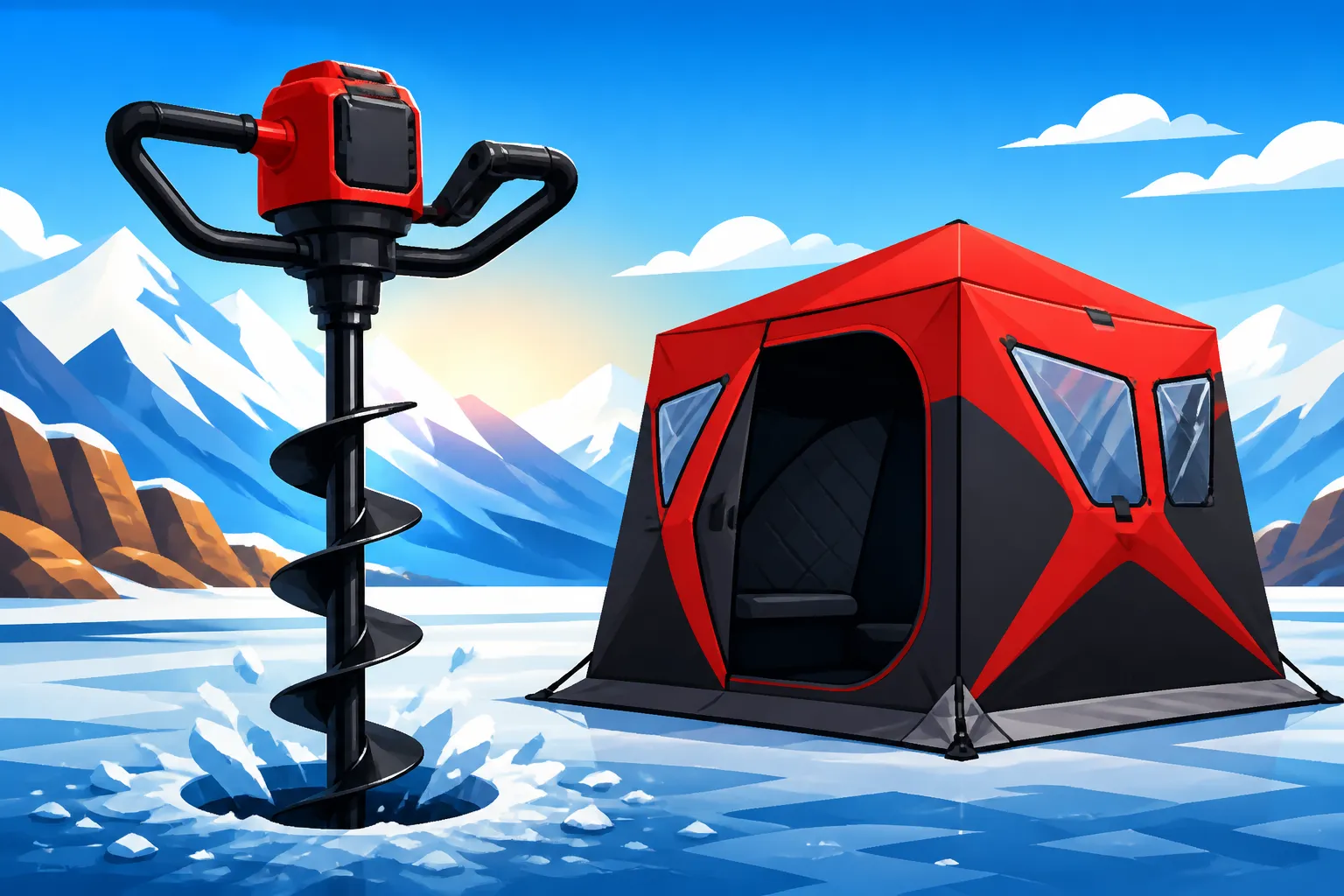
Best Ice Fishing Auger and Shelter
Oh, the crisp air, the vast expanse of frozen water, the anticipation of a bite under the ice – there’s nothing quite like ice fishing in Nevada. But let’s be real, it’s not always glamorous. The cold can be brutal, the wind relentless, and drilling through stubborn ice with inadequate gear is enough to make anyone question their sanity. That’s why having the right tools, especially a dependable auger and a cozy shelter, can make all the difference between a miserable shiver-fest and an unforgettable day on the hard water. This guide is all about helping you pick out the best ice fishing auger and shelter so you can stay warm, punch holes efficiently, and truly enjoy the unique thrill of Nevada ice fishing.
Understanding Ice Fishing Augers for Nevada's Varied Conditions
When you're staring down at a few inches of ice, or sometimes even a foot or two in those high-elevation spots, the right auger is your best friend. It’s what connects you to the fish below, and trust me, struggling with a dull or underpowered auger is a surefire way to zap your enthusiasm before you even drop a line. Nevada's ice conditions can be surprisingly diverse, from relatively thin layers on lower-elevation ponds to thick, hard ice on our mountain reservoirs, so your choice here really matters.
Manual Augers: The Lightweight and Economical Choice
Manual augers are essentially big, sharp hand drills designed specifically for ice. They're a fantastic option for several reasons, especially if you're just dipping your toes into ice fishing or primarily target thinner ice. Think of those early season trips to smaller, easily accessible urban ponds, or a hike into a high-mountain lake where every ounce counts. They're incredibly lightweight, which makes them perfect for walk-in spots where you're carrying all your gear on your back. There's no fuel to worry about, no batteries to charge, and virtually no maintenance beyond keeping the blades sharp and protected.
However, the trade-off is sweat equity. Drilling a dozen holes through a foot of ice with a manual auger can feel like an intense gym workout. If you're planning on fishing through thicker ice, moving around a lot, or fishing in very cold conditions where you don't want to break a sweat that could quickly turn to a chill, you might quickly outgrow a manual model. They’re great for single anglers who don't need many holes, or for families introducing kids to the sport on thinner ice, where the physical effort is manageable. For those brisk mornings, a few quick turns can get your blood pumping in a good way!
Power Augers: Gas, Propane, and Electric Options
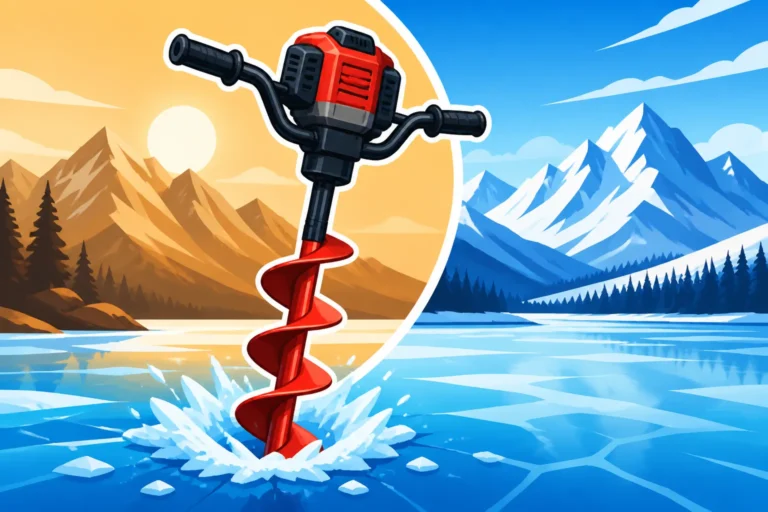
For the serious ice angler, or anyone who values efficiency and less physical strain, power augers are a game-changer. These machines eat through ice with incredible speed and ease, allowing you to drill numerous holes quickly, cover more ground, and find those biting fish without getting winded. The choice between gas, propane, and electric often comes down to personal preference, budget, and the specific conditions you anticipate.
Gas augers are the traditional workhorses of the ice fishing world. They offer raw power and can chew through even the thickest, hardest ice without a struggle. If you're heading to a place like Wildhorse Reservoir where the ice can get substantial, a gas auger will get the job done. The downside? They’re noisy, produce exhaust fumes (which is a real concern if you’re fishing inside a shelter), and require fuel mixing and more maintenance. Plus, starting them in frigid temperatures can sometimes be a test of patience. You also have to carry fuel, which adds weight and can be messy.
Propane augers strike a fantastic balance between power and convenience. They run on standard 1-pound propane cylinders, which are easy to carry and widely available. These augers are cleaner, produce no gasoline fumes, and are generally quieter than their gas counterparts. They also tend to start more reliably in the cold. If you’re like me and hate dealing with stale gas or oil mixtures, propane is a breath of fresh air. They’re powerful enough for most Nevada ice conditions, and their clean burn means you can use them inside a well-ventilated shelter without choking on fumes.
Electric augers are the new kids on the block, and they've quickly gained a loyal following. The biggest draw? They are incredibly quiet, completely fume-free, and start instantly with the push of a button, no matter how cold it is. This makes them perfect for fishing inside a shelter without any air quality concerns. Modern lithium-ion batteries provide impressive power and run time, allowing for many holes on a single charge. However, battery life is your main consideration – you need to make sure you have enough juice for your trip, and perhaps a spare battery if you plan on drilling a lot of holes or fishing for extended periods. Cold weather can also impact battery performance, so keeping spare batteries warm is a smart move. For those pursuing Nevada trout Daily Limit Rules through numerous holes, an electric auger’s speed and quiet operation can be a huge advantage.
Choosing the Right Ice Fishing Shelter for Nevada's Elements
Once you've got your holes drilled, you need a comfortable place to fish, especially when those desert winds kick up or the temperature drops. An ice fishing shelter isn't just a luxury; it's a piece of safety gear that protects you from the elements, helps you stay warm, and can genuinely extend your time on the ice. The right shelter will turn a challenging day into a productive and enjoyable one.
Portable Pop-Up Shelters: Convenience and Mobility
Pop-up shelters are fantastic for their simplicity and portability. They resemble a small tent, and as the name suggests, they literally pop up in a minute or two. You unfold the framework, extend the poles, and stake it down. They are typically very lightweight and pack down into a compact bag, making them ideal for anglers who walk onto the ice or use a snowmobile/ATV for access. If you're hopping between spots or don't want to haul a heavy sled, a pop-up is your friend.
Most pop-ups offer enough space for one or two anglers, sometimes three if you're friendly! They come in various insulation levels, with thermal versions doing a much better job of retaining heat from a small heater, which is crucial for those brisk mornings at places like Cave Lake State Park or Eagle Valley Reservoir. Their main drawback can be stability in very high winds if not properly anchored, and they don’t always offer the same robust wind resistance as heavier flip-over models. But for sheer convenience and mobility, they are hard to beat.
Hub-Style Shelters: Room for the Crew
Hub-style shelters are like the larger, more stable cousins of pop-ups. They utilize a hub system that pushes the walls out to create a truly spacious interior. These are perfect if you're fishing with a group of friends or your family, or if you just like to have plenty of elbow room for all your gear, a heater, and perhaps even a portable cooking setup. They offer significantly more floor space and headroom than most pop-ups, often accommodating three to six anglers comfortably.
The larger footprint and robust hub design mean they are generally more stable in windy conditions, provided you use the included guy ropes and ice anchors. Setting them up takes a little more effort than a pop-up, but it's still relatively quick. They pack down into a bag, but due to their size, that bag will be larger and heavier than a typical pop-up. They're a great choice for a base camp scenario, or when you plan to stay in one general area for an extended period. Many feature excellent thermal insulation, turning a freezing day into a shirt-sleeve experience inside. If you need a bit more space for all your Ice Fishing Gear for Nevada Lakes, a hub-style is a solid choice.
Flip-Over Shelters: The Angler's Command Center
Flip-over shelters are the ultimate in integrated ice fishing comfort and speed. These shelters are built onto a sled, which serves as your gear transport, fishing platform, and even seating once you’re on the ice. The tent portion flips over and attaches to the sled, creating an enclosed space in mere seconds. This rapid deployment is a huge advantage, especially when you’re scouting for fish and need to move frequently. Just lift, flip, and you’re fishing!
Flip-overs are incredibly robust, offering excellent protection from wind and cold. They are usually heavily insulated, making them very efficient to heat. Since the sled is integrated, you can load all your rods, tackle, heater, and even your auger into it, pull it across the ice, and have everything ready to go. The main trade-off is weight and bulk. They are heavier than pop-ups or hub shelters and require a truck, ATV, or snowmobile for easy transport. You won't be hiking into remote spots with a flip-over. However, for serious anglers who spend a lot of time on accessible ice, like those often found at Wildhorse Reservoir or even some larger coves on Lake Tahoe in winter, a flip-over provides an unmatched level of comfort and efficiency. It truly becomes your personal mobile ice fishing station.
Key Features and Considerations for Your Ice Fishing Gear
Beyond the basic type of auger or shelter, there are specific features and considerations that can significantly impact your ice fishing experience in Nevada. Thinking through these details before you buy will help ensure your gear is perfectly suited to your needs and the conditions you’ll face.
Auger Blade Types and Diameters
The business end of your auger – the blades – is critical to its performance. There are generally two main types: chipper blades and lazer blades. Chipper blades have a more aggressive, angled design that "chips" away at the ice. They tend to be more forgiving if you hit dirty ice or a rock, as they are less prone to dulling quickly. They're often found on gas augers and are excellent for cutting through tough, refrozen ice. Lazer blades, on the other hand, are flatter and sharper, designed to "shave" through the ice. They offer a smoother, faster cut, especially through clean, clear ice. However, they are more delicate and can dull quickly if they encounter debris. Many electric augers utilize lazer-style blades for their efficiency.
The diameter of your auger hole is another important factor. The most common sizes are 6-inch, 8-inch, and 10-inch. A 6-inch hole is perfect for smaller species like panfish, perch, or stocker trout. It's quicker to drill and uses less battery/fuel. An 8-inch hole is a versatile all-around size, good for larger trout, bass, and even smaller Lahontan Cutthroat Trout. A 10-inch hole is a big hole, reserved for trophy-sized fish like the massive Mackinaw trout at Lake Tahoe or if you're targeting big channel catfish, or if you simply prefer more room to maneuver your catch. Keep in mind that a larger diameter hole requires significantly more power and effort from your auger, reducing battery life or increasing fuel consumption. For most Nevada trout fishing, an 8-inch auger is a solid all-around choice.
Shelter Insulation, Venting, and Portability
When you're out on the ice, especially during a Nevada winter morning, insulation in your shelter is key to staying warm. Many shelters are available in non-thermal and fully-thermal versions. A fully-thermal shelter features quilted insulation in the roof and walls, sometimes even the floor. This thermal barrier traps heat much more effectively, meaning your heater works less, consumes less propane, and you stay warmer. It also helps reduce condensation, which can be a real nuisance on cold days. Even on milder days, the thermal fabric can help block out bright sun and keep the interior cooler, making it more comfortable.
Proper ventilation is absolutely crucial if you plan to use a propane heater inside your shelter. Carbon monoxide is an invisible, odorless killer, and without adequate airflow, it can build up rapidly. Look for shelters with multiple windows and vents that can be opened to allow for fresh air exchange. Never, ever run a heater in an unventilated shelter. A battery-operated carbon monoxide detector is also a non-negotiable safety item.
Finally, portability encompasses more than just packed weight. Consider the packed size – will it fit in your vehicle's trunk or bed without issue? How easy is it to carry, whether it’s a bag for a pop-up or dragging a flip-over sled? And how quickly can it be set up and taken down? For those windy Nevada days, a shelter that goes up and comes down fast is a blessing. Some Best ice fishing shelter for windy conditions models prioritize quick setup and anchor points to withstand gusts.
Essential Safety and Maintenance for Longevity
Ice fishing, while incredibly rewarding, carries inherent risks. Beyond having the right gear, knowing how to safely use it and maintain it is paramount. Don’t let a lapse in judgment or neglected equipment ruin your day or, worse, put you in danger.
Ice Safety Beyond Your Gear
No matter how good your auger is or how warm your shelter is, the most critical piece of equipment you have is your brain. Before you even step foot on the ice, you need to understand and respect it. Always check ice thickness! This is non-negotiable. A good rule of thumb is at least 4 inches of clear, solid ice for individual foot travel, and significantly more for ATVs or vehicles. Carry a spud bar or an auger to constantly check the ice ahead of you as you venture out. Never assume the ice is safe, especially in Nevada where conditions can fluctuate wildly, or on larger reservoirs where currents or springs can create thin spots.
Going with a buddy is always a smart idea, and let someone know where you’re going and when you expect to be back. Dress in layers, wear a flotation suit or carry throwable flotation devices, and always have ice picks handy around your neck in case you do go through. Hypothermia can set in quickly in our cold, dry climate. Even if you're in a heated shelter, having a game plan for emergencies, including understanding Ice Fishing Safety on Nevada Reservoirs, is essential.
Caring for Your Auger and Shelter
Proper maintenance not only extends the life of your expensive gear but also ensures it performs optimally when you need it most. For your auger, always protect the blades with a cover when not in use. Dull blades are frustrating and inefficient. If you have a gas auger, drain the fuel at the end of the season or use a fuel stabilizer to prevent carburetor issues. For propane, simply remove the cylinder. For electric, store your batteries in a cool, dry place and ensure they are charged according to manufacturer instructions. Regularly inspect the auger for loose bolts or wear and tear. If your blades get dull or damaged, replace them; don’t try to force a dull auger through the ice.
Your shelter also needs some love. After each trip, especially if it’s been wet or snowy, ensure it’s thoroughly dried before packing it away. Folding a wet shelter can lead to mildew, which not only smells terrible but can degrade the fabric. Set it up in your garage or yard to air out. Check for any small tears or holes and patch them promptly to prevent them from becoming larger problems. Inspect zippers to make sure they are operating smoothly. Store your shelter in its bag in a dry, rodent-free area. Taking these simple steps will ensure your gear is ready for your next adventure on the ice, whether you’re chasing crappie in an urban pond or trout at a high-elevation lake.
Where to Find Your Ice Fishing Essentials
Now that you know what to look for, the next step is actually getting your hands on this fantastic gear! Depending on your preference for hands-on shopping versus convenience, you have some great options for sourcing your ice fishing auger and shelter.
Local Outfitters and Large Retailers
For many anglers, especially when investing in significant pieces of gear like an auger or a shelter, there's no substitute for seeing, touching, and feeling the product in person. Places like Bass Pro Shops offer a fantastic opportunity to do just that. You can walk into one of their stores, often find a dedicated ice fishing section during the winter months, and compare different models side-by-side. You can lift different augers to feel their weight, get a sense of the packed size of various shelters, and even sometimes see a shelter set up. This is invaluable for gauging portability and interior space.
Beyond just the product, shopping at a large retailer like Bass Pro Shops gives you access to knowledgeable staff. These folks often have first-hand experience with the gear and can answer specific questions, offer recommendations based on your local Nevada fishing spots, or provide tips on maintenance and use. It's also a great place to pick up all those little extras you might need, from ice anchors and heaters to specific Best ice fishing rod and tip-up setup for different species. They can also often tell you about local Nevada Trout Stocking Schedule information to help plan your trips.
Online Shopping for Convenience and Selection
If you prefer the comfort of your couch, or you're looking for the widest possible selection and competitive pricing, online retailers are your best friend. Websites like Amazon offer an incredible array of ice fishing augers and shelters from various brands, often at different price points. You can read countless user reviews, compare specifications down to the smallest detail, and often find models that might not be available at your local brick-and-mortar store.
Shopping online also means you can take your time, research extensively, and make a decision without feeling rushed. It's a fantastic resource for checking out niche brands or specific models that have excellent reputations. However, the downside is you can't physically interact with the gear before buying. Make sure to read reviews carefully regarding actual size, weight, and ease of assembly. Also, always check the return policy, just in case the item isn't quite what you expected. Remember to account for shipping times, especially if you're planning a trip soon and need your gear by a specific date.
Here's a quick comparison of different auger types to help you weigh your options:
| Auger Type | Pros | Cons | Best For Nevada |
|---|---|---|---|
| Manual | Lightweight, quiet, no fuel/battery, cheap | Physically demanding, slower, limited ice thickness | Walk-in access, thinner ice, beginners, high-elevation lakes where weight is key |
| Gas | Most powerful, cuts thick ice fast | Noisy, fumes, maintenance, heavy, hard starts | Very thick ice, remote locations with consistent use, large holes |
| Propane | Powerful, cleaner, reliable starts, less fumes | Heavier than electric, still some noise, propane cost | Versatile, good balance of power/cleanliness, most general Nevada ice fishing |
| Electric | Quiet, no fumes, instant start, lightweight (battery separate) | Battery life limited (cold affects), higher initial cost, spare batteries needed | Frequent hole drilling, fishing inside shelters, mobile anglers, urban ponds |
Remember, the goal is to enhance your time on the ice, not endure it. By choosing the right auger and shelter for Nevada's conditions, you'll be well on your way to making some incredible memories and reeling in some fantastic catches this winter. Don’t forget to check out the Nevada Fishing Regulations Explained before you head out, and always prioritize safety on the ice!
Disclaimer
This article is for general informational purposes only and does not constitute professional advice. Laws, prices and regulations vary by location and change over time. Consult a qualified professional for guidance on your specific situation.