Best ice fishing shelter for windy conditions
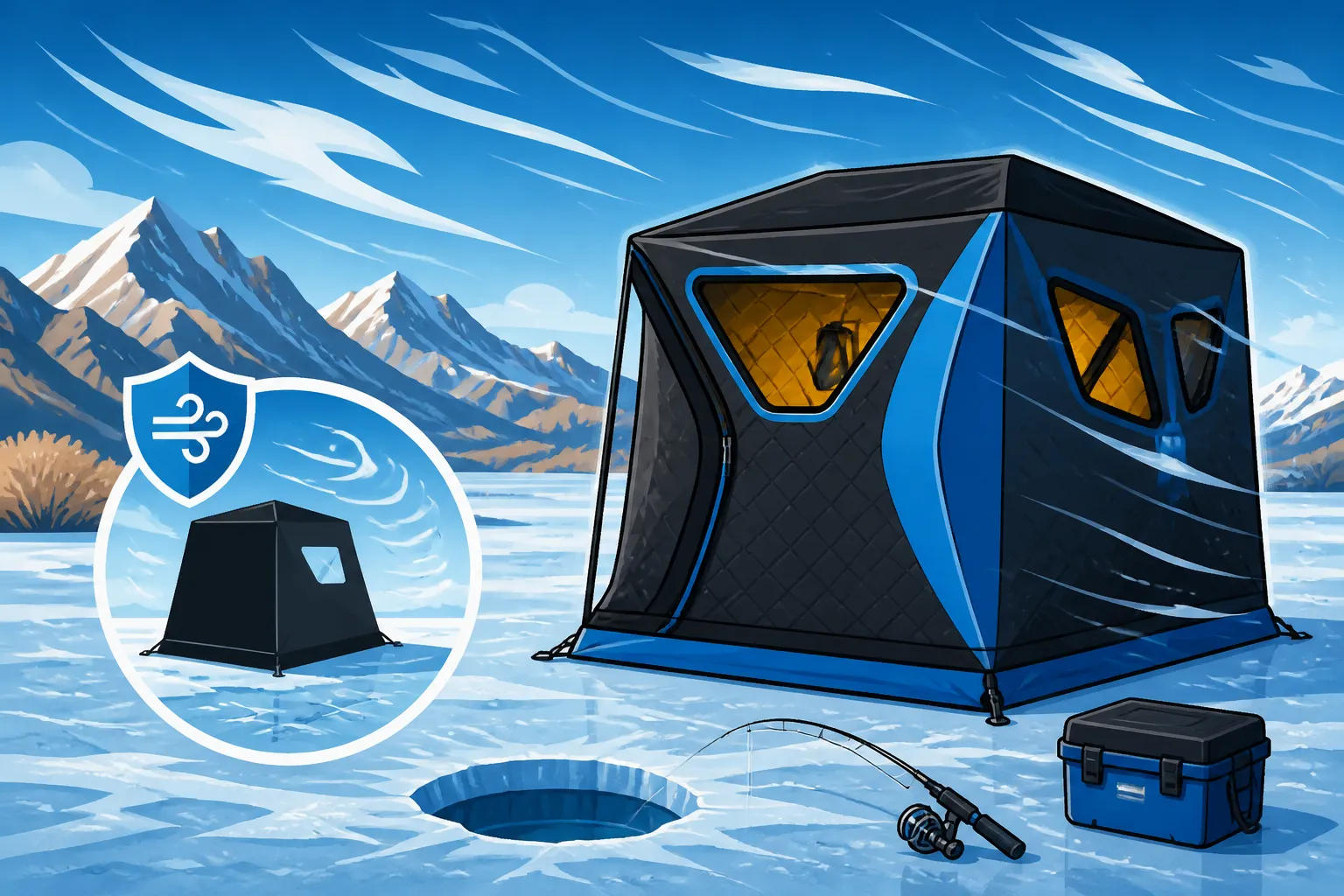
There’s nothing quite like the solitude and thrill of ice fishing on a frozen Nevada lake, but boy, that peaceful quiet can be shattered in an instant when the infamous desert winds decide to really howl. Many an angler has battled a collapsing shelter or watched their carefully placed setup become an airborne hazard, leading to a frustrating and even dangerous day. This guide is here to walk you through exactly what makes an ice fishing shelter stand strong against those relentless Nevada gusts, helping you choose and secure the best option for a comfortable and productive day on the hard water.
Understanding the Nevada Wind Challenge on Ice
Fishing on a frozen lake in Nevada often means contending with conditions that are uniquely challenging. It’s not just cold; it’s usually windy, and that wind can feel twice as biting when it’s whipping across an expanse of ice. Ignoring this factor can quickly turn a hopeful fishing trip into a miserable ordeal.
Why Nevada Winds Hit Different on Frozen Lakes
Nevada's diverse geography plays a huge role in how the wind behaves, especially over large, open bodies of water like Wildhorse Reservoir or some of the high mountain lakes. There are no trees or buildings to break up the flow. Instead, you've got vast, flat surfaces where wind can pick up incredible speed, often funneled by surrounding mountain ranges. Imagine trying to stand your ground against a gale that feels like it’s coming straight off the Sierra Nevada — it’s a whole different beast than a gentle breeze in a sheltered cove. This open exposure, combined with the dry, often high-altitude air, means that even moderate wind speeds can lead to dangerously low wind chill, making it crucial to have robust protection.
The Downsides of Under-Prepared Shelters
I've seen it happen too many times: an angler sets up a flimsy shelter, only for a sudden gust to rip it from its anchors and send it tumbling across the ice, sometimes into open water. Not only is this a huge loss of expensive gear, but it can also be a serious safety hazard for other anglers or even wildlife. Even if your shelter doesn't fly away, a poorly designed one will flap relentlessly, let in drafts, and fail to hold heat, rendering your heater virtually useless. You end up shivering, frustrated, and unable to focus on fishing. It’s a surefire way to cut your trip short and head home with nothing but a bad memory. Nobody wants to deal with collapsing poles or struggling to re-anchor in freezing conditions when you should be enjoying the catch.
Key Features of a Wind-Resistant Ice Fishing Shelter
When you're shopping for an ice fishing shelter specifically for Nevada's windy conditions, you need to look beyond just size and price. The true heroes are the unsung features that contribute to stability, durability, and warmth. Think of it as investing in your comfort and safety. You can find many of these specialized shelters at a retailer like Bass Pro Shops or through online stores like Amazon, but knowing what to look for is key.
Robust Frame Construction and Anchoring Systems
The backbone of any wind-resistant shelter is its frame. Forget flimsy plastic or thin aluminum; you need heavy-duty materials. Look for poles made of thick fiberglass, strong aluminum, or even steel tubing that can flex without breaking under pressure. The design matters too: hub-style shelters, for example, rely on strong, reinforced hubs where the poles converge. These connection points are critical failure points in cheaper models, so inspect them closely.
But a strong frame is useless if it can't stay put. An effective anchoring system is non-negotiable. This means not just having ice anchors, but having enough of them, and ensuring they are designed for serious grip. Self-tapping ice anchors that can be drilled in with a cordless impact driver are a game-changer compared to manual screw-ins, especially when you're fighting wind. Ensure the shelter has plenty of reinforced tie-down points—the more, the better—and consider heavy-duty straps over thin ropes. Some models even integrate anchor points directly into the frame for maximum stability.
Heavy-Duty Fabric and Insulation
The fabric of your shelter needs to be tough, tear-resistant, and capable of withstanding constant buffeting. This is where the denier rating comes into play: a higher denier number (e.g., 600D, 900D, or even 1200D) indicates a thicker, more durable material. While heavier fabric means a heavier shelter, the trade-off in longevity and wind resistance is well worth it.
Beyond durability, insulation is paramount. Many modern shelters feature thermal insulation, often a layered fabric design, that traps air to create a barrier against the cold. This not only keeps you warmer by holding in the heat generated by your portable heater but also creates a more rigid wall that stands up better to strong winds. Blackout fabrics, common in insulated shelters, also help absorb solar heat on sunny days, further reducing your reliance on artificial heat. This combination of strength and insulation means your shelter acts as a true fortress against the elements.
Thoughtful Design for Stability and Comfort
Good design goes beyond just materials. A wind-resistant shelter will often have a lower profile, presenting less surface area for the wind to catch. Look for extended fabric skirts around the base, which can be packed down with snow or ice to seal off drafts and prevent the wind from getting underneath and lifting the shelter. Reinforced corners and seams are also crucial, as these are common stress points in high winds.
Inside, consider features that enhance comfort and functionality when it's blowing outside. Strategically placed, robust windows that can be securely fastened or covered are important. Good ventilation is key to manage condensation and carbon monoxide if you're using a heater, but these vents should be designed to prevent wind from rushing in. Small details like gear pockets, overhead netting, and sturdy door zippers that don't jam with ice can make a huge difference in your overall experience when you're battling the elements on a Nevada lake. Check out Nevada Fishing Gear Essentials for more crucial items.
Types of Ice Fishing Shelters for Nevada's Winds
When it comes to ice fishing shelters, there are a few main categories, each with its own advantages and disadvantages, especially when facing Nevada's notoriously strong winds. Choosing the right style is as important as looking at individual features.
Hub-Style Shelters for Maximum Space and Stability
Hub-style shelters, often referred to as "pop-up" shelters, are incredibly popular for their generous interior space and relatively straightforward setup. They consist of a fabric shell supported by fiberglass poles that "pop out" from central hubs. Once fully extended, they offer a spacious, square or octagonal footprint, perfect for two or more anglers, their gear, and a heater.
When properly anchored, a well-made hub shelter can be very stable in wind. The key is in the quality of the hubs and poles, and most importantly, the anchoring. They offer more room to spread out, which is a huge comfort on long days, and their vertical walls are efficient for heaters. However, setting them up in high winds can be a wrestling match, especially if you're alone. The large fabric panels catch a lot of wind during deployment, so you'll need a good technique, starting by anchoring the windward side first. Always invest in extra-long, aggressive ice anchors and ensure all tie-down points are used. They are excellent once deployed and anchored, providing ample space for movement and storage, making them a great choice for group trips or when you plan to stay put for a while.
Flip-Over Shelters for Portability and Quick Setup
Flip-over shelters are the go-to for anglers who prioritize mobility and rapid deployment. These shelters are built onto a sled base, which doubles as your gear transport. When you reach your spot, you simply "flip" the tent portion over, and it's ready in seconds. The sled base itself acts as a strong, low-profile anchor against the wind, making these inherently stable even before you add ice anchors.
Many flip-overs are insulated, and their more compact design means less interior air to heat. They excel in wind because of their sturdy frame and how quickly you can get them deployed and fishing. They're typically designed for one or two anglers, sometimes three, so space is more limited compared to a hub-style. While heavier to pull across the ice, their quick setup and robust construction often make them a favorite for windy Nevada lakes where conditions can change rapidly. The lower profile and solid sled base are significant advantages when the gusts really pick up, allowing you to get fishing faster and worry less about your shelter flying away.
Specialty Shelters and Their Wind Performance
While hub and flip-over shelters dominate the market, some anglers might encounter or even prefer specialty shelters. Older canvas wall tents, for example, can be extremely heavy-duty and wind-resistant, especially if they have a robust external frame and are meticulously guy-lined. However, they are often much heavier, bulkier, and take significantly longer to set up, making them less practical for most ice fishing scenarios. Custom-built shanties, whether permanent or portable, can also offer superior wind resistance due to their rigid construction, but they sacrifice portability. For the vast majority of ice anglers tackling Nevada's windy conditions, a high-quality hub or flip-over shelter will offer the best balance of protection, portability, and ease of use. Remember, no matter the type, understanding the basics of Ice Fishing Safety on Nevada Reservoirs is always crucial.
Here’s a quick comparison of the two main types:
| Feature | Hub-Style Shelter | Flip-Over Shelter |
|---|---|---|
| Wind Resistance | Excellent if properly anchored with many points | Excellent due to integrated sled base and rigid frame |
| Portability | Lighter, more compact when packed; bulkier when assembled | Heavier overall, but sled makes transport easy (pulling) |
| Setup Time | Moderate to challenging in wind, needs practice | Very fast, often seconds to deploy |
| Space | Very spacious, ideal for groups or lots of gear | More compact, typically 1-2 anglers |
| Insulation | Available in various levels, thermal versions perform well | Often well-insulated, efficient heating in smaller space |
| Anchoring | Requires many screw-in ice anchors | Sled provides initial stability; fewer anchors needed |
Setting Up and Securing Your Shelter in Windy Conditions
Even the best wind-resistant shelter is only as good as its setup. In Nevada, where the wind can be a constant companion on the ice, mastering strategic placement and meticulous anchoring is crucial for a safe and enjoyable fishing trip.
Strategic Placement and Pre-Anchoring Techniques
Before you even think about deploying your shelter, take a moment to assess your surroundings. While open ice offers little in the way of natural windbreaks, sometimes even a slight rise in the terrain or a distant bank can offer a marginal reduction in direct wind exposure. More importantly, consider the wind direction. When you set up, you want to face the least amount of surface area into the wind. This might mean angling your shelter slightly.
The key to deploying a hub-style shelter in windy conditions is to pre-anchor. Before popping out any of the hubs, identify the side that will be facing into the wind. Screw in at least two ice anchors on that windward side and securely attach your shelter's straps before you start extending the poles. This prevents the shelter from catching the wind and turning into a kite the moment it starts to take shape. For flip-over shelters, the process is simpler: position your sled into the wind, get your gear out, and then quickly flip the tent over. The weight and low profile of the sled will provide immediate stability. Always remember to wear appropriate gear, and for more specific advice on what to pack, check out Nevada Ice Fishing Gear Checklist.
Essential Anchoring Gear and Best Practices
When it comes to anchoring, you cannot overdo it in windy Nevada. You'll need high-quality ice anchors—the self-tapping, heavy-duty kind that can be driven in with an impact drill are by far the best. Manual screw-in anchors work, but they take more effort and time, which you might not have when the wind is whipping. Carry at least six to eight anchors for a typical hub shelter, and always have spares.
Once your shelter is up, use all available tie-down points. Don't skimp. Ensure ropes or straps are taut, pulling the shelter firmly to the ice. If your shelter has a fabric skirt around the base, shovel snow and ice onto it to create a tight seal. This prevents wind from getting underneath, which is often what causes shelters to lift or collapse. Throughout the day, especially if the wind picks up, periodically check your anchors and tie-downs. Ice can shift, or anchors can loosen. It's also wise to keep your auger handy; if an anchor pulls out, you can quickly drill a new hole for it. This diligence is what separates a comfortable day of fishing from a wind-battered disaster. Knowing Which Nevada lakes freeze thick enough for ice fishing can help you prepare for where these techniques might be most needed. For more general advice on what to bring, consider our Best all-around gear checklist for a Nevada fishing trip.
Disclaimer
This article is for general informational purposes only and does not constitute professional advice. Laws, prices and regulations vary by location and change over time. Consult a qualified professional for guidance on your specific situation.