Best tip-up setup for ice fishing perch
There’s nothing quite like the crisp, still air of a Nevada winter morning out on the ice, waiting for that flag to fly. But if you’ve spent a chilly day staring at a blank sheet of ice, wondering why the perch aren't biting your jigging rod, you know the frustration. Sometimes, you need to cover more ground and offer a different presentation, and that's exactly where a well-rigged tip-up comes into its own for chasing those delicious yellow perch. This guide will walk you through setting up the perfect tip-up to increase your chances of a successful perch haul in Nevada's frozen waters.
Understanding Tip-Ups and Why They're Great for Perch
Ice fishing can sometimes feel like a game of patience, a true test of wills between you and the fish below the frozen surface. But it doesn't have to be just a single hole experience. When you're targeting widespread schooling fish like perch, expanding your reach is key, and that's where the trusty tip-up truly shines.
The Basics of a Tip-Up
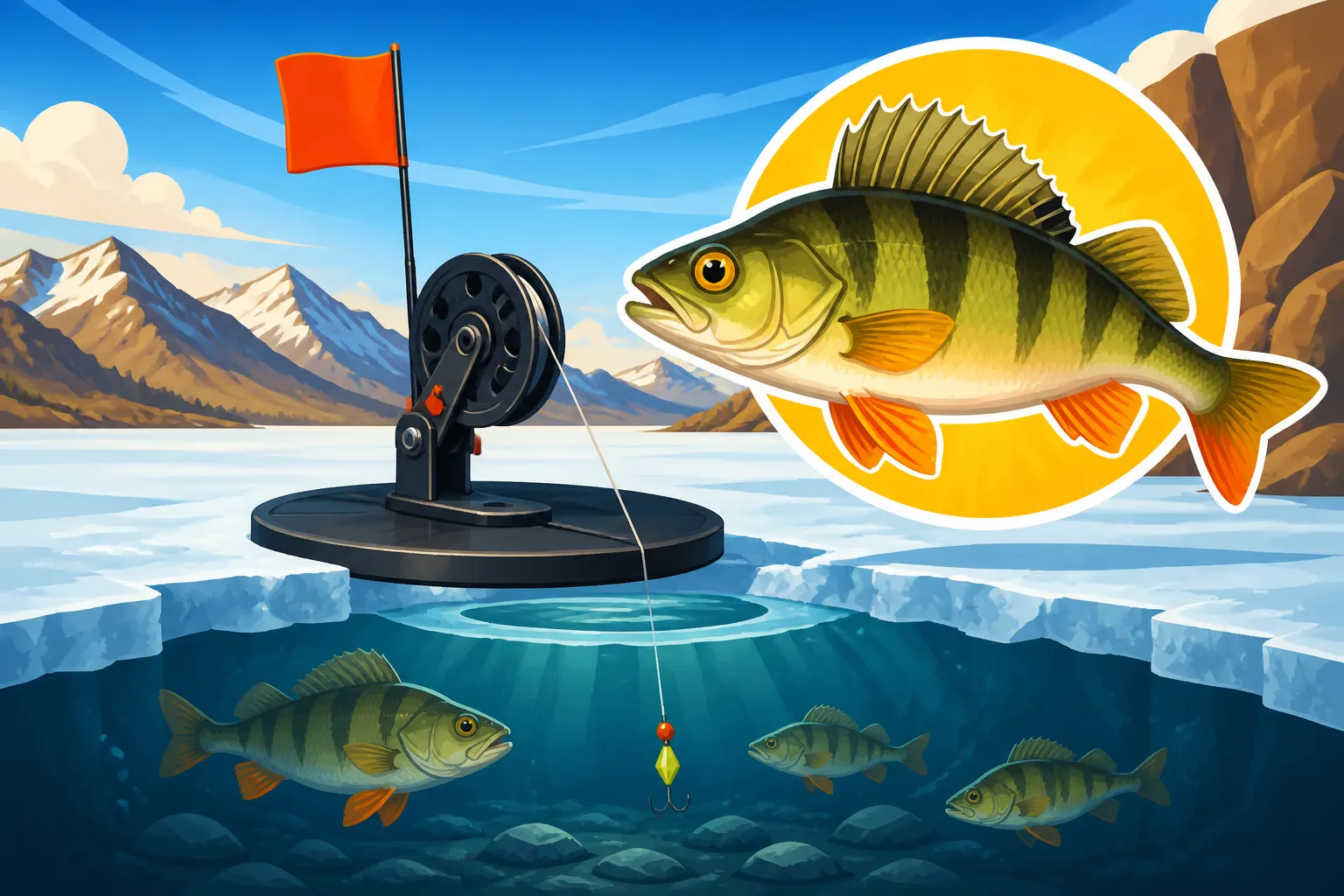
A tip-up, at its core, is a simple yet incredibly effective device designed to hold your fishing line, bait, and hook at a specific depth without requiring constant attention. Unlike jigging rods, which you actively work, a tip-up is a passive fishing tool. It typically consists of a frame that sits over an ice hole, a spool of line submerged in the water, and a signaling flag mechanism. When a fish takes the bait and pulls on the line, the flag "tips up," indicating a bite. This ingenious design allows an angler to deploy multiple lines across a wider area (always check local regulations for the maximum number of lines allowed!), effectively multiplying their chances of finding and catching fish. For Nevada ice anglers, especially on larger bodies of water, this hands-off approach lets you cover different depths and locations simultaneously, greatly improving your efficiency. It also keeps your bait perfectly still, a presentation that often proves irresistible to finicky perch.
Why Perch Love Tip-Ups
Perch are notorious schoolers, meaning they often move together in large groups, foraging for food. However, they can also be quite scattered, making them a challenge to locate with a single jigging rod. This is precisely why tip-ups are so effective for them. By setting up several tip-ups, each with a different bait or at a slightly varied depth, you increase your chances of intercepting a passing school. Perch are also known for their sometimes subtle bites. While a jigging rod might miss a light "tap," a tip-up's mechanism is often sensitive enough to register even the slightest pull on the line, signaling a potential fish. Furthermore, perch are opportunistic feeders. A static, natural bait presented just right under a tip-up can often entice a bite when active jigging might spook them, especially in clear, cold Nevada waters. The ability to soak a live minnow or a juicy worm quietly, letting the fish come to you, is a significant advantage. This passive approach often triggers bites from hesitant fish that might otherwise ignore a rapidly jigged lure. You'll find that many successful perch anglers on lakes like Wildhorse Reservoir swear by their tip-up spreads.
Essential Components of a Perfect Perch Tip-Up Setup
Building an effective tip-up setup for perch isn't complicated, but paying attention to the details of each component will make a big difference in your success. From the style of the tip-up itself to the tiny hook, every piece plays a role in getting that flag to fly.
Choosing the Right Tip-Up Style
When you walk into a store like Bass Pro Shops or browse online at Amazon, you'll notice there are a few different types of tip-ups, each with its own advantages.
- Traditional Cross-Stick Tip-Ups: These are the most common and often the most affordable. They consist of two pieces of wood or plastic that cross over the hole, with a spool hanging below and a flag arm that springs up when triggered. They're reliable and easy to use. However, they don't offer much protection from hole freezing in extremely cold conditions.
- Thermal Tip-Ups: These are designed with a circular base that covers the entire ice hole, insulating it from the frigid air. This significantly reduces hole freeze-up, which is a huge benefit on those bitter cold Nevada mornings where your holes might seal over quickly. They are often a bit bulkier and pricier, but the convenience of not having to constantly chip ice is well worth it for many anglers.
- Wind-Activated Tip-Ups: These clever designs incorporate a sail or vane that uses wind to impart subtle movement to your bait, mimicking a struggling minnow. While they can be very effective in light to moderate wind conditions, strong winds can make them overactive, leading to false flags. They're a niche choice but can be deadly on slow days if the conditions are right.
For perch fishing in Nevada, a traditional cross-stick or a thermal tip-up are generally your best bets. The thermal options are particularly fantastic for extending your fishing time without interruption.
Spooling Up: Line, Leader, and Swivels
The line setup is critical for feeling those subtle perch bites and ensuring a strong enough connection to land your catch.
- Main Line: You'll want about 50-100 feet of line on your tip-up spool. Many anglers opt for a dacron or braided line in the 15-30 pound test range as their main line. This might seem heavy for perch, but it's not about fighting the fish; it's about durability, ease of handling in cold weather (it doesn't coil as much as mono), and resistance to abrasion from the ice hole. Plus, if you happen to hook a larger fish, you'll be ready!
- Leader Material: Directly tied to your main line should be a fluorocarbon leader. Fluorocarbon is nearly invisible in water, which is a big advantage with wary perch, especially in clear lakes like those found in the Eastern Sierra regions of Nevada. A 4-6 pound test fluorocarbon leader, about 2-3 feet long, is usually perfect. It provides the necessary stealth and enough abrasion resistance for dealing with a perch's rough mouth or any underwater structure.
- Swivels: A small, good-quality barrel or snap swivel is essential for connecting your main line to your leader. This prevents line twist, which can be a real headache, especially when using live bait that might spin as it swims. Choose one that's small enough not to deter bites but strong enough for your leader.
The Business End: Hooks and Weights
This is where your bait meets the fish, so getting it right is crucial.
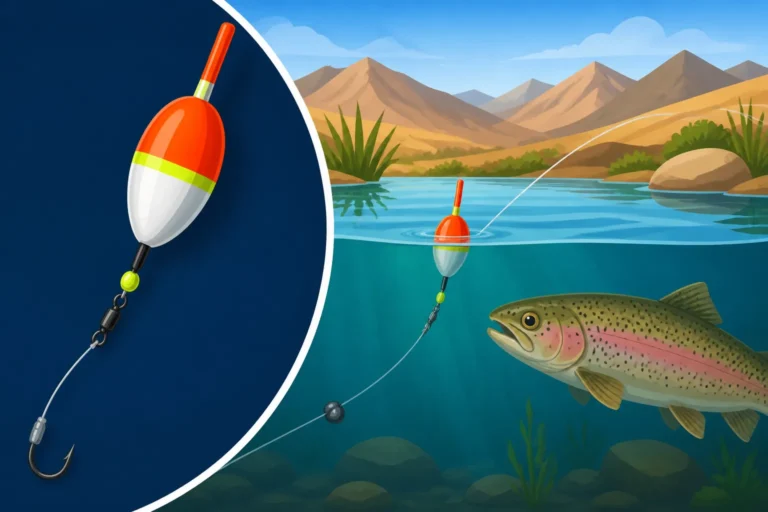
- Hooks: For perch, small hooks are key. Size 8, 10, or even 12 single baitholder hooks or small trebles (size 10 or 12) work wonderfully. Baitholder hooks have tiny barbs on the shank to help keep your bait from sliding off. If using live minnows, a small treble hook can sometimes offer a better hook-up ratio, just ensure it's not so large it impedes the minnow's movement or makes it look unnatural.
- Weights: You'll typically use a small split shot or a tiny non-toxic sinker positioned about 6-12 inches above your hook. The goal is just enough weight to get your bait down to the desired depth and keep it there, without hindering your live bait's natural movements too much. Too much weight will make your presentation unnatural; too little, and your bait might not stay in the strike zone. Sometimes, a single size #7 split shot is all you need.
Baiting for Perch Success
Perch are not overly picky, but certain baits consistently outperform others.
- Live Minnows: These are often the gold standard for perch on tip-ups. A small shiner or fathead minnow, hooked lightly through the back (avoiding the spine) or just below the dorsal fin, will swim naturally and attract attention. Minnows are especially effective when perch are actively feeding. You can find a variety of live bait options at well-stocked sporting goods stores or local bait shops.
- Maggots/Waxies: These tiny larvae are excellent for attracting perch, particularly when they're a bit more finicky. Tipping your hook with a few maggots or waxworms provides scent and visual appeal. They're also less prone to being stolen by smaller bait-stealing fish than a minnow.
- Worms: Nightcrawlers or smaller pieces of earthworms can also be very effective. Perch love worms, and the scent trail they create can draw fish from a distance.
- Artificial Baits: While live bait is king for tip-ups, sometimes tipping your hook with a small soft plastic grub, an artificial minnow, or even a small piece of brightly colored plastic can entice a bite. These often work best when jigged a little, but as a secondary offering on a tip-up, they can sometimes surprise you. However, for sheer effectiveness, live bait is hard to beat for this setup.
Rigging Your Perch Tip-Up for Nevada's Icy Waters
Now that you have all your components, let's get down to the actual rigging. A proper setup ensures your bait is presented naturally and increases your chances of a solid hook-up when that flag goes up. This approach is key whether you're fishing a popular spot or exploring new areas for Ice Fishing in Nevada.
Step-by-Step Rigging Guide
Getting your tip-up ready for action is straightforward once you know the steps.
- Spool the Main Line: Start by securing your chosen main line (dacron or braid) to the tip-up's spool. Make sure you have enough line, typically 50-100 feet, to reach various depths. Wind it on neatly to prevent tangles later.
- Attach the Swivel: Tie your small barrel or snap swivel to the end of your main line. A Palomar knot or an improved clinch knot works well here. Make sure it’s snug and secure.
- Tie on the Leader: Take your fluorocarbon leader material (4-6 lb test, 2-3 feet long) and tie one end to the other side of the swivel. Again, a Palomar or improved clinch knot is reliable.
- Attach the Hook: At the very end of your fluorocarbon leader, tie on your small hook (size 8-12 baitholder or treble). This knot needs to be strong and reliable, as it's the direct connection to the fish.
- Add Split Shot/Sinker: Crimp a small split shot or slide on a small non-toxic sinker about 6-12 inches above your hook. Adjust the weight just enough to get your bait down and hold it without impeding natural movement. This small amount of weight is often all you need.
- Set the Depth: This is crucial. Before adding bait, lower your rigged line down your ice hole until the weight (or hook) hits the bottom. Then, reel up a few inches to a foot. Perch often cruise just above the bottom, so this "off-bottom" presentation is frequently ideal. Alternatively, if you see fish suspended on your fish finder, you can set your bait at that specific depth. You can mark your line with a small piece of tape or a bobber stop to remember the depth once you find the sweet spot.
- Bait Up: Now, carefully hook your chosen bait. If using a live minnow, hook it lightly through the back, just behind the dorsal fin, or through the lips. For maggots or worms, thread them onto the hook, leaving the point exposed.
Optimal Depth and Presentation
Finding the right depth is often the biggest puzzle in ice fishing for perch. They can be anywhere from just under the ice to right on the bottom.
- Start on the Bottom: A common and effective strategy is to start with your bait just a few inches off the bottom. Perch are often bottom feeders, grubbing for insects and crustaceans.
- Work the Water Column: If the bottom isn't producing, try staggering your tip-ups at different depths. One just off the bottom, one mid-water, and one closer to the surface. This helps you quickly pinpoint where the fish are active. You might find perch suspended over deeper water, especially if there's baitfish present.
- Keep it Natural: The beauty of a tip-up is its ability to present a natural, static bait. Avoid over-weighting your line, which can make your live minnow look unnatural. Let the bait do the work! A gentle, almost imperceptible quiver from a live minnow is often all it takes to trigger a bite from a curious perch.
Maximizing Your Perch Haul: Tips and Tricks
Having a well-rigged tip-up is half the battle; knowing how to use it effectively is the other. These tips will help you make the most of your ice fishing adventure and bring home a cooler full of perch.
Spreading Out for Success
One of the greatest advantages of using tip-ups is the ability to cover a wide expanse of ice. Remember, perch are schooling fish, and they can be on the move. By spreading out your tip-ups (always within legal limits for the number of lines), you increase your chances of intercepting a school.
- Fan Out: Instead of drilling all your holes in a tight cluster, fan them out over a larger area. This could mean covering a wide flat, the edge of a drop-off, or different sections of a weed bed. Think of it as casting a wide net across the lake.
- Vary Depths: As mentioned, perch can suspend at different levels. Set some tip-ups just off the bottom, others a few feet higher, and perhaps one or two suspended halfway down the water column. If one depth starts producing consistently, you can then adjust your other tip-ups to match. This strategic deployment is a cornerstone of effective How to ice fish on a Nevada reservoir.
- Target Structure: While spreading out, don't just random drill. Look for underwater structure like points, humps, old river channels, or the edges of weed lines. These are natural congregating points for perch. Areas where different depths meet are often hotspots.
Monitoring and Action
A tip-up isn't just a set-it-and-forget-it tool. Constant vigilance is key to capitalizing on every bite.
- Keep an Eye on the Flags: Even when you're jigging another hole or warming your hands in the shelter, regularly scan your spread of tip-ups. A flag can pop up in an instant, and you want to be there quickly.
- The Race to the Flag: When a flag goes up, don't run like a madman, but do move swiftly and carefully. A perch will often run with the bait for a short distance, then stop to swallow it. If you approach too aggressively, you might spook the fish or cause it to drop the bait.
- The Hookset: Once you reach the hole, gently grab the line. You'll likely feel the fish still taking line or a slight tension. Let it run for a moment to ensure it has fully committed to the bait. Then, give a firm but controlled upward sweep with your hands to set the hook. Don't yank violently, as this can tear the hook out of a perch's soft mouth. Once hooked, retrieve the line hand-over-hand, carefully guiding the fish out of the hole. It's exhilarating to pull a plump Yellow perch size at Wildhorse Reservoir through the ice!
Dealing with Environmental Factors
Nevada's ice fishing conditions can be challenging, from biting cold winds to rapidly freezing holes.
- Hole Freeze-Up: This is a common issue, especially on smaller holes or during intense cold snaps. Thermal tip-ups are specifically designed to mitigate this by insulating the hole. If you're using traditional tip-ups, consider adding a thin layer of cooking oil to the water in the hole. This helps prevent a solid sheet of ice from forming too quickly, keeping your line free. Regularly check and clear ice from around your line and spool.
- Wind: Strong winds can make fishing uncomfortable and create issues with traditional tip-ups. Some anglers use a small piece of string and a clothespin to tie their flag down lightly, releasing it with a stronger pull. Wind can also affect your line, causing it to drift. This is where a slightly heavier sinker might be beneficial.
- Visibility: In low light or during a snowstorm, it can be hard to see those flags. Many tip-up flags come with reflective tape or bright colors. Some even offer small LED lights that attach to the flag for night fishing, which can be incredibly useful when allowed. Always keep safety in mind, especially when venturing out onto the ice. For more information, check out our guide on Ice Fishing Safety on Nevada Reservoirs.
By mastering these tips, you'll be well on your way to enjoying the unique thrill of ice fishing for perch in Nevada. Remember to consult the Nevada Fishing Regulations Explained for specific limits and rules on the waters you plan to fish, and enjoy the peaceful solitude and rewarding action that only ice fishing can offer!
Disclaimer
This article is for general informational purposes only and does not constitute professional advice. Laws, prices and regulations vary by location and change over time. Consult a qualified professional for guidance on your specific situation.