Kayak Fishing Gear for Nevada
There's nothing quite like the feeling of silently gliding across a glassy Nevada lake at dawn, the only sound the dip of your paddle or the splash of a fish jumping. Kayak fishing in Nevada offers an unparalleled sense of freedom and access to waters often untouched by larger boats. However, the unique and often challenging conditions of the Silver State's diverse aquatic environments mean that just any old kayak and tackle won't cut it. This comprehensive guide is here to help you navigate the specific gear considerations you'll need to make your kayak fishing adventures in Nevada not just successful, but safe and truly enjoyable, from the high desert reservoirs to the pristine mountain lakes.
Why Kayak Fishing in Nevada is So Appealing and Challenging
Nevada's landscape is one of stark contrasts, and its fishing opportunities are no different. From the vast, open waters of Lake Mead to the intimate coves of Lake Tahoe and the high-desert wonders of Wildhorse Reservoir, kayakers have a unique advantage. But with these incredible opportunities come specific challenges that require thoughtful gear choices.
The Allure of Nevada's Waters for Kayakers
Imagine slipping your kayak into the water at first light on a calm morning, the sun just kissing the eastern peaks. You paddle silently past larger, noisier boats, easing into hidden coves or shallow pockets that are simply inaccessible to traditional fishing vessels. This stealth factor is one of the biggest draws of kayak fishing in Nevada. Whether you're targeting elusive Lahontan cutthroat trout at Pyramid Lake or searching for a monster striped bass in the remote canyons of Lake Mohave, a kayak allows you to approach fish without spooking them. You become part of the environment, a quiet observer rather than a disruptive presence.
The sheer accessibility is another huge perk. Many of Nevada's most productive fishing spots, especially those off the beaten path, don't have large boat ramps equipped for big powerboats. A kayak, on the other hand, can be launched from almost anywhere with a little shoreline access. This opens up a world of possibilities, from exploring hidden stretches of the Truckee River to reaching quiet corners of urban ponds that get less pressure. Plus, the sheer simplicity of it all – just you, your paddle, and the water – provides a profound sense of connection to nature that many anglers cherish.
Unique Challenges of Nevada's Environment
While the allure is strong, Nevada doesn't hand out its fishing treasures easily, especially for kayakers. The desert environment brings with it some serious hurdles. First and foremost is the extreme heat during much of the fishing season. Summer temperatures can soar well into the triple digits, making proper hydration and sun protection not just important, but absolutely critical for survival. The sun's intensity also means gear can degrade faster, and electronics can overheat if not properly managed.
Then there's the wind. Oh, the Nevada wind! Large, open reservoirs like Lake Mead and Pyramid Lake can transform from serene to savagely choppy in a matter of minutes. A strong headwind can turn a short paddle into an exhausting ordeal, making propulsion and anchoring systems paramount. Rocky shorelines are common, requiring durable kayaks and careful launching/landing techniques to avoid damage. Lastly, the distances. Many of Nevada's best fishing lakes are vast, and the sheer size means covering ground, whether paddling or using a pedal drive, can be demanding. Long hauls to launch points and limited facilities in remote areas also require self-sufficiency and careful planning for everything from spare parts to extra water.
The Essential Kayak: Choosing Your Paddle-Powered Vessel
Your kayak is the foundation of your fishing experience. Selecting the right one for Nevada's conditions is crucial for comfort, safety, and fishing success. There's no one-size-fits-all answer, but understanding the differences will guide you.
Sit-on-Top vs. Sit-Inside Kayaks for Fishing
When it comes to fishing kayaks, the primary distinction anglers face is between sit-on-top (SOT) and sit-inside (SIT) models. For the vast majority of Nevada kayak anglers, a sit-on-top kayak is the preferred choice, and for good reason. SOTs offer superior stability, making it easier to cast, fight fish, and even stand up to sight fish in calm conditions – a huge advantage when targeting bass in shallow coves or looking for cruising trout. They are also self-bailing, meaning any water that splashes into the cockpit simply drains out through scupper holes, a major plus when dealing with waves or spray. This also means recovery from a capsize is far simpler; you just climb back on, and the water drains. Storage on SOTs is typically more accessible, with large open tank wells and easily reachable hatches.
Sit-inside kayaks, while offering more protection from the elements and often being lighter and faster, generally lack the stability and open deck space that SOTs provide for fishing. The enclosed cockpit can make re-entry after a capsize challenging, especially in open water, and managing tackle within the confines of the hull can be cumbersome. While a SIT might be suitable for calm, sheltered rivers or small, placid ponds where speed and protection from cooler temperatures are priorities, for the dynamic and often exposed waters of Nevada, the stability and utility of a sit-on-top kayak usually win out.
Key Features to Look for in a Fishing Kayak
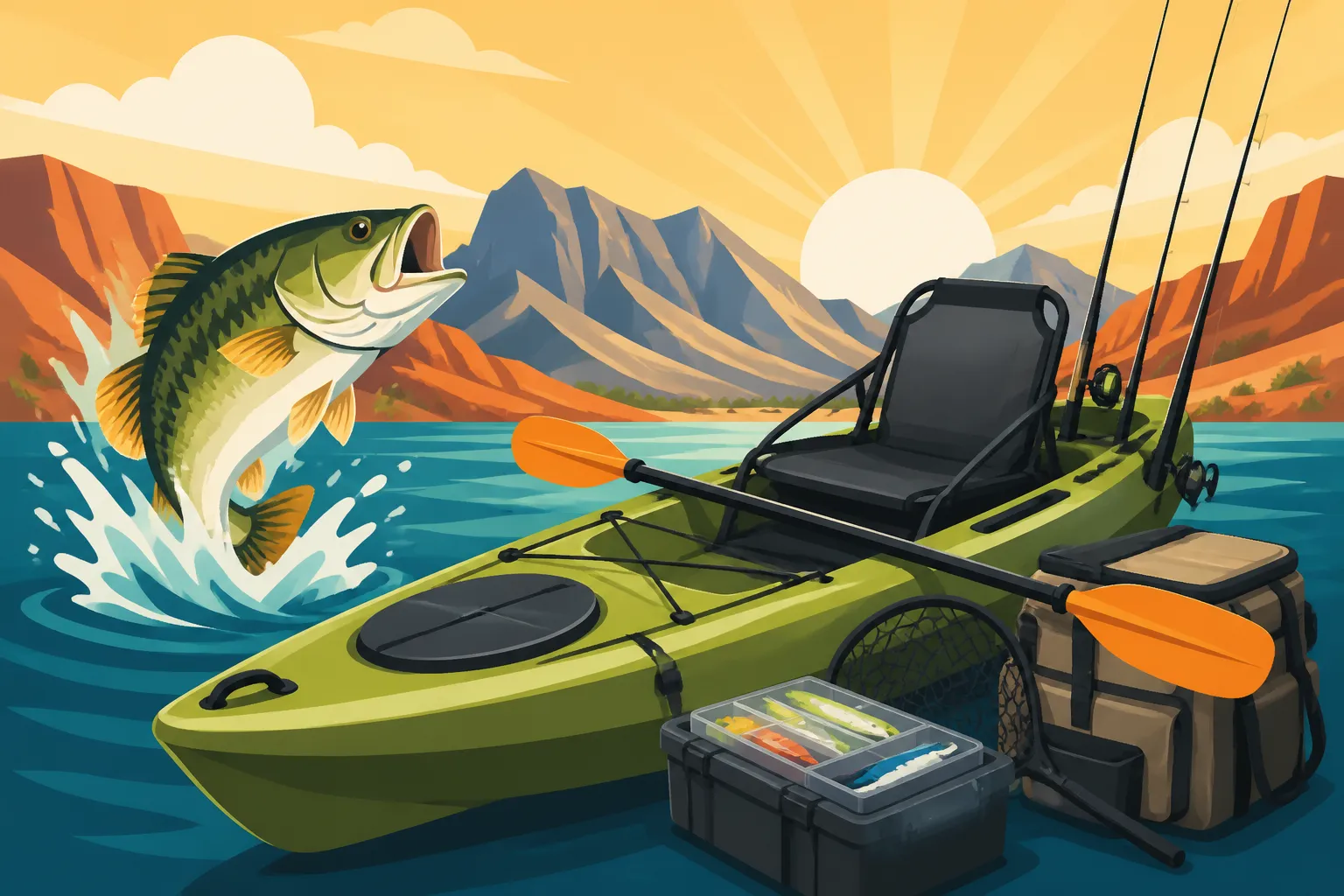
Once you've settled on a sit-on-top, it's time to dive into the specifics. Stability is paramount, especially on large, windy Nevada reservoirs. Look for kayaks with wider beams and flatter hulls, which offer excellent initial stability. While these might not be the fastest, the ability to fish comfortably and safely far outweighs a few extra minutes of paddle time. Storage is another non-negotiable feature. Think about how much gear you bring: rods, tackle boxes, a cooler for drinks and fish, safety equipment, and extra layers. Dedicated rod holders, both flush-mount and adjustable, are essential for securing your precious Best Fishing Rods for Nevada Lakes. Large tank wells with bungee cords, forward and center hatches, and even under-seat storage can make a huge difference in keeping your gear organized and dry.
The method of propulsion is a big decision. Traditional paddle kayaks are fantastic for simplicity and cost-effectiveness. However, for covering vast distances on Lake Mead or fighting strong headwinds, a pedal-drive system can be a game-changer. These systems allow for hands-free propulsion, freeing up your hands for casting and reeling, and often offer more efficient travel. Some modern kayaks even integrate mounts for small electric trolling motors, providing even more speed and range. Finally, don't overlook seat comfort. A bad seat can turn a dream day into a nightmare. Many quality fishing kayaks feature elevated, adjustable, and padded seating that can be a lifesaver on an all-day trip, helping you stay out longer and focus on the fish, not your aching back. Look for integrated accessory tracks from brands like Hobie or Old Town, which make it easy to mount fish finders, rod holders, and cameras without drilling holes.
Considering Length and Width for Nevada's Diverse Waters
The dimensions of your kayak have a significant impact on its performance, and what works best really depends on where you plan to fish most often in Nevada. Generally, longer kayaks (12 feet and up) tend to track straighter and are faster, which is a huge advantage when you're crossing big, open water like Lake Mead or Lake Tahoe, or navigating against currents. They often have more storage capacity too, which is great for all-day trips or even overnight adventures where you need extra provisions and gear. However, longer kayaks are typically heavier and can be more cumbersome to transport, launch, and maneuver in tight spots, such as narrow river sections or crowded urban ponds.
Shorter, wider kayaks (under 12 feet) excel in maneuverability and stability. If your primary fishing grounds are smaller lakes, rivers with tight turns, or urban ponds, a shorter kayak might be more suitable. Their width inherently provides more stability, often allowing you to stand up with greater confidence. The trade-off is usually speed and tracking; they require more effort to keep straight and cover less ground efficiently. For a new angler or someone primarily sticking to calm, sheltered waters, a shorter, wider kayak can be a fantastic, forgiving option. For the ambitious angler looking to tackle the vastness of Nevada's major reservoirs, a longer, more efficient model, perhaps with a pedal drive, will likely lead to a more enjoyable experience. Always consider your primary use case and how you'll be transporting and launching your kayak when making this important decision.
Paddle, Propulsion, and Anchoring: Staying in Control
Beyond the kayak itself, how you move and stay put on the water is critical, especially when dealing with Nevada's often unpredictable conditions. Your paddle, any auxiliary propulsion, and a reliable anchoring system are truly your best friends out there.
Choosing the Right Paddle
Even if you have a pedal-drive kayak or a trolling motor, a good paddle is absolutely essential. It's your backup, your steering mechanism, and your silent propulsion for those subtle adjustments or when approaching a wary fish. The length of your paddle is crucial and depends primarily on the width of your kayak and your height. A paddle that's too short will have you banging your knuckles on the gunwales, while one too long will be inefficient and tiring. Many manufacturers provide charts to help you determine the ideal length.
Material also plays a role. Aluminum paddles are durable and affordable, great for beginners or as a spare. Fiberglass paddles offer a good balance of weight, durability, and performance. For the ultimate in lightweight efficiency, carbon fiber paddles are unbeatable, reducing fatigue over long days on the water. However, they come with a higher price tag. Consider the blade shape too; wider blades offer more power, while narrower blades are easier on the joints for sustained paddling. Always, and I mean always, secure your paddle with a leash. Losing your paddle on a windy Nevada reservoir is a scenario you want to avoid at all costs.
The Power of Pedal Drives and Trolling Motors
For many serious kayak anglers, the advent of pedal-drive systems has revolutionized the sport, especially on large bodies of water like Lake Mead or Pyramid Lake. The ability to propel your kayak hands-free is incredibly liberating. You can maintain a consistent speed, troll lures, or hold your position against wind or current while simultaneously casting, fighting a fish, or managing your tackle. This significantly enhances your fishing efficiency and enjoyment. Pedal drives come in various forms, primarily propeller-driven (like Hobie's MirageDrive) or fin-driven (like Native Watercraft's Propel Drive), each with its own advantages in terms of shallow water capability and maintenance.
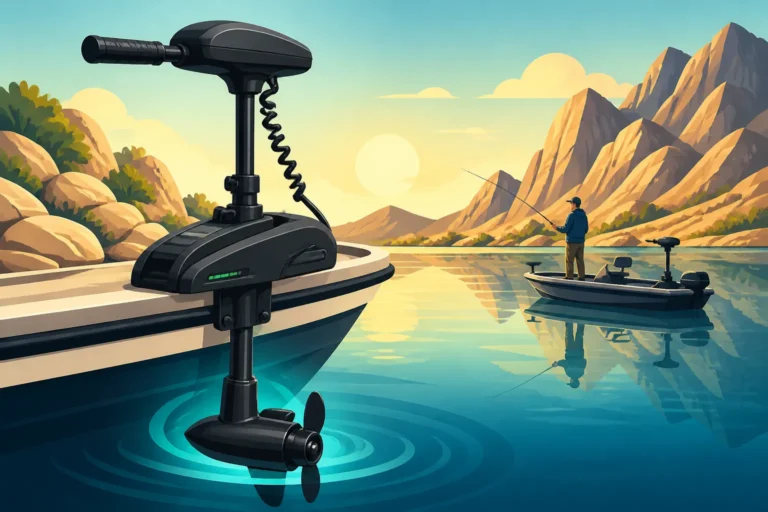
For those who want even more power or simply prefer less physical exertion, small electric trolling motors are becoming increasingly popular on fishing kayaks. Brands like Bassyaks offer kits specifically designed to integrate trolling motors into kayaks, allowing you to cover vast distances quickly or silently creep along shorelines. When considering a trolling motor, battery life is key. You'll need a reliable marine battery, often stored in a waterproof box, capable of powering your motor for your intended trip duration. Always factor in extra battery capacity for unexpected winds or longer-than-planned days. Both pedal drives and trolling motors make Kayak Fishing Techniques for Nevada Reservoirs much more effective, especially when battling strong winds or currents.
Anchoring Systems for Kayaks
Nevada's notorious wind means a reliable anchoring system is not just a luxury, but a necessity for kayak anglers. Trying to cast or fish effectively while constantly being blown around is frustrating and unproductive. The simplest anchor is a grapple style, typically 1.5 to 3 pounds, paired with about 50 feet of anchor rope. This is effective for holding in various bottom compositions, from mud to rock. Another excellent option, especially for slower drifts or windy conditions, is a drift chute or drag anchor. This acts like a parachute in the water, slowing your drift and helping you stay oriented.
The real game-changer for kayak anchoring is an anchor trolley system. This allows you to deploy your anchor from the bow or stern of your kayak and then, using a series of pulleys and ropes, position the anchor line anywhere along the length of your boat. This means you can pivot your kayak to face the wind, or adjust your angle to fish a specific structure, without having to re-anchor. Brands like YakAttack offer robust anchor trolley kits that are fairly easy to install. Always choose a quick-release mechanism for your anchor, so you can easily ditch it in an emergency or if a big fish pulls you into danger.
Safety First: Non-Negotiable Gear for Nevada Waters
As beautiful as Nevada's fishing waters are, they demand respect. The vastness of some reservoirs, the rapid weather changes, and the intense sun mean that safety gear isn't optional—it's absolutely essential. Never skimp on these items.
Personal Flotation Devices PFDs
Let's be blunt: wearing a Personal Flotation Device (PFD), or life jacket, is not just a good idea, it's often the law, and it could save your life. Nevada boating regulations generally require readily accessible PFDs for all on board, and children often have specific wear requirements. For kayak fishing, an inflatable PFD, either manual or automatic, is often preferred for its comfort and minimal bulk, allowing for full range of motion while casting and paddling. However, a traditional vest-style PFD, especially one designed with pockets for fishing gear, offers inherent buoyancy and can double as an extra layer of warmth or padding.
Regardless of type, ensure your PFD fits properly. It should be snug but comfortable, and it should not ride up when you're in the water. Choose bright, highly visible colors like international orange or neon yellow, especially when fishing on busy waters like Lake Mead where you want to be seen by larger boats. Get in the habit of wearing your PFD from the moment you launch until you're back on shore. It's too late to put it on once you've unexpectedly ended up in the water.
Communication and Navigation Tools
On Nevada's large reservoirs, cell phone service can be spotty at best, and a simple paddle out can quickly become a significant distance from shore. A waterproof, fully charged cell phone in a dry bag is a start, but don't rely on it as your sole communication device. A marine VHF radio is a much more reliable way to communicate with other boaters or shore services, especially in an emergency. Learn how to use it and program local channels.
Beyond communication, knowing where you are and where you're going is vital. A handheld GPS unit or a GPS feature integrated into your fish finder can be invaluable for navigation, marking fishing spots, and finding your way back to your launch point, especially in fog or low light conditions. Keep a physical map and compass as a backup, and know how to use them. A whistle, required on all boats in Nevada, and a signal mirror are also critical for attracting attention in an emergency. These small, inexpensive items can make a world of difference when you need help.
Emergency and First Aid Essentials
Being self-sufficient is paramount when kayak fishing in Nevada. A basic first aid kit, tailored for minor cuts, scrapes, insect bites, and sun exposure, should always be within reach. Think about waterproof bandages, antiseptic wipes, pain relievers, and allergy medication. Beyond medical supplies, consider a small kayak repair kit, especially if you have an inflatable component, to patch punctures or fix minor leaks. A paddle float, which can be attached to your paddle to create an outrigger, can be a huge help for re-entering your kayak after a capsize in open water.
Always carry a spare paddle, or at least a breakdown paddle, secured to your kayak. Imagine losing your main paddle to a strong gust of wind or an accidental drop – being stranded far from shore is a serious situation. And finally, hydration, hydration, hydration. Carry significantly more water than you think you'll need, especially in the summer. Electrolyte drinks are also a wise addition. Pack energy bars or non-perishable snacks. Sunscreen, lip balm with SPF, and a wide-brimmed hat should be as automatic as grabbing your rods, protecting you from Nevada's relentless sun. Remember, Desert Lake Fishing Techniques often involve long days in exposed conditions, making preparation crucial.
Fishing Specifics: Rods, Reels, and Tackle Management
Now that we've covered the kayak and safety, let's talk about the fun part: the actual fishing gear! Kayak fishing requires a slightly different approach to your rod and reel setup and how you organize your tackle, given the limited space and dynamic environment.
Rod and Reel Selection for Kayak Fishing
When choosing rods for kayak fishing in Nevada, versatility and manageability are key. While you might use a 7-foot medium-heavy rod from a bass boat, a 6 to 6.5-foot rod is often a better choice from a kayak. Shorter rods are easier to cast when you're seated, less likely to hit your paddle or other gear, and simpler to manage when fighting a fish around the bow or stern. Look for rods with good backbone but sensitive tips, allowing you to feel subtle bites from trout or bass. A medium action rod (often 6'6" or 7' in spinning or casting, medium power) is a great all-around choice for many of Nevada's common species, from stocker rainbow trout in urban ponds to smaller largemouth bass in Lake Mead.
For reels, matching the rod and the intended species is important. For trout fishing in most Nevada waters, a good quality spinning reel in the 2000-3000 size range, spooled with 6-10 lb test monofilament or fluorocarbon, is ideal. Check out our guide on Best Spinning Reels for Trout Fishing for more in-depth recommendations. For bass fishing, both spinning and baitcasting setups have their place. A spinning setup with 8-12 lb braided line and a fluorocarbon leader is excellent for finesse techniques or lighter lures. For heavier cover or larger bass, a baitcasting reel spooled with 12-20 lb fluorocarbon or braided line paired with a medium-heavy rod provides the power needed. Our Best Baitcasting Reels for Bass Fishing article can offer further insights. The key is to have setups that are comfortable to use while seated and can handle the species you're targeting without being overkill or undersized.
Tackle Management and Organization on a Kayak
Space is at a premium on a kayak, so efficient tackle management is crucial. You can't just bring five giant tackle boxes. Think minimalist but prepared. Waterproof tackle boxes, like those from Plano or Flambeau, are invaluable for keeping your lures, hooks, and weights dry, even if you take a wave over the bow. Many kayak anglers swear by a "milk crate" system in their stern tank well. This is simply a standard milk crate, often customized with PVC pipe rod holders, that can hold several smaller tackle boxes, a cooler, and other essentials. It keeps everything contained and easily accessible.
Dedicated kayak fishing bags, often designed to fit perfectly in a tank well or hatch, offer padded protection and numerous compartments. Keep your most frequently used lures and tools in a small, accessible bag or box near your seat, while less-used items can be stowed in a hatch. The goal is to avoid clutter. A messy kayak is a dangerous kayak, increasing the risk of snags, trips, or items falling overboard. Use leashes for critical items like pliers, clippers, and even your paddle, so a momentary slip doesn't mean a permanent loss.
Essential Tools and Accessories
Beyond rods, reels, and tackle, a few specific tools will make your kayak fishing trips much smoother. A good pair of multi-tool pliers is essential for cutting line, crimping sleeves, and removing stubborn hooks. Fishing clippers are a must for quick line trims. For handling fish, especially toothy species like striped bass or large trout, a lip gripper or fish grip tool can protect both you and the fish. A short-handled landing net is indispensable for safely bringing fish into the kayak without leaning precariously or struggling with a long handle.
Always carry a measuring board to quickly and accurately check if your catch meets Nevada Fishing Regulations Explained size limits before deciding to keep or release it. If you plan on keeping fish, a soft-sided cooler or an insulated fish bag is far more practical than a bulky hard cooler for a kayak. These can conform to tight spaces and keep your catch fresh even on hot Nevada days. Our guide on Best Cooler for Keeping Fish on Hot Days has some great tips here. Having these small but mighty accessories organized and within easy reach will make your time on the water more productive and enjoyable.
Electronics and Comfort: Enhancing Your Kayak Fishing Experience
While the purity of silent paddling is a core appeal of kayak fishing, modern electronics and comfort enhancements can significantly elevate your experience, helping you find more fish and stay out longer.
Fish Finders and GPS Units
For serious kayak anglers, a fish finder has become almost as essential as a rod and reel. These devices are invaluable for locating underwater structure, identifying baitfish schools, and pinpointing individual fish. In Nevada's large reservoirs, where fish can be suspended at various depths or relate to subtle bottom contours, a quality fish finder can dramatically increase your success rate. Look for units with clear, readable displays, good sonar capabilities (2D sonar, Down Imaging, Side Imaging if your budget allows), and, ideally, integrated GPS. The GPS function allows you to mark productive spots, navigate back to your launch point, and track your drifts.
When choosing a fish finder for a kayak, portability and battery life are important considerations. Many units are designed with smaller footprints and can be powered by compact 12V batteries that easily fit in a dry box. Transducer mounting is another factor; options include suction cup mounts, through-hull mounts (where the transducer shoots through the hull), or scupper hole mounts that utilize existing drain holes. Brands like Humminbird, Lowrance, and Garmin offer excellent options across various price points. Dive deeper into what to look for with our Best Fish Finder for Reservoir Fishing guide.
Advanced Kayak Seating and Storage Solutions
While many modern fishing kayaks come with vastly improved seating compared to their predecessors, there's always room for comfort upgrades. After hours on the water, a well-padded, adjustable seat can make all the difference, reducing fatigue and allowing you to focus on fishing. Some aftermarket seats offer additional lumbar support, higher seating positions for better visibility, and breathable mesh fabrics that are perfect for Nevada's hot summers. Checking out what's available from specialty retailers like Bass Pro Shops or online through Amazon can reveal a wide range of options to tailor your seating for maximum comfort.
Beyond seating, smart storage solutions can keep your kayak organized and your gear protected. Dry bags in various sizes are a must for anything you absolutely cannot get wet—extra clothes, electronics, wallet, keys, and your lunch. Specialized tackle bags designed to fit into kayak hatches or tank wells can help compartmentalize your gear. Some kayaks even offer built-in rod storage tubes or compartments, protecting your Best Fishing Rods for Nevada Lakes during transport and while on the water. A good rule of thumb: if it's not strapped down or stowed, assume it will end up in the water at some point.
Sun Protection and Hydration Systems
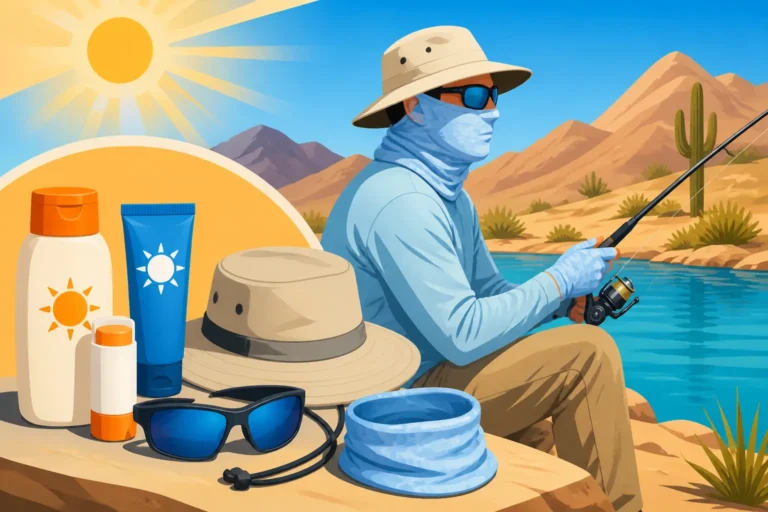
Nevada's sun is no joke. Seriously, it's intense, even on a cool day. Adequate sun protection is paramount to prevent sunburn, heat exhaustion, and long-term skin damage. Start with UPF-rated clothing, including long-sleeved shirts, pants, and neck gaiters. These fabrics offer excellent sun blocking without being overly hot. A wide-brimmed hat is crucial for protecting your face, ears, and neck, and polarized sunglasses will not only protect your eyes but also help you spot fish beneath the surface. Don't forget high-SPF, water-resistant sunscreen for any exposed skin.
Hydration is equally critical. Carry a large, insulated water bottle or, even better, a hydration pack that you can sip from hands-free. Plan to bring significantly more water than you think you'll need, especially on multi-hour trips or during the hotter months. Consider adding electrolyte tablets or mixes to some of your water bottles to help replenish essential salts lost through sweat. A small, personal cooler packed with ice and refreshing drinks is a luxury that becomes a necessity in the Nevada heat. It's truly amazing how quickly dehydration can set in and ruin an otherwise perfect fishing day, so prioritize staying cool and hydrated above all else.
Maintenance and Transport: Keeping Your Gear Ready
Your kayak and gear are an investment, and proper care ensures they last through countless Nevada adventures. Getting your setup to and from the water is also a key part of the experience that needs to be considered.
Post-Trip Care for Kayak and Gear
After a fantastic day on the water, it's tempting to just put everything away and relax. However, a few minutes of post-trip care will significantly extend the life of your kayak and fishing gear. Always give your kayak a good rinse with fresh water, especially if you've been in salty or brackish water (though most Nevada waters are freshwater). This removes dirt, sand, and any potential invasive species you might inadvertently spread, like quagga mussels. Pay special attention to pedal drives or rudder systems, flushing out any grit. Allow the kayak to air dry completely before storing to prevent mildew and odor.
For your rods, reels, and tackle, a quick wipe-down with a damp cloth and then drying is usually sufficient. Periodically, especially after heavy use or exposure to harsh conditions, you might want to lightly oil your reels according to the manufacturer's instructions. Always remove lures from rods before storing them to prevent tangles or accidental injuries. Store your kayak in a shaded area, preferably indoors or under a cover, to protect it from Nevada's intense UV rays, which can degrade plastic over time. Store it on its side or upside down to prevent hull warping.
Transporting Your Kayak Safely
Getting your kayak to the water is often half the battle. If you have a smaller, lighter kayak, strapping it to a roof rack on your vehicle might be an easy solution. Ensure you have proper kayak cradles or foam blocks to protect both your kayak and your vehicle's roof, and use heavy-duty cam straps (not bungee cords!) to secure it firmly. Always tie down the bow and stern of the kayak to the front and rear of your vehicle to prevent lift and sway at highway speeds. For a detailed look at options, check out our guide on Best Roof Rack for Carrying a Kayak.
For heavier or multiple kayaks, a dedicated kayak trailer can be a game-changer. These trailers are designed to safely transport kayaks and often make launching and loading much easier, especially if you're fishing solo. They also free up your vehicle's roof for other gear or provide better fuel efficiency than roof-mounted options. Regardless of your transport method, always double-check your tie-downs before hitting the road, and periodically check them during long drives. The last thing you want is your kayak becoming a road hazard! For navigating rocky shorelines or longer hauls from the parking lot to the water, a kayak cart can save your back. Our Best Kayak Cart for Launching at a Rocky Shoreline provides excellent advice here.
Registration and Permitting for Kayaks in Nevada
Understanding the legal requirements for your kayak in Nevada is just as important as having the right gear. Generally, non-motorized kayaks, canoes, and paddleboards do not need to be registered with the Nevada Department of Wildlife (NDOW). This is great news for many casual paddlers. However, if you equip your kayak with any form of mechanical propulsion—even a small electric trolling motor—it then falls under the state's boating regulations and must be registered. This applies whether the motor is used or not; simply having it attached triggers the registration requirement. Our Nevada Nonmotorized Boat Rules article explains these distinctions in more detail, and answers questions like Do you need to register an inflatable kayak in Nevada?.
Beyond state registration, some specific bodies of water in Nevada require additional permits. The most prominent example is Pyramid Lake, which is on tribal land and requires a separate tribal fishing permit in addition to your state fishing license. You'll need to purchase this permit from the Pyramid Lake Paiute Tribe, often available at specific local stores or online. Always check the regulations for the specific body of water you plan to fish. Getting caught without the proper registration or permits can result in hefty fines, spoiling your entire trip. A quick check of resources like Pyramid Lake Fishing Permit Guide before you go can save a lot of headaches.
| Gear Category | Essential Items | Why It's Crucial for Nevada Kayak Fishing |
|---|---|---|
| Kayak | Sit-on-Top Fishing Kayak (10-14 ft) | Stability for casting, self-bailing, open deck space for gear. Longer for big lakes. |
| Propulsion | Correct-Length Paddle (fiberglass/carbon), Pedal Drive (optional), Trolling Motor (optional, requires registration) | Primary/backup propulsion, hands-free fishing, covering large distances, wind resistance. |
| Anchoring | Grapple Anchor (1.5-3lb), Anchor Rope (50ft), Anchor Trolley | Holding position in wind/current, precise boat positioning. |
| Safety | PFD (worn!), Marine VHF Radio, Waterproof Phone, Whistle, Signal Mirror, First Aid Kit, Spare Paddle, Paddle Float | Lifesaving, communication in emergencies, basic medical care, self-rescue. |
| Sun/Hydration | UPF Clothing, Wide-Brimmed Hat, Polarized Sunglasses, High-SPF Sunscreen, Insulated Water Bottles/Hydration Pack | Protection from intense desert sun, preventing dehydration/heat exhaustion. |
| Fishing Specifics | 6-7ft Medium Action Rods, Reels (2000-3000 spinning, 100/200 baitcasting), Waterproof Tackle Boxes, Pliers, Net | Manageable for seated casting, species-appropriate, organized tackle, safe fish handling. |
| Electronics | Fish Finder with GPS, 12V Battery | Locating fish/structure, navigation on vast lakes, marking spots. |
| Transport | Roof Rack w/ Cradles & Tie-Downs, or Kayak Trailer, Kayak Cart | Safe and easy transportation to and from diverse launch points. |
| Documentation | Nevada Fishing License, Pyramid Lake Permit (if applicable), Kayak Registration (if motorized) | Legal compliance for all fishing and boating activities. |
Disclaimer
This article is for general informational purposes only and does not constitute professional advice. Laws, prices and regulations vary by location and change over time. Consult a qualified professional for guidance on your specific situation.