Nevada Fishing Regulations Explained
Navigating the world of fishing regulations can feel like trying to untangle a particularly stubborn bird's nest of fishing line – frustrating, confusing, and often leaving you wondering if you're even allowed to cast a line. Many anglers, new and experienced alike, often feel overwhelmed by the sheer volume of rules and wonder if they're inadvertently breaking the law. This comprehensive guide is here to untangle that mess, breaking down the specific fishing regulations in Nevada so you can spend less time worrying and more time enjoying the Silver State's incredible waters.
Understanding the Basics: Why Regulations Exist
Before we dive into the nitty-gritty of licenses and limits, it's helpful to understand why all these rules are in place. It's not just to make life complicated, I promise! The Nevada Department of Wildlife (NDOW) designs these regulations with a few critical goals in mind, all aimed at protecting our natural resources for generations to come.
Protecting Nevada's Diverse Fisheries
Nevada is a land of striking contrasts, from the high desert lakes brimming with Lahontan cutthroat trout to the warm waters of Lake Mead, home to massive striped bass. This incredible diversity of fish species and habitats requires a careful approach. Without regulations, it wouldn't take long for overfishing to decimate populations, especially in smaller, more sensitive ecosystems. Think about it – if everyone kept every fish they caught, regardless of size or species, some populations simply wouldn't be able to recover. The rules help to ensure that the unique fish living in different parts of our state can continue to thrive.
Imagine fishing at a delicate high-mountain lake, teeming with brook trout. If there were no limits on how many you could keep, or if people weren't restricted to certain lures or baits, that small, isolated population could be wiped out in a season or two. Regulations, therefore, act as a vital safeguard, often tailored to the specific vulnerabilities of the fish in a given water body. They consider things like breeding cycles, natural predation, and the overall health of the ecosystem to prevent irreversible damage.
Ensuring Sustainable Fishing Opportunities
Beyond protecting the fish themselves, regulations also aim to protect the opportunity to fish. What good is a lake if there are no fish left to catch? Sustainable fishing means managing resources so that current anglers can enjoy the sport without compromising the ability of future generations to do the same. This involves setting bag limits, size restrictions, and specific seasons to allow fish populations to reproduce and grow.
For example, bass often have closed seasons during their spawning period in certain waters. This isn't to be a spoilsport; it's to give those fish a chance to lay their eggs and ensure a healthy next generation of bass for everyone to enjoy. Similarly, size limits for certain trout or bass ensure that younger fish have a chance to mature and reproduce at least once before being harvested. It's a delicate balance, and NDOW works tirelessly to monitor fish populations and adjust these rules as needed, ensuring that you and your grandkids can still experience the thrill of a bending rod in Nevada's beautiful waters.
The Role of NDOW in Setting Rules
The Nevada Department of Wildlife (NDOW) is the primary state agency responsible for managing, conserving, and enhancing Nevada's wildlife resources, including its fisheries. They're the ones who conduct the scientific research, monitor fish populations, stock fish, and, of course, develop and enforce all the fishing regulations. They rely on biologists, wardens, and public input to make informed decisions.
Every year, NDOW publishes a comprehensive regulation booklet that details all the rules and changes. This document is truly your fishing bible for Nevada. They often hold public meetings and solicit feedback from anglers, so the regulations aren't just arbitrary decrees; they are a collaborative effort to best manage our shared resources. While it can sometimes feel like a lot to keep up with, remember that these professionals are working to keep Nevada's fishing healthy and vibrant.
Nevada Fishing License Requirements: Who Needs One?
Alright, let's get down to brass tacks: the fishing license. This is arguably the most fundamental regulation of all. Just like you need a driver's license to operate a car, you need a fishing license to legally fish in Nevada's public waters. There are very few exceptions, and understanding these rules from the start will save you a lot of grief and potential fines. If you're wondering how to get one, our guide on how to get a fishing license in Nevada provides a detailed walkthrough.
Age Requirements and Exemptions
This is where it gets a little nuanced. Generally speaking, if you're 12 years of age or older, you must possess a valid Nevada fishing license. This applies to both residents and non-residents. However, there are a couple of key exemptions that are important to note:
- Children Under 12: Anglers under the age of 12 are typically exempt from needing a fishing license in Nevada. This is fantastic news for families looking to introduce kids to the joy of fishing without the added cost and paperwork. It's a great way to foster a love for the outdoors from a young age. While they don't need a license, they still need to adhere to all bag limits, size restrictions, and other regulations for the waters they are fishing. You can find more details on Nevada Fishing License for Kids Under 12.
- Nevada Free Fishing Day: Each year, NDOW designates one day as "Free Fishing Day" where anyone can fish in most public waters without a license. This is an incredible opportunity for new anglers or those who just want to try it out. It's usually held in June. Keep an eye on the NDOW website or our Nevada Free Fishing Day Guide for exact dates and any specific rules that might apply to that day.
Even with these exemptions, it's always smart to double-check the latest regulations, as rules can sometimes change or have specific caveats for certain waters.
Resident vs. Non-Resident Licenses
Nevada offers different license types and fee structures based on your residency status. As you might expect, resident licenses are generally less expensive, a perk for those who call the Silver State home.
- Nevada Resident: To qualify as a Nevada resident for licensing purposes, you generally need to have physically resided in the state for at least six consecutive months immediately prior to applying for the license, and you must not claim residency for any other state for any purpose. This often involves showing proof of residency, such as a Nevada driver's license or utility bills. Resident licenses typically come in annual, 1-day, or combination hunting/fishing options. Explore the Nevada Resident Fishing License Types for more details.
- Nevada Non-Resident: If you don't meet the residency requirements, you'll need a non-resident license. These are priced higher but still offer various options, including annual licenses, short-term permits (like a Nevada 1-Day Fishing Permit Details), or even multi-day options that can be beneficial for tourists visiting for a longer fishing trip. Before you head out, make sure you understand the Nevada Nonresident Fishing License Types available.
It's crucial to be honest about your residency status. Misrepresenting your residency to obtain a cheaper license is a serious offense and can lead to hefty fines and legal trouble. Always verify your status and purchase the correct license type.
Special Permits and Stamps
Just when you thought you had the license thing figured out, some waters or fish species in Nevada require additional permits or stamps. This is where many anglers get tripped up, especially those unfamiliar with specific regional rules.
- Nevada Trout Stamp: If you plan on fishing for trout in most Nevada waters, you will need a valid Nevada Fishing License and a Nevada Trout Stamp. This stamp is an additional endorsement that helps fund trout management and stocking programs. It's usually a small additional cost. However, there are exceptions, such as if you purchase a 1-day fishing permit, the trout stamp is often included or not required for that specific short-term license. Don't leave home without checking our Nevada Trout Stamp Requirements if trout are on your target list!
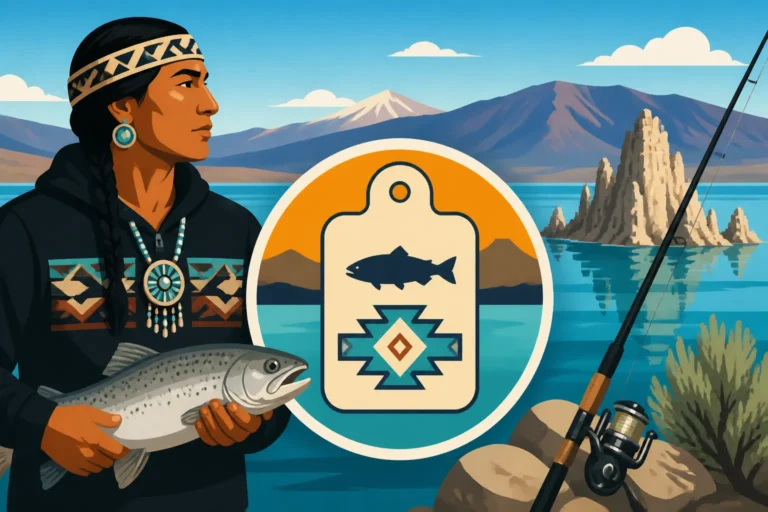
- Pyramid Lake Fishing Permit: This is a big one. Pyramid Lake, located north of Reno, is on tribal land of the Pyramid Lake Paiute Tribe. A standard Nevada fishing license is not valid here. You must purchase a separate, special tribal fishing permit from the Pyramid Lake Paiute Tribe. These permits are available for purchase online, at local tackle shops around the lake, or at the Pyramid Lake Marina. Failing to have this permit will result in significant fines. It's a truly unique fishery, home to the world-famous Lahontan cutthroat trout, but it comes with its own set of rules, clearly outlined in our Pyramid Lake Fishing Permit Guide.
- Other Special Regulations: Some specific waters, like certain urban ponds or private lakes that are publicly accessible, might have their own unique permit requirements or additional fees. Always check the regulations for the specific body of water you intend to fish.
Getting your license and any necessary stamps or permits sorted out before you leave home is perhaps the most important pre-fishing step. You can often buy them online directly from NDOW's website, or at authorized vendors like sporting goods stores (many of which you can find by searching on Amazon, for example, for local fishing gear and tackle shops, then checking their websites).
General Statewide Regulations: What Every Angler Needs to Know
Beyond your license, there are a host of general rules that apply across most of Nevada's public waters. These are the daily operational guidelines that dictate how, when, and what you can catch. Ignorance of these rules is not an excuse, and game wardens are quite diligent in ensuring compliance to protect our valuable fisheries.
Daily and Possession Limits Explained
This is where many anglers get confused. What's the difference between a "daily limit" and a "possession limit"? It's actually quite simple once you break it down, but critical to understand to avoid violations. Our article on Nevada Statewide Bag Limits Explained offers an in-depth explanation.
- Daily Limit: This refers to the maximum number of fish of a certain species you are allowed to catch and keep in a single calendar day (midnight to midnight). For example, if the daily limit for rainbow trout is 3, you can only keep 3 rainbow trout from midnight to midnight, regardless of how many times you go out to fish that day or where you fish. Once you reach your daily limit, you must stop fishing for that species for the rest of the day, or switch to catch-and-release only if that is allowed for the specific species and water.
- Possession Limit: This refers to the maximum number of fish of a certain species that you are allowed to have in your possession at any given time, whether they are fresh, frozen, canned, or otherwise preserved. This limit is often higher than the daily limit (e.g., two daily limits). It accounts for fish you might have caught on previous days and still have stored. For instance, if the daily limit is 3 trout and the possession limit is 6, you could catch 3 trout on Monday and keep them, then catch another 3 trout on Tuesday and keep them, bringing your total possession to 6. However, if you already have 6 trout at home from previous trips, you cannot keep any more until some of those are consumed or given away. The possession limit is especially important for multi-day trips or when you have fish stored at home.
It's also important to note that these limits can apply to individual species (e.g., 5 largemouth bass) or to a combined total of multiple species (e.g., 5 trout, any species combined). Always check the specific regulations for the water and species you are targeting.
Legal Fishing Hours and Seasons
Most of Nevada's waters are open to fishing year-round, 24 hours a day, but there are important exceptions and seasonal considerations that could impact your trip. Our guide on Nevada Fishing Season Dates and Limits offers a detailed look at these timeframes.
- Year-Round Fishing: Many large reservoirs like Lake Mead, Lake Mohave, and various smaller lakes and urban ponds allow fishing throughout the year. This provides fantastic opportunities for anglers to target different species as seasons change. However, even in year-round waters, specific species might have their own seasonal restrictions, particularly during spawning periods.
- Seasonal Closures: Certain rivers, streams, or high-elevation lakes might have seasonal closures. These closures are typically in place to protect spawning fish, allow young fish to mature, or manage fragile ecosystems. For instance, some trout streams might be closed during winter months or during the spring spawning run. Always consult the regulation booklet for the specific water you plan to visit.
- Fishing Hours: While many waters are open 24/7, some urban ponds or specific areas might have designated fishing hours, often coinciding with park operating hours (e.g., dawn to dusk). For the most part, though, if a water body is open to fishing, you can often fish it at night, which can be fantastic for species like catfish or striped bass during warmer months. However, specific locations, especially those within state parks or city limits, often have explicit rules regarding night fishing that you absolutely must abide by.
Permitted Bait and Tackle Restrictions
This is an area where regulations can get quite specific and vary significantly from one water body to another. What's legal to use at Lake Mead might be strictly prohibited at Pyramid Lake.
- General Restrictions:
- Live Bait: The use of live baitfish (like minnows, shad, or shiners) is often highly regulated or prohibited in many Nevada waters to prevent the introduction of invasive species. It's often required that if live baitfish are allowed, they must be from an approved source (e.g., purchased from a licensed dealer) and often cannot be transported from one body of water to another. Common live baits like worms, crickets, or mealworms are generally allowed in most waters for species like trout and panfish.
- Artificial Lures/Flies: Artificial lures and flies are generally permitted, but certain waters might have restrictions on the number of hooks per lure, or even require single, barbless hooks.
- Barbless Hooks: Pyramid Lake is the most famous example of a water body requiring single, barbless hooks, a rule strictly enforced to protect the Lahontan cutthroat trout, which are often caught and released. Other fragile fisheries might also implement similar rules. If you're using barbed hooks, you can often pinch down the barb with pliers to comply. You can easily find barbless hooks or tools to modify your hooks on Amazon.
- Chumming: The practice of "chumming" (broadcasting bait into the water to attract fish) is prohibited in most Nevada waters. This is to prevent water pollution and avoid over-concentration of fish in unnatural feeding patterns.
- Specific Water Body Rules: The most stringent rules regarding bait and tackle often apply to unique or sensitive fisheries. For instance, Pyramid Lake has very specific rules about what lures and baits are allowed, primarily to protect the unique Lahontan cutthroat trout. Similarly, some designated "trophy trout" waters might have artificial-lure-only rules or restrictions on treble hooks.
Always, always consult the current NDOW Fishing Regulations booklet for the specific water you are visiting. A quick check can prevent a costly fine and ensure you're fishing responsibly.
Species-Specific Rules: Protecting Nevada's Prized Catches
Nevada is a fantastic state for diverse fishing, and each major species has its own set of rules regarding size, limits, and sometimes even seasonal restrictions. These regulations are designed to manage individual fish populations effectively.
Trout Regulations
Trout are incredibly popular in Nevada, from the stocked rainbows in urban ponds to the wild Lahontan cutthroat in Pyramid Lake. The regulations vary significantly depending on the type of trout and the water you're fishing.
- Rainbow Trout, Brown Trout, Brook Trout: For most general trout fishing, you'll find statewide daily limits for a combined total of these species. For example, a common rule might be a daily limit of 3 or 5 trout, any species combined. Size limits may also apply, requiring fish to be over a certain length to be kept. These regulations help maintain healthy populations, especially in waters that are regularly stocked by NDOW. Always be sure to check the Nevada Trout Daily Limit Rules for the specific region you're fishing.
- Lahontan Cutthroat Trout (Pyramid Lake): This iconic species is in a league of its own. Pyramid Lake has extremely specific and often dynamic regulations for Lahontan cutthroat trout, including a slot limit (where fish within a certain size range must be released) and a daily limit on the number of fish you can keep outside that slot. For example, you might be allowed to keep one fish over 24 inches, but all fish between 17 and 24 inches must be released. These rules are put in place by the Pyramid Lake Paiute Tribe to protect the genetically pure population and allow larger, trophy fish to thrive. It is absolutely essential to understand the Pyramid Lake Season and Bag Limit Rules before fishing there.
- Mackinaw (Lake Trout) at Lake Tahoe: Lake Tahoe, straddling the Nevada and California border, is famous for its deep-water Mackinaw. These large, predatory trout have their own specific limits, which can include a daily limit and sometimes a maximum size limit to protect the largest breeding fish. Regulations here can also be complex due to the interstate nature of the lake, so check both Nevada and California rules if fishing near the border. You'll find specific details in Lake Tahoe Nevada Fishing License Rules.
Bass Regulations
Nevada's desert lakes, especially Lake Mead and Lake Mohave, are renowned for their bass fishing, including largemouth, smallmouth, and the hard-fighting striped bass.
- Largemouth and Smallmouth Bass: These "black bass" species are often found in warmer, shallower waters. Typical regulations include a daily limit and a minimum size limit. For instance, you might be allowed to keep 5 bass, but they must all be at least 13 inches long. These rules help ensure that bass have a chance to grow and reproduce before being harvested. Understanding the Nevada Bass Daily Limit and Size Rules is key for a successful and legal trip.
- Striped Bass: Stripers in Lake Mead and Lake Mohave are a huge draw for anglers. Historically, they've had very liberal limits due to their abundance, but even these can change based on population health and forage availability. Often, there's a generous daily limit with no size restriction, or a slot limit that allows for the harvest of smaller fish while protecting larger breeding stock. Always verify the current daily and possession limits before targeting these powerful fish. The best bait for striped bass, like shad imitations or swimbaits, can often be found on Amazon.
Other Species
Nevada's waters also hold other exciting species, each with its own set of regulations.
- Channel Catfish: Catfish are abundant in many of Nevada's warmer lakes and rivers. They typically have a generous daily limit, often around 10 fish, with no size restrictions. They're a popular target for bank anglers and often bite well at night.
- Wiper (Hybrid Striped Bass): These feisty hybrids, a cross between striped bass and white bass, are stocked in some Nevada reservoirs. They typically fall under similar regulations as striped bass, often with liberal daily limits.
- Crappie, Bluegill, Perch, Walleye: These panfish and other species generally have more liberal limits, often with daily limits of 10 or 15 fish, and sometimes no size restrictions. Walleye, while less common, may have more specific rules where they are present, such as in Rye Patch Reservoir.
The most important takeaway for species-specific rules is that they are highly localized. What's legal for a rainbow trout in an urban pond might be completely different for a Lahontan cutthroat in Pyramid Lake. Always check the regulation booklet or the NDOW website for the specific water you plan to fish.
Location-Specific Regulations: Navigating Nevada's Unique Waters
Nevada's diverse geography means that regulations aren't uniform across the entire state. From vast desert reservoirs to high-mountain lakes and interstate rivers, each body of water often has its own unique set of rules designed to protect its specific ecosystem and fish populations.
Lake Mead and Lake Mohave Rules
These two massive reservoirs on the Colorado River system are shared between Nevada and Arizona. While both states generally try to harmonize regulations, it's crucial to be aware that some differences might exist, especially concerning licenses.
- Interstate Fishing: If you have a Nevada fishing license, you can generally fish the Nevada portions of Lake Mead and Lake Mohave. If you plan to fish the Arizona side, you would also need an Arizona fishing license. However, there are often reciprocal agreements or special stamps that allow a license from one state to be valid in the concurrent waters of both states. Always verify these reciprocal agreements as they can change.
- Species Focus: These lakes are prime spots for striped bass, largemouth bass, and channel catfish. Regulations typically reflect the abundance of these species, often with generous daily limits, especially for striped bass, to help manage their populations.
- Boating Regulations: As these are large bodies of water with heavy boat traffic, specific boating safety regulations, including life jacket requirements, speed limits in certain zones, and invasive species prevention measures, are strictly enforced.
Fishing in Lake Mead and Lake Mohave is an incredible experience, but understanding the nuances of interstate regulations is essential.
Lake Tahoe and Truckee River Regulations
Lake Tahoe is another iconic interstate water body, shared with California. Its deep, clear waters are home to Mackinaw (Lake Trout), kokanee salmon, and various species of trout. The Truckee River, flowing out of Lake Tahoe, is a world-renowned trout stream.
- Lake Tahoe: Similar to Lake Mead, a Nevada fishing license is generally valid on the Nevada side of Lake Tahoe. If you cross into California waters, a California fishing license would be required. Again, check for specific reciprocal agreements for concurrent waters. Regulations for Lake Tahoe often focus on Mackinaw trout, with specific limits, and sometimes include rules for kokanee salmon during their spawning runs. Remember, the rules here are often geared towards protecting the lake's unique cold-water fishery.
- Truckee River: The Truckee River, particularly the stretches near Reno, is a famous fly-fishing destination. Regulations here are often very specific and can vary by river section. Many parts are designated "catch-and-release only" or "artificial lures only" to protect the wild trout populations. It is absolutely critical to check the detailed regulations for the exact stretch of river you intend to fish, as rules can change dramatically from one bridge to the next.
These sensitive, beautiful waters demand that anglers pay close attention to the highly specific regulations to ensure their continued health.
Pyramid Lake Special Rules
We've touched on this already, but Pyramid Lake deserves its own dedicated section because its regulations are truly unique and non-negotiable. As mentioned, it's tribal land, and a Nevada state fishing license is NOT valid. You need a tribal permit.
- Tribal Permit: Obtain your permit from the Pyramid Lake Paiute Tribe. This permit is your license to fish here. You can find detailed instructions in our Pyramid Lake Fishing Permit Guide.
- Barbless Hooks: Single, barbless hooks are mandatory. This rule is strictly enforced to protect the Lahontan cutthroat trout, as most are caught and released.
- Slot Limits: Specific slot limits for Lahontan cutthroat trout are in place. This means fish within a certain size range must be immediately released, unharmed. You might only be allowed to keep fish below or above a certain size window. These limits are designed to protect the breeding stock and allow for trophy-sized fish to develop.
- Specific Seasons and Hours: Pyramid Lake often has specific fishing seasons (e.g., typically closed during parts of the summer) and designated fishing hours (e.g., dawn to dusk in certain areas).
- Bait Restrictions: There are often strict restrictions on the types of bait allowed. Live baitfish are generally prohibited.
- Boat Rules: If you're planning on using a boat, there are specific boat launch rules and often additional fees or permits required.
Pyramid Lake is an extraordinary fishery, but the tribe's regulations are paramount for its preservation. Disregarding these rules can lead to significant fines and even being banned from the lake.
Urban Pond Regulations
For many families and casual anglers, Nevada's urban ponds are fantastic, easily accessible fishing spots. Found in cities like Las Vegas, Henderson, Reno, and Sparks, these ponds are regularly stocked by NDOW with rainbow trout, catfish, and sometimes bass or panfish.
- Stocking Schedules: NDOW regularly stocks these ponds, especially with trout during cooler months and catfish during warmer months. This makes for consistent fishing opportunities.
- General Rules: While they follow general statewide license requirements (kids under 12 typically don't need one), urban ponds often have specific daily limits that might differ slightly from larger reservoirs. For example, a pond might have a daily limit of 3 trout, while a larger lake allows 5.
- Park Rules: Since these ponds are usually located within city or county parks, they are subject to park rules regarding hours of operation (e.g., no night fishing), use of facilities, and sometimes even specific bait restrictions (e.g., no live baitfish). Always check the signage at the park entrance or pond area for any localized rules.
- Accessible Fishing: Many urban ponds are designed with accessibility in mind, featuring fishing piers and paved pathways, making them ideal for beginners, children, and anglers with mobility challenges.
These urban gems are a wonderful resource, but like all Nevada waters, they come with a few specific guidelines to ensure everyone can enjoy them responsibly.
Boating Regulations and Safety: More Than Just the Fish
For many anglers, a boat is an essential tool for reaching prime fishing spots on Nevada's vast lakes. But owning and operating a boat in Nevada comes with its own set of regulations, focusing on safety, environmental protection, and ensuring everyone can share the waterways responsibly. If you're thinking about buying or registering a boat, our Nevada Boat Registration for Anglers guide is a great place to start.
Boat Registration and Required Equipment
Just like your car, your boat needs to be properly registered with the Nevada Department of Wildlife (NDOW). This applies to any motorized vessel, as well as sailboats over 8 feet in length.
- Registration Process: The registration process involves submitting an application, proof of ownership (like a title or bill of sale), and paying the appropriate fees. These fees are typically based on the length of your vessel. Once registered, you'll receive a registration card and decals that must be displayed on your boat.
- Required Safety Equipment: This is crucial for your safety and the safety of others on the water. All boats must carry specific safety equipment, including:
- Life Jackets (PFDs): You must have a U.S. Coast Guard-approved life jacket for every person on board. Children 12 years of age and younger are required to wear a life jacket at all times when underway.
- Throwable Flotation Device: A buoyant cushion or ring buoy is required for boats 16 feet or longer (excluding canoes and kayaks).
- Sound-Producing Device: A whistle, horn, or bell to signal other vessels.
- Fire Extinguisher: Required for most motorized boats.
- Navigation Lights: If operating between sunset and sunrise.
- Visual Distress Signals: Required for vessels operating in coastal waters or waters beyond the "line of demarcation" (though less common for inland Nevada fishing).
Before heading out, perform a thorough safety check to ensure all your equipment is in good working order. Local sporting goods stores (many of which, again, can be researched and sourced on Amazon for general boating accessories) will have all the necessary safety gear.
Boater Education Card Requirements
To further enhance safety on Nevada's busy lakes, the state requires boater education for certain individuals.
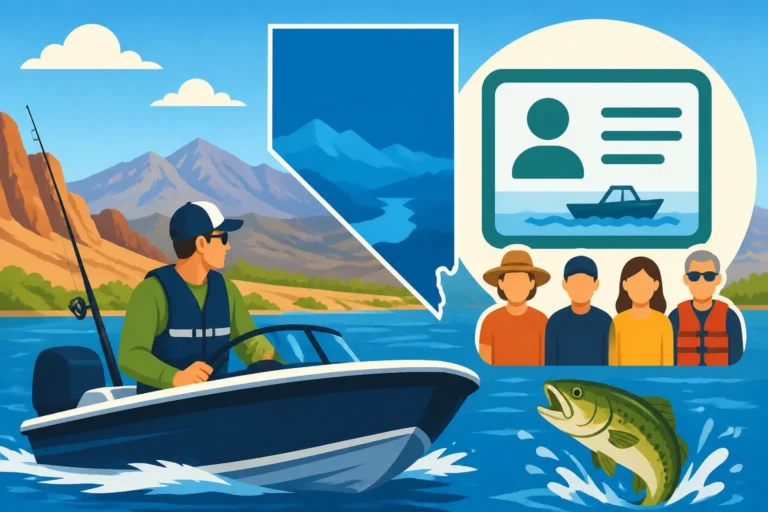
- Who Needs One: If you are 12 years of age or older and operate a motorboat with a motor greater than 15 horsepower on Nevada waters, you are generally required to possess a Nevada Boater Education Card. This applies to both residents and non-residents. There are certain exceptions, such as for those operating a vessel for 90 days or less, but for regular anglers, it's a good idea to get it.
- How to Obtain: The card is obtained by successfully completing an approved boater education course. These courses cover everything from navigation rules and safety procedures to environmental awareness. You can find more information about this requirement and how to fulfill it in our Nevada Boater Education Card Requirement article.
Investing in boater education makes you a safer, more responsible boater, which benefits everyone on the water.
Invasive Species Prevention
Nevada is particularly vigilant about preventing the spread of aquatic invasive species (AIS), such as quagga and zebra mussels. These non-native species can wreak havoc on ecosystems, clog waterways, and damage infrastructure.
- "Clean, Drain, Dry": This is the golden rule for preventing AIS spread. Before leaving any body of water, you must:
- Clean: Remove all visible plants, animals, and mud from your boat, trailer, and fishing gear.
- Drain: Drain all water from your boat, including the bilge, live wells, and engine cooling system.
- Dry: Allow your boat and equipment to thoroughly dry before launching into another water body.
- Inspection Stations: Many popular lakes, particularly Lake Mead and Lake Mohave, have mandatory AIS inspection stations. You must stop at these stations, and your boat may be inspected. Failure to comply can result in fines and refusal of launch.
- Penalties: The penalties for transporting or introducing invasive species are severe, reflecting the serious threat they pose to Nevada's aquatic environments.
Being diligent about AIS prevention is not just a regulation; it's a responsibility every angler and boater shares to protect our precious waters.
Common Violations and Penalties: What Not to Do
Nobody wants to get a ticket while enjoying a peaceful day of fishing. Unfortunately, violations do happen, often due to a lack of awareness rather than malicious intent. Understanding the most common infractions and their potential consequences can help you avoid a costly mistake. Our article on Nevada Fishing Violation Penalties gives a broad overview of what you might face.
Fishing Without a License or Permit
This is perhaps the most common and easily avoidable violation. As we discussed, almost everyone 12 and older needs a license, and special waters like Pyramid Lake require specific tribal permits.
- The Scenario: You head out for a spontaneous fishing trip, forgetting your license at home, or perhaps you're a visitor who wasn't aware you needed one.
- The Consequence: Fishing without a valid license or necessary permit is a misdemeanor offense in Nevada. Penalties can include significant fines (often several hundred dollars), court costs, and potentially the confiscation of your fishing gear. Repeat offenses can lead to even harsher penalties, including jail time or the revocation of future fishing privileges. It's simply not worth the risk. Make sure you check the specific cost to replace a lost Nevada fishing license if you misplace yours.
Always carry your valid fishing license and any required stamps or permits with you, either as a physical copy or a digital copy on your phone. Game wardens have the authority to check these at any time.
Exceeding Bag Limits or Size Restrictions
This is another frequent violation, especially for excited anglers or those who aren't careful about counting or measuring their catch.
- The Scenario: You've had a banner day, and in your excitement, you keep one too many fish, or you mistakenly keep a fish that's undersized (or oversized, if a slot limit applies).
- The Consequence: Exceeding bag limits or keeping fish that don't meet size requirements is also a misdemeanor. Fines are typically substantial, and they can increase depending on the number of fish over the limit or the severity of the size violation. Additionally, the illegally possessed fish will be confiscated. This is why it's crucial to know the specific daily and possession limits for the water and species you're targeting before you start fishing. Always bring a tape measure if size limits are in effect!
Understanding Game Warden Authority
Nevada Department of Wildlife game wardens are fully commissioned law enforcement officers with broad authority to enforce all wildlife and boating laws. They are on the water and in the field specifically to protect Nevada's natural resources and ensure public safety.
- Their Role: Wardens patrol fishing areas, conduct vessel safety checks, and are authorized to ask to see your fishing license, permits, and catch. They can inspect your tackle, live wells, and coolers. Their job is to ensure everyone is complying with regulations.
- Your Cooperation: If approached by a game warden, always be polite, cooperative, and truthful. They are there to do a job, and your cooperation helps them do it efficiently. Obstructing a warden, refusing to show identification or your catch, or being confrontational can lead to additional charges.
- Reporting Violations: If you witness a suspected violation, you can report it to NDOW. This helps them protect our shared resources.
A good rule of thumb: always fish as if a game warden is watching, because they very well might be!
Staying Informed and Where to Find Official Information
The world of fishing regulations isn't static; rules can change from year to year, or even mid-season if biologists observe a significant shift in fish populations or environmental conditions. Staying current is your responsibility as an angler.
Accessing the Latest Regulation Booklet
The official Nevada Fishing Regulations booklet is your ultimate resource. NDOW publishes a new one annually, usually available around March 1st.
- Online Access: The easiest and most up-to-date way to get the booklet is to download the PDF directly from the NDOW website. This ensures you have the absolute latest information, including any emergency rule changes that might occur.
- Physical Copies: Physical copies are often available at NDOW offices, most sporting goods stores (like Scheels, Cabela's, or smaller local tackle shops), and sometimes at general stores near popular fishing destinations. When you're buying new tackle on Amazon, it's worth checking if your local tackle shop has the latest booklet in stock, as they're often free.
- What to Look For: Always make sure you have the current year's booklet. Don't rely on an old copy, as regulations for Nevada fishing season closed dates or Nevada statewide trout daily limit might have changed.
NDOW Resources and Online Tools
Beyond the annual booklet, NDOW provides several excellent online resources that can help you stay informed.
- Website: The official NDOW website (ndow.org) is a treasure trove of information. It includes sections on fishing licenses, detailed regulations, fish stocking schedules, fishing reports, and news releases about any emergency rule changes.
- Mobile Apps: NDOW offers a mobile app (often called "NDOW Go Outdoors Nevada") that allows you to purchase and store your license digitally, view regulations, and sometimes even submit harvest reports. This is an incredibly convenient way to have your license and regulations at your fingertips.
- Contact NDOW: If you have a specific question that isn't clearly answered in the regulations, don't hesitate to contact your local NDOW office directly. Their staff are usually very helpful and would rather answer a question than issue a citation for a misunderstanding.
Local Tackle Shops as Information Hubs
Don't underestimate the value of your local tackle shop! These businesses are often run by passionate anglers who live and breathe fishing in Nevada.
- Local Expertise: Tackle shop owners and staff are often incredibly knowledgeable about local regulations, recent stocking efforts, and current fishing conditions. They can tell you about any recent rule changes that might affect your planned trip.
- Where to Buy Licenses and Gear: Many tackle shops are authorized license vendors, making them a convenient place to pick up your license, trout stamp, or even a Pyramid Lake permit. They also have all the gear you'll need, from specific baits for local species to essential items like sunscreen, which you can also find a wide variety of on Amazon.
- Community Boards: Many shops have community boards where local anglers share tips, photos, and information about what's biting and where.
Think of your local tackle shop as a living, breathing supplement to the official regulation booklet.
Understanding and following Nevada's fishing regulations doesn't have to be a headache. By taking a little time to prepare, familiarize yourself with the rules, and use the excellent resources available, you can ensure your fishing trips are not only successful but also entirely legal and responsible. This commitment to the rules helps preserve Nevada's incredible fisheries for all of us, for many years to come.
Nevada Fishing Regulations At A Glance
Here's a simplified overview of some common regulations. Remember, this table is for general reference only and does not replace the official NDOW regulations booklet for specific water bodies and current rules.
| Category | General Statewide Rule (Check for specific water/species) | Notes |
|---|---|---|
| Fishing License | Required for ages 12 and older. | Children under 12 are exempt. Different fees for residents/non-residents. Purchase online, at NDOW offices, or licensed vendors. |
| Trout Stamp | Required for trout fishing if 12 or older and not on a 1-day license (often included). | Additional endorsement. Funds trout management. |
| Pyramid Lake | Separate Tribal Permit REQUIRED. State license NOT valid. | Tribal rules for permits, seasons, hours, bait, barbless hooks, and slot limits for Lahontan Cutthroat Trout are strictly enforced. |
| Daily Limit | Maximum number of fish of a species or combined species you can keep in one calendar day. | Varies by species and water. E.g., 3-5 trout, 5 bass. |
| Possession Limit | Maximum number of fish of a species you can have at any given time (fresh, frozen, etc.). | Often two daily limits. |
| Fishing Hours | Most waters are 24/7. | Some urban ponds or parks have dawn-to-dusk rules. Check local signage. |
| Baitfish | Highly restricted or prohibited. | Live baitfish (minnows, etc.) generally forbidden or must be from approved sources. Worms/crickets generally allowed. |
| Barbless Hooks | Required in sensitive waters (e.g., Pyramid Lake, some trout streams). | Can crimp barbs on regular hooks with pliers. |
| Chumming | Prohibited in most Nevada waters. | Avoid broadcasting bait into the water. |
| Boater Education | Required for ages 12+ operating motorboats >15 HP. | Complete an approved course to obtain a Boater Education Card. |
| AIS Prevention | "Clean, Drain, Dry" your boat/gear. Stop at inspection stations. | Mandatory to prevent spread of aquatic invasive species like quagga mussels. Severe penalties for non-compliance. |
Disclaimer
The information provided in this guide is for general informational purposes only and is not a substitute for the official Nevada Department of Wildlife (NDOW) Fishing Regulations booklet. Fishing regulations can change frequently, and specific rules vary significantly by location and fish species. Always consult the most current official NDOW regulations and any specific tribal or local rules for the waters you plan to fish before heading out. Failure to do so may result in legal penalties.