How to Get a Fishing License in Nevada
Navigating the requirements for a fishing license in a new state can feel like deciphering a secret code, especially when you're just itching to get your line in the water. Nobody wants to deal with bureaucratic hurdles or, worse, face a hefty fine simply because they misunderstood a rule. This comprehensive guide is designed to demystify the process of how to get a fishing license in Nevada, ensuring you have all the facts, avoid common pitfalls, and can hit the water with confidence.
Understanding Nevada's Fishing License Requirements
Before you even think about what lure to tie on, you need to understand the fundamental rules governing fishing licenses in the Silver State. It's not always a one-size-fits-all situation, and knowing the specifics can save you a lot of headache and hassle.
Who Needs a License and Who is Exempt
The general rule of thumb in Nevada, like most places, is that if you're going to wet a line in public waters and you're over a certain age, you need a fishing license. This applies whether you're dangling a worm from a dock at Lake Mead or fly fishing a remote mountain stream in the Ruby Mountains. The Nevada Department of Wildlife (NDOW) is clear on this, and enforcement is quite common.
However, there are some important exceptions and age guidelines. For instance, children under the age of 12 do not need a fishing license to fish in Nevada. This is fantastic news for families looking to introduce their little ones to the joys of angling without the added cost and paperwork. It’s important to remember that while they don't need a license, they are still subject to all statewide fishing regulations, including bag limits and size restrictions, which often surprises new parents. If you're wondering about the specifics, check out our detailed guide on Nevada Fishing License Age Requirements or dive deeper into Do kids need a fishing license in Nevada?.
Another common exemption is Nevada's annual Free Fishing Day. This is a special day each year, typically in June, where anyone, resident or non-resident, can fish in most public waters without needing a state fishing license. It's a wonderful initiative to encourage participation in the sport and a great opportunity for beginners to try it out. While no license is required, remember that all other fishing regulations remain in effect. For more on this, you can explore our Nevada Free Fishing Day Guide. Lastly, if you're fishing on a private pond that is entirely enclosed and not connected to any other public waters, you usually don't need a state license. Always double-check, though, as "private" can sometimes be a gray area depending on water sources. For a full rundown of all the scenarios, our article on Nevada Fishing License Exemptions and Discounts has you covered.
Resident vs. Non-Resident Licenses
This is where things often get a little confusing, and the distinction is crucial because it significantly impacts the cost of your license. Nevada, like most states, offers different pricing structures for residents and non-residents, making it more affordable for those who contribute to the state's tax base.
To qualify as a Nevada resident for fishing license purposes, you generally need to have resided in the state for at least six consecutive months immediately preceding your application. You'll typically need to provide proof of residency, such as a Nevada driver's license or state ID, along with other supporting documents like utility bills or vehicle registration. It's not enough to just own property here; you truly need to live here. If you're a student attending school in Nevada or military personnel stationed here, there are specific provisions that often allow you to qualify as a resident, even if your permanent home is elsewhere. Understanding these nuances can save you a significant amount of money, especially if you plan to fish frequently. Our deep dive into Nevada Resident Fishing License Types can provide more clarity on this.
Non-residents are, quite simply, anyone who doesn't meet the state's residency requirements. If you're visiting Nevada for a vacation, a quick weekend getaway, or even if you own a second home here but don't live here permanently, you'll need to purchase a non-resident license. These licenses are more expensive but grant you the same fishing privileges as a resident license (within the bounds of state and local regulations). While it might feel a bit unfair to pay more, it's a common practice across the country, and the funds often go directly back into conservation efforts and fish stocking programs that benefit all anglers. For a detailed look at options available to visitors, check out our guide on Nevada Nonresident Fishing License Types.
Additional Stamps and Permits You Might Need
Just when you thought a fishing license was all you needed, some specific angling pursuits or locations in Nevada might require additional endorsements or permits. Ignoring these can lead to fines, even if you have your base license.
The most common additional requirement is the Nevada Trout Stamp. If you plan to fish for trout—and let's be honest, Nevada has some incredible trout fisheries—you'll need to purchase this stamp in addition to your regular fishing license. It’s a small extra fee, but it directly funds trout management programs, stocking efforts, and habitat restoration. So, while it's an added cost, it's an investment in the very fishing you enjoy. It’s important to clarify that this applies to all trout species, including rainbow, brown, cutthroat, and even Mackinaw (lake trout). Don't make the mistake of thinking you only need it for stocked waters; if it's a trout, you need the stamp. Our article on Nevada Trout Stamp Requirements delves into all the specifics of when and why you need this vital endorsement.
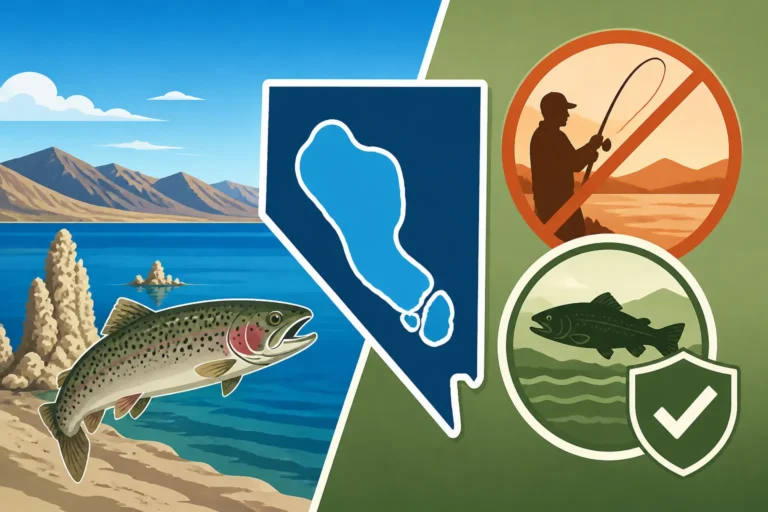
Beyond the statewide trout stamp, there are special regional permits you absolutely cannot overlook. The most prominent example is Pyramid Lake, a world-renowned fishery for Lahontan cutthroat trout. This lake is on tribal land, specifically the Pyramid Lake Paiute Reservation, and therefore requires a separate tribal fishing permit. Your state of Nevada fishing license is not valid at Pyramid Lake. You must purchase a tribal permit to fish there, in addition to following their specific rules and regulations, which can differ significantly from state rules (e.g., barbless hooks, specific seasons, slot limits). Many anglers, excited to fish this unique destination, mistakenly believe their state license is sufficient. Don't be one of them! Make sure you understand all the requirements for this incredible water by reading our Pyramid Lake Fishing Permit Guide. Other localized permits might exist for specific private waters or managed conservation areas, so always check with local authorities or the NDOW regulations booklet for your intended fishing spot.
Where to Purchase Your Nevada Fishing License
Okay, so you know what you need. Now, the big question is where to get it. Thankfully, Nevada has made the process relatively convenient, offering several avenues to secure your license.
Buying Online Through NDOW
For many, the easiest and most efficient way to purchase a Nevada fishing license is online, directly through the Nevada Department of Wildlife (NDOW) website. This option offers unparalleled convenience, allowing you to get your license from the comfort of your home, 24/7, without having to worry about store hours or travel.
The process is generally straightforward. You'll visit the NDOW licensing portal, create an account if you don't already have one, and follow the prompts to select the type of license and any necessary stamps (like the trout stamp). You'll need to provide some personal information, including your name, address, date of birth, and driver's license or state ID number. Once your purchase is complete, you'll typically receive a temporary license that you can print out immediately or save to your smartphone. This digital copy is usually sufficient to carry with you while fishing, though some prefer to print a physical copy for peace of mind. The system is designed to be user-friendly, guiding you through each step. A major advantage of buying online is the instant access and the ability to replace a lost license easily by simply logging back into your account. Plus, you can often renew your annual license with just a few clicks. For a step-by-step walkthrough, our guide on Buying a Nevada Fishing License Online is a great resource.
While the online system is fantastic, make sure you're on the official NDOW website (ndow.org). Beware of third-party sites that might try to charge extra fees for a service you can do yourself directly with the state. Always verify the URL before entering any payment information.
Visiting Authorized License Agents
If you prefer a more traditional, in-person approach, or if you simply don't have access to a printer or reliable internet, Nevada has a network of authorized license agents throughout the state. These agents are typically local businesses that partner with NDOW to sell fishing licenses.
You'll find these agents in a variety of locations, including many sporting goods stores, bait and tackle shops, and even some larger retailers like Walmart or Bass Pro Shops in bigger cities like Las Vegas or Reno. These locations are excellent because the staff often have firsthand knowledge of local fishing conditions, popular baits, and might even be able to provide advice on hot spots. It's a great opportunity to ask questions and get some local insights before you head out. When visiting an authorized agent, you'll need to bring valid identification and, if claiming Nevada residency, proof of your residency (e.g., a Nevada driver's license or state ID card). The agent will process your information, print your license on the spot, and usually hand it to you in a convenient, wallet-sized format. For a comprehensive list of places where you can go in person, our article on Where to Buy a Nevada Fishing License or more specifically, Nevada Fishing License at Sporting Goods Stores, can point you in the right direction.
One benefit of buying in person is that you can often pick up any last-minute gear you might need, from new lures to a fresh spool of line. While you're there, you might even consider browsing for some comfortable fishing apparel or a new tackle box on Amazon when you get home, to keep all your newly acquired gear organized.
Over the Phone Purchase Options
In the modern age, buying a fishing license over the phone is becoming less common as online portals become more sophisticated. However, in some states, a phone option for purchasing or renewing a license might still exist for those who prefer it or have specific issues with the online system.
For Nevada, the primary and most convenient methods are online or in-person with an authorized agent. While NDOW's customer service line can certainly help you with questions about licensing requirements, regulations, or technical issues with the online system, the direct purchase of a new license over the phone isn't typically offered as a standard option. It's best to prepare to use their online portal or visit a physical location. If you encounter a situation where you truly cannot use either of these methods, contacting NDOW's main customer service number might yield alternative solutions, but it's generally not the first or easiest route. Always plan ahead and utilize the online system or a local vendor.
Types of Nevada Fishing Licenses and Their Costs
Nevada offers a variety of license types tailored to different needs, from annual passes for dedicated local anglers to short-term options for visitors. Understanding these choices and their associated costs is key to picking the right one for your adventure.
Annual Licenses for Residents and Non-Residents
The annual fishing license is the workhorse of Nevada's licensing system and generally offers the best value for money if you plan to fish more than just a few days out of the year. These licenses are valid for a full year from the date of purchase (or a specific calendar year, depending on NDOW's system at the time of purchase, so always double-check the exact validity period).
For Nevada residents, an annual license is significantly more affordable than for non-residents, reflecting the state's support for its local angling community. The Nevada resident fishing license cost makes it feasible for locals to enjoy year-round fishing opportunities without breaking the bank. This single purchase covers all general fishing activities across the state for an entire year, making it the most economical choice for anyone living in Nevada who enjoys frequent trips to the lake or river.
Non-residents, as expected, face a higher price point for their annual license. While the Nevada nonresident fishing license cost might seem steep compared to the resident price, it still offers the best value for out-of-state anglers planning an extended stay or multiple trips within a year. For example, if you plan two week-long fishing trips to Lake Mead and Lake Mohave, an annual non-resident license will likely be more cost-effective than purchasing multiple short-term licenses. Remember, these annual licenses typically run for 365 days from the purchase date, so you don't lose out if you buy it mid-year. Always verify the exact Nevada annual fishing license expiration date when you make your purchase.
Short-Term Licenses: 1-Day, 5-Day, etc.
For those who are just passing through, planning a quick weekend getaway, or perhaps trying fishing for the very first time, Nevada provides convenient short-term licensing options. These are designed to be flexible and cost-effective for temporary visitors.
The most popular option is often the 1-day fishing license. This is perfect for a spontaneous decision to hit the water for a single day, or for tourists visiting Las Vegas who want to try their luck at a local urban pond or Lake Mead for just a few hours. The Nevada 1-day fishing license cost is much lower than an annual license, making it an accessible entry point. It's crucial to understand that a 1-day license is valid for a single 24-hour period, typically starting from the time of purchase or a specified start time. You cannot use it across two calendar days if your fishing extends past midnight. More detailed information can be found in our Nevada 1-Day Fishing Permit Details article.
In addition to the 1-day option, Nevada sometimes offers other short-term licenses, such as 5-day or even 10-day permits for non-residents. These are excellent choices for longer vacations where fishing is a primary activity, but an annual license isn't justified. Always compare the cost of multiple short-term licenses against an annual license if you're planning several days on the water. For instance, if a non-resident plans to fish for 7 days, sometimes two 5-day licenses or one annual license might make more sense depending on the exact pricing. Be mindful of these calculations to maximize your fishing budget.
Special Licenses and Discounts (Senior, Youth, Disabled Veteran, Combination)
Nevada recognizes the contributions of various groups and often provides discounted or specialized licenses. It's always worth checking if you qualify for any of these beneficial options.
For our younger anglers, while kids under 12 fish for free, those between the ages of 12 and 17 still need a license. Thankfully, Nevada offers a significantly reduced rate for youth fishing licenses, making it affordable for teenagers to continue pursuing their passion for fishing. This is a great incentive to keep the next generation engaged in the outdoors. All the specifics can be found in our Nevada Youth Fishing License Rules.
Seniors also receive well-deserved discounts. Nevada residents who are 65 years or older often qualify for reduced-price annual fishing licenses, sometimes even a combination hunting and fishing license. These senior discounts are a way to honor those who have contributed to the community and allow them to continue enjoying recreational activities. Be sure to bring proof of age and residency when applying. Our Nevada Senior Fishing License Discount guide has all the details on eligibility.
Furthermore, Nevada extends discounts to disabled veterans, acknowledging their service and sacrifice. Eligible disabled veterans, typically those with a service-connected disability rating, can often obtain a fishing license at a reduced rate or even for free. This is a small token of gratitude for their immense contributions. Specific eligibility criteria apply, so it's important to verify these through NDOW. More information is available in our Nevada Disabled Veteran Fishing License article.
Finally, for those who enjoy both hunting and fishing, a combination hunting and fishing license is often available. This single license covers both activities and is usually more cost-effective than purchasing two separate annual licenses. It's a convenient option for the versatile outdoors enthusiast. If this sounds like you, check out the Nevada Combination Hunting and Fishing License details.
Here's a quick comparison of common Nevada fishing license types and approximate costs (these are illustrative and subject to change; always check current NDOW rates):
| License Type | Resident Cost (Approx.) | Non-Resident Cost (Approx.) | Validity Period | Trout Stamp Required? |
|---|---|---|---|---|
| Annual Fishing License | $40 | $80 | 365 Days from Purchase | Yes, for Trout |
| 1-Day Fishing License | $9 | $13 | 24 Hours | Yes, for Trout |
| Youth Annual (12-17) | $15 | $15 | 365 Days from Purchase | Yes, for Trout |
| Senior Annual (65+) | $15 | N/A | 365 Days from Purchase | Yes, for Trout |
| Annual Trout Stamp | $10 | $10 | Coincides with Base License | N/A |
| Pyramid Lake Tribal Permit | Varies ($15-$30/day) | Varies ($15-$30/day) | Daily/Seasonal (Separate from NDOW) | No (Tribal Rules Apply) |
Navigating the Application Process
Once you've decided on the right type of license, the actual application process is quite simple. However, knowing what documents you'll need and understanding the validity periods will make the experience smooth and stress-free.
Required Identification and Proof of Residency
Whether you're applying online or in person, you'll need to provide proper identification. For most adults, a valid driver's license or state-issued identification card is sufficient. This ID confirms your identity and provides your current address, which is critical for determining residency.
If you are applying for a resident license, simply showing a Nevada driver's license often isn't enough proof of residency alone if your license was recently issued or if there are questions about your six-month continuous residency. NDOW might require additional documentation, such as a voter registration card, vehicle registration, utility bills (electricity, water, gas) in your name at a Nevada address, or a copy of your lease agreement. Military personnel stationed in Nevada often need to provide their military ID and station orders. It's always better to have too much documentation than not enough, especially if it's your first time applying as a Nevada resident. Always check the current NDOW guidelines for specific proof of residency requirements to avoid delays.
For minors who need a license (ages 12-17), a state ID card or even a school ID can sometimes be acceptable, but typically a parent or guardian will need to be present to co-sign or verify information, especially for online purchases where parental consent is often electronically confirmed. It's a good practice to have your identification readily available, as an NDOW game warden can and will ask to see it along with your license when you're fishing.
Understanding the License Year and Validity
This is a point of frequent confusion for many anglers. Unlike some states where licenses expire at the end of a calendar year (December 31st), Nevada's annual fishing licenses are typically valid for a full 365 days from the date of purchase. So, if you buy your license on April 15th, 2024, it will be valid until April 14th, 2025. This "rolling" validity period can be quite convenient as it means you don't lose out on months of fishing if you purchase mid-year.
However, it's absolutely crucial to remember your expiration date! It's incredibly easy to forget when a year has passed, and fishing with an expired license is just as illegal as fishing without one. NDOW's online system often sends out renewal reminders via email if you've provided your contact information, which is a lifesaver. You can also easily check the status and Nevada annual fishing license expiration date by logging into your NDOW account. Many anglers like to purchase their license around the same time each year to establish an easy-to-remember renewal cycle. To ensure you're always covered, our guide on Nevada annual fishing license renewal offers practical tips and reminders. Don't let a forgotten date ruin a perfectly good fishing trip!
Digital vs. Physical Licenses and What to Carry
In today's digital world, carrying a physical paper license isn't always necessary, which is a huge convenience for anglers. Nevada embraces this with its digital licensing options.
When you purchase your license online, you'll often have the option to receive a digital copy via email or view it directly in your NDOW online account. You can usually display this digital license on your smartphone or other mobile device. This is perfectly legal and accepted by game wardens as proof of your valid license. It means one less piece of paper to worry about losing or getting wet out on the water. For more details on this modern convenience, check out our article on Nevada digital fishing license on a phone.
However, some anglers still prefer the tangible security of a physical license. If you've purchased online, you typically have the option to Can you print a Nevada fishing license at home?. It's recommended to print it on waterproof paper or laminate it if you're going to carry a physical copy, especially given Nevada's sometimes unpredictable weather. If you purchased your license from an authorized agent, they will print a durable, wallet-sized copy for you on the spot. Whichever method you choose, the key is that you must have your license readily available for inspection by any game warden or authorized law enforcement officer while you are engaged in fishing activities. Failure to produce a valid license upon request can result in immediate fines and penalties, even if you genuinely have one but just left it at home.
Essential Regulations Beyond the License
Having your license is step one, but it’s far from the only rule you need to know. Nevada’s waters are managed with a complex set of regulations designed to protect fish populations and ensure sustainable fishing for everyone. Being familiar with these regulations is just as important as having your license.
Statewide Bag Limits and Size Restrictions
One of the most critical aspects of responsible angling is adhering to bag limits and size restrictions. These rules dictate how many fish of a certain species you can keep in a single day (daily limit) and, sometimes, how many you can possess at any given time (possession limit), as well as minimum or maximum sizes. These limits are set based on scientific data about fish populations to prevent overfishing and maintain healthy ecosystems.
For instance, trout fishing in Nevada often comes with specific daily limits. You might be allowed to keep a certain number of trout per day, with a slightly higher possession limit if you're on a multi-day trip, but never exceeding a total for all days. Different species can also have different limits. For a clear understanding of what you can and cannot keep, consult our article on Nevada Statewide Bag Limits Explained. Specifically for trout, our Nevada Trout Daily Limit Rules guide is indispensable. Ignoring these rules can lead to significant fines and even confiscation of your catch and gear. Always check the current NDOW fishing regulations booklet, available online and at license vendors, before you head out, as limits can change from year to year.
Size restrictions are also common, particularly for bass and certain trout species. For example, some lakes might have a minimum size limit for bass, meaning any fish smaller than that must be immediately released. Other fisheries might have "slot limits," where fish within a certain size range must be released to protect breeding populations, while smaller and larger fish can be kept. These regulations are designed to help specific fish populations thrive, so understanding them is vital for conservation and legal compliance.
Method of Take Restrictions and Prohibited Gear
Beyond how many fish you can keep, Nevada also regulates how you can catch them. These "method of take" rules ensure fair chase, prevent unsporting practices, and protect fish from undue harm.
A key regulation to be aware of in many Nevada waters, particularly those known for sensitive trout populations like the Truckee River or sometimes specific areas of Lake Tahoe, are barbless hook requirements. Barbless hooks minimize damage to fish, making catch-and-release much more effective and increasing the chances of survival for released fish. Even if not explicitly required, using barbless hooks is a great conservation practice. Our Nevada Barbless Hook and Bait Rules explains this in detail, along with regulations on bait. Some waters might restrict the use of live bait, while others may only allow artificial lures. Always confirm these rules for your specific fishing location.
Fishing hours are another aspect. While many large reservoirs like Lake Mead are open 24/7 for fishing, some smaller ponds, urban fisheries, or state park waters might have specific legal fishing hours, often from sunrise to sunset. Fishing outside these hours can result in a citation. Knowing the specific legal fishing times for your chosen spot is crucial. Dive into Nevada Fishing Hours and Legal Times for more on this often-overlooked regulation. Prohibited methods like snagging (hooking a fish anywhere other than in the mouth) are strictly illegal statewide, as are the use of explosives, poisons, or electricity. These are not just violations; they are serious offenses with severe penalties.
Special Regulations for Specific Waters (e.g., Lake Tahoe, Pyramid Lake)
Nevada's diverse aquatic environments mean that statewide regulations often aren't enough to manage every unique fishery. Consequently, many prominent fishing destinations have their own sets of specialized rules, which can override or supplement the general statewide regulations. This is where many anglers, especially visitors, can get tripped up.
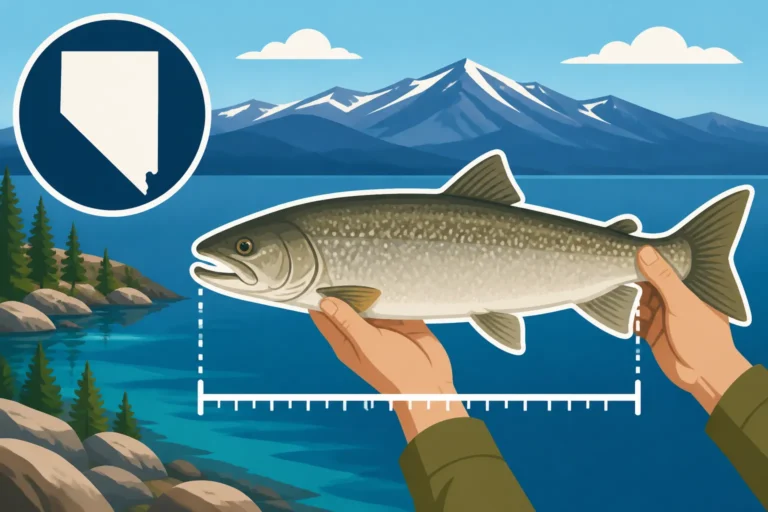
Lake Tahoe, for example, straddles the Nevada and California border, and while both states generally honor each other's fishing licenses on the lake (with some caveats), the regulations for species like Mackinaw trout (Lake Trout) and various trout species can differ significantly between the Nevada and California sides. Understanding these bi-state rules is crucial. Our Lake Tahoe Nevada Fishing License Rules outlines what you need to know for fishing this iconic alpine lake. You might find different bag limits, size restrictions, or even bait allowances depending on which side of the invisible state line you're fishing.
As mentioned earlier, Pyramid Lake is another prime example, having its own tribal permits and a unique set of regulations administered by the Pyramid Lake Paiute Tribe. These rules are distinct from NDOW's regulations and are strictly enforced. They include specific slot limits for Lahontan cutthroat trout, barbless hook requirements, restrictions on boat launching, and specific seasonal openings and closures. For instance, the fishing season at Pyramid Lake usually runs from October 1st through June 30th, with July, August, and September typically closed. You'll definitely want to study Pyramid Lake Season and Bag Limit Rules before planning a trip there. Always, always check the most current regulations booklet for your specific destination, as these localized rules are subject to change based on conservation needs.
Troubleshooting Common License Issues
Even with the best preparation, sometimes things go wrong. Knowing how to handle common issues like a lost license or an accidental violation can save you a lot of stress and potential trouble.
What to Do If You Lose Your License
It happens to the best of us: you're out on the water, reach for your license, and it's simply not there. Whether it fell out of your pocket, blew away, or just mysteriously vanished, a lost license can create a panic. But don't fret too much; replacing it is usually a straightforward process.
If you purchased your license online through the NDOW website, the solution is quite simple: log back into your account. From your online profile, you should be able to view, download, and print another copy of your valid license. This is arguably the biggest advantage of the online system – easy self-service replacement. You can typically print a new one instantly from any computer with internet access and a printer. You could even display it on your phone if you have service. For a detailed guide on navigating this, our article on How to replace a lost Nevada fishing license is very helpful.
If you purchased your license from an authorized agent, you might still be able to retrieve it online if your purchase was properly recorded in the NDOW system (which it almost always is). If not, or if you prefer the in-person route, you can often visit any authorized license agent, and they can look up your record and print a duplicate for a small fee. Always have your identification ready, as they'll need to verify your identity. The key takeaway here is not to continue fishing without a valid, present license, even if you know you bought one. Game wardens can be understanding, but they still need to see proof.
Understanding Penalties for Fishing Without a License
This is serious business, and it's the main reason we emphasize getting your license before you cast your first line. Fishing without a valid Nevada fishing license, or without the required stamps and permits for specific waters or species, is a violation of state law and carries real consequences.
The penalties can vary depending on the exact nature of the violation, whether it's a first offense, and the discretion of the enforcing officer. Generally, you can expect a hefty fine. These fines can easily run into hundreds of dollars, making that small license fee seem insignificant in comparison. For repeat offenders or more egregious violations (like fishing out of season or with illegal gear), the penalties can escalate to include confiscation of your fishing gear, impoundment of your boat, and even potential jail time in extreme cases. Our detailed article on Penalty for fishing without a license in Nevada offers a sobering look at the financial and legal ramifications.
Furthermore, a violation can result in the loss of your fishing privileges for a certain period. This means not only will you have to pay the fine, but you might also be prohibited from purchasing a fishing license for a year or more, depending on the severity of the offense. It's a real buzzkill for any passionate angler. It’s simply not worth the risk. Always verify your license is current and that you understand all local regulations before heading out.
Avoiding Common Mistakes and Misunderstandings
Beyond the lost license or obvious violations, there are several common misunderstandings that can inadvertently lead to trouble on the water. A little proactive checking can save you a lot of hassle.
One frequent mistake is not checking the expiration date of your annual license. Many anglers assume it's a calendar year license and are caught off guard when their 365-day license expires mid-season. Make it a habit to note your expiration date and set a reminder. Another common error, especially for non-residents or those new to Nevada, is assuming that a general state license covers all waters. As we discussed, places like Pyramid Lake have separate tribal permits. Always ask, "Are there any special permits for this specific water?"
Lastly, many people forget that simply having a license isn't enough; you must also adhere to all the specific regulations for the body of water you're fishing. This includes bag limits, size restrictions, legal methods of take, and bait restrictions. What's legal at Lake Mead might be illegal at Lake Tahoe or a small urban pond. The NDOW publishes a comprehensive fishing regulations booklet annually, available online and at license vendors. This booklet is your bible for Nevada fishing. Read it thoroughly, especially the sections pertaining to the regions and specific waters you plan to visit. Don't rely solely on word-of-mouth or outdated information. A few minutes of reading can prevent hours of headaches.
Planning Your Nevada Fishing Adventure
With your license secured and regulations understood, it's time for the fun part: planning your actual fishing trip! Nevada offers an incredible array of fishing experiences, from vast desert lakes to serene mountain streams.
Best Times to Fish and Popular Species
Nevada's diverse climate means that the "best time to fish" can vary dramatically depending on your target species and location. Generally, spring and fall offer the most consistent and comfortable fishing across many parts of the state. These shoulder seasons provide milder temperatures and active fish, as they transition between their winter and summer patterns. For trout, the cooler waters of spring and fall are prime, while bass fishing often heats up in late spring during the spawn and again in the fall as they fatten up for winter.
Summer fishing in the low-elevation desert lakes can be scorching, requiring early morning or late evening excursions, often targeting striped bass or catfish that are more active in lower light and cooler water. Winter, especially for ice fishing in northern Nevada, offers a unique opportunity for species like yellow perch and trout. For a deeper dive into seasonal opportunities, check out our Best Time of Year to Fish in Nevada.
Nevada boasts a fantastic variety of fish species. You can pursue trophy Lahontan cutthroat trout at Pyramid Lake, battle massive striped bass at Lake Mead, or chase largemouth and smallmouth bass in numerous reservoirs. High-elevation lakes and streams are home to rainbow, brook, and brown trout. Catfish and panfish are abundant in many urban ponds and warmer waters. Our comprehensive Nevada Fish Species Guide will introduce you to all the aquatic inhabitants you might encounter.
Getting Your Gear Ready
Once you know where and what you're fishing for, it’s time to prepare your gear. Having the right equipment can make all the difference between a frustrating outing and a successful, enjoyable one.
For most general fishing in Nevada, a versatile spinning rod and reel combo is an excellent starting point. You'll want a medium-light to medium power rod, capable of handling a variety of lures and baits. A good selection of line, typically 6-10 lb test monofilament or fluorocarbon for trout and bass, is essential. For striped bass at Lake Mead, you might bump up to 15-20 lb test, often in braided line for strength and sensitivity. Don't forget your tackle box stocked with an assortment of hooks, sinkers, swivels, and lures appropriate for your target species. For trout, think PowerBait, worms, small spinners, and spoons. For bass, soft plastics, crankbaits, and spinnerbaits are staples. Our guide on Nevada Fishing Gear Essentials will give you a full rundown, and if you're targeting trout, specifically check out Best Tackle for Nevada Trout Fishing.
Given Nevada's often intense sun and dry climate, sun protection gear is non-negotiable. Wide-brimmed hats, polarized sunglasses (crucial for spotting fish and reducing glare), long-sleeved UPF-rated shirts, and plenty of sunscreen are absolute must-haves. Dehydration is a real risk, so always bring more water than you think you'll need. You can find excellent quality sun protection gear and all sorts of tackle and equipment on Amazon, often with convenient delivery right to your door before your trip. For more on staying safe and comfortable, read our Desert Fishing Gear and Sun Protection article.
Exploring Top Nevada Fishing Destinations
Nevada is a treasure trove of fishing locations, each offering its own unique charm and challenges. From world-famous lakes to hidden gems, there's a spot for every type of angler.
Southern Nevada is dominated by the colossal Lake Mead and Lake Mohave, segments of the Colorado River system. These massive reservoirs are renowned for their striped bass, largemouth bass, and catfish populations. They offer endless coves, submerged structures, and open water for both boat and shore anglers. Our Lake Mead Nevada Fishing Guide and Lake Mohave Nevada Fishing Guide will provide in-depth details for these popular spots. Even in the heart of Las Vegas, urban ponds like those at Floyd Lamb Park or Sunset Park offer easily accessible fishing, often stocked with trout in cooler months, perfect for families and beginners.
Moving north, Pyramid Lake is legendary for its Lahontan cutthroat trout, offering a unique and challenging fishing experience that draws anglers from around the world. Lake Tahoe, shared with California, provides stunning alpine scenery and opportunities for trophy Mackinaw trout, as well as rainbow and brown trout. In Eastern Nevada, Wildhorse Reservoir is a popular destination for trout, bass, and yellow perch, often freezing over for ice fishing in winter. Our comprehensive Best Places to Fish in Nevada guide covers these and many more, helping you find your perfect angling retreat in the Silver State.
Disclaimer
Please note that fishing regulations, license costs, and availability of specific license types are subject to change by the Nevada Department of Wildlife (NDOW) and tribal authorities. While this guide provides current and accurate information as of its publication, it is always your responsibility to consult the most recent official NDOW fishing regulations handbook or the relevant tribal authority (e.g., Pyramid Lake Paiute Tribe) before engaging in any fishing activities. This content is for informational purposes only and should not be considered legal advice.