Nevada Fishing License Exemptions and Discounts
Navigating the world of fishing licenses can feel like trying to untangle a particularly stubborn fishing knot. The rules often seem complex, especially when you're just trying to enjoy a relaxing day by the water without breaking any laws or spending more than you need to. Many anglers, new and seasoned, find themselves scratching their heads over who really needs a license in the Silver State, or if they qualify for any kind of break on the cost. This comprehensive guide is here to clear the waters, detailing Nevada fishing license exemptions and discounts, ensuring you spend less time confused and more time casting.
Understanding the Baseline: Who Needs a Nevada Fishing License?
Before we dive into who doesn't need a license or who gets a discount, it's crucial to understand the fundamental requirement for fishing in Nevada. The general rule is pretty straightforward, but like many things in life, there are always a few exceptions that can trip you up. Getting this baseline right is the first step to ensuring your fishing adventures are always within legal bounds.
General Rule for Residents and Non-Residents
Generally speaking, if you are 12 years of age or older and intend to fish in public waters in Nevada, you need a valid Nevada fishing license. This applies whether you're a long-time resident of Las Vegas, a new transplant to Reno, or visiting from out of state for a quick getaway. The state uses the revenue from these licenses to fund essential conservation efforts, fish stocking programs, and the enforcement of fishing regulations, all of which contribute to maintaining healthy fish populations and accessible fishing opportunities for everyone.
The type of license you need will depend on your residency status and how long you plan to fish. Nevada distinguishes between residents and non-residents, with different pricing structures for each. A resident is typically defined as someone who has resided continuously in Nevada for at at least six months immediately preceding the application for a license. Non-residents, on the other hand, often pay a higher fee for their licenses. It’s important to truthfully declare your residency, as false claims can lead to fines and legal trouble. You can get more details on specific options in our guide on Nevada Resident Fishing License Types and Nevada Nonresident Fishing License Types.
Age Requirements and Youth Anglers
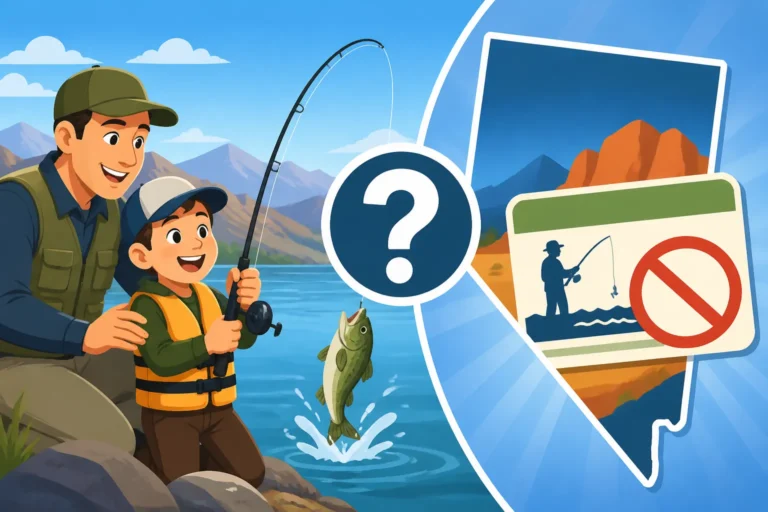
This is where the first significant exemption comes into play! In Nevada, children under the age of 12 are generally not required to possess a state fishing license. This is fantastic news for families looking to introduce their youngsters to the joys of angling. It removes a barrier to entry for many parents and guardians, making it easier and more affordable to get kids out on the water. Imagine the sheer delight on a child's face when they reel in their first fish, all without the need for additional paperwork or fees!
However, while these young anglers don't need a license, they are still expected to adhere to all other fishing regulations, including bag limits, size restrictions, and specific gear rules for the waters they are fishing. For example, if they're fishing at Pyramid Lake, they'd still need to follow the unique rules for that body of water, even if they don't need the state license. It’s also important to note that once a child turns 12, the requirement for a license kicks in. So, for those memorable 12th birthdays, a fishing license might just be the perfect gift! Learn more about this in our detailed post, Nevada Fishing License for Kids Under 12.
Defining "Fishing" and Public Waters
It might sound silly, but understanding what "fishing" means in the eyes of the law is quite important. Essentially, if you are attempting to catch fish by any means, you are "fishing" and subject to the licensing requirements. This includes using a rod and reel, a fly rod, or even a trotline where legal. Merely holding a fishing rod over the water, even if you claim you're not trying to catch anything, could be interpreted as fishing by a game warden. So, if your line is in the water, assume you need a license or qualify for an exemption.
The distinction between public and private waters is also critical. Public waters generally refer to any lake, river, or stream that is not privately owned and accessible to the public. The vast majority of Nevada's incredible fishing spots, from Lake Mead to the Truckee River, fall under this category. Conversely, if you are fishing on entirely private property, such as a pond on land you own or have explicit permission to access, and that pond is not connected to public waterways, you might be exempt. However, this private water exemption often comes with specific caveats, so always double-check with the Nevada Department of Wildlife (NDOW) if you're unsure, especially if the water body might have fish that migrate from public systems or is regularly stocked by the state.
Key Exemptions from Nevada Fishing License Requirements
Beyond the age-based exemption for the youngest anglers, Nevada offers a few other specific scenarios where a fishing license isn't required. These are designed to promote access to the outdoors, recognize special circumstances, or support community events. Knowing these can save you money and simplify your planning.
Children Under a Certain Age
As touched upon earlier, one of the most significant and widely applicable exemptions in Nevada is for young children. Specifically, any child under the age of 12 years old is not required to purchase a Nevada state fishing license. This policy is fantastic for fostering a love of fishing in the next generation without burdening parents with additional costs. It encourages family outings and helps create those cherished memories of a child's first catch.
When planning a family fishing trip with young ones, remember that even though they don't need a license, they still fall under the general Nevada Fishing Regulations Explained. This means bag limits, size restrictions, and any gear restrictions for the specific body of water you're fishing still apply to their catch. For instance, if you're fishing for rainbow trout in an urban pond, and the daily limit is three fish, your child can contribute to that total, but not exceed it independently of other licensed anglers. It’s all about teaching responsible angling from a young age, even before they need their own license.
Free Fishing Day Opportunities
One of the best opportunities for anyone to enjoy fishing without a license is during Nevada's annual Free Fishing Day. This special day, typically held in June, allows both residents and non-residents to fish in most public waters in Nevada without needing a state fishing license. It's a fantastic initiative by the NDOW to encourage participation in outdoor recreation and introduce new people to fishing. For many, it's the perfect chance to try out the sport before committing to purchasing a full license.
While the license requirement is waived, all other fishing regulations, including bag limits, size limits, and gear restrictions, remain in effect. It's crucial to check the specific date each year, as it can vary slightly, and be aware of any particular water bodies that might still require special permits (such as tribal waters like Pyramid Lake, which have their own rules). Information on the exact date and any specific guidelines for the year can be found through the NDOW website or local fishing shops. Our Nevada Free Fishing Day Guide provides all the details you'll need to mark your calendar and plan your angling adventure.
Private Property Fishing
Fishing on truly private property can sometimes offer an exemption from state licensing requirements, but this is often misunderstood and comes with strict conditions. If you are fishing in a pond or lake that is entirely contained within private land, has no outlet or inlet connecting it to public waterways, and the fish within it were not stocked by the state (or if it's a commercial pay-to-fish pond with its own internal regulations), then you might not need a state fishing license.
However, the key phrases here are "entirely contained," "no outlet or inlet," and "not stocked by the state." Most natural bodies of water or even many man-made ponds are either connected to larger public systems, even if seasonally, or have received fish stockings from the NDOW at some point. If there's any connection to public waters or state-stocked fish, then a state license is generally required. It's always best to err on the side of caution and verify with NDOW or local authorities if you're contemplating fishing on private land without a license, as ignorance of the law is not an excuse for violations.
Active Duty Military and Veterans
While not always a full exemption from needing a license, Nevada does offer significant considerations and discounts for active duty military personnel and veterans, especially those with disabilities. These programs are a way of showing gratitude for their service and making outdoor recreation more accessible. Instead of a blanket exemption, these typically fall under the category of reduced fees, which we'll discuss in more detail in the next section.
It's important to differentiate between merely being a veteran and qualifying for a disabled veteran discount. The criteria for disabled veteran licenses are specific and usually require proof of a service-connected disability rating. For active duty personnel stationed in Nevada, they often qualify for resident pricing, even if their permanent home state is elsewhere. These benefits are incredibly valuable and show appreciation for the sacrifices made by service members and their families.
Special Discounts and Reduced Fees for Nevada Anglers
Beyond complete exemptions, Nevada recognizes certain groups of individuals with special circumstances and offers discounted rates on fishing licenses. These reduced fees are a thoughtful way to make fishing more accessible and affordable for long-standing residents, those who have served our country, and multi-activity outdoors enthusiasts.
Senior Citizen Discounts
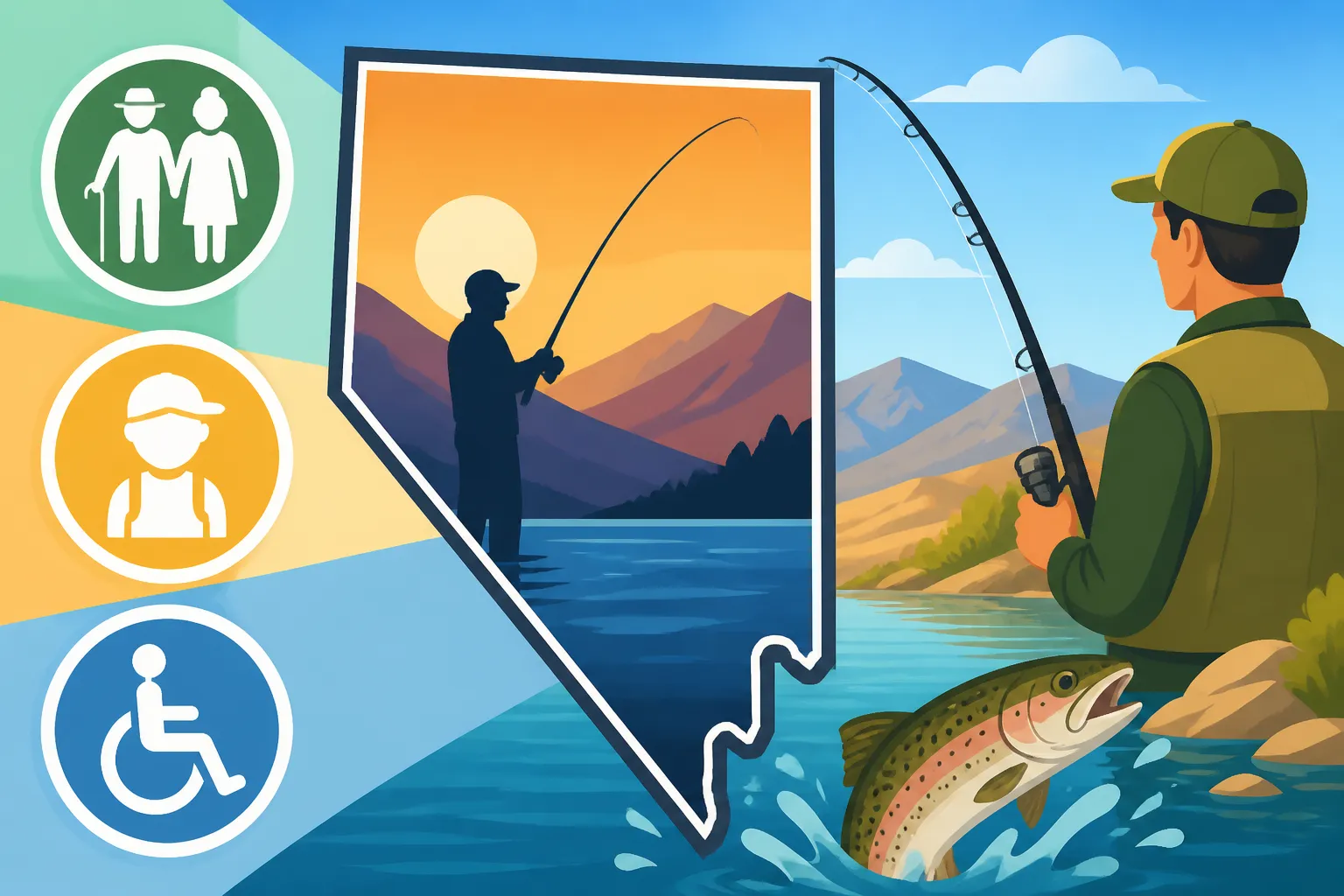
Nevada highly values its senior residents and demonstrates this through various benefits, including discounted fishing licenses. Residents who are 65 years of age or older and have resided continuously in Nevada for at least 6 months immediately preceding the application are eligible for a reduced-fee fishing license. This senior discount is a wonderful perk that allows older anglers to continue enjoying their passion without the full financial burden, especially for those on fixed incomes.
The senior license often costs significantly less than a standard adult resident annual license. It's worth noting that typically, a trout stamp is included with the senior fishing license, removing the need for an additional purchase if you plan to fish for trout, which is a common requirement for other license types. When applying for this discount, seniors will need to provide proof of age and residency. This is generally done with a valid Nevada Driver's License or ID card. Our dedicated page, Nevada Senior Fishing License Discount, offers a complete breakdown of eligibility and current costs.
Disabled Veteran Benefits
Nevada extends a deep sense of gratitude to its disabled veterans by offering substantially discounted or even free fishing and hunting licenses. A Nevada resident veteran who has a service-connected disability of 50% or more, as certified by the U.S. Department of Veterans Affairs, is eligible for a special combination hunting and fishing license at a greatly reduced rate, sometimes even free. This is an incredibly meaningful benefit, recognizing their profound sacrifices.
To qualify for this benefit, veterans will need to provide official documentation from the VA confirming their service-connected disability rating. This process ensures that the benefit is directed to those who truly meet the criteria. It's important for eligible veterans to gather the necessary paperwork before applying. This benefit aims to make it easier for these heroes to enjoy the therapeutic and recreational aspects of the outdoors. You can find more specific information on criteria and how to apply in our guide on the Nevada Disabled Veteran Fishing License.
Combination Licenses for Multiple Activities
While not strictly an "exemption" or "discount" in the traditional sense, combination licenses offer significant savings for individuals who enjoy both fishing and hunting. Instead of purchasing separate annual fishing and hunting licenses at their full individual prices, Nevada offers a combined license at a reduced total cost. This is a smart financial move for avid outdoors enthusiasts who participate in both activities throughout the year.
The Nevada Combination Hunting and Fishing License is available for both residents and non-residents, though the pricing will differ based on residency. For example, a Nevada resident who hunts deer in the fall and fishes for bass in Lake Mead in the spring can save a good chunk of change by opting for the combo license upfront. These licenses streamline the process as well, providing one piece of documentation for both activities. When considering your annual outdoor plans, always check the combo license option to see if it aligns with your recreational interests and can save you money.
Specific Scenarios: When Exemptions and Discounts Apply (and Don't)
The general rules for exemptions and discounts are clear, but real-world fishing often presents nuances. Sometimes, what seems like an obvious exemption isn't, and what looks like a simple rule has a twist. Let's clarify some common scenarios that anglers frequently encounter.
Fishing with a Licensed Adult
A common question, especially for families, is whether an unlicensed child (under 12) must fish with a licensed adult. The good news is that while children under 12 don't need their own license, they are encouraged to fish under the supervision of an adult who does possess a valid Nevada fishing license. This isn't a strict legal requirement for the child's exemption, but it's crucial for teaching proper angling techniques, safety, and adherence to regulations.
However, the catch and possession limits apply to the individual or the group, not necessarily per license. For instance, if a licensed adult and an unlicensed child are fishing together, their combined catch must still adhere to the daily bag limits for the specific species and water body. It's a shared responsibility to know and follow the rules. This scenario highlights the importance of education and mentorship in fishing, making it a great opportunity for bonding and passing on responsible angling practices. You can often find introductory gear for young anglers on platforms like Amazon, making it easy to equip them for their first adventures.
Urban Ponds vs. Major Waterways
Nevada's diverse fishing landscape includes everything from vast reservoirs like Lake Mead to smaller, often-stocked urban ponds in cities like Las Vegas and Reno. The licensing requirements generally remain consistent across these different types of public waters. If you need a license to fish Lake Mead, you'll also need one to fish the urban ponds, assuming you don't qualify for one of the stated exemptions or discounts.
The key here is that both urban ponds and major waterways are managed by the Nevada Department of Wildlife (NDOW) and are considered public fishing opportunities. Many urban ponds are regularly stocked with trout, catfish, and other species, specifically to provide accessible fishing for families and local communities. Therefore, the same state license requirements apply. Don't fall into the trap of thinking a small pond in a city park is exempt just because it feels "local." For detailed rules specific to these accessible spots, check out our guide on Nevada Urban Pond Fishing Rules.
Special Permits and Their Relation to State Licenses
This is a critical area where many anglers get confused. While a state fishing license covers most public waters in Nevada, certain unique water bodies require additional, separate permits. The most prominent example is Pyramid Lake, which is on tribal land of the Pyramid Lake Paiute Tribe. Fishing at Pyramid Lake requires a tribal fishing permit, which is separate from and in addition to a state fishing license. Your state license alone is not valid for fishing in Pyramid Lake.
Similarly, other tribal lands or waters managed by federal agencies (like National Parks) might have their own specific permitting requirements, even if they are within Nevada's borders. It's absolutely essential to research the specific rules for any unique or federally/tribally managed water body before you go. This means that even if you qualify for a state fishing license discount or exemption, it does not automatically extend to these special permits. Always check the rules for your intended fishing destination. Our Pyramid Lake Fishing Permit Guide provides all the necessary information for fishing this famous lake.
How to Apply for Exemptions and Discounts
Understanding if you qualify for an exemption or discount is one thing, but knowing how to actually obtain it is just as important. The process is generally straightforward, but it requires the right documentation and knowing where to apply.
Documentation for Age and Residency
For age-based exemptions, such as for children under 12, no formal application is needed as they simply don't require a license. However, for discounted senior licenses, proof of both age and Nevada residency is mandatory. This typically involves presenting a valid Nevada Driver's License or a state-issued ID card. These documents clearly show your birthdate and establish your residency, fulfilling the criteria set by NDOW.
When you apply, whether online or in person, be prepared to accurately provide this information. If you're a long-term Nevada resident but perhaps don't have a state ID (though highly recommended), you might need to provide other forms of proof, such as utility bills, voter registration, or property records, to establish your continuous six-month residency. Always check the NDOW website for the most current acceptable forms of documentation to avoid any delays.
Applying for Disabled Veteran Status
The process for obtaining a disabled veteran fishing license (or combination license) requires specific documentation to verify your eligibility. The primary document needed is official certification from the U.S. Department of Veterans Affairs (VA) stating your service-connected disability rating, which must be 50% or more. This certification is usually in the form of a letter or an official VA identification card indicating your disability status.
When you apply, you'll present this documentation along with proof of your Nevada residency. It's a good idea to contact NDOW directly or visit their website for the most up-to-date requirements and application procedures for disabled veterans. They often have dedicated staff to assist veterans with this process, ensuring that those who have served our nation can access these valuable benefits as smoothly as possible. This is a key benefit, and ensuring you have the correct paperwork ready will make the application process much easier.
Online vs. In-Person Application Processes
Nevada offers convenient ways to purchase your fishing license, including those with applicable discounts. You can generally apply and purchase licenses both online and in person.
Purchasing a license online through the NDOW website is often the quickest and most convenient method. You can do it from the comfort of your home, and you can usually print a temporary license immediately. For standard licenses and some senior discounts, the online portal is very efficient. Just make sure to fill out all information accurately. For instance, if you're looking into a Nevada Annual Fishing License Renewal, the online system is typically the easiest route.
However, for more complex applications, such as the disabled veteran license where specific documentation needs to be verified, an in-person application might be necessary or preferred. You can visit an NDOW office or a licensed vendor (like many sporting goods stores, bait shops, or even some Walmarts). Applying in person allows you to speak with a representative who can clarify any questions and ensure all your paperwork is in order. Many local tackle shops, such as Cabela's or Bass Pro Shops, are authorized vendors and can process most license types. Always bring all necessary identification and documentation, regardless of your chosen application method. For general information on where to buy, see Where to Buy a Nevada Fishing License.
Common Misconceptions and FAQs About Nevada Fishing Licenses
It's easy to get tangled in the details of fishing regulations, and misconceptions are common. Let's tackle some frequently asked questions and clarify those persistent myths about Nevada fishing licenses, exemptions, and discounts. Knowing the truth can save you from an awkward encounter with a game warden.
"Catch and Release" Doesn't Mean No License
One of the most widespread myths is that if you only practice catch and release, you don't need a fishing license. This is absolutely false in Nevada. The act of "fishing" itself, regardless of whether you intend to keep your catch or release it, requires a valid license (unless you fall under a specific exemption like age). Whether you're carefully unhooking a bass to send it back to the depths or placing a trout on ice for dinner, the legal requirement for a license remains the same.
The purpose of a fishing license is to regulate who is harvesting fish and to fund the management of fisheries. Even catch and release fishing can have an impact on fish populations, and the funds from licenses contribute to habitat protection and stocking programs that benefit all anglers. So, always assume that if your line is in the water, you need a license, even if your plan is to return every fish safely.
Reciprocity with Other States (or lack thereof)
Anglers often wonder if their fishing license from a neighboring state, like California or Arizona, is valid in Nevada. Unfortunately, fishing license reciprocity between states is extremely rare, especially for full state-wide privileges. Generally, a Nevada fishing license is only valid within the state of Nevada, and an out-of-state license is not valid here.
There are very specific and limited exceptions, such as certain shared border waters like a portion of Lake Tahoe, where specific agreements might exist. For Lake Tahoe, it's a unique situation where both California and Nevada fishing licenses are valid on the entire lake, regardless of which side of the state line you are fishing, as long as you adhere to the regulations of the state whose license you possess. However, this is an anomaly, not the norm. Do not assume your California or Arizona license will work anywhere else in Nevada. Always purchase a Nevada license if you plan to fish in Nevada waters outside of these very rare, specific reciprocal agreements. For Lake Tahoe specifics, refer to Lake Tahoe Nevada Fishing License Rules.
Private Lakes and Stocked Ponds Rule Clarifications
We touched on private property exemptions earlier, but it's worth reiterating the nuances. Just because a body of water is called a "private lake" or is a "stocked pond" doesn't automatically mean you're exempt from a state fishing license. The critical factor is whether that water body is entirely self-contained with no connection to public waters and if the fish within it are truly private stock, never having been part of the state's natural or stocked system.
Many so-called "private" lakes or community ponds are actually connected to public waterways, either visibly or subterraneously, or they regularly receive fish from NDOW stocking programs to enhance fishing opportunities. In these cases, a state fishing license is required. If in doubt, the safest course of action is always to obtain a state fishing license. It's better to be over-prepared than face a fine for fishing without one. When planning to fish, consider getting a detailed guide or map (many available on Amazon) that outlines public and private water access.
Planning Your Trip Around Exemptions and Discounts
Smart planning can not only enhance your fishing experience but also help you take full advantage of available exemptions and discounts. Thinking ahead about who is going, where you're going, and when can make a big difference in both convenience and cost.
Maximizing Free Fishing Day
If you're looking to introduce someone new to fishing, or simply want a guilt-free day on the water without the license fee, Nevada's Free Fishing Day is your prime opportunity. This annual event is strategically placed, usually in early summer, to coincide with pleasant weather, making it ideal for family outings. To maximize your experience:
- Check the Date Early: The date is usually announced well in advance. Mark your calendar and plan your trip.
- Pick Your Spot: Popular spots can get crowded. Consider visiting a lesser-known lake or river, or arrive early at a favorite urban pond. The Best Places to Fish in Nevada guide can give you some great ideas.
- Gear Up: Even without a license, you'll need gear. This is a perfect time to pick up a simple rod and reel combo, perhaps a beginner's kit from Amazon, some basic bait, and tackle.
- Know the Rules: Remember, all other regulations (bag limits, size limits, methods) still apply. Check the NDOW regulations booklet for the specific water body you plan to visit.
- Make it an Experience: Focus on the joy of fishing, teaching new skills, and enjoying nature. It's about participation and creating positive memories.
Best License Options for Visitors
For out-of-state visitors, understanding the Nevada license options is crucial. Since you generally won't qualify for resident discounts (unless you're active military stationed in Nevada), your main choices revolve around the duration of your trip.
- Annual Non-Resident License: If you plan multiple trips to Nevada within a 12-month period, or if you're staying for an extended vacation, an annual non-resident license might be the most cost-effective.
- 1-Day or 5-Day Non-Resident Permits: For shorter trips, say a weekend getaway or a single day of fishing while passing through, the 1-day or 5-day non-resident permits are perfect. They are more expensive per day than the annual option but save you money if your total fishing days are limited. You can often purchase these conveniently online or at various vendors. Our Nevada 1-Day Fishing Permit Details provides a detailed look at this popular option.
- Trout Stamp: Remember that if you plan to fish for trout, you'll likely need to purchase a Nevada Trout Stamp in addition to your base fishing license, regardless of whether it's an annual or short-term permit. This is a separate fee dedicated to trout management and stocking.
Family Fishing Strategies
Bringing the whole family fishing can be an incredibly rewarding experience, and leveraging exemptions and discounts can make it more affordable.
- Kids Under 12: Take full advantage of the exemption for children under 12. Focus on making their experience fun and successful. Use easy-to-handle gear and target readily catchable species in urban ponds or easily accessible areas.
- Senior Family Members: If you have senior citizens (65+) who are Nevada residents, ensure they have their discounted license. This is a great way to keep them active and engaged.
- Combined Trips: Consider a combination license if adult family members also enjoy hunting. This simplifies paperwork and reduces costs.
- Educational Opportunity: Use the time on the water to teach children about conservation, fish identification, and the importance of regulations. Even if they don't need a license, understanding why adults do is part of becoming a responsible angler.
- Accessible Spots: Look for fishing spots with amenities like paved access, restrooms, and fishing piers, especially when fishing with young children or seniors. Many urban ponds are designed with these in mind.
Staying Compliant: Avoiding Penalties
Fishing is meant to be a relaxing pastime, but a simple mistake regarding licensing or regulations can quickly turn a fun day into a costly one. Understanding how to stay compliant is just as important as knowing where the fish are biting.
Understanding Violation Consequences
Fishing without a valid license, or failing to adhere to other regulations like bag limits or size restrictions, can lead to significant penalties in Nevada. These violations are often considered misdemeanors and can result in:
- Fines: Monetary fines can range from a few hundred dollars for minor offenses to thousands for more serious infractions. These fines often far exceed the cost of an annual fishing license.
- Confiscation of Gear: Game wardens have the authority to seize your fishing equipment, including rods, reels, and even your boat, if a serious violation has occurred.
- License Revocation: Repeat offenders or those committing severe violations may have their fishing (and hunting) privileges revoked for a period, meaning you won't be able to purchase a license for months or even years.
- Criminal Charges: In extreme cases, particularly involving commercial poaching or repeated offenses, criminal charges can be filed, leading to court appearances and a criminal record.
These consequences underscore the importance of always having the correct license and knowing the rules. It's simply not worth the risk. Our Nevada Fishing Violation Penalties article provides a detailed look at potential repercussions.
Always Carry Your License/Proof
This might seem obvious, but it's a step often overlooked. Once you have your Nevada fishing license (or confirmation of your exemption status), you must carry it with you whenever you are fishing. Game wardens frequently patrol fishing areas, and they will ask to see your license.
- Physical License: If you purchased a physical license, keep it in a waterproof wallet or lanyard.
- Digital License: Many states, including Nevada, now offer digital licenses that can be stored on your smartphone. While convenient, ensure your phone is charged and protected from water.
- Proof of Exemption: If you are exempt (e.g., a child nearing their 12th birthday, or a senior citizen with a discounted license), always have your ID ready to prove your age or residency if asked. For disabled veterans, have your VA documentation readily accessible.
Being able to immediately produce your license or proof of exemption demonstrates responsibility and helps wardens quickly confirm your compliance, making for a smoother interaction.
Resources for Up-to-Date Information
Fishing regulations can change, albeit typically on an annual basis. It's essential to rely on official, up-to-date sources for information on licenses, exemptions, discounts, and specific fishing rules.
- Nevada Department of Wildlife (NDOW) Website: This is the primary and most authoritative source for all Nevada fishing regulations, licensing information, and news. Their website is regularly updated and provides access to current regulations booklets.
- NDOW Offices: Visiting a local NDOW office allows you to speak directly with staff who can answer complex questions and provide printed materials.
- Authorized License Vendors: Reputable sporting goods stores, bait shops, and outdoor retailers that sell fishing licenses are usually knowledgeable about current regulations. Brands like Cabela's or Bass Pro Shops are good local resources.
- Official Regulations Booklet: The annual Nevada fishing regulations booklet (available online and at NDOW offices/vendors) is your comprehensive guide. Always review it before heading out, especially if you're visiting a new body of water or targeting a new species. Many useful guides and quick-reference cards are also available for purchase on Amazon.
By utilizing these resources, you can ensure you're always fishing legally and responsibly, contributing to the health and sustainability of Nevada's incredible fisheries for years to come.
Nevada Fishing License Exemptions and Discounts Summary
To quickly recap the key points about Nevada fishing license exemptions and discounts, here's a handy table outlining the primary categories and their requirements:
| Category | Exemption/Discount Type | Key Requirements | Notes |
|---|---|---|---|
| Children | License Exempt | Under 12 years of age | Must still adhere to all fishing regulations (bag limits, size limits). Adult supervision recommended. |
| Nevada Free Fishing Day | License Exempt | Specific annual date (usually in June) | All other regulations apply. Check NDOW for exact date and any specific water body exclusions (e.g., Pyramid Lake). |
| Private Property | License Exempt (Conditional) | Water fully contained on private land, no public access | No connection to public waterways, no state-stocked fish. Verification from NDOW recommended if unsure. |
| Nevada Senior Residents | Discounted License | 65+ years old, 6+ months NV residency | Requires proof of age and residency (NV Driver's License/ID). Trout stamp often included. |
| Disabled Veterans | Greatly Discounted/Free | NV Resident, 50%+ service-connected disability (VA cert) | Requires official VA disability certification and proof of residency. May apply to combination licenses. |
| Active Military (Stationed in NV) | Resident Pricing | Active duty, stationed in Nevada | Allows purchase of resident licenses at lower cost, regardless of permanent home state. |
| Combination Licenses | Cost Savings | Purchase Fishing & Hunting license together | Not an exemption, but a discounted bundled rate compared to buying licenses separately. |
Remember, this table provides a quick overview. Always consult the official NDOW regulations or website for the most current and detailed information before you head out to fish.
Disclaimer
The information provided in this guide is for general informational purposes only and is not intended as legal advice. Fishing regulations in Nevada are subject to change by the Nevada Department of Wildlife (NDOW). While we strive to keep this content up-to-date and accurate, it is the responsibility of each individual angler to consult the current official Nevada fishing regulations booklet and the NDOW website before engaging in any fishing activities. Compliance with all applicable laws and regulations is solely the responsibility of the angler.