Best Places to Fish in Nevada
Nevada offers some truly incredible fishing, but let's be honest, trying to figure out where to cast your line in such a vast and diverse state can feel a bit overwhelming, especially if you're not a local. You've got everything from massive desert reservoirs to high-alpine lakes, and each spot has its own quirks, regulations, and target species. This guide is here to cut through the confusion and walk you through the very best places to fish in Nevada, offering detailed insights into what you can expect and how to make the most of your angling adventure.
Discovering the Giants of the Desert: Lake Mead and Lake Mohave
When most people think of fishing in Nevada, their minds often jump straight to the colossal reservoirs created by the Colorado River: Lake Mead and Lake Mohave. These aren't just big lakes; they're inland seas that offer incredible opportunities, but also present unique challenges due to their immense size and the desert environment.
Lake Mead's Vastness and Striper Haunts
Lake Mead, stretching over 1.5 million acres (when full, which, let's be real, it hasn't been in a while, but it's still enormous!), is a legendary fishing destination, primarily known for its formidable striped bass population. These aggressive feeders cruise the open waters and congregate in coves, offering exciting action for both boat and shore anglers. The sheer scale of Mead can be daunting, but once you understand a few key areas and seasonal patterns, you can unlock its potential.
One of the most consistently productive areas for stripers is Hemenway Bay. This accessible spot near Boulder City offers excellent bank fishing, especially during the cooler months when the stripers move shallower. Anglers often find success here using anchovies or shad imitations. Another hotspot is Government Wash, which features a variety of depths and structures, making it a prime location for both largemouth and smallmouth bass, in addition to stripers. The trick with Mead, particularly for stripers, is often finding the baitfish – where the bait is, the stripers won't be far behind. You might be targeting schools of shad, and when you find them, prepare for some serious action. For deeper insights into this immense fishery, our Lake Mead Nevada Fishing Guide offers even more specific tips and techniques.
Lake Mohave's Clear Waters and Diverse Fisheries
Just downstream from Lake Mead, carved by the mighty Colorado River, lies Lake Mohave. Often overlooked by those fixated on Mead's grandeur, Mohave is a gem, famous for its incredibly clear, deep waters and a diverse fishery that includes rainbow trout, largemouth bass, smallmouth bass, and, of course, striped bass. The clearer water here often means a slightly different approach to fishing than on Mead, favoring more subtle presentations and a keen eye for structure.
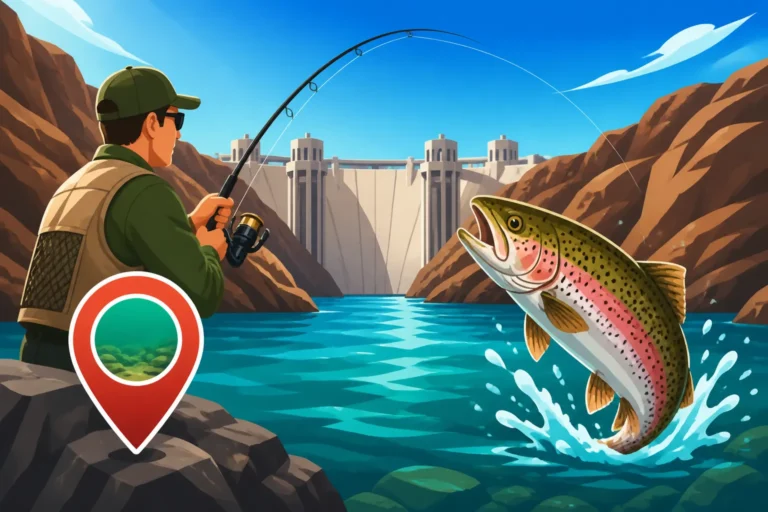
Willow Beach, located at the northern end of Lake Mohave, is arguably its most famous stretch. This area is renowned for its trophy-sized rainbow trout, which are regularly stocked by the Nevada Department of Wildlife (NDOW) and the Arizona Game and Fish Department (AZGFD). The cold, clear water released from Hoover Dam makes it ideal trout habitat. Anglers here often use PowerBait, worms, or small spinners, either from the shore or drifting slowly from a boat. Further south, coves like Cottonwood Cove offer excellent opportunities for largemouth and smallmouth bass, especially during the spring spawn. The bass here are often found around rocky points, submerged brush, and drop-offs. FishingBooker can connect you with experienced guides who know the nuanced differences between fishing Mead and Mohave, ensuring you're targeting the right species with the right approach.
The Mystique of Pyramid Lake and its Giant Cutthroat
Stepping away from the Colorado River system, we journey north to one of Nevada's most iconic and unique fisheries: Pyramid Lake. This vast, ancient lake, nestled within the Pyramid Lake Paiute Tribe Reservation, is world-renowned for its colossal Lahontan cutthroat trout. These aren't just any trout; they are a prehistoric subspecies, genetically distinct and capable of growing to truly monumental sizes.
Targeting Trophy Lahontan Cutthroat Trout
Pyramid Lake is a place steeped in history and reverence for the Lahontan cutthroat. The pursuit of these giant trout is what draws anglers from around the globe. While the lake offers other species like Sacramento perch and Cui-ui (a protected native suckerfish), the cutthroat are the undisputed kings. Fishing here is an experience in itself, often involving a bit of a trek and learning the lake's unique rhythm. Anglers typically fish from the shore, utilizing ladders to gain a better casting angle over the shelf, or from boats. Common techniques include stripping large streamer flies (like popcorn beetles or various minnow patterns) or casting spoons and jigs that imitate baitfish.
It's crucial to remember that Pyramid Lake operates under special tribal regulations, which are distinct from statewide Nevada fishing rules. This means you'll need a specific Pyramid Lake Fishing Permit Guide in addition to your regular Nevada state fishing license. The regulations also include specific slot limits, often requiring the release of all trout between certain sizes (e.g., 17-24 inches) to protect the breeding stock, and mandate the use of barbless hooks. Respecting these rules is paramount not only for conservation but also for preserving the privilege of fishing this sacred water. For a truly immersive and educational experience, many anglers opt to hire a local guide through platforms like FishingBooker, who can teach them the intricacies of this challenging yet rewarding fishery.
Prime Access Points and Seasonal Strategies
Pyramid Lake is enormous, and knowing where to focus your efforts can make a huge difference. For shore anglers, popular spots include The Nets, Warrior Point, Windless Bay, and Pelican Point. Each point offers slightly different depths and access, but all can be productive depending on the wind, time of year, and fish movements. Early mornings and late evenings are often the most productive times, especially during the cooler spring and fall months when the trout are most active near shore. In winter, ice fishing can be an option, but conditions vary greatly year to year.
Boat anglers have more flexibility to explore deeper waters and structure. Launch ramps are available at Sutcliffe and Pelican Point, providing access to open water where trolling various lures (like Apex or Lyman plugs) or jigging can be highly effective. The seasonal movements of cutthroat are heavily influenced by water temperature. In spring and fall, they move closer to shore to feed and spawn, while in summer, they retreat to deeper, cooler waters. Understanding these patterns is key to success on this magnificent lake.
Exploring the Iconic Beauty of Lake Tahoe
Straddling the border between Nevada and California, Lake Tahoe isn't just a stunning natural wonder; it's also a fantastic, albeit challenging, fishery. Known for its crystal-clear, impossibly blue waters and the majestic Sierra Nevada backdrop, fishing on Tahoe offers an unparalleled scenic experience. While you'll need to pay attention to which state's regulations you're fishing under, the Nevada side provides ample opportunities for some truly memorable catches.
Deep Water Challenges and Mackinaw Rewards
The main draw for serious anglers on Lake Tahoe is the formidable Mackinaw (lake trout). These powerful, deep-dwelling predators can grow to impressive sizes, making them a prized catch. However, catching them requires specialized techniques, as they often inhabit depths of 100 to 300 feet, or even deeper, especially in the warmer months. Trolling with downriggers, using large spoons, dodgers and worms, or specialized deep-diving plugs, is the most common and effective method. It's a game of patience and precision, often requiring a good fish finder to locate schools of baitfish or structure where the Mackinaw might be lurking.
While Mackinaw are the stars, Lake Tahoe also holds populations of rainbow trout, brown trout, and kokanee salmon. These species tend to be found in shallower waters, particularly around river mouths (like the Truckee River inlet) or along rocky shorelines during cooler times of the year. Shore fishing for these species can be productive, particularly in spring and fall, using PowerBait, worms, or small spinners. Before heading out, make sure you understand the Lake Tahoe Nevada Fishing License Rules and the specific regulations for the part of the lake you plan to fish, as they can differ between states and areas.
Accessible Shorelines and Boating Hubs
On the Nevada side, numerous points offer public access. Zephyr Cove, Cave Rock, and Sand Harbor are popular spots that provide both shore fishing opportunities and boat launch facilities. For boaters, marinas like those at Zephyr Cove and Incline Village offer services, boat rentals, and easy access to the vast lake. Launching your own boat on Tahoe requires careful planning due to its size and potential for rapidly changing weather conditions. A calm morning can quickly turn into a windy, choppy afternoon, so always prioritize safety and check weather forecasts.
For those without a boat, fishing from public piers or easily accessible shorelines can still yield results, especially for rainbow trout or smallmouth bass near rocky areas. However, for a true Mackinaw hunt, a guided boat trip is highly recommended. Many professional guides on Tahoe specialize in deep-water trolling and have the necessary equipment and expertise. Consider using a service like FishingBooker to find a reputable Lake Tahoe fishing charter that can put you on those deep-water giants.
Wildhorse Reservoir: A High Desert Oasis
Moving eastward into the high desert landscape near Elko, you'll discover Wildhorse Reservoir, a true oasis for anglers. This large reservoir, fed by the Owyhee River, is one of Nevada's premier cold-water fisheries, celebrated for its abundant trout and yellow perch populations. It offers a distinctly different experience from the deep clear waters of Tahoe or the vastness of Mead, feeling more remote and wild.
Trout Heaven and Ice Fishing Hotspot
Wildhorse Reservoir is primarily known as a trout factory. Rainbow trout are stocked regularly by the NDOW, and the reservoir also boasts a healthy population of wild brown trout and even the elusive tiger trout (a sterile hybrid of brown and brook trout, known for its aggressive nature and striking patterns). These fish grow quickly in the nutrient-rich waters, offering consistent action for anglers using various methods. Trolling with spoons, spinners, or even bait (like worms or PowerBait) from a boat is highly effective. Bank fishing is also very popular, especially near the dam or accessible shorelines.
One of Wildhorse's biggest claims to fame is its status as a top ice fishing destination in Nevada. During the colder winter months, the reservoir often freezes over thick enough to allow for safe ice fishing, attracting anglers from across the state and beyond. Targeting yellow perch through the ice is particularly popular, offering fast-paced action and delicious table fare. Ice fishing for trout is also productive, with jigs and small spoons often being the ticket. If you're planning a winter trip, be sure to check ice conditions beforehand and equip yourself properly for Ice Fishing in Nevada.
Camping, Access, and Year-Round Appeal
Wildhorse State Recreation Area provides excellent facilities, including campgrounds, boat ramps, and picnic areas, making it a perfect destination for a multi-day fishing trip. The reservoir is generally accessible year-round, though winter conditions can make roads challenging. The summer months offer warmer weather, but the trout often move deeper, requiring different tactics. Spring and fall are prime times, with active trout closer to the surface and comfortable weather.
Beyond trout and perch, Wildhorse also holds some smallmouth bass and channel catfish, particularly in the warmer, shallower arms of the reservoir. This diversity means there's always something to target, no matter your preferred species or season. For anglers seeking a wilder, more remote fishing experience without sacrificing quality, Wildhorse Reservoir is a must-visit.
Las Vegas Urban Ponds: Fishing for Everyone
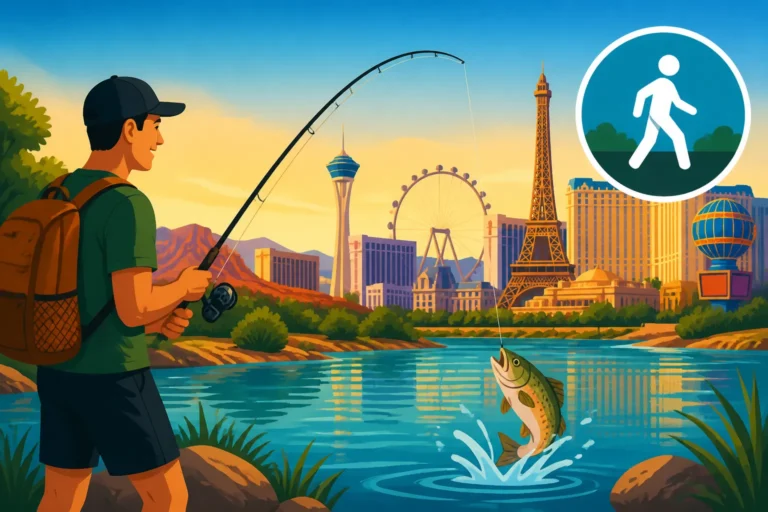
For those living in or visiting Southern Nevada, the idea of quality fishing might seem far-fetched amidst the desert and bright lights of Las Vegas. However, the Nevada Department of Wildlife (NDOW) manages an impressive network of urban ponds that bring fishing opportunities right to the doorstep of the city, making it incredibly accessible for families, beginners, and anyone looking for a quick angling fix.
Stocked Fish and Family-Friendly Fun
The Las Vegas urban ponds are part of the NDOW's "Urban Pond Program," which aims to provide accessible fishing in metropolitan areas. These ponds are regularly stocked with rainbow trout during the cooler fall, winter, and spring months, and with channel catfish during the warmer summer months. This consistent stocking schedule ensures a high chance of success, making them ideal for introducing kids to fishing or for a relaxed afternoon outing. Popular ponds include those at Floyd Lamb Park, Sunset Park, Lorenzi Park, and the Boulder City Pond.
Fishing these ponds is generally straightforward. For trout, light spinning tackle with small hooks, PowerBait, or corn is often all you need. For catfish, stink baits, hot dogs, or cut bait fished on the bottom can be very effective. The emphasis here is on fun and accessibility. Many of these parks offer amenities like playgrounds, picnic areas, and walking trails, making it a perfect family-friendly outing. You'll still need a Nevada Fishing License Guide, but the barrier to entry is quite low.
Rules, Amenities, and Local Charms
While these ponds are designed for ease of use, they still have specific rules and regulations regarding bag limits and approved fishing methods. It's always a good idea to check the latest NDOW fishing guide for the specific pond you plan to visit. Most ponds prohibit the use of live baitfish to prevent the introduction of invasive species, and some may have specific hours of operation.
Floyd Lamb Park offers multiple ponds in a picturesque setting with mature trees and peacocks roaming freely. Sunset Park, one of the largest county parks in the state, features a sizable pond popular for both trout and catfish. Lorenzi Park, closer to downtown, provides a convenient escape. These urban fishing spots are a testament to Nevada's commitment to making angling accessible to all, proving that you don't always need to venture far into the wilderness to enjoy a day on the water.
Eastern Nevada's Hidden Gems: High-Country and Remote Reservoirs
Venturing into Eastern Nevada reveals a different side of the state's fishing landscape. Here, the focus shifts to high-country lakes and smaller, more remote reservoirs nestled within stunning mountain ranges or vast expanses of sagebrush. These spots offer solitude, beautiful scenery, and excellent opportunities for trout, bass, and sometimes even unique species.
Cave Lake State Park and Comins Lake
Near Ely, you'll find a cluster of productive fisheries. Cave Lake State Park, a gorgeous mountain reservoir, is a prime example. Surrounded by juniper and piñon pine, the lake is a consistent producer of rainbow trout and brown trout, with fishing available from shore, small boats, or even canoes and kayaks. In winter, when the ice is safe, it becomes a popular ice fishing spot. The park offers camping and other recreational activities, making it a wonderful family destination.
Just a short drive from Ely, Comins Lake is another fantastic trout fishery, known for growing some very large rainbow trout. Its shallower, more fertile waters contribute to rapid fish growth. Anglers here often have success with PowerBait, worms, or small spinners, either casting from the bank or trolling slowly. The remote setting of these lakes means fewer crowds and a greater sense of peace and quiet, allowing you to truly connect with nature while you fish.
Eagle Valley Reservoir and Spring Valley State Park
Further south in Eastern Nevada, near Pioche, Eagle Valley Reservoir is a favorite among locals for its diverse fishery. This reservoir is regularly stocked with rainbow trout and also holds good populations of largemouth bass and crappie. This mix of species makes it a versatile spot where you can switch tactics throughout the day, perhaps starting with trout in the cooler morning and then moving to bass as the day warms. The scenery here, with the dramatic cliffs and desert vegetation, is quintessentially Nevadan.
Spring Valley State Park, home to Eagle Valley Reservoir, offers well-maintained campgrounds and stunning desert landscapes, making it an excellent base for exploring the area's fishing and hiking opportunities. These eastern Nevada lakes are often overlooked by those sticking to the major population centers, but they offer some of the most rewarding and tranquil fishing experiences in the state. They require a bit more travel, but the rewards in terms of solitude and quality fishing are well worth it.
Northern Nevada's River Systems and Western Reservoirs
Northern Nevada presents another distinct set of fishing opportunities, particularly around the Reno-Carson City area and extending westward towards the Sierra Nevada. This region features a mix of diverse reservoirs and vibrant river systems, offering everything from fly fishing for wild trout to warm-water angling for bass and catfish.
The Truckee River's Fly Fishing Prowess
Flowing from Lake Tahoe through Reno and eventually into Pyramid Lake, the Truckee River is a legendary blue-ribbon trout stream, particularly famous for its incredible fly fishing. The sections of the river downstream from Reno, especially towards the Nevada-California border, are known for their healthy populations of wild brown trout and rainbow trout. These fish are wary and require skill, making it a challenging but highly rewarding experience for fly anglers.
Successful techniques on the Truckee often involve nymphing, swinging streamers, or delicate dry fly presentations depending on the hatch and season. The river's varying flows and complex structure (riffles, runs, pools) demand an understanding of reading water. While a Nevada Fishing License Guide is your starting point, delving into specific fly patterns and techniques will be crucial. For those new to river fly fishing, hiring a local guide, perhaps found through FishingBooker, can drastically improve your chances of success and shorten the learning curve.
Rye Patch Reservoir and Topaz Lake
West of Winnemucca, Rye Patch Reservoir offers a different kind of northern Nevada fishing experience. This large reservoir on the Humboldt River is known for its warm-water species, including largemouth bass, smallmouth bass, channel catfish, and wipers (a hybrid of striped bass and white bass). Wipers are particularly prized for their hard-fighting nature and are often found chasing baitfish in open water. Bass fishing is excellent around the numerous submerged structures and rocky points, while catfish provide consistent action, especially in the evenings.
Closer to the California border, between Carson City and Bishop, California, Topaz Lake is another popular destination. This large, interstate reservoir is heavily stocked with rainbow trout, drawing anglers from both Nevada and California. It's known for producing some very large trout, especially during the spring and fall. Trolling with various lures and baits is a common and effective technique for covering water and finding active fish. Both Rye Patch and Topaz offer camping and boat launch facilities, making them excellent choices for weekend getaways.
Choosing Your Nevada Fishing Adventure
With such a wide array of options, deciding where to fish in Nevada often comes down to what kind of experience you're seeking. Are you chasing trophy trout in a remote setting? Looking for a family-friendly outing with high catch rates? Or perhaps a challenging fly-fishing experience on a renowned river?
Here's a quick overview of what some of these top spots offer:
| Fishing Spot | Primary Species | Best Time of Year | Key Feature | Ideal For |
|---|---|---|---|---|
| Lake Mead | Striped Bass, Largemouth Bass | Spring, Fall, Winter | Vast open water, large stripers | Boat anglers, striper enthusiasts |
| Lake Mohave | Rainbow Trout, Striped Bass | Year-round (Trout in cold water) | Clear waters, trophy trout at Willow Beach | Trout fanatics, bass anglers, scenic beauty |
| Pyramid Lake | Lahontan Cutthroat Trout | Fall, Winter, Spring | World-class trophy cutthroat, unique culture | Fly anglers, lure casters, catch-and-release fans |
| Lake Tahoe (NV Side) | Mackinaw, Rainbow Trout, Kokanee | Year-round | Deep, clear water, stunning mountain backdrop | Deep-water trolling, scenic fishing, challenging |
| Wildhorse Reservoir | Rainbow Trout, Brown Trout, Yellow Perch | Spring, Fall, Winter (Ice) | High desert oasis, excellent ice fishing | Trout and perch anglers, family camping, ice fishing |
| Las Vegas Urban Ponds | Rainbow Trout, Channel Catfish | Year-round (seasonal stocking) | Easy access, consistent stocking | Beginners, kids, quick local trips |
| Cave Lake State Park | Rainbow Trout, Brown Trout | Spring, Summer, Fall (Ice) | Mountain reservoir, peaceful setting | Family camping, tranquil trout fishing |
| Truckee River | Wild Brown Trout, Rainbow Trout | Spring, Summer, Fall | Blue-ribbon fly fishing, challenging | Experienced fly anglers, solitude seekers |
| Rye Patch Reservoir | Wipers, Bass, Catfish | Spring, Summer, Fall | Warm-water species, strong fighting fish | Bass and wiper enthusiasts, general warm-water fishing |
| Topaz Lake | Rainbow Trout | Spring, Fall | Consistent trout stocking, interstate fishery | Trolling, bait fishing, high catch rates |
No matter where you choose to go, always make sure you're familiar with the local Nevada Fishing Regulations Explained before you cast a line. The Nevada Department of Wildlife (NDOW) provides comprehensive guides that are essential reading for any angler in the state. And remember, the joy of fishing in Nevada isn't just about the catch; it's about the stunning landscapes, the unique challenges, and the chance to connect with nature in this extraordinary state. So grab your gear, plan your trip, and get ready for an unforgettable angling adventure!
Disclaimer
The information provided in this guide is for general informational purposes only and does not constitute legal advice. Fishing regulations, license requirements, and access rules can change frequently. Always consult the official Nevada Department of Wildlife (NDOW) regulations and any specific tribal or park rules before engaging in fishing activities. Ensure you have all necessary licenses and permits for the waters you plan to fish.