Nevada Fish Species Guide
It can feel overwhelming, can't it? Staring at a map of Nevada's diverse waters, from vast desert reservoirs to tiny high-mountain lakes, and wondering what finned beauties might be lurking beneath the surface. You want to know what fish you're actually targeting and where to find them. This comprehensive guide is here to unravel the mystery, offering a deep dive into the incredible variety of fish species that call Nevada home, helping you prepare for your next angling adventure.
The Diverse Aquatic World of Nevada
When most people think of Nevada, images of arid landscapes and scorching deserts often come to mind. It's true, we have plenty of that! But for those of us who love to cast a line, Nevada offers a surprisingly rich and diverse aquatic world, teeming with various fish species. It's not just about shimmering mirages; it's about vibrant ecosystems, both natural and carefully managed, that provide fantastic fishing opportunities year-round. Don't let the desert façade fool you; beneath the surface lies a watery wonderland.
More Than Just Desert Lakes
Our state’s fishing landscape isn’t monolithic. We’re not just talking about massive desert reservoirs like Lake Mead or Lake Mohave, though those are indeed incredible fisheries. Nevada boasts a remarkable range of aquatic habitats. Think about the majestic Sierra Nevada, with its icy, crystal-clear high-mountain lakes and rushing rivers like the Truckee. These waters often hold different species, or at least different strains of the same species, than the warmer, deeper reservoirs.
Then there are the urban ponds, carefully managed and regularly stocked by the Nevada Department of Wildlife (NDOW) to provide easy access for families and beginners right within city limits, from Las Vegas to Reno. These little oases often contain a mix of trout, catfish, and various panfish, offering a completely different fishing experience than, say, battling a trophy Lahontan cutthroat trout at Pyramid Lake. Each habitat presents its own challenges and rewards, demanding different techniques and offering unique encounters with Nevada's fish.
Native vs. Introduced Species
Understanding the distinction between native and introduced species is key to appreciating Nevada's fisheries. Native species are those that have evolved and lived in these waters for millennia, perfectly adapted to the unique conditions. The most famous example, of course, is the Lahontan cutthroat trout. These incredible fish are a testament to the resilience of Nevada's natural heritage.
However, many of the fish we enjoy catching today were introduced over the past century to create or enhance sport fishing opportunities. Species like rainbow trout, largemouth bass, striped bass, and channel catfish, while not indigenous, have thrived in Nevada's reservoirs and ponds, forming the backbone of our recreational fisheries. NDOW plays a crucial role in managing these populations, often through extensive stocking programs, to ensure healthy numbers and sustainable fishing for everyone. This blend of native preservation and introduced sportfishing creates a dynamic and fascinating angling environment.
Nevada's Prized Trout Species
For many anglers, the pursuit of trout is what fishing is all about, and Nevada certainly delivers. Our state is renowned for several species of trout, each offering a distinct challenge and a unique beauty. From the ancient, rugged Lahontan cutthroat to the feisty stocked rainbow, trout fishing here is a cornerstone of the Nevada angling experience.
Lahontan Cutthroat Trout: Nevada's Iconic Native
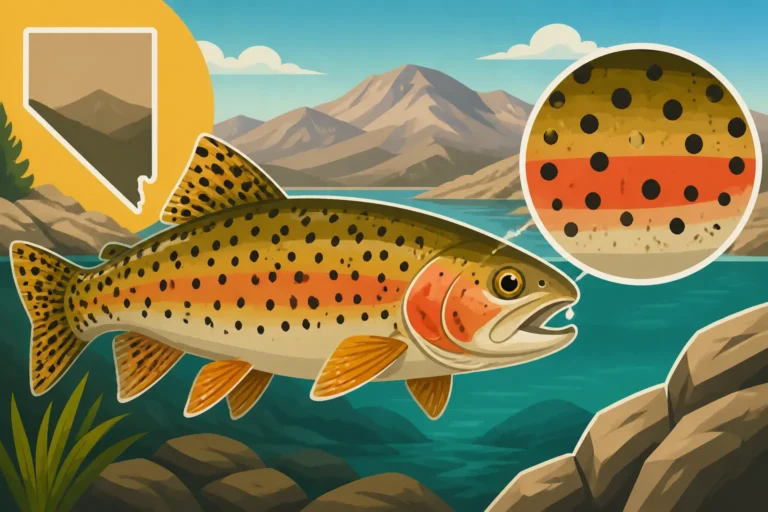
If there's one fish that truly embodies Nevada's wild spirit, it's the Lahontan cutthroat trout. This isn't just any trout; it's a magnificent, resilient native species, found in its most incredible form at Pyramid Lake, northeast of Reno. These fish can grow to truly enormous sizes, boasting silver-flanked bodies, dark spots, and those characteristic red or orange slashes under their jaw that give cutthroats their name. Their history is deeply intertwined with the Great Basin's past, and catching one feels like a connection to an ancient landscape.
Fishing for Lahontan cutthroats, especially the colossal specimens in Pyramid Lake, is a pilgrimage for many. It's an experience that tests your patience, skill, and sometimes your endurance against the elements. The lake operates under special tribal regulations, so be sure to get your Pyramid Lake Tribal Fishing Permit and familiarize yourself with the unique rules regarding seasons, tackle, and size limits. You can learn more about these incredible fish in our dedicated guide, Lahontan Cutthroat Trout in Nevada, and plan your trip with our Pyramid Lake Nevada Fishing Guide. Trust me, landing one of these leviathans from the shore, often in the cold, windy conditions of early spring or late fall, is an unforgettable moment that truly makes you feel like you've earned your catch.
Rainbow Trout: The Most Popular Catch
The rainbow trout is arguably the most recognized and widely pursued game fish in Nevada, and for good reason. They are beautiful, hard-fighting, and, thanks to extensive stocking efforts by NDOW, readily available in a vast number of waters across the state. You’ll find them in the urban ponds of Las Vegas and Reno, countless smaller reservoirs, and many high-country lakes and streams. Their vibrant colors, often with a distinctive pink or red stripe along their sides, make them a joy to catch and admire.
For many beginners, their first fishing success comes from a stocked rainbow trout. NDOW works tirelessly to ensure a consistent supply, and these fish are often eager biters, responding well to a variety of baits and lures. Anglers often keep an eye on the Nevada Trout Stocking Schedule to know when and where fresh batches of rainbows are being released. Whether you're drift-fishing PowerBait from a lawn chair at Sunset Park Pond or casting small spinners from a boat on Wildhorse Reservoir, rainbow trout offer consistent action and are a fantastic entry point for anyone wanting to experience Nevada fishing. For more details on where and how to pursue these vibrant fish, check out our guide on Rainbow Trout Fishing in Nevada.
Brown Trout and Other Cousins
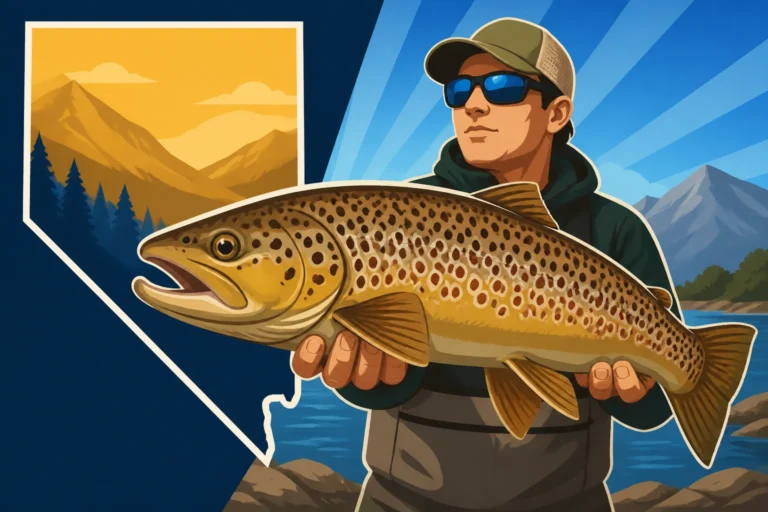
While Lahontan cutthroat and rainbow trout get a lot of the spotlight, Nevada's waters are also home to other fascinating trout species and hybrids that offer different challenges and rewards. The brown trout, for instance, is a highly prized game fish known for its elusive nature and often predatory habits. These beautiful fish, typically identified by their olive-brown backs, yellowish sides, and distinctive red and black spots (sometimes with a light halo), can grow quite large and are famous for being particularly wary. They tend to prefer colder, clearer water and often hold in cover, making them a trickier, but incredibly satisfying, catch. You can find more about where these beauties lurk in our Brown Trout in Nevada Reservoirs article.
Then there are the intriguing hybrids, like the tiger trout and the bowcutt trout. Tiger trout are a sterile cross between a brown trout and a brook trout, easily recognizable by their stunning vermiculated patterns that resemble a tiger's stripes. They're often stocked in specific waters to provide a unique trophy fishing opportunity. Bowcutt trout are a cross between a rainbow and a cutthroat, combining traits of both parent species. These hybrids are part of NDOW's efforts to enhance specific fisheries, and running into one is always an exciting surprise. If you're curious about these striking fish, our What a tiger trout is guide has more information. Each of these trout, whether a pure species or a fascinating hybrid, adds another layer of excitement to Nevada's diverse trout fishing scene.
The Thrill of Bass Fishing in Nevada
For those who love a hard-hitting, aggressive fight, bass fishing in Nevada offers some truly exhilarating experiences. Our warm-water fisheries, particularly the expansive reservoirs, are absolute havens for several species of bass. From explosive topwater bites to deep-water jigging, these powerful fish provide endless opportunities for anglers seeking an adrenaline rush.
Largemouth Bass: The Classic Fighter
The largemouth bass, with its distinctive dark green body, broad mouth, and aggressive demeanor, is a true superstar in Nevada's warmer waters. These ambush predators love structure – think submerged trees, rocky points, weed beds, and even man-made structures like docks. They're found in abundance in lakes like Lake Mead and Lake Mohave, as well as many smaller reservoirs and urban ponds. The thrill of watching a largemouth blow up on a topwater lure at dawn or feeling that solid thud on your line when they inhale a Texas-rigged plastic worm is what keeps anglers coming back for more.
Targeting largemouth bass often involves precision casting and understanding their seasonal movements, especially during the spring spawn. They can be found in shallow coves during certain times of the year, then retreat to deeper haunts as the summer heat intensifies. If you're looking to target these classic fighters, our Largemouth Bass Fishing in Nevada guide offers in-depth strategies. Exploring the numerous coves and bays of Lake Mead Nevada Fishing Guide is an excellent starting point for any largemouth enthusiast. A good spinning or baitcasting rod, some soft plastics, and crankbaits are essential tools for a successful day chasing these powerful fish. If you need new gear, check out the wide selection of bass fishing tackle available on Amazon – they often have great deals on everything from senkos to crankbaits.
Smallmouth Bass: The Rocky Rebel
While largemouths prefer the cover of vegetation and woody debris, the smallmouth bass is the king of the rocks. These bronze-colored powerhouses, with their smaller mouths and vertical stripes, thrive in clear, rocky environments. You’ll find them patrolling rocky shorelines, points, and ledges in the deeper, clearer sections of Lake Mead, Lake Mohave, and Lake Tahoe. Smallmouth are known for their incredibly hard fights, often making powerful runs and spectacular aerial leaps that can leave your heart pounding.
Fishing for smallmouth bass is a different game than largemouth. They respond well to jigs, tubes, and small crankbaits that mimic their preferred forage of crawfish and baitfish. Often, finding a good rocky point with a steep drop-off is key. The clarity of the water where smallmouth live means you often need a more subtle approach, and sometimes lighter line, to entice a bite. Our Smallmouth Bass Fishing in Nevada guide provides excellent tips for tackling these feisty fish. If you're up for a challenge and love a fish that fights until the very end, the smallmouth bass is your kind of fish in Nevada.
Striped Bass: The Desert Powerhouse
If you want sheer power and volume, then the striped bass, or "striper," is the ultimate quarry in Nevada's largest reservoirs. These ocean-going fish, introduced to landlocked waters like Lake Mead and Lake Mohave, have adapted to become voracious freshwater predators. Stripers are easily identified by their silvery bodies adorned with distinct horizontal stripes. They travel in schools, often driving baitfish to the surface in spectacular feeding frenzies known as "boils," which can be an absolutely electric experience for anglers.
Striped bass fishing is popular year-round, but seasonal patterns dictate where and how to find them. In cooler months, they might be found deeper, requiring trolling or jigging. During warmer periods, they move shallower, chasing shad. The sheer size many of these fish can achieve – some reaching trophy weights – makes them a prized catch. For the best chance at these desert powerhouses, look to areas like Lake Mead Striped Bass Hotspots, where conditions are often ideal. Many anglers rely on strong conventional gear, live bait (like anchovies), or heavy spoons and swimbaits to entice these giants. For a comprehensive look at how to tackle these formidable fish, check out our Striped Bass Fishing in Nevada guide.
Other Popular Game Fish to Pursue
While trout and bass might be the marquee names, Nevada's waters hold a treasure trove of other exciting game fish, each offering a unique angling experience. Broadening your horizons beyond the most popular species can lead to some truly memorable days on the water.
Mackinaw (Lake Trout): Deep Water Giants
For those who love a true deep-water challenge, the Mackinaw, or lake trout, of Lake Tahoe is an absolute must-experience. These are the largest char species in North America, and in the colossal depths of Lake Tahoe, they grow to impressive sizes and ages. Mackinaw are typically dark gray to brown with lighter spots, and their sheer size and powerful runs make them a formidable opponent. They are cold-water dwellers, often found in the deepest parts of the lake, especially during warmer months.
Catching a Lake Tahoe Mackinaw usually requires specialized techniques like deep-water trolling with downriggers or heavy jigging directly over structure. It's not a casual bank-fishing endeavor; it often involves a boat, patience, and a good fish finder to locate these giants. The reward, however, is a potential trophy fish that few other places can offer. Our Mackinaw Lake Trout at Lake Tahoe guide provides essential details for targeting these incredible fish, including specific depths and seasonal movements. If you’re serious about chasing these deep-water behemoths, definitely read up on How to Catch Mackinaw Trout at Lake Tahoe before you head out.
Channel Catfish: The Bottom-Dwelling Feast
If you're looking for a hard fight and some delicious table fare, the channel catfish is a fantastic target. These whiskered bottom-dwellers thrive in the warmer, often murkier waters of many Nevada reservoirs and urban ponds. Lake Mead, Lake Mohave, and numerous smaller ponds are known for holding healthy populations of channel cats. They're easily identifiable by their sleek, scaleless bodies, deeply forked tails, and prominent barbels around their mouths, which they use to "taste" their way along the bottom.
Catfishing is often a relaxing, social affair, perfect for family outings. They are opportunistic feeders, responding well to a variety of stinky baits – think cut bait, chicken livers, stink baits, or even hot dogs. Night fishing for catfish can be particularly productive as they become more active under the cover of darkness. They provide a strong, tugging fight and are renowned for their firm, white, flaky meat. For more tips on where and how to catch these popular bottom-dwellers, check out our Channel Catfish Fishing in Nevada article.
Panfish & Hybrids: Crappie, Bluegill, Perch, and Wiper
Beyond the main game fish, Nevada also offers a fantastic array of panfish and exciting hybrids, providing diverse angling opportunities for all skill levels. Panfish like crappie, bluegill, and yellow perch are abundant in many of our waters and are perfect for kids or anyone looking for consistent action.
- Crappie: Both black and white crappie can be found in Nevada, particularly in larger reservoirs like Lake Mead and Lake Mohave, often congregating around submerged brush piles, docks, or other structure. They're known for their delicious white meat and can provide fast-paced action, especially during their spawning periods. Our Crappie Fishing in Nevada guide can help you find these papermouths.
- Bluegill & Sunfish: These colorful, feisty little fish are staples of most urban ponds and many smaller lakes. Bluegill, often with their distinctive dark "ear flaps," are eager biters and a perfect target for young anglers using simple cane poles or ultra-light spinning gear. They're incredibly fun to catch and are found almost anywhere there's water. You can explore where to find them in our Bluegill and Sunfish in Nevada Ponds resource.
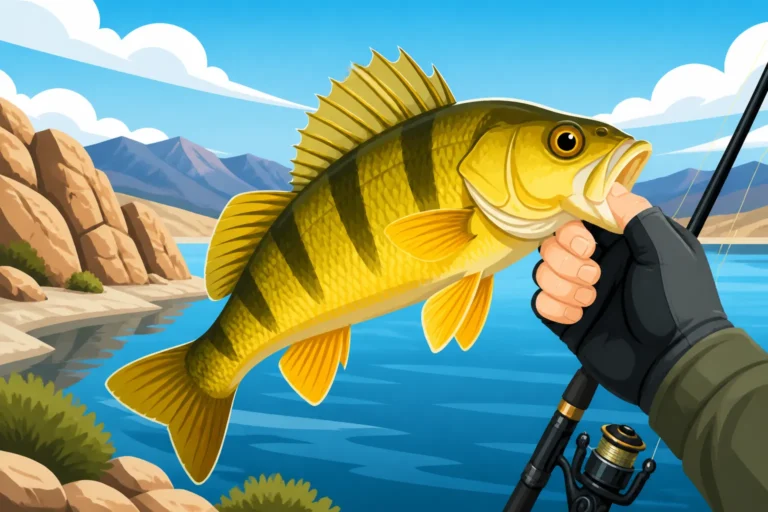
- Yellow Perch: Wildhorse Reservoir is a notable spot for yellow perch, known for their distinctive vertical stripes and tasty fillets. They often school together, so where you catch one, there are usually many more. Ice fishing for perch at Wildhorse in the winter is a particularly popular activity.
- Wiper (Hybrid Striped Bass): A cross between a striped bass and a white bass, the wiper is a hard-fighting hybrid that combines the aggression of both parents. These fish are stocked in some waters, including certain reservoirs, to offer an additional trophy opportunity. They grow quickly and fight incredibly hard, often mimicking the behavior of true stripers. Identifying them can be a bit tricky, but our Wiper Hybrid Bass Identification guide can help you distinguish them.
These diverse species add layers of excitement to Nevada fishing, ensuring there's always something new and interesting to pursue, whether you're targeting a trophy or just enjoying a relaxing day catching dinner.
Essential Knowledge for Nevada Anglers
Being a responsible and successful angler in Nevada goes beyond just knowing what fish are in the water. It also involves understanding how to identify your catch accurately and, perhaps most importantly, adhering to the regulations designed to protect our precious fisheries. This blend of knowledge and responsibility ensures that Nevada's aquatic resources remain healthy for generations to come.
Identifying Your Catch
Sometimes, telling one fish from another isn't as straightforward as it seems, especially with similar-looking species or hybrids. Misidentification can lead to inadvertently violating regulations, so it's a crucial skill to hone.
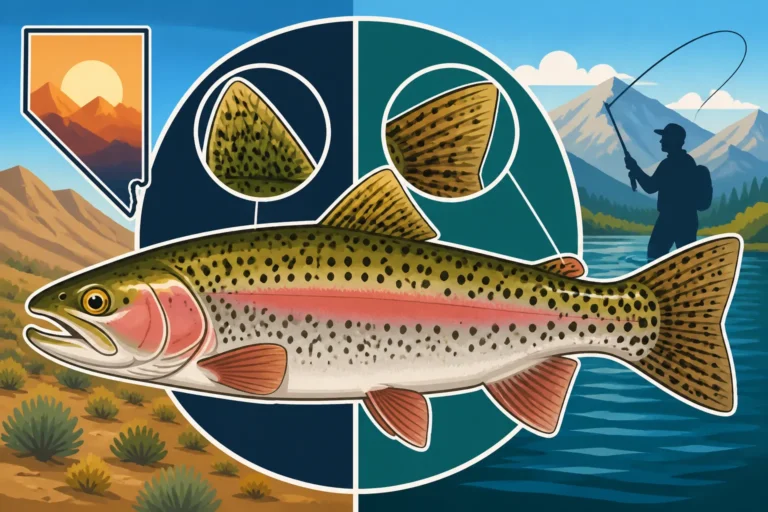
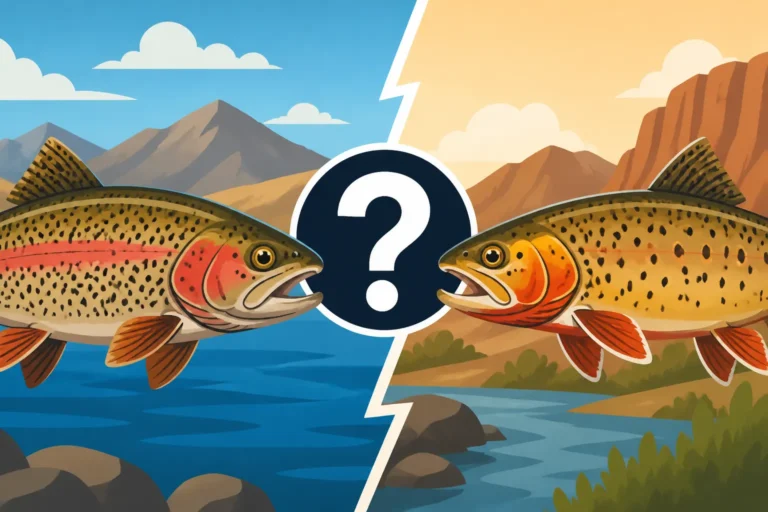
- Rainbow vs. Cutthroat Trout: The most common point of confusion is often between rainbow and cutthroat trout. The easiest way to tell is to look for the distinct red or orange "cut" marks under the jaw of a cutthroat. Rainbows typically lack these marks and often have more uniform spotting.
- Largemouth vs. Smallmouth Bass: Another frequent mix-up. The key difference is in the mouth. On a largemouth bass, the jaw extends beyond the eye. On a smallmouth, the jaw typically does not extend past the eye. Smallmouth also tend to have more vertical barring, while largemouth have a more horizontal lateral line or blotchy pattern.
- Striped Bass vs. Wiper: This can be tricky. True striped bass have solid, unbroken lines running along their body. Wipers (hybrid striped bass) often have broken or incomplete lines, particularly towards their tail. Wipers also tend to have a deeper body shape than true stripers.
Always take a moment to observe your catch before deciding whether to keep it or release it, especially if you're fishing in waters with specific size or bag limits for different species. When in doubt, it's always best to practice catch and release to ensure you're compliant with regulations.
Conservation and Regulations
Nevada's fishing regulations are designed to maintain healthy fish populations and ensure sustainable angling for everyone. It's not just about rules; it's about protecting the natural balance of our unique ecosystems. Before every trip, it's vital to consult the current Nevada Fishing Regulations, typically published by NDOW. You can find a detailed overview in our Nevada Fishing Regulations Explained guide.
These regulations cover a variety of critical aspects:
- Bag Limits: The maximum number of fish of a certain species you can keep in a single day. These vary significantly by species and waterbody. For instance, trout limits often differ from bass limits.
- Size Limits: Minimum or maximum lengths for keeping certain fish. This is particularly important for trophy species like Lahontan cutthroat trout at Pyramid Lake, which often have slot limits, or for protecting immature fish. Our Nevada Statewide Bag Limits Explained provides more general information.
- Season Dates: While many Nevada waters are open year-round, some have specific closed seasons for certain species, especially during spawning times, to protect fish populations.
- Tackle Restrictions: Some waters might have rules about what kind of bait or lures you can use, such as barbless hooks only, or no live bait. Pyramid Lake is a prime example of a fishery with unique tackle regulations.
Respecting these rules isn't just about avoiding penalties; it's about being a steward of the environment. Practices like proper catch and release, especially for sensitive species or undersized fish, are crucial. Using appropriate gear, handling fish gently, and minimizing their time out of water all contribute to the health of our fisheries. We all want to enjoy Nevada fishing for years to come, and adherence to these guidelines is how we make that possible.
Where to Find Your Target Species (Regional Breakdown)
Nevada's vast and varied landscape means that different regions offer distinct fishing opportunities. Knowing where to go for your desired species can save you time and greatly increase your chances of a successful outing. Let's break down some of the key fishing grounds across the state.
Northern Nevada Hotspots
Northern Nevada, influenced by the Sierra Nevada mountain range, boasts some of the state's most iconic and productive fisheries, especially for trout.
- Pyramid Lake: This ancient, terminal lake is the undisputed champion for trophy Lahontan cutthroat trout. Anglers come from all over the world to cast for these giants from shore or boat. It's a truly unique fishery with stunning scenery and a rich history. For everything you need to know about this incredible lake, consult our Pyramid Lake Nevada Fishing Guide.
- Lake Tahoe: Straddling the Nevada-California border, Lake Tahoe is famous for its crystal-clear, deep waters and its population of massive Mackinaw (lake trout). While challenging, the rewards of a trophy Mackinaw are immense. Rainbow and brown trout also inhabit the shallower areas.
- Wildhorse Reservoir: Located in northeastern Nevada near Elko, Wildhorse is a popular destination, particularly for rainbow trout, brown trout, and even some yellow perch and smallmouth bass. It's known for good ice fishing in winter and reliable open-water fishing during other seasons. Our Wildhorse Reservoir Nevada Fishing Guide offers more details.
- Truckee River: Flowing from Lake Tahoe through Reno, the Truckee River is a renowned tailwater fishery, especially for fly anglers seeking rainbow and brown trout. It can be challenging, but its wild trout populations are legendary.
These northern waters offer a diverse angling experience, ranging from the highly specialized pursuit of huge cutthroats to classic river fly fishing.
Southern Nevada Waters
Southern Nevada might be known for its desert climate, but it also holds some of the state's largest and most popular fisheries, primarily focused on warm-water species.
- Lake Mead: As one of the largest man-made reservoirs in the world, Lake Mead is a powerhouse fishery. It's famous for its abundant striped bass, which can be caught in large numbers, often in exciting boils. It also holds strong populations of largemouth and smallmouth bass, channel catfish, and crappie. Its vastness means endless exploration for anglers. Learn more about the species and hotspots in our Lake Mead Nevada Fishing Guide.
- Lake Mohave: Located downstream from Lake Mead on the Colorado River, Lake Mohave offers similar species but often with a slightly different character. It's another excellent destination for striped bass, largemouth bass, smallmouth bass, and especially rainbow trout, which are stocked heavily in the colder waters near Willow Beach. Our Lake Mohave Nevada Fishing Guide has all the details.
- Las Vegas Urban Ponds: For quick, accessible fishing, especially for families, the urban ponds in and around Las Vegas are fantastic. Floyd Lamb Park, Lorenzi Park, and Sunset Park are regularly stocked with rainbow trout during cooler months and offer good fishing for channel catfish and panfish (bluegill, crappie) year-round. These are perfect for introducing kids to fishing. Explore these local gems with our Las Vegas Nevada Urban Pond Fishing Guide.
These southern waters provide ample opportunities for anglers seeking warm-water action, from big stripers to easy-to-catch panfish, all within reasonable driving distance of major population centers.
Central and Eastern Nevada Gems
Don't overlook the central and eastern parts of Nevada! These regions, while often more remote, hold some fantastic fishing spots, particularly for trout in high-country lakes and reservoirs.
- South Fork Reservoir (near Elko): Known for its trophy-sized largemouth bass, as well as rainbow trout, brown trout, and channel catfish. It's a versatile fishery that appeals to a wide range of anglers.
- Cave Lake State Park (near Ely): A beautiful mountain lake that offers excellent rainbow trout fishing, often stocked by NDOW. It's a great spot for both bank fishing and small boats.
- Comins Lake (near Ely): This lake provides good action for rainbow trout and, surprisingly, tiger trout, making it a destination for those seeking a unique hybrid catch.
- Ruby Lake National Wildlife Refuge: Nestled in the scenic Ruby Mountains, this refuge offers a unique marsh-like environment where anglers can find largemouth bass, crappie, and channel catfish. It's a very different fishing experience from the large reservoirs.
Exploring these less-traveled areas can lead to peaceful fishing experiences and some truly rewarding catches away from the crowds. Each region of Nevada truly offers a distinct flavor of fishing, catering to various preferences and skill levels.
Gearing Up for Nevada's Fish
Alright, we've talked about the incredible fish species you can find in Nevada's waters and where to find them. Now, let's chat about the tools of the trade. Having the right gear isn't just about spending money; it's about being prepared, comfortable, and effective in diverse angling situations. You don't need the fanciest equipment, but you do need gear that matches your target species and the environment.
Rods, Reels, and Line
The foundation of any good fishing setup is your rod, reel, and line. What you choose will largely depend on what you're trying to catch.
- For Trout and Panfish: If you're targeting smaller trout in urban ponds or panfish like bluegill and crappie, a light to ultra-light spinning rod, around 5 to 6 feet long, paired with a small spinning reel (size 1000-2000) is perfect. Spool it with 4-6 pound monofilament or fluorocarbon line. This setup allows for delicate presentations and maximizes the fun of fighting smaller fish. You can find some excellent beginner-friendly rod and reel combos on Amazon that are perfectly suited for this kind of fishing.
- For Bass (Largemouth & Smallmouth): For the hard-fighting bass, you'll want something with a bit more backbone. A medium-heavy power, fast-action baitcasting or spinning rod (6'6" to 7'6") is a good all-around choice. Pair it with a sturdy baitcasting reel (if you're comfortable with them) or a 3000-4000 series spinning reel. Spool with 10-15 pound fluorocarbon or braided line (with a fluorocarbon leader) for better sensitivity and strength. The right gear makes a huge difference when you're trying to pull a chunky bass out of a brush pile.
- For Striped Bass and Mackinaw: When dealing with bigger, stronger fish like stripers or deep-water Mackinaw, heavier gear is a must. A medium-heavy to heavy power casting or trolling rod, often 7-8 feet long, matched with a robust conventional reel or a large spinning reel (5000+ series) is appropriate. You'll want 20-50 pound braided line for serious pulling power and sensitivity, often with a heavy fluorocarbon leader. When you're trolling deep for Mackinaw or casting heavy swimbaits for stripers, your gear really gets put to the test. Ensure your rod can handle the strain and your reel has a smooth, strong drag system.
Investing in decent quality gear will always pay off, providing better casting, more sensitivity, and the reliability you need when that trophy fish finally bites.
Baits, Lures, and Flies
The array of baits, lures, and flies available can be dizzying, but understanding what works for which species will streamline your tackle box.
- For Trout: Stocked rainbow trout are often suckers for prepared baits like PowerBait (in various colors and forms) or corn and salmon eggs fished on a small hook with a sliding sinker. Small inline spinners (like Rooster Tails or Mepps) and spoons (Kastmasters, Thomas Buoyants) are also highly effective, especially for more active trout. For Lahontan cutthroat, especially at Pyramid Lake, popular choices include large streamers, suspending jerkbaits, and heavy spoons. You can find a vast selection of these baits and lures on Amazon, making it easy to stock up before your trip.
- For Bass: Bass anglers have a massive arsenal. Largemouth bass love soft plastics (worms, creature baits, senkos) Texas-rigged or wacky-rigged, spinnerbaits, crankbaits, jigs, and topwater lures. Smallmouth bass often prefer smaller jigs, tubes, dropshot rigs, and small crankbaits that mimic crawfish or baitfish. Matching the hatch and understanding the bass's mood are key.
- For Striped Bass: Live bait like anchovies or shad is incredibly effective for stripers, often fished on a Carolina rig. For artificials, heavy spoons (like Kastmasters), swimbaits, large bucktail jigs, and topwater walking baits can all trigger aggressive strikes, especially during boils.
- For Catfish: Channel catfish are not picky! Stink baits, chicken livers, cut bait (like pieces of shad or sunfish), and even hot dogs or shrimp can be highly effective. They are often fished on the bottom with a simple slip-sinker rig.
- For Panfish: Small jigs (1/32 to 1/16 oz), tiny spinners, pieces of worm, or small crickets fished under a bobber are irresistible to bluegill, crappie, and perch.
Understanding the typical forage and behavior of your target species will guide your lure and bait choices. Don't be afraid to experiment, but having the tried-and-true favorites in your tackle box is always a good starting point.
Essential Fish Species Guide for Nevada Anglers
| Fish Species | Primary Habitat (Nevada) | Typical Forage | Key Identification Features | Common Fishing Method |
|---|---|---|---|---|
| Lahontan Cutthroat Trout | Pyramid Lake, some high-mtn lakes/streams | Baitfish (tui chub), insects, crustaceans | Red/orange slash under jaw, large spots, often silver/gold | Trolling, shore casting, fly fishing |
| Rainbow Trout | Stocked urban ponds, reservoirs, streams | Insects, pellets, small baitfish | Pink/red lateral stripe, dark spots, no jaw slash | Baits, spinners, spoons, flies |
| Brown Trout | Cold reservoirs (Wildhorse), streams | Baitfish, insects, crustaceans | Brown/olive back, red/orange spots with halos, square tail | Spinners, lures, flies, bait |
| Largemouth Bass | Warmer coves, weed beds (Lake Mead) | Baitfish, crawfish, frogs, insects | Jaw extends past eye, dark lateral line, deep body | Soft plastics, crankbaits, jigs |
| Smallmouth Bass | Rocky points, ledges (Lake Mead, Mohave) | Crawfish, baitfish, insects | Jaw to middle of eye, vertical bars, bronze color, strong fighter | Jigs, tubes, small crankbaits |
| Striped Bass | Large reservoirs (Lake Mead, Mohave) | Shad, anchovies, other baitfish | Silver body, distinct unbroken horizontal stripes | Live bait, swimbaits, jigs, trolling |
| Mackinaw (Lake Trout) | Deep, cold water (Lake Tahoe) | Kokanee salmon, chub, sculpin | Deeply forked tail, light spots on dark body, large mouth | Deep trolling, jigging |
| Channel Catfish | Warmer reservoirs, urban ponds | Cut bait, stink bait, insects, crustaceans | Forked tail, barbels (whiskers), smooth skin (no scales) | Bottom fishing with bait |
| Crappie | Submerged structure, brush (Lake Mead) | Small minnows, insects, crustaceans | Silvery, pan-shaped, often speckled/blotchy, large dorsal fin | Small jigs, minnows, plastics |
| Bluegill | Urban ponds, shallow areas of reservoirs | Insects, small worms, larvae | Small mouth, dark 'ear flap', olive/blue-green color | Worms, crickets, tiny jigs |
Nevada's waters hold an incredible diversity of fish species, each offering a unique challenge and reward to the angler. From the iconic Lahontan cutthroat trout to the hard-fighting striped bass and the ever-present panfish, there's truly something for everyone. Understanding what fish are out there, where they live, and the best ways to target them is the first step toward a successful and enjoyable day on the water. Remember to always respect the regulations, practice responsible angling, and most importantly, soak in the beauty of Nevada's surprisingly rich aquatic environments. Happy fishing, and tight lines!
Disclaimer
This article is for general informational purposes only and does not constitute professional advice. Laws, prices and regulations vary by location and change over time. Consult a qualified professional for guidance on your specific situation.