Brown Trout in Nevada Reservoirs
Many anglers, especially those new to the Silver State, often picture Nevada as a vast desert with limited fishing opportunities, let alone a thriving trout fishery. It's a common misconception that can be quite frustrating when you're seeking diverse angling experiences. But let me tell you, Nevada's reservoirs hold a surprising secret: robust populations of brown trout that offer some truly challenging and rewarding fishing. This guide is designed to peel back that desert veil, helping you understand where these wily fish hide in our unique reservoir systems, what makes them tick, and how you can successfully target them.
Understanding Brown Trout in Nevada's Unique Ecosystems
Brown trout are magnificent, elusive creatures, known for their stunning coloration and fierce fighting spirit. In Nevada, they've adapted to some pretty unique environments, making them a fascinating species to pursue. They're not always easy to find, which is part of their allure, but with a bit of knowledge about their habits in our reservoirs, you can significantly improve your chances.
A Brief History of Brown Trout in Nevada
You might wonder how a European species like the brown trout ended up thriving in Nevada's high desert and mountain reservoirs. Well, it's a story of intentional stocking efforts dating back many decades. Unlike our native Lahontan cutthroat trout, browns were introduced to provide additional angling opportunities, particularly in waters where conditions were suitable. They proved to be incredibly resilient, adapting to varying water temperatures and food sources, often outcompeting other species in certain niches.
Over time, these introduced populations established themselves, with some reservoirs developing naturally reproducing brown trout populations, while others rely on periodic stocking to maintain their numbers. This history means that while you'll find them, their distribution isn't uniform, and understanding where they've successfully colonized is key. It's a testament to their hardiness that they've made a home in waters that can fluctuate wildly, from deep, cold mountain lakes to warmer, more expansive desert reservoirs.
Preferred Habitats and Behavior in Reservoirs
Brown trout are cunning predators, and their behavior in a large reservoir setting is often driven by their need for food and cover. They are less tolerant of extremely warm water than some other species but can handle a wider range of temperatures than many expect. In reservoirs, they typically prefer rocky points, submerged timber, drop-offs, and areas with access to deeper, cooler water. These features provide them with ambush points for prey fish and protection from predators.
During different times of the year, their location will shift. In cooler months, they might be found shallower, cruising shorelines or feeding in tributary arms. As temperatures rise in summer, they'll retreat to the thermocline, often suspending over deep water or hugging the bottom near structure where they can find cooler temperatures and oxygen. Understanding these movements is crucial. Imagine trying to catch them in the middle of a hot summer day in shallow water—it's likely a futile effort. You've got to think like a brown trout and find where they're most comfortable and actively feeding.
Identifying Nevada's Brown Trout
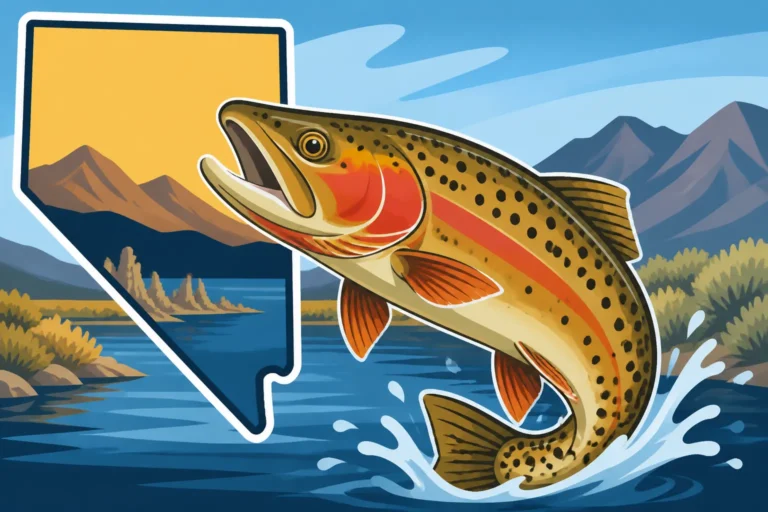
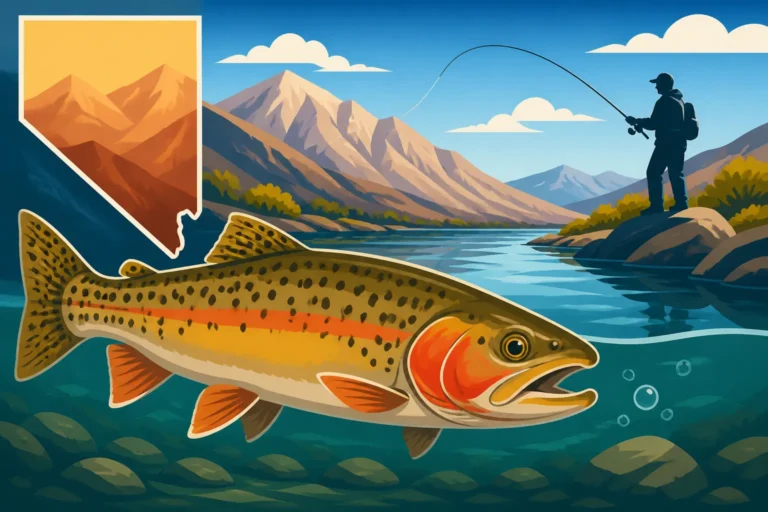
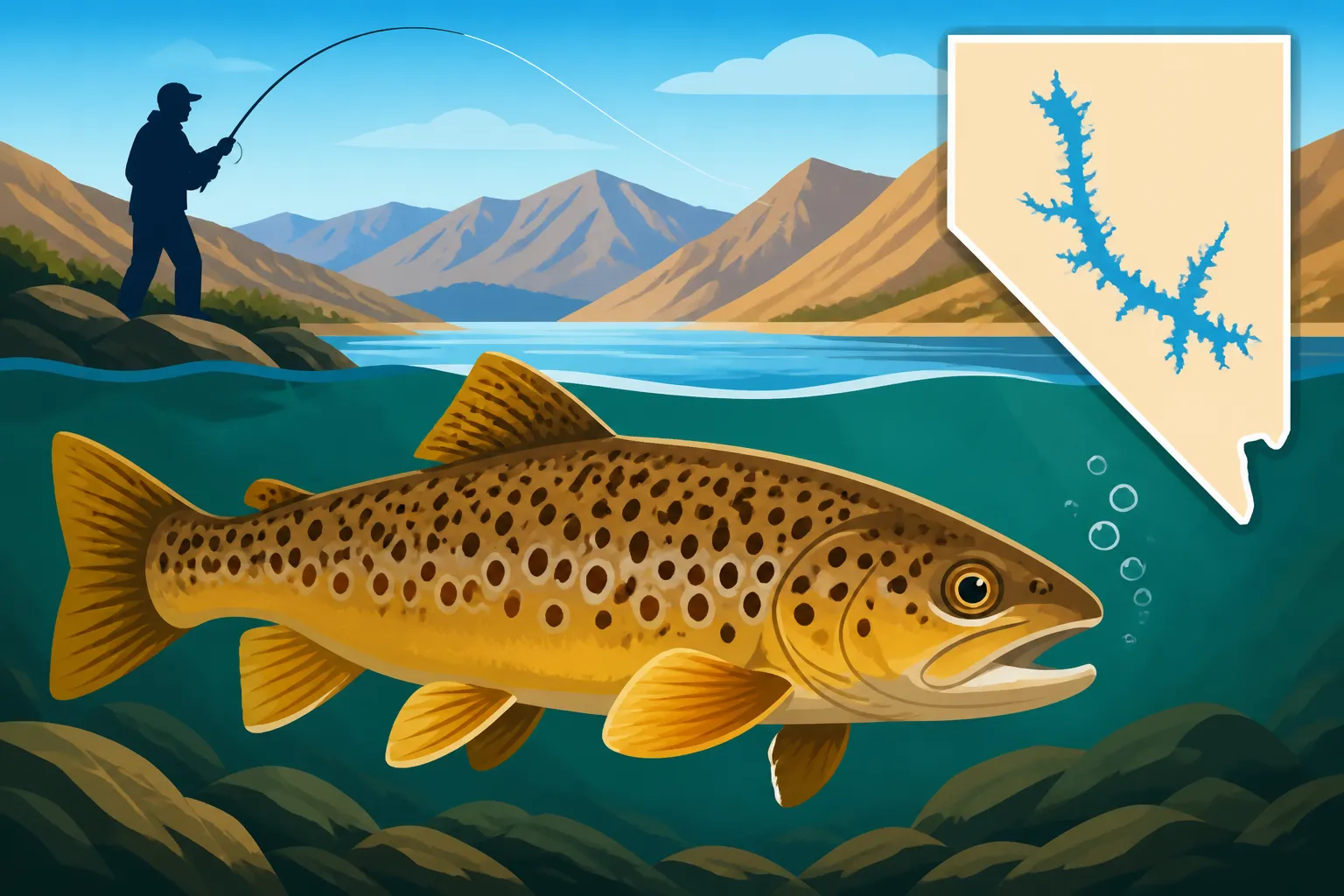
Distinguishing a brown trout from other trout species, especially a rainbow, can sometimes be a little tricky, but there are some clear characteristics to look for. Brown trout typically have a golden-brown to olive-brown back, fading to silvery flanks and a yellowish-white belly. Their most distinctive features are the prominent dark spots on their back and sides, which often have a pale halo around them. They also usually have reddish-orange spots, particularly along their lateral line, though these can be less pronounced in some individuals.
Their tail is typically squared or slightly forked, and usually has very few or no spots, which helps differentiate them from rainbows and cutthroats that often have spots all the way to their tail fin. The adipose fin (the small, fleshy fin between the dorsal and tail fins) on a brown trout might have an orange tint. Observing these patterns, especially the haloed spots and the relative lack of tail spotting, will help you confirm you've landed one of these beautiful fish.
Where to Find Brown Trout in Nevada's Reservoirs
Nevada has a surprising number of reservoirs where brown trout thrive, offering diverse angling experiences. From the remote high-desert lakes to more accessible impoundments, each location presents its own set of challenges and rewards. Knowing which reservoirs hold good populations and what their specific characteristics are can save you a lot of time and gas money.
Northern Nevada's Brown Trout Havens
Northern Nevada, with its higher elevations and more consistent water sources, is home to some of the state's premier brown trout fisheries. Locations like Wildhorse Reservoir, nestled in Elko County, are fantastic examples. Wildhorse Reservoir Nevada Fishing Guide provides a deep dive into this particular gem. Wildhorse is known for its robust trout populations, and while rainbows are abundant, it also holds some impressive brown trout. These browns often cruise the rocky shorelines, particularly in the early morning and late evening, and can be found near the dam and in deeper channels.
Another notable northern spot is Knott Creek Reservoir, a high-desert lake that demands a bit more effort to reach but often rewards anglers with quality browns. The remoteness helps preserve a more natural, wilder feel to the fishery. Here, browns often relate to the extensive weed beds and submerged structure. Other regional reservoirs, though perhaps less famous for browns exclusively, can still surprise you with a good catch, especially if they have cooler, deeper sections and ample forage fish.
Central and Eastern Nevada's Hidden Gems
Moving further east and into central Nevada, you'll find a few more lesser-known but equally productive spots for brown trout. Illipah Reservoir, located near Ely, is one such place. This reservoir, while not as large as some of its northern counterparts, is regularly stocked and has developed a reputation for producing some chunky brown trout. The browns here tend to relate to the submerged creek channels and rocky points, particularly where there's good cover.
These eastern reservoirs often experience more extreme temperature fluctuations, meaning that timing your visit during the cooler shoulder seasons (spring and fall) can be absolutely critical for brown trout success. While they might be overshadowed by more popular trout species in some local discussions, don't underestimate the potential for a trophy brown in these quieter waters. It often means fewer crowds and a more peaceful fishing experience, which many anglers, myself included, truly cherish.
Understanding Reservoir Specifics for Brown Trout Success
Each reservoir has its own personality, and successfully targeting brown trout requires understanding these nuances. Water clarity, for instance, plays a huge role. Browns are often more comfortable in slightly off-color water or low-light conditions, using the reduced visibility to ambush prey. In crystal-clear reservoirs, they tend to be much warier and stick to deeper water or dense cover.
Forage availability is another critical factor. If a reservoir has a strong population of baitfish like shad or minnows, the brown trout will grow larger and more aggressively target those food sources. Reservoirs that are primarily insect-driven might produce browns that are harder to tempt with larger lures, preferring smaller presentations or flies. Regularly checking Nevada Fishing Regulations Explained for specific waters can also give you clues about the health and management goals for a particular brown trout fishery.
| Reservoir Name | Region | Primary Forage | Typical Brown Trout Size | Best Season(s) | Common Techniques |
|---|---|---|---|---|---|
| Wildhorse Reservoir | Northern | Minnows, Insects | 14-20 inches, larger | Spring, Fall, Ice | Trolling, Spin Casting |
| Knott Creek Reservoir | Northern | Insects, Small Fish | 12-18 inches, quality | Spring, Fall | Fly Fishing, Spin Casting |
| Illipah Reservoir | Eastern | Insects, Minnows | 12-16 inches | Spring, Fall | Spin Casting, Bait |
Essential Techniques for Catching Reservoir Brown Trout
Brown trout are notorious for their wariness, especially the larger, more experienced individuals. You can't just throw out any old bait and expect consistent success. To consistently hook into these beautiful fish in Nevada's reservoirs, you need a combination of precise techniques, the right tackle, and a good understanding of their feeding habits.
Trolling and Still Fishing Strategies
Trolling is often one of the most effective methods for covering large expanses of water in a reservoir, allowing you to present your lure at the exact depth where brown trout are holding. This is especially true during the warmer months when browns retreat to deeper, cooler water. You'll want to use a downrigger or lead core line to get your lures down to the thermocline or near submerged structure. Vary your speeds and make S-turns to make your lure appear more erratic and appealing. While Trolling Techniques for Lake Tahoe Mackinaw offers insights for a different species, the principles of depth control, speed, and lure action are highly relevant here.
Still fishing, particularly from shore or an anchored boat, can also be very productive, especially during low-light hours or in areas with known structure. Using power bait, worms, or even dead baitfish (where legal, always check regulations!) near drop-offs, submerged timber, or rocky points can entice hungry browns. The key is patience and choosing a spot where you know the trout will be moving through. Having a sturdy rod holder, easily found on Amazon, can make a long session of still fishing much more comfortable.
Lures and Baits That Brown Trout Can't Resist
Brown trout are opportunistic predators, but they often have a strong preference for baitfish imitations. Spoons like the Kastmaster, daredevil, or Tasmanian Devil in silver, gold, or flashy colors are perennial favorites. Stickbaits and crankbaits that mimic minnows, chubs, or even small trout are also incredibly effective, especially when trolled or retrieved with an erratic stop-and-go action. For those looking for specific recommendations, Best Bait for Nevada Trout offers broader insights into effective trout baits.
Soft plastics, such as small swimbaits or tube jigs, can also be deadly when fished on light jig heads, especially around structure. When it comes to natural baits for still fishing, nightcrawlers are always a reliable choice, particularly when inflated slightly with an injector to lift them off the bottom. Remember, presentation is key – a natural, unencumbered drift or a realistic retrieve will often outfish a flashy but unnatural presentation. For a wide variety of these lures and baits, Amazon is a great resource to explore different brands and styles.
Fly Fishing for Browns in Reservoir Settings
While many think of fly fishing as a river pursuit, it can be incredibly effective for reservoir brown trout, particularly from a float tube, kayak, or boat. The advantage of fly fishing is the subtle presentation and the ability to accurately mimic the insect and baitfish forage that browns consume. Stripping streamers that imitate baitfish, like Woolly Buggers, Clouser Minnows, or Leech patterns, along rocky points or weed lines can trigger aggressive strikes.
In calmer conditions, especially during hatches, presenting nymphs or even dry flies can be productive near shallower areas. This often requires a longer cast and a quiet approach to avoid spooking these wary fish. For those new to the sport or looking to expand their fly fishing arsenal, Fly Fishing in Nevada offers a wealth of information, and finding specialized flies and fly lines is easy through online retailers like Amazon. A good fly rod for reservoir browns might range from a 5 to 7 weight, offering enough backbone to handle larger fish but still providing a delicate presentation.
Optimal Seasons and Conditions for Targeting Brown Trout
Catching brown trout consistently in Nevada's reservoirs often boils down to understanding their seasonal movements and how external factors like weather and water conditions influence their behavior. These fish are creatures of habit, but those habits shift throughout the year, demanding different approaches from the savvy angler.
Seasonal Movements and Feeding Patterns
Brown trout, like many trout species, are heavily influenced by water temperature. In the spring, as ice recedes and water temperatures begin to rise, browns will move into shallower waters, often cruising shorelines and creek inlets to feed on emerging insects and baitfish. This is a prime time for both bank anglers and those in boats, as the fish are more accessible and actively feeding after the lean winter months. Nevada Trout Season Dates can help you pinpoint these optimal periods.
Summer brings warmer surface temperatures, pushing brown trout deeper, often to the cooler thermocline or near deep-water structure. They become more nocturnal, feeding heavily during low-light hours. Fall is arguably one of the best seasons, especially for larger, trophy browns, as they become incredibly aggressive in preparation for spawning. They move into shallower areas, especially near spawning grounds (like tributary mouths or rocky shoals), and will strike at large, flashy lures or streamers. Winter, particularly through the ice on some northern reservoirs, can also be productive, with browns often holding near drop-offs and main lake basins, though their metabolism slows.
The Impact of Weather and Water Conditions
Weather plays a significant role in brown trout behavior. Overcast days, light rain, or even slightly choppy water can actually improve fishing, as these conditions reduce light penetration and provide a sense of security for the trout, making them more willing to venture out of cover. Bright, sunny, calm days, especially in clear water, tend to make brown trout more skittish, driving them deeper or into denser cover.
Water clarity is another huge factor. Extremely clear water makes trout more wary, necessitating lighter lines and more subtle presentations. Slightly stained or turbid water, however, can make them more aggressive, as their prey has fewer places to hide. The best advice is to observe the conditions and adjust your tactics accordingly. Don't be afraid to switch up your lure colors, retrieval speeds, or even your fishing depth based on what the water is telling you.
Best Times of Day to Fish for Trophy Browns
For those dreaming of a true trophy brown trout, timing is paramount. The low-light hours of dawn and dusk are almost always the most productive. Brown trout are primarily crepuscular, meaning they are most active during these twilight periods. During these times, they'll often move into shallower water to hunt, making them more accessible to anglers. On overcast days, this prime feeding window can extend throughout the day.
During the full moon phases, especially at night, brown trout can also be incredibly active, taking advantage of the moonlight to hunt. This can offer a unique and exciting night-fishing experience. However, fishing mid-day, especially in summer, is typically the least productive unless you are specifically targeting deep-water structure with specialized techniques. Plan your trips around these optimal windows, and you'll dramatically increase your odds of encountering one of Nevada's elusive giants.
Conservation and Responsible Angling Practices
The brown trout fisheries in Nevada's reservoirs are a precious resource, offering unique challenges and rewards to anglers. To ensure these opportunities continue for future generations, practicing responsible angling and conservation is not just recommended, it's essential. Each of us plays a part in maintaining the health of these ecosystems.
Catch and Release Best Practices
Many anglers targeting brown trout, especially the larger, older fish, choose to practice catch and release. This is particularly important for species like brown trout that can grow to impressive sizes and contribute significantly to the genetic health of a population. If you decide to release a brown trout, doing so properly is crucial for its survival. Catch and Release Techniques for Trout outlines detailed steps, but here are some key takeaways:
- Minimize Handling: Try to keep the fish in the water as much as possible. If you must handle it, do so with wet hands and support its body horizontally. Avoid squeezing its belly or gills.
- De-hook Quickly: Use needle-nose pliers or a de-hooking tool to remove the hook as quickly and gently as possible. If the fish is deeply hooked, it may be better to cut the line as close to the hook as possible.
- Revive Carefully: Hold the fish gently facing upstream in the current or move it gently back and forth in still water until it regains its strength and can swim away on its own. Watch for strong tail kicks.
These practices help reduce stress and injury, significantly increasing the chances of the fish surviving to spawn another day or provide another angler with a thrilling fight.
Understanding Regulations and Limits
Nevada's fishing regulations are designed to protect fish populations and ensure sustainable angling. It is absolutely vital that every angler understands and adheres to these rules, especially when targeting brown trout in specific reservoirs. Regulations can vary from one water body to another, often stipulating different bag limits, size restrictions (like slot limits), or even tackle restrictions.
Before heading out, always consult the most current Nevada Fishing Regulations Explained or the Nevada Department of Wildlife (NDOW) fishing guide. Pay close attention to sections on Nevada Statewide Bag Limits Explained and specific reservoir rules. For instance, some lakes might have a general trout limit, while others might have a special brown trout limit or a "slot limit" where only fish outside a certain size range can be kept. Knowing these rules prevents accidental violations and contributes directly to the conservation efforts that keep our brown trout fisheries healthy and vibrant.
Disclaimer
This article is for general informational purposes only and does not constitute professional advice. Laws, prices and regulations vary by location and change over time. Consult a qualified professional for guidance on your specific situation.