Rainbow Trout Stocking Size in Nevada
It can be incredibly frustrating to head out to your favorite fishing spot, full of anticipation after hearing about a recent trout stocking, only to find yourself struggling to hook anything. You might even catch a glimpse of some small fish, but they're not quite what you expected, or they're just not biting the way you thought they would. This often comes down to one key factor that many anglers overlook: the actual size of the rainbow trout being stocked. Understanding the typical stocking sizes in Nevada and what that means for your day on the water can drastically improve your success and help manage those expectations. This guide is here to shed some light on the Nevada Department of Wildlife's (NDOW) stocking practices, what those numbers mean for you, and how to adapt your fishing game accordingly.
Understanding Rainbow Trout Stocking in Nevada
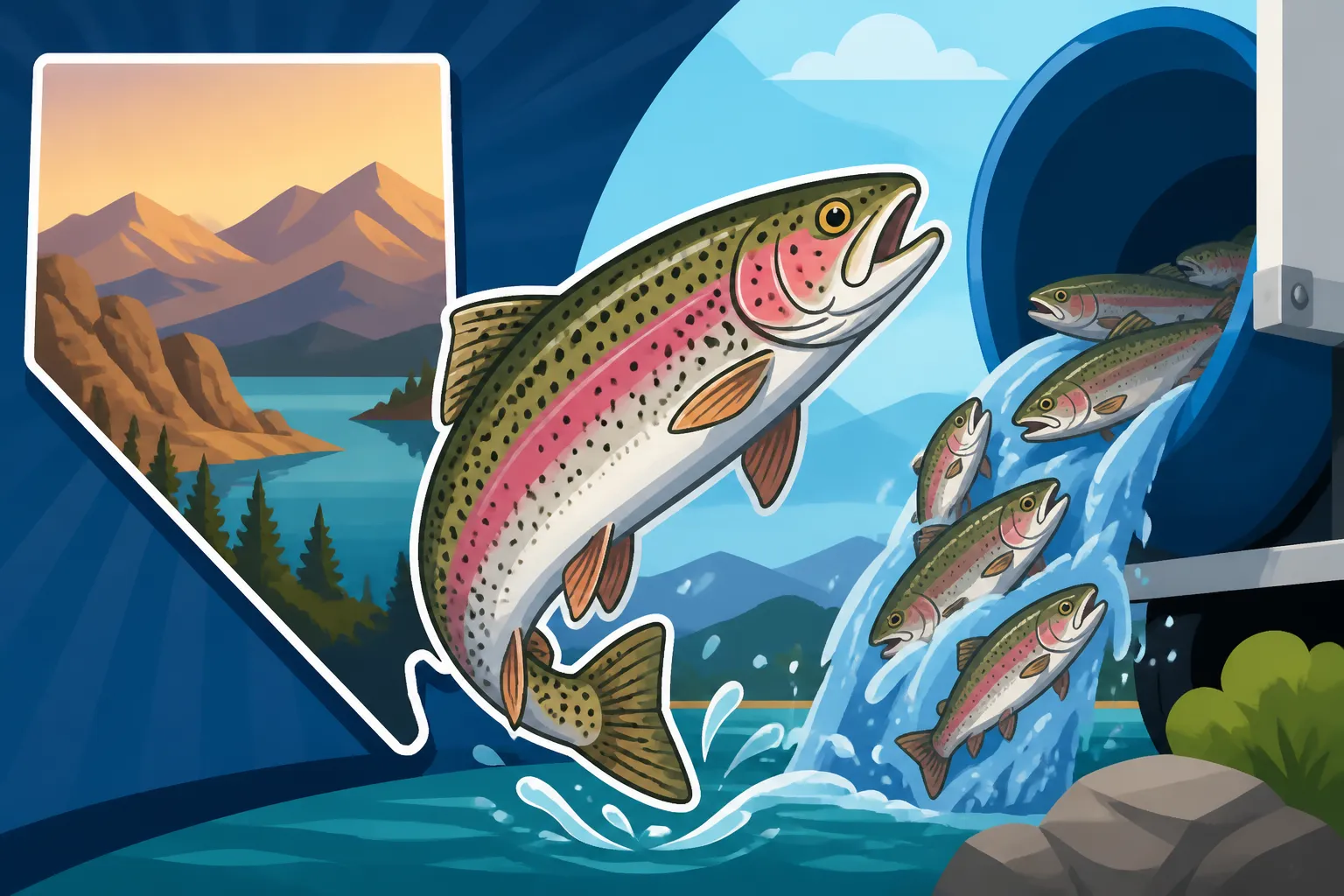
When we talk about trout stocking, it's easy to picture a truck backing up and dumping a load of big, hungry fish into the water. While that's somewhat true, the reality is a bit more nuanced, especially when it comes to the size of the fish. NDOW's stocking efforts are a vital part of maintaining Nevada's diverse fisheries, but the fish they release aren't all one-size-fits-all.
Why Stocking Size Makes a Difference to Anglers
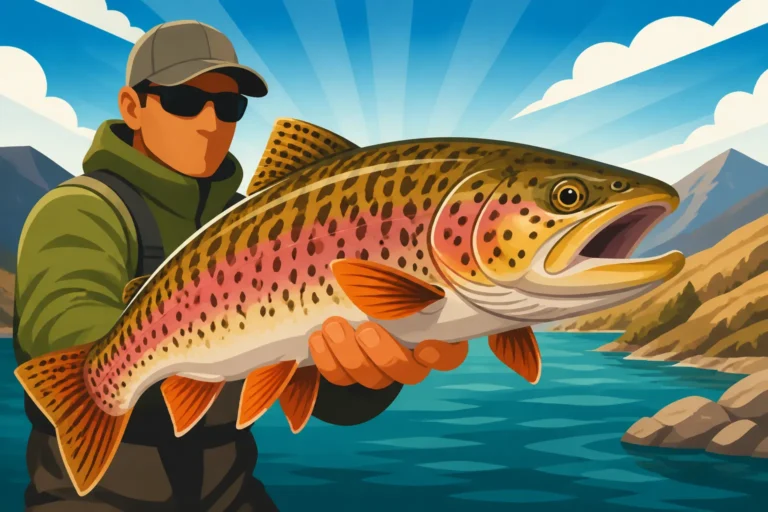
Think about it: a tiny fingerling isn't going to hit your spoon bait the same way a hefty catchable trout will. The size of the fish directly impacts everything from the tackle you should use to the bait you offer, and even your expectations for the fight on the line. Anglers often anticipate "catchable" trout – fish that are already a decent size, usually 8 to 12 inches or more, that can be immediately harvested and provide a good fight. These are the fish that make a day trip feel instantly rewarding.
However, many stocking events, particularly in certain water bodies or during specific times of the year, involve smaller fish, often called "fingerlings" or "sub-catchables." These fish are typically only a few inches long, sometimes as small as 2-4 inches. While they won't fill your stringer on day one, they're stocked with a different purpose in mind: to grow into those catchable sizes over time, bolstering the natural population for future seasons. If you're using heavy gear and big lures meant for larger fish when only fingerlings have been stocked, you're going to have a frustrating day, and you might not even realize why. It's like bringing a baseball bat to a golf course – wrong tool for the job.
The Goals Behind NDOW's Stocking Program
NDOW doesn't just stock fish for the fun of it; there's a strategic science behind their efforts. Their primary goals include:
- Enhancing Recreational Fishing Opportunities: This is where those "catchable" trout come in, offering immediate gratification for anglers, especially in popular urban ponds and easily accessible reservoirs. They want to ensure there's a steady supply of fish for people to enjoy catching and taking home.
- Maintaining and Restoring Wild Populations: In some waters, stocking smaller, younger fish (fingerlings) is crucial for supplementing or re-establishing self-sustaining populations, particularly where natural reproduction is limited due to environmental factors or past overfishing. These fish are expected to grow in the wild, adapting to natural food sources and avoiding predators.
- Creating "Put-and-Grow" Fisheries: This approach lies between the immediate catchable and purely wild restoration. NDOW might stock sub-catchable trout that are expected to grow significantly over a few months to a year before reaching an ideal catchable size, providing a longer-term fishing opportunity in those waters.
- Introducing Genetic Diversity: Occasionally, stocking can also be used to introduce new genetic strains of rainbow trout that might be more resilient to local conditions or disease, ensuring a healthier overall fish population.
Each of these goals dictates the size, number, and location of the trout released, making it a complex but well-thought-out process. Understanding these objectives helps you appreciate why different stocking sizes are used across Nevada's diverse waterways.
Common Stocking Sizes You'll Encounter
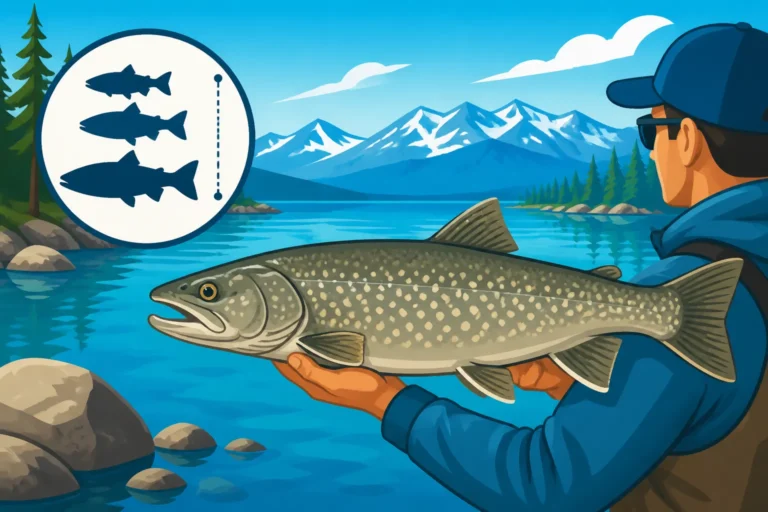
In Nevada, you'll generally find rainbow trout falling into a few broad size categories when they're stocked. It's not always an exact science, as fish grow at different rates even within the same hatchery batch, but these categories give you a good idea of what to expect.
- Fingerlings: These are the smallest, usually just 2 to 4 inches long. They're typically stocked in larger reservoirs, remote lakes, or rivers where they have room to grow and ideally contribute to a wilder population over time. You wouldn't typically target these for immediate harvest, as they're too small and fragile.
- Sub-Catchables: A step up, these fish usually range from 5 to 7 inches. They're a bit more robust than fingerlings and have a better chance of survival. They might be stocked in waters intended for "put-and-grow" scenarios, meaning they'll need some time in the lake or river before they become a truly satisfying catch.
- Catchables (or Stocker Size): This is what most anglers envision. These fish are generally 8 to 12 inches, sometimes even larger if they're surplus or specifically grown for special events. These are the workhorses of the urban pond and easily accessible reservoir stocking programs, providing immediate fishing action. They're robust enough to handle the stress of stocking and are ready to be caught by eager anglers.
- Trophy Size: While not a common "stocking size" in the same volume as catchables, some select waters might receive larger trout, sometimes up to 14-20 inches or more, for specific events or to create trophy opportunities. These are often less frequent and highly anticipated by local anglers.
Knowing these distinctions helps you mentally prepare for your outing. If you see a report of "fingerlings" being stocked, you know it's a long-term investment, not an immediate gratification trip. Conversely, if it's "catchables," get your lighter tackle ready!
Factors Influencing Rainbow Trout Stocking Size
The decision on what size trout to stock isn't arbitrary. It's a complex equation involving biology, logistics, and economics. NDOW hatchery managers and fisheries biologists weigh many factors before a single trout leaves the holding tanks.
Hatchery Operations and Growth Rates
The journey of a rainbow trout from egg to stocking-size fish takes place in one of Nevada's hatcheries. The time it takes for a fish to reach a certain size depends on several factors:
- Food and Nutrition: Just like any creature, a trout's growth is heavily influenced by the quality and quantity of its diet. Hatchery fish are fed specialized pellets designed for optimal growth and health.
- Water Temperature: Trout are cold-water fish, and their metabolism, and thus their growth rate, is highly dependent on water temperature. Optimal temperatures allow for faster growth. If temperatures are too cold, they grow slowly; too warm, and they can become stressed or even die.
- Density: How many fish are in a raceway or pond affects competition for food and space. Overcrowding can lead to slower growth, stress, and increased susceptibility to disease. Hatchery staff carefully manage these densities to produce healthy, fast-growing fish.
- Genetics: Different strains of rainbow trout have different genetic predispositions for growth rate. NDOW often uses strains known for their robust growth and adaptability to Nevada's waters.
These hatchery conditions are carefully controlled to meet stocking targets. Sometimes, due to environmental factors like unusual weather patterns affecting water temperatures or unforeseen disease outbreaks, the growth rates might deviate from the norm, leading to fish being slightly larger or smaller than initially planned for a stocking event. This is simply the reality of working with living organisms.
Water Body Characteristics and Carrying Capacity
Not every lake or river can support the same size or number of fish. NDOW biologists conduct extensive surveys to understand each water body's unique characteristics, which then informs stocking decisions.
- Food Availability: Some lakes are teeming with aquatic insects, plankton, and smaller forage fish, offering a rich buffet for growing trout. Others are sparser. Stocking larger fish in a water body with limited natural food sources might lead to slower growth or even starvation if they can't adapt. Conversely, smaller fingerlings might have a better chance to grow if they can exploit the existing micro-invertebrate populations.
- Predation: Waters with a high population of predatory fish (like bass or larger striped bass) or birds of prey (like ospreys and eagles) might necessitate stocking larger trout that are less vulnerable to immediate predation. Stocking tiny fingerlings in a lake full of hungry largemouth bass would be a waste of resources, as most would be eaten quickly. This is why you often see larger "catchable" trout in urban ponds where predation by other fish is generally lower.
- Water Quality and Temperature Swings: Nevada's desert climate means many reservoirs can experience significant temperature fluctuations, especially in summer. Some waters get too warm for trout to thrive, particularly larger fish that require more oxygen. In these cases, stocking smaller fish for a "put-and-take" winter or spring fishery might be the only viable option before summer heat sets in. NDOW monitors water quality closely, and this data directly influences stocking decisions.
- Access and Angler Pressure: High-pressure fishing spots, especially those easily accessible to families and beginners, often receive a steady supply of larger, "catchable" trout to ensure consistent success and enjoyment. Remote, less-fished waters might be better suited for stocking smaller fish that have more time to grow into trophy sizes without immediate heavy angling pressure.
This balancing act ensures that the right size of fish is put into the right environment, maximizing survival and angler satisfaction.
Budgetary and Logistical Constraints
Let's be realistic, stocking millions of fish isn't cheap or easy. The financial and operational aspects play a significant role in determining stocking sizes.
- Cost of Production: It costs more to raise a larger fish. They consume more food, take up more space in the hatchery for longer, and require more resources. NDOW operates with a budget, and they must allocate those funds efficiently to serve as many anglers and waters as possible. Sometimes, stocking a larger quantity of smaller fish is more cost-effective than a smaller quantity of very large fish, especially for programs focused on long-term population building rather than immediate harvest.
- Transportation Logistics: Moving fish from a hatchery to a remote lake or a bustling urban pond requires specialized trucks with aerated tanks. Larger fish mean fewer fish per truckload, increasing transportation costs and the number of trips required. Smaller fish can be transported in larger quantities, which is more efficient for widespread stocking. For a place like the Ruby Lake National Wildlife Refuge Fishing area, getting fish there is a big undertaking.
- Staffing and Equipment: Hatchery staff work tirelessly to raise and transport these fish. The equipment needed to handle and release large numbers of big trout is different from that used for smaller ones. Sometimes, the physical challenges of stocking a particular remote water body might favor smaller, easier-to-handle fish.
These practical considerations are always at play behind the scenes, shaping the stocking strategy for various Nevada waters. It’s a complex dance to meet ecological needs with recreational demand and fiscal responsibility.
What to Expect After the Stocking Truck Leaves
So, the stocking truck has been and gone. Now what? Anglers often assume that once fish are in the water, it's a free-for-all. But trout, especially those fresh from the hatchery, behave in specific ways that can either lead to immediate success or frustrating blank hours.
Immediate Fishing Opportunities and Behavior
When freshly stocked, rainbow trout are often in a somewhat disoriented state. They've just been through a stressful experience – being netted, loaded into a truck, driven, and then dumped into a new environment. This disorientation can actually work in an angler's favor, at least initially.
- "Stunned" Behavior: For the first few hours, or even a day or two, newly stocked trout might swim in tight schools near the release point. They're trying to figure out their new surroundings and often aren't actively seeking food. However, if a familiar-looking pellet or an easy meal drifts by, their hatchery instincts can kick in. This is why power bait, salmon eggs, or small worms often work wonders immediately after a stocking. They mimic the food they're used to or are easy targets.
- Predictable Locations: Stocked trout often stay close to where they were released, at least for a little while. This means focusing your efforts near boat ramps, designated fishing piers, or accessible shoreline areas can be productive. Don't cast to the middle of the lake if you know they were released near the bank.
- Aggressive, but Unwary: Larger, catchable trout, having never had to truly hunt for food, can be incredibly aggressive and unwary of dangers in their new environment. They're used to food appearing regularly. This can make for fast action, but it also means they can be caught out quickly if not properly managed.
This initial period of "easy pickings" doesn't last long, especially in heavily fished areas. The trout quickly become accustomed to their new surroundings and the presence of anglers. For details on how often urban ponds are replenished, you might want to check out How often NDOW restocks Las Vegas urban ponds.
Post-Stocking Growth and Survival Rates
While some stocked trout are quickly caught, many others survive and begin to adapt. This is where the long-term success of the stocking program comes into play, especially for sub-catchable and fingerling stockings.
- Initial Survival Challenges: The first few days and weeks are critical. Newly stocked fish face challenges like predation from native fish, birds, and even mammals. They also need to find natural food sources and adapt to the water chemistry and temperature. Water depth, oxygen levels, and the presence of suitable cover are all vital to their survival.
- Growth in the Wild: If they survive the initial period, trout stocked as fingerlings or sub-catchables can exhibit impressive growth rates. With access to natural forage like insects, minnows, or plankton, they can quickly bulk up. A 4-inch fingerling stocked in spring could easily be 8-10 inches by fall, sometimes even larger in nutrient-rich waters. This "put-and-grow" strategy is often employed in waters like Wildhorse Reservoir, where fish are given time to mature.
- Becoming "Wilder": As stocked trout spend more time in the wild, they learn to forage naturally, become warier of predators (including anglers), and behave more like truly wild fish. They'll seek out structure, follow temperature breaks, and become much harder to catch. This is a common phenomenon that rewards patient and adaptable anglers. Knowing Nevada Fishing Seasons by Month can help you time your trips for optimal growth windows.
It's a testament to nature's resilience and NDOW's efforts that many of these hatchery-raised fish successfully transition to a wilder existence, creating more robust fisheries over time.
The Transition from Hatchery to Wild Food Sources
This is perhaps one of the biggest hurdles for newly stocked trout, and it's something every angler should understand. Hatchery trout are accustomed to a very specific diet: processed pellets.
- The Pellet Connection: When first released, trout will often readily take baits that either resemble their hatchery pellets (like PowerBait or cheese) or are very easy to find and consume (like small worms or corn). They haven't yet learned to identify natural insects, crawdads, or baitfish as food.
- Learning to Forage: Over time, their instincts kick in. They'll start to key in on emergent insects, nymphs, minnows, and other natural food sources available in their new environment. This learning process is gradual. A fish that has been in the lake for a month will likely be much more interested in a small spinner or a fly pattern mimicking local insects than one fresh from the truck.
- The "Hatchery Holdover" Effect: Some stocked trout never fully shake their hatchery instincts, continuing to favor easy-to-get baits. Others adapt quickly, becoming indistinguishable in their feeding habits from wild trout. The success of this transition depends on the individual fish, the richness of the natural food sources, and the presence of other fish that might "teach" them. This is why knowing Best Bait for Nevada Trout is crucial, as the best bait might change depending on how long the fish have been in the water.
Understanding this transition helps you adjust your bait and lure choices. If you're fishing a recently stocked pond, start with the familiar. If you're targeting fish that have been in the water for a while, think more naturally.
Adapting Your Approach for Different Stocking Sizes
Knowing the general size of the trout you're likely to encounter after a stocking event is half the battle. The other half is adjusting your gear, bait, and location to maximize your chances of success. It's about being prepared for what the water actually holds, not just what you hope to find.
Gear and Tackle Adjustments for Fingerlings vs. Catchables
Your rod and reel setup can make a huge difference, especially when dealing with varying fish sizes. Using heavy gear for small fish will result in no bites, and using too light gear for larger fish can mean lost fish.
- Targeting Fingerlings and Sub-Catchables: If you know these smaller fish are present, you need to downsize everything.
- Rod and Reel: An ultralight spinning rod (4-6 foot) paired with a small reel (500-1000 series) spooled with 2-4 lb test monofilament or fluorocarbon line is ideal. This setup allows for delicate presentations and can detect the subtle bites of smaller fish.
- Terminal Tackle: Think tiny hooks (size 12-16), small split-shot weights, and micro-swivels. The goal is to make your presentation as natural and unobtrusive as possible.
- Line Choice: Light line is paramount. Anything heavier will be easily seen by these smaller, warier fish, and it will impede the natural movement of your tiny baits. Check out Best Line for Desert Reservoir Fishing for more line advice.
- Targeting Catchables and Larger Stockers: For these more robust fish, you can step up your gear, but still keep it on the lighter side to maximize the fun.
- Rod and Reel: A light to medium-light spinning rod (6-7 foot) with a 2000-2500 series reel spooled with 4-6 lb test line is perfect. This provides enough backbone to cast slightly heavier lures and handle a decent fight, without feeling like you're pulling in a log.
- Terminal Tackle: Hooks in sizes 8-10, small swivels, and slightly heavier split-shot or small sliding sinkers are appropriate. You can also use small bobbers for suspending bait.
- Net: Having a landing net, especially one with rubberized mesh (which is kinder to the fish's slime coat), is highly recommended for these larger catchables. You can find some excellent options on Amazon.
Remember, the goal is balance. You want gear that can cast your chosen bait effectively and handle the fish you expect to catch.
Bait and Lure Strategies for Recently Stocked Trout
As we discussed, the transition from hatchery pellets to natural forage impacts bait choice significantly. Tailoring your offerings to the fish's current dietary preferences is key.
- For Freshly Stocked Trout (especially catchables):
- PowerBait & Dough Baits: These are often irresistible because they mimic the consistency, smell, and even the appearance of hatchery pellets. Bright colors like chartreuse, orange, and rainbow often work best. Form them into a small ball that floats just off the bottom.
- Salmon Eggs: Real or artificial, these are another highly effective bait, particularly when fished still or with a very slow retrieve. They're a natural food source that trout can easily identify.
- Small Worms (Mealworms, Nightcrawlers): Easy to acquire and universally appealing, small pieces of nightcrawler or a whole mealworm can be deadly. Fish them on a small hook with minimal weight.
- Small Spinners & Spoons: Think tiny Rooster Tails, Panther Martins, or Thomas Buoyant spoons (1/16 to 1/8 oz). Their flash and vibration can trigger an aggressive strike from unwary trout. Cast and retrieve slowly.
- For Holdover Trout (fish that have been in the water for a while):
- Natural Lures: As trout acclimate, they become more attuned to natural forage. Switch to spinners and spoons in more subdued colors (silver, gold, black) that mimic baitfish or insects.
- Fly Fishing: If you're a fly angler, this is where your skills shine. Matching the hatch with dry flies, or nymphing with patterns like Hare's Ears, Pheasant Tails, or Prince Nymphs, can be incredibly effective. Streamers that imitate minnows also work well. For more on this, check out Fly Fishing Gear for Pyramid Lake for ideas, even if not fishing Pyramid itself.
- Soft Plastics: Small trout worms or crappie tubes can be jigged slowly or fished under a bobber to imitate aquatic insects or small fry.
- Live Bait (if allowed): Small minnows, if legal in your chosen water, can be very effective for larger, more predatory holdover trout.
Always check local Nevada Fishing Regulations Explained before using any live bait or specific lure types, as rules can vary by water body. Having a diverse tackle box, easily purchased from retailers like Amazon, allows you to adapt on the fly.
Locating Stocked Trout in Various Environments
Where you cast your line is just as important as what's on the end of it. Stocked trout, especially recent arrivals, tend to congregate in certain areas.
- Near Release Points: For the first day or two, focus on areas directly around where the stocking truck would have released the fish. This is usually near public access points, boat ramps, or easily accessible shorelines. These fish are often disoriented and will stick together for a sense of security.
- Shallow Coves and Banks: Stocked trout, particularly smaller ones, will often move into shallower, calmer waters, especially if there's some weed growth or submerged structure. These areas can offer protection from predators and potentially more natural food sources. Don't be afraid to walk the banks and look for areas with cover.
- Structure and Drop-offs: As trout acclimate, they'll start to seek out underwater structure like rock piles, submerged trees, or sudden drop-offs. These areas provide cover, ambush points for feeding, and often hold cooler water. If you have a fish finder (there are many great portable options available on Amazon), use it to identify these features.
- Urban Ponds vs. Large Reservoirs:
- Urban Ponds: These are often heavily stocked with catchable trout. Fish tend to disperse more evenly in smaller ponds, but still congregate near deeper sections, aeration features, or any available cover. Las Vegas Nevada Urban Pond Fishing Guide offers excellent specific tips.
- Large Reservoirs (e.g., Lake Mead, Wildhorse Reservoir): Stocked trout in larger bodies of water can be harder to locate as they have more space to roam. After initial release, they might follow temperature gradients, seek out tributaries, or hold near submerged canyons. Trolling can be an effective way to cover water and locate schools. Check out Wildhorse Reservoir Nevada Fishing Guide for specific local advice.
| Stocking Size Category | Typical Length/Weight | Angler Expectations | Best Gear & Techniques | Prime Location After Stocking |
|---|---|---|---|---|
| Fingerlings | 2-4 inches / <1 oz | Long-term growth, low catch | Ultralight rod/reel, 2lb line, tiny hooks, micro-baits/flies | Wider dispersal, deeper water, less angler pressure |
| Sub-Catchables | 5-7 inches / 1-3 oz | Put-and-grow, moderate catch | Ultralight to Light rod/reel, 2-4lb line, small hooks, worms, small spinners | Near release, seeking cover, deeper edges |
| Catchables | 8-12 inches / 4-12 oz | Immediate catch & harvest | Light rod/reel, 4-6lb line, PowerBait, worms, small spinners/spoons | Near release, accessible shorelines, urban ponds |
| Trophy Size | 14+ inches / 1+ lb | Challenge, special events | Medium-light rod/reel, 6-8lb line, larger lures, minnows, flies | Deeper sections, structure, less crowded areas |
Accessing Nevada's Trout Stocking Information
You don't have to play guessing games about where and when trout are stocked. NDOW provides valuable resources that, if you know how to use them, can give you a significant advantage. It's like having insider information before you even pack your cooler.
NDOW's Stocking Schedules and Online Resources
The Nevada Department of Wildlife is pretty good about keeping anglers informed. Their website is your go-to source for the most up-to-date stocking information.
- Weekly Stocking Reports: NDOW typically publishes weekly stocking reports online. These reports detail which bodies of water have been stocked, the date of the stocking, the species of fish (in this case, rainbow trout), and sometimes even the number and size range of the fish released. This is gold for planning your trips! Don't forget to look for specific reports covering Nevada Trout Stocking Schedule.
- Interactive Maps: Some regions or specific lakes might have interactive maps showing stocking locations or general fishing areas. While not always real-time, these can help you visualize where the fish might be.
- Social Media: NDOW also often shares stocking updates on their social media channels, which can sometimes be even more immediate than the website updates. A quick scroll might confirm a recent drop.
- Annual Fishing Guides: While not for real-time updates, NDOW's annual fishing regulations booklet (available digitally on their website and in print at many license vendors) often contains general stocking plans or a list of commonly stocked waters. This helps you understand the broader strategy for different regions, such as the Nevada Western Region Fishing Regulations areas.
Checking these resources regularly is the best way to stay in the loop and hit the water when the chances are highest.
Interpreting Stocking Reports for Better Success
Just seeing a lake name and "rainbow trout stocked" isn't enough. You need to read between the lines and extract the useful details to plan your attack.
- Date of Stocking: This is critical. Fish stocked yesterday will behave differently from fish stocked a month ago. Prioritize recently stocked waters for "easy" action. For holdover fish, you'll need more refined techniques.
- Quantity: Is it "500 pounds" or "500 fish"? Knowing the volume can give you an idea of how many fish are now competing for food and space. Higher numbers usually mean better immediate chances, but also more angler competition.
- Location/Water Body: If the report specifies "Urban Pond X" versus "Lake Y," you'll know what kind of environment to expect and adjust your gear accordingly. Smaller ponds mean more concentrated fish. Larger lakes mean you might need to cover more water.
- Species and Size: While this article focuses on rainbow trout, stocking reports will specify the species. Pay close attention if the report gives an average size (e.g., "8-10 inch rainbow trout" or "fingerlings"). This directly tells you what gear and bait to prepare. If it just says "trout," assume a mix or standard catchable size unless otherwise noted.
- Follow Up: Don't just check once. Sometimes stocking plans change, or new reports are added. Make it a habit to check the NDOW website a day or two before your planned outing.
A little bit of homework here can save you hours of fruitless casting and truly elevate your fishing game.
Beyond the Numbers: Reading Between the Lines
While NDOW provides excellent data, there's always an element of local knowledge and observation that goes beyond the official reports. This is where experience and chatting with other anglers come in.
- Angler Reports: Check local fishing forums, social media groups, or even just strike up a conversation with folks at the bait shop or on the bank. Other anglers often have real-time reports on bite activity, successful baits, and even where fish are congregating. They might be able to tell you if the "catchables" stocked last week are still biting aggressively or if they've already wised up.
- Environmental Cues: Pay attention to things like water clarity, temperature (if you can measure it), and any visible insect hatches. These environmental factors will influence fish behavior, regardless of when they were stocked. If the water is suddenly murky after a storm, your bright PowerBait might still be effective, even for more established fish, because visibility is low. If there's a prolific mayfly hatch, however, you might want to try a fly pattern that mimics it.
- Seasonal Patterns: Understand that even stocked trout will eventually fall into broader seasonal patterns. For example, during hot Nevada summers, trout will seek deeper, cooler water, or be more active during early morning or late evening hours. Stocking in early spring or late fall often provides the best conditions for trout to thrive before extreme temperatures set in. Looking at Best Time of Year to Fish in Nevada will help you align stocking reports with broader seasonal wisdom.
Combining official stocking reports with on-the-ground observations and angler anecdotes creates the most complete picture, helping you not just find fish, but catch them.
Disclaimer
This article is for general informational purposes only and does not constitute professional advice. Laws, prices and regulations vary by location and change over time. Consult a qualified professional for guidance on your specific situation.