Cui-ui Fish at Pyramid Lake
When you think of fishing at Nevada's legendary Pyramid Lake, your mind probably jumps straight to the massive Lahontan cutthroat trout, those spectacular, often trophy-sized fish that draw anglers from all over the world. But tucked beneath the waves, sharing that unique, ancient ecosystem, is another incredible native species, one that holds immense cultural and ecological significance: the Cui-ui. Many anglers, even those who visit Pyramid Lake regularly, might have only a vague idea of what a Cui-ui is, or why it’s so important. It's easy to overlook a fish you're not actively targeting, but understanding the Cui-ui deepens your appreciation for this truly special place. This guide aims to shed light on this fascinating, often misunderstood, and critically important fish, exploring its life, its struggles, and why it matters to everyone who cares about Nevada's natural heritage.
What Exactly is a Cui-ui? Understanding this Ancient Fish
The Cui-ui (pronounced "KWEE-wee") isn't just another fish in Pyramid Lake; it's a living relic, a species found nowhere else on Earth. It's scientifically known as Chasmistes cujus, a member of the sucker family, but don't let the name "sucker" fool you. These aren't your typical bottom feeders. They are large, long-lived, and uniquely adapted to the specific conditions of Pyramid Lake, a vast, terminal lake in the high Nevada desert. Their existence is a testament to the incredible resilience and unique evolutionary path of life in this arid landscape.
Basic Identification and Unique Features
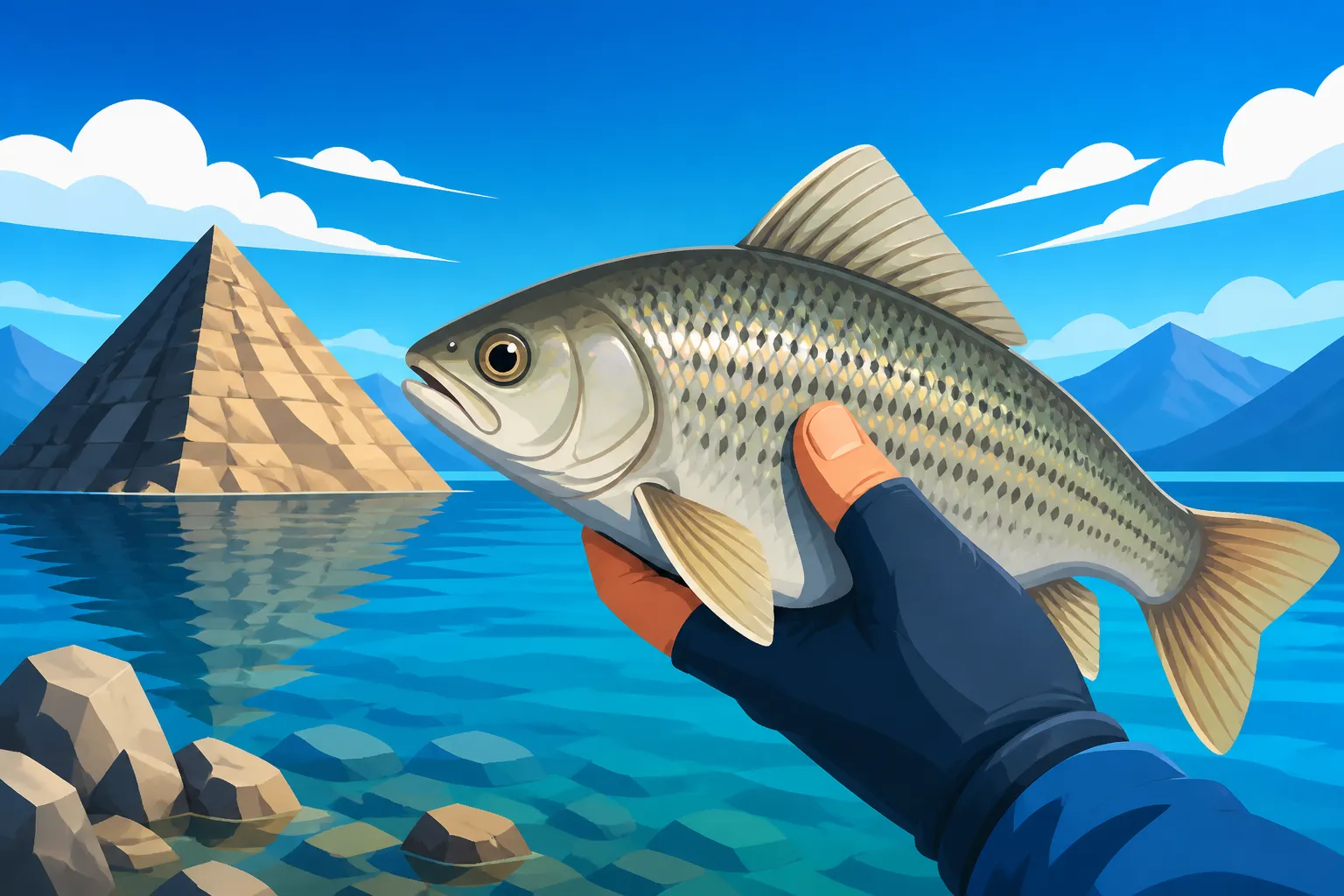
If you were to see a Cui-ui, you'd immediately notice its distinctive appearance. They are often described as prehistoric-looking, with a large, bony head, a downturned mouth, and typically a dark, olive-green back fading to silvery sides and a white belly. Unlike the trout, their mouth is located on the underside of their head, a classic adaptation for bottom-feeding, which allows them to vacuum up small invertebrates and plant matter. Cui-ui can grow quite large, sometimes reaching over two feet in length and weighing several pounds, though most adult specimens you might encounter are in the 1 to 2-foot range. Their scales are relatively large, and their body shape is robust and elongated.
It's not uncommon for anglers, especially those new to Pyramid Lake, to mistake a Cui-ui for another species, or simply not know what they've caught. This is why understanding their identification is crucial, particularly given their protected status. The downturned mouth is probably the most telling feature that distinguishes it from other fish in the lake, including the Lahontan cutthroat trout or even other non-game species. Knowing what to look for can help you quickly identify an accidental catch and ensure its safe release, aligning with the spirit of conservation that Pyramid Lake embodies.
The Cui-ui's Evolutionary Story
The Cui-ui's story is deeply intertwined with the geological history of the Great Basin. Pyramid Lake is a remnant of ancient Lake Lahontan, a colossal prehistoric lake that once covered much of Nevada during the last Ice Age. As Lake Lahontan receded over thousands of years, many species adapted to the shrinking, increasingly saline, and isolated pockets of water. The Cui-ui is one of those survivors, having evolved to thrive specifically in the unique environment of Pyramid Lake. Its ancestors swam in a vast freshwater sea, and its descendants now navigate the concentrated, highly alkaline waters of a desert lake.
This isolation means the Cui-ui has faced unique evolutionary pressures, developing specialized kidneys to handle the lake's high mineral content, and a reproductive strategy perfectly timed with the seasonal flows of the Truckee River. This long, unbroken lineage makes the Cui-ui a true indicator species – its health reflects the health of the entire Pyramid Lake ecosystem, and by extension, the broader Truckee River watershed. Understanding its ancient roots helps us appreciate just how irreplaceable this fish truly is. Fish native to Nevada is a topic that further explores these fascinating indigenous species.
Where Do Cui-ui Live? Pyramid Lake, Their Exclusive Home
The Cui-ui are inextricably linked to Pyramid Lake. This stunning body of water, known for its tufa formations and vibrant turquoise hue, is more than just a beautiful backdrop for fishing; it is the sole natural habitat for this remarkable fish. For millions of years, the Cui-ui have called these waters home, adapting to its unique chemistry and the rhythm of the Truckee River, which feeds it.
Pyramid Lake's Role as a Sanctuary
Pyramid Lake, located on the Pyramid Lake Paiute Reservation, is a terminal lake, meaning water flows in but never flows out, except through evaporation. This process concentrates salts and minerals, giving the lake its distinctive characteristics. For the Cui-ui, this concentration has meant an evolutionary journey to adapt to these specific conditions. It's why they can't simply be transplanted to other lakes and thrive. The lake's depth, temperature stratification, and unique food web all contribute to creating the perfect, singular environment for the Cui-ui. The Paiute Tribe has long recognized the sacred and vital role the Cui-ui plays in their culture and the health of the lake, leading ongoing efforts to protect it. You can learn more about the unique rules and regulations of this body of water in our Pyramid Lake Nevada Fishing Guide.
The fact that this species exists nowhere else makes Pyramid Lake a truly special and globally significant aquatic ecosystem. Any threat to Pyramid Lake is a direct threat to the Cui-ui's very existence, underscoring the importance of careful stewardship and conservation efforts. The lake's sheer size, stretching for miles, provides ample habitat, but it's the specific characteristics of its water and its connection to the Truckee River that are absolutely vital for the Cui-ui's survival.
Historical Range and Decline
While the Cui-ui are now confined exclusively to Pyramid Lake, their history tells a story of a much wider, though still localized, range tied to the ancient Lake Lahontan system. Historically, the Cui-ui utilized the Truckee River for spawning, migrating upstream from Pyramid Lake. This migration was a natural, seasonal event, crucial for their reproduction. However, the landscape surrounding the Truckee River and Pyramid Lake saw significant changes, particularly with the arrival of Western settlers and the development of agriculture and water diversions in the late 19th and early 20th centuries.
The construction of the Derby Dam in 1905 on the Truckee River proved to be a catastrophic blow. This dam completely blocked the Cui-ui's access to their historic spawning grounds upriver, effectively cutting off their ability to reproduce naturally. Without access to flowing water and gravel beds, the fish could not complete their life cycle. This single act led to a dramatic decline in the Cui-ui population, pushing them to the brink of extinction. It’s a somber reminder of how human infrastructure can profoundly impact native species, and it’s why understanding Is the cui-ui fish endangered? is so crucial for conservation.
The Cui-ui's Journey: Spawning and Life Cycle
The life cycle of the Cui-ui is a fascinating dance between the deep, still waters of Pyramid Lake and the dynamic, flowing currents of the Truckee River. This migration is the linchpin of their survival, a biological imperative that drives them upstream each year.
The Spawning Run
Each spring, as the water temperatures begin to rise and the Truckee River swells with snowmelt, adult Cui-ui undertake a perilous journey upstream from Pyramid Lake. This is their spawning run, a truly remarkable natural phenomenon. Historically, this meant migrating many miles up the Truckee to find suitable gravel beds for laying their eggs. The female Cui-ui can lay hundreds of thousands of tiny, sticky eggs, which adhere to the gravel, and after fertilization by the males, are left to develop.
This annual migration is not only critical for the Cui-ui but also provides a glimpse into the incredible natural cycles that once defined the Great Basin's aquatic ecosystems. It's a spectacle of nature, albeit one that has been severely impacted by human development. The success of each spawning run directly influences the health of future generations of Cui-ui, making every year's river conditions and migration accessibility incredibly important for the species' long-term survival. These efforts are closely monitored by wildlife biologists and the Pyramid Lake Paiute Tribe.
Early Life Stages and Lake Return
Once the Cui-ui eggs hatch in the river's gravel, the tiny larvae drift downstream back towards Pyramid Lake. This downstream journey is fraught with challenges, as the fragile young fish must navigate currents, avoid predators, and find food. Upon reaching the lake, they settle into their nursery habitats, typically shallower areas with abundant food sources. Here, they grow and mature, feeding on plankton and other small invertebrates.
The survival rates during these early life stages are critical and can be heavily influenced by water quality, food availability, and predation pressure. It takes several years for Cui-ui to reach sexual maturity, often around 6-8 years old, after which they will join the adult spawning run. Cui-ui are long-lived fish, capable of surviving for decades in the lake, which is another testament to their adaptability and the richness of their unique ecosystem. This extended lifespan allows for multiple spawning cycles, contributing to the species' resilience, provided they have access to their spawning grounds.
Cui-ui and the Angler: What You Need to Know
For anglers visiting Pyramid Lake, understanding the Cui-ui isn't just about environmental curiosity; it's about responsible fishing practices. Since Cui-ui are a protected, endangered species, their interaction with the angling community is governed by strict regulations. Knowing these rules is not just a suggestion; it's a legal and ethical obligation.
Legal Status and Protection
The Cui-ui were one of the very first fish species in the United States to be listed under the Endangered Species Act, gaining federal protection in 1967. This designation reflects the severity of their decline following the construction of dams and water diversions. As an endangered species, it is strictly illegal to target, harvest, or possess a Cui-ui. The Pyramid Lake Paiute Tribe and federal agencies work tirelessly to protect these fish, and violating these regulations can lead to significant penalties. Anglers coming to Pyramid Lake must be aware of Can you keep a cui-ui if you catch one at Pyramid Lake? and other specific rules.
This protection is not merely a formality; it's a critical component of the ongoing recovery efforts. Every Cui-ui is precious, and its survival contributes to the genetic health and overall population stability of the species. When you're out on the water, remember that you are sharing this incredible resource with a rare and vulnerable creature, and your actions directly impact its future.
Inadvertent Catches and Safe Release Guidelines
Given that Cui-ui share the same waters as other fish, particularly bottom-feeding species, it is possible for an angler to inadvertently catch one. This is especially true if you are fishing near the bottom with baits or lures that mimic their natural food sources. If you do accidentally catch a Cui-ui, the most important thing is to ensure its safe and immediate release.
Here are some guidelines for safe release:
- Identify Quickly: As soon as you reel in a fish, quickly identify it. Look for that distinctive downturned mouth and robust body. If you suspect it's a Cui-ui, proceed with care.
- Minimize Handling: Do not bring the fish out of the water if at all possible. Try to unhook it while it's still submerged. This minimizes stress and injury.
- Use Barbless Hooks: Many anglers at Pyramid Lake already use barbless hooks, especially when targeting Lahontan cutthroat trout, but it's particularly important if there's a chance of catching other protected species. Barbless hooks make removal much easier and less damaging. You can crimp the barb on your existing hooks with a pair of pliers.
- Gentle Removal: Use needle-nose pliers or a de-hooking tool to gently remove the hook. Avoid tearing the fish's mouth or gills.
- No Photos, No Weighing: Resist the urge to take a photo or weigh the fish. Its survival is paramount. Every second out of water is detrimental.
- Revive If Necessary: If the fish seems stunned or sluggish, hold it gently in the water, facing into the current, until it regains its strength and swims away on its own.
- Know the Rules: Always check the current Pyramid Lake Season and Bag Limit Rules and tribal regulations before you go, as they can be updated.
Being prepared for an accidental catch is part of being a responsible angler at Pyramid Lake. You can find essential tools like de-hookers and various pliers that aid in safe catch-and-release practices on platforms like Amazon.
| Feature | Cui-ui | Lahontan Cutthroat Trout |
|---|---|---|
| Scientific Name | Chasmistes cujus | Oncorhynchus clarkii henshawi |
| Family | Sucker (Catostomidae) | Salmon/Trout (Salmonidae) |
| Mouth Position | Ventral (downturned, on underside of head) | Terminal (at the front of the head) |
| Jaw Structure | Thick, fleshy lips, adapted for suction | Defined upper and lower jaws |
| Coloration | Olive-green to silvery, often dusky | Silvery, brassy, or golden, red cutthroat marks |
| Typical Size | 1-2 feet, can exceed | 1-3 feet, can exceed (trophy potential) |
| Diet | Zooplankton, detritus, small invertebrates | Primarily other fish (tui chub, perch), insects |
| Conservation Status | Federally Endangered | Federally Threatened (recovering) |
| Legal to Keep? | NO (strictly protected, immediate release) | YES (with tribal permit, strict limits) |
| Spawning Habitat | Truckee River gravel beds | Truckee River (historically) & lake shoals |
Conservation Efforts: Protecting a Nevada Treasure
The story of the Cui-ui is one of both near-tragedy and inspiring recovery. For decades, the species teetered on the brink of extinction. Thankfully, dedicated efforts by the Pyramid Lake Paiute Tribe, federal agencies, and various conservation groups have brought this unique fish back from the edge.
The Challenges Faced by Cui-ui
The Cui-ui's biggest challenge, historically, was the blockage of their spawning migration by the Derby Dam, as mentioned earlier. This single act severely impacted their natural reproduction. Even after significant modifications were made to aid fish passage, other threats emerged and persist. Water quality and quantity in the Truckee River are critical concerns. Diversions for agriculture and municipal use mean that river flows, especially during dry years, can be insufficient for a successful spawning run, or for the young fish to drift back to the lake.
Pollution and habitat degradation in the river and its tributaries also pose risks. Changes in lake chemistry, temperature fluctuations due to climate change, and the presence of invasive species can all stress Cui-ui populations. It’s a constant battle to balance human needs with the delicate ecological requirements of this unique fish. Understanding the context of Threatened and Protected Fish Species in Nevada gives an even broader view of these challenges.
Success Stories and Ongoing Recovery Efforts
Despite these challenges, the Cui-ui story is also one of significant conservation victories. The Pyramid Lake Paiute Tribe has been at the forefront of these efforts, recognizing the Cui-ui's cultural significance and its role in the lake's ecosystem. Their fish hatchery, established decades ago, has been instrumental in keeping the Cui-ui from disappearing entirely. Hatchery-raised Cui-ui are released into the lake, supplementing the wild population and ensuring the species' survival.
Beyond the hatchery, extensive river restoration projects have been undertaken on the Truckee River to improve spawning habitat and create better fish passage. These projects involve removing barriers, creating fish-friendly bypasses, and restoring natural river morphology. The Truckee River Operating Agreement (TROA), a complex water management plan, aims to provide more consistent flows for both wildlife and human use, which indirectly benefits the Cui-ui by ensuring more predictable river conditions for spawning. Efforts like these are a beacon of hope, demonstrating that with sustained commitment and collaboration, even critically endangered species can be given a second chance. Information on these efforts, including historical documents and educational materials, can often be found through various tribal and governmental websites, and sometimes even in specialized books or reports available on Amazon.
The Future of Cui-ui and Pyramid Lake
The future of the Cui-ui remains a topic of ongoing vigilance and dedicated work. While the immediate threat of extinction has receded thanks to the hatchery program and habitat improvements, the species is still listed as endangered. The goal is to establish a self-sustaining wild population that no longer relies on human intervention. This means ensuring consistently healthy river flows, pristine spawning grounds, and a thriving Pyramid Lake ecosystem.
As anglers, outdoor enthusiasts, or simply visitors to Nevada, our role is to support these conservation efforts by respecting regulations, practicing responsible catch-and-release, and appreciating the incredible biodiversity that exists in places like Pyramid Lake. The Cui-ui is more than just a fish; it's a symbol of resilience, a testament to the power of conservation, and an integral part of Nevada's natural heritage. Its continued presence in Pyramid Lake reminds us of the profound connections between land, water, and life in the Silver State.
Disclaimer
This article is for general informational purposes only and does not constitute professional advice. Laws, prices and regulations vary by location and change over time. Consult a qualified professional for guidance on your specific situation.