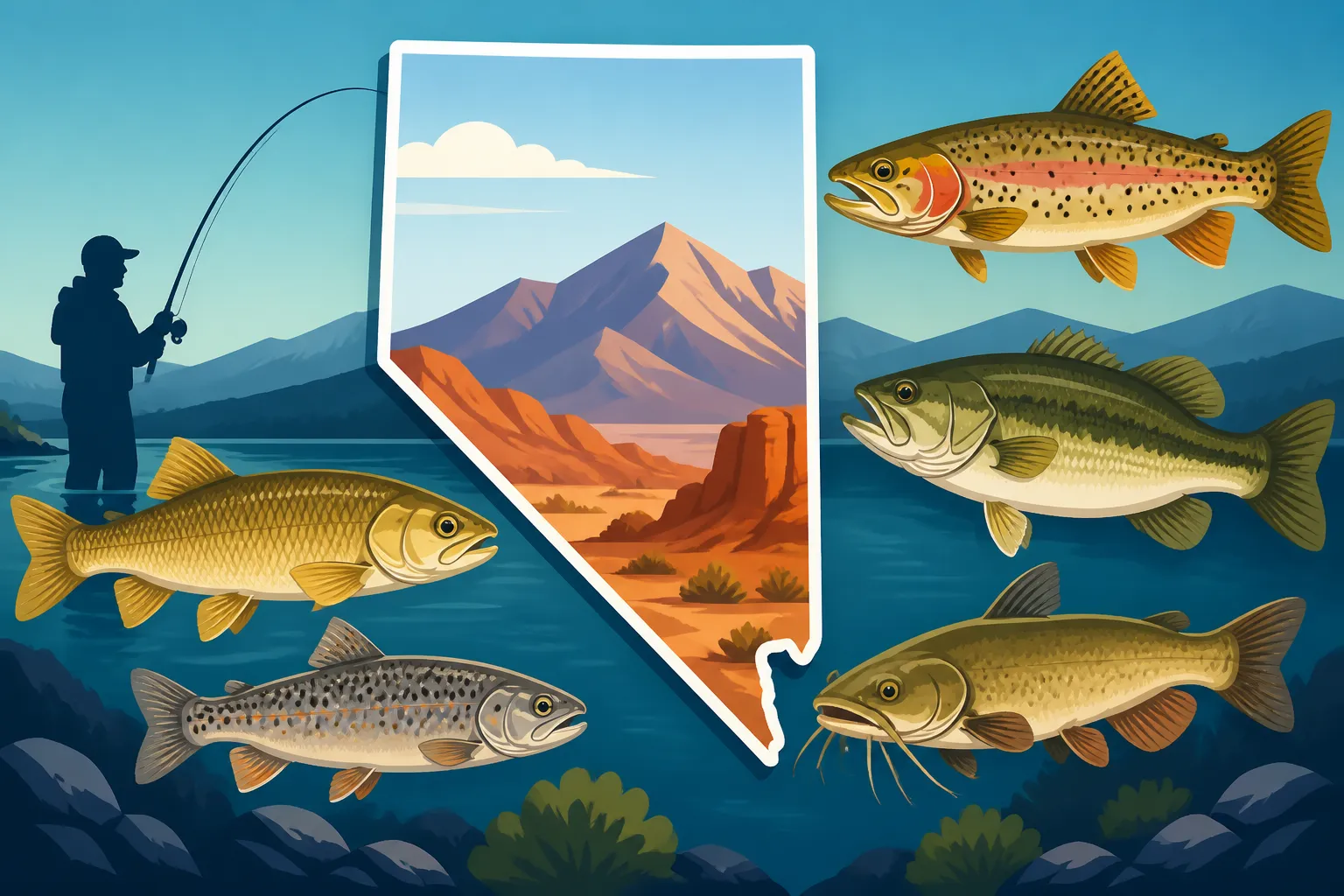
Fish native to Nevada
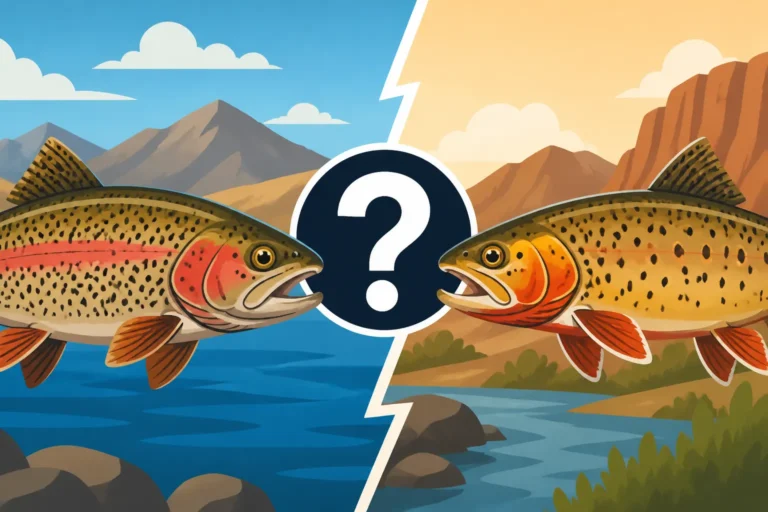
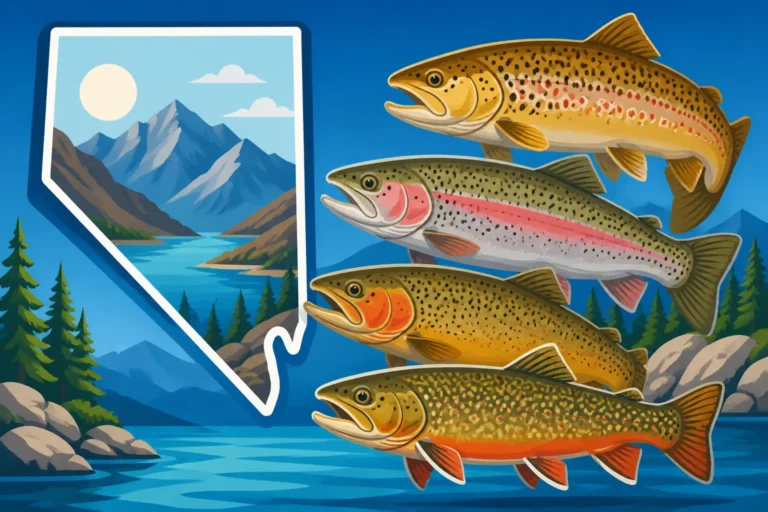
It's easy to assume that the big, flashy fish we often catch in Nevada's lakes and rivers – like rainbow trout or largemouth bass – are the ones that have always called this state home. But the truth is, many of our popular game fish were introduced over the years. This can leave anglers wondering, "What fish actually belong here? What are the true native inhabitants of Nevada's unique waterways?" Understanding Nevada's native fish species is not just about history; it's about appreciating the unique ecology of the Silver State and recognizing the incredible resilience of these indigenous aquatic creatures. This guide will take you on a journey to discover the incredible native fish that are integral to Nevada's natural heritage.
The Enduring Legacy of Nevada's Native Trout
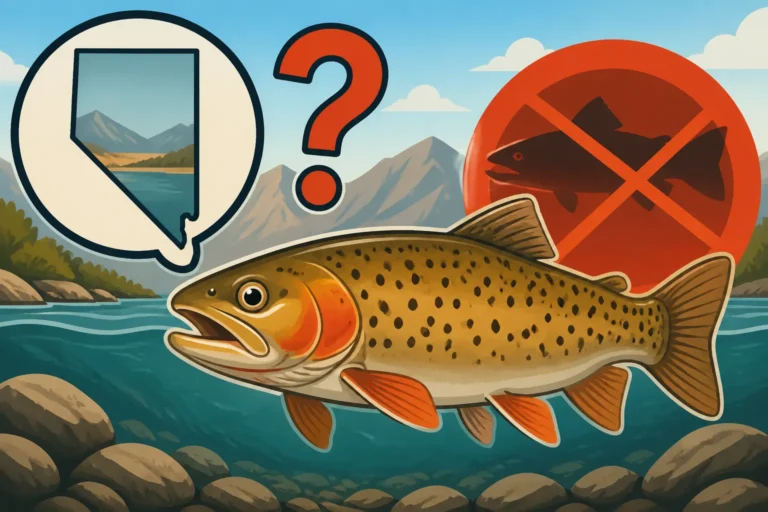
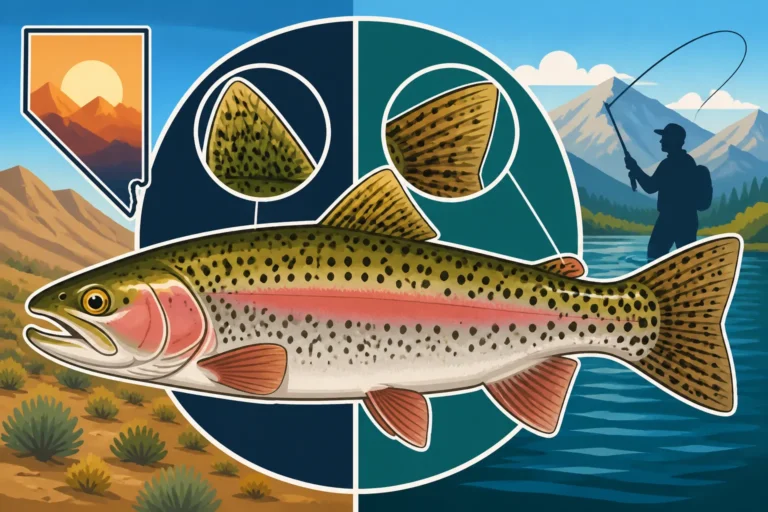
When you think of trout in Nevada, many immediately picture the vibrant rainbow trout that are regularly stocked across the state. However, the true king of Nevada's native trout is a species with deep roots and an incredible story of survival: the Lahontan cutthroat trout. These fish are not just residents; they are a living piece of Nevada's ancient aquatic history, having evolved right here in the Great Basin.
Lahontan Cutthroat Trout: A True Nevada Icon
The Lahontan cutthroat trout (LCT) is more than just a fish; it's a symbol of the Great Basin's unique and often harsh environment. This magnificent trout is Nevada's state fish, and for good reason. Before European settlement, LCT were the apex predators in many of Nevada's largest drainages, including the vast ancient Lake Lahontan system that once covered much of what is now western Nevada. They adapted to extreme conditions, from highly alkaline lakes to cold mountain streams, developing distinct populations suited to specific environments.
Their size can be truly impressive, with historical accounts and even modern catches at Pyramid Lake showcasing fish weighing into the tens of pounds. Their appearance is striking: typically a silvery-gold body with dark spots concentrated towards the tail, and those tell-tale red or orange "cutthroat" slashes under their jaw. Catching one is often a bucket-list item for serious anglers. You can learn more about these incredible fish in our article, Lahontan Cutthroat Trout in Nevada.
Today, the most famous stronghold for the Lahontan cutthroat trout is Pyramid Lake, a remnant of ancient Lake Lahontan. The fish here are a distinct strain, known for their incredible size and fighting spirit. This unique ecosystem, managed by the Pyramid Lake Paiute Tribe, requires a special permit to fish, separate from your state license. For more details, check out our Pyramid Lake Fishing Permit Guide. While they once thrived in other large lakes like Walker Lake, their populations have faced significant challenges due to habitat alteration, water diversions, and the introduction of non-native species.
Other Native Trout Populations and Their Stories
While the Lahontan cutthroat trout often steals the spotlight, historical records suggest other native trout populations or subspecies might have once graced Nevada's higher elevation streams and remote drainages, though their exact classifications and ranges are often debated by ichthyologists. These smaller, more isolated populations were likely highly localized and incredibly sensitive to changes in their environment.
The stories of these less-known native trout are often tales of loss and rediscovery. Many were pushed to the brink by early human activities like mining, logging, and extensive livestock grazing, which degraded stream habitats. Furthermore, the widespread stocking of non-native rainbow trout led to hybridization, diluting the genetic purity of the remaining native strains. Conservation efforts today often focus on identifying genetically pure populations and working to restore their habitats, a challenging but crucial endeavor.
The Unsung Heroes: Nevada's Native Non-Game Fish
Beyond the celebrated Lahontan cutthroat trout, Nevada's waters are home to a fascinating array of native non-game fish. These species, though not typically targeted by anglers, play incredibly vital roles in the ecosystem, often acting as indicators of water health and providing crucial food sources for larger predators, including the native cutthroat.
Cui-ui: An Ancient Survivor of Pyramid Lake
One of the most unique native fish in Nevada, and indeed the world, is the cui-ui. This sucker species (Chasmistes cujus) is found only in Pyramid Lake and its tributary, the Truckee River. It is a true endemic species, meaning its entire existence is tied to this single, iconic body of water. The cui-ui is an ancient fish, having adapted to the harsh, alkaline environment of Pyramid Lake over thousands of years. Its unique upturned mouth is perfectly suited for feeding on plankton in the water column.
The cui-ui holds immense cultural significance for the Pyramid Lake Paiute Tribe, having been a staple food source for centuries. Unfortunately, like the Lahontan cutthroat trout, the cui-ui faced severe decline due to the construction of Derby Dam on the Truckee River in the early 20th century, which blocked their spawning migrations. Today, thanks to extensive conservation efforts, including fish ladders and hatchery programs, the cui-ui population has stabilized, though it remains a federally listed endangered species. Understanding and protecting this remarkable fish is critical to the health of Pyramid Lake. You can learn more about this unique species in Cui-ui Fish at Pyramid Lake.
Sacramento Perch: Nevada's Original Bass
While bass fishing is synonymous with species like largemouth and smallmouth, Nevada actually has its own native "bass-like" fish: the Sacramento perch (Archoplites interruptus). Interestingly, the Sacramento perch is the only native sunfish species west of the Rocky Mountains. Historically, these fish were found in slow-moving sloughs and wetlands of the Lahontan and Sacramento-San Joaquin River systems.
Sacramento perch are unique not only for their native range but also for their ability to tolerate more alkaline water conditions than most other sunfish. They are dark in coloration, often with several vertical bars, giving them a distinct appearance. Today, pure populations are rare in Nevada, primarily due to habitat loss and competition from introduced sunfish species like bluegill and crappie. However, conservation efforts exist in some areas to maintain or re-establish them in isolated waters where they can thrive without competition. It's a testament to Nevada's aquatic diversity that such a unique native fish once flourished here. For more insights into the other fish of Pyramid Lake, check out Sacramento Perch at Pyramid Lake.
Minnows, Suckers, and Dace: The Small Wonders
Beyond the larger, more charismatic native species, Nevada's rivers and streams are home to a fascinating array of smaller native fish, primarily minnows, suckers, and dace. While often overlooked by anglers, these species are the unsung heroes of the aquatic ecosystem. They form the base of the food chain, provide critical ecosystem services by grazing on algae and invertebrates, and are indicators of environmental health.
Nevada boasts several native species within these groups, each adapted to specific niches. For example, various species of speckled dace, Tahoe suckers, and Lahontan redside minnows can be found in different parts of the state, from the Truckee River to small mountain tributaries. These small fish often have incredible resilience, surviving in ephemeral streams and enduring wide temperature fluctuations. Protecting their habitats, which are often threatened by development and water diversions, is just as important as protecting larger game fish. Looking for educational materials on Nevada's aquatic ecosystems? You might find some excellent regional guides on Amazon that delve even deeper into the history of these smaller, fascinating fish.
The Importance of Native Fish and Conservation Efforts
Understanding which fish are native to Nevada isn't just an academic exercise; it's fundamental to responsible angling and environmental stewardship. Native fish have evolved over millennia to thrive in their specific environments, forming complex, interconnected ecosystems. When non-native species are introduced, even with good intentions, it can disrupt this delicate balance with devastating consequences.
Why Native Species Matter
Native fish are incredibly important for several reasons. Firstly, they are perfectly adapted to the unique environmental conditions of their home waters, whether it's the high alkalinity of Pyramid Lake or the fluctuating flows of a desert stream. This adaptation makes them resilient to local challenges. Secondly, they are part of a complex food web. If a native species declines, it can have a ripple effect throughout the entire ecosystem, impacting everything from aquatic insects to birds of prey.
Thirdly, native fish represent unique genetic diversity. Each population has genetic traits that allow it to survive in its specific environment. Losing a native population means losing thousands of years of evolutionary adaptation, a biological library that cannot be replaced. Finally, for many indigenous communities, native fish hold deep cultural and historical significance, forming a vital part of their heritage and traditions. Protecting these species is also about respecting and preserving cultural diversity.
Threats to Native Fish Populations
Nevada's native fish have faced, and continue to face, numerous threats. The most significant historical threats include:
- Habitat Loss and Degradation: Water diversions for agriculture and municipal use, dam construction, and stream channelization have all altered or destroyed crucial habitats for native fish, particularly spawning grounds.
- Introduction of Non-Native Species: This is a huge one. Non-native fish, often introduced for sport fishing or as bait, can outcompete native species for food and space, prey on native fish, and introduce diseases. Hybridization with native cutthroat trout is another major concern, diluting the genetic purity of wild populations. Understanding Invasive Fish Species in Nevada Lakes is critical.
- Pollution: Runoff from urban and agricultural areas can introduce pollutants that harm sensitive native fish.
- Climate Change: Changes in temperature and precipitation patterns can alter stream flows, water temperatures, and overall habitat suitability, pushing already stressed populations to their limits.
Ongoing Conservation and Restoration Initiatives
Thankfully, there are dedicated efforts across Nevada to protect and restore native fish populations. Organizations like the Nevada Department of Wildlife (NDOW), the U.S. Fish and Wildlife Service, and the Pyramid Lake Paiute Tribe are at the forefront of these initiatives. These efforts often include:
- Habitat Restoration: Projects focus on restoring natural stream flows, removing barriers to fish migration, improving riparian vegetation, and enhancing water quality.
- Species Management: This involves careful monitoring of native populations, controlling invasive species where possible, and sometimes translocating fish to establish new, secure populations in suitable habitats.
- Hatchery Programs: For species like the Lahontan cutthroat trout and cui-ui, hatcheries play a critical role in supplementing wild populations and providing fish for reintroduction into historical habitats.
- Public Education: Informing anglers and the public about the importance of native fish and responsible fishing practices, such as proper Catch and Release Techniques for Trout and the use of barbless hooks, is vital. You can find essential gear for responsible catch and release, like specialized pliers or knotless landing nets, readily available on Amazon.
- Regulatory Frameworks: Strict fishing regulations, including size limits and catch-and-release requirements, help protect vulnerable native populations. For example, Pyramid Lake Season and Bag Limit Rules are specifically designed to protect the native fish there.
By understanding the historical presence and ongoing struggles of Nevada's native fish, we can all become better stewards of the Silver State's precious aquatic resources. Every time you cast a line, remember the intricate history and the incredible biodiversity that lies beneath the surface.
| Native Fish Species | Primary Nevada Habitat | Conservation Status (General) | Angler Status (Generally) | Key Characteristics |
|---|---|---|---|---|
| Lahontan Cutthroat Trout | Pyramid Lake, high mountain streams | Threatened/Endangered | Highly Sought Game Fish | Silvery-gold, spots, red slash, large size |
| Cui-ui (Sucker) | Pyramid Lake, lower Truckee River | Federally Endangered | Non-Game, Protected | Unique upturned mouth, plankton feeder, endemic to L. |
| Sacramento Perch | Historical Lahontan system, isolated | Rare, localized | Non-Game | Only native sunfish west of Rockies, dark bars |
| Speckled Dace | Diverse streams, rivers | Stable to Local Concern | Non-Game | Small, varied coloration, adaptable |
| Tahoe Sucker | Lake Tahoe, Truckee River, Lahontan waters | Stable to Local Concern | Non-Game | Bottom feeder, large lips, important forage fish |
| Lahontan Redside (Minnow) | Streams and rivers of Lahontan system | Stable to Local Concern | Non-Game | Small, often reddish stripe, good forage |
Disclaimer
This article is for general informational purposes only and does not constitute professional advice. Laws, prices and regulations vary by location and change over time. Consult a qualified professional for guidance on your specific situation.